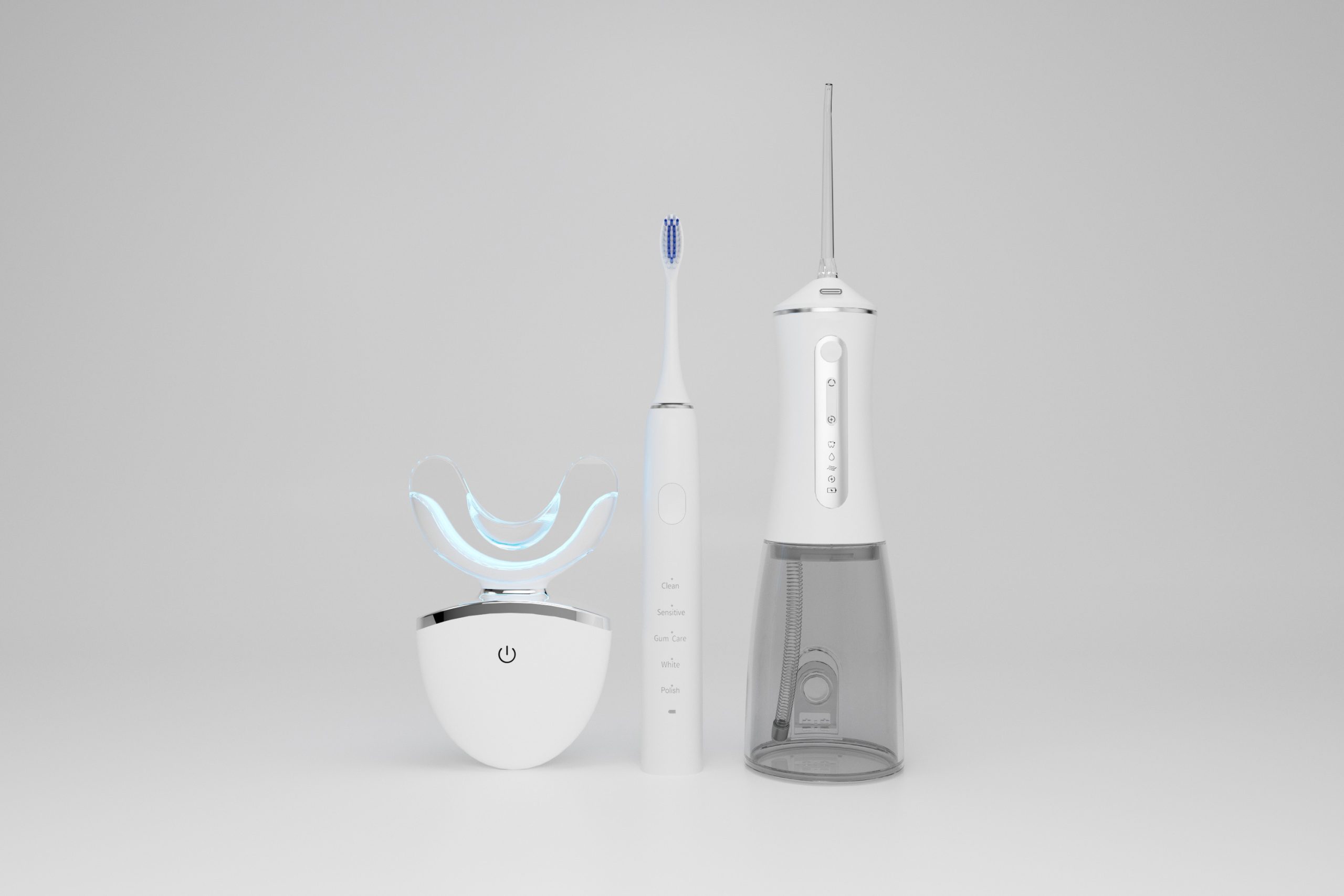
Electric Toothbrush Mold is more common than most users realize. Moisture from residual water can accumulate inside the handle or near the brush head, creating a breeding ground for bacteria and mold. For OEMs, this is not just a hygiene concern—it impacts customer satisfaction, brand reputation, and potential product returns. By understanding where mold typically develops, manufacturers can proactively address the issue through design improvements.
Many standard electric toothbrush designs struggle to prevent electric toothbrush mold due to poor drainage, insufficient ventilation, and the use of materials that absorb moisture. Without careful attention to how water moves through the product, small pockets of stagnant water can remain, giving mold a perfect environment to thrive. Users may also leave brushes on flat surfaces, which exacerbates the problem if water cannot escape properly.
OEMs can significantly reduce mold risks by integrating thoughtful OEM design improvements. This includes creating internal channels that guide water away from sensitive areas, sealing components where moisture could enter, and optimizing the assembly process to eliminate gaps where water might linger. By addressing mold risk at the design stage, manufacturers not only enhance hygiene but also extend product life and reliability.
A key factor in mold prevention is the implementation of advanced drainage systems. Innovative designs allow water to flow out naturally after use, preventing accumulation in the handle or around electronic components. Drainage solutions can range from angled internal surfaces to small venting holes that promote airflow, ensuring that the toothbrush dries quickly between uses.
Material selection plays a critical role in mold prevention. By incorporating mold-resistant materials in high-risk areas, OEMs can minimize microbial growth even if moisture remains temporarily. Silicone seals, specialized plastics, and antimicrobial coatings are effective ways to keep toothbrushes hygienic without compromising durability or aesthetics.
Investing in mold-preventing design features provides clear benefits for OEM brands. Not only does it improve user safety and satisfaction, but it also strengthens brand reputation and reduces the risk of product complaints or recalls. By emphasizing hygiene through thoughtful engineering, drainage systems, and the use of mold-resistant materials, your electric toothbrushes stand out in a competitive market.
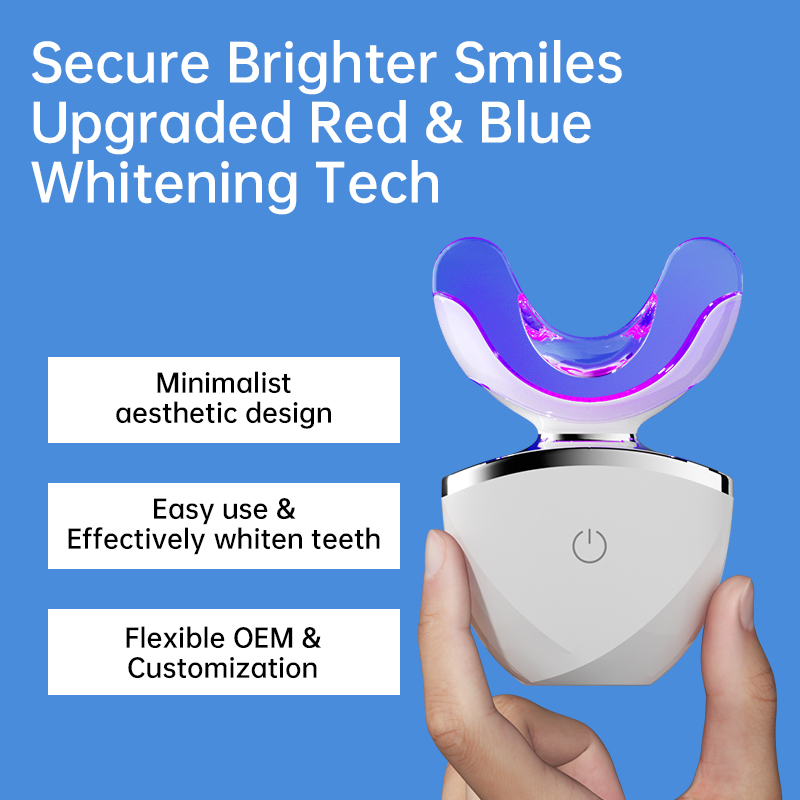
Red vs Blue Light Teeth Whitening: Choosing the Right OEM Technology for Your Brand

Power vs Portability: OEM Manufacturing for Both Desktop & Portable Water Flossers
.jpg)
FDA Certified Electric Toothbrush Supplier | Trusted B2B Oral Care Manufacturer
ADA Compliant Electric Toothbrush Supplier
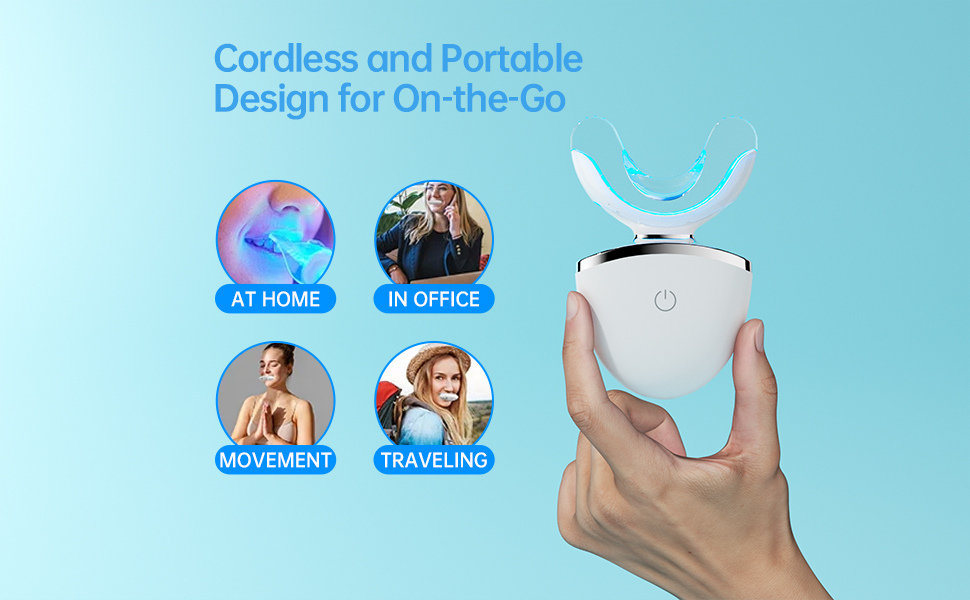
How Does Whitening Kit Packaging Design Boost Appeal for Private Label Whitening Kit Brands?
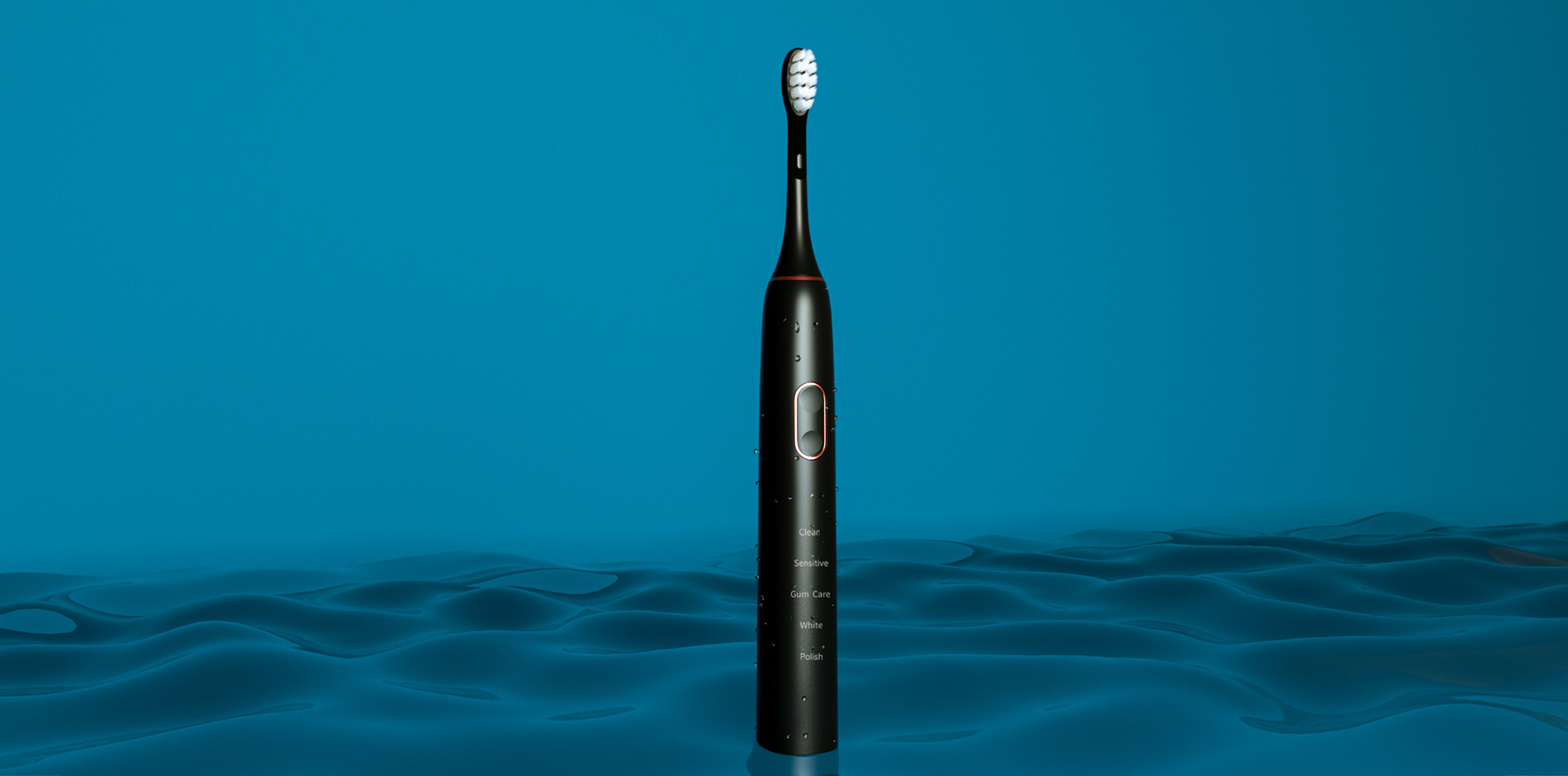
Affordable Electric Toothbrush with LED Whitening Technology: OEM Solutions
What is the Most Sanitary Way to Keep a Toothbrush? OEM Solutions for Modern Oral Care
5 Signs You Need to Replace Your Electric Toothbrush: Insights from an OEM Factory
.jpg)
How Does Water Flosser Cordless Design Impact Battery Life Optimization?
LA Affordable Toothbrush – Budget-Friendly Oral Care
What Safety Regulations in Local Laws Need to Be Met for the Sale of Teeth-Whitening Product Ingredients in the United States?
IPX7 Waterproof Electric Toothbrush Bulk | Reliable B2B Supplier
LED Whitening Toothbrush OEM

A Guide to Consumer Cognitive Education for Water Flosser Brands
water flosser OEM factory
Travel Size Electric Toothbrush Wholesale


.jpg)
.jpg)
.jpg)
.jpg)
.jpg)



.jpg)