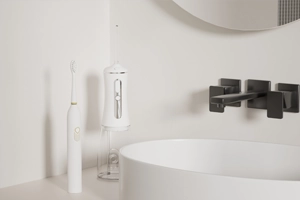
As electric toothbrush technology continues to evolve, manufacturers increasingly focus on improving motion efficiency, stability, and brushing accuracy. A Torque Control Motor plays a central role in regulating force output, while advanced Kinematic Pair Design significantly enhances how this motion is transferred to the brush head. When combined, these two engineering components create a highly optimized brushing system that elevates performance, comfort, and product durability—making them essential for next-generation oral-care devices.
A Torque Control Motor relies on precise mechanical connections to deliver controlled power. With refined Kinematic Pair Design, the motor’s rotational or oscillating movements are transferred more accurately into the brush head mechanism. This minimizes motion loss, reduces mechanical backlash, and leads to consistent brushing performance across all modes.
Advanced kinematic structures—such as sliding pairs, rotational pairs, or cam-follower mechanisms—stabilize the motor’s output. When paired with a Torque Control Motor, these optimized motion pairs reduce unnecessary lateral vibration and enable smoother operation. This results in quieter performance and improved user comfort.
The torque-regulation capability of the Torque Control Motor helps prevent excessive brushing force. Combined with precise Kinematic Pair Design, the system can more accurately detect and adjust to pressure changes. This reduces the risk of gum abrasion and enamel wear, improving long-term oral health outcomes.
Poorly aligned motion pairs can cause friction, wear, and premature damage to internal components. By integrating advanced Kinematic Pair Design, manufacturers reduce mechanical stress on the brush head connector and internal gears. This extends the lifespan of both the brush head and the device’s core transmission system.
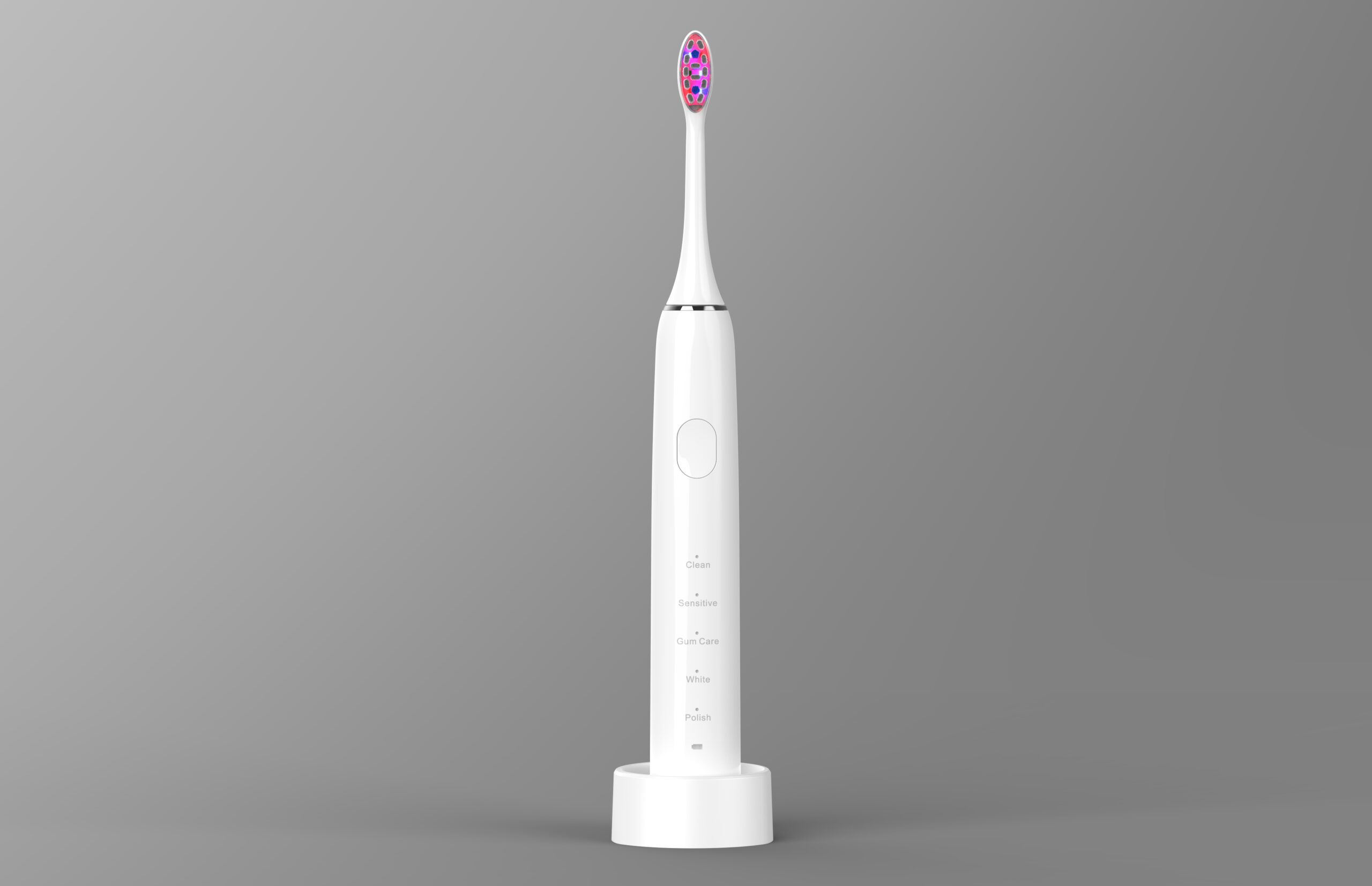
Whether the toothbrush is set to clean, polish, or gum care, each mode requires a different torque and vibration pattern. A Torque Control Motor working with optimized kinematic pairs enables seamless transitions between modes. This ensures that the brush head responds accurately to varied intensity levels, improving overall brushing adaptability.
Because Kinematic Pair Design enhances movement precision, it provides flexibility for designers to experiment with new brush head shapes, materials, and ergonomic layouts. The motor can maintain high accuracy even when paired with innovative structural components—supporting advanced product differentiation in competitive markets. Contact us
.jpg)
.jpg)
.jpg)
Ergonomic Design Electric Toothbrush OEM Solutions
How Can Intuitive Touch Interface Design Incorporate a Reliable Child Lock Function?
How Does UV Whitening Technology Comply with Dental Grade Whitening Standards?
As a Micro Motor Supplier, Do You Also Provide the UV Sanitizing Component?
Ultra-Fine Bristle Electric Toothbrush Wholesale – Sensitive Care OEM Supply
Fourth of July Red Blue Electric Toothbrush
How Does a Modern Touch Interface Design Integrate with an LED Display Module for User Feedback?
Oral Care Products Supplier in Houston TX
.jpg)
Can a kids electric toothbrush make childrens dental care fun?
Sourcing Wireless Charging Coils? Need a Reliable Global Logistics Partner for Delivery?

Should Nozzle Material Always Be Medical-grade Material for Safety?
Wholesale Logo Printed Electric Toothbrush OEM Service
.jpg)
Wholesale sonic toothbrush distributor Houston TX
Cordless Water Flosser for Family Use – Portable Home Oral Hygiene Solutions
.webp)
How can the right toothbrush technique prevent gum disease?
Premium Electric Toothbrush OEM Manufacturer for Global Markets


.jpg)
.jpg)
.jpg)
.jpg)
.jpg)