
It’s no secret that vibration decay and timer malfunction are two of the most frustrating performance issues users face with modern oral care devices. While each problem can compromise brushing effectiveness on its own, together they often signal that your product may be nearing the end of its usable life—or worse, that it was never engineered for consistent reliability in the first place.
In this article, we’ll break down what causes these issues, why they frequently occur in tandem, and how manufacturers can tackle them before customers decide it’s time to retire their devices.
Vibration decay is the progressive weakening of the device’s motor output over time. Instead of maintaining a steady, high-frequency motion, the device begins to:
Common causes include motor fatigue, battery degradation, or internal friction due to component wear.
The timer malfunction issue occurs when the device’s programmed cycle timer becomes unreliable. Symptoms often include:
Although this may seem minor compared to motor problems, accurate timing is essential for ensuring consistent oral hygiene and protecting the device from overuse.
Vibration decay and timer malfunction are frequently linked because they share underlying causes:
Once these issues appear simultaneously, they indicate that internal degradation is reaching a critical threshold.Company web: https://www.powsmart.com/product/electric-toothbrush/
For consumers, encountering both problems can be frustrating and confusing:
Manufacturers who ignore these complaints risk negative reviews, higher return rates, and damage to their reputation.
Leading brands prevent vibration decay and timer malfunction through:
In addition, clear maintenance guidelines help customers avoid early failures.
While some cases of vibration decay and timer malfunction can be remedied through component replacement or firmware updates, persistent or worsening issues typically indicate it’s time to retire the device. Manufacturers should provide clear guidance to distributors and consumers on:
Transparent communication builds credibility and customer loyalty.
If your oral care device is suffering from both vibration decay and timer malfunction, it’s a clear signal that proactive measures are overdue. Addressing these problems through smart design, quality components, and robust testing ensures your products deliver consistent, dependable performance throughout their lifespan.
Ready to explore how next-generation engineering can prevent these failures? Contact our technical team today for tailored support and innovative solutions.Contact us
.jpg)
Customization Guide for UVC Sterilization of Water Flossers: Scientific Matching of Wavelength, Irradiation Time and Waterproof Design
Custom Whitening Toothbrush OEM: Advanced Stain Removal Technology
.jpg)
Smart Toothbrush Austin – High-Tech Oral Care Solutions
Can Eco-friendly Material Be Used to Create a Premium Luxury Gift Set for Oral Care?
Why is Water Tank Molding critical for the stability of a Pressure Control System in flossers?
Can a Portable Water Flosser incorporate elements of Desktop Irrigator Design for versatility?
Why Dentin Exposure Risk with UV Light Risks?
Can sensitive toothpaste reverse gum recession?
.webp)
Why Integrate an Electric Toothbrush PCBA Solution with a Wireless Charging Toothbrush OEM for Seamless Production?
Are Firmware update failures Linked to False Advertising Claims?
How Do High-Quality Electric Toothbrushes Enhance the Brand Image of Oral Care?
Powsmart FDA-Certified Electric Toothbrushes: Premium Sonic Oral Care for Global Users
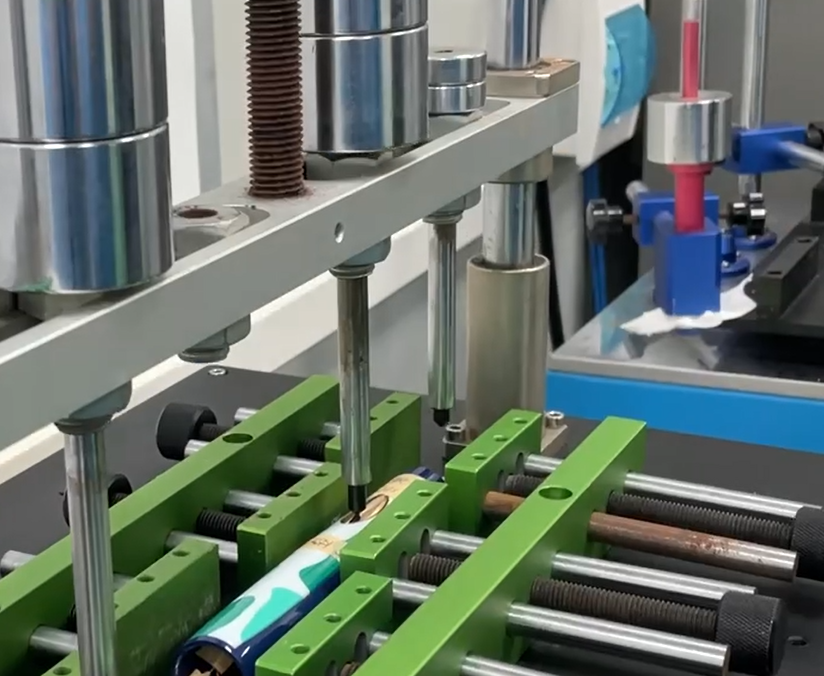
Comparison Between UV Spraying and PU Spraying for Electric Toothbrushes: Matte, Anti-Slip, and Environmental Protection Performance Analysis
Portable Flosser OEM Manufacturer for Cordless Oral Care Devices
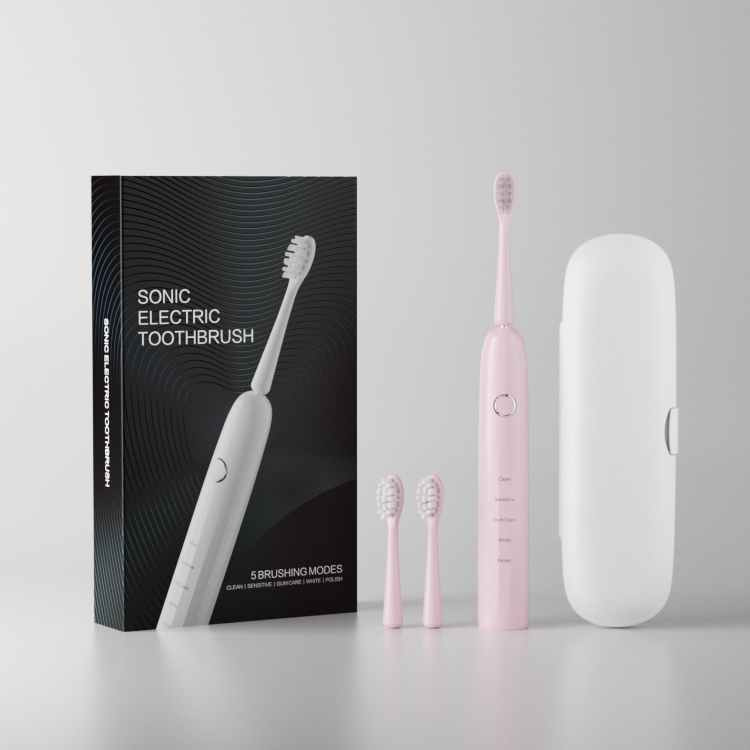
Electric Toothbrush Manufacturing: Key Resources and Supply Chain Insights for Brands
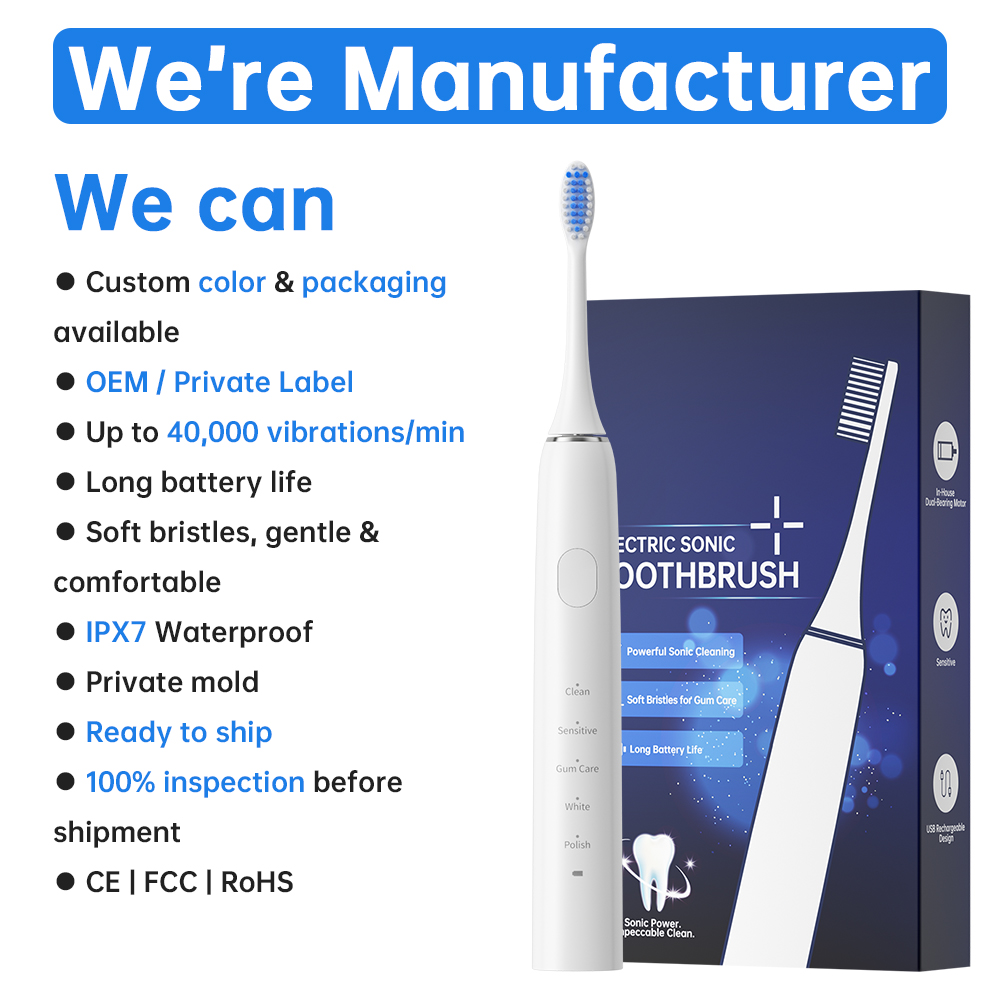
How does Pulse Water Technology enhance the effectiveness of an Orthodontic Jet Tip?


.jpg)
.jpg)
.jpg)
.jpg)
.jpg)





.jpg)