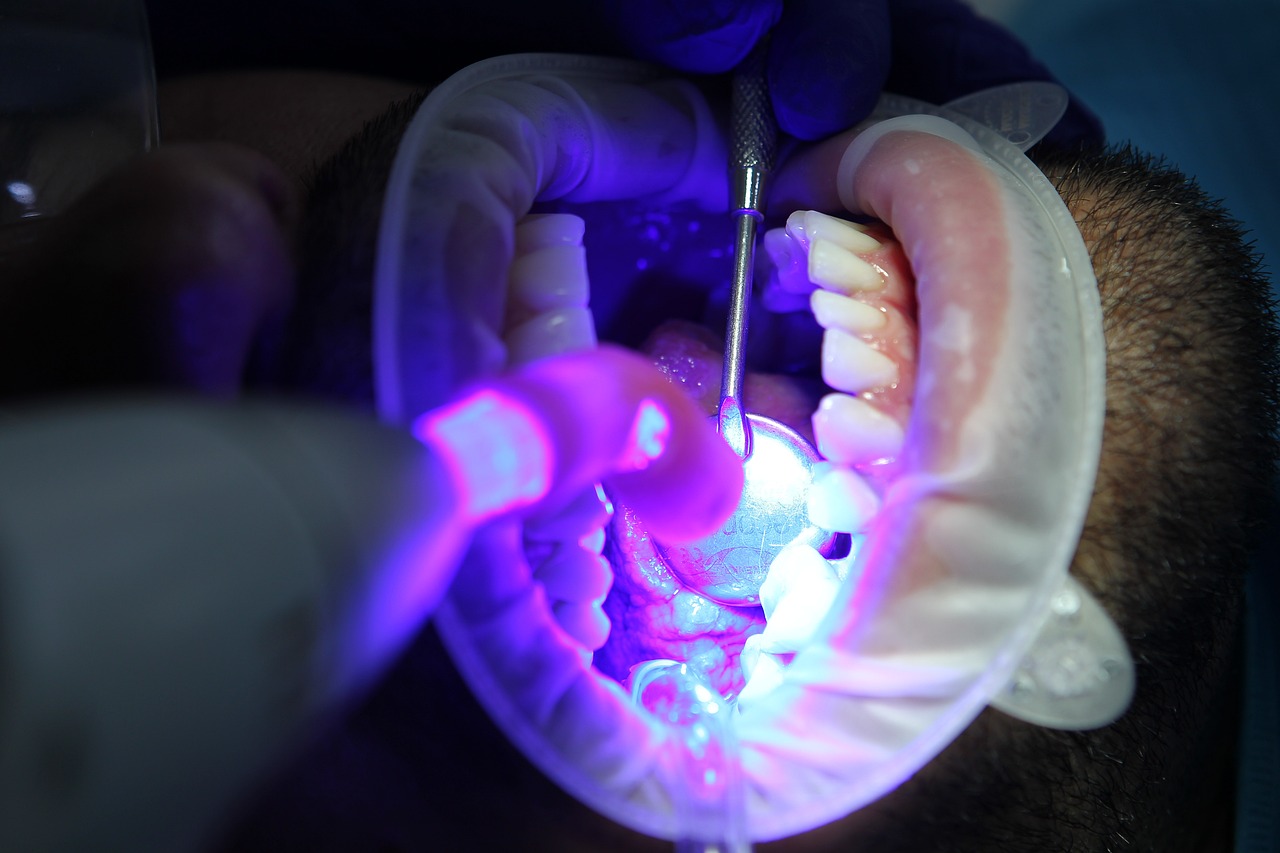
As device design advances in the oral care industry, vestibular stimulation—the activation of oral tissue through vibration, motion, or pressure—has become an increasingly common feature in consumer and clinical-grade devices. While intended to enhance user comfort or circulation, there is growing concern that excessive or improperly calibrated stimulation may accelerate tooth demineralization. Could the very technology designed to promote oral health be undermining enamel integrity?
Vestibular stimulation refers to the mechanical activation of the oral vestibule—the area between the teeth, lips, and cheeks—often through:
These features are often marketed as comfort-enhancing or circulation-boosting. However, when over-applied or poorly regulated, they may introduce stress to enamel and surrounding tissues.
Tooth demineralization occurs when minerals, primarily calcium and phosphate, are gradually lost from the enamel surface due to acid attacks or mechanical erosion. Contributing factors include:
Demineralized enamel becomes porous, sensitive, and more susceptible to decay—making it a silent yet critical threat to long-term oral health.
When vestibular stimulation is too aggressive or misdirected, it can:
This is particularly problematic for users with orthodontic appliances, aging enamel, or high-acid diets. Company web: https://www.powsmart.com/product/electric-toothbrush/
Several real-world use cases elevate the risk of vestibular stimulation worsening tooth demineralization:
This highlights the need for careful calibration and intelligent design based on age, dental status, and enamel resilience.
To minimize the risk of stimulating enamel degradation, OEMs should consider:
Smart design does not merely enhance performance—it prevents unintended harm in edge-case users.
The intersection of vestibular stimulation and tooth demineralization represents an emerging concern in oral care technology. As devices become more advanced, the margin for unintended effects widens—especially in sensitive populations.
By conducting simulated enamel stress testing, multi-user condition trials, and continuous post-market surveillance, manufacturers can remain at the forefront of safe and effective design.
While vestibular stimulation offers distinct therapeutic benefits, its potential role in tooth demineralization must not be overlooked. Only by harmonizing engineering precision with clinical insight can OEMs deliver products that enhance—not erode—oral health. Contact us
-300x300.jpg)
-300x300.jpg)
.jpg)
Professional Dental Care Toothbrush Bulk
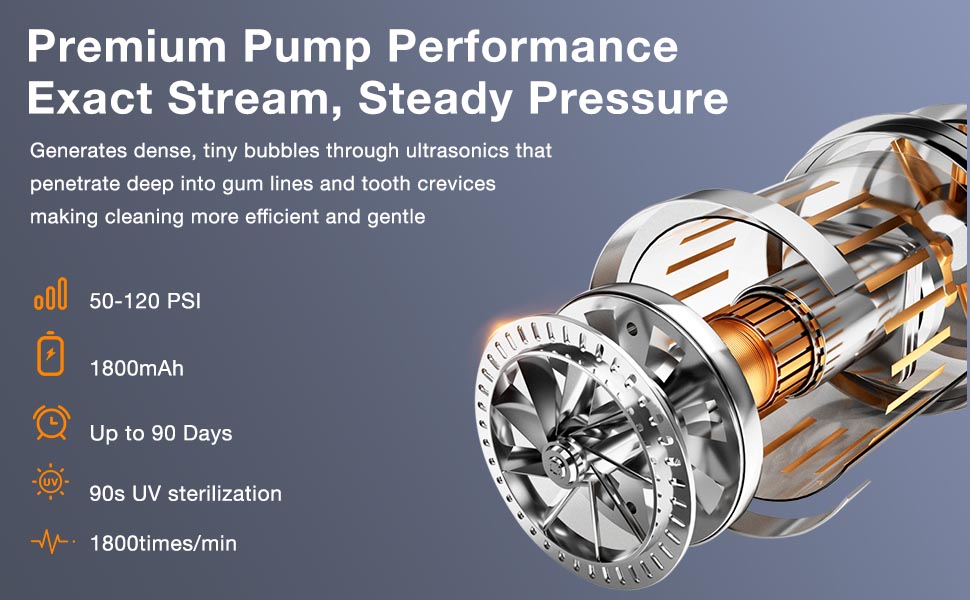
Does the 40000 Strokes/Min Sonic Brush Trigger Gum Recession?
.jpg)
Is Sensitive Gum Electric Toothbrush Shedding Bristles?
.jpg)
Why combine Micro Bubble Technology with Colorimeter Calibration for accurate whitening?
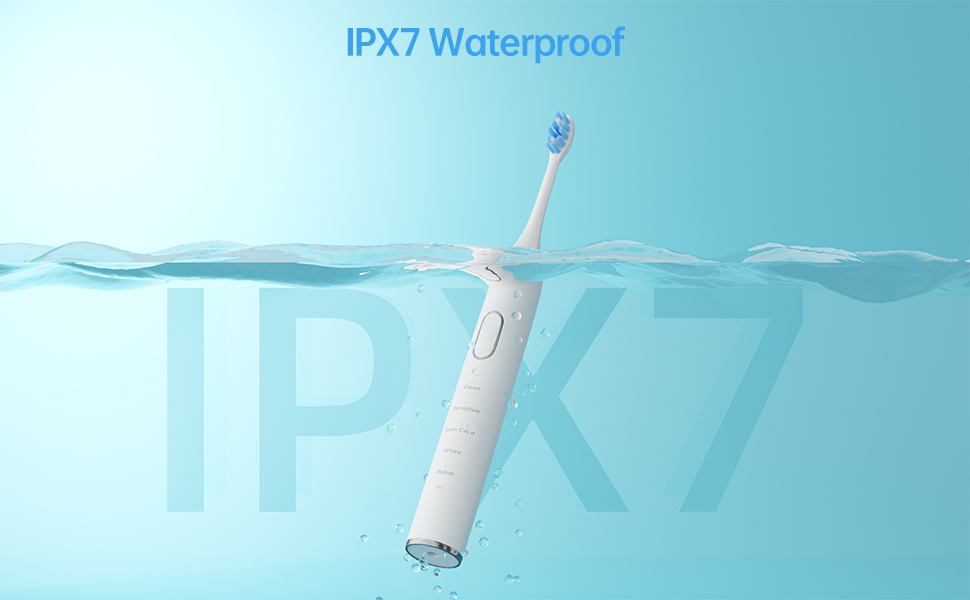
Is the Disinfection Stand for Electric Toothbrushes Useful? An OEM Analysis from the Factory
.jpg)
Developing an Electric Toothbrush Sourcing Strategy?
Is Kids’ Electric Brushing Really Safe?
Travel-Friendly Smart Toothbrush Supplier | Portable Oral Care Partner
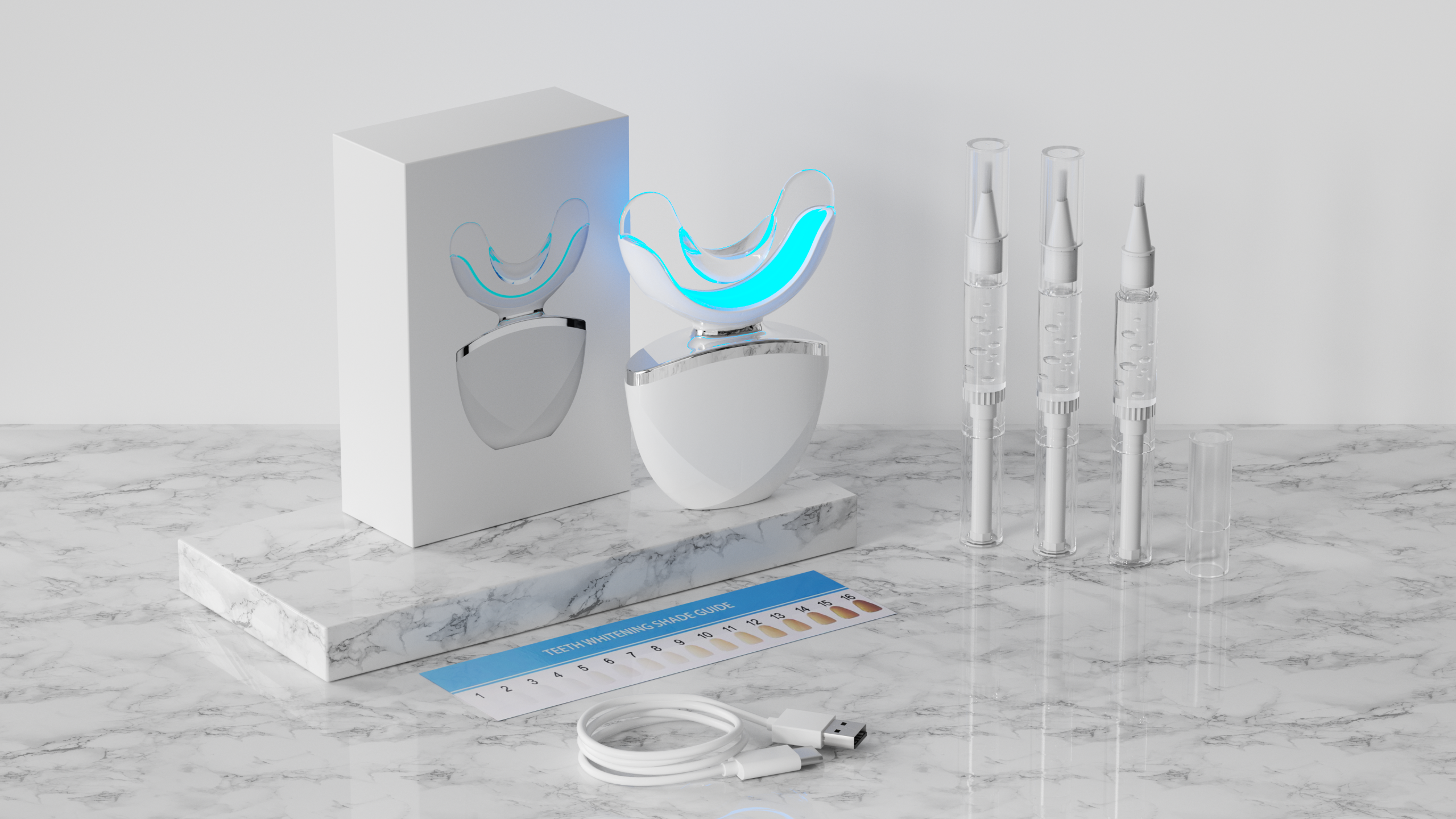
The Market Potential of Teeth Whitening: The Consumer Psychology Behind Annual Growth of Home Teeth Whitening Devices
.jpg)
electric toothbrush with replacement heads
Electric Toothbrush ODM Manufacturer China for Global Brand Development
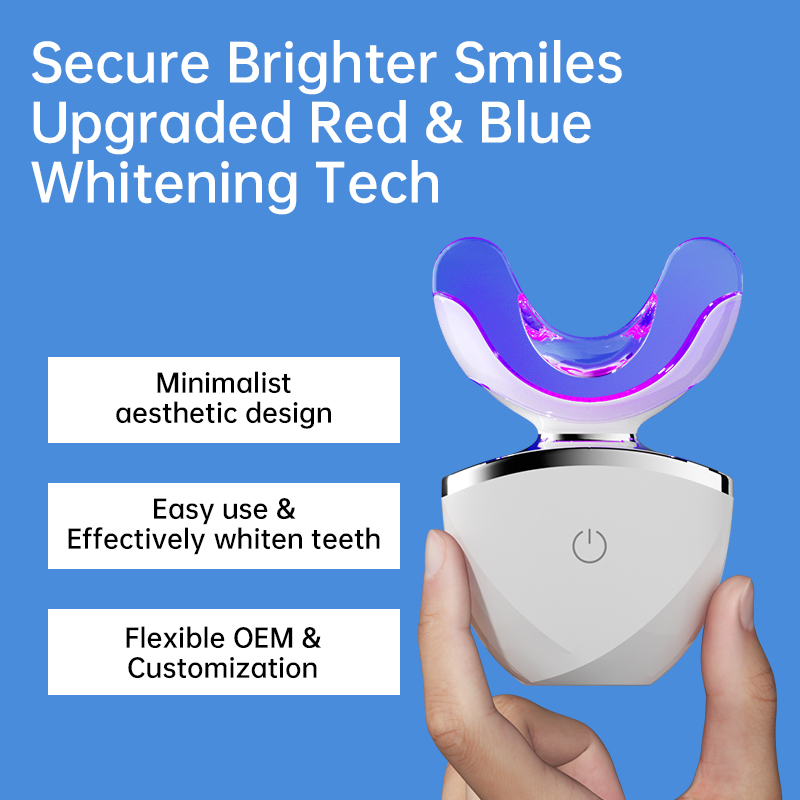
Finding the Optimal Light Therapy for Teeth and Gums in OEM Products
Gingival Abrasion with Saliva Depletion – A Silent Crisis in Oral Care Design?
Does a Water Flosser Require Regular Maintenance? How Should It Be Cleaned?
.jpg)
Can Cartoons Improve Brushing Habits?
Private Label Electric Toothbrush Solutions for Global Oral Care Brands


.jpg)
.jpg)
.jpg)
.jpg)
.jpg)