
In modern oral care product development, combining a UV Sanitizing Component with high-quality Food-grade Bristle Material represents a comprehensive approach to hygiene and safety. While food-grade bristles ensure direct-contact safety and material compliance, UV sanitizing technology enhances bacterial control at the surface level. Together, these two elements create a dual-protection system that elevates product reliability, user confidence, and brand competitiveness in global markets.
A Food-grade Bristle Material is specifically selected to meet safety standards for oral contact, minimizing chemical risks and ensuring non-toxic performance. However, even premium bristles can accumulate bacteria during daily use.
By integrating a UV Sanitizing Component into the device or storage unit, manufacturers can:
This layered protection approach strengthens the overall product value proposition.
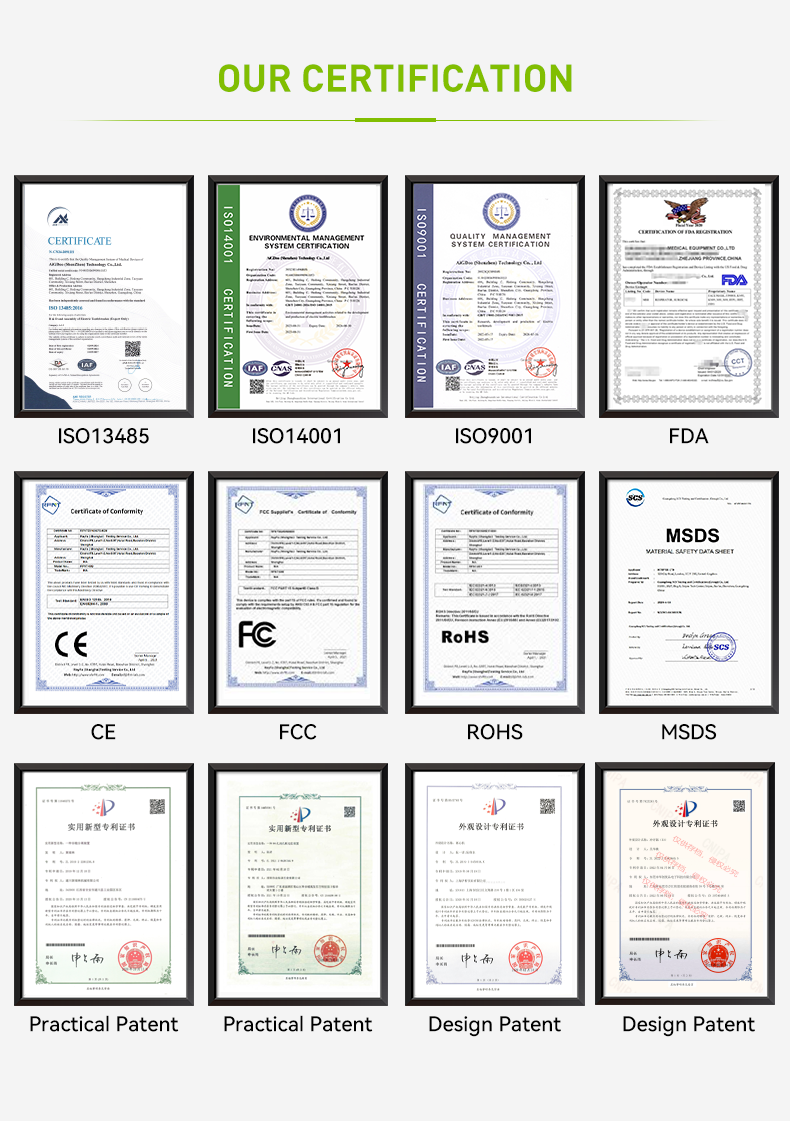
Food-grade Bristle Material is often required to meet FDA, LFGB, or other international compliance benchmarks. When paired with a UV Sanitizing Component, the product not only meets material safety regulations but also demonstrates proactive hygiene control.
For B2B brands, this combination:
Compliance and hygiene assurance work hand in hand.
High-quality Food-grade Bristle Material is engineered for durability and structural integrity. However, prolonged exposure to moisture may still impact hygiene conditions.
A UV Sanitizing Component helps:
By protecting the bristles from microbial degradation, manufacturers can extend product usability and customer satisfaction.
Consumers increasingly prioritize health, safety, and transparency. Products that clearly communicate the use of Food-grade Bristle Material already gain trust. When combined with a UV Sanitizing Component, the hygiene narrative becomes even stronger.
This synergy:
For OEM/ODM partners, this feature combination supports higher-value product development.
From an engineering perspective, integrating a UV Sanitizing Component requires careful housing design, power management, and safety shielding. When aligned with bristle material selection, manufacturers can ensure that the UV exposure is effective yet safe for the Food-grade Bristle Material.
Key considerations include:
Strategic integration ensures both systems complement rather than compromise each other.
For B2B manufacturers, offering products that combine a UV Sanitizing Component with Food-grade Bristle Material creates strong differentiation opportunities.
This integration allows:
By providing a comprehensive hygiene solution, manufacturers can deliver higher-margin, innovation-driven products.
A UV Sanitizing Component and Food-grade Bristle Material are not standalone features—they are complementary technologies that together elevate hygiene standards, compliance readiness, and product value. Contact us

How Can a Predictive Maintenance Digital Twin Enhance Your Cyber-Physical Threat Intelligence?
.jpg)
Sonic vs. Ultrasonic Toothbrushes Explained
Long Battery Sonic Toothbrush OEM: High Performance and Extended Usage
Electric Toothbrush Sealing Structure OEM: Waterproof Design & Manufacturing Guide
Cola Teeth Whitening Guide | Soda Drinkers
End of Summer Teeth Guide | Labor Day Smile Prep

How does Pulse Water Technology benefit from the programmability of a Multi-pressure Chip?
Why Integrate Patient-Reported Outcome Measures into Post-Market Surveillance Study?
LED Light Electric Toothbrush Factory: OEM Manufacturing & Innovation
Why Hire a Regulatory Submission Partner for Your Bio-glass Enamel Repair Product Launch?
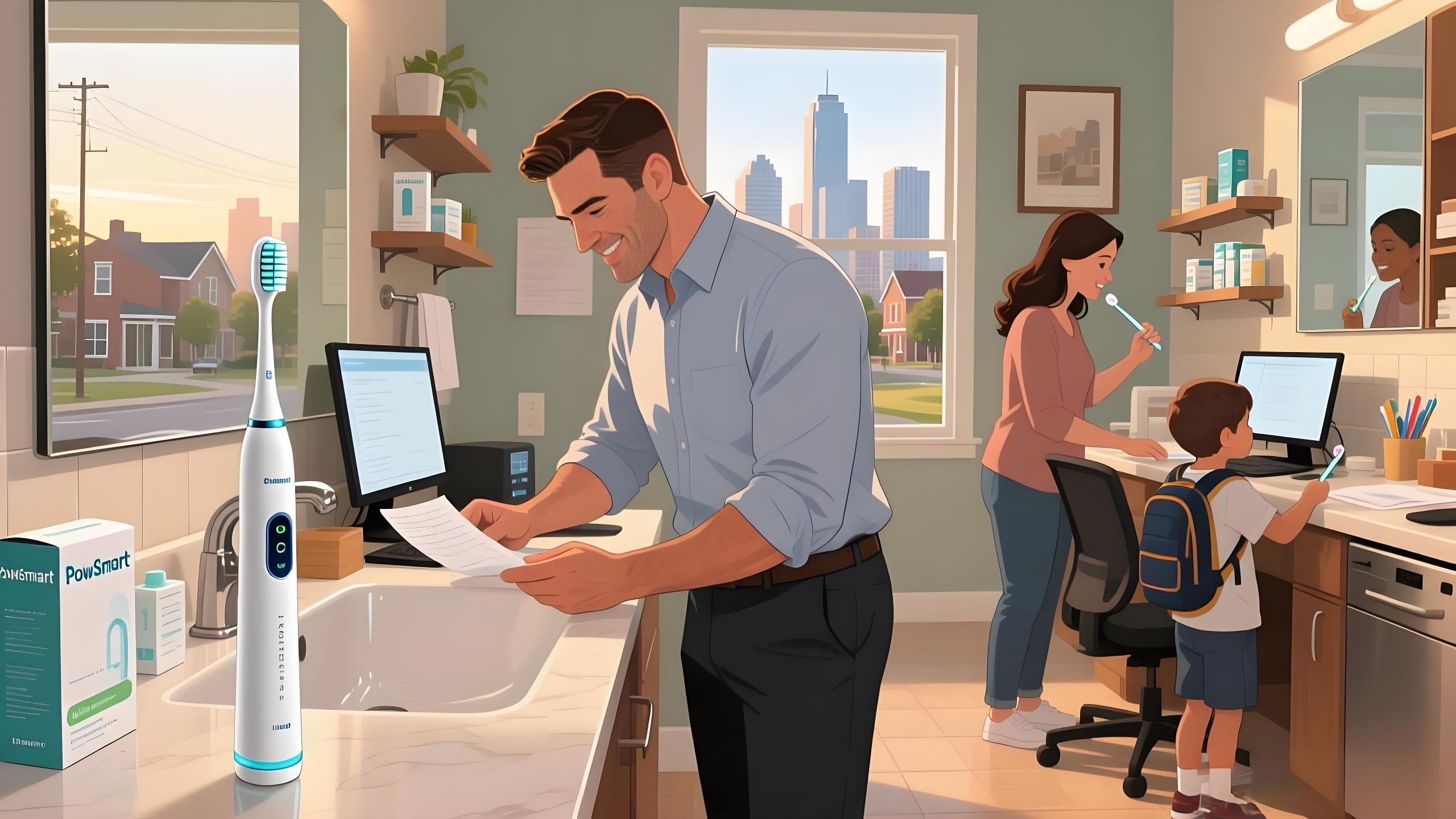
Affordable Electric Toothbrush Denver | Powsmart Official Manufacturer
OEM Sonic Toothbrush Manufacturer for Global Brands
DuPont Bristle Electric Toothbrush Factory: OEM Quality, Material Standards and Supply Chain Advantages
Powerful Sonic Toothbrush Cleaning Technology
How Can Mold Injection Service Streamline Production for Charging Dock OEM Components?
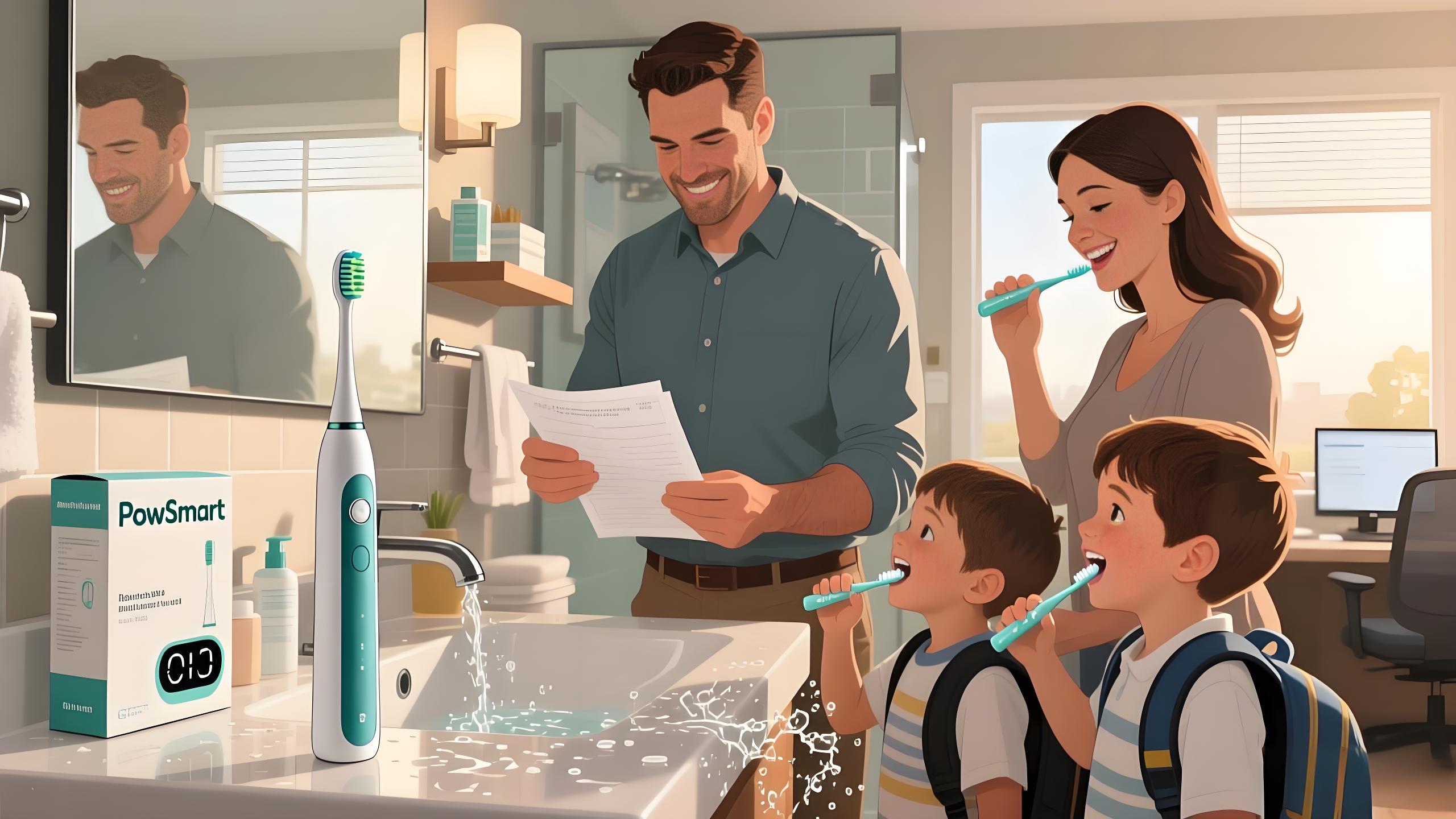
Electric Toothbrush Texas | Powsmart Professional Manufacturer


.jpg)
.jpg)
.jpg)
.jpg)
.jpg)






.jpg)
.jpg)
.jpg)