
Electric toothbrush vibration testing standard is a critical requirement for manufacturers aiming to deliver consistent product quality in global B2B markets. As competition intensifies in the oral care industry, buyers increasingly evaluate suppliers based on engineering validation, durability assurance, and compliance documentation. Therefore, understanding vibration testing protocols is not only a technical necessity but also a commercial advantage.
First of all, vibration directly determines cleaning efficiency. A stable oscillation frequency ensures effective plaque removal while maintaining user comfort. However, inconsistent vibration can lead to poor brushing performance or even product failure.
In addition, global buyers—especially in Europe and North America—require documented validation reports before placing bulk orders. Consequently, suppliers who implement structured testing standards gain stronger trust and higher conversion rates.
Moreover, vibration stability affects motor lifespan. Therefore, proper testing reduces after-sales issues and improves brand reputation in OEM partnerships.
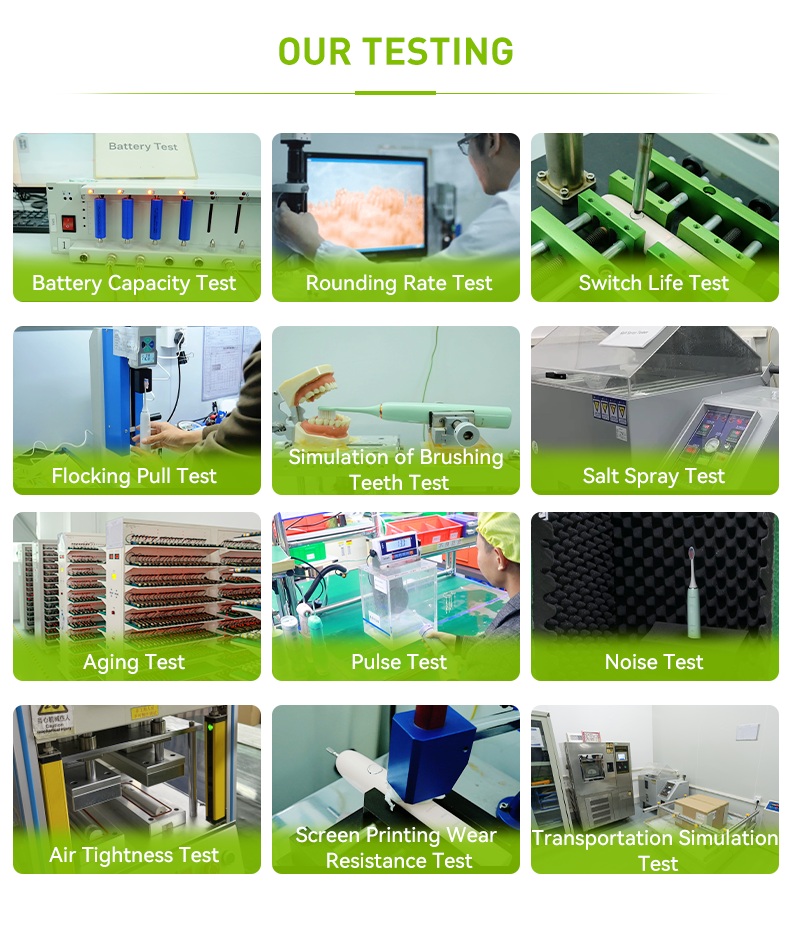
Manufacturers typically test vibration frequency in the range of 20,000 to 40,000 strokes per minute. More importantly, engineers measure deviation under different loads. If fluctuation exceeds tolerance, the product may fail compliance checks.
Besides frequency, amplitude determines brushing intensity. For instance, premium models require precise amplitude control to balance comfort and performance. Therefore, testing equipment must simulate real brushing conditions.
Another key factor involves noise levels. Buyers prefer low-noise designs, especially for premium markets. As a result, manufacturers often integrate vibration damping systems and test them under multiple scenarios.
Most factories use high-precision accelerometers to capture vibration data. This method provides real-time feedback and ensures accuracy.
Additionally, engineers simulate brushing pressure to replicate real usage. This step helps identify performance changes under different conditions.
Furthermore, durability testing runs for thousands of cycles. This ensures the motor maintains consistent vibration over time.
Although there is no single global standard exclusively for toothbrush vibration, manufacturers usually align with broader frameworks such as ISO quality systems.
For example:
In addition, brands targeting professional markets may follow recommendations from dental associations such as:
https://www.ada.org
From a B2B perspective, buyers prioritize suppliers who can provide:
Therefore, investing in vibration validation systems helps factories secure long-term contracts.
Testing should not happen only at the final stage. Instead, manufacturers integrate validation during R&D. This approach reduces redesign costs and shortens development cycles.
For example, at
https://www.powsmart.com/electric-toothbrush
engineers combine motor tuning with real-time testing to optimize performance.
In conclusion, electric toothbrush vibration testing standard plays a vital role in ensuring product reliability and market competitiveness. Manufacturers who adopt rigorous validation processes not only improve product quality but also strengthen their position in global OEM markets.
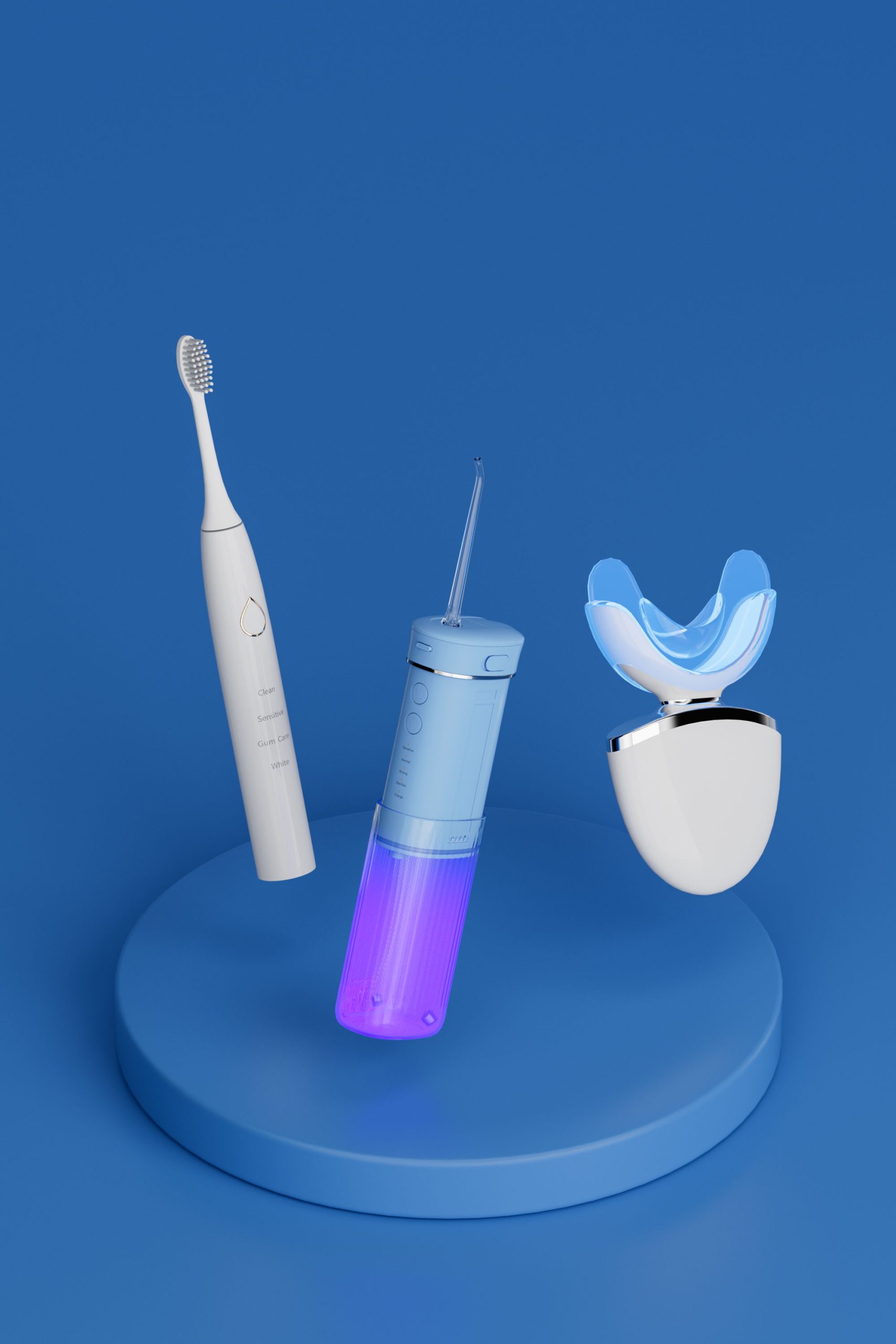
Moldy Water Flosser Tank? It Harms Users and Your Brand Reputation
.jpg)
Pursuing the ultimate cleaning experience?
Can a Rapid Whitening Agent Be Effective in a Non-peroxide Formula?
Does Dental Grade Whitening Necessitate the Use of Safe Whitening Ingredients?
Providing Dental School Training Kits? List Them on an Oral Health B2B Marketplace
.jpg)
Fruit Juice Teeth Staining Guide | Whitening for Fruit Juice Lovers
whitening gel pen comparison guide: gel vs pen
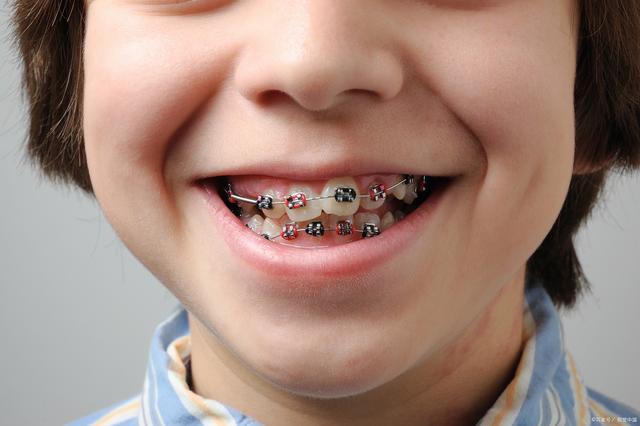
Do You Know How Much Damage a Rotating Electric Toothbrush Can Do to Your Teeth?
Smart Toothbrush for Professionals | Tech Lifestyle Care
LED indicator water flosser supplier

Is a UV Free Whitening System Inherently More Enamel Safe?
Bellevue Wholesale Electric Toothbrush
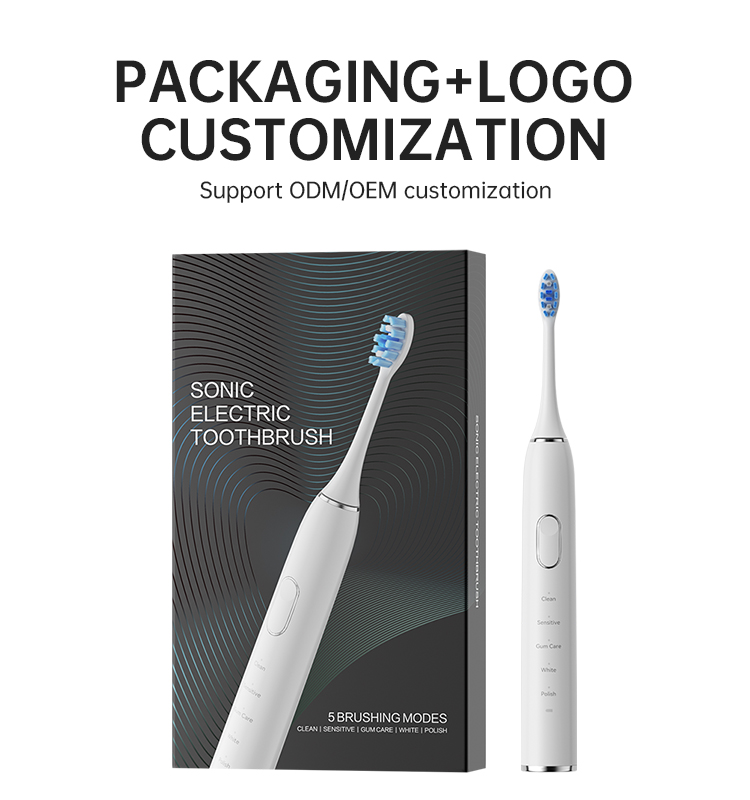
Is an IPX8 Waterproof Rating Essential for Durable Brush Heads?
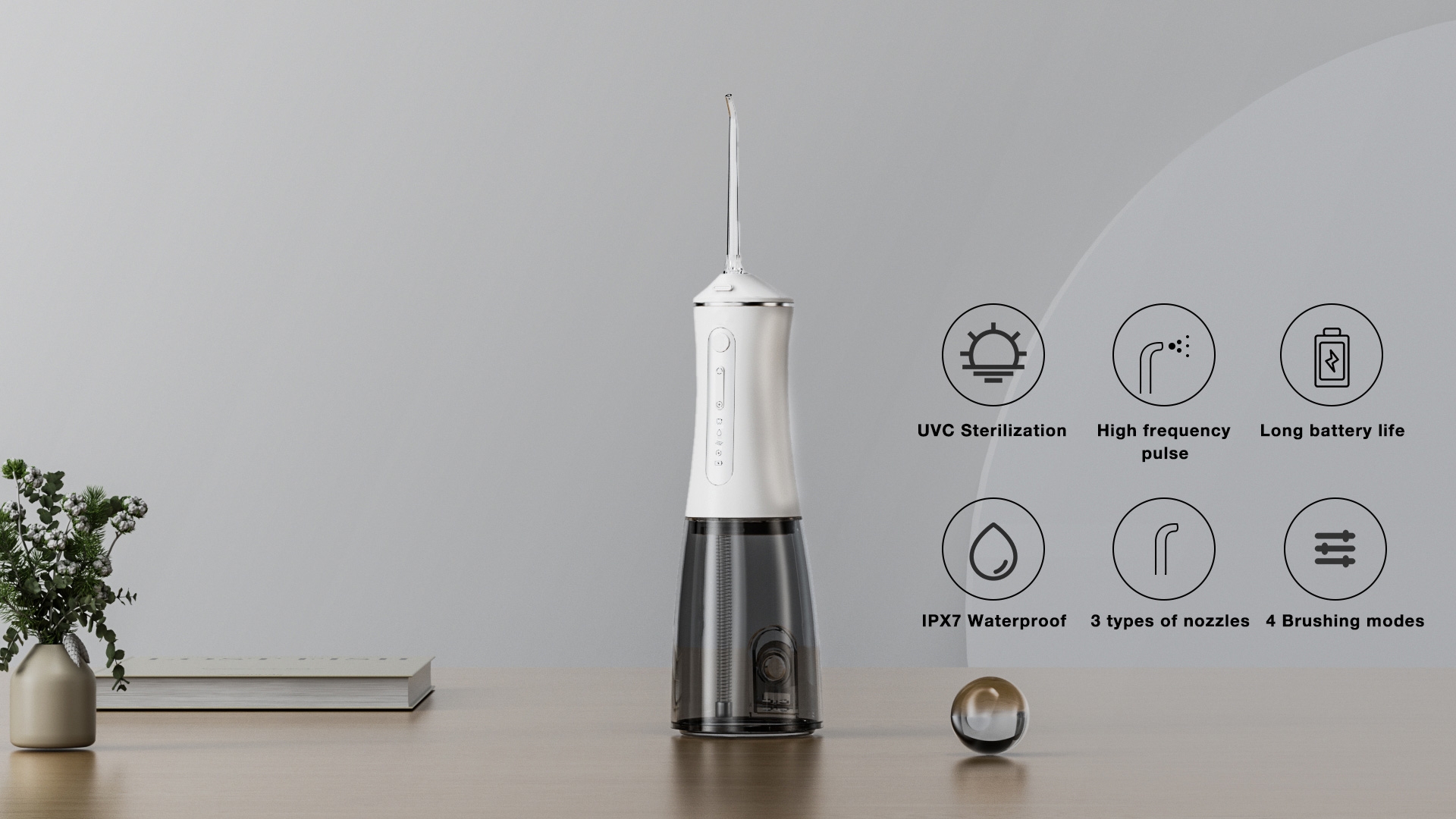
New Opportunities for Cross-Border E-Commerce: How to Sell the Water Flosser to the World?
Travel-Friendly Smart Toothbrush Supplier | Portable Oral Care Partner
Could Your Dual Bearing Drive’s Mode Malfunction Be Costing You Efficiency?


.jpg)
.jpg)
.jpg)
.jpg)
.jpg)




.jpg)
.jpg)