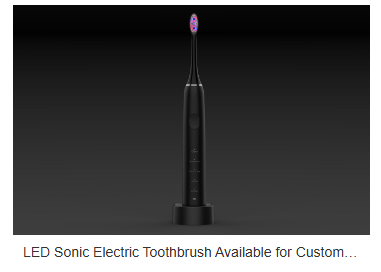
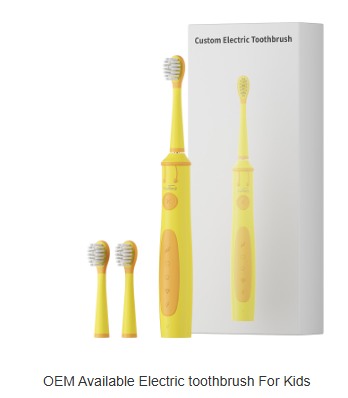
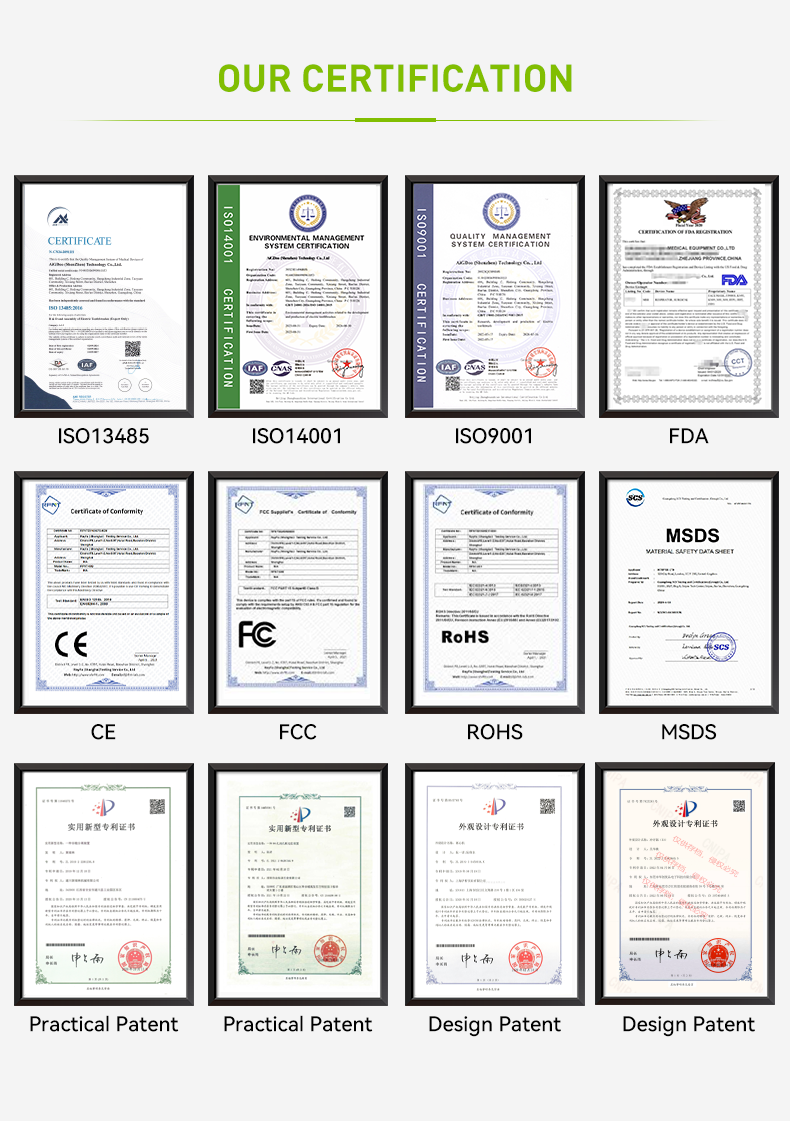
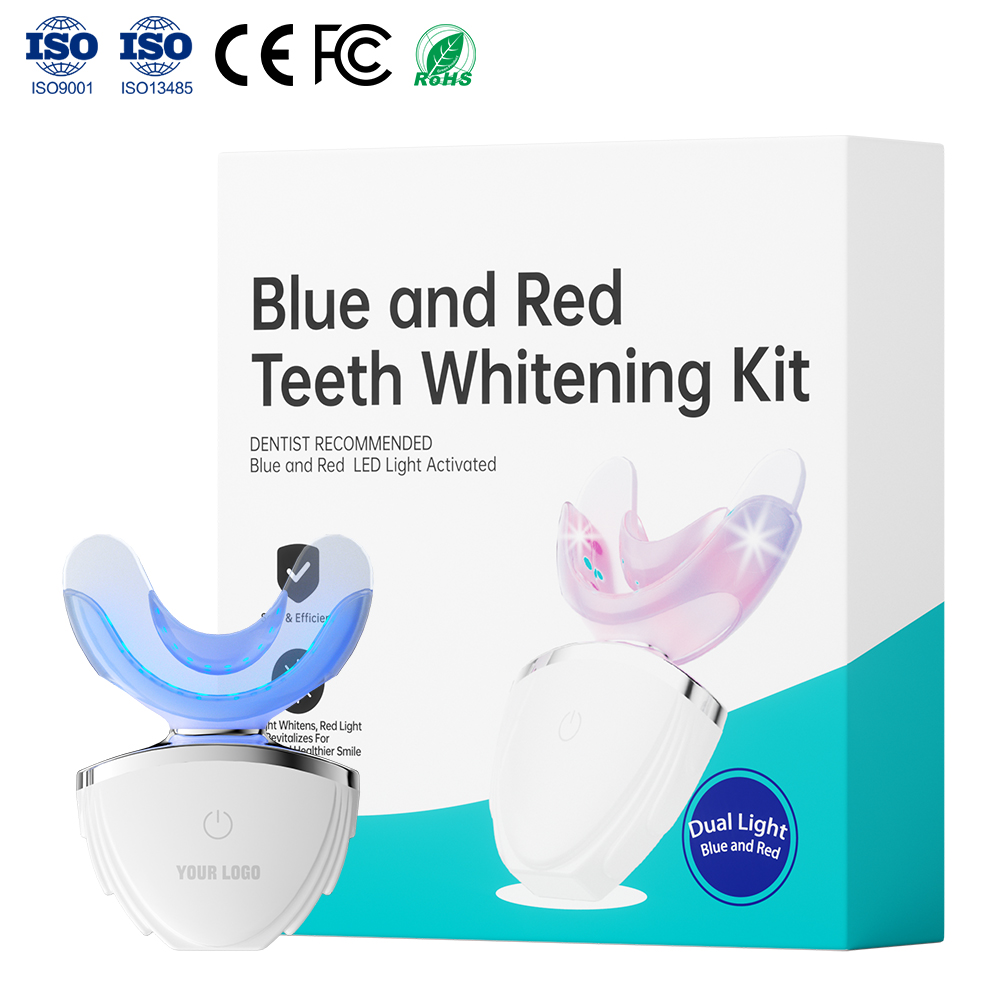
In modern oral-care systems, ensuring crown compatibility while leveraging advanced pressure sensors tech is paramount—after all, excessive force over an extended treatment duration can lead to veneer damage or microfractures in prosthetic restorations. Below, we explore six critical considerations for designing devices that adapt to various crown materials without compromising longevity or patient safety.
First, different crown substrates—zirconia, porcelain-fused-to-metal (PFM), and composite veneers—have unique hardness and elasticity profiles. Pressure sensors must be tuned so that:
This dynamic calibration preserves both enamel and prosthetic surfaces.
Moreover, real-time pressure sensors tech can actively prevent veneer damage by:
Such feedback loops are essential for protecting delicate restorations.Company web: https://www.powsmart.com/product/electric-toothbrush/
Next, treatment duration interacts directly with applied force to determine wear rates:
Balancing duration and force prevents micro-fatigue in restorative materials.
In hardware design, consider:
These adaptive protocols maximize cleaning efficacy while safeguarding crowns.
Beyond tech, effective crown compatibility requires:
Education ensures that advanced pressure sensors translate into real-world protection.
Finally, B2B partners should prepare for next-gen innovations:
By uniting smart sensors, timed treatments, and clinical feedback, manufacturers can deliver B2B solutions that guarantee both performance and prosthetic preservation.
Conclusion
Ensuring crown compatibility in pressure-sensitive oral-care devices demands a holistic approach: calibrate force for each material, manage treatment duration, and guard against veneer damage through real-time feedback and adaptive protocols. With rigorous user training and forward-looking sensor integration, B2B partners can lead the market in restorative-friendly technology. For collaboration on crown-safe device platforms, please contact our team!
Appearance Economy Supply Chain: How to Improve Oral Care Product Appeal through Product Appearance Color
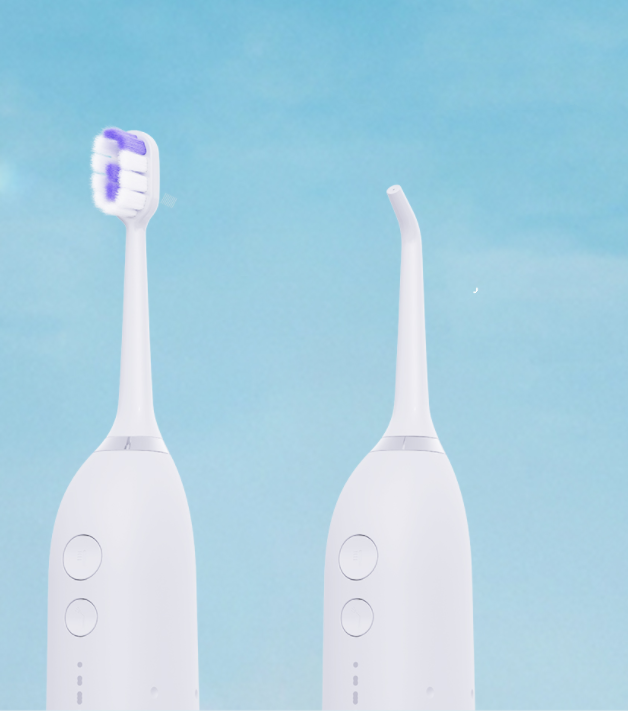
Market Feedback of Electric Toothbrush + Water Flosser Two-in-One Device
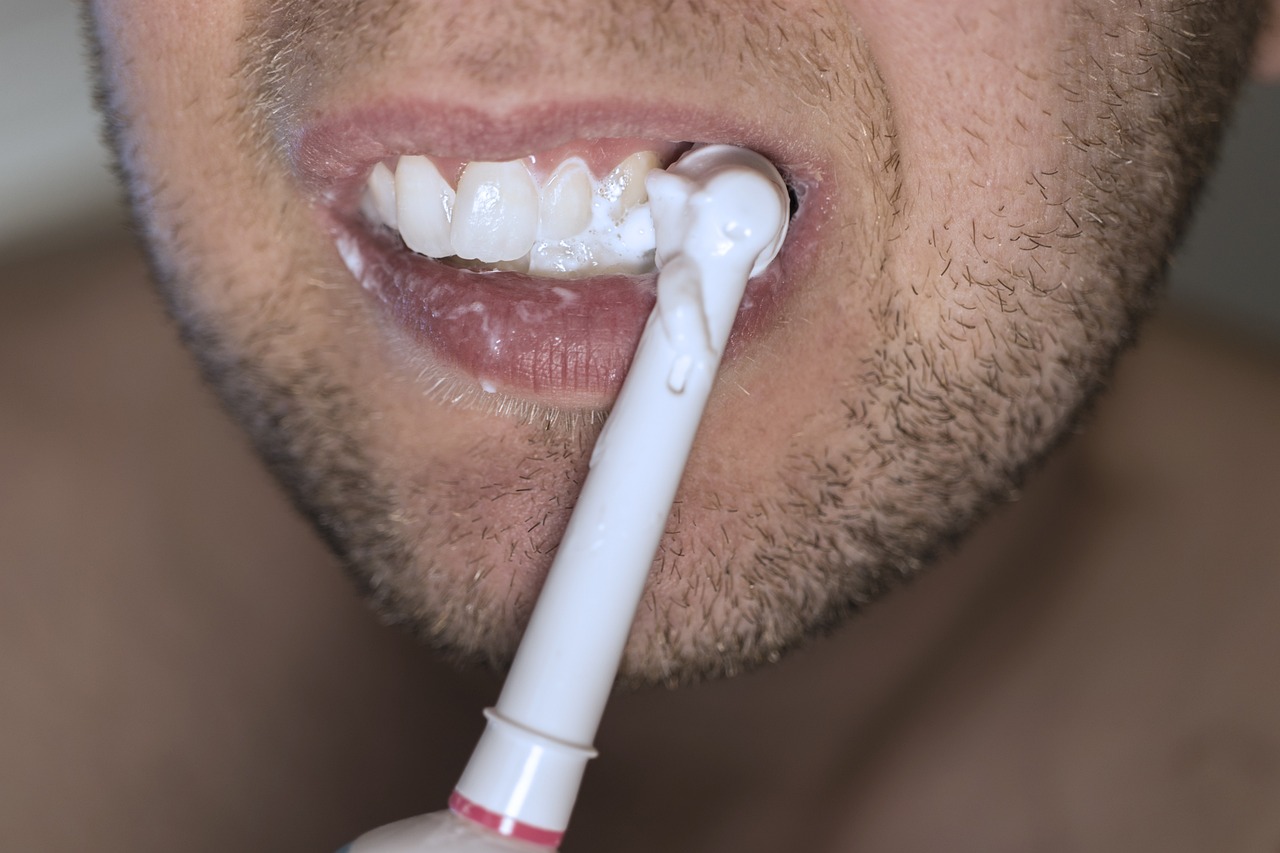
Is the Electric Toothbrush Market Growing?
.jpg)
Are Button Malfunctions and Circuit Shorts the Cause?
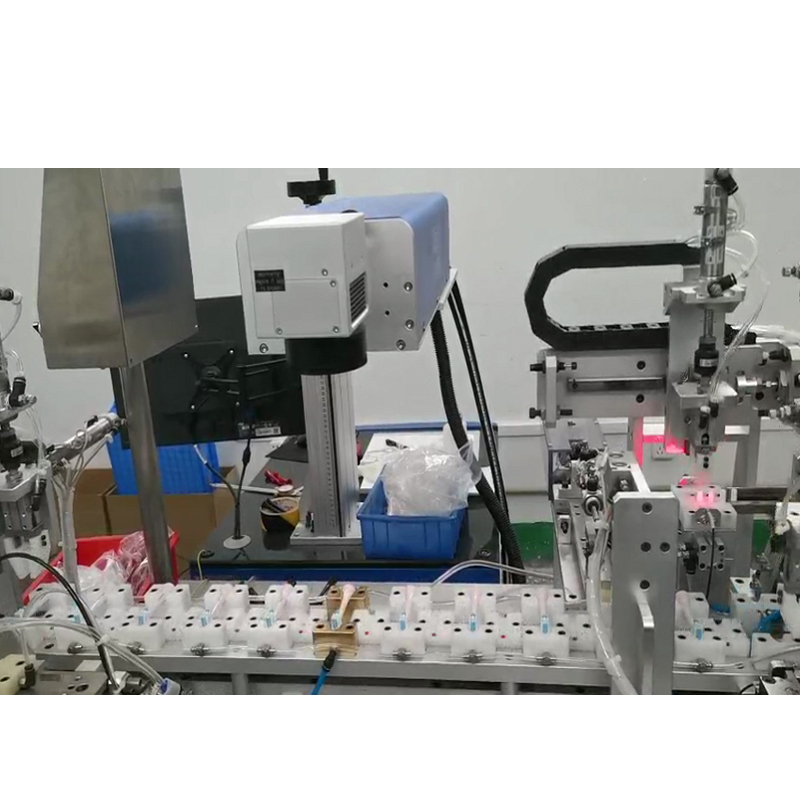
Electric Toothbrush Laser Engraving LOGO Process: How to Set the Depth, Speed and Power Parameters?
Are You Brushing Too Hard?
How to Choose Good Bristles When Selecting an Electric Toothbrush?
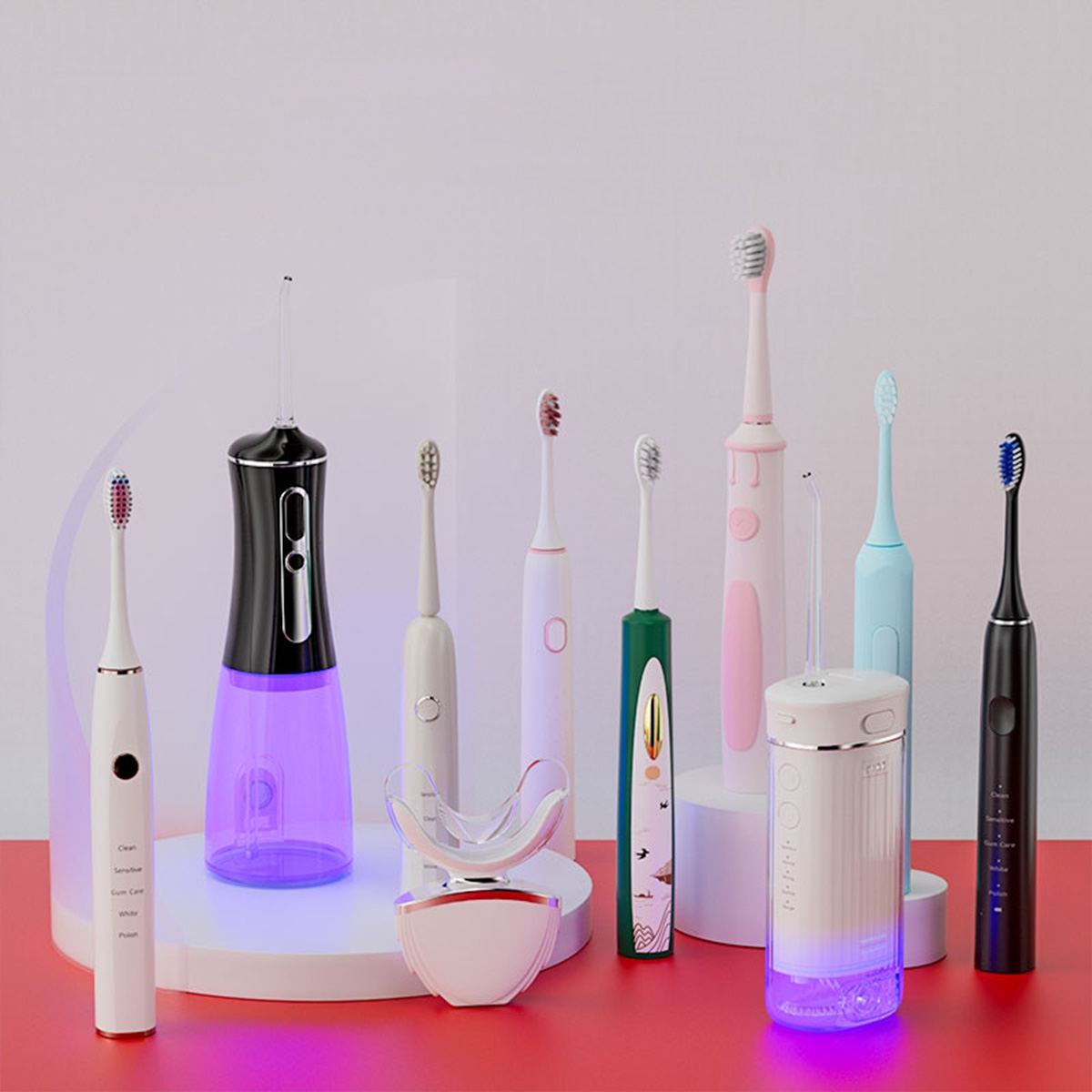
Oral Care Design for Women: Women Are the Main Consumers of the Oral Care Market
Uneven Whitening Results: Is Enamel Damage Related to Improper Frequency Settings?
Why Is Your Device Stuck in Frequency Instability and Smart Timer Malfunction?
Short Battery Life and Motor Overheating in Electric Toothbrushes: How to Enhance Durability?
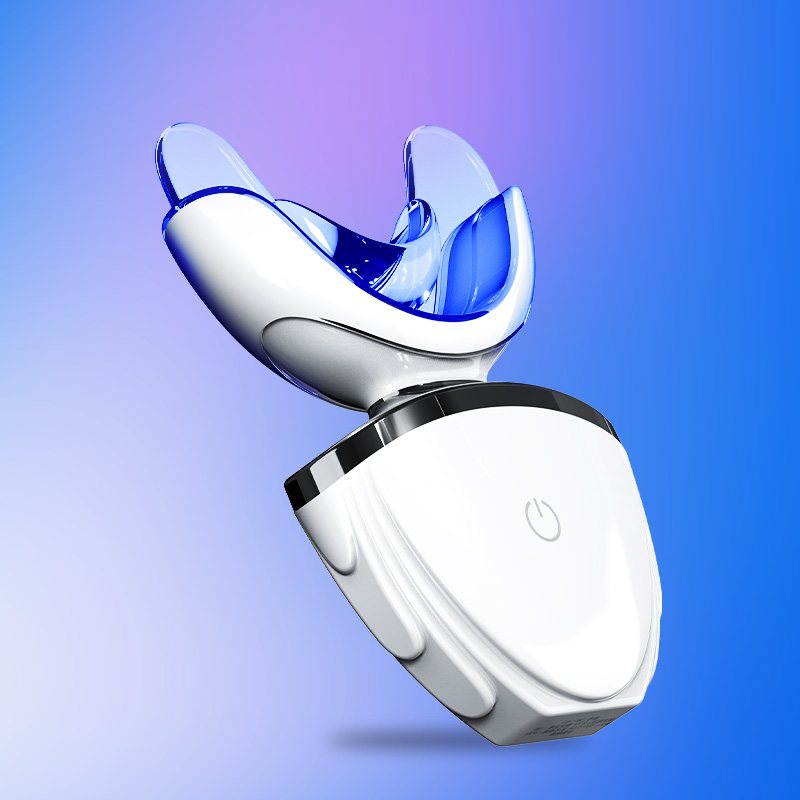
Explaining the Teeth Whitening Device and How to Use It
Occlusal Discomfort Plus Salivary Alteration – Alarming?
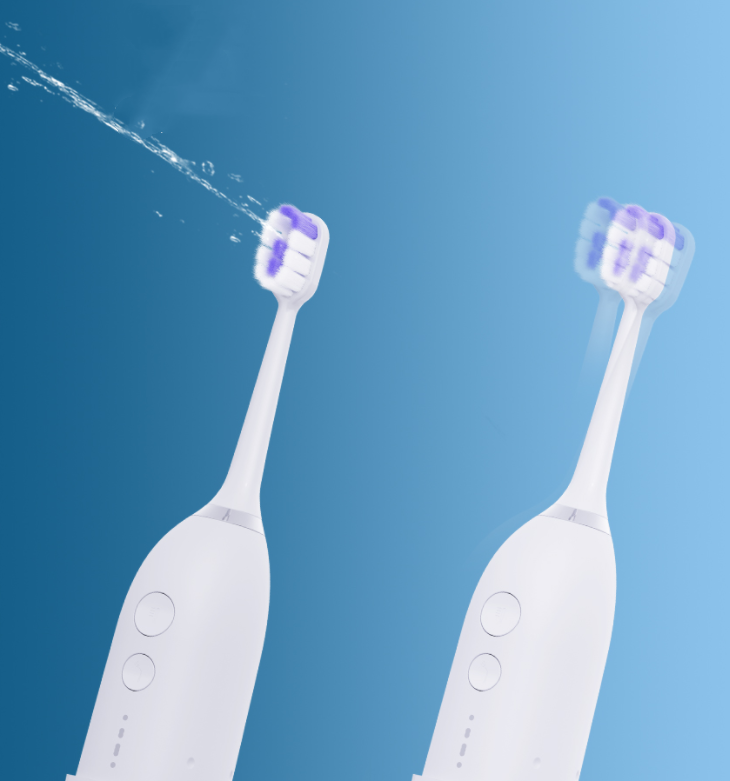
A Guide to the Pros and Cons of Two-in-One Electric Toothbrushes and Oral Irrigators

How Can Voice Electric Toothbrush with Multi-Language Prompts Open Up the Silver-Haired Market?
Charging Time Efficiency & Oral pH Alteration: A Subtle Link?


.jpg)
.jpg)
.jpg)
.jpg)
.jpg)