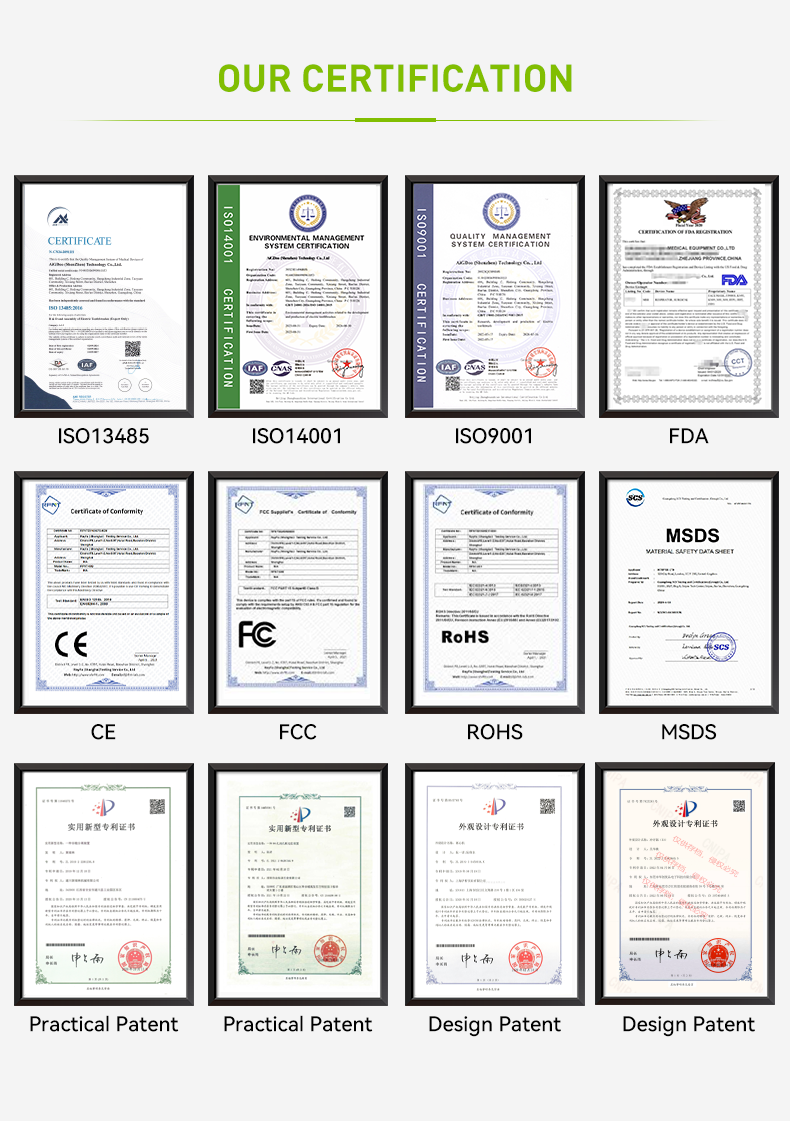
As regulatory standards continue to rise across global markets, manufacturers are exploring advanced motor technologies to ease compliance processes. A Magnetic Levitation Motor not only delivers superior performance but can also streamline Quality Certification Support by reducing mechanical complexity, improving stability, and enhancing overall product safety.
Traditional motors rely on physical contact components that generate friction and wear. A Magnetic Levitation Motor eliminates direct contact, resulting in fewer failure points—an advantage often recognized during Quality Certification Support evaluations focused on durability and lifecycle testing.
Certification bodies require repeatable and consistent performance results. Magnetic levitation technology ensures smoother rotation and stable output, helping products pass performance validation tests more efficiently and strengthening Quality Certification Support documentation.
Excessive vibration and noise can complicate safety approvals. By design, a Magnetic Levitation Motor minimizes both, making it easier to meet acoustic and mechanical safety standards that are commonly reviewed during Quality Certification Support procedures.
Heat generation is a critical factor in certification testing. With reduced friction, Magnetic Levitation Motors operate at lower temperatures, supporting thermal stability requirements and easing long-duration reliability testing for Quality Certification Support.
For products in personal care or medical-adjacent categories, internal cleanliness matters. The contact-free design of a Magnetic Levitation Motor limits particulate generation, aligning well with hygiene.
By reducing common causes of test failures—such as wear, instability, and overheating—Magnetic Levitation Motors can shorten testing cycles. This efficiency helps manufacturers obtain Quality Certification Support more quickly and move products to market with greater confidence.
Integrating a Magnetic Levitation Motor can significantly simplify the path to Quality Certification Support by enhancing reliability, safety, and performance consistency. For B2B manufacturers aiming for smoother approvals and faster global expansion. Contact us

How Does Precision Nozzle Manufacturing Affect Jet Stream Technology Efficiency?
.jpg)
Electric Toothbrush Handle Material Selection
Why DuPont Bristles Are Preferred in Premium Electric Toothbrushes
What Makes a High-End Electric Toothbrush?
Can On-site Technician Dispatch Be Optimized by Predictive Spare Parts Inventory?
Electric Toothbrush for Gum Care Supplier Selection Guide
Electric Toothbrush for Premium Market OEM: High-End Product Development Strategy
Ear Ringing Brushing Guide | Ultra-Quiet Vibration-Dampened Electric Toothbrush For Tinnitus
Depression Oral Care Tips | Low-Effort Routine
Electric Toothbrush with LED Light OEM Manufacturing
geographic tongue water flosser: gentle care
Does a Pay-per-use Licensing Model Benefit from a Channel Co-marketing Program?
Soft Bristle Electric Toothbrush Supplier: Gentle Cleaning OEM Solutions
Travel-Friendly Electric Toothbrush Design Trends
Blue Light Toothbrush Plaque Removal: Technology & OEM Insights
Cold Sore Water Flosser | Gentle Irrigation To Clean Around Active Oral HSV Blisters


.jpg)
.jpg)
.jpg)
.jpg)
.jpg)