As global demand for whitening solutions grows, brands are increasingly focused on a critical niche: teeth whitening for sensitive teeth. Consumers want fast, visible results—but they also expect a gentle, irritation-free experience. For oral-care brands, this creates both an opportunity and a challenge. The winning products are those that successfully balance efficacy with comfort, backed by reliable OEM manufacturing partners who understand this delicate equation. Below, we explore how brands can collaborate with specialized manufacturers to deliver whitening formulas designed specifically for sensitivity—and how to differentiate in a competitive marketplace with market-specific solutions.
Sensitivity occurs when peroxide-based whitening agents penetrate enamel and reach the dentin layer. An effective whitening formula must lift stains while minimizing this irritation pathway. OEM manufacturers skilled in sensitive-teeth formulations can help brands strike this balance through advanced ingredient engineering and concentration optimization.
Modern sensitive-teeth whitening formulas often incorporate desensitizing agents such as potassium nitrate, hydroxyapatite, or arginine. The right OEM partner can integrate these into gels, pens, strips, or powders—creating products that maintain whitening strength while soothing nerve response.
Sensitivity thresholds vary globally. That’s why market-specific solutions are essential. For example:
Western markets may prefer stronger whitening but expect advanced comfort technology.
Asian markets may lean toward gentle formulas with natural ingredients.
A capable OEM provider can customize peroxide levels, flavors, and textures to match regional expectations.
Leading OEM factories now use controlled-release peroxide, micro-encapsulation, and pH-balanced delivery systems. These technologies ensure whitening actives work effectively while reducing peak irritation—achieving the ideal balance of efficacy and comfort.
Whether a brand needs private-label kits, custom packaging, or unique delivery formats, strong OEM manufacturing capabilities are vital. This includes:
Small and large batch production
Regulatory documentation
Compatibility testing across different packaging types
Stability testing for sensitive-teeth whitening formulas
Sensitive-teeth products require extra credibility. Partnering with OEM manufacturers that follow GMP standards, conduct clinical testing, and document sensitivity-reduction claims can significantly boost consumer confidence and brand authority.
For brands targeting consumers with sensitivity, partnering with the right OEM manufacturer is a powerful strategy. By prioritizing gentleness, performance, and market-specific solutions, brands can deliver whitening products that meet modern expectations—ensuring both visible results and exceptional comfort.
Why Is Regular Colorimeter Calibration Essential for Measuring Opalescence Enhancement in Whitening Treatments?
.jpg)
Why Are Travel-Friendly Oral Care Products So Favored by Users?

Oral Care in Cosmetics: The Next Frontier for Beauty Brands & OEMs
Can Minimizing Chromatic Aberration Increase Luminescence Efficiency in Whitening Devices?
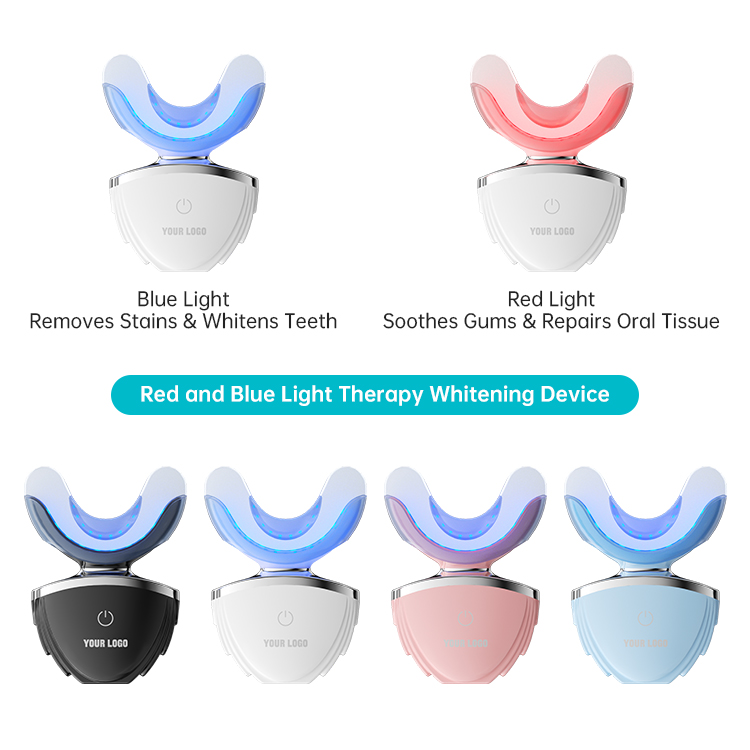
How Does a Photobleaching Catalyst Interact with Optical Brighteners in Advanced Whitening Formulations?
.jpg)
How Do CIE Whiteness Index Measurements Account for Hue Saturation Lightness in Whitening Results?
Whitening Pen + LED Kit Supplier | Teeth Whitening Combo OEM
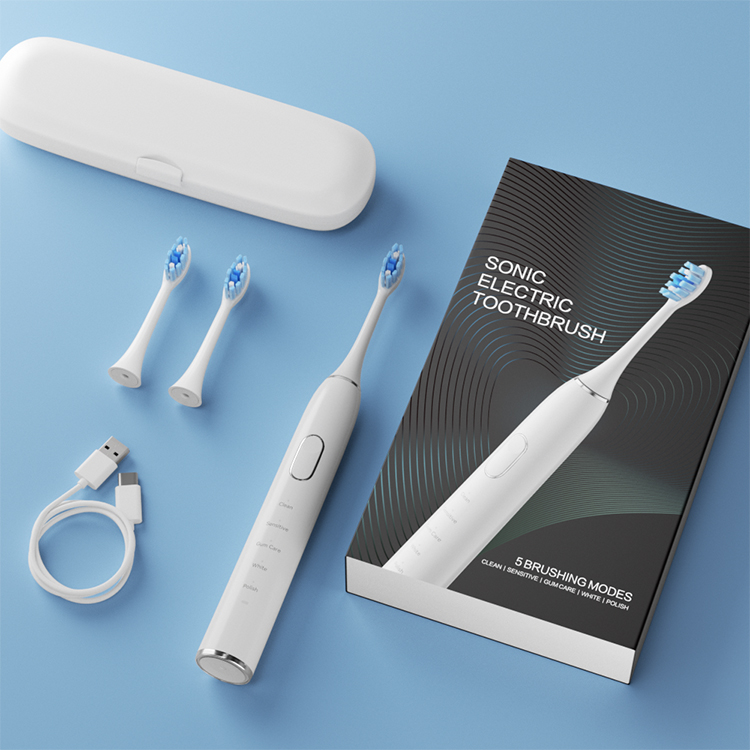
Why Measure Quantum Yield When Developing a Smart Timer Whitening Kit?
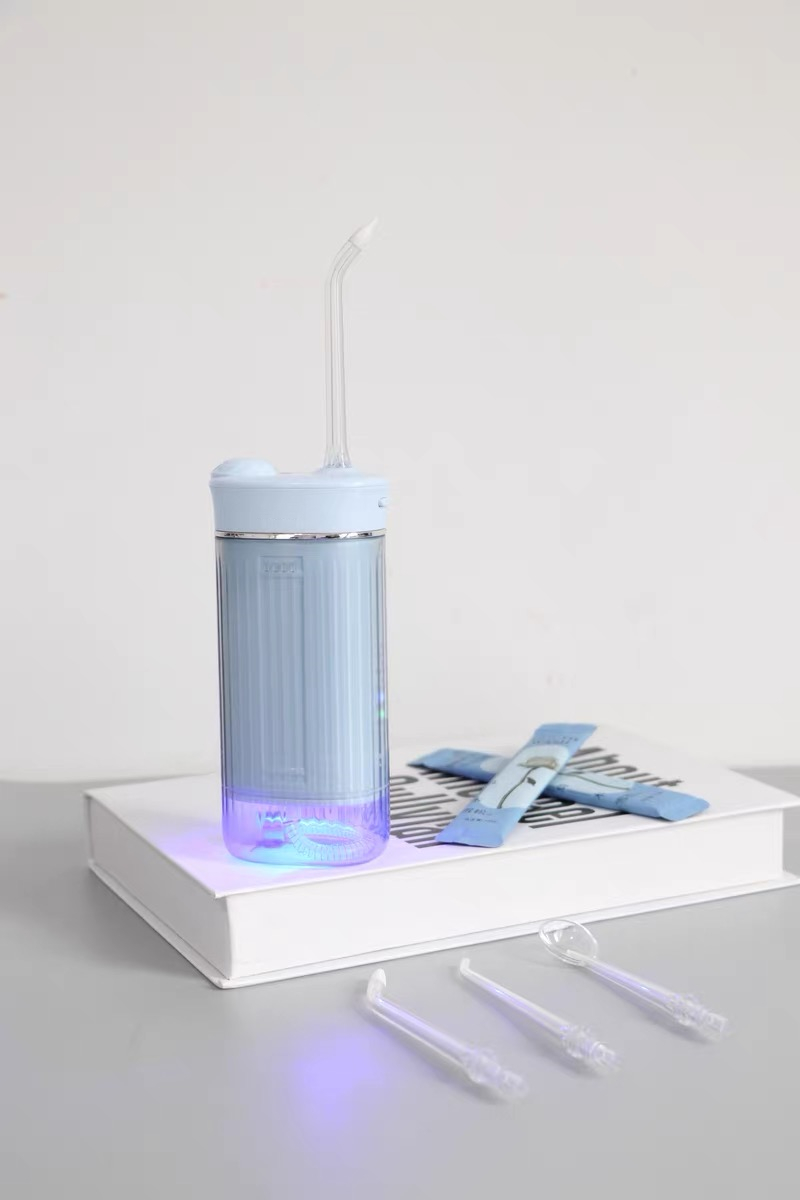
Water Flosser Power Settings: Balancing Cleaning Efficacy with User Comfort
adult sonic toothbrush wholesale | High-Performance Sonic Toothbrush Bulk Supply
Professional Whitening System Bulk Supply for Global Retailers
Home-Use Whitening Lamp OEM | Custom LED Dental Light Manufacturer
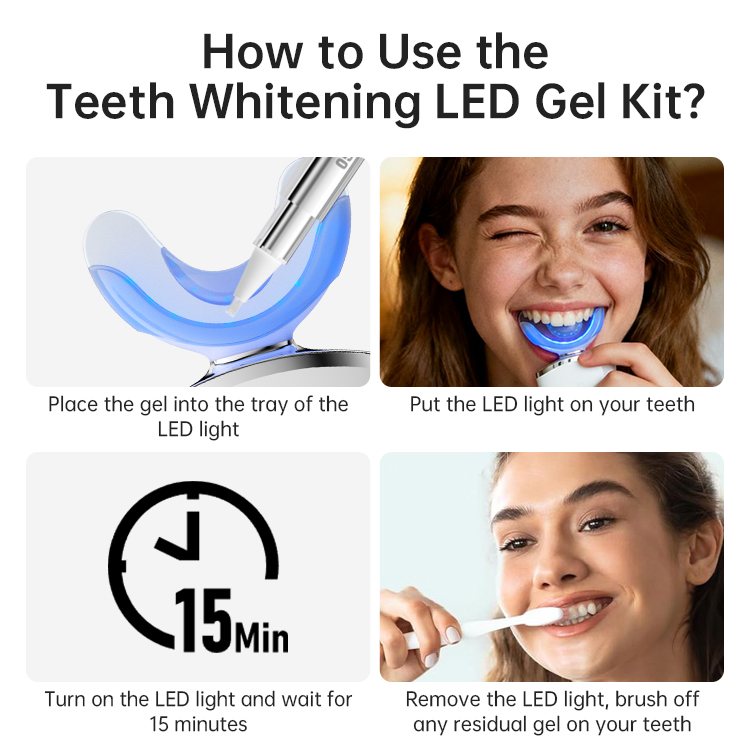
Teeth Whitening at Home vs Dental Clinic: Key Differences for OEM Brands
Can an Orthodontic Jet Tip Be Adapted for Use as a Periodontal Pocket Irrigator in Clinical Settings?
.jpg)
How Does a Hydro-mechanical Seal Improve the Reliability of Turbine Impeller Design in Water Flossers?
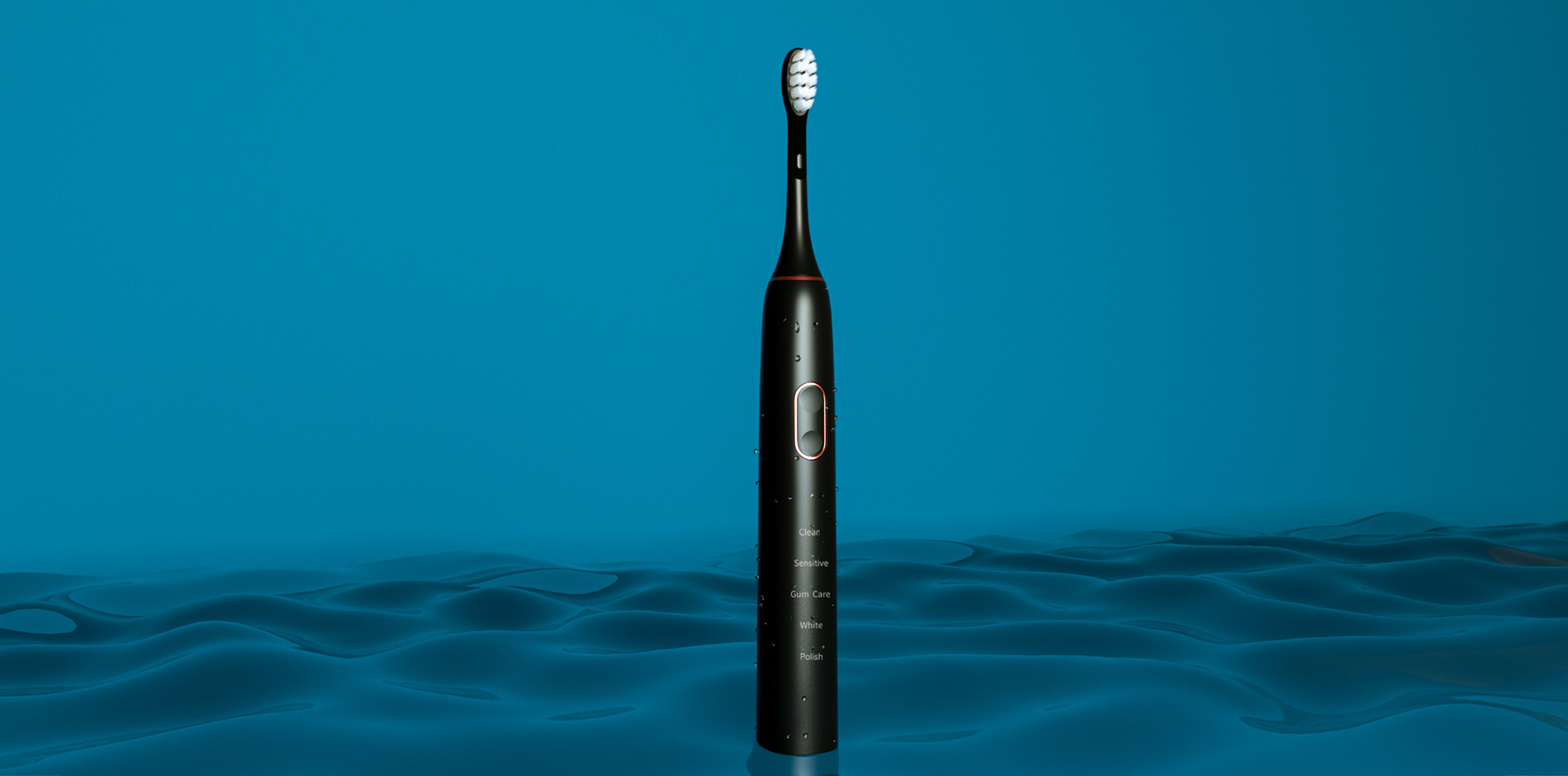
Will the Electric Toothbrush with Matte Surface Finish Chip Off the Paint During Use?


.jpg)
.jpg)
.jpg)
.jpg)
.jpg)