
As smart oral care and personal care devices become more interactive, Touch Interface Design plays a key role in usability and product differentiation. At the same time, safety expectations are rising—especially for family-oriented products. Integrating a dependable Child Lock Function into a touch-based interface requires careful balance between intuitive user experience and robust protection against accidental activation.
A reliable Child Lock Function begins with deliberate activation steps, such as long-press gestures or multi-touch sequences. Thoughtful Touch Interface Design ensures these actions are intentional for adults while remaining inaccessible to children through random touches.
Clear visual icons or subtle haptic feedback help users instantly recognize whether the Child Lock Function is enabled. Touch Interface Design should communicate lock status without clutter, reinforcing safety without compromising a clean interface layout.
Touch-sensitive surfaces can be prone to unintended input. By segmenting touch zones or requiring confirmation gestures, Touch Interface Design minimizes accidental mode changes and ensures the Child Lock Function remains active during storage or handling.
Reliable child lock performance depends on seamless coordination between firmware logic and touch sensors. A well-integrated Touch Interface Design ensures the Child Lock Function cannot be bypassed through power cycling or partial resets.
Many markets require child safety features for consumer devices. Clearly implementing and documenting the Child Lock Function within the Touch Interface helps manufacturers meet regulatory expectations and pass safety evaluations more efficiently.
From a B2B perspective, safety-driven interface design strengthens brand credibility. Devices that combine intuitive Touch Interface with a dependable Child Lock Function are more attractive to OEM partners targeting family, healthcare, or educational segments.
Incorporating a reliable Child Lock Function into intuitive Touch Interface Design is both a technical and strategic advantage. For manufacturers, it ensures safer operation, regulatory readiness, and stronger market appeal—proving that smart usability and responsible design can coexist in modern device development. Contact us
Why Is a Dependable Toothbrush Battery Supplier Crucial for a Long-Lasting Toothbrush?
.jpg)
Houston sonic electric toothbrush bulk wholesale
.jpg)
Powsmart-bulk oral care Houston
Can a Torque Control Motor Benefit from Advanced Kinematic Pair Design in Electric Toothbrushes?
How Does a Gravity Feed System Enable a Truly Cordless Portable Design?
Cordless Water Flosser for Family Use – Portable Home Oral Hygiene Solutions

Seeking Custom Handle Design Services Within Your OEM/ODM Manufacturing Partnership?

Does Jet Stream Precision Depend on Long-Term Hose Durability?
multi-mode electric toothbrush supplier
Can an Orthodontic Jet Tip Be Enhanced by a Smart Multi-pressure Setting Chip?

Why Pair a Sonic Vibration Core with Food-grade Bristle Material for Safe Oral Care?
Electric Toothbrush with Competitive Features for Global Buyers
Compact Size Sonic Toothbrush Wholesale | Lightweight Travel-Friendly OEM Supply
Graduation Gift Sonic Toothbrush Houston
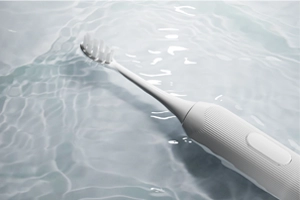
Luxury Electric Toothbrush OEM: Premium Materials and Finishes
Premium Electric Toothbrush OEM Manufacturer for Global Markets


.jpg)
.jpg)
.jpg)
.jpg)
.jpg)





.jpg)
.jpg)