
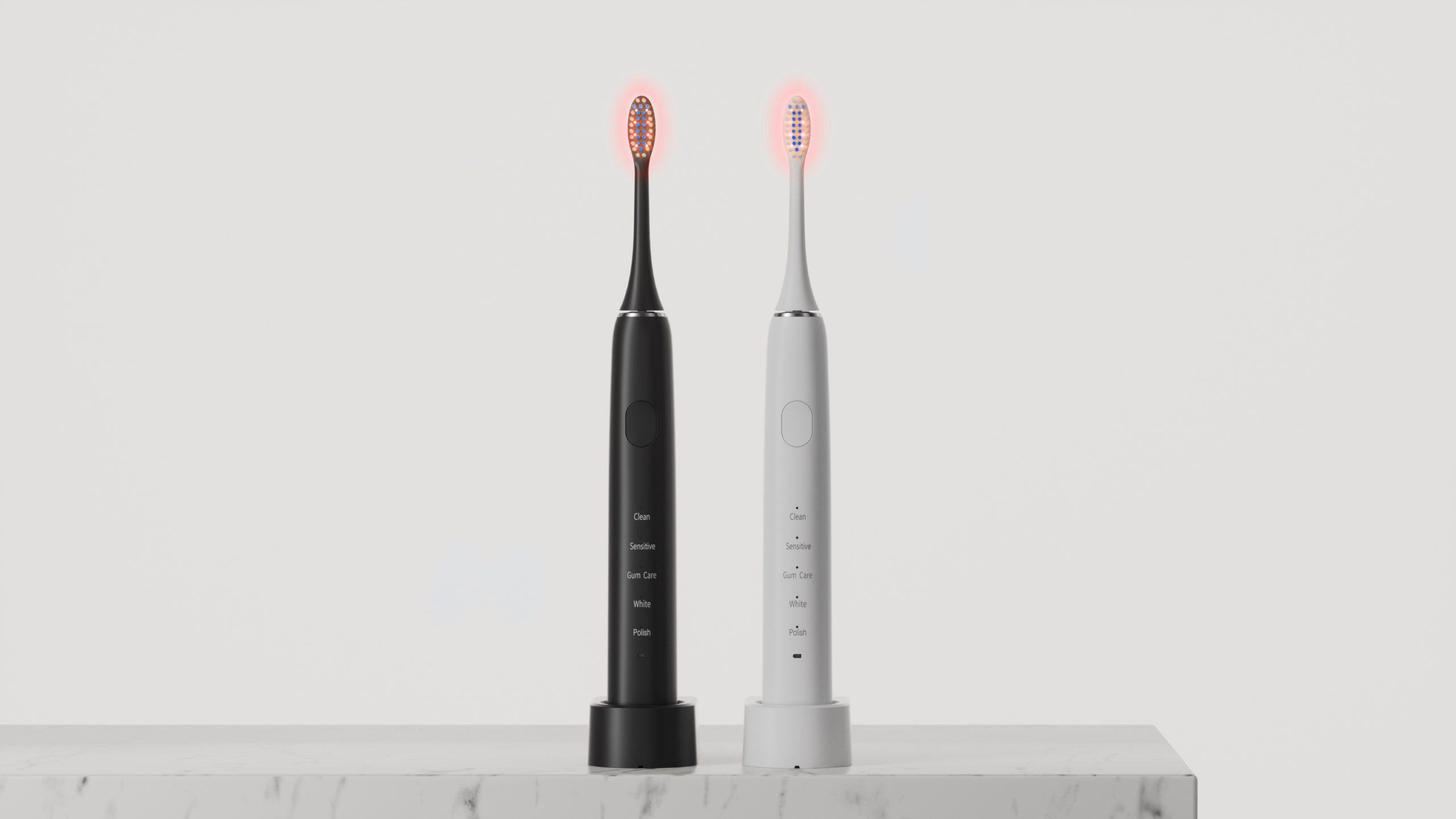
Introduction In today’s highly competitive oral care market, AI-powered Plaque Mapping technology is revolutionizing the way consumers track their oral hygiene and monitor plaque buildup. With the help of artificial intelligence, these advanced systems can provide real-time feedback on areas needing attention, leading to a more effective cleaning routine. By analyzing Consumer Usage Data Insights from these technologies, manufacturers can unlock valuable information to fuel product innovation, enhance consumer satisfaction, and stay ahead of industry trends. This blog delves into how these insights drive the evolution of oral care products and improve user experience. Personalized Oral Care Solutions AI-powered Plaque Mapping generates detailed insights into individual user habits and the specific areas of the mouth where plaque tends to accumulate. By collecting Consumer Usage Data Insights from these systems, manufacturers can create personalized oral care solutions. For example, products can be tailored to target users' specific needs, such as toothbrushes with specialized bristles for plaque-prone areas or mouthwashes designed to complement their brushing routine. This approach ensures that products meet the unique oral health needs of each customer, driving innovation in product design. Identifying Areas for Improvement in Product Features By analyzing the data from AI-powered Plaque Mapping tools, manufacturers…
Introduction The beauty and wellness industry continues to evolve with innovative solutions designed to meet growing consumer demand for non-invasive, effective treatments. One such solution is Micro-current Skin Tightening technology, a revolutionary approach that helps to tone and firm the skin without the need for surgery. As more consumers seek out these non-invasive procedures, a Revenue Sharing Partnership with a trusted manufacturer could be the key to successfully launching a Micro-current Skin Tightening device. This blog explores the benefits of entering such a partnership and how it can help you bring a cutting-edge product to market while sharing in the success. Leveraging Innovation to Stay Competitive Partnering with an experienced manufacturer in a Revenue Sharing Partnership allows you to tap into the latest advancements in Micro-current Skin Tightening technology. By combining your brand’s vision with their expertise and cutting-edge manufacturing capabilities, you can launch a device that not only meets current market demand but exceeds consumer expectations. In an industry that values innovation, staying ahead of the competition is crucial, and this partnership allows you to do just that. Shared Risk, Shared Reward One of the major advantages of a Revenue Sharing Partnership is the ability to share both the…
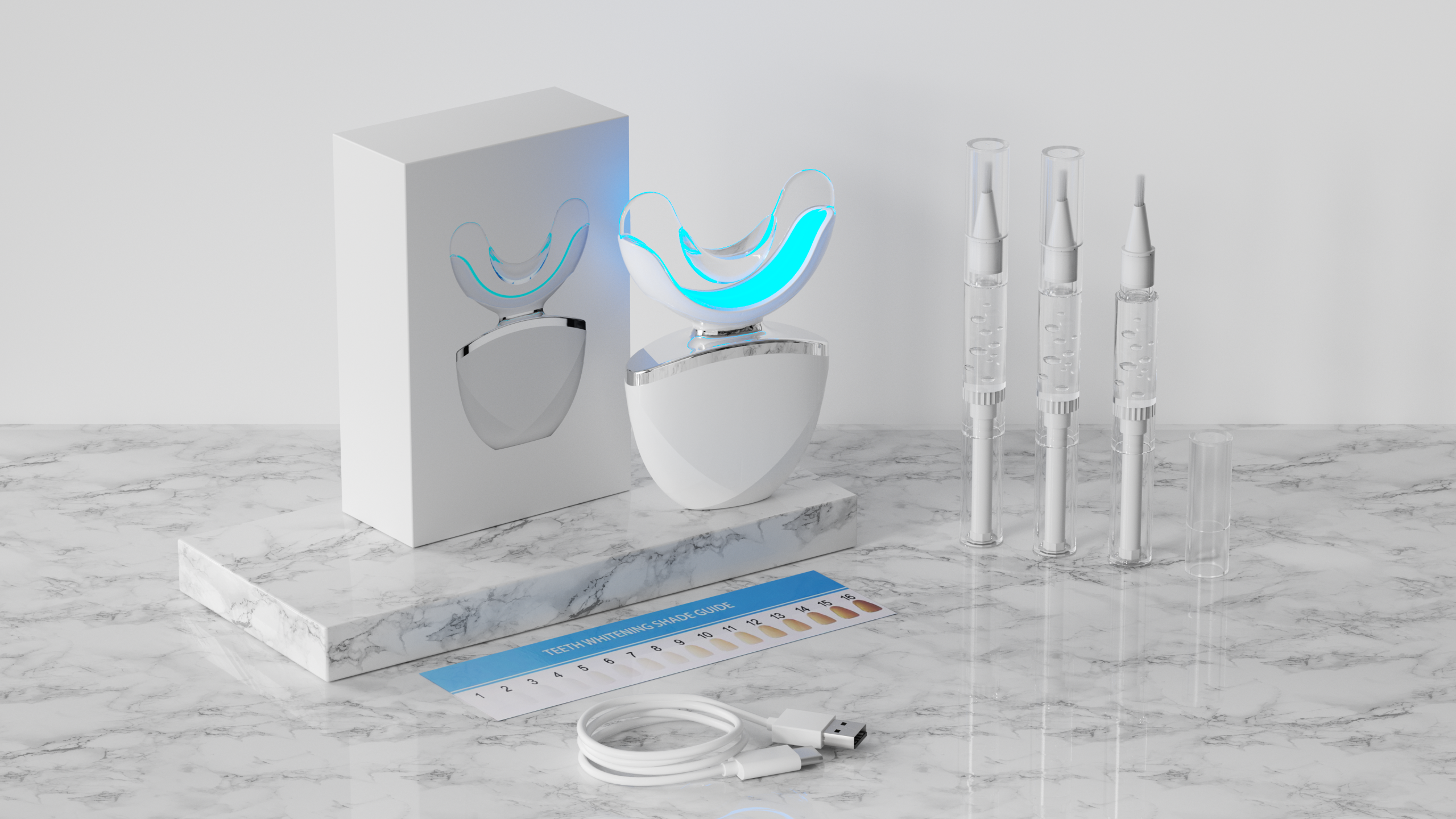
Introduction In the world of teeth whitening technology, Quantum Dot LED Arrays are emerging as powerful tools due to their ability to emit highly controlled, precise light wavelengths. However, the full potential of these advanced arrays can only be realized with the integration of a Companion Mobile App SDK. By combining the precise light control of Quantum Dot LED Arrays with the customizable features of a mobile app, manufacturers can offer users a personalized, efficient, and effective whitening experience. In this blog, we will explore how the Companion Mobile App SDK can optimize the performance of Quantum Dot LED Arrays and transform the teeth whitening process. Personalized Whitening Settings with the Mobile App The Companion Mobile App SDK allows manufacturers to offer highly customizable whitening treatments to users by enabling personalized control over the Quantum Dot LED Array. Through the app, users can adjust the intensity, duration, and type of light emitted, tailoring the treatment to their unique whitening needs. For instance, users with sensitive teeth can reduce the intensity of the LED light, while those seeking a more aggressive treatment can increase it. The app's ability to store user preferences and treatment history ensures that each session is optimized…
Introduction In the world of beauty devices, the demand for precise temperature control has led to innovations that integrate advanced technologies, such as the Graphene-coated Heating Element and Solid-state Cooling Chip. By combining these two cutting-edge components, beauty devices can achieve a perfect balance of heat and cooling, enhancing the overall user experience. Whether it’s for skin care treatments like facial masks, hair care devices, or even innovative beauty tools for anti-aging, these technologies ensure a safe, efficient, and comfortable experience for users. In this blog, we will delve into how the Graphene-coated Heating Element and Solid-state Cooling Chip complement each other and why their synergy is crucial for modern beauty devices. Enhanced Heat Control with Graphene-coated Heating Element The Graphene-coated Heating Element provides superior heat conductivity and precise temperature regulation. Graphene, a single layer of carbon atoms arranged in a hexagonal lattice, is known for its extraordinary thermal conductivity properties. When applied as a coating to heating elements, it offers an efficient way to generate and distribute heat evenly across the surface of a beauty device. This results in more consistent and controlled heating, which is critical for treatments such as facial steaming, hair straightening, or other applications where…
Introduction As the demand for more advanced, user-friendly oral care solutions continues to rise, Shape Memory Polymer Bristles are emerging as an innovative solution in toothbrush design. These bristles have the ability to change shape in response to external conditions, providing superior cleaning performance. When paired with a Predictive Maintenance System, the integration of Shape Memory Polymer Bristles could revolutionize how consumers manage toothbrush maintenance. By signaling when bristles need replacement before performance degrades, this technology can improve user experience, extend the lifespan of the toothbrush, and ensure optimal cleaning efficiency. In this blog, we will explore how these two technologies work together to enhance the effectiveness and convenience of oral care devices. The Role of Shape Memory Polymer Bristles Shape Memory Polymer Bristles are a breakthrough innovation in toothbrush design. Unlike traditional bristles that wear down over time, these bristles are designed to change shape based on certain stimuli, such as pressure or temperature. This feature allows the bristles to maintain their original form during use, providing consistent cleaning performance. Over time, however, as they become less effective, the bristles will shift shape in a way that signals it’s time for replacement. This self-indicating characteristic makes it easier for…
.jpg)
The private label electric toothbrush model has become one of the fastest-growing segments in the oral care industry. As more brands enter the market, private labeling offers a flexible way to launch products without building manufacturing facilities. Consequently, many distributors and retailers are adopting this strategy. Moreover, private label solutions allow companies to create unique brand identities in competitive markets. What Is Private Label Manufacturing Private label manufacturing involves producing products that are branded and sold under a company’s own name. In the electric toothbrush industry, this includes custom logos, packaging, and product design. In addition, manufacturers provide technical support and production management. As a result, brands can quickly launch new products with minimal investment. You can explore electric toothbrush solutions here:https://www.powsmart.com/electric-toothbrush/ Customization Options Private label toothbrushes offer a wide range of customization options. These include handle design, brushing modes, packaging style, and color selection. Furthermore, brands can tailor products to specific target markets. Consequently, companies can differentiate themselves from competitors. Manufacturers also reference oral care standards from organizations such as:https://www.ada.org These references support product development. Business Advantages Private label solutions reduce development time and cost. At the same time, companies can focus on marketing and customer acquisition. Therefore, this…
An experienced electric toothbrush OEM manufacturer is essential for brands looking to enter the oral care market efficiently. As global demand for electric toothbrushes continues to rise, many companies rely on OEM manufacturers to develop and produce high-quality products. Therefore, choosing the right OEM partner plays a critical role in product success. Manufacturing Capabilities Professional OEM manufacturers provide full production services, including motor development, battery integration, and waterproof design. These capabilities ensure reliable product performance. In addition, advanced production lines enable efficient manufacturing for large-scale orders. As a result, clients can meet market demand with stable supply. You can explore electric toothbrush solutions here:https://www.powsmart.com/electric-toothbrush/ Quality Control Systems Reliable manufacturers implement strict quality management processes. Engineers conduct testing for durability, motor performance, and safety standards. Meanwhile, certifications and compliance with international regulations ensure that products can enter global markets. Consequently, distributors can confidently sell these products. Manufacturers also reference oral care guidelines from organizations such as:https://www.ada.org These resources support product development. OEM Advantages Working with an OEM manufacturer allows brands to customize products with logos, packaging, and specifications. At the same time, manufacturers handle production and quality control. Therefore, companies can focus on branding and sales strategies. Conclusion Partnering with a…
The ultrasonic electric toothbrush represents an advanced stage in the evolution of oral care technology. As consumers demand more efficient and gentle cleaning solutions, ultrasonic technology has gained increasing attention in the electric toothbrush market. Consequently, many brands are exploring ultrasonic features to enhance product performance. Moreover, ultrasonic toothbrushes are designed to deliver powerful cleaning while maintaining comfort for daily use. How Ultrasonic Technology Works An ultrasonic toothbrush operates at extremely high frequencies, often beyond the range of standard sonic toothbrushes. This allows the brush to generate micro-level vibrations that help break down plaque more effectively. In addition, ultrasonic waves create fluid motion that reaches deep between teeth and along the gumline. As a result, users can achieve a more thorough cleaning experience. Furthermore, this technology is often combined with traditional sonic vibration to enhance overall performance. You can explore electric toothbrush solutions here:https://www.powsmart.com/electric-toothbrush/ Product Design and Features Manufacturers focus on integrating stable motors and advanced control systems into ultrasonic toothbrushes. These components ensure consistent performance and durability. Meanwhile, rechargeable battery systems provide long operating time, making the product convenient for daily use and travel. In addition, waterproof design ensures safe usage in wet environments. Consequently, users can rely on…
The high frequency sonic toothbrush represents one of the most advanced technologies in modern oral care. By using rapid vibration, these toothbrushes provide more effective plaque removal compared with traditional brushing methods. Consequently, they are becoming increasingly popular among consumers worldwide. Moreover, high-frequency vibration enhances cleaning efficiency while maintaining a gentle brushing experience. How High-Frequency Technology Works A sonic toothbrush operates by generating thousands of brush strokes per minute. These high-frequency vibrations create dynamic fluid motion that helps clean between teeth. In addition, the vibration helps remove plaque along the gumline, which is difficult to reach with manual brushing. As a result, users can achieve better oral hygiene. Furthermore, many toothbrush models include adjustable brushing modes to suit different user preferences. You can explore related products here:https://www.powsmart.com/electric-toothbrush/ Product Performance and Design Manufacturers focus on improving motor efficiency and vibration stability. Advanced designs ensure consistent performance during daily use. Meanwhile, rechargeable batteries provide long operating time, making the toothbrush convenient for travel and daily routines. In addition, waterproof structures ensure safe usage in bathroom environments. Consequently, users can rely on the product for long-term use. Manufacturers also follow oral care recommendations from organizations such as:https://www.ada.org These references help guide product development.…
The electric toothbrush ODM model offers a complete solution for brands looking to develop new oral care products. Unlike OEM, ODM manufacturing includes product design, engineering, and production managed by the manufacturer. Therefore, it is an efficient option for companies without in-house R&D capabilities. As the oral care market continues to expand, ODM services have become increasingly important for product innovation. What Is ODM Manufacturing ODM (Original Design Manufacturing) allows manufacturers to create product designs that clients can brand and sell. This approach enables faster product launches compared with developing products from scratch. In addition, ODM manufacturers provide ready-made designs that can be customized with branding and minor modifications. As a result, companies can reduce development costs and time. Explore electric toothbrush product solutions here:https://www.powsmart.com/electric-toothbrush/ Product Development and Innovation ODM manufacturers invest heavily in research and development. Engineers focus on improving motor performance, battery efficiency, and product durability. Furthermore, manufacturers continuously update product designs to match market trends. Consequently, brands can offer modern and competitive products. Manufacturers also reference professional oral care standards from organizations such as:https://www.ada.org These references support responsible product development. Benefits of ODM Cooperation ODM services allow companies to quickly expand their product lines. At the same…
The electric toothbrush OEM model has become a popular solution for brands entering the oral care market. Instead of building their own factories, many companies choose OEM manufacturing to reduce costs and speed up product development. Consequently, OEM services play a key role in the global electric toothbrush industry. Moreover, OEM cooperation allows brands to focus on marketing and distribution while manufacturers handle production and engineering. What Is OEM Manufacturing OEM (Original Equipment Manufacturing) refers to producing products based on a client’s design and branding requirements. In the electric toothbrush industry, this includes customized logos, packaging, and product specifications. In addition, OEM manufacturers provide technical support during product development. As a result, brands can launch products more efficiently without building their own production facilities. You can explore electric toothbrush solutions here:https://www.powsmart.com/electric-toothbrush/ Manufacturing Capabilities Professional OEM factories offer advanced production capabilities, including motor development, battery integration, and waterproof design. These features ensure reliable product performance. Furthermore, manufacturers implement strict quality control systems to maintain consistent product standards. Consequently, OEM clients receive products suitable for global markets. Manufacturers also follow oral care recommendations from professional organizations such as:https://www.ada.org These references help guide product development. Advantages for Brands Working with an OEM partner…
Deep gum pockets need special care, and this periodontal pockets cleaning guide discovers electric toothbrush features that help clean below the gumline effectively. Periodontal pockets (spaces between teeth and gums) trap bacteria and plaque, leading to inflammation, bleeding, and gum disease—electric toothbrushes with targeted features can reach these deep areas to reduce buildup and support gum health. For gum pocket-friendly electric toothbrushes, visit https://www.powsmart.com/. Key Electric Toothbrush Features for Periodontal Pockets First, these features make a brush ideal for deep gum pocket care: Soft, tapered bristles: Fine-tipped bristles reach 1–2mm below the gumline to remove plaque from deep pockets without irritating tissue. Gum care mode: Low-vibration modes reduce pressure on sensitive gums, preventing bleeding while cleaning deep areas. Pressure sensor: Alerts you if you brush too hard, avoiding damage to fragile gum tissue. Small brush head: Fits between teeth and along the gumline to target hard-to-reach pocket areas. How to Brush Deep Gum Pockets Furthermore, follow this technique to clean periodontal pockets effectively: Use gum care mode: Switch to the gentle gum care mode to reduce vibration and protect sensitive tissue. Angle the brush: Hold the brush at a 45-degree angle to your gums, pointing the bristles into the pocket…
Using mouthwash in your flosser? This mouthwash water flosser method guide explains the benefits, proper dilution ratios, and which rinses work best with water flossers. Delivering mouthwash via water flosser targets hard-to-reach areas between teeth and along the gumline, killing bacteria and freshening breath more effectively than traditional rinsing. For mouthwash-compatible water flossers, visit https://www.powsmart.com/. Benefits of Mouthwash Delivery with Water Flossers First, this method offers unique advantages over regular rinsing: Targeted delivery: The water stream carries mouthwash deep into tooth gaps and periodontal pockets, reaching areas that swishing can’t. Enhanced bacteria killing: Mouthwash is distributed evenly across all oral surfaces, reducing plaque and bad breath bacteria more effectively. Gentler application: Diluted mouthwash is less harsh on sensitive gums than full-strength rinsing. Time-saving: Combines flossing and rinsing into one step, making your oral care routine more efficient. Proper Dilution Ratios for Mouthwash Furthermore, follow these dilution rules to avoid damaging your flosser or irritating your gums: Standard ratio: Mix 1 part mouthwash with 3 parts water (25% mouthwash, 75% water) to reduce concentration. Sensitive gums: Use a 1:4 ratio (20% mouthwash) to minimize irritation. Avoid full-strength mouthwash: Undiluted mouthwash can corrode flosser components and cause gum sensitivity. Check your flosser…
Veneers won’t whiten like natural teeth, and this dental veneers whitening guide teaches you how to maintain veneer brightness and when to consider whitening adjacent natural teeth. Dental veneers are made of porcelain or composite resin, which don’t respond to peroxide-based whitening treatments—so caring for their shine requires a different approach than natural teeth. For veneer-friendly oral care products, visit https://www.powsmart.com/. Why Veneers Don’t Whiten Like Natural Teeth First, it’s critical to understand the difference between veneers and natural enamel: Porcelain veneers: Non-porous and resistant to peroxide, so whitening treatments have no effect on their color. Composite veneers: Slightly porous, but they discolor over time and can’t be lightened with whitening products—only polished to remove surface stains. Natural teeth: Porous and responsive to peroxide, which breaks down deep stains to lighten the color. This means whitening your natural teeth will make them lighter than your veneers, creating an uneven smile. How to Maintain Veneer Brightness Furthermore, these steps keep your veneers looking bright and new: Brush with non-abrasive toothpaste: Use a gentle, non-abrasive toothpaste to avoid scratching the veneer surface—avoid whitening toothpaste, which can dull the shine. Floss daily: Remove food particles from between veneers and natural teeth to prevent…
Teens want whiter smiles too, and this teenage teeth whitening safety guide discusses age recommendations and gentle, safe whitening options for young, developing smiles. Teenage teeth are still maturing, with thin enamel and sensitive roots, so harsh whitening treatments can cause permanent damage—choosing the right method is critical for long-term oral health. For teen-safe whitening products, visit https://www.powsmart.com/. Age Recommendations for Teen Whitening First, follow these age guidelines to protect developing teeth: Under 14 years: Avoid all whitening treatments, as teeth are still forming and enamel is thin. 14–16 years: Only use mild, dentist-approved whitening methods (like whitening toothpaste) under parental supervision. 16+ years: Teens can use low-concentration at-home whitening strips (3–6% hydrogen peroxide) with dentist approval. Safe Whitening Options for Teens Furthermore, these methods are gentle enough for teenage smiles: Whitening toothpaste: Mild abrasive formulas lift surface stains without damaging enamel—look for ADA-approved options. Dental cleanings: Professional cleanings remove plaque and tartar, making teeth look brighter naturally without chemicals. Low-concentration whitening strips: 3–6% hydrogen peroxide strips lighten teeth by 1–2 shades over 2–4 weeks, with minimal sensitivity. Custom tray whitening (dentist-supervised): Dentists provide custom-fitted trays and low-concentration gel for safe, targeted whitening. What to Avoid for Teen Smiles In…
Halitosis help may come from your flosser, and this bad breath water flosser solution guide shows how water flossing eliminates odor-causing bacteria and resolves persistent bad breath. Bad breath often stems from trapped food particles and bacteria in hard-to-reach areas between teeth and along the gumline, and water flossers target these spots more effectively than string floss. For bad breath-fighting water flossers, visit https://www.powsmart.com/. Why Water Flossers Fix Bad Breath First, water flossers address the root causes of bad breath better than traditional methods: The targeted water stream blasts away trapped food particles that rot and produce foul-smelling bacteria. It reaches deep into periodontal pockets and between teeth, areas where string floss often gets stuck or can’t reach. Water flossing reduces plaque buildup, which is the main source of odor-causing bacteria in the mouth. Step-by-Step Water Flossing for Fresh Breath Furthermore, follow this routine to maximize bad breath relief: Set pressure to medium: Use 30–40 PSI to blast away debris without irritating sensitive gums. Aim at the gumline: Hold the nozzle at a 45-degree angle to your gums, targeting areas where food and bacteria get trapped. Floss all areas: Spend 10–15 seconds on each tooth gap, including the back molars…
Can your brush actually whiten teeth? This whitening electric toothbrush features guide separates brushes that remove deep stains from those that only offer superficial brightening. Electric toothbrushes can’t change the natural color of your teeth, but the right features lift surface stains and prevent new discoloration, making your smile look brighter over time. For stain-removing electric toothbrushes, visit https://www.powsmart.com/. Key Whitening Electric Toothbrush Features First, these features define whether a brush delivers real stain removal or just superficial shine: Polishing/whitening modes: Specialized modes use slower, circular motions with polishing bristles to lift coffee, tea, and wine stains without scratching enamel. Soft, tapered bristles: Fine-tipped bristles reach between teeth to remove trapped stain-causing particles that regular brushing misses. Pressure sensors: Prevent over-brushing, which can wear away enamel and make teeth more prone to staining. Timer integration: Ensures you brush for 2 minutes, giving enough time to target stain-prone areas like front teeth. Stain Removal vs. Superficial Brightening Furthermore, it’s critical to tell the difference between these two effects: True stain removal: Brushes with polishing modes and stain-lifting bristles break down surface tannins and discoloration, leading to gradual, long-lasting brightening. Superficial brightening: Some brushes only polish the top layer of enamel temporarily,…
Introduction As a manufacturer of Iontophoresis Teeth Whitening systems, ensuring your product meets the highest standards of safety and quality is crucial. One of the key regulatory frameworks to consider is the Medical Device Single Audit Program (MDSAP). MDSAP allows manufacturers to undergo a single audit that satisfies the requirements of multiple regulatory bodies, including the FDA, Health Canada, and other major global health authorities. In this blog, we will explore why compliance with the Medical Device Single Audit Program is essential for your Iontophoresis Teeth Whitening system and how it can benefit your business. Streamlining Global Market Access One of the primary benefits of MDSAP compliance is the ability to streamline access to multiple markets. For manufacturers of Iontophoresis Teeth Whitening systems, ensuring that the product meets the regulatory requirements of several regions can be a complex and time-consuming process. By adhering to the Medical Device Single Audit Program, manufacturers can satisfy the regulatory requirements of various markets through a single audit. This reduces the burden of multiple inspections and accelerates the process of entering international markets, expanding the reach of your product. Improving Product Quality and Safety MDSAP compliance ensures that your Iontophoresis Teeth Whitening system adheres to…
Introduction When launching a Hydroxyapatite Remineralization Gel product, ensuring its long-term safety and efficacy is as important as its initial development and market introduction. A Post-market Surveillance Service plays a critical role in this process, helping manufacturers monitor the product’s performance once it reaches consumers. This service involves tracking real-world usage, gathering customer feedback, and identifying any potential issues or improvements. In this blog, we’ll explore why Post-market Surveillance Service is essential for ensuring the success and safety of a Hydroxyapatite Remineralization Gel product. Ensuring Long-term Safety and Effectiveness A Hydroxyapatite Remineralization Gel works by replenishing lost minerals in teeth, helping to restore enamel and prevent further damage. However, as with any product, its safety and effectiveness need to be continually monitored once it is used by consumers. Post-market Surveillance Service helps identify any adverse reactions or issues that might not have been detected during pre-market testing. Continuous monitoring ensures that the product remains safe and effective over time, allowing for prompt corrective actions if necessary. Monitoring Consumer Feedback and Satisfaction Consumer feedback is invaluable after a product is launched. A Hydroxyapatite Remineralization Gel might work differently for individuals depending on various factors, such as their oral health, diet, or…
Introduction The development of cutting-edge medical devices, such as a Photodynamic Therapy Module, can be a lengthy and complex process. A Clinical Co-development Program offers a strategic way to accelerate the market introduction of these technologies. By partnering with clinical institutions, device manufacturers can speed up the product’s journey from concept to market while ensuring the device meets both regulatory and clinical standards. In this blog, we explore how a Photodynamic Therapy Module can benefit from a Clinical Co-development Program to accelerate its development and market readiness. Bridging the Gap Between Innovation and Clinical Validation A Photodynamic Therapy Module relies on the precision and effectiveness of light-activated treatment for various medical conditions. However, the transition from theoretical design to practical application requires rigorous clinical validation. By participating in a Clinical Co-development Program, manufacturers can work alongside medical professionals to validate the therapeutic effectiveness and safety of the module. This collaboration bridges the gap between innovative technology and clinical approval, speeding up the path to market. Enhancing Product Design Through Real-World Feedback In a Clinical Co-development Program, clinical partners offer invaluable insights into real-world usage, identifying potential improvements and enhancements to the Photodynamic Therapy Module. These insights help manufacturers refine the…


.jpg)
.jpg)
.jpg)
.jpg)
.jpg)







.jpg)
.jpg)
.jpg)