.jpg)
Small brushes or water jets? This water flosser interdental brushes comparison breaks down the pros and cons of each interdental cleaning method for different gap sizes and needs. Both tools remove plaque and food particles from between teeth, but they work best in different situations. For high-quality water flossers and interdental brushes, visit https://www.powsmart.com/. How Water Flossers Work First, water flossers use a targeted stream of water to clean between teeth: They blast away plaque and food particles from between teeth and along the gumline. The water penetrates periodontal pockets up to 6mm deep, making them ideal for people with gum disease or deep pockets. They’re easy to use, requiring no fine motor skills, making them perfect for people with limited dexterity. They’re gentle on sensitive gums, reducing irritation and bleeding. How Interdental Brushes Work Furthermore, interdental brushes are small, cone-shaped brushes that fit between teeth: They physically scrub away plaque and food particles from between teeth, making them more effective at removing stubborn buildup. They come in different sizes to fit different gap sizes, making them ideal for people with narrow or wide gaps. They’re portable and affordable, requiring no electricity or water to use. They’re better at cleaning…
Bonding material doesn’t whiten like enamel, and this bonded teeth whitening guide explains what to expect and how to approach whitening safely with bonded teeth. Dental bonding is a popular cosmetic treatment, but the resin material doesn’t respond to whitening treatments the same way as natural enamel. The wrong method can cause uneven color or damage the bonding. For enamel-safe whitening products, visit https://www.powsmart.com/. Why Bonded Teeth Don’t Whiten Evenly First, bonding material and natural enamel react differently to whitening treatments: Enamel: Porous and responsive to peroxide-based whitening, which breaks down stains and lightens the color. Bonding resin: Non-porous and resistant to peroxide, so it doesn’t lighten at all. This means whitening your teeth will make the natural enamel lighter, while the bonded teeth stay the same color—creating an uneven, patchy smile. Safe Whitening Options for Bonded Teeth Furthermore, these methods are safe and effective for bonded teeth: Touch-up whitening for natural teeth: Use a low-concentration peroxide gel (10–16%) to lighten the natural enamel to match the bonded teeth. This avoids uneven color and keeps your smile consistent. Replace the bonding material: If the bonded teeth are significantly darker than the natural enamel, your dentist can remove the old bonding…
Old stains from antibiotics are stubborn, and this tetracycline stains whitening guide explains which whitening methods work best for this type of discoloration. Tetracycline stains are deep, gray or brown discoloration caused by antibiotic exposure during tooth development. They’re resistant to surface whitening, so the right method is critical. For enamel-safe whitening products, visit https://www.powsmart.com/. Why Tetracycline Stains Are Hard to Whiten First, tetracycline stains differ from surface stains in key ways: They penetrate deep into the dentin layer of the tooth, not just the outer enamel. They’re caused by a chemical reaction between the antibiotic and calcium in the teeth, making them permanent without treatment. Surface whitening methods (like whitening toothpaste or strips) only lift surface stains, not deep tetracycline discoloration. Best Whitening Methods for Tetracycline Stains Furthermore, these methods are most effective for tetracycline stains: Professional in-office whitening: Dentists use high-concentration peroxide gel (35–40%) to penetrate deep into the dentin and lift tetracycline stains. Results are visible after 1–3 sessions, but may not fully remove the discoloration. Dental veneers: Thin porcelain shells cover the front of the teeth, completely hiding tetracycline stains. This is the most effective option for severe discoloration, delivering a natural, bright smile. Dental bonding:…
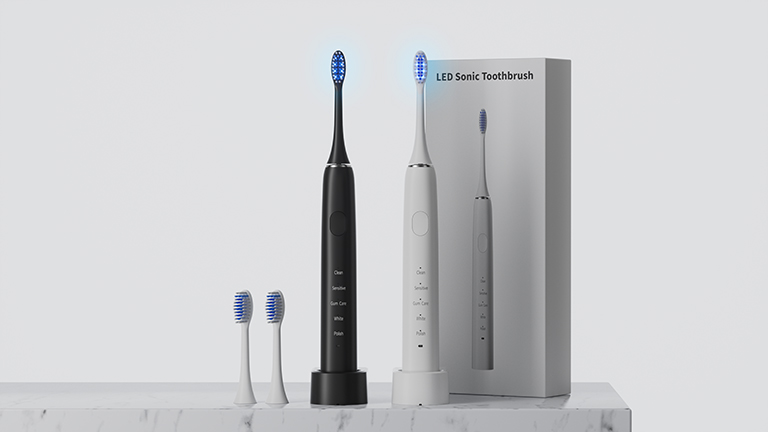
An experienced LED sonic toothbrush manufacturer combines advanced sonic cleaning technology with modern LED light therapy systems. As oral care technology continues to evolve, manufacturers are developing innovative toothbrush designs that integrate multiple functions. Therefore, many distributors are interested in LED sonic toothbrush products that combine traditional cleaning with modern oral care technology. Sonic Cleaning Performance Sonic toothbrushes use high-frequency vibration to improve plaque removal and oral hygiene. The vibration generates dynamic fluid movement that helps clean difficult areas between teeth. In addition, advanced motor systems allow the toothbrush to maintain stable vibration while operating quietly. Consequently, users enjoy a more comfortable brushing experience. LED Light Technology LED sonic toothbrushes integrate light technology into the brushing system. Blue light is commonly used in oral hygiene devices, while red light may be associated with gum care products. Furthermore, LED systems operate alongside sonic vibration motors. As a result, the toothbrush provides both mechanical cleaning and additional oral care support. You can explore related electric toothbrush products here:https://www.powsmart.com/electric-toothbrush/ Manufacturing Quality and Reliability Professional factories implement strict production standards to ensure reliable performance. Engineers test LED stability, motor durability, and waterproof protection. Meanwhile, automated production lines help maintain consistent product quality across large…
Brushing right before bed matters most, and this night brushing electric toothbrush tips guide teaches techniques and tools for effective night-time oral care. Night brushing removes plaque and food particles that build up during the day, preventing cavities and gum disease while you sleep. The right electric toothbrush makes this routine more effective. For night-friendly electric toothbrushes, visit https://www.powsmart.com/. Why Night Brushing Is Critical First, night brushing is the most important part of your oral care routine: Saliva production drops at night, reducing the mouth’s natural defense against bacteria. Plaque and food particles left on your teeth overnight harden into tartar, which can only be removed by a dentist. Night brushing prevents cavities, gum disease, and bad breath, keeping your mouth healthy while you sleep. Electric Toothbrush Tips for Night Brushing Furthermore, follow these tips to make your night brushing routine more effective: Use a sensitive mode: Night-time gums are more sensitive, so use a gentle cleaning mode to avoid irritation. Brush for 2 minutes: Use the built-in timer to ensure you brush for the full 2 minutes, focusing on all areas of your mouth. Floss first: Floss before brushing to remove food particles from between teeth, so the toothbrush…
The popularity of portable teeth whitening device products has increased significantly in recent years. As consumers seek convenient cosmetic dental care solutions, portable whitening devices provide an effective way to improve smiles at home. Therefore, many oral care brands are introducing compact whitening devices designed for easy daily use. LED Whitening Technology Most portable whitening devices use LED light technology to activate whitening gel ingredients. The light energy accelerates the chemical reaction that helps break down stains on the tooth surface. In addition, many devices include ergonomic mouth trays that help distribute light evenly across the teeth. Consequently, users can achieve more consistent whitening results. Furthermore, modern whitening devices feature rechargeable batteries and lightweight designs. As a result, consumers can easily use them while traveling or at home. Explore related whitening solutions here:https://www.powsmart.com/teeth-whitening-kit/ Product Safety and Development Manufacturers carefully design whitening devices to ensure safe operation. Engineers evaluate LED intensity, battery safety, and electronic stability during development. Meanwhile, durability testing ensures that devices perform reliably during repeated whitening treatments. As a result, distributors receive products suitable for global markets. Manufacturers also reference professional dental organizations such as:https://www.ada.org These resources support responsible product design. Growing Market Demand The global oral beauty…
A professional smart electric toothbrush manufacturer plays an increasingly important role in the modern oral care industry. As consumers become more aware of oral hygiene and technology-driven products, smart toothbrushes have gained significant popularity worldwide. Therefore, many distributors and oral care brands look for experienced manufacturers that can develop advanced toothbrush products with reliable performance. Smart Features in Modern Toothbrushes Modern smart electric toothbrushes often include intelligent features designed to improve brushing habits. For example, many models include timers that guide users through the recommended brushing duration. In addition, pressure sensors help prevent excessive brushing force. Consequently, users can protect their gums while maintaining effective cleaning. Furthermore, some smart toothbrush designs integrate LED indicators and multiple brushing modes. As a result, users can personalize their brushing experience according to their oral care needs. You can explore related electric toothbrush solutions here:https://www.powsmart.com/electric-toothbrush/ Manufacturing Technology and Engineering Professional manufacturers invest heavily in research and development. Engineers continuously improve motor performance, battery efficiency, and product durability. Meanwhile, strict quality control systems ensure stable product performance during mass production. As a result, distributors receive reliable toothbrush products suitable for international markets. Manufacturers also reference oral health recommendations from organizations such as:https://www.ada.org These guidelines help…
When should kids start water flossing? This water flosser child age recommendations guide breaks down age-by-age tips to help parents introduce flossing safely and effectively. Water flossers are a gentle alternative to string floss for kids, making oral care fun and easy. For kid-friendly water flossers, visit https://www.powsmart.com/. Age-by-Age Water Flossing Recommendations First, follow these guidelines to introduce water flossing at the right time: Toddlers (2–4 years): Wait until your child can follow simple instructions before introducing a water flosser. Start with the lowest pressure setting (10–20 PSI) and adult supervision. Use a child-sized nozzle to avoid irritation. Preschoolers (4–6 years): Kids can use a water flosser with adult guidance. Stick to low pressure and short sessions (30 seconds–1 minute) to build a habit. Let them hold the nozzle themselves to encourage independence. School-age kids (6–12 years): Kids can use a standard water flosser with medium pressure (20–40 PSI). Teach them to aim the nozzle at the gumline and floss for 1–2 minutes, focusing on hard-to-reach areas. Teens (12+ years): Teens can use a full-pressure water flosser (40–60 PSI) for deep cleaning. Encourage them to floss daily to maintain good oral health. Safety Tips for Kids Water Flossing Furthermore, these…
Sonic electric toothbrush technology has transformed the modern oral care industry. Compared with manual toothbrushes, sonic toothbrushes use high-frequency vibration to deliver more effective cleaning performance. As a result, many consumers prefer electric toothbrushes for daily oral hygiene. How Sonic Toothbrush Technology Works Sonic toothbrushes use high-speed motors to generate thousands of vibrations per minute. These vibrations create dynamic fluid movement that helps clean areas between teeth and along the gumline. In addition, sonic toothbrushes can remove plaque more effectively than traditional brushing methods. Consequently, users can achieve improved oral hygiene with consistent daily brushing. Furthermore, modern sonic toothbrushes often include multiple brushing modes designed for different oral care needs. Product Design and Performance Manufacturers continue improving motor technology and energy efficiency in electric toothbrushes. Advanced battery systems allow toothbrushes to operate for extended periods between charges. Meanwhile, waterproof designs ensure safe operation during daily use. As a result, electric toothbrushes provide reliable long-term performance. You can explore related electric toothbrush solutions here:https://www.powsmart.com/electric-toothbrush/ Manufacturing and Innovation Professional manufacturers invest in research and development to improve sonic toothbrush technology. Engineers optimize motor systems, vibration stability, and ergonomic product design. Consequently, modern sonic toothbrushes offer improved cleaning efficiency and user comfort. Manufacturers…
A reliable teeth whitening kit supplier plays an important role in the global oral beauty market. As consumers increasingly seek brighter smiles, home whitening kits have become popular products in the oral care industry. Therefore, many distributors cooperate with professional manufacturers to develop whitening devices with stable quality and modern design. LED Whitening Technology Most whitening kits use LED light technology to activate whitening gel ingredients. The light energy accelerates the chemical reaction that breaks down stains on the tooth surface. In addition, whitening kits usually include specially designed mouth trays that distribute LED light evenly across the teeth. Consequently, the whitening process becomes more consistent and effective. Furthermore, manufacturers continue improving device design and battery systems. Therefore, modern whitening kits are portable and convenient for home use. You can explore related whitening kit solutions here:https://www.powsmart.com/teeth-whitening-kit/ Manufacturing and Quality Control Professional factories maintain strict quality standards throughout the manufacturing process. Engineers evaluate LED performance, device durability, and electrical safety. Meanwhile, product testing ensures reliable performance during regular use. As a result, distributors receive whitening kits suitable for international markets. Manufacturers also reference professional dental information from organizations such as:https://www.ada.org These guidelines help support responsible product development. OEM Manufacturing Support Working…
The global demand for electric toothbrushes continues to grow, and many international brands cooperate with an electric toothbrush manufacturer China to develop reliable oral care products. Because China has strong manufacturing infrastructure and engineering expertise, many companies choose Chinese factories for OEM production. Moreover, experienced manufacturers provide complete development solutions including product design, engineering, and large-scale production. As a result, oral care brands can launch competitive products more efficiently. Advanced Sonic Toothbrush Technology Modern electric toothbrushes usually use sonic vibration technology to improve cleaning performance. High-frequency vibration helps remove plaque more effectively and improves daily oral hygiene. In addition, advanced motors allow toothbrushes to deliver stable vibration while maintaining low noise levels. Consequently, users enjoy a more comfortable brushing experience. Furthermore, manufacturers continue improving battery systems and waterproof design. Therefore, modern toothbrushes provide reliable performance for long-term use. You can explore related electric toothbrush solutions here:https://www.powsmart.com/electric-toothbrush/ Manufacturing Quality and Certification Professional factories maintain strict quality management systems during production. Engineers test motor performance, battery safety, and waterproof protection before large-scale manufacturing begins. Meanwhile, international certifications help support global distribution. As a result, distributors can introduce products into different markets with confidence. Manufacturers also reference professional dental resources from organizations such…
A professional LED teeth whitening device manufacturer plays an important role in the rapidly growing oral beauty market. As consumers increasingly demand brighter smiles, home whitening products have become one of the most popular oral care solutions. Therefore, many oral care brands and distributors seek experienced manufacturers capable of producing reliable whitening devices. Moreover, professional factories support product development, device engineering, and international export services. As a result, brands can bring innovative whitening products to market while maintaining consistent product quality. LED Technology in Whitening Devices LED technology has become a standard feature in modern whitening devices. Blue LED light activates whitening gels to break down stain molecules on the tooth surface. In addition, optimized LED arrangements ensure that light is distributed evenly across the teeth. Consequently, whitening treatments become more effective and consistent. Furthermore, manufacturers continuously improve device structure and electronic systems. Therefore, whitening devices become more reliable and user-friendly. Explore professional whitening device solutions here:https://www.powsmart.com/teeth-whitening-kit/ Manufacturing Quality and Reliability Reliable factories maintain strict quality control throughout the production process. Engineers conduct tests for LED performance, electronic stability, and battery safety. Meanwhile, durability testing ensures that whitening devices maintain stable performance during repeated use. As a result, distributors receive…
LED teeth whitening kit OEM manufacturing has become an important part of the modern oral care industry. As more consumers look for convenient home whitening solutions, LED whitening kits are gaining strong popularity in global markets. Therefore, many distributors and oral care brands are searching for reliable manufacturers capable of producing high-quality whitening products. Moreover, professional factories provide more than basic production services. They support product development, engineering design, and export logistics. As a result, brand owners can launch competitive whitening products while focusing on marketing and distribution. LED Whitening Technology in Modern Kits LED light technology is widely used in whitening kits because it activates whitening gel efficiently. The light energy accelerates the breakdown of stain molecules on the tooth surface. In addition, advanced LED systems provide consistent light exposure through specially designed mouth trays. Consequently, users can achieve more even whitening results during treatment. Furthermore, many OEM manufacturers offer customization options including LED configuration, mouth tray design, and packaging style. Therefore, brands can develop unique whitening products that fit their target markets. You can explore professional whitening solutions here:https://www.powsmart.com/teeth-whitening-kit/ Quality Control and Manufacturing Standards Reliable factories implement strict quality management systems during the manufacturing process. Engineers evaluate LED…
A wireless teeth whitening device represents one of the latest innovations in home oral care technology. Consumers increasingly prefer cordless devices that offer convenience and portability. Therefore, wireless whitening devices have become increasingly popular in the global market. Moreover, brands are looking for manufacturing partners capable of producing reliable and innovative whitening devices. As a result, OEM manufacturers play a key role in supporting product development and large-scale production. Wireless Whitening Technology The wireless teeth whitening device uses LED light technology combined with rechargeable batteries. This design eliminates the need for external cables during treatment. In addition, modern whitening devices include ergonomic mouth trays that distribute light evenly across teeth. Consequently, users can achieve consistent whitening results. Furthermore, wireless devices are designed to be lightweight and portable. Therefore, consumers can easily use them at home, in the office, or while traveling. You can explore related whitening solutions here:https://www.powsmart.com/teeth-whitening-kit/ Manufacturing Quality and Reliability Reliable factories conduct strict quality inspections during production. Engineers evaluate LED performance, electronic stability, and battery safety. Meanwhile, durability testing ensures devices maintain consistent performance during repeated use. As a result, distributors receive reliable whitening products suitable for global markets. Manufacturers also refer to professional dental organizations such…
The demand for portable teeth whitening kit products continues to grow in the global oral care market. Consumers increasingly prefer convenient whitening solutions that can be used at home or while traveling. Therefore, portable whitening kits have become one of the fastest-growing categories in the oral beauty industry. Moreover, many brands are introducing portable whitening devices to meet the needs of modern consumers. As a result, manufacturers are focusing on developing compact and efficient whitening technologies. Portable Design and Whitening Technology A portable teeth whitening kit usually combines LED whitening technology with lightweight device structures. The LED light activates whitening gel ingredients to break down stain molecules on the tooth surface. In addition, portable kits often include ergonomic mouth trays designed for comfortable use. Consequently, users can perform whitening treatments easily without complicated procedures. Furthermore, rechargeable batteries allow whitening devices to operate for multiple sessions on a single charge. Therefore, users can maintain their whitening routines conveniently. Explore professional whitening solutions here:https://www.powsmart.com/teeth-whitening-kit/ Manufacturing Quality and Product Safety Professional factories implement strict production standards to ensure product reliability. Engineers evaluate LED performance, battery safety, and device durability during product development. Meanwhile, technicians perform safety testing before shipment. As a result, distributors…
A professional teeth whitening device factory plays an important role in the global oral care market. As more consumers seek brighter smiles, the demand for home whitening devices continues to increase. Therefore, many distributors and oral care brands are looking for reliable manufacturing partners capable of producing high-quality whitening products. Moreover, experienced factories offer more than simple production services. They support product development, design optimization, and international export logistics. As a result, brands can introduce competitive whitening products while focusing on marketing and distribution. LED Technology in Teeth Whitening Devices Modern whitening devices often use LED light technology to activate whitening gels. The light energy accelerates the chemical reaction that breaks down stains on the tooth surface. In addition, LED systems provide consistent light exposure across the teeth through specially designed mouth trays. Consequently, users can achieve more even whitening results. Furthermore, manufacturers continue improving device structure and battery performance. Therefore, consumers can use whitening devices conveniently at home or while traveling. You can explore related whitening solutions here:https://www.powsmart.com/teeth-whitening-kit/ Quality Control in Manufacturing Reliable factories implement strict quality control systems throughout the production process. Engineers test LED stability, battery safety, and device durability before large-scale production begins. Meanwhile, electrical safety…
Introduction The red blue light electric toothbrush is one of the most innovative developments in modern oral care technology. By combining high-frequency sonic vibration with LED light therapy, these toothbrushes provide deeper cleaning and improved gum care compared to traditional toothbrushes. For oral care brands and distributors, this technology creates a strong opportunity to launch high-value electric toothbrush products that stand out in the competitive market. What Is a Red Blue Light Electric Toothbrush? A red blue light electric toothbrush integrates two advanced technologies: Sonic vibration cleaning LED light therapy The toothbrush head contains red LED light and blue LED light, which activate during brushing. Blue Light Function Blue light is widely used in oral care because it can help reduce bacteria on the tooth surface. Benefits include: Helps reduce plaque buildup Improves oral hygiene Supports teeth whitening Red Light Function Red light technology is commonly used in gum care and oral therapy devices. Benefits include: Helps stimulate gum circulation Supports healthier gums Improves gum comfort By combining these two lights, the toothbrush provides both cleaning and oral care benefits. Advantages of Red Blue Light Sonic Toothbrush 1. High Frequency Sonic Cleaning Most advanced models use 30,000–40,000 vibrations per minute,…
Introduction Modern water flossers rely on multiple internal components working together to ensure efficient cleaning and reliable performance. Among these components, the Micro-filter Cartridge plays an important role in filtering impurities from the water before it enters the pumping system. At the same time, the Flow Sensor Module monitors water movement to ensure consistent pressure and proper device operation. When properly integrated, the Micro-filter Cartridge and the Flow Sensor Module help maintain stable water flow, protect internal components, and enhance the overall reliability of the flosser. Protecting the Flow Monitoring System The Flow Sensor Module is designed to detect and measure water flow within the flosser system. However, particles or impurities in the water may interfere with the sensor’s accuracy. A Micro-filter Cartridge helps remove debris and sediment before water reaches the Flow Sensor Module, ensuring that the sensor can operate accurately and consistently. Maintaining Stable Water Flow Consistent water flow is essential for effective flossing performance. If contaminants enter the system, they may disrupt water movement or clog narrow passages. By filtering water through the Micro-filter Cartridge, the flosser system can maintain smoother flow conditions, allowing the Flow Sensor Module to detect stable and predictable flow patterns. Preventing Internal…

Introduction Modern water flossers aim to deliver effective cleaning while maintaining comfort and safety for users. One important component that contributes to a quieter and smoother operation is the Quiet Pump Rotor, which drives the water flow with reduced vibration and noise. At the same time, the water delivery pathway must be made from safe and reliable materials, such as a Medical Polymer Tube, to ensure hygiene and durability. When properly integrated, the Quiet Pump Rotor and the Medical Polymer Tube can work together to provide stable water pressure, quiet operation, and safe water transmission in advanced flosser systems. Enabling Smooth Water Flow Transmission The Quiet Pump Rotor generates the force needed to move water through the flosser system. For this flow to remain consistent, the connecting tubing must support smooth water transfer. A high-quality Medical Polymer Tube offers excellent internal surface stability, allowing water produced by the Quiet Pump Rotor to travel efficiently without unnecessary resistance. Supporting Low-Noise System Operation One of the advantages of a Quiet Pump Rotor is its ability to reduce mechanical vibration during pump operation. However, the tubing system can also influence overall noise levels. Using a flexible Medical Polymer Tube helps absorb minor vibrations…
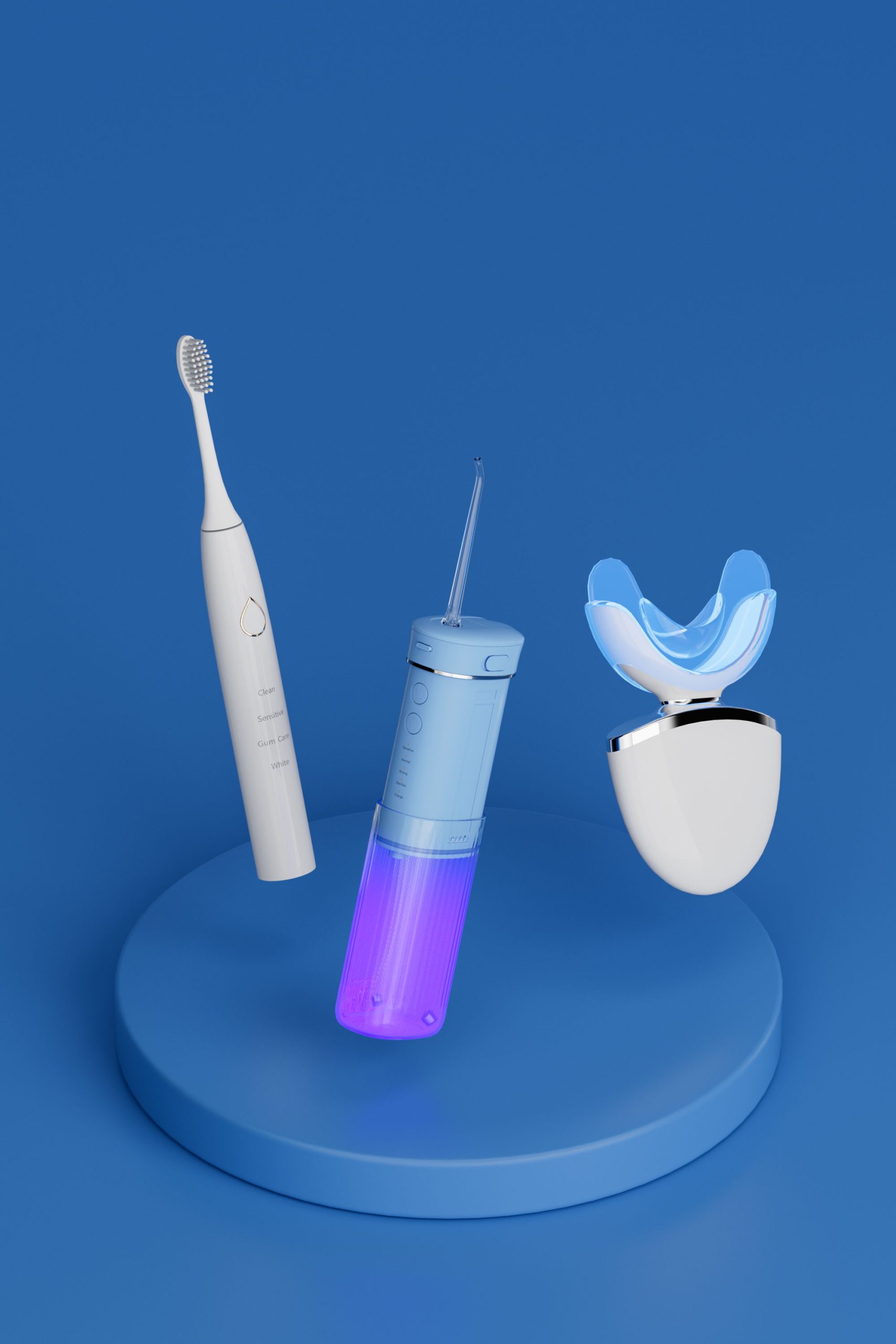
Introduction As oral care technology continues to evolve, specialized accessories are becoming increasingly important for effective dental hygiene. Many brands seeking Periodontal Tip OEM solutions are now looking beyond standard nozzle designs and focusing on enhanced hygiene features. One such innovation is the Antimicrobial Mouthpiece, which helps reduce bacterial buildup during daily use. By integrating an Antimicrobial Mouthpiece into Periodontal Tip OEM manufacturing, oral care brands can improve product safety, hygiene performance, and overall user confidence. Understanding the Role of Periodontal Tips in Oral Care Periodontal tips are designed to deliver targeted water streams below the gumline, helping remove plaque and debris from periodontal pockets. For brands developing advanced water flosser accessories, choosing the right Periodontal Tip OEM partner ensures the tips meet performance and safety requirements. When combined with an Antimicrobial Mouthpiece, periodontal tips can further support hygienic oral care routines. Enhancing Hygiene with Antimicrobial Materials A key advantage of incorporating an Antimicrobial Mouthpiece is its ability to help inhibit bacterial growth on surfaces that frequently come into contact with the mouth. In Periodontal Tip OEM production, antimicrobial additives or specialized materials may be used to enhance the hygienic properties of the mouthpiece while maintaining safety and durability. Improving…


.jpg)
.jpg)
.jpg)
.jpg)
.jpg)







.jpg)
.jpg)