
.jpg)
Strong electric toothbrush OEM capabilities are essential for international distributors and private-label brands seeking long-term competitiveness in oral-care markets. When selecting an OEM partner, buyers often evaluate technical strength, manufacturing scale, design flexibility, and regulatory compliance. As markets continue to expand, choosing an experienced supplier becomes even more important for brand differentiation. Engineering Capabilities That Define Top OEM Suppliers(engineering strengths) Leading OEM manufacturers typically offer full in-house engineering services. These include structural design, PCB development, motor selection, vibration optimization, waterproof engineering, and testing protocols. Since toothbrushes operate in humid environments, waterproof integrity is crucial. Therefore, professional factories implement ultrasonic sealing processes and strict IPX7/IPX8 verification. Additionally, strong factories also optimize noise performance, motor lifespan, and brushing-mode algorithms. These engineering capabilities allow brands to establish higher product positioning and meet regional compliance requirements. Check more OEM-ready components on:https://powsmart.com/oem-electric-toothbrush Design Flexibility and ID Customization(design customization) OEM projects often require custom handle shapes, LED layouts, and surface-treatment options. A factory with comprehensive design capabilities allows buyers to create products that reflect brand aesthetics without requiring major technical adjustments. Furthermore, experienced suppliers maintain ID design libraries that accelerate development cycles and ensure compliance with internal structural layouts. Design flexibility also extends to packaging. Since…
When overseas buyers evaluate bulk electric toothbrush pricing, the decision usually goes beyond simply comparing quotations. For B2B importers, distributors, and private-label brands, pricing is directly linked to supply chain stability, factory capability, product compliance, and long-term market positioning. Therefore, understanding how manufacturers calculate cost structures helps buyers make more accurate procurement decisions. H2: Factors That Influence Bulk Toothbrush Prices(pricing drivers) When purchasing in bulk, buyers typically discover that price differences come from several core elements rather than single-point negotiations. First, material quality plays a key role. For instance, premium DuPont bristles and high-density ABS shells cost more but significantly increase durability and brand value. Additionally, battery capacity, motor efficiency, and waterproof rating all influence final unit cost. Moreover, production automation level also shapes the cost structure. Factories that operate automated bristle-planting, SMT, and assembly lines reduce labor fluctuations and maintain consistent quality. As a result, their bulk pricing is often more predictable for long-term cooperations. You may also check detailed product specifications on our internal product pages here:https://powsmart.com/electric-toothbrush-series H2: MOQ and Packaging Structure for Large Orders(MOQ impact) In B2B environments, MOQ often affects unit cost. Higher quantities reduce depreciation cost of molds, assembly fixtures, and quality-inspection resources. Furthermore, bulk…
A private label electric toothbrush is an ideal solution for brands, wholesalers, and online sellers who want to build their own product line in the growing oral care market. Because demand for smart and affordable electric toothbrushes continues increasing globally, private-label solutions offer businesses a fast and efficient way to enter the industry without building their own factory. Instead, they can rely on established OEM suppliers to handle production, quality control, and supply-chain management. Why Private Labeling Supports Faster Market Entry Working with a custom-brand oral care supplier allows companies to launch new products quickly. Moreover, businesses can select existing models, customize packaging, and apply their branding without investing in new tooling. This significantly reduces time-to-market and lowers development costs. In addition, manufacturers typically offer multiple handle designs, brush head types, vibration frequencies, and charging methods. Buyers can review additional product options here:👉 https://powsmart.com/ For online sellers on Amazon, Shopee, or eBay, private-label toothbrushes are especially valuable because they offer strong differentiation and higher profit margins. Brands can also introduce new variants based on customer feedback, making it easier to maintain competitiveness. Customization Options for Brands and Retailers A reliable OEM supplier provides a wide range of customization services. These…
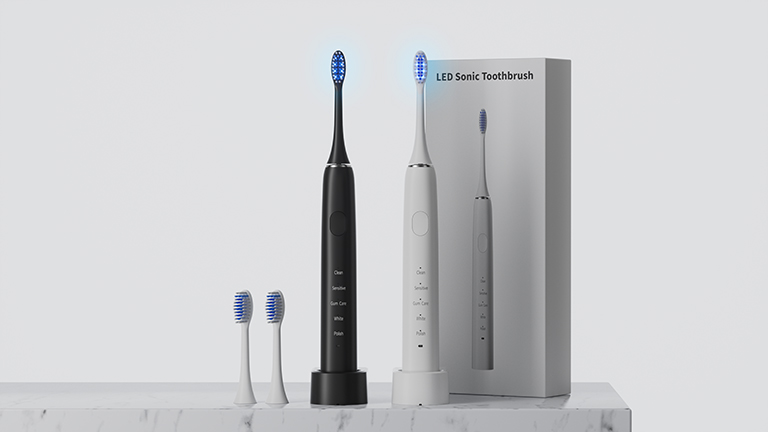
A professional sonic toothbrush manufacturer China provides global buyers with advanced technology, high-quality components, and efficient production capabilities. Because the electric oral care industry continues expanding, companies worldwide rely on Chinese manufacturers for innovative designs and competitive manufacturing costs. As a result, sourcing from China remains one of the most effective strategies for brands entering or scaling within the oral care market. Why Choose a Chinese Sonic Toothbrush Factory for B2B Sourcing Working with a sonic toothbrush supplier gives businesses access to fast production cycles, strong R&D teams, and a broad selection of product styles. Additionally, Chinese factories specialize in high-frequency sonic motors that deliver between 30,000 and 45,000 vibrations per minute, offering effective plaque removal and comfortable user experiences. Because B2B buyers often operate in diverse markets, manufacturers must provide multilingual manuals, packaging options, and marketplace-compliant specifications. Buyers can explore model variations directly through the manufacturer's product pages:👉 https://powsmart.com/ Technology Advantages for Global Buyers Sonic toothbrush factories in China offer several competitive advantages. For instance, their engineering teams can upgrade motors, waterproofing systems, battery performance, and charging methods. USB-C charging, smart memory functions, and pressure sensors are now commonly available across many models. Moreover, suppliers continue improving brush head…
A trusted electric toothbrush wholesale supplier plays a crucial role for distributors, importers, and private brands seeking high-quality oral care products. Because global demand for electric toothbrushes continues to rise, businesses need reliable partners capable of delivering consistent manufacturing quality, competitive pricing, and flexible customization services. For B2B buyers, sourcing the right supplier ensures better margins, faster scale-up, and long-term product competitiveness in both retail and e-commerce channels. Why Work With a Professional Bulk Electric Toothbrush Provider Choosing a bulk oral care manufacturer is essential for companies entering the growing electric toothbrush market. Additionally, established suppliers provide stable production, strong R&D capabilities, and multiple model selections suitable for various price points. Since buyers often require product differentiation, suppliers must also offer customization options such as logo printing, packaging design, and brush head compatibility. Furthermore, experienced suppliers follow strict quality control procedures, ensuring that each product meets international safety standards. Businesses can also benefit from having access to new technologies, including sonic motors, smart timers, magnetic levitation systems, and USB-C charging. Buyers exploring product ranges can review additional options at:👉 https://powsmart.com/ Key Advantages for Importers and Distributors Working with a professional supplier provides several advantages. For instance, bulk orders allow distributors…
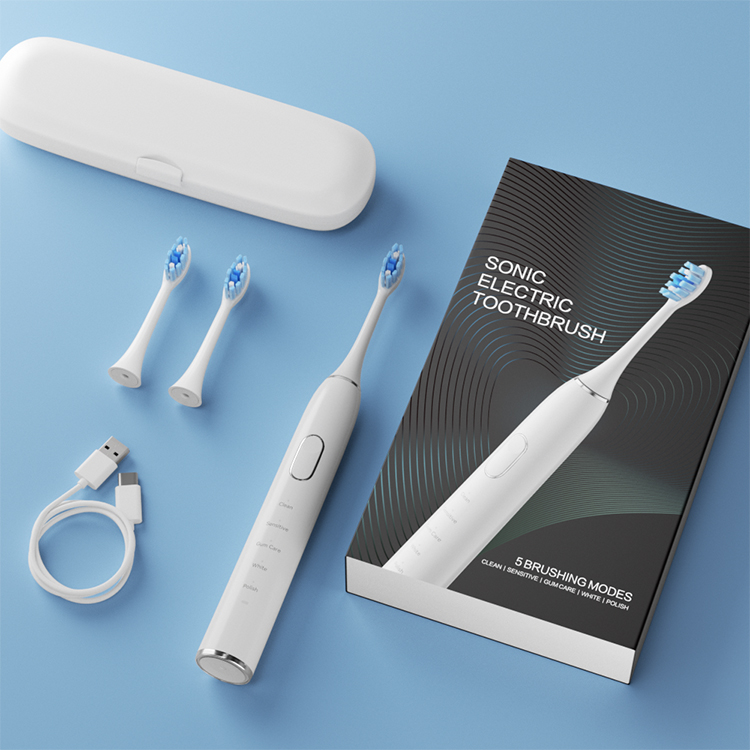
When developing a Smart Timer Whitening Kit, one of the most critical factors to consider is the Quantum of the whitening agents used in the formulation. Quantum refers to the efficiency with which a substance converts absorbed energy into a desired reaction, such as the activation of whitening agents. Understanding and measuring Quantum Yield is essential for manufacturers to ensure optimal performance and effective whitening results within the time limits set by a smart timer, ultimately delivering a predictable and efficient whitening experience. What is Quantum Yield? Quantum Yield is a measure of the efficiency of a photochemical reaction, specifically how many molecules of the whitening agent are activated per photon of light absorbed. In whitening kits, particularly those that use light activation, high Quantum Yield means. The Importance of Quantum Yield in Whitening Formulations In a Smart Timer Whitening Kit, the whitening agents are often activated by light or heat. The Quantum of these agents determines how efficiently the energy is converted into a chemical reaction that breaks down stains on teeth. A high Quantum Yield ensures that the whitening process occurs quickly, effectively. Quantum Yield and Time Efficiency in Smart Timer Systems A Smart Timer Whitening Kit is designed to…
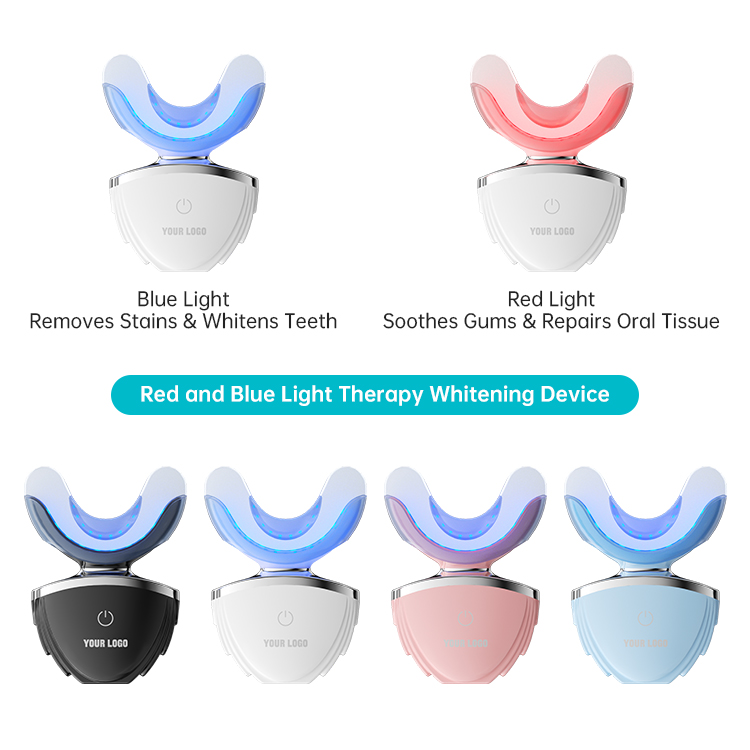
In advanced whitening formulations, the combination of a Photobleaching Catalyst and Optical Brighteners is essential for enhancing the overall whitening effect. The Photobleaching Catalyst accelerates the breakdown of stains, while the Optical Brightener enhances the visual appearance of whitened teeth by reflecting more light. Together, these components work synergistically to deliver both chemical and optical whitening benefits, improving both the speed and longevity of whitening treatments. What Is a Photobleaching Catalyst? A Photobleaching Catalyst is a chemical agent used in whitening formulations to accelerate the breakdown of stains on teeth through light-activated reactions. By interacting with the active ingredients (often peroxide-based), the catalyst helps speed up the oxidation of chromophores, breaking down surface and subsurface stains more efficiently. This results in a faster whitening process and more visible results after a shorter treatment period. Role of Optical Brighteners in Whitening Products Optical Brighteners are compounds that absorb ultraviolet (UV) light and re-emit it as visible blue light. This blue light enhances the appearance of whiteness by compensating for yellow or dull undertones in the teeth. Optical brighteners don't alter the actual color of the teeth but instead improve how white they appear by reflecting more light and creating the illusion…
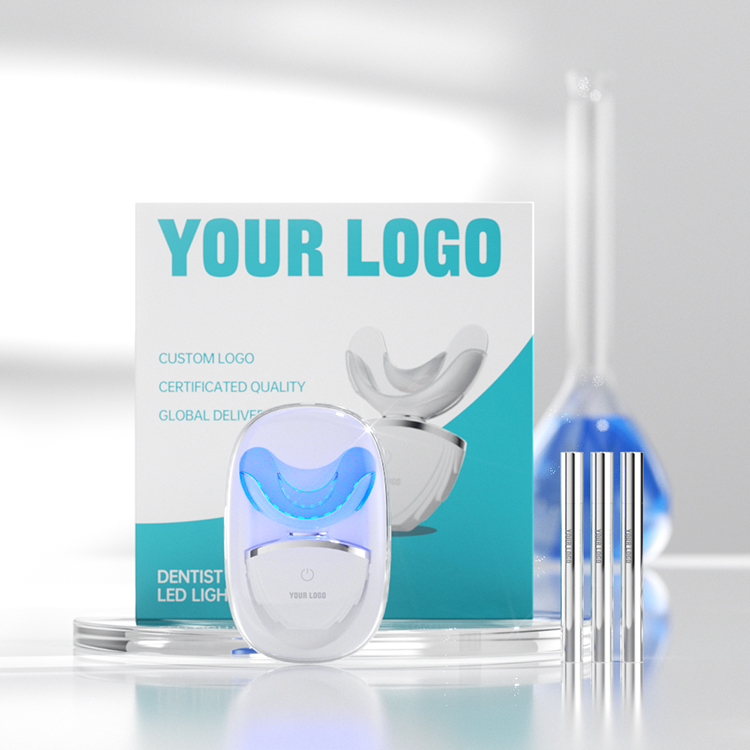
In modern whitening systems, reducing Chromatic Aberration plays a crucial role in improving overall Luminescence Efficiency. As light-based whitening becomes more advanced, device manufacturers are seeking ways to deliver more uniform, concentrated energy to accelerate peroxide activation and enhance whitening results. Controlling optical distortion is now essential for achieving higher performance and greater treatment consistency. Understanding Chromatic Aberration in Whitening Devices Chromatic aberration occurs when different wavelengths of light fail to converge at the same focal point. In whitening devices that rely on LED or laser illumination, this optical distortion disperses energy unevenly across the treatment surface, reducing the effectiveness of light-activated whitening gels. How Aberration Reduction Enhances Energy Delivery When Chromatic Aberration is minimized, the emitted light maintains a tighter beam profile. This ensures that more of the light energy reaches the peroxide gel in a focused manner, increasing local photon density. The result is improved Luminescence Efficiency, allowing whitening reactions to occur more rapidly and consistently. Improved Luminescence Efficiency Supports Faster Peroxide Activation Higher Luminescence Efficiency means more effective stimulation of the whitening gel’s active ingredients. By delivering light with minimal distortion, manufacturers ensure that chromophore breakdown occurs more efficiently, boosting the rate at which stains oxidized and…
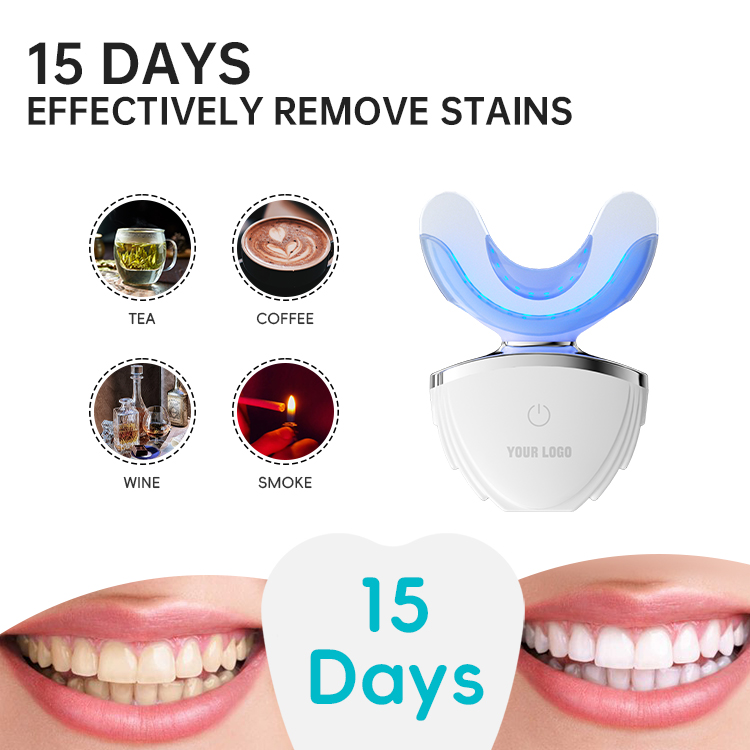
Evaluating whitening performance accurately requires more than visual inspection—scientific metrics such as Surface Reflectance and Subsurface Scattering play a critical role. These optical measurements help manufacturers understand how light interacts with tooth enamel and dentin, offering a deeper, more reliable assessment of whitening efficacy and long-term aesthetic results. Understanding the Optical Behavior of Teeth Teeth are complex optical structures composed of enamel and dentin. Their appearance is influenced by how light is reflected on the surface and how it penetrates and scatters beneath the enamel. This dual-layer light interaction makes traditional visual whitening evaluations subjective and inconsistent. What Surface Reflectance Reveals About Whitening Results Surface Reflectance measures the amount of light that bounces off the enamel surface. After whitening, increased reflectance typically associated with cleaner, smoother enamel and reduced surface stains. Quantifying this effect provides manufacturers with objective data on how well a formulation or device improves enamel brightness. Importance of Subsurface Scattering for Color Accuracy Subsurface Scattering measures how light travels within the enamel and dentin layers. Whitening treatments often influence this internal scattering by altering the chromophores and density of dentin. Monitoring these changes ensures a comprehensive evaluation of whitening depth—not just surface-level improvements. Enhanced Precision Through Combined…
For precise measurement of Opalescence Enhancement in teeth-whitening treatments, Colorimeter Calibration is essential. Accurate color measurement allows manufacturers to track subtle changes in tooth appearance—specifically, the opalescent effects that occur during the whitening process. Regular calibration ensures that the data collected is reliable, consistent, and can be used to fine-tune formulas, devices, and treatment protocols, thus optimizing whitening results. Understanding Opalescence in Teeth Whitening Opalescence refers to the subtle color shifts that occur when light interacts with the teeth. In whitening treatments, it is often associated with the enhanced brightness and visual appeal that results from proper peroxide activation. Monitoring these effects allows manufacturers to create products that not only whiten teeth but also enhance their natural radiance. The Role of a Colorimeter in Whitening Measurement A colorimeter is an instrument used to quantify the color of a surface. In the context of teeth whitening, it provides objective readings of hue, saturation, and lightness before and after treatment. To ensure accurate and consistent results, the colorimeter must be calibrated regularly to maintain its precision in color detection and measurement, especially when subtle changes like Opalescence Enhancement are involved. How Colorimeter Calibration Ensures Accurate Opalescence Measurement Without regular calibration, a colorimeter's…
For oral-care brands looking to expand into whitening products, the biggest challenge is balancing efficacy with safety. Consumers are increasingly aware of tooth sensitivity, enamel erosion, and harsh chemical formulas, which pushes brands to seek the least damaging teeth whitening methods. This is where high-quality OEM whitening solutions become invaluable—combining science, safety, and customization to help brands launch products that truly stand out. Below, we explore the six key considerations for Whiten Your Teeth-whitening products that protect enamel while delivering visible results. Start with Enamel-Safe Active Ingredients The first step to achieving the least damaging teeth whitening effect is choosing the right whitening agents. Instead of relying solely on high-concentration peroxide, innovative OEM manufacturers now offer alternatives like PAP, PE whitening complexes, and remineralizing blends. These ingredients minimize irritation while still effectively breaking down stains. Incorporate Gentle Whitening Technology Modern consumers don’t just want whiter teeth—they want whitening that doesn’t hurt. Leading OEM factories now integrate gentle whitening technology, such as low-heat LED activation, PAP+ formulas, and sensitivity-reducing agents. These solutions reduce enamel stress and help brands offer products suitable even for users with sensitive teeth. Use Remineralization Support in Every Formula Calcium, hydroxyapatite, and fluoride additives help protect and…
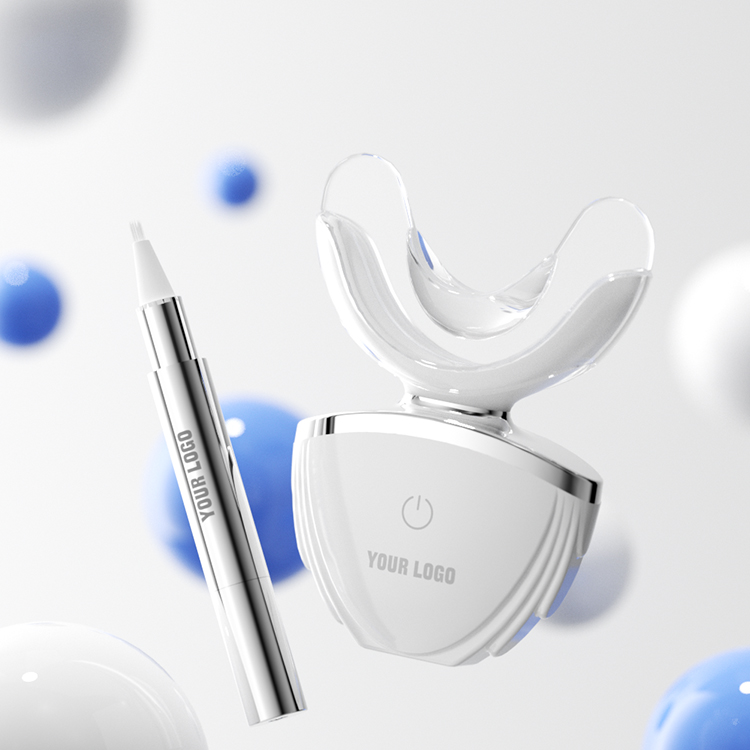
LED teeth whitening has become one of the fastest-growing product categories in the beauty and oral-care industry. For oral-care brands exploring OEM product development, LED whitening devices offer strong market potential, high scalability, and attractive profit margins. Yet, rapid growth has also brought confusion—manufacturers frequently encounter brand owners unsure about what LED technology truly does and what is merely marketing hype. This blog separates science from myth, helping brands make informed decisions when sourcing or designing OEM LED whitening products. Understanding the Science: What LED Really Contributes to Whitening When discussing LED teeth whitening science, it is essential to clarify that LEDs themselves do not whiten teeth chemically. Instead, LED light acts as an accelerator, enhancing the performance of peroxide-based or peroxide-free whitening gels.Scientific evidence shows that when LEDs are paired with appropriate whitening agents, the reaction speed increases, producing faster and more noticeable results. For OEM developers, this means the effectiveness of an LED device relies not only on the light wavelength and intensity but also on the formulation compatibility. Common Myths Brands Should Avoid in Product Planning Despite its popularity, LED whitening is surrounded by misconceptions. Some of the most common myths include: Myth #1: LED alone can…
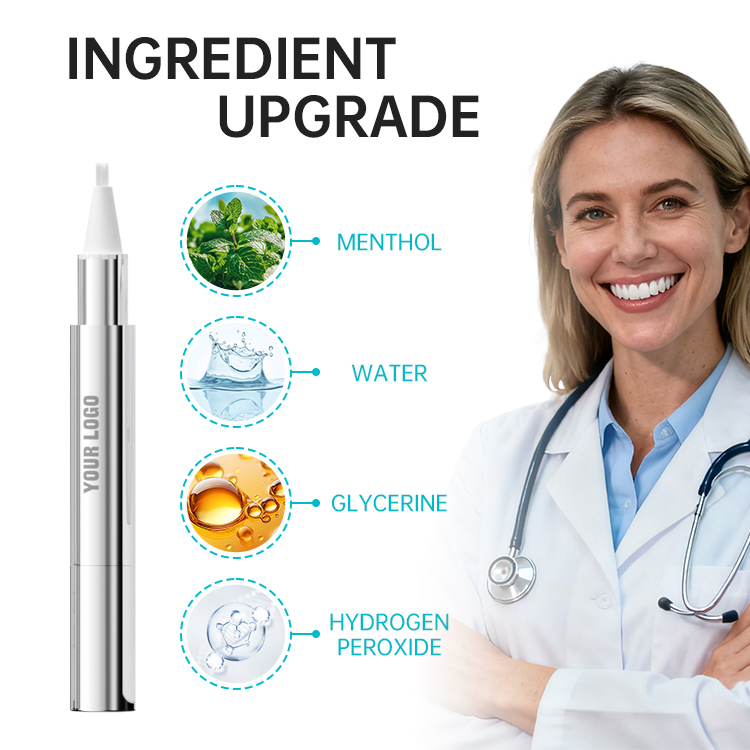
As global demand for whitening solutions grows, brands are increasingly focused on a critical niche: teeth whitening for sensitive teeth. Consumers want fast, visible results—but they also expect a gentle, irritation-free experience. For oral-care brands, this creates both an opportunity and a challenge. The winning products are those that successfully balance efficacy with comfort, backed by reliable OEM manufacturing partners who understand this delicate equation. Below, we explore how brands can collaborate with specialized manufacturers to deliver whitening formulas designed specifically for sensitivity—and how to differentiate in a competitive marketplace with market-specific solutions. Understanding the Sensitivity Challenge in Teeth Whitening Sensitivity occurs when peroxide-based whitening agents penetrate enamel and reach the dentin layer. An effective whitening formula must lift stains while minimizing this irritation pathway. OEM manufacturers skilled in sensitive-teeth formulations can help brands strike this balance through advanced ingredient engineering and concentration optimization. Ingredients That Improve Comfort Without Sacrificing Results Modern sensitive-teeth whitening formulas often incorporate desensitizing agents such as potassium nitrate, hydroxyapatite, or arginine. The right OEM partner can integrate these into gels, pens, strips, or powders—creating products that maintain whitening strength while soothing nerve response. Tailoring Whitening Strength for Different Market Needs Sensitivity thresholds vary globally. That’s…
In the fast-growing oral-care market, premium brands are constantly searching for manufacturing partners capable of delivering professional-grade whitening solutions that stand out. Building a high-value product line requires not only advanced technology but also a strategic understanding of consumer expectations, regulatory demands, and competitive differentiation. This article outlines the key considerations for brands seeking premium OEM options to elevate their market presence. Understanding the Premium Teeth Whitening Market The global whitening category has shifted from simple over-the-counter kits to sophisticated, dentist-level systems. Consumers now look for visible, fast results backed by science, making professional-grade whitening the new benchmark. To succeed, brands must collaborate with manufacturers who understand premium positioning and can support specialized formulations and packaging. Choosing OEM Manufacturers With Proven Expertise Not all OEM suppliers are capable of developing advanced whitening solutions. Premium brands should prioritize partners with: In-house R&D capabilities Compliance with international oral-care standards Experience producing high-efficacy formulas Flexible, scalable production capacity Such suppliers can translate clinical research into market-ready products while ensuring consistent quality. High-Efficacy Formulas for Premium Brand Positioning Premium whitening products rely heavily on formulation science. Whether using carbamide peroxide, PAP+, or hybrid ingredient systems, your OEM partner should be able to create high-efficacy…
In today’s competitive oral-care market, brand owners must deliver whitening solutions that work effectively without compromising safety. Consumers are increasingly aware of dental health, and they expect whitening products that are gentle, trustworthy, and backed by science. For brands seeking reliable factories or manufacturers, choosing Safe Way To Whiten teeth products is the ideal path to long-term success. Below, we explore six essential elements that help you build a whitening product line that is safe, effective, and ready for market. Why Safe Teeth Whitening Should Be Your Top Priority The global demand for whitening products is rising, but so is consumer skepticism. Harsh formulas, unregulated ingredients, and low-quality manufacturing can lead to tooth sensitivity, enamel damage, or gum irritation.This is why safe teeth whitening is now a core selling point—not just an added benefit. Brands that partner with certified OEM manufacturers can guarantee high product reliability, proper ingredient control, and compliance with global safety standards. The Power of Dentist-Approved Formulations Dentists understand the science of enamel, dentin, and oral sensitivity better than anyone. When a product is labeled dentist-approved, it instantly signals credibility.Quality OEM manufacturers often collaborate with dental experts to evaluate peroxide levels, pH balance, application safety, and long-term oral…
Today’s consumers trust dentist-recommended products more than ever, especially when it comes to home teeth whitening solutions used at home. For brands, this means credibility is not optional—it's essential. Working with an experienced oral care manufacturing partner ensures your formulas meet professional-grade standards, comply with regulations, and deliver the visible results customers expect. Growing Consumer Demand for Safe At-Home Whitening The demand for at-home whitening has grown rapidly as customers look for convenient, affordable alternatives to in-office treatments. This shift offers enormous opportunities for brands—provided your products combine effectiveness with safety. OEM specialists can help you develop whitening gels, strips, and LED kits that offer clinically validated performance while remaining gentle enough for everyday users. The Benefits of an OEM Partnership for Whitening Innovation An OEM partnership allows you to launch high-quality whitening products without the burden of owning or operating a manufacturing facility. OEM experts bring technical knowledge, formulation flexibility, and production scalability. Their R&D teams stay updated on whitening technologies—such as peroxide-based gels, PAP formulas, and enamel-friendly brightening agents—so your brand stays ahead of the market. Customized Formulations that Reflect Your Brand’s Identity Whether your brand focuses on sensitivity-friendly solutions, natural ingredients, or professional-level whitening, OEM oral-care manufacturers…
.jpg)
When assessing the effectiveness of teeth-whitening treatments, the CIE Whiteness Index is a critical measurement tool used to quantify whitening results. It accounts for the perceptible changes in tooth color by considering Hue, Saturation, and Lightness—three essential components of color that influence how bright or white a tooth appears. Understanding how these variables interact in whitening outcomes allows manufacturers to refine products for more precise, consistent results across different user profiles. What Is the CIE Whiteness Index and Why Is It Important? The CIE Whiteness is a standardized metric developed by the International Commission on Illumination (CIE) to measure how white a surface appears, factoring in both the degree of whiteness and the presence of any color undertones. It helps manufacturers and clinicians track the effectiveness of whitening treatments in a scientifically validated way. Breaking Down Hue, Saturation, and Lightness The three key components of the CIE Whiteness —Hue, Saturation, and Lightness—each play a distinct role in how whiteness is perceived: Hue refers to the specific color tone (e.g., blue, yellow, red) that can influence whether teeth appear more “warm” or “cool.” Saturation indicates the intensity of the color. Teeth with higher saturation tend to show a richer, more vivid color.…
The children’s smart toothbrush has become one of the fastest-growing product categories in the global oral-care market. Parents increasingly prefer guided brushing assistance, enhanced safety, and interactive features to encourage healthy habits. As a result, distributors, retail brands, and wellness programs are now sourcing smart brushes designed specifically for young users. For buyers seeking stable OEM supply and reliable performance, this segment presents a strong long-term opportunity. Why Children’s Smart Toothbrushes Are a Growing Opportunity for B2B Buyers Parents often struggle to ensure their children brush correctly and consistently. Smart brushes solve this issue through timer systems, gentle sonic vibration, and visual guidance, which effectively improve daily routines. For buyers operating in Europe and North America, this category provides stronger differentiation than traditional kids’ brushes. The higher perceived value also allows brands to maintain healthier margins, making it attractive for e-commerce platforms, subscription dental programs, and pediatric clinics. Moreover, children’s oral-care education continues to receive increased focus from dental authorities worldwide. To reference general guidance, you may explore organizations such as the American Academy of Pediatric Dentistry (external link: https://www.aapd.org/). Key Features OEM Buyers Expect in Children’s Smart Toothbrushes Safe Sonic Technology with Gentle Amplitude Unlike adult toothbrushes, kids’ smart…
The wireless charging toothbrush has rapidly become a preferred upgrade option for oral-care brands, retailers, and distributors seeking to expand their premium product lines. As consumers increasingly expect convenience, cable-free charging and improved hygiene, wireless charging models are now replacing traditional USB brushes in major retail channels. For B2B buyers focused on brand differentiation and product durability, this category offers strong commercial potential and long-term repeat demand. Why Wireless Charging Toothbrushes Lead Today’s Mid-to-Premium Market Across Europe, the Middle East, and Asia, more consumers are adopting contactless charging devices for everyday use. Therefore, brands sourcing private-label toothbrushes seek models that align with this trend. Wireless charging eliminates exposed charging ports, reducing water-related damage and extending overall device lifespan. These factors allow distributors to position the toothbrush as a premium product while maintaining a sustainable margin. In addition, corporate wellness programs and subscription-based oral-care services increasingly prefer wireless models for their modern appearance and reduced maintenance issues. With performance stability being essential for these channels, a wireless system becomes a smart choice for maintaining user satisfaction. Essential OEM Features Buyers Expect in Wireless Charging Toothbrushes Reliable Inductive Charging Base (Enhanced Safety & Durability) For global buyers, charging stability is crucial. A…
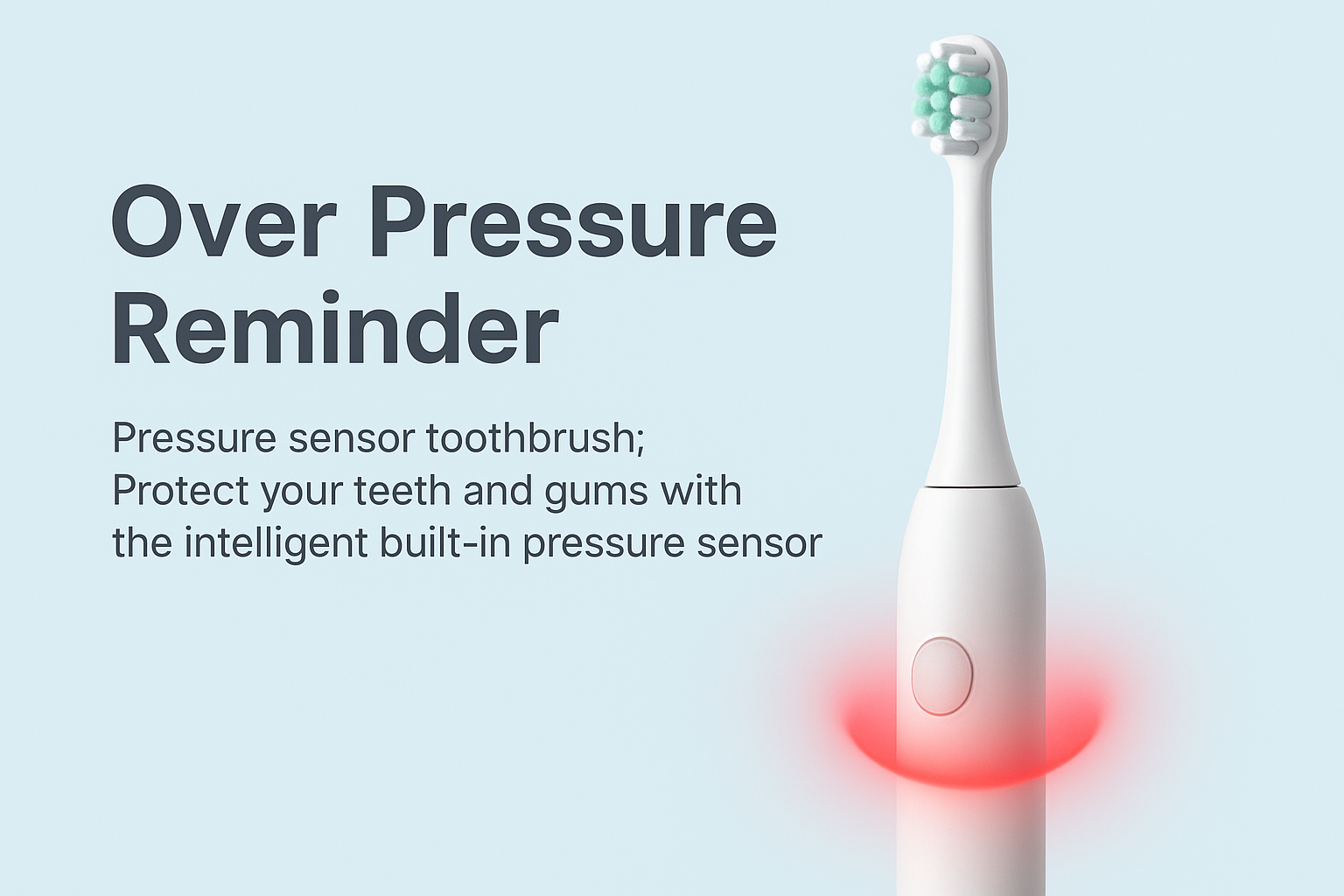
The pressure sensor toothbrush has become an essential item for retailers, dental distributors, and oral-care brands seeking to offer higher safety and improved brushing accuracy. At a time when consumers increasingly demand smarter protection for sensitive gums, OEM suppliers that can deliver reliable sensing technology and premium build quality hold a strong competitive advantage. As an experienced oral-care manufacturer, we support brands, private-label distributors, subscription platforms, and dental clinics looking to scale with intelligent brushing solutions. Why Buyers Are Shifting to Smart Pressure-Sensitive Toothbrushes (with Sensor-Driven Protection) Across Europe, North America, and the Middle East, demand for pressure-responsive brushes continues to rise. Brands prefer sensor-based models because they reduce the risk of gum abrasion and provide a measurable improvement in brushing consistency. Moreover, these products help retailers differentiate themselves from low-cost generic brushes, offering a higher-margin upsell opportunity. Additionally, corporate wellness programs and dental-care providers increasingly seek data-assisted brushing tools. While they may not require app connectivity, they value devices that ensure safe brushing force, especially when reselling to orthodontic patients or employees with sensitive gums. Therefore, a modern brush equipped with advanced sensing systems aligns with the long-term direction of the oral-care industry. Key OEM Features Buyers Expect in…


.jpg)
.jpg)
.jpg)
.jpg)
.jpg)






.jpg)
.jpg)
.jpg)
.jpg)
.jpg)
.jpg)
.jpg)