.jpg)
Phoenix electric toothbrush wholesale is a lucrative opportunity for local retailers and distributors, fueled by the city’s year-round warm weather, active desert lifestyle, and growing population of snowbirds and young professionals. Yet many businesses struggle to stand out with generic products that fail to address Phoenix’s unique needs—like heat resistance and travel readiness. The key to success lies in aligning your Phoenix electric toothbrush wholesale strategy with the city’s desert culture: heat-resistant designs, long-lasting batteries, and vacation-friendly features. Powsmart, a leading Chinese electric toothbrush manufacturer with 20+ years of global experience, partners with Phoenix businesses to turn wholesale procurement into a competitive advantage. Important Note for Phoenix Wholesale Buyers Powsmart’s Phoenix electric toothbrush wholesale solutions are fully compliant with FDA, ISO13485, and RoHS standards—critical for seamless retail in Arizona. As a direct factory supplier, we offer flexible order sizes (starting from 100 units) to reduce inventory risk for small-to-medium Phoenix businesses. Our 30,000㎡ production facility and global logistics network ensure on-time delivery to Phoenix warehouses, with standard shipping (3–5 weeks) and expedited options (7–12 business days) for peak seasons like winter snowbird arrivals and spring break. 1. Tap Phoenix’s Desert Market with Targeted Wholesale Electric Toothbrushes Phoenix’s extreme heat (summer…
San Diego electric toothbrush wholesale is a high-potential opportunity for local retailers and distributors, fueled by the city’s beach-centric culture, eco-conscious population, and thriving tourism industry. Yet many businesses struggle to stand out with generic products, leading to price competition and low customer loyalty. The key to success lies in aligning your San Diego electric toothbrush wholesale strategy with the city’s unique market needs—beach-friendly designs, sustainable materials, and vacation-ready features. Powsmart, a leading Chinese electric toothbrush manufacturer with 20+ years of global experience, partners with San Diego businesses to turn wholesale procurement into a competitive advantage. Important Note for San Diego Wholesale Buyers Powsmart’s San Diego electric toothbrush wholesale solutions are fully compliant with FDA, ISO13485, and RoHS standards—critical for seamless retail in California. As a direct factory supplier, we offer flexible order sizes (starting from 100 units) to reduce inventory risk for small-to-medium San Diego businesses. Our 30,000㎡ production facility and global logistics network ensure on-time delivery to San Diego warehouses, with standard shipping (3–5 weeks) and expedited options (7–12 business days) for peak seasons like summer tourism and back-to-school. 1. Tap San Diego’s Coastal Market with Targeted Wholesale Electric Toothbrushes San Diego’s unique lifestyle—beach days, outdoor activities, and…
Fort Worth electric toothbrush wholesale presents a lucrative opportunity for local retailers and distributors, fueled by the city’s growing business community, family-focused suburbs, and rising demand for practical, high-quality oral care. Yet many businesses struggle to stand out with generic products, leading to price competition and low customer retention. The key to success lies in aligning your Fort Worth electric toothbrush wholesale strategy with the city’s unique market needs—business-friendly features, durable designs, and community-centric branding. Powsmart, a leading Chinese electric toothbrush manufacturer with 20+ years of global experience, partners with Fort Worth businesses to turn wholesale procurement into a competitive advantage. Important Note for Fort Worth Wholesale Buyers Powsmart’s Fort Worth electric toothbrush wholesale solutions are fully compliant with FDA, ISO13485, and RoHS standards—critical for seamless retail in Texas. As a direct factory supplier, we offer flexible order sizes (starting from 100 units) to reduce inventory risk for small-to-medium Fort Worth businesses. Our 30,000㎡ production facility and global logistics network ensure on-time delivery to Fort Worth warehouses, with standard shipping (3–5 weeks) and expedited options (7–12 business days) for peak seasons like Stock Show & Rodeo and back-to-school. 1. Tap Fort Worth’s Key Markets with Targeted Wholesale Electric Toothbrushes Fort…
San Antonio electric toothbrush wholesale is a high-growth opportunity for local retailers and distributors, thanks to the city’s large family population and rising demand for affordable, quality oral care. Yet many businesses struggle to stand out with generic products, leading to thin margins and low customer loyalty. The solution? Align your San Antonio electric toothbrush wholesale strategy with the city’s unique market needs—family-centric features, value-driven pricing, and community-focused branding. Powsmart, a leading Chinese electric toothbrush manufacturer with 20+ years of global experience, partners with San Antonio businesses to turn wholesale procurement into a competitive advantage. Important Note for San Antonio Wholesale Buyers Powsmart’s San Antonio electric toothbrush wholesale solutions are fully compliant with FDA, ISO13485, and RoHS standards—critical for seamless retail in Texas. As a direct factory supplier, we offer flexible order sizes (starting from 100 units) to reduce inventory risk for small-to-medium San Antonio businesses. Our 30,000㎡ production facility and global logistics network ensure on-time delivery to San Antonio warehouses, with standard shipping (3–5 weeks) and expedited options (7–12 business days) for peak seasons like Fiesta San Antonio and back-to-school. 1. Tap San Antonio’s Family Market with Targeted Wholesale Electric Toothbrushes San Antonio’s large family demographics (with suburbs like…
rechargeable electric toothbrush factory selection plays a crucial role in determining product performance, safety, and long-term reliability. Rechargeable systems directly affect user experience and product lifespan. Therefore, factories must demonstrate strong expertise in battery integration and power management. Battery Systems in Rechargeable Toothbrush Manufacturing Rechargeable toothbrushes typically use lithium-based batteries. Capacity selection balances usage time, charging frequency, and product size. Factories integrate protection circuits to prevent overcharging and overheating. As a result, safety risks are minimized. Charging Methods and System Design Charging systems vary by market and positioning. Common options include USB charging and induction charging. Factories adapt charging designs to meet regulatory requirements and consumer expectations. Consequently, compatibility and convenience are improved. Power Management and Performance Stability Power management systems regulate energy consumption during operation. This ensures consistent vibration performance throughout the battery cycle. Moreover, firmware logic optimizes standby power usage. Therefore, battery life extends over repeated charging cycles. Quality Control in Rechargeable Production Battery performance and charging stability are tested during production. Aging tests verify long-term reliability. Because these tests are integrated into manufacturing, early failures are reduced. Scalability and Long-Term Cooperation Rechargeable toothbrush factories support both pilot orders and mass production. Standardized battery modules enable efficient scaling.…
waterproof electric toothbrush OEM manufacturing is a key requirement for brands targeting international oral care markets. Because electric toothbrushes operate in wet environments, waterproof performance directly affects safety, durability, and user satisfaction. Therefore, OEM partners must demonstrate strong engineering and testing capabilities. Waterproof Design in OEM Manufacturing Waterproof performance begins at the design stage. Structural layouts are optimized to isolate electronic components from moisture exposure. Sealing elements such as gaskets and ultrasonic welding are applied at critical points. As a result, water penetration risks are controlled effectively. Assembly Process and Sealing Control During assembly, sealing consistency is closely monitored. Each housing joint is inspected to ensure proper compression and alignment. In addition, process controls are applied to prevent deformation during welding. Consequently, structural integrity remains stable across production batches. Waterproof Testing Methods OEM factories implement multiple waterproof tests. These include water spray tests and immersion simulations based on product specifications. Because testing is conducted during and after assembly, defects are identified early. This improves overall production yield. Compliance and Safety Requirements Waterproof electric toothbrushes must meet international safety standards. OEM manufacturers integrate these requirements into development and testing phases. Therefore, certification processes proceed more smoothly. Brands benefit from reduced compliance…
Austin’s electric toothbrush wholesale market is booming, fueled by the city’s young, health-focused population and vibrant retail scene. Yet many local businesses struggle to stand out in Austin electric toothbrush wholesale with generic products, leading to price wars and low customer loyalty. The key to success lies in aligning Austin electric toothbrush wholesale strategies with Austin’s unique culture—think eco-friendliness, tech innovation, and community-centric branding. Powsmart, a leading Chinese electric toothbrush manufacturer with 20+ years of global experience, partners with Austin retailers to turn Austin electric toothbrush wholesale procurement into a competitive advantage. Important Note for Austin Wholesale Buyers Powsmart’s Austin electric toothbrush wholesale solutions are fully compliant with FDA, ISO13485, and RoHS standards—critical for seamless retail in Texas. As a direct factory supplier, we offer flexible order sizes (starting from 100 units) to reduce inventory risk for small-to-medium Austin businesses. Our 30,000㎡ production facility and efficient logistics ensure on-time delivery to Austin warehouses, with standard shipping (3–5 weeks) and expedited options (7–12 business days) for peak seasons like SXSW and back-to-school. 1. Tap into Austin’s Niches with Targeted Austin Electric Toothbrush Wholesale Products Austin’s consumer base is defined by distinct preferences—use these to curate a standout Austin electric toothbrush wholesale…
electric toothbrush quality control is a fundamental requirement for brands sourcing products through OEM or ODM manufacturing models. For B2B buyers, quality control is not limited to final inspection. Instead, it represents a complete system that spans material sourcing, production processes, and long-term consistency. Therefore, evaluating a factory’s quality management capability is essential. Quality Control in Electric Toothbrush Manufacturing Quality control begins with incoming material inspection. Motors, batteries, PCBA components, and plastic parts are checked against predefined standards. As a result, potential defects are identified early. This reduces production interruptions and prevents downstream quality issues. In addition, standardized operating procedures guide each production stage. Consequently, assembly consistency improves across different batches. In-Process Inspection and Functional Testing During assembly, vibration performance, power stability, and charging behavior are monitored. Each unit is tested to confirm that brushing modes function correctly. Moreover, waterproof sealing points are inspected throughout production. Therefore, water ingress risks are minimized before final testing. Reliability and Aging Tests Aging tests play a critical role in quality assurance. Products operate continuously under controlled conditions to verify motor durability and battery stability. Because these tests simulate long-term use, early failures are detected. As a result, shipment reliability improves. Documentation and Traceability…
electric toothbrush motor supplier selection directly affects brushing performance, product lifespan, and overall quality consistency. For B2B manufacturers, the motor is the core functional component. Therefore, supplier reliability is critical in OEM and ODM projects. Role of Motors in Electric Toothbrush Performance Motors determine vibration frequency, torque stability, and energy efficiency. Sonic toothbrushes require precise motor calibration to ensure consistent brushing results. As a result, motor performance directly influences user experience and product positioning. Motor Types Used in Electric Toothbrushes Most electric toothbrushes use specialized DC motors optimized for vibration stability. These motors are designed to operate efficiently under wet conditions. In addition, noise control and heat management are key design considerations. Supplier Qualification and Quality Standards Qualified suppliers implement strict material control and performance testing. Each motor batch undergoes vibration and lifespan testing. Because of this, performance variation between units is minimized. Supply Chain Stability and Scalability Reliable motor suppliers maintain stable production capacity. This ensures continuous supply during peak manufacturing seasons. Moreover, long-term cooperation allows cost optimization and performance refinement. Integration Support for OEM and ODM Projects Motor suppliers often provide technical support for integration and calibration. This helps manufacturers optimize vibration transmission within the handle structure. Consequently,…
electric toothbrush product customization plays a key role in helping brands differentiate in crowded oral care markets. For B2B buyers, customization is not limited to appearance. Instead, it includes structural design, performance tuning, and long-term product planning. Scope of Customization in Electric Toothbrush Manufacturing Customization typically begins with handle structure and surface finishing. Grip design, ergonomics, and waterproof layout are adapted to brand preferences. In addition, internal configurations such as vibration intensity, brushing modes, and battery capacity are adjusted. As a result, products align better with target market expectations. Functional Customization for Different Markets Different regions demand different brushing experiences. Therefore, vibration frequency and power curves are often customized. Firmware logic allows multiple brushing modes to be fine-tuned. Consequently, one platform can support entry-level and premium positioning. Visual and Brand Customization Brand identity is reinforced through color schemes, logo application, and surface textures. Packaging design is also customized for retail or online channels. Because these changes do not affect core structures, development risks remain low. Engineering Support and Cost Control Manufacturers use modular design principles to support customization efficiently. Core components remain standardized, while external elements are modified. As a result, tooling investment is controlled. Meanwhile, future upgrades can be…
sonic electric toothbrush wholesale sourcing has become a core strategy for distributors, brand owners, and oral care companies expanding into competitive global markets. For B2B buyers, wholesale cooperation is not only about unit price. Instead, it involves supply stability, product consistency, and long-term scalability. Therefore, selecting the right manufacturing partner directly impacts brand growth. Understanding Wholesale Supply in Sonic Toothbrush Manufacturing Wholesale supply typically focuses on standardized platforms that support large or repeat orders. These platforms are designed for production efficiency while maintaining consistent vibration performance and durability. As a result, distributors can manage inventory more predictably. Meanwhile, brands can maintain uniform product quality across different markets. Wholesale Models for B2B Buyers Wholesale sonic toothbrush projects often follow two main models. The first is unbranded supply for distributors serving multiple regions. The second involves private label configurations based on existing platforms. In both cases, handle structure, vibration frequency, and brush head compatibility remain consistent. Consequently, after-sales issues are reduced. Product Range and Configuration Flexibility Although wholesale focuses on standardized production, configuration flexibility still exists. Brushing modes, battery capacity, and charging methods can be adjusted based on order volume. Moreover, packaging solutions are adapted for retail, e-commerce, or professional channels. Therefore,…
Dallas’s electric toothbrush wholesale market is booming, driven by the city’s growing population, health-conscious consumers, and thriving retail sector. However, with more businesses entering the space, standing out from competitors has become a major challenge for local retailers and distributors. Many struggle to differentiate themselves, relying on generic products and standard pricing that lead to thin profit margins and low customer loyalty. The solution? Stop treating wholesale electric toothbrushes as a “commodity”—instead, use strategic procurement, tailored branding, and niche positioning to turn this category into a key driver of your business success. This guide breaks down actionable strategies to help you stand out in the Dallas electric toothbrush wholesale market. 1. Differentiate with Niche, Dallas-Tailored Product Lines Generic electric toothbrushes flood the Dallas wholesale market, making it hard to capture consumer attention. To stand out, focus on niche product lines that align with Dallas’s unique consumer segments—this helps you target specific audiences and avoid competing solely on price. Here are three high-potential niches for Dallas retailers: a. Tech-Savvy Smart Electric Toothbrushes Dallas is home to a large tech workforce, with professionals working in downtown offices, Plano’s tech parks, and Frisco’s innovation districts. These consumers value smart, connected products that fit…
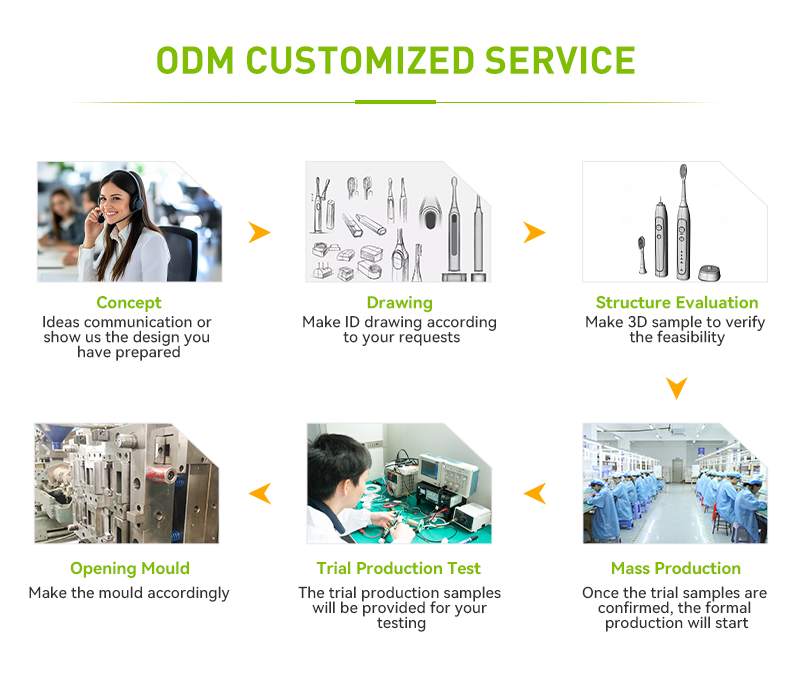
Introduction In today’s highly competitive consumer and professional device markets, differentiation starts at the product level. A well-executed Mold Development Service enables brands to move beyond surface-level customization and create a truly distinctive Custom Branding Solution, shaping everything from form factor and ergonomics to visual identity and functional integration. Transforming Brand Identity into Physical Design A dedicated Mold Development Service allows brands to translate their identity into tangible product features. Custom contours, proprietary structures, and signature design elements help build a Custom Branding Solution that is immediately recognizable and difficult to replicate. Enabling Exclusive Product Structures and Functions Off-the-shelf molds limit innovation. Through tailored Mold Development Service, manufacturers can support unique internal layouts, specialized components, or integrated features that strengthen a brand’s Custom Branding Solution while enhancing product performance. Enhancing Ergonomics and User Experience Custom molds make it possible to optimize grip, balance, and usability for specific user groups. By aligning ergonomic design with brand positioning, a Mold Development Service contributes directly to a more refined and premium Custom Branding Solution. Supporting Long-Term Brand Differentiation Products built on proprietary molds are harder for competitors to copy. Investing in Mold Development Service protects design originality and reinforces a long-term Custom Branding…

Introduction In advanced fluid-handling and oral care devices, accurate performance depends on the close interaction between Flow Rate Calibration and a stable Pressure Control System. Without precise calibration, pressure output can become inconsistent, directly affecting safety, functionality, and user experience across professional and consumer-grade equipment. Ensuring Consistent Pressure Output A Pressure Control System relies on predictable fluid behavior. Proper Flow Rate Calibration ensures that pressure levels remain stable across different operating modes, preventing sudden surges or drops that could compromise performance. Improving User Safety and Comfort Uncalibrated flow rates can lead to excessive pressure, increasing the risk of discomfort or tissue irritation. By implementing accurate Flow Rate Calibration, manufacturers can ensure the Pressure Control System delivers controlled, user-safe output under all conditions. Enhancing System Responsiveness and Accuracy Modern devices often feature multi-level pressure settings. Precise Flow Rate Calibration allows the Pressure Control System to respond accurately to user input, ensuring that selected pressure levels match real-world performance. Supporting Component Longevity and Reliability Inconsistent flow places unnecessary stress on pumps, valves, and seals. Proper Flow Rate Calibration reduces mechanical strain, enabling the Pressure Control System to operate efficiently and extending overall product lifespan. Meeting Regulatory and Quality Standards Many global quality…
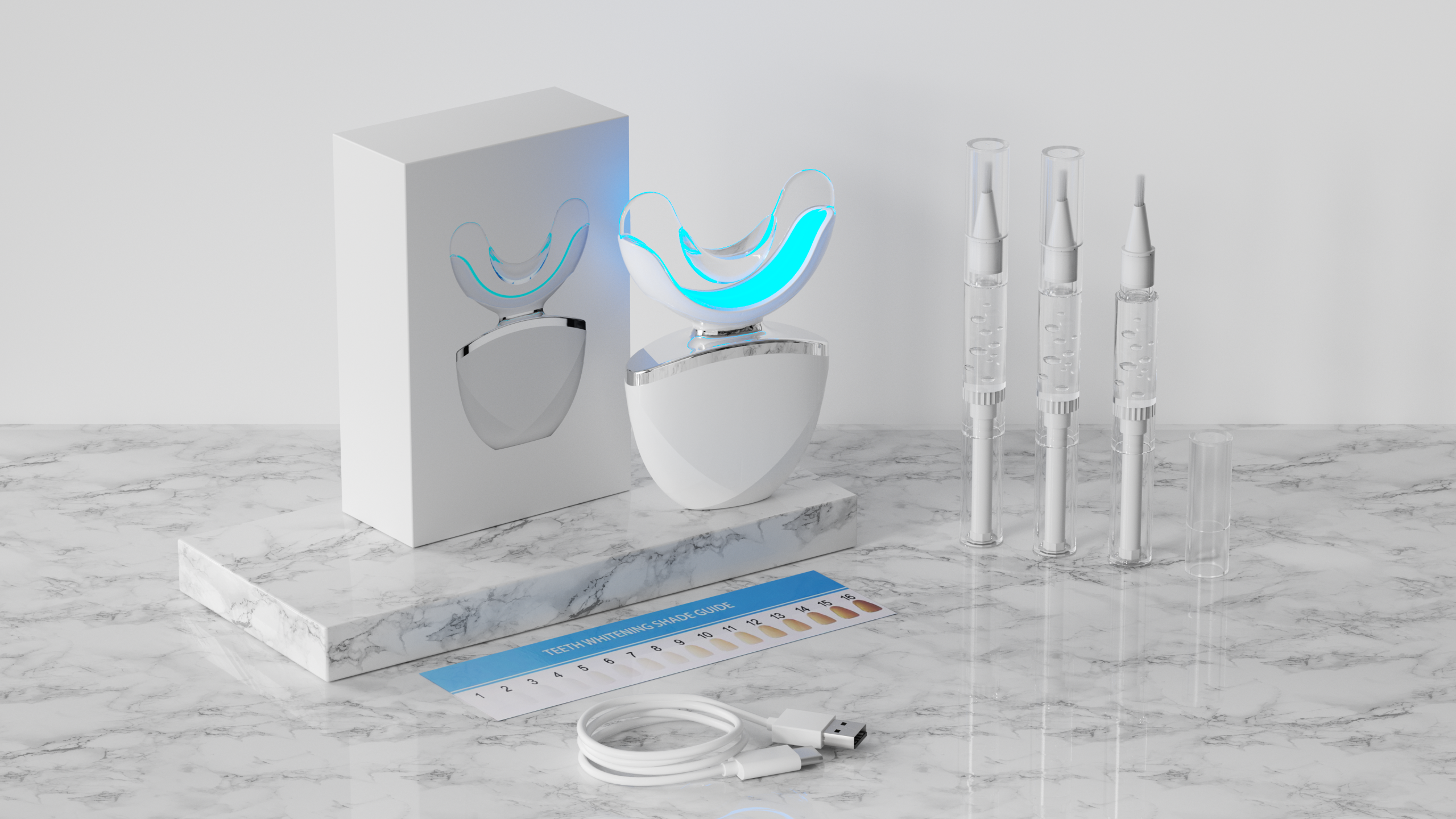
Introduction Strategic Dental Clinic Partnerships play a vital role in positioning a Professional Whitening Kit as a trusted, high-performance solution in the oral care market. By aligning with dental professionals, manufacturers and brand owners can enhance credibility, drive clinical adoption, and accelerate market penetration. Leveraging Professional Trust and Clinical Endorsement Dentists and hygienists are highly trusted by consumers. Through Dental Clinic Partnerships, a Professional Whitening Kit benefits from professional recommendation, reinforcing product safety, efficacy, and reliability in the eyes of end users. Creating In-Clinic Demonstration Opportunities Dental clinics provide an ideal environment for live demonstrations and chairside explanations. Introducing a Professional Whitening Kit through Dental Clinic Partnerships allows patients to experience visible results firsthand, increasing conversion and repeat purchase potential. Enhancing Brand Authority in the Premium Segment Association with clinical settings elevates brand positioning. A Professional Whitening Kit distributed via Dental Clinic Partnerships is naturally perceived as more advanced and premium compared to mass-market alternatives. Supporting Customized Treatment and Upselling Dental professionals can integrate whitening kits into personalized treatment plans. Through Dental Clinic Partnerships, brands can offer tailored versions of a Professional Whitening Kit, supporting upselling opportunities. Generating Continuous Feedback for Product Optimization Clinics provide direct access to professional feedback…
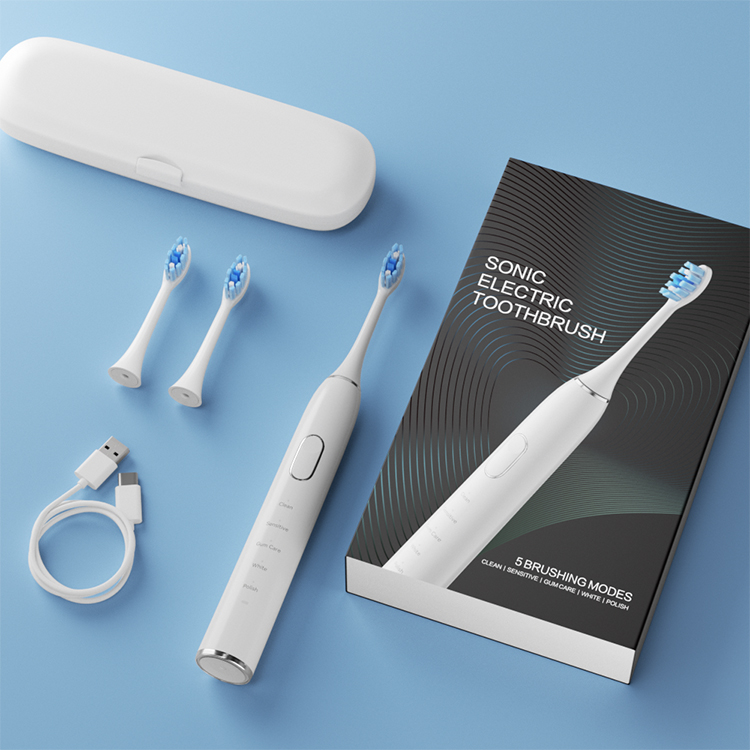
Introduction In a competitive OEM and ODM market, a strong Packaging Customization Service is essential to delivering a complete Private Label Solution. Beyond the product itself, customized packaging plays a strategic role in brand differentiation, regulatory compliance, and market positioning for B2B partners. Strengthening Brand Identity and Market Recognition A tailored Packaging Customization Service allows private label brands to express their unique visual identity through colors, graphics, and structural design. This branding consistency is a core element of a successful Private Label Solution, helping products stand out on shelves and online platforms. Supporting Product Protection and Logistics Efficiency Packaging is not only about aesthetics—it must also protect the product during transportation and storage. A professional Packaging Customization Service ensures material selection and structural integrity are optimized, enhancing the reliability of the overall Private Label Solution. Ensuring Regulatory and Market Compliance Different regions require specific labeling, safety symbols, and language formats. Integrated Packaging Customization Service capabilities help private label brands meet global compliance standards, making the Private Label Solution suitable for international distribution. Enabling Flexible MOQ and Market Testing Customized packaging with scalable production volumes allows brands to test new markets efficiently. A flexible Packaging Customization Service supports pilot launches and…
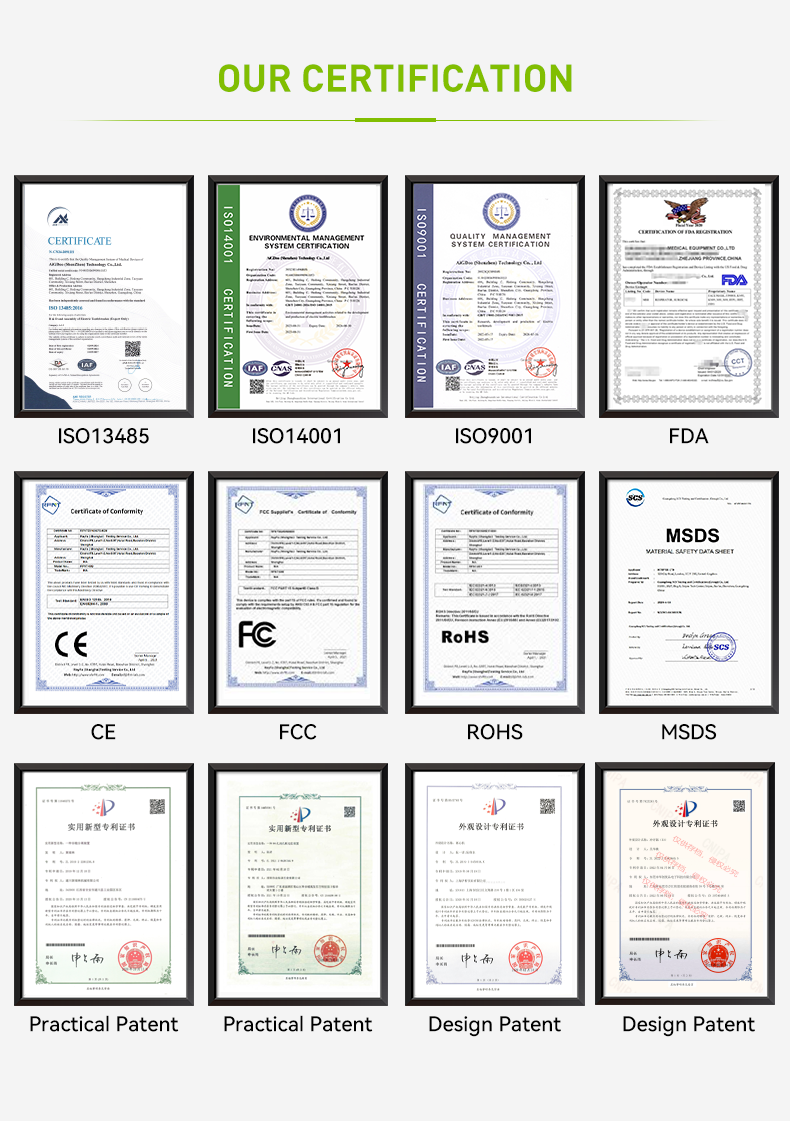
Introduction In today’s highly regulated and competitive manufacturing landscape, Quality Control Protocols form the operational backbone of Rigorous Quality Assurance. For B2B manufacturers, especially in medical, dental, and personal care industries, structured control processes are essential to ensure product consistency, compliance, and long-term customer trust. Establishing Consistent Production Standards Well-defined Quality Control Protocols ensure that every production stage follows standardized specifications. By minimizing process variation, manufacturers can achieve Rigorous Quality Assurance that delivers consistent product performance across batches, which is critical for OEM and private-label partners. Detecting Defects Early in the Manufacturing Cycle One of the key advantages of robust Quality Control Protocols is early defect detection. In-line inspections and testing checkpoints allow issues to be identified before mass production, reducing waste, rework costs, and risks to Rigorous Quality Assurance outcomes. Supporting Regulatory and Certification Compliance Industries governed by ISO, FDA, or CE requirements rely heavily on documented Quality Control Protocols. These protocols provide traceable evidence needed for audits and certifications, reinforcing Rigorous Quality Assurance across global markets. Enhancing Supplier and Material Verification Incoming material inspection is a critical component of Quality Control Protocols. By validating raw materials and components before use, manufacturers strengthen Rigorous Quality Assurance, ensuring that final…
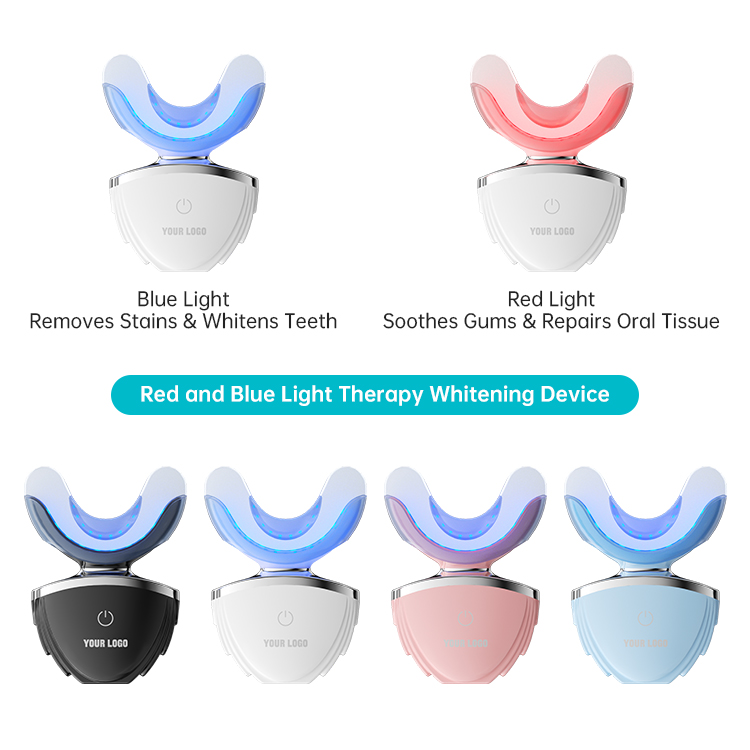
Introduction In the competitive world of beauty and oral care products, the combination of Cosmetic Whitening Equipment with a Portable Charging Case has become a game changer for both users and manufacturers. This pairing offers unmatched convenience, portability, and enhanced user experience, making it an essential consideration for OEM/ODM partners in the cosmetic and oral care industry. Enhancing Convenience for On-the-Go Use The integration of a Portable Charging Case with Cosmetic Whitening Equipment ensures that users can continue their whitening routine wherever they go. Whether traveling for business or leisure, the charging case provides a convenient. Streamlining Product Design for Better Usability Pairing a Portable Charging Case with Cosmetic Whitening Equipment not only enhances portability but also simplifies product design. Manufacturers can create compact, lightweight solutions that appeal to consumers seeking convenience. Improving Device Longevity Through Smart Charging Solutions A Portable Charging Case often comes equipped with smart charging capabilities that protect the device’s battery from overcharging or power surges. This extends the life of the Cosmetic Whitening Equipment, offering users long-term value. Supporting Consistency in Whitening Results With the ability to recharge anytime, anywhere, the Portable Charging Case ensures that the Cosmetic Whitening Equipment is always ready for use.…
.jpg)
A Morning in Little Rock: Experiencing Powsmart Electric Toothbrushes from a Trusted Local Supplier It’s 7 a.m. in Little Rock, Arkansas, and Jessica is starting her day. Between getting her kids ready for school and preparing for her morning meetings, every minute counts. Oral care has to be fast, effective, and reliable—but also comfortable and enjoyable. That’s why she chose Powsmart electric toothbrushes, available through the electric toothbrush factory in Little Rock network, supplied directly from the Powsmart China manufacturing facility. With www.powsmart.com, Little Rock residents and retailers now have access to premium electric toothbrushes that combine modern design, advanced technology, and exceptional quality. Premium Materials and Thoughtful Design for Every Little Rock HomeJessica immediately noticed the difference when she picked up her Powsmart sonic toothbrush. The ergonomic handle fits perfectly in her hand, and the soft, medical-grade silicone bristles gently clean her teeth without irritating her gums. Made from durable ABS plastic, the toothbrush is built to last for years, making it a smart choice for families in Little Rock who value quality and longevity. The sleek, minimalist design adds a touch of elegance to her bathroom, subtly reflecting the local preference for functional yet aesthetically pleasing products. Advanced…
Introduction For oral care brands, ensuring long-term availability of consumables is just as critical as launching the main device. A well-defined Contract Manufacturing Agreement plays a key role in securing a reliable and scalable Brush Head Replacement Supply, helping brands maintain customer satisfaction, regulatory compliance, and predictable revenue streams. Defined Production Commitments and Capacity Allocation A Contract Manufacturing Agreement clearly outlines production volumes, capacity reservations, and forecast mechanisms. This ensures that sufficient manufacturing resources are allocated specifically for Brush Head Replacement Supply, even during demand fluctuations or peak seasons. Standardized Specifications for Consistent Output By locking in technical drawings, material standards, and quality benchmarks, a Contract Manufacturing Agreement prevents uncontrolled design drift. This standardization guarantees that each batch of replacement brush heads meets the same functional and safety requirements over time. Long-term Material and Component Planning Steady Brush Head Replacement Supply depends heavily on material availability. Manufacturing agreements often include provisions for long-term raw material sourcing, safety stock levels, and approved suppliers, reducing the risk of shortages or unexpected cost increases. Integrated Quality Control and Compliance Assurance A Contract Manufacturing Agreement typically defines inspection protocols, traceability systems, and certification responsibilities. These controls ensure that replacement brush heads remain compliant with…


.jpg)
.jpg)
.jpg)
.jpg)
.jpg)






.jpg)
.webp)