Info Center
  • Why Do Pediatric Warnings Address Bleach Residuals?

    In devices designed for children’s oral care, not only must you leverage the low vibration and quiet operation of a coreless motor, but you also need clear pediatric warnings about bleach residuals. Children’s enamel is thinner and their swallowing reflexes are immature—any leftover bleaching agent can harm oral tissues or be ingested. Below, we explore six reasons why pediatric instructions must emphasize thorough rinsing of all bleach residues. Unique Pediatric Oral Physiology Children’s mouths differ markedly from adults’: Thinner Enamel: Pediatric enamel is roughly half as thick, making it more prone to chemical erosion. Immature Swallow Reflex: Young children may accidentally ingest residual bleach, causing gastrointestinal distress. Microbiome Sensitivity: Residual oxidizers can disrupt beneficial oral flora, raising caries risk. These factors make residual removal essential in pediatric guidelines. Dangers of Bleach Residuals Even trace bleach left behind can cause: Chemical Irritation: Contact with gums or mucosa can produce burning sensations or mild inflammation. Inhibited Remineralization: Ongoing peroxide decomposition can slow enamel repair, increasing sensitivity. Taste and Microbial Imbalance: Residual chemicals alter saliva chemistry, affecting taste perception and microbiome health. Children’s developing mouths are particularly vulnerable to these effects. Key Elements of Pediatric Warnings Product labeling and instructions for children should…

    2025-05-02
  • Why Is Allergen Testing Critical for Post-Whitening Diets?

    After completing a tooth-whitening treatment, maintaining results relies not only on using a waterproof seal in your bleaching trays to block pigments but also on rigorous allergen testing to select safe post-treatment foods. Any dietary allergen or cross-contamination can trigger gum inflammation, accelerate stain redeposition, or undermine whitening effects. Therefore, testing every recommended ingredient for allergens is essential for B2B partners to ensure product safety and user satisfaction. The Physiological “High-Sensitivity Window” Post-Bleaching First, bleach leaves dentinal tubules open and enamel slightly demineralized for about 48–72 hours: Enamel Micro-Abrasion: Minor mineral loss makes the surface more prone to pigment uptake. Gingival Reactivity: Residual bleaching agents can inflame gums, heightening sensitivity to new irritants. Weakened Salivary Barrier: Saliva’s buffering capacity is still recovering, leaving acids unchecked. During this “high-sensitivity window,” consuming allergenic foods risks discomfort or color relapse. Allergen Testing: The Foundation of Safe Menus Consequently, allergen testing of common post-whitening ingredients is crucial: Multi-Panel Screening: Test for peanuts, shellfish, dairy proteins, gluten, and other high-risk allergens. Cross-Contact Assessment: Verify processing, storage, and transport chains to rule out hidden contamination. Threshold Determination: Establish safe residue levels based on clinical guidelines to inform menu formulations. Only data-driven testing provides B2B clients with…

    2025-05-01
  • Why Is Enamel Vulnerability Linked to Staining Residuals?

    In practice, a tooth’s enamel vulnerability is closely tied to persistent staining residuals. Meanwhile, smart mode switching—allowing a device to adapt its cleaning stages—can effectively reduce pigment buildup and prevent secondary enamel erosion. In the following six sections, we’ll analyze their interconnection and offer optimization strategies. How Pigment Residues Amplify Enamel Vulnerability First, even minute pigment residues on enamel can: Clog Micro-Porosities: Chromogens from foods and drinks infiltrate micro-pores, forming a stubborn stain layer. Trap Acidic Metabolites: Pigments feed bacteria that produce acids, chemically attacking enamel minerals. Abrade Micro-Cracks: Bristle or polishing head friction against pigmented spots worsens tiny enamel fissures. Thus, residual staining not only mars appearance but undermines enamel strength at the microscopic level. pH Cycling and Enamel Loss Mechanisms Next, pigment residues interact with the mouth’s acid–base balance: Local pH Drops: Stain-laden areas remain more acidic, overwhelming saliva’s buffering capacity and accelerating demineralization. Mineral Leaching: Acidic conditions repeatedly dissolve calcium and phosphate, loosening enamel structure. Uneven Remineralization: Salivary minerals struggle to refill deep pores, creating weak “voids” that heighten enamel vulnerability. Controlling residual stains is therefore critical to preserving intact enamel.Company web:https://www.powsmart.com/product/electric-toothbrush/ Smart Mode Switching Strategies To tailor cleaning intensity and protect enamel, devices should implement smart…

    2025-05-01
  • How Does Cold Light Wavelength Affect Bleach Decomposition?

    In modern light-activated whitening devices, cold light wavelength not only determines the efficiency of bleach decomposition but also ties directly into the device’s power design—such as Type-C charging, which enables rapid top-ups to sustain high-intensity illumination modes. Below, we explore six key aspects of how wavelength influences photochemical bleaching and offer optimization strategies. Fundamentals of Wavelength and Absorption First, different LED wavelengths produce photons of varying energy, impacting bleaching activation: 400–420 nm (Blue Light): Higher-energy photons that effectively cleave peroxide’s O–O bonds. 420–450 nm (Visible Edge): Matches absorption peaks of many photosensitizers in bleaching gels. 450–480 nm (Deep Blue): Slightly lower photon energy but offers deeper penetration and more uniform scattering. Precisely selecting the cold light wavelength optimizes the initiation of photochemical reactions. Photochemical Mechanisms & Wavelength Dependence Next, peroxide-based or encapsulated bleaching agents require specific photon energies to decompose: Direct Bond Dissociation: 400 nm light most effectively photolyzes hydrogen peroxide. Photosensitizer Excitation: Dyes or catalysts in the gel absorb best around 420–430 nm. Radical Generation: Optimal wavelengths maximize hydroxyl radical (•OH) production, boosting stain breakdown. Thus, wavelength choice directly dictates the primary photochemical pathways of bleach decomposition. Company web:https://www.powsmart.com/product/electric-toothbrush/ Irradiation Strategies: Intensity & Pulsing Beyond wavelength, how you deliver…

    2025-05-01
  • Waterproof Performance vs. Temperature Sensitivity?

    In modern oral-care and consumer devices, waterproof performance is a top user priority—but achieving high ingress protection can introduce temperature sensitivity challenges. In other words, as manufacturers raise water-resistance ratings, they must also ensure reliable operation across temperature extremes. Balancing these opposing requirements is a critical design challenge for B2B partners. The Need to Balance Waterproofing and Thermal Management First, sealing a device tightly to achieve a high IP rating can impede internal heat dissipation: Sealed Enclosures improve waterproofing but restrict airflow and convection cooling. Heat Build-Up inside can accelerate component aging and reduce reliability. Low-Temperature Effects cause elastomeric seals to harden or crack, compromising long-term waterproof integrity. Thus, balancing waterproof performance with temperature sensitivity is essential from the outset. Waterproofing Standards and Test Protocols Next, rigorous testing must validate performance under thermal stress: IPX Ratings: Select an appropriate IPX level (IPX4–IPX8) based on use cases. Thermal Cycling: Subject devices to repeated hot/cold water immersion and drying cycles to detect seal failures. Damp Heat Tests: Run 85 °C/85 % RH for 96 hours to verify that seals and components remain watertight under high-humidity heat. Aligning to IEC, ISO, and industry norms ensures waterproof reliability across temperatures.Company web:https://www.powsmart.com/product/electric-toothbrush/ Mechanisms of Temperature…

    2025-04-30
  • Oral Microbiome Impact from Color Relapse?

    As consumer demand for tooth-whitening intensifies, color relapse has become a core pain point—yet its consequences go beyond aesthetics. Repeated or frequent whitening treatments not only prompt users to undergo multiple bleaching cycles but can also disrupt the oral ecosystem, causing unintended oral microbiome impact. Thus, B2B manufacturers must balance long-lasting shade durability with microbiome health when formulating and designing products. Causes and Timing of Color Relapse First, it’s essential to understand why teeth revert after whitening: Re-deposition of Pigments: Chromogens from foods and beverages (coffee, tea, red wine) reattach to the now-porous enamel surface. Micro-damage to Enamel: Oxidative bleaching creates micro-pores that facilitate deeper pigment penetration. Salivary Remineralization: The rate at which saliva redeposits minerals influences how quickly pigments become trapped again. Typically, relapse becomes noticeable 2–4 weeks post-treatment, with pigment retention correlating to biofilm formation. Dual Effects of Bleaching Formulas on the Oral Microbiome Next, bleaching agents exert conflicting pressures on oral bacteria: High-Concentration Peroxides: While effective at reducing plaque bacteria short-term, they also indiscriminately kill beneficial strains (e.g., Streptococcus sanguinis). pH Shifts: Many bleaching gels are alkaline; the resulting pH swing can favor acid-tolerant species once saliva buffers return to neutral. Residue Effects: Leftover bleaching by-products can…

    2025-04-30
  • Application of Phototherapy Technology in Teeth Whitening and Oral Care

    As oral health solutions become more technologically advanced, phototherapy technology is emerging as a powerful tool in both teeth whitening and general oral care. This method uses specific light wavelengths—such as blue light, ultraviolet (UV), and infrared light—to activate biochemical reactions or stimulate healing processes. This blog explores the application of phototherapy technology in teeth whitening and phototherapy technology in oral care is revolutionizing the dental device market, particularly in home-use and professional-grade solutions. Blue Light Therapy: The Foundation of Modern Teeth Whitening Blue Light Therapy is the most commonly used form of phototherapy technology in teeth whitening cosmetic dentistry, especially for whitening. Its benefits include: Accelerated bleaching effects when combined with peroxide-based gels Shorter treatment time compared to gel-only whitening Minimal sensitivity for the user when wavelengths are optimized Application of phototherapy technology in teeth whitening is widely applied in both clinic-based devices and consumer-friendly home whitening kits. Manufacturers today integrate high-intensity blue LED modules to maximize whitening while maintaining safety. Ultraviolet Therapy: Disinfection and Whitening Synergy While not as commonly used in home products, Ultraviolet Therapy offers unique benefits in oral care when applied professionally: Antibacterial effects: UV-C light can neutralize bacteria and reduce plaque buildup Stain oxidation: UV light assists in breaking down deep surface stains when used carefully…

    2025-04-30
  • Handle Grip Design Affecting Mucosal Irritation?

    In high-frequency oral-care and medical devices, handle grip design directly determines contact stability and force distribution, which in turn influence mucosal irritation in the mouth. If grips are too hard, textured improperly, or not ergonomically shaped, they can cause localized irritation, chronic redness, micro-abrasions, or allergic reactions. Therefore, manufacturers must prioritize grip design alongside device functionality to ensure mucosal comfort and health. Grip Mechanics: Pressure Distribution & Contact Stability First, the handle’s cross-section, diameter, and angle dictate how pressure is distributed during use: Cylindrical vs. Oval: A round handle concentrates force on fingertips, increasing irritation; an oval or hexagonal shape spreads pressure more evenly. Diameter Selection: Too thin (<20 mm) leads to over-gripping and excess friction; too thick (>30 mm) risks slipping, both causing mucosal rubbing. Inclination Angle: A 10–15° tilt reduces wrist strain and prevents uneven force that can lead to inadvertent sliding against soft tissue. Precise biomechanical design balances stable operation with reduced mucosal stress. Surface Materials & Textures: Friction Coefficient & Microenvironment Next, grip materials and textures affect the friction coefficient and local microenvironment between skin and handle: Hydrophilic vs. Hydrophobic: Hydrophilic coatings improve grip when hands are wet; hydrophobic surfaces can become slippery. Texture Depth &…

    2025-04-30
  • Cost Structure Analysis and Risk Avoidance of Small Batch Trial Production for Whitening Teeth Devices

    As the oral beauty device market continues to evolve, many brands—especially startups or those launching new product lines—prefer small batch trial production for whitening teeth devices before committing to large-scale investment. Trial runs allow businesses to validate market response, fine-tune design, and optimize pricing models. However, small batch production also introduces unique cost and risk factors. This blog explores how to analyze the trial production cost, manage risk, and implement a quick launch strategy through flexible solutions like low MOQ OEM for whitening teeth device. Understanding Trial Production Cost Calculation Accurately calculating the trial production cost is the first step in budget planning. Costs typically include: Mold/tooling fees (if custom design is involved) Unit production cost, often higher per unit in low-volume runs Packaging development Certification and testing, especially for global markets (e.g. CE, FDA) Logistics and warehousing For small batches, the unit price may be elevated, but these investments serve to reduce risks before mass production. Transparent small batch trial production cost calculation helps businesses allocate resources wisely and avoid unexpected expenses. The Value of Low MOQ OEM for Whitening Teeth Devices One of the key risk control strategies is selecting a manufacturer that offers low MOQ OEM for whitening teeth devices. This approach…

    2025-04-30
  • Wavelength of Whitening Teeth Device Blue Light (460–490nm) and Red Light (620–660nm)Configuration Guide

    As blue light whitening devices become mainstream in both professional and at-home use, attention is shifting toward light wavelength accuracy and its impact on both whitening efficacy and oral safety. For OEM/ODM manufacturers, selecting the right wavelength of whitening teeth devices is a key differentiator in product performance, especially when dual light wave mode switching (blue + red) is involved. This guide will explain the function of each wavelength range, explore red light assisted treatment, and provide recommendations for wavelength configuration within a scientifically backed spectral safety range. Blue Light (460–490nm): Optimal for Whitening Acceleration The blue light wavelength range of 460–490nm is widely used to accelerate the chemical reaction between hydrogen peroxide and tooth stains. Its benefits include: Efficient stain breakdown by energizing the peroxide molecules Reduced treatment time for both professional and home users Minimal heat emission, reducing discomfort during use Choosing a wavelength in this band ensures a balance between whitening effectiveness and user comfort. Devices configured within this range have proven compatibility with most whitening gels. Red Light (620–660nm): For Enamel Protection and Gum Care Incorporating red light assisted treatment (620–660nm) into whitening devices is an advanced feature aimed at post-whitening care. Red light offers: Improved blood circulation in gum tissues Cell regeneration support, helping…

    2025-04-30
  • OEM of Teeth Whitening Device: A Complete Solution from LOGO Printing to Light Wave Mode Customization

    The Value of Customization in a Competitive Market In the fast-evolving oral beauty industry, brand differentiation is essential. Many new and established brands are turning to OEM customization of teeth whitening devices to stand out in a crowded marketplace.But effective OEM goes far beyond basic branding — it involves integrated solutions from LOGO printing and case design modification to light wave mode programming. In this article, we’ll guide you through a complete OEM journey, including support for low MOQ trial production, to help brands launch quickly and scale efficiently. LOGO Printing Process: Boosting Brand Identity The first step in device customization is often branding. The LOGO printing process is more than just visual—it represents a brand’s quality and professionalism. Manufacturers typically offer: Silk screen printing, pad printing, and UV laser engraving Color-matching to your brand guidelines Durable coatings that resist wear from repeated handling A precise, high-resolution logo application is essential to deliver a polished, premium product experience. Case Design Modification: From Concept to Ergonomics Modern consumers expect not only effective functionality but also sleek and ergonomic design. Through case design modification, OEM clients can tailor the look, feel, and structure of the device shell. Key options include: Custom contours…

    2025-04-29
  • Details of Electric Toothbrush Injection Molding Process: How to Ensure Product Quality?

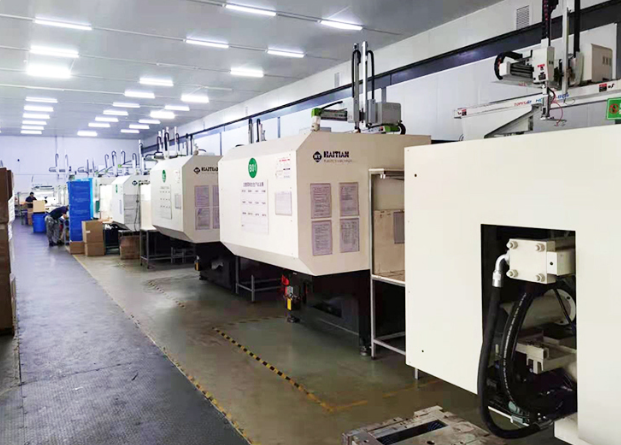
    Electric toothbrushes have become an essential part of modern oral care, and their production requires high precision and quality assurance. Electric toothbrush injection molding plays a crucial role in manufacturing durable and high-performing products. Powsmart has been providing OEM/ODM service for over 20 years, main manufacturing products including electric toothbrushes, water flossers and teeth whitening products. https://www.powsmart.com/This article explores the injection molding process details, key factors influencing quality control, and strategies for production efficiency improvement. Understanding Electric Toothbrush Injection Molding The injection molding process for electric toothbrushes involves melting plastic materials and injecting them into molds to form the required components. This method ensures consistency, precision, and scalability in production. Key components manufactured using injection molding include: Toothbrush handle Brush head housing Internal structural parts Key Steps in the Injection Molding Process To ensure high-quality electric toothbrush components, manufacturers must follow these critical steps: a. Material Selection The choice of plastic materials affects durability, flexibility, and resistance to wear. Commonly used materials include ABS, polypropylene (PP), and polycarbonate (PC), which provide strength and chemical resistance. b. Mold Design and Precision Engineering High-quality molds determine the accuracy of the final product. The mold must be designed with: High precision to avoid defects…

    2025-03-17
  • Water Flosser Precision Molding & Torque Testing Guide | Quality Insights

    Introduction Water flosser has gained immense popularity in the oral care industry, providing consumers with an efficient and comfortable alternative to traditional flossing. However, ensuring high-quality production for these devices requires stringent manufacturing processes. Two key aspects that determine the reliability and performance of a water flosser are Precision Molding and Torque Testing. This guide will walk you through the importance of these processes and the best practices for achieving superior product quality. The Role of Precision Molding in Water Flosser Manufacturing Precision molding is a critical step in manufacturing water flossers as it ensures that each component is produced with exact dimensions and tolerances. This process involves: Material Selection: Choosing durable, medical-grade plastics that can withstand high water pressure and frequent use. Injection Molding Techniques: Utilizing advanced molding machines to create intricate nozzle and reservoir designs. Quality Control Measures: Conducting in-line inspections to detect defects such as warping, shrinkage, or incomplete fills. Proper execution of precision molding enhances the durability and functionality of the water flosser, preventing leaks and ensuring a seamless user experience. Torque Testing: Why It Matters for Water Flossers Torque testing plays a crucial role in verifying the mechanical integrity of assembled components, particularly for: Nozzle…

    2025-03-17
  • Sonic Toothbrush Streamlined Production: Automated Assembly & Ultrasonic Welding Tech

    With the increasing demand for sonic toothbrushes, manufacturers must optimize production efficiency while maintaining high-quality standards. Automated assembly and ultrasonic welding have revolutionized the manufacturing process, ensuring precision, durability, and cost-effectiveness. In this blog, we explore how these advanced technologies enhance sonic toothbrush production and set new industry benchmarks. The Growing Demand for Sonic Toothbrushes Consumers worldwide are shifting towards sonic toothbrushes due to their superior cleaning efficiency and gentle gum care. This demand necessitates: Scalable production to meet market growth Enhanced durability to extend product lifespan Consistent quality control for user satisfaction Cost-effective manufacturing to remain competitive To address these challenges, manufacturers are investing in automated assembly lines and ultrasonic welding technology, which improve efficiency and maintain precision. Automated Assembly: Transforming Sonic Toothbrush Production Traditional toothbrush manufacturing involves multiple manual steps, which can result in inconsistencies and inefficiencies. Automated assembly eliminates these issues by: Enhancing production speed as robots and precision machinery accelerate the assembly process, reducing production time Minimizing human error by ensuring each toothbrush is assembled with precise alignment and component placement Reducing labor costs through less reliance on manual labor Ensuring consistency so that every unit maintains the same quality and durability, meeting global standards With…

    2025-03-14
  • Antimicrobial Bristles & Precision Brush Head Molding for Electronic Toothbrush Production

    As the demand for advanced oral care solutions grows, manufacturers are focusing on innovations that enhance hygiene, durability, and performance. Two key advancements in electronic toothbrush production are antimicrobial bristles and precision brush head molding, which significantly improve user experience and product longevity. This blog explores how these technologies optimize manufacturing and elevate oral care standards. The Importance of Antimicrobial Bristles in Electronic Toothbrushes Oral hygiene depends not only on effective brushing but also on keeping the toothbrush itself clean. Traditional toothbrushes can harbor bacteria, leading to potential oral health issues. By incorporating antimicrobial bristles, electronic toothbrushes offer: Bacteria Growth Prevention – Special antimicrobial coatings inhibit bacterial buildup between uses. Longer Hygiene Maintenance – Users can enjoy a cleaner toothbrush head for extended periods. Improved Safety for Sensitive Gums – Reducing microbial contamination lowers the risk of gum infections. Enhanced Durability – Bristles stay fresher and more effective for a longer time. Antimicrobial bristles provide a higher level of cleanliness, making electronic toothbrushes a superior choice for health-conscious consumers. Precision Brush Head Molding: The Key to Performance & Comfort The effectiveness of an electronic toothbrush depends on the quality and precision of the brush head. Brush head molding technology ensures:…

    2025-03-14
  • Electric Toothbrush Motor Performance Comparison: Advantages and Disadvantages of Magnetic Levitation Motors vs Traditional Motors

    With the continuous evolution of electric toothbrush technology, the choice of motor plays a crucial role in performance, efficiency, and user experience. This article provides an Electric Toothbrush Motor Performance Comparison, focusing on the two main types of motors used in electric toothbrushes: Magnetic Levitation Motors and Traditional Motors. By understanding their advantages and disadvantages, manufacturers can make informed decisions when selecting motors for their electric toothbrush products. Working Principle of Magnetic Levitation Motors and Traditional Motors Magnetic Levitation Motors Magnetic levitation (maglev) motors utilize electromagnetic fields to suspend and drive the brush head without physical contact with moving parts. This technology minimizes friction, reduces noise, and improves energy efficiency. Powsmart's electric toothbrushes are all using the magnetic levitation motors, which deliver a quieter, stronger and more stable cleaning performance.https://www.powsmart.com/product/electric-toothbrush/ Traditional Motors Traditional motors, such as brushed and brushless DC motors, rely on mechanical components like gears and shafts to transfer power to the brush head. These motors have been used for decades and provide reliable performance but come with inherent mechanical limitations. Brushing Efficiency and Vibration Performance Magnetic Levitation Motors Deliver high-frequency and consistent vibrations, often reaching up to 40,000 strokes per minute. Offer smoother motion, enhancing cleaning efficiency and reducing gum…

    2025-03-14
  • How to Create a Differentiated Product Through Electric Toothbrush Customization Services

    In today's competitive oral care market, creating a unique and standout product is key to capturing consumer interest. Customization services offer brands the opportunity to differentiate their electric toothbrushes and build a strong market presence. In this blog, Powsmart is going to explore how differentiated electric toothbrush customization can help brands develop a unique identity, enhance user experience, and ultimately drive sales. https://www.powsmart.com/contact-us/ Understanding Market Demand and Consumer Preferences The first step in creating a differentiated electric toothbrush is analyzing consumer preferences and market trends. Customers look for features that cater to their specific needs, such as sensitive gum care, whitening functions, or eco-friendly materials. Leveraging market research helps brands tailor their electric toothbrush customization services to meet these demands effectively. Personalization in Design and Aesthetic Appeal Aesthetics play a crucial role in consumer purchasing decisions. Through electric toothbrush customization services, brands can offer unique color schemes, ergonomic handle designs, and branding elements that align with their target audience. Whether through logo engraving, interchangeable brush heads, or limited-edition designs, personalized aesthetics enhance brand recognition and customer loyalty. Functional Customization for a Competitive Edge Beyond design, functional innovation is essential in creating a standout electric toothbrush. Brands can incorporate unique brushing…

    2025-03-14
  • Future Trends of Electric Toothbrush Production: Intelligent, Environmentally Friendly, and Core Competitiveness Enhancement

    As consumer demand evolves, the electric toothbrush industry is undergoing significant transformations. Manufacturers are striving to integrate intelligent technologies, adopt environmentally friendly production methods, and enhance the core competitiveness of electric toothbrush products. This blog explores the key trends shaping the future of electric toothbrush production from the point of an electric toothbrush manufacturer. The Rise of Intelligent Electric Toothbrushes With advancements in artificial intelligence (AI) and the Internet of Things (IoT), the next generation of electric toothbrushes is becoming smarter. Future toothbrushes will feature: AI-powered brushing guidance: Sensors and real-time feedback help users improve brushing techniques. Personalized oral care plans: Integration with mobile apps provides tailored recommendations based on user habits. Voice and gesture control: Hands-free operation enhances convenience and accessibility. Manufacturers investing in these technologies can significantly boost their core competitiveness in the electric toothbrush market. Environmentally Friendly Production: A Sustainable Future Sustainability is a growing concern, and the electric toothbrush industry is no exception. Environmentally friendly production is becoming a key priority, focusing on: Biodegradable and recyclable materials: Reducing plastic waste by using plant-based or recyclable components. Energy-efficient manufacturing processes: Adopting green energy solutions such as solar and wind power. Eco-friendly packaging: Minimizing excessive packaging and utilizing sustainable materials. Manufacturers that…

    2025-03-14
  • Electric Toothbrush with Long Battery Cycle Durability, Waterproof Design & Advanced PCB Technology

    As the demand for high-performance oral care products rises, electric toothbrush manufacturers must focus on delivering long battery cycle durability, waterproof design, and advanced PCB technology to enhance user experience and product lifespan. This blog explores how these key features work together to ensure reliability, efficiency, and superior performance in modern electric toothbrushes. Extended Battery Cycle Durability: Power That Lasts One of the most critical factors influencing consumer satisfaction is battery cycle durability. A high-quality electric toothbrush should: Support Extended Usage Per Charge – Advanced lithium battery technology allows users to brush for weeks without frequent recharging. Maintain Performance Over Time – A durable battery retains charging capacity even after hundreds of cycles. Ensure Quick & Efficient Charging – Fast-charging solutions minimize downtime and enhance convenience. Improve Energy Efficiency – Intelligent power management optimizes battery use, reducing unnecessary energy loss. By integrating high-capacity rechargeable batteries, electric toothbrushes offer uninterrupted operation, making them ideal for travel and daily use. The Importance of a Waterproof PCB in Electric Toothbrushes An electric toothbrush must withstand frequent exposure to water. The integration of waterproof PCB (Printed Circuit Board) technology ensures: Protection Against Moisture & Corrosion – Specialized coatings shield electronic components from humidity and…

    2025-03-14
  • Micro-Motor Precision & Bristle Oscillation: Clean Smarter, Gentle Care

    As oral care technology continues to advance, precision and efficiency are at the core of electric toothbrush innovation. The combination of micro-motor precision and bristle oscillation plays a crucial role in enhancing cleaning performance while ensuring a gentle yet thorough brushing experience. This blog explores how these cutting-edge technologies redefine oral hygiene, offering users a smarter and more effective way to care for their teeth and gums. The Power of Micro-Motor Precision in Electric Toothbrushes At the heart of an advanced electric toothbrush is its micro-motor precision technology. Unlike traditional motors, high-precision micro-motors ensure: Consistent Power Output – Maintaining stable brushing speed and pressure for effective plaque removal. Energy Efficiency – Optimizing battery consumption to extend usage time per charge. Minimal Noise & Vibration – Reducing mechanical noise while delivering a comfortable brushing experience. Long-Term Durability – Providing reliable performance over thousands of brushing cycles. By integrating micro-motor precision, electric toothbrushes achieve superior control over movement, ensuring users get the best possible cleaning results with every use. The Science Behind Bristle Oscillation for Effective Cleaning Bristle oscillation is another fundamental technology that enhances the brushing experience. Unlike traditional manual brushing, oscillating bristles: Loosen Plaque & Food Particles – Vibrating at…

    2025-03-13