.jpg)
In the manufacturing of consumer electronics and precision appliances, problems such as Handle Cracking and Connector Corrosion are often underestimated, yet they play a critical role in determining the overall lifespan and reliability of the device. For OEM and ODM partners, understanding how these two failure modes impact product durability is essential to optimizing design, reducing warranty claims, and maintaining market competitiveness. What is Handle Cracking? Handle Cracking refers to the development of visible or internal fractures in the plastic, rubber, or composite material used in the handle of a device. This issue is common in products that are subjected to repeated mechanical stress, exposure to moisture, UV radiation, or temperature cycling. When cracks form in the handle structure, they compromise both the mechanical strength and the sealing capability of the device. Over time, handle cracking can lead to water ingress, contamination of internal components, or a loss of structural integrity—all factors that contribute to premature product failure. The Risks of Connector Corrosion Connector Corrosion occurs when metal contacts in electrical connectors are exposed to moisture, salts, or corrosive environments. This leads to oxidation or material degradation that increases electrical resistance, causes intermittent connections, or even total circuit failure. Connector…

In the fast-evolving personal care market, standing out with a differentiated product is critical—especially in the electric oral care category. Whether you're launching a new brand or upgrading your existing product line, understanding what defines truly innovative electric toothbrush features is key to creating a product that resonates with today’s tech-savvy consumers. In this blog, we’ll explore six Electric Toothbrush Innovative Features that can make your electric toothbrush stand out, while helping you choose the right sonic toothbrush factory partner to bring your vision to life. Smart Brushing Tech for Personalized Oral Care Today’s users expect more than just vibration—they expect intelligence. Integrating smart brushing tech is one of the most effective ways to elevate your product’s value. Features such as: Pressure sensors to prevent overbrushing, AI-based brushing feedback via mobile apps, Real-time brushing coverage tracking,are not only technologically impressive but also reinforce oral hygiene habits. These features represent the new standard in oral care innovation, appealing to both health-conscious users and gadget lovers alike. Sonic Technology with Advanced Motion Control Partnering with a reliable sonic toothbrush factory ensures your product offers not just powerful but also precise cleaning. Advanced sonic motors deliver up to 40,000 vibrations per minute, but that’s only part of the…
Waterproof failure is more than just a structural issue in water flosser design—it is a critical performance hazard that directly leads to pressure fluctuation, inconsistent water delivery, and ultimately, customer dissatisfaction. For OEM manufacturers and B2B distributors, understanding this chain reaction is essential for product optimization and market competitiveness. The Core Relationship: Waterproof Integrity and Internal Pressure Stability Water flossers rely on a closed-loop system to maintain stable water flow. When waterproof failure occurs—often due to weak seals, degraded adhesives, or poor housing integration—it compromises the vacuum and pressurization environment inside the device. The result? Rapid and unpredictable pressure fluctuation. Such instability not only disrupts cleaning effectiveness but can also confuse or frustrate users, especially those with sensitive gums or dental work. Root Causes of Waterproof Failure in Water Flossers Understanding the causes of waterproofing breakdown helps manufacturers prevent them at the source. Common contributors include: Low-grade sealing rings or gaskets Poor ultrasonic welding or adhesive bonding Overexposure to hot water or alcohol-based cleaners Micro-cracks from impact or drop tests Over time, even minor leaks allow air or moisture intrusion, destabilizing internal pump pressure and affecting spray consistency. How Pressure Fluctuation Affects User Experience When pressure fluctuation occurs, the user…
In the highly competitive personal care device market, the after-sales return rate is more than just a customer service issue — it directly impacts brand reputation, profitability, and long-term customer loyalty. For manufacturers and brand owners, minimizing the return rate of electric toothbrushes is a critical component of product lifecycle management. In this blog, we’ll explore six effective strategies to reduce the after-sales return rate of electric toothbrushes, from design and production improvements to customer education and support. Improve Product Quality from the Start The most direct way to reduce returns is by ensuring superior product quality at every stage of development and manufacturing. Use high-quality raw materials and components (e.g., long-life lithium batteries, durable ABS plastics). Conduct stringent quality checks during incoming material inspection and final assembly. Implement precision injection molding for shell components to reduce mechanical failures. By eliminating quality-related defects, manufacturers can significantly lower the return rate of electric toothbrushes caused by technical malfunctions or early product failure. Optimize Waterproof and Sealing Design One of the most common causes for electric toothbrush returns is water damage. Invest in advanced sealing technologies (such as ultrasonic welding or rubber overmolding). Design battery compartments and charging ports to be IPX7 or higher waterproof-rated.…
For restricted user groups, avoiding stain residuals is critical—not only because leftover pigments mar appearance, but also because these users often have heightened vulnerability. Meanwhile, optimizing bristle roundness in brush-head design helps ensure gentle yet thorough stain removal. In the following six sections, we explore why stain residues pose special risks, and how to address them safely and effectively. Oral Characteristics of Restricted User Groups Restricted user groups include: Post-operative Patients: Gum and implant sites are still healing and prone to irritation. High-Sensitivity Individuals: Those with thin enamel or dentin hypersensitivity require extra care. Chronic Health Conditions: Diabetics or immunocompromised patients face greater infection risks from residual biofilm. These groups react more strongly to any remaining debris or pigments, making complete stain removal essential. Health Hazards of Stain Residuals Beyond aesthetics, retained pigments can: Promote Bacterial Growth: Chromogens combine with proteins to form biofilms that feed anaerobic pathogens. Cause Chemical Erosion: Some food pigments are mildly acidic and can accelerate enamel micro-abrasion. Trigger Immune Overreactions: Chronic exposure to residual agents can inflame gingival tissues and worsen swelling or pain. For vulnerable users, even trace residues can spark significant oral health issues. Contact us :https://www.powsmart.com/product/electric-toothbrush/ Bristle Roundness and Cleaning Efficiency Effective…
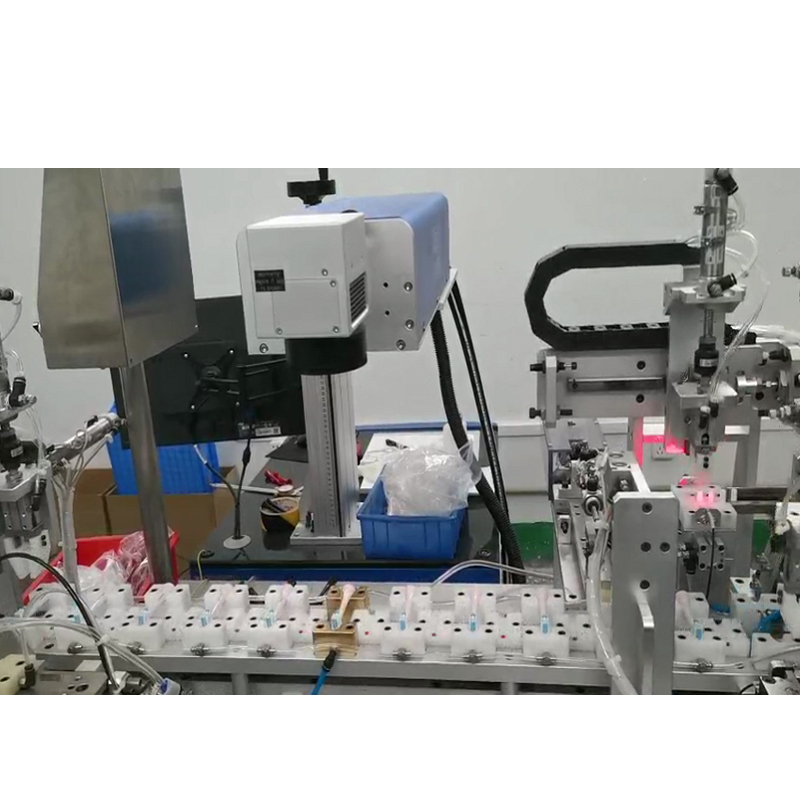
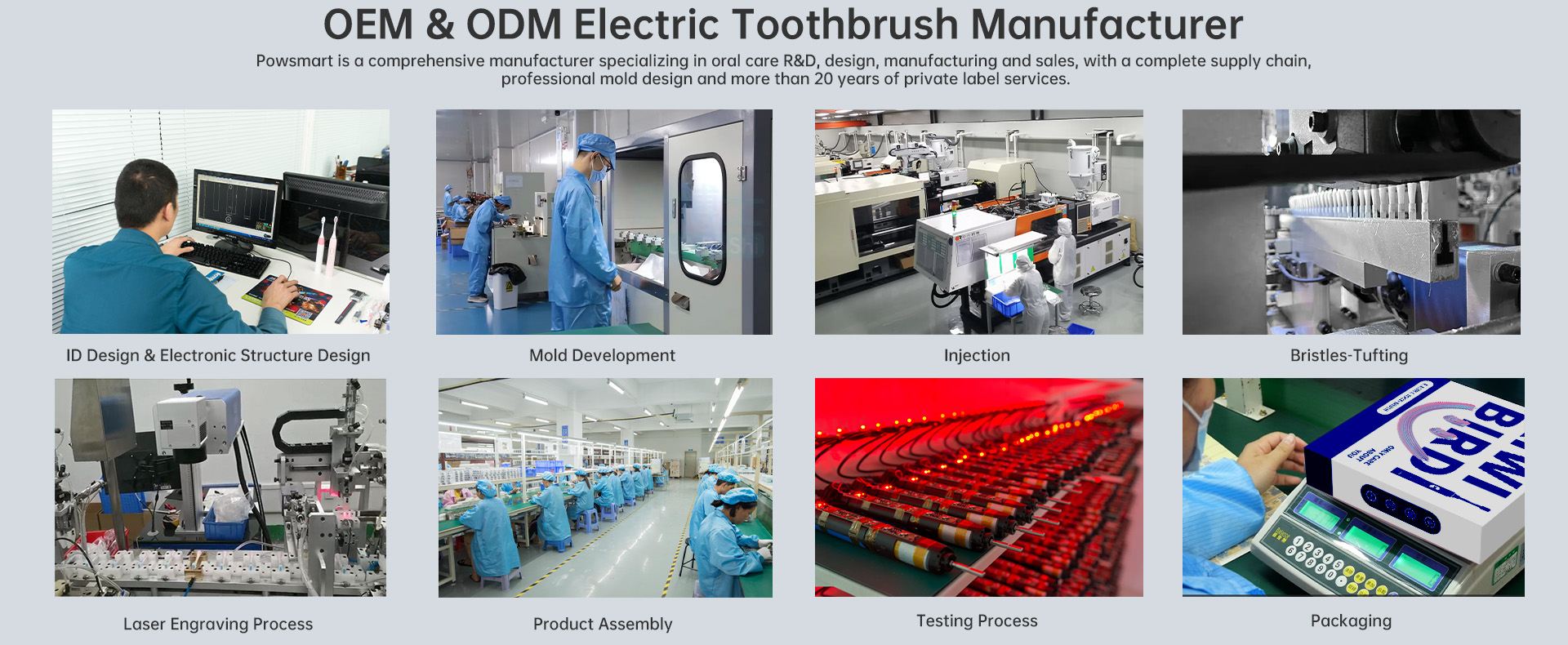
In today’s competitive oral care market, manufacturers must ensure that every electric toothbrush production process is standardized, efficient, and meets high-quality requirements. This article presents a full overview of the production process diagram, from injection molding to final assembly, highlighting injection molding process standards, assembly process specifications, and the key points for quality inspection necessary to guarantee superior product performance. Injection Molding – The Foundation of Precision The first critical step in the electric toothbrush production process is injection molding. High-quality shell and component manufacturing rely on strict injection molding process standards, including: Precise temperature and pressure control to prevent defects like shrinkage or warping Material selection (commonly medical-grade ABS, PP, or TPE) for durability and aesthetics Mold maintenance and polishing to ensure smooth finishes Adhering to consistent injection molding process standards is vital for ensuring a strong and attractive product base. Component Preparation – Quality Starts from Parts After molding, key components including motor units, battery packs, PCBs, and sealing gaskets. Every component must: Pass functional pre-tests (e.g., battery charging cycles, motor rotation tests) Be cleaned and anti-static protected before entering the assembly area Match design tolerances exactly to fit into the production line seamlessly Meticulous preparation at this stage helps maintain consistency throughout…
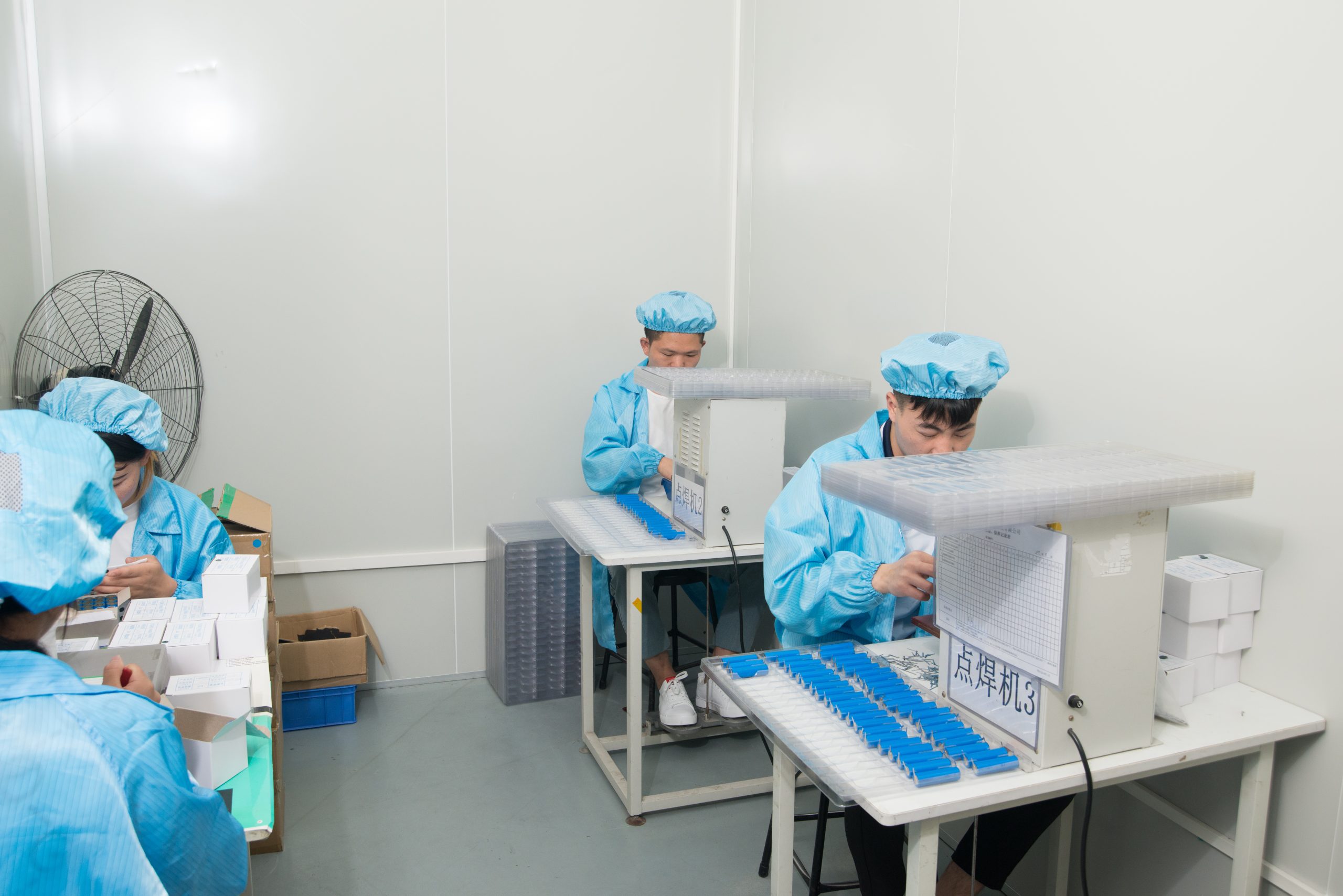
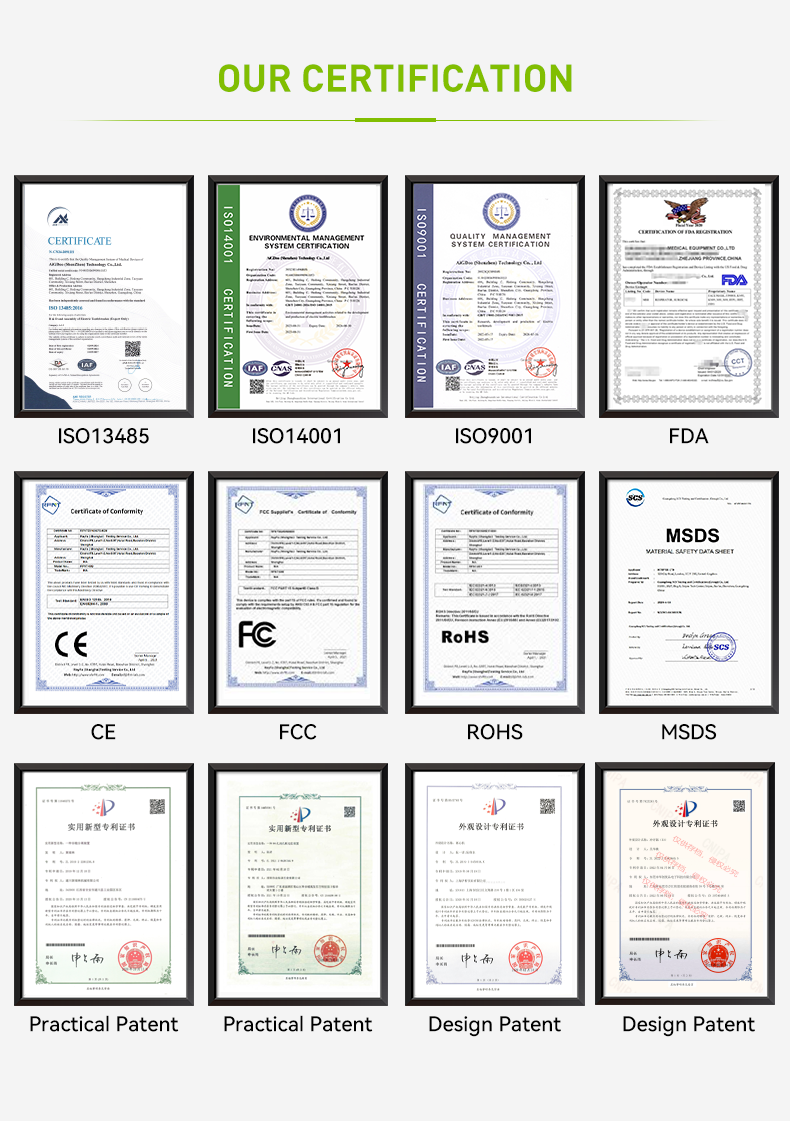
As the global demand for high-quality electric toothbrush continues to grow, brands and distributors are increasingly selective about the manufacturing partners they choose. The quality, reliability, and scalability of your supply chain begins with choosing the right factory. But what truly defines a trustworthy manufacturer in this space? In this blog, we outline the five essential characteristics of a high-quality electric toothbrush factory — the kind of partner that ensures product consistency, innovation, and long-term cooperation. Proven Manufacturing Experience – Over 20 Years in the Industry Experience matters, especially in precision manufacturing. A factory with over 20 years of manufacturing experience has: Refined production workflows Deep understanding of motor control and ultrasonic cleaning technology Proven ability to handle volume orders with consistent quality Such a factory is more than just a supplier — it is a strategic partner who understands market trends, end-user preferences, and regulatory challenges. Strict Quality Control Systems The production of high-quality electric toothbrushes depends on robust quality assurance procedures. Leading factories will have: QC checkpoints across every stage of production Automated testing equipment for vibration, battery life, and waterproofing Final product audits before packaging These practices ensure that every toothbrush delivered meets international standards and brand…
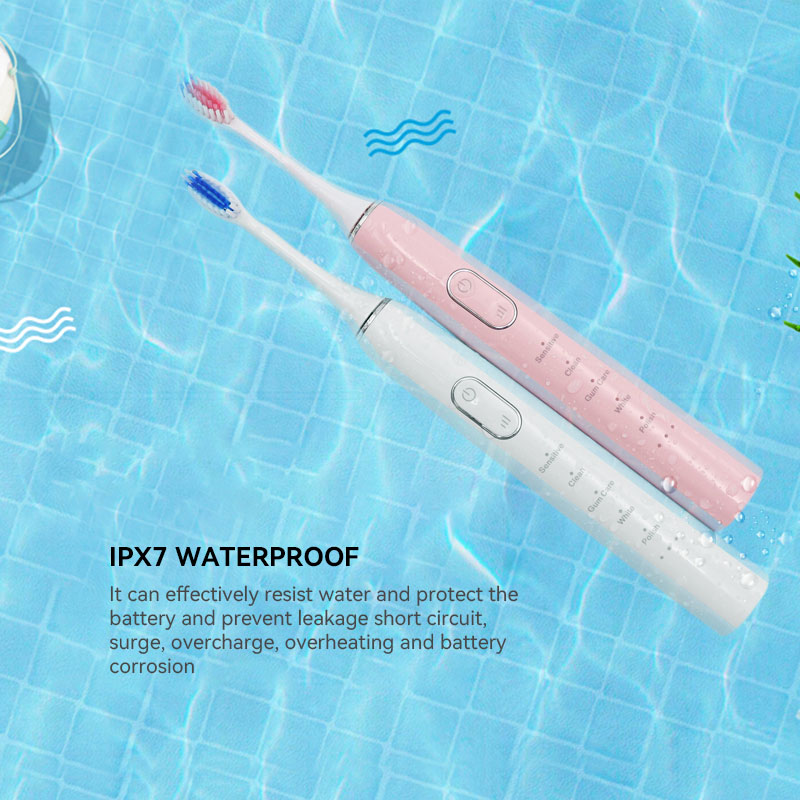
Introduction: Innovation That Sets Us Apart At PowSmart, we take electric toothbrush design to the next level with our patented structural engineering. Unlike generic models, our brushes combine high precision molds, genuine IPX7 waterproofing, and rigorous durability testing to deliver unmatched performance and reliability. So this blog explores the key advantages of our proprietary design for B2B partners. 1. Superior Durability Through High-Precision Molding Our manufacturing process begins with using high precision molds, then ensuring every component fits perfectly for long-term reliability. Tight tolerances prevent wobbling or loose parts Consistent quality across mass production Reduced failure rates and warranty claimsBy designing our own mold/tooling, the Powsmart team maintains strict control over production quality. 2. Unmatched Waterproof Performance (IPX7 Certified) Many brands claim waterproofing - we prove it. So our genuine IPX7 waterproof design: Withstands 1-meter depth immersion test for 30 min without leakage Features triple-sealed motor compartments Uses ultrasonic welding for permanent seamsThen this makes our brushes ideal for shower use and prevents damage from accidental drops in water. 3. Ergonomic Grip for Enhanced User Experience Patented shape isn't just about looks - it's scientifically designed to: Reduce hand fatigue during brushing Improve control for better plaque removal Accommodate users of all hand sizesThen the contoured body is only…
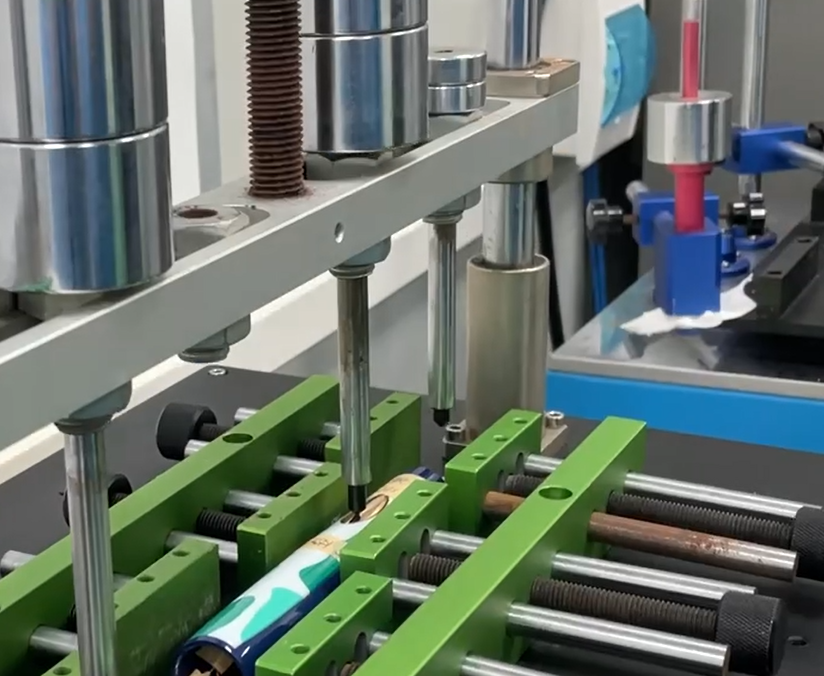
Ensuring high-quality electric toothbrushes is crucial for both manufacturers and consumers. A well-manufactured toothbrush not only enhances the user experience but also plays a vital role in maintaining oral health. For an ISO-certified manufacturer, adhering to strict electric toothbrush quality control processes is essential to meet global safety and performance standards. This blog will explore the manufacturer quality control process and highlight five essential testing standards that every oral care quality control program should follow. Material Safety and Compliance Testing The first step in quality control is ensuring that all materials used in electric toothbrush production are safe, non-toxic, and compliant with international regulations. Key factors include: BPA-Free and FDA-Approved Materials: The plastic components, bristles, and rubber elements must be free from harmful substances. RoHS and REACH Compliance: Ensuring that the product is free from hazardous substances like lead, mercury, and cadmium. ISO 10993 Biocompatibility Testing: This standard ensures that materials in contact with the human body do not cause irritation or allergic reactions. Mechanical Durability and Life Cycle Testing A high-quality electric toothbrush should withstand long-term use without mechanical failure. Manufacturer quality control processes should include: Motor Performance Testing: Verifying that the brush maintains consistent power and vibration levels over its lifespan. Drop…
With the increasing popularity of electric toothbrushes, ensuring their durability and longevity has become a key concern for both manufacturers and consumers. One of the most common issues affecting product performance is the water ingress problem in electric toothbrush charging ports. When water seeps into the charging port, it can cause short circuits, corrosion, and device failure. From a manufacturing perspective, preventing water damage requires careful engineering, material selection, and production techniques. In this article, we will analyze the causes of water ingress, explore effective prevention tips for water ingress problems, and discuss advanced solutions to enhance the reliability of charging ports. Understanding the Water Ingress Problem in Charging Ports The charging port of an electric toothbrush is exposed to a high-moisture environment due to regular use in bathrooms. Water ingress can occur due to: Condensation: Steam from hot water can accumulate inside the device. Direct exposure: Splashes from rinsing or accidental submersion in water. Capillary effect: Water creeping into small gaps in the charging port design. If not addressed properly, water ingress can lead to:Electrical failure – Short circuits and malfunctions.Corrosion – Internal components degrade over time.Reduced lifespan – Frequent replacements and increased warranty claims. Common Weaknesses in Charging Port Designs Manufacturers need to be…
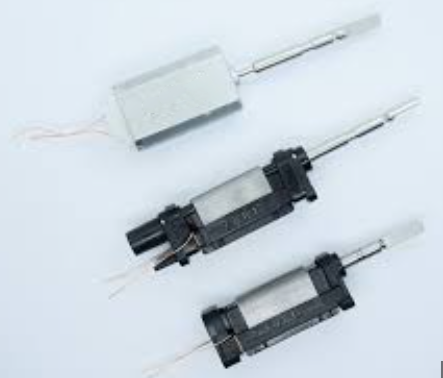
The production of electric toothbrushes requires a delicate balance between waterproof design and electric toothbrush motor performance. As consumer expectations for durability and efficiency rise, manufacturers must integrate cutting-edge technologies to optimize both aspects. This article explores the critical challenges and solutions in achieving this balance. Importance of Waterproof Design in Electric Toothbrush Manufacturing Waterproofing is a fundamental aspect of electric toothbrush design, ensuring longevity and user safety. Since toothbrushes operate in a high-moisture environment, achieving effective sealing is paramount. The integration of ultrasonic welding, rubber gaskets, and advanced coating technologies can significantly enhance waterproof performance. Proper IPX7 or higher waterproof ratings ensure that devices withstand prolonged exposure to water without compromising internal components. Powsmart not only has our own waterproof technology, but also we conduct at least 37 tests before shipment.https://www.powsmart.com/about-powsmart/ The Role of High-Performance Motors The electric toothbrush motor performance directly impacts cleaning efficiency and user experience. Manufacturers must choose between brushed and brushless motors, each with its own advantages in terms of power output, durability, and noise levels. High-torque, low-noise motors help optimize plaque removal while ensuring smooth operation. Balancing power efficiency with battery life is also crucial in delivering a superior product. Integration of Sealing and…
With the growing consumer demand for durable and reliable personal care devices, waterproof technology for electric toothbrushes has evolved rapidly. Manufacturers are focusing on enhancing product longevity, user safety, and overall performance through innovative waterproofing solutions. This article explores the latest advancements in electric toothbrush waterproof technology, potential future directions, and its application scenarios in both consumer and professional markets. Advances in IP Ratings for Electric Toothbrushes Ingress Protection (IP) ratings are a key benchmark for evaluating waterproof technology for electric toothbrushes. Modern toothbrushes are increasingly adopting higher IP ratings, such as IPX7 and IPX8, ensuring full submersion resistance for extended periods. This advancement not only enhances the longevity of electric toothbrushes but also allows users to clean them thoroughly without damaging internal electronics. Ultrasonic and Nanocoating Waterproofing Solutions Traditional waterproofing relies on mechanical seals and rubber gaskets. However, recent developments include nanocoating technology, which involves applying an ultra-thin, hydrophobic layer that repels water at the molecular level. Additionally, ultrasonic welding technology ensures seamless bonding of plastic components, eliminating potential entry points for moisture and improving durability. Wireless Charging and Waterproof Integration The shift towards wireless charging in electric toothbrush future directions has significantly contributed to improved waterproofing. Removing the need for…
As the demand for high-quality oral care products continues to grow, manufacturers of electric toothbrushes must focus on key technological advancements to maintain a competitive edge. Among these, waterproof technology and motor performance analysis stand out as critical factors influencing product reliability and efficiency. This article explores the core technology of electric toothbrush production, delving into how waterproofing techniques and motor performance optimization shape the development of superior electric toothbrushes. Importance of Waterproof Technology in Electric Toothbrush Production Electric toothbrushes are exposed to water daily, making waterproof technology a fundamental aspect of their design. Manufacturers implement various waterproofing methods to ensure durability and user safety: Encapsulation and Sealing: The use of ultrasonic welding and adhesive sealing to prevent water ingress. IP Rating Standards: Compliance with IPX7 or higher ratings ensures that toothbrushes can withstand immersion in water. Protective Coatings: Application of nano-coatings to electronic components enhances moisture resistance. By perfecting waterproof technology, manufacturers can extend product lifespan and reduce failure rates, thereby enhancing customer satisfaction. Motor Performance Analysis: The Heart of an Electric Toothbrush The motor is the driving force behind an electric toothbrush, determining brushing efficiency and user experience. Motor performance analysis focuses on key elements such as: Torque and Speed: High…
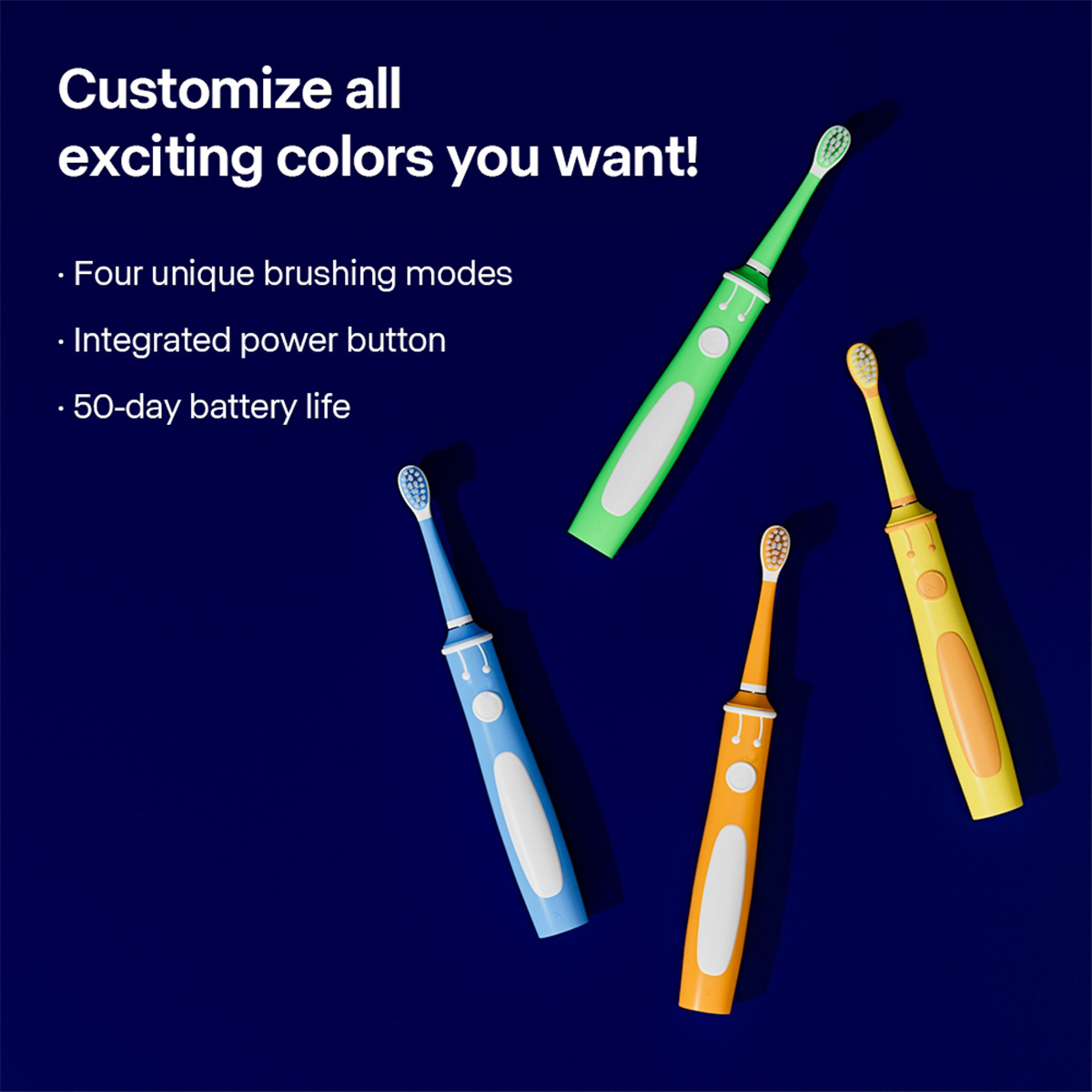
Children electric toothbrushes have gained immense popularity among parents looking to ensure their kids maintain good oral hygiene from an early age. However, not all products on the market meet the necessary quality and safety standards. Unqualified children electric toothbrush can pose significant risks, from battery leakage to structural defects. In this blog, we will explore the most common issues found in substandard children electric toothbrushes and what to look for when selecting a reliable product from a professional electric toothbrush manufacturer. Battery Leakage: A Safety Hazard One of the most concerning issues with unqualified children electric toothbrushes is battery leakage. Low-quality batteries and poor sealing mechanisms can cause electrolyte leakage, which may lead to skin irritation, corrosion of internal components, or even fire hazards. A reputable electric toothbrush manufacturer ensures that all battery compartments are well-sealed and that high-quality, leak-proof batteries are used. Shell Peeling Off: A Choking Risk Another frequent problem is the peeling or breaking of the toothbrush shell. Poor-quality plastic materials and weak adhesives can result in the outer shell peeling off after a short period of use. This not only affects the durability of the toothbrush but also poses a choking risk for young children.…
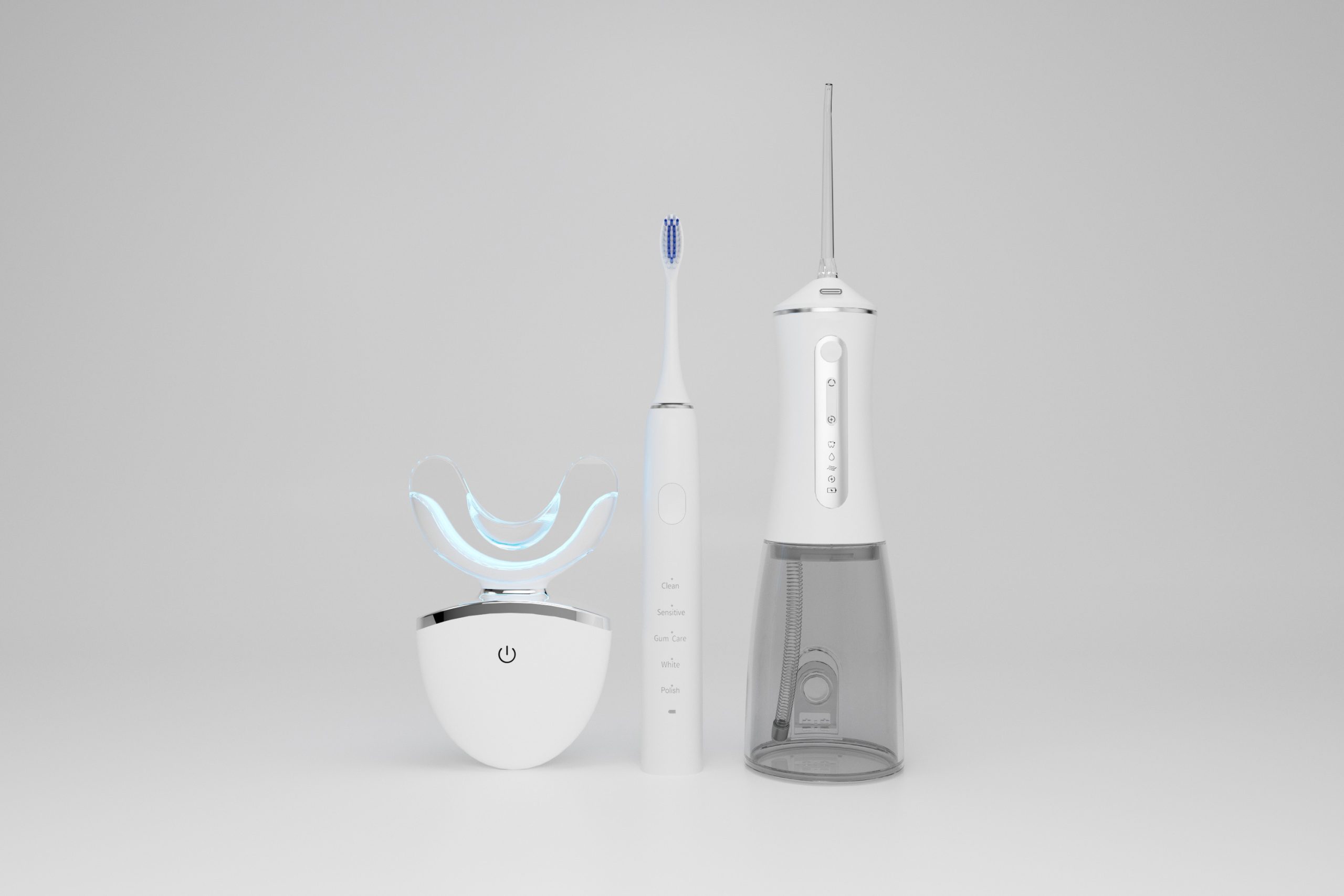
As the oral care industry evolves, dental irrigators and electric toothbrushes have emerged as essential products for consumers seeking enhanced dental hygiene. While these products serve different purposes—one focusing on interdental cleaning and the other on surface brushing—their production processes share remarkable similarities. In this blog, Powsmart is going to explore the shared aspects of manufacturing these products, from design to quality assurance, shedding light on what makes them reliable and effective as a manufacturer. Design and Prototyping Both dental irrigators and electric toothbrushes start with meticulous design and prototyping. Engineers focus on ergonomics, functionality, and aesthetics to ensure the products are user-friendly and appealing. Advanced 3D modeling software is used to create prototypes, enabling manufacturers to visualize the final product and make iterative improvements. For example, the compact design of a dental irrigator and the ergonomic grip of an electric toothbrush undergo similar validation steps during this phase. Component Selection A critical common point in the production process is selecting high-quality components. Both devices rely on motors for vibration or water propulsion, rechargeable batteries for portability, and durable plastic or silicone casings for hygiene and longevity. Ensuring that these components meet stringent industry standards is crucial for both product…
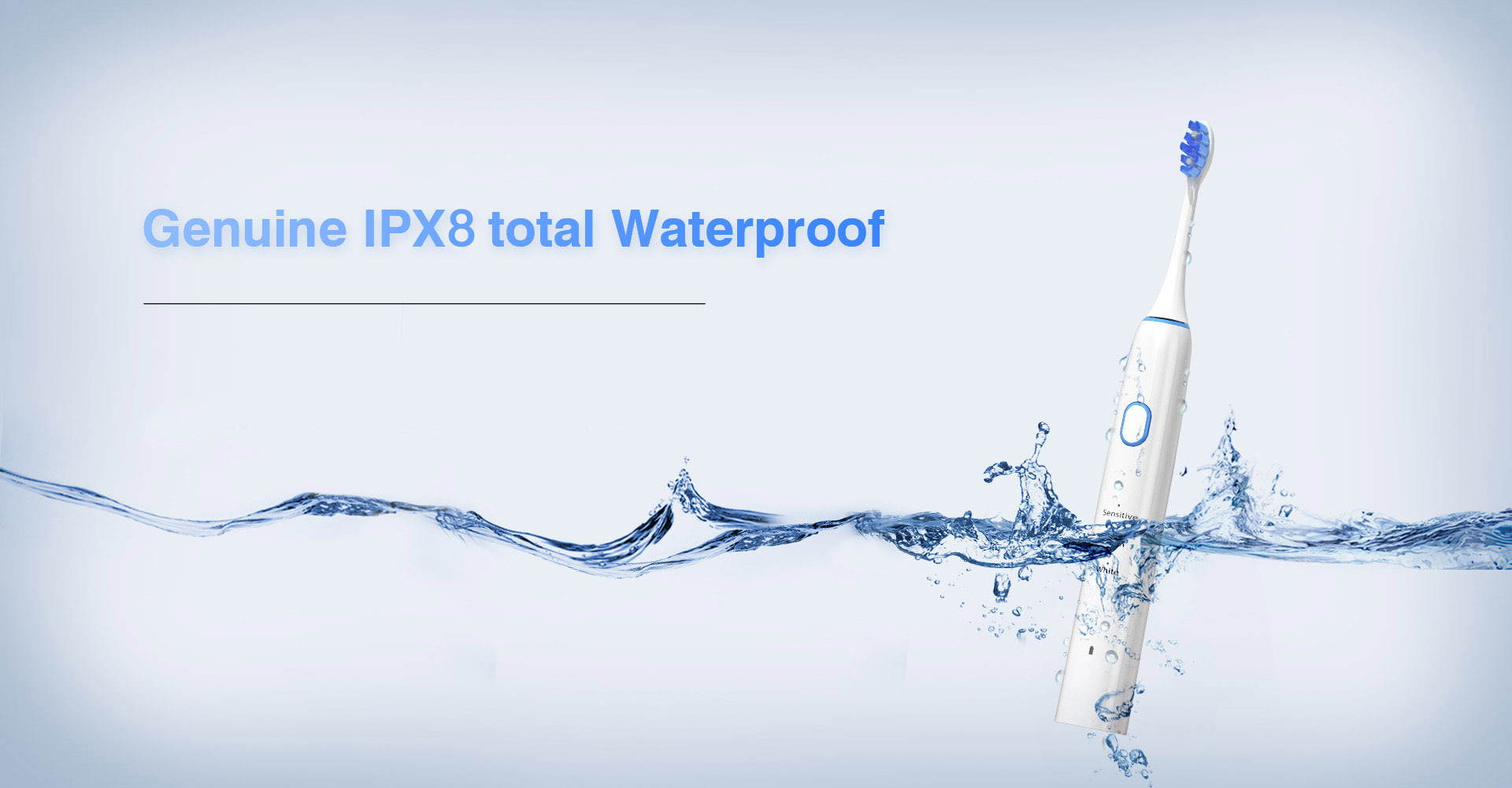
Electric toothbrushes offer advanced cleaning technology and convenience. However, one persistent issue continues to frustrate both manufacturers and users: the water ingress problem. In this blog, we will explore the underlying causes of electric toothbrush water ingress, its impacts, and potential solutions to address this challenge effectively. Understanding the Water Ingress Problem Water ingress occurs when water penetrates the internal components of an electric toothbrush. This problem often arises due to prolonged exposure to moisture during use or storage in damp environments, such as bathrooms. The seals and protective layers designed to keep water out can degrade over time, leading to compromised device functionality and a shorter lifespan. Why Is It a Critical Issue? Damage to Internal Electronics: The internal circuits and battery are highly susceptible to water damage. Even small amounts of moisture can cause corrosion, resulting in device failure or erratic behavior. Health Risks: Water ingress can create a breeding ground for bacteria and mold within the toothbrush, posing potential hygiene risks. Customer Dissatisfaction: Users expect durability and reliability. Water ingress issues can lead to negative reviews and returns, impacting a manufacturer’s reputation and bottom line. Key Factors Contributing to Electric Toothbrush Water Ingress Material Quality: Low-grade seals…
Waterproof performance is a critical factor in the design and production of electric toothbrushes. As manufacturers, We, Powsmart ensure that our products are resistant to water damage not only enhances durability but also boosts consumer trust. In this blog, we will explore practical strategies to optimize the waterproof performance of electric toothbrushes from the perspective of suppliers. Material Selection The foundation of waterproof performance lies in the selection of appropriate materials. Manufacturers should prioritize materials that are inherently resistant to water, such as high-grade polymers or specialized coatings. Collaborating with suppliers who can provide innovative material solutions is key to achieving better results. For instance, suppliers might offer advanced hydrophobic materials that prevent water ingress even under prolonged exposure. Precision in Design Design plays a pivotal role in ensuring a device’s water resistance. Electric toothbrush manufacturers should work closely with their suppliers to refine product designs. Features such as seamless joints, rounded edges, and well-engineered seals can significantly enhance waterproof performance. Additionally, incorporating design elements like labyrinth seals can provide an extra layer of protection against water penetration. Adopting Advanced Sealing Technologies Effective sealing is the backbone of waterproof performance. Suppliers specializing in adhesives and sealing materials can provide manufacturers…
Many people wonder whether it’s safe to use an electric toothbrush in the shower. With busy lifestyles, multitasking during daily routines is becoming increasingly common. While this practice may seem convenient, it’s important to consider safety and proper handling when using an electric toothbrush in such environments. Are Electric Toothbrushes Shower-Safe? The ability to safely use an electric toothbrush in the shower largely depends on its design and waterproof rating. Most modern electric toothbrushes are built with water-resistant features, such as an IPX7 or IPX8 rating, which ensures they can withstand exposure to water. However, not all electric toothbrushes meet these standards. Users should always check the manufacturer’s guidelines and confirm that the device is explicitly labeled as shower-safe. Reliable electric toothbrush suppliers often highlight these details to reassure buyers. Benefits of Shower-Compatible Electric Toothbrushes Using an electric toothbrush in the shower can save time and streamline your oral hygiene routine. It’s especially convenient for those with tight schedules. Moreover, the steam from the shower may help loosen plaque, making brushing even more effective. However, ensuring proper care and following electric toothbrush usage tips is critical to maintaining the device’s longevity and performance. Precautions for Shower Usage To maximize safety and the…
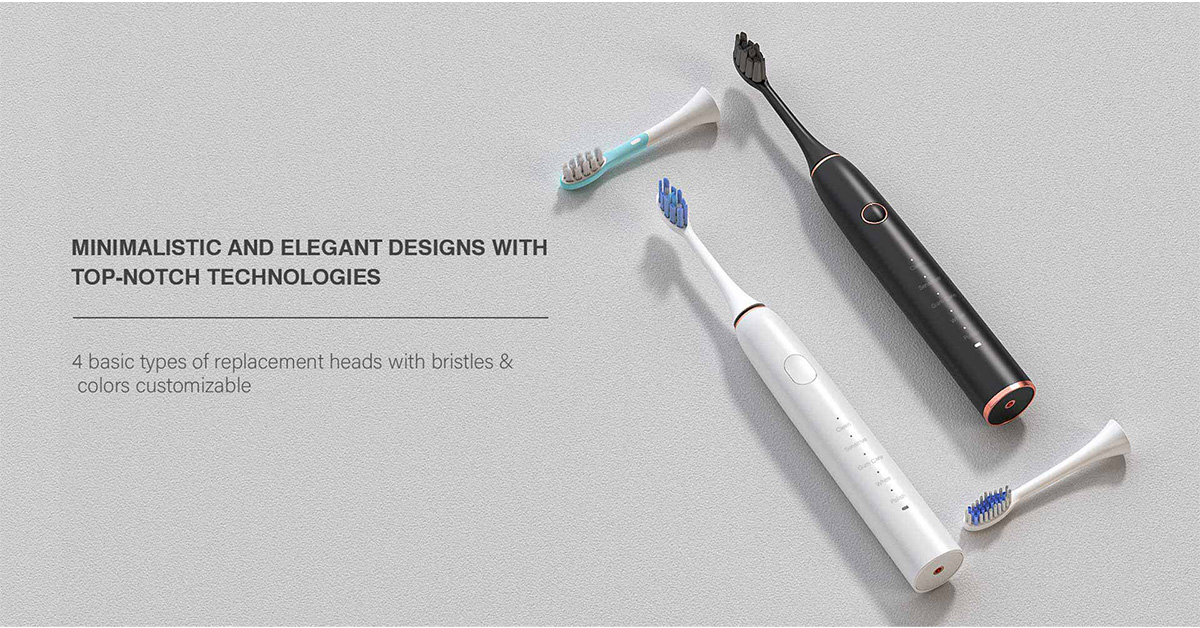
The proofing process is a crucial step in developing and manufacturing high-quality electric toothbrushes. It ensures that the product meets design specifications, functionality, and quality standards before mass production. Whether you are a brand owner or a retailer, understanding the proofing process of electric toothbrush can help ensure smooth collaboration with your electric toothbrush factory and the delivery of a product that satisfies market demands. Initial Design and Specification The proofing process begins with creating a detailed design. This stage involves determining the size, shape, materials, and key features of the electric toothbrush. For instance, manufacturers might decide on a sonic vibration motor, ergonomic grip, or waterproof technology. Clear communication of your requirements with the electric toothbrush factory at this stage is vital to ensure the prototype aligns with your brand’s vision and target market. Prototype Development Once finishing the design, the factory proceeds to develop the first prototype. This stage involves producing a working model that incorporates all the agreed-upon specifications. The electric toothbrush proofing prototype undergoes initial testing to evaluate its performance, durability, and aesthetic appeal. For example, factors such as motor efficiency, battery life, and bristle softness are thoroughly examined. Testing and Adjustments After finishing the prototype, rigorous testing is conducted…

Electric toothbrushes plan an important role in modern oral care, but occasional issues like the electric toothbrush automatically starts up can be both puzzling and inconvenient. Understanding the root cause of this problem is essential, whether it stems from user error or an electric toothbrush quality problem. We'll explore practical solutions, the importance of quality manufacturing, and how working with a reliable electric toothbrush factory can prevent such issues. Common Causes of Automatic Start-Up An electric toothbrush automatically starting up can arise from several factors: Battery Malfunction: A faulty or overcharged battery may cause random activation. Defective Circuit Board: Internal circuitry errors are a leading cause of unintended start-ups. Water Damage: Inadequate waterproofing can allow moisture to seep into the device, disrupting its functionality. By identifying these root causes, users can better determine whether the issue is due to usage or an electric toothbrush quality problem. Immediate Solutions to Fix the Problem When faced with an electric toothbrush that automatically starts up, try these steps: Reset the Device: Hold down the power button for a few seconds to reset the internal programming. Inspect the Charging Port: Ensure no foreign objects or moisture are present. Dry and Clean: Thoroughly dry the toothbrush,…


.jpg)
.jpg)
.jpg)
.jpg)
.jpg)





.jpg)