
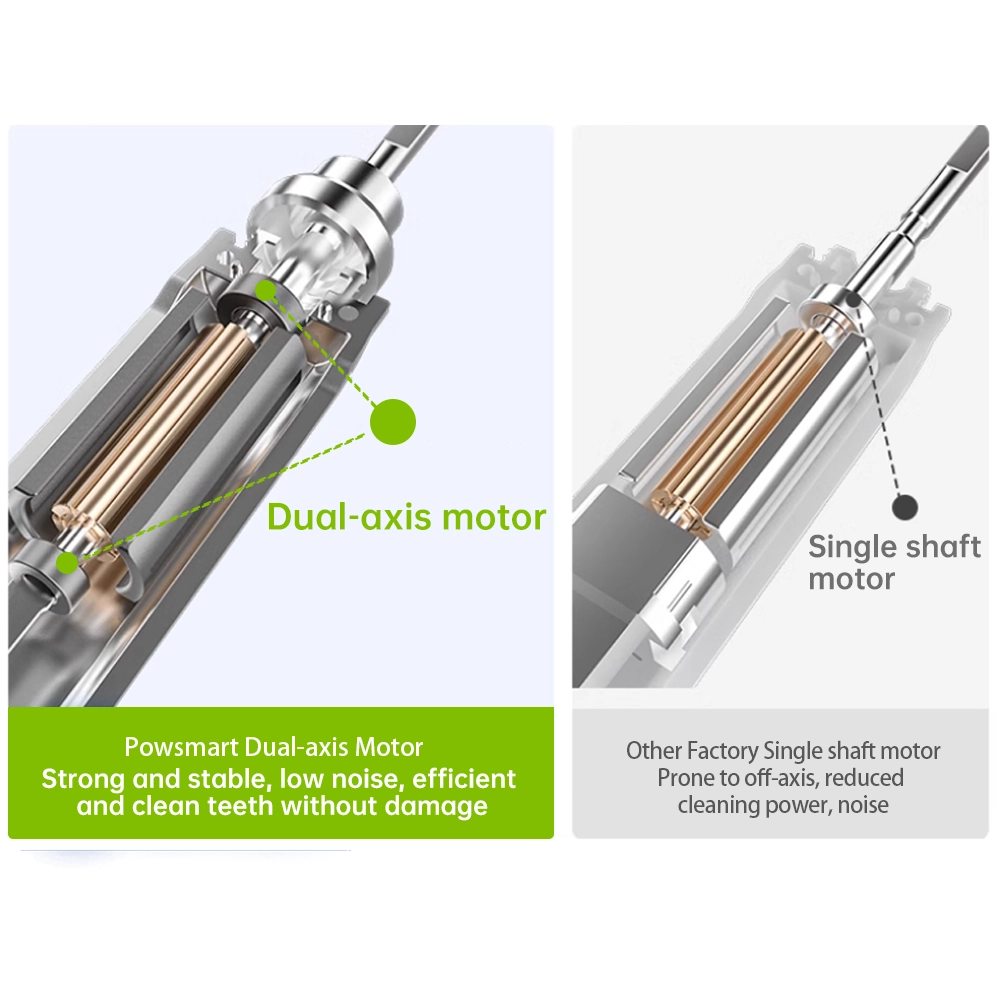
In the competitive oral care market, product reliability is crucial for brand reputation. One of the most frequent technical complaints from end-users is Electric Toothbrush Motor Failure. A faulty motor can lead to poor performance, increased warranty claims, and dissatisfied customers. For any electric toothbrush manufacturer, understanding toothbrush motor issues and preventing them in the production stage is essential for long-term success. This article will explore Motor Failure Common Causes and practical solutions that brand owners should look for when evaluating manufacturing partners. Understanding Toothbrush Motor Issues The motor is the heart of an electric toothbrush. Whether it’s a sonic vibration motor or a rotary type, it must operate at consistent speeds and torque to ensure effective cleaning. When motor performance drops—slowing down, producing noise, or failing entirely—the toothbrush becomes ineffective. Key warning signs include: Reduced vibration or oscillation speed Irregular noise during operation Overheating in the handle Complete stoppage (a burnt-out electric brush) Motor Failure Common Causes Through industry feedback and engineering analysis, the most common causes of Electric Toothbrush Motor Failure include: Poor Component Quality – Low-grade coils, magnets, or bearings can wear out quickly. Water Ingress – Inadequate sealing leads to moisture entering the motor chamber, causing corrosion. Overheating – Continuous operation beyond…
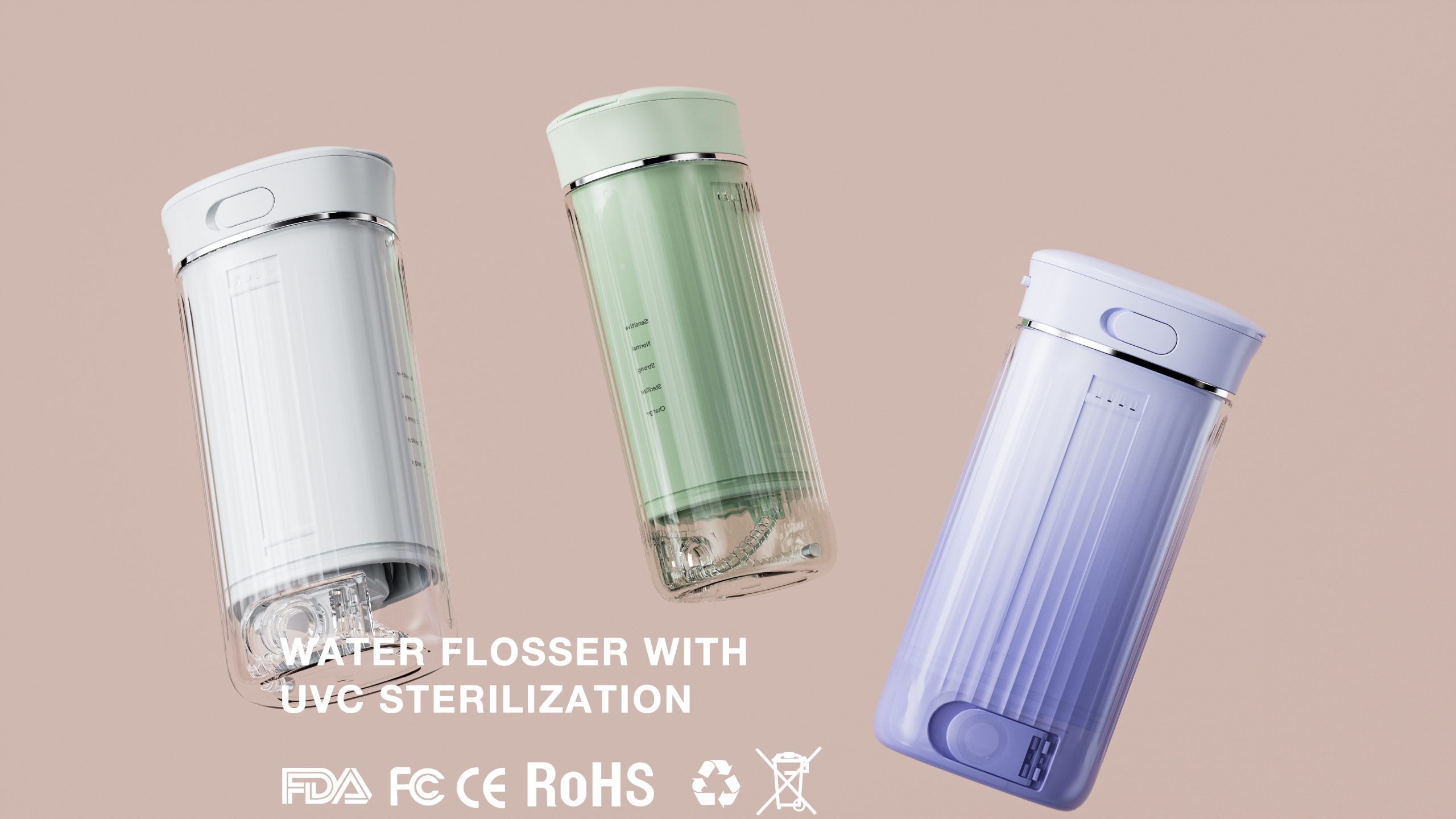
With the rise in demand for compact and portable hygiene tools, the idea of a travel electric toothbrush that fits in a wallet may sound futuristic—but it’s closer to reality than many think. Manufacturers and OEM brands are now exploring advanced folding toothbrush design solutions to maximize portability without compromising on brushing performance. Why Portability Matters in Travel Oral Care Business travelers, minimalists, and digital nomads are increasingly seeking ultra-compact personal care devices. Traditional electric toothbrushes are often bulky and require a dedicated case or bag space. A folding toothbrush design offers a revolutionary answer to this challenge by minimizing dimensions without eliminating core features. Key user demands include: Pocket-sized or wallet-friendly form factor Built-in hygienic bristle protection Lightweight construction without fragile mechanisms This presents an opportunity for B2B innovation in the travel hygiene category. Design Mechanics Behind Folding Toothbrush Technology To make a travel electric toothbrush truly compact, folding technology must go beyond aesthetics. It needs to incorporate: A collapsible handle without compromising grip strength Hinge materials that resist corrosion and wear from moisture Magnetic or secure lock systems to ensure stability during use Advanced prototypes have shown that bristle heads can be flipped into the handle, or that…
.jpg)
As we all know, the rise in conditions such as gingivitis, periodontitis, and, overall gum sensitivity has created strong demand for sensitive gums electric toothbrush products. In response, oral care brands are turning their attention to gum care electric toothbrush OEM opportunities to deliver targeted, effective solutions to their end users. In this blog, we explore the key manufacturing considerations, technology trends, and benefits of partnering with a factory that understands clinically proven oral care requirements for gum-focused electric toothbrushes. And, A periodontal toothbrush differs from standard models in both design and functionality. It’s engineered to deliver a gentle yet effective cleaning experience, ideal for users with inflamed, bleeding, or post-surgical gums. Soft, high-density bristles for less abrasion Low-frequency sonic vibrations to avoid irritation Pressure-sensitive sensors to prevent overbrushing Gum massage modes to stimulate blood circulation OEM manufacturers must be able to incorporate these features, while maintaining consistent quality and performance. What Makes a Gum Care Toothbrush Clinically Proven? To be labeled as a clinically proven oral care device, a gum care toothbrush must undergo rigorous testing. Brand owners looking to establish credibility in the market should prioritize manufacturers who offer: Access to independent clinical trials or in-house testing labs Compliance with international medical device standards (FDA, CE,…
As the demand for smarter, quieter, and more effective oral care devices grows, magnetic levitation motor toothbrushes are emerging as the next big innovation. This advanced dental tech offers high-performance brushing, ultra-low noise, and minimal mechanical wear—key selling points in today’s competitive personal care market. For brands seeking innovative oral care products, understanding this breakthrough technology is essential. Whether you're a startup entering the market or an established brand looking to upgrade your lineup, partnering with an oral care products supplier specializing in levitation motor integration could be the key to staying ahead. What Is a Magnetic Levitation Motor Toothbrush? A magnetic levitation motor toothbrush utilizes a linear magnetic drive system, replacing traditional mechanical components with electromagnetic force to create high-frequency oscillations. Key Advantages: High-speed vibration (31,000–48,000 RPM) for superior plaque removal Quieter operation due to reduced mechanical friction Longer motor lifespan with minimal wear-and-tear Smooth, consistent performance even after prolonged use This cutting-edge magnetic levitation motor toothbrush technology has set new standards for performance and durability in electric oral care devices. Why Magnetic Levitation Motors Outperform Traditional Motors Traditional motors rely on gear systems or rotor-based designs. While effective, they create: More vibration noise Greater energy loss through friction Faster wear on internal parts In contrast, levitation motors use magnetic…
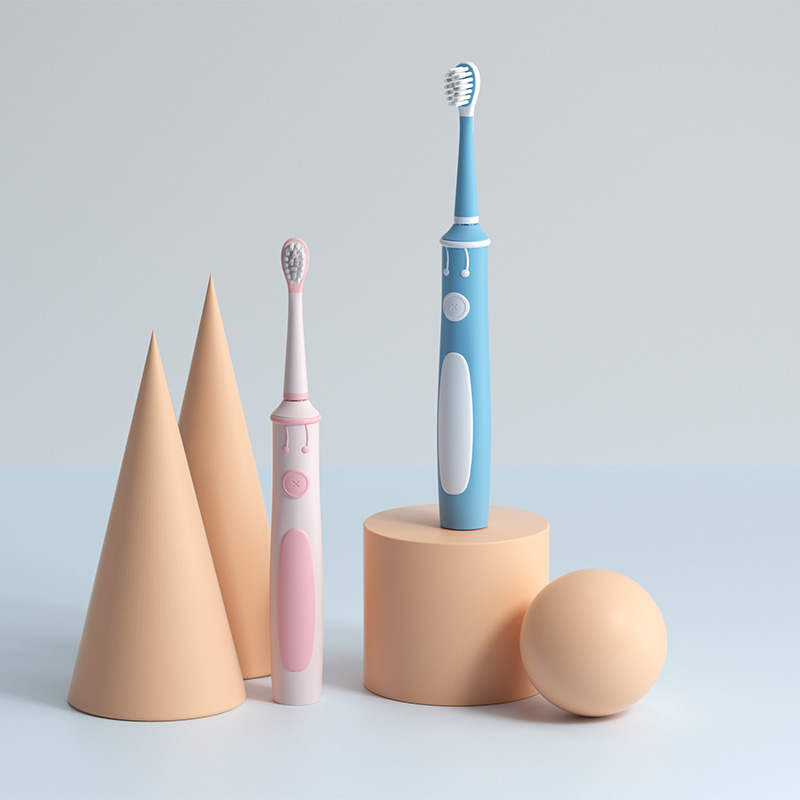
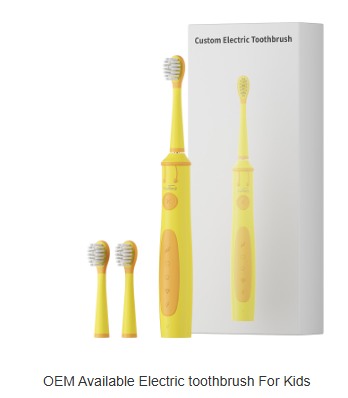
In today’s highly competitive oral care market, offering a high-quality, safe, and attractive electric toothbrush for children is essential for any brand targeting the pediatric segment. However, success in this market depends heavily on choosing the right toothbrush manufacturer for kids—one that understands the specific safety, design, and functional needs of young users. This is where Powsmart stands out as a leading Kids electric toothbrush OEM partner with extensive experience in delivering innovative, child-friendly oral care solutions. Experience and Specialization in Child Toothbrush Manufacturing When it comes to child toothbrush manufacturing, specialization makes all the difference. Powsmart has over a decade of experience in designing and producing electric toothbrushes specifically for children. From ergonomic handle sizes to ultra-soft bristles and colorful, engaging designs, every aspect is tailored to support a fun and safe brushing experience for kids aged 3 to 12. We strictly follow global child safety regulations and offer certifications such as CE, FDA, and RoHS, ensuring that every product meets international standards. Customization Capabilities for Brand Differentiation As a premium custom electric toothbrush supplier, Powsmart understands that brand identity is vital. That’s why we offer full OEM/ODM customization, including: Handle shape and size Vibrating or sonic motor options Brush…
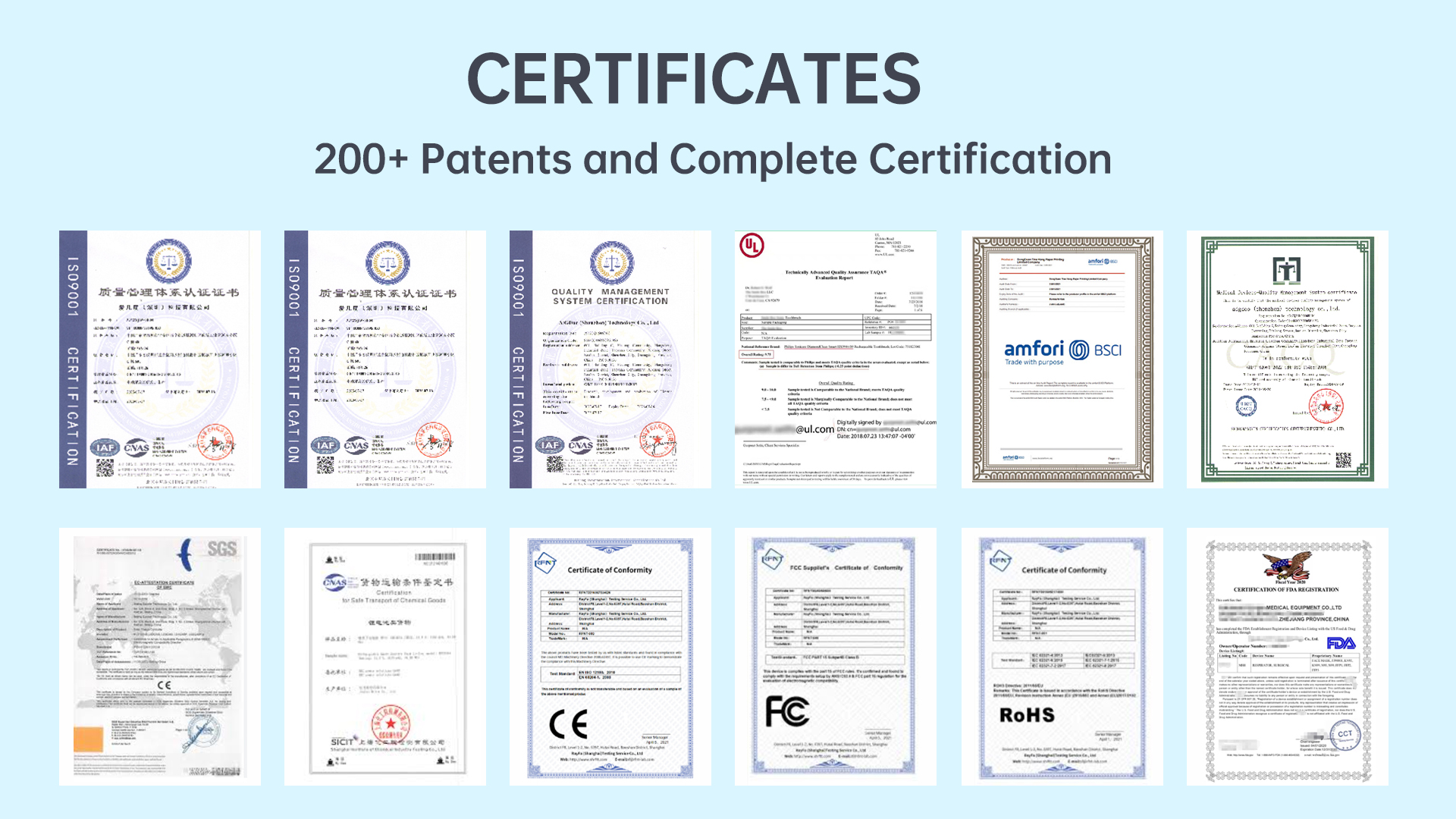
Introduction: Addressing Chemical Residue in POWSMART Ultrasonic Toothbrush Manufacturing As the demand for advanced oral care technology grows, the POWSMART Ultrasonic Toothbrush has gained attention for its precision cleaning and ergonomic design. However, concerns have surfaced within certain procurement and compliance circles about chemical residue levels in these devices. Are the materials used during manufacturing or post-processing leaving behind residue levels that surpass regulatory limits? This article examines whether these concerns are substantiated and how B2B clients can evaluate material safety with confidence. Understanding Chemical Residue in Oral Care Products Chemical residue refers to trace amounts of solvents, adhesives, coatings, or cleaning agents that may remain on product surfaces after production. In the context of the POWSMART Ultrasonic Toothbrush, this could potentially involve: Mold release agents used in plastic injection Surface coatings for waterproofing or anti-slip finishes Disinfectants or ultrasonic bath chemicals used during final assembly While these materials are essential for product functionality, improper processing or insufficient rinsing can lead to residual buildup. Regulatory Thresholds: What Is “Over the Limit”? In most major markets—including the U.S., EU, and parts of Asia—oral hygiene products are subject to strict material safety standards. Regulations typically cover: BPA content in plastics Volatile Organic…
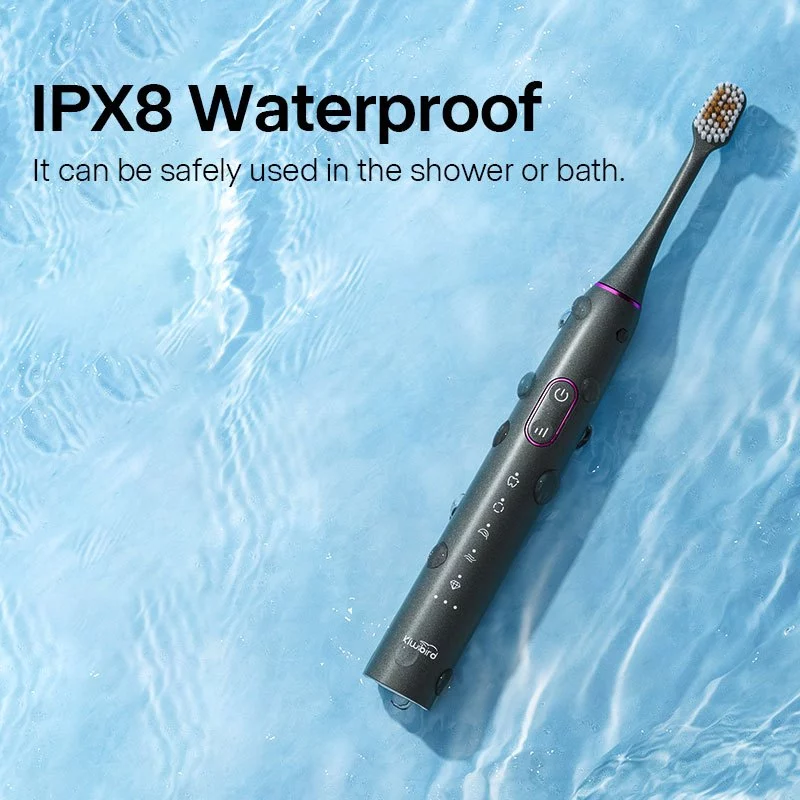
As consumer lifestyles become increasingly dynamic, the demand for shower-safe dental care solutions is rising globally. Brands seeking to enter or expand in international markets must offer products that combine innovation, reliability, and user convenience. Among them, the IPX7 waterproof electric toothbrush has become a key product category, offering users peace of mind during wet-environment usage. In this blog, we explore how electric toothbrush customization for global markets, when paired with IPX7 waterproof certification, can help brands stay ahead of market trends and consumer expectations. Understanding the IPX7 Waterproof Standard The IPX7 waterproof rating means that a device can withstand immersion in up to 1 meter of water for 30 minutes without suffering damage. For electric toothbrushes, this translates to: Safe usage in showers and wet environments Enhanced durability and corrosion resistance Improved product lifespan and customer satisfaction By offering a waterproof electric toothbrush, brands can provide users with shower-safe dental care solutions that align with modern hygiene routines. Customization Opportunities for Global Brands Electric toothbrush customization for global markets involves more than just logo printing. Manufacturers must offer flexible and scalable solutions, such as: Custom handle designs and ergonomic features tailored to target demographics Multi-mode brushing functions (clean, sensitive, polish, etc.) Custom packaging and branding to suit different…
.jpg)
As consumer awareness of oral health continues to grow, the market for sensitive teeth toothbrushes has expanded rapidly. People with gum sensitivity require products that offer effective cleaning while minimizing irritation. In response to this demand, many brands are now seeking trusted partners for electric toothbrush production for sensitive teeth. For businesses aiming to meet this niche market, collaborating with experienced OEMs that specialize in gentle gum care technology is key to success. Understanding the Needs of Users with Sensitive Teeth Sensitive teeth and gums require special care. Aggressive brushing or hard bristles can cause pain, gum recession, or further enamel erosion. This is where the gum care electric brush plays a vital role. These brushes are engineered to deliver a gentle cleaning experience, using soft bristles and low-frequency vibration or sonic technology to protect gum tissue while removing plaque effectively. To meet user expectations, brands need to develop products with features such as: Ultra-soft bristles for minimal abrasion Pressure sensors to prevent over-brushing Multiple cleaning modes, especially “Gentle” or “Sensitive” modes Rounded brush heads for a soothing feel on gums Key Design Considerations for Gentle Cleaning OEM Solutions When selecting a manufacturer for a gentle cleaning OEM solution, it’s important to prioritize factories that…
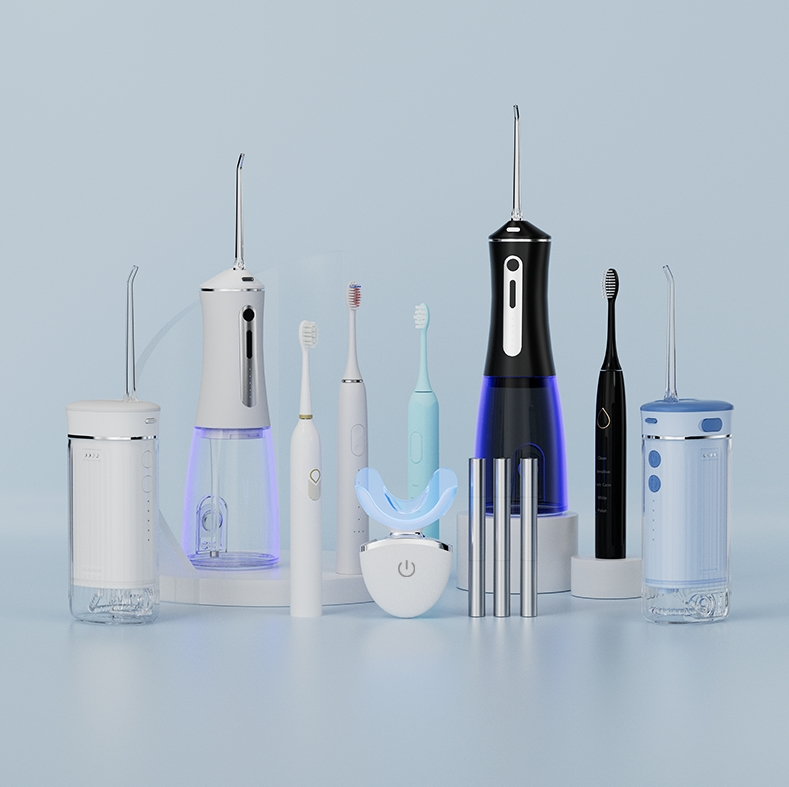
As consumers become increasingly health-conscious and tech-savvy, the demand for high-performance oral care solutions like smart sonic toothbrushes has surged. For dental care brands, entering or expanding in this competitive market requires speed, reliability, and innovation. That’s where working with a trusted sonic toothbrush private label manufacturer comes in. This article explores how brand owners can benefit from complete OEM services, including custom design, manufacturing, and packaging, to successfully launch or scale their smart sonic brush OEM business. Why Choose a Sonic Toothbrush Private Label Partner? Launching your own oral care products OEM line doesn’t mean you have to start from scratch. A reliable private label partner enables you to bring a premium product to market faster, without the complexity of R&D or in-house production. Benefits of partnering with a private label OEM manufacturer include: Fast time-to-market with ready-made or customizable sonic brush models Cost-effective production without compromising on quality Access to the latest custom dental tech innovations Branding freedom with packaging, design, and user experience What to Expect from Complete OEM Services When we talk about complete OEM services, we mean end-to-end support that covers every step from product concept to delivery. A professional sonic toothbrush OEM partner offers: Product Development & Customization: From…
The rise of minimalist personal care products has pushed the Black Electric Toothbrush ODM trend into high demand, especially for brands seeking sleek aesthetics and premium-feel designs. However, as more ODM partners adopt darker anodized or painted finishes, concerns are growing about potential handle corrosion over time—especially in humid bathroom environments. So, is this merely a design oversight or a material-related challenge that deserves serious attention? Why Handle Corrosion Is a Growing Concern Handle corrosion is not merely a cosmetic issue. In the case of black-finished toothbrushes, surface deterioration can expose internal circuits, weaken the structural integrity, and significantly shorten product lifespan. From a branding perspective, premature wear of a product marketed as “premium” can negatively impact customer perception and trust—especially for B2B buyers aiming for retail or subscription markets. Coating Materials Commonly Used in Black Electric Toothbrush ODM Manufacturers often use techniques such as: Anodized aluminum coatings Painted or UV matte plastic finishes Electrophoretic deposition (EPD) While these methods provide rich black appearances, their resistance to corrosion depends heavily on process quality, environmental sealing, and exposure to soaps, water, and skin oils. Factors That Accelerate Handle Corrosion The following issues are frequently linked to handle corrosion in black electric…
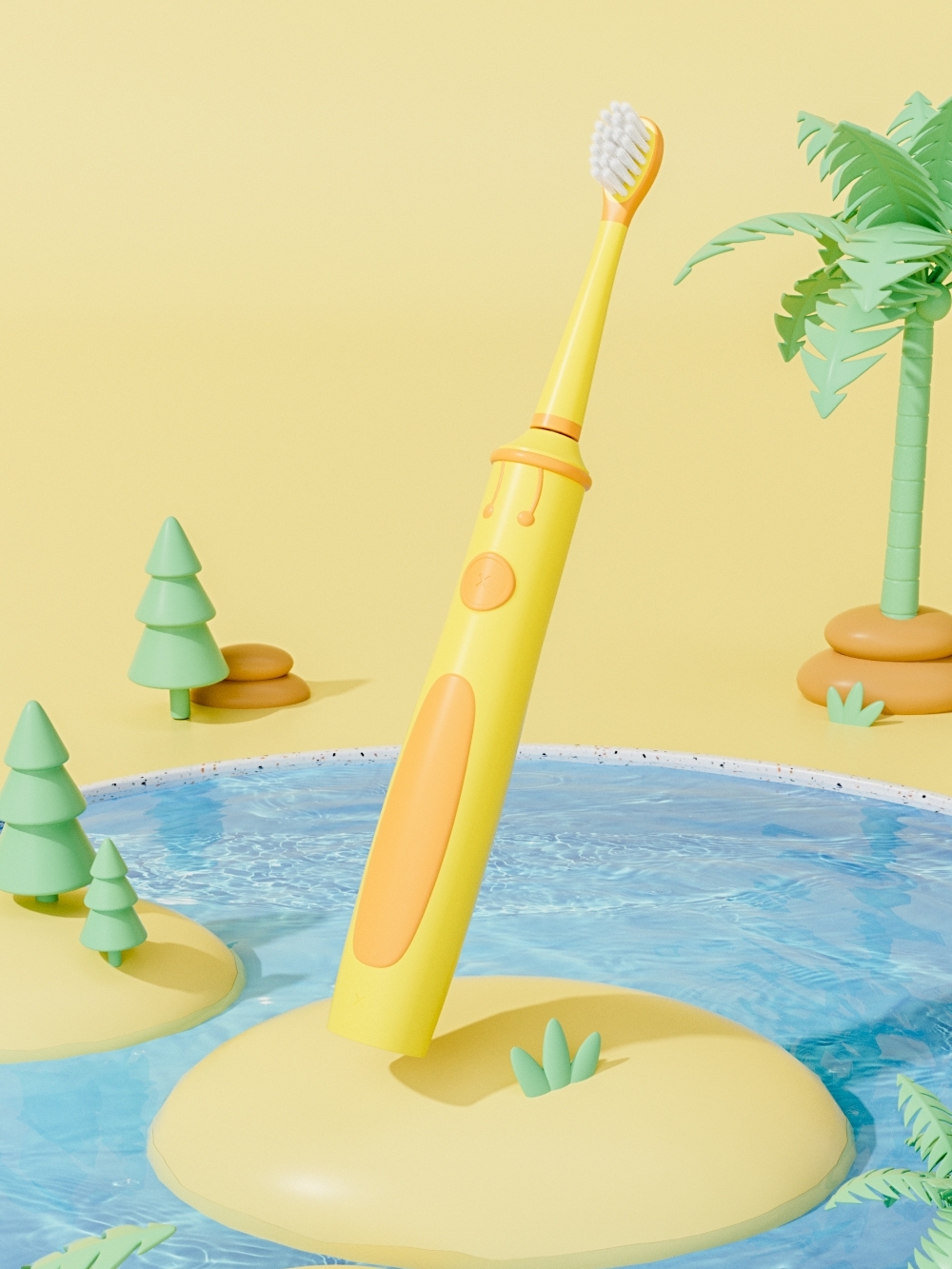
In today’s oral care market, children's hygiene routines are no longer just about function—they're about engagement, safety, and personalization. As demand rises for children’s smart toothbrush solutions that combine effective cleaning with interactive features, retailers and brand owners must explore how to offer custom kid-friendly smart toothbrushes. This blog explores the latest trends and manufacturing possibilities in Kids’ Smart Toothbrush Customization, offering insights for electric toothbrush retailers & distributors looking to partner with the right suppliers. Why Kids Need Smart Toothbrushes: Safety Meets Engagement Children require specialized brushing tools not just in size but in function and experience. A children’s smart toothbrush must balance three core needs: Gentle but effective cleaning for developing teeth and gums Fun, game-like experiences to encourage brushing routines Built-in safety features such as pressure sensors and timers Fun & Safe Brushing Solutions have become a critical selling point for parents, making product differentiation essential for brands. The Rise of Custom Kid-Friendly Smart Toothbrushes As smart technologies evolve, brands now have the opportunity to offer custom kid-friendly smart toothbrushes with tailored designs. Customization options include: App integration with brushing games or reward systems Animated LED displays, music playback, and storytelling modes Soft brush heads, ergonomic grips, and silicone-based safety coatings Brand-specific…
.jpg)
The global oral care market is rapidly evolving, with smart technology becoming a key differentiator. Bluetooth-enabled electric toothbrushes are no longer niche—they’re a fast-growing category that blends health tech with everyday hygiene. For brands aiming to expand their product line or launch a new oral care venture, tapping into this trend through smart toothbrush customization and bulk manufacturing partnerships offers immense growth potential. This guide is designed to help brand owners and private label companies navigate the process of working with a B2B toothbrush supplier, including steps for customization, quality assurance, and how to secure the right oral care OEM factory for your needs. Understanding the Bluetooth-Enabled Electric Toothbrushes Market Opportunity Smart toothbrushes are transforming the oral care experience. Equipped with real-time feedback, brushing habit tracking, and app integration, Bluetooth-enabled models are especially attractive to tech-savvy consumers and parents alike. Key benefits driving market demand: Growing consumer interest in health-tech integration Subscription model opportunities via app platforms Competitive differentiation through smart features Now is the ideal time to explore Bluetooth-Enabled Electric Toothbrushes wholesale partnerships to stay ahead of market trends. Smart Toothbrush Customization: What Can Be Tailored? When partnering with a manufacturer, brands can go beyond just adding a logo. A capable oral care OEM can help…
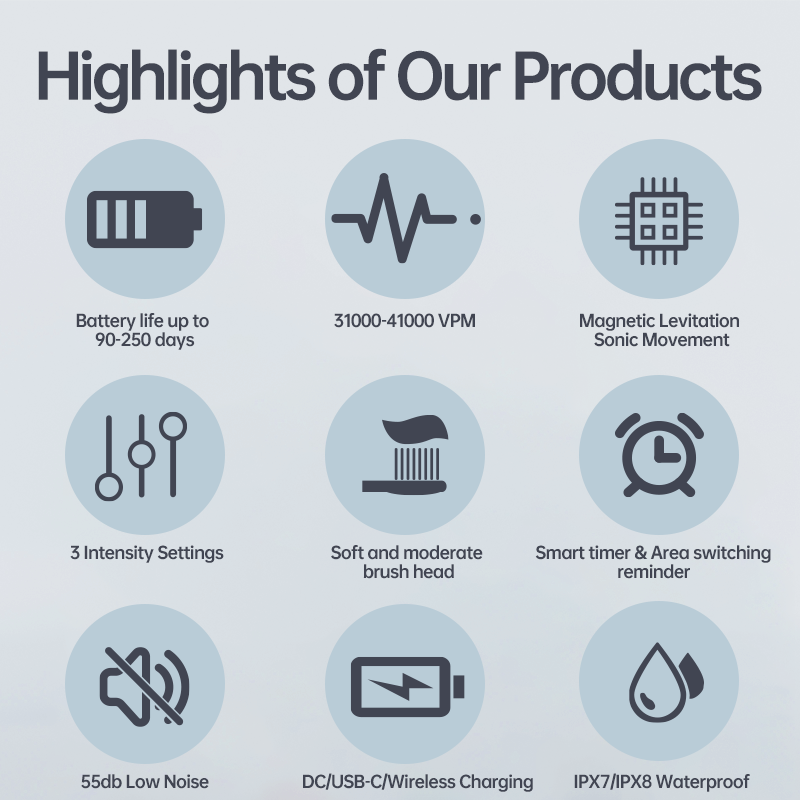
Introduction: A Small Leak, a Big Problem? As portability and convenience become key selling points in oral care, the Travel Electric Toothbrush is seeing a surge in demand across global B2B channels. However, with compact size and mobile usage comes a heightened reliance on waterproof integrity. A frequently overlooked but critical concern is: Can waterproof failure in a travel electric toothbrush lead to internal circuit corrosion? The short answer is yes—and the implications for reliability, safety, and brand credibility are severe. This blog dives deep into how waterproof failure occurs, its direct link to circuit corrosion, and how manufacturers can proactively address the issue. Understanding Travel Electric Toothbrush Construction A Travel Electric Toothbrush typically integrates a compact high-speed motor, lithium-ion rechargeable battery, microcircuit control board, and pressure-sensitive brushing feedback—all within a slim enclosure. Because these components are tightly packed and often exposed to water during brushing, waterproofing becomes not just a cosmetic feature, but a critical functional protection barrier. Failure in this area can compromise the entire device's integrity. Key Materials and Design Elements in Waterproofing To defend against moisture infiltration, quality toothbrush manufacturers employ: IPX7 or higher-rated sealing standards Ultrasonic welding at joint seams Silicone O-rings in charging ports…
In today’s competitive oral care market, electric toothbrushes come in a wide range—from simple budget models to premium smart designs. For oral care brands seeking to source reliable manufacturers, understanding the core electric toothbrush differences is crucial for developing a product portfolio that aligns with consumer expectations and pricing strategies. This blog offers a toothbrush comparison between cheap electric toothbrushes and high-end electric toothbrushes, highlighting 5 key differences to guide your sourcing and product development decisions. Motor Technology & Performance One of the most fundamental differences lies in the motor system. Cheap electric toothbrushes typically use basic vibration motors with lower RPMs (around 6,000–12,000 strokes/min). These models provide basic plaque removal but limited deep-cleaning capabilities. High-end electric toothbrushes, on the other hand, feature high-frequency sonic or oscillating-rotating motors that can reach up to 40,000 strokes/min. These deliver superior plaque removal and gum stimulation. ? When selecting a manufacturing partner, assess their capability in producing motors with variable frequency or sonic technology—key aspects of oral care technology today. Battery & Charging Options Battery quality directly impacts product usability and consumer satisfaction. Budget models often use AA batteries or low-cost rechargeable cells with short lifespan and limited usage per charge. Premium models typically include long-lasting lithium-ion batteries, fast-charging…
.jpg)
In the world of oral care devices and small consumer electronics, two seemingly separate malfunctions—shaft fracture and indicator failure—can actually be symptoms of a deeper systemic flaw. While each issue alone can disrupt performance, their co-occurrence might point to underlying design or manufacturing challenges that B2B manufacturers must address. What Is a Shaft Fracture and Why Does It Happen? A shaft fracture typically refers to the mechanical breakage of the rotating or oscillating shaft that powers a toothbrush head or drive component. Common causes include: Material fatigue due to substandard alloys or improper heat treatment Overloading from improper torque distribution Misalignment during assembly or long-term wear Shaft integrity is fundamental to device longevity, especially in high-frequency applications like sonic toothbrushes or portable water flossers. Understanding Indicator Failure An indicator failure refers to the malfunction of a visual or tactile feedback component—commonly an LED or vibration alert—that informs users of power status, charging, or mode selection. Possible reasons include: PCB solder point damage from vibration Water ingress affecting signal circuits Faulty firmware or connection instability While these failures seem electronic in nature, they may share mechanical triggers with shaft issues. Company web:https://www.powsmart.com/product/electric-toothbrush/ Are Shaft Fracture and Indicator Failure Connected? Interestingly, evidence…

In the fast-growing oral care market, choosing the right electric toothbrush factory can be the difference between product success and failure. For brand owners and sourcing managers, understanding how to properly evaluate an electric toothbrush factory is essential to ensure product consistency, timely delivery, and long-term partnership success. This article outlines a six-part evaluation framework to help you assess a factory's comprehensive capabilities, including their OEM capabilities, manufacturing standards, and commitment to Electric Toothbrush Quality Manufacturing. Assessing the Factory’s Core Manufacturing Capabilities The first step in evaluating an electric toothbrush supplier is to investigate its core production competencies. A capable electric toothbrush factory should have: In-house facilities for plastic injection molding, PCB assembly, and motor integration. Experience with multiple product lines (oscillating, sonic, kids’ models). Scalable production capacity that aligns with your demand projections. This baseline assessment ensures the factory has the technical resources to meet your product specifications under various volumes. Reviewing OEM & ODM Capabilities Many oral care brands seek manufacturers that can provide OEM capabilities and even ODM (Original Design Manufacturing) services. During the evaluation, ask: Can the factory customize molds, packaging, and firmware? Do they offer product design support or only manufacturing? Are there R&D engineers on-site for product development or…
.jpg)
In today's competitive oral care market, cleaning performance is a key differentiator for any electric toothbrush brand. Whether you’re launching a new line or improving your current offering, choosing the right electric toothbrush factory can make or break product performance. Key factors such as sonic technology, brush head design, and quality OEM manufacturing standards all influence the outcome. This blog explores how different factories vary and what to consider when selecting the right partner. The Role of Sonic Technology in Deep Cleaning Toothbrushes One of the primary factors impacting cleaning efficiency is the type of motor technology used. Advanced sonic technology enables toothbrushes to deliver up to 40,000 strokes per minute, creating microbubbles that reach deep between teeth and along the gum line. However, not all electric toothbrush factories implement this technology equally. Top-tier factories invest in high-frequency, stable sonic motors. Lower-end suppliers may compromise on vibration strength and consistency. When selecting a supplier, always evaluate their motor sourcing and engineering capabilities to ensure your brand offers a true deep cleaning toothbrush experience. Brush Head Design: The Unsung Hero of Cleaning Performance Another critical but often overlooked component is the brush head design. Factors such as bristle material, tufting density, and head shape directly impact how…
In the world of electronic personal care devices such as electric toothbrushes and water flossers, two hidden yet severe risks often go unnoticed by end users—battery leakage and subsequent circuit corrosion. While each problem alone can compromise product performance, their combination poses a much greater threat to both device lifespan and user safety. Are these two failures merely coincidental, or are they intrinsically linked in a dangerous cycle that manufacturers cannot afford to ignore? What Is Battery Leakage and Why Does It Occur? Battery leakage occurs when the internal chemical contents of a battery escape from its sealed casing. This usually happens due to: Overcharging or improper charging practices; Use of low-quality or aged battery cells; Physical damage to the battery structure during assembly or usage; Extreme storage conditions such as high humidity or temperature fluctuations. When leakage happens, the corrosive electrolyte materials can spread inside the device, setting the stage for further internal damage. How Does Battery Leakage Lead to Circuit Corrosion? The leaked electrolyte is highly conductive and chemically aggressive. Upon contact with the device’s inner components, especially the circuitry, the following chain reaction occurs: Metal traces and solder points on the circuit board oxidize; Insulation barriers weaken,…
In the world of electronic appliances, especially those designed for personal care such as electric toothbrushes and oral irrigators, two critical risks demand serious attention: Short Circuit and Water Leakage. When these two issues occur simultaneously, the potential hazards multiply—not only threatening device performance but also putting user safety at considerable risk. Are manufacturers unknowingly playing with fire if they overlook this dangerous combination? Understanding the Relationship Between Short Circuit and Water Leakage Water and electricity are natural enemies. A Water Leakage—whether from a poorly sealed tank, damaged O-rings, or cracked casings—can directly result in moisture reaching sensitive electronic components. Once inside, this moisture can lead to a Short Circuit, where electrical pathways are unintentionally bridged. This not only causes the device to malfunction but also increases the chance of overheating or sparking. For OEM suppliers, ensuring IPX7 or higher waterproof standards during design and testing is the first step to prevent this chain reaction. Why the Double Risk Is More Dangerous Than It Seems While either Water Leakage or a Short Circuit is harmful on its own, their combination represents an amplified threat. A Short Circuit caused by internal moisture does not only lead to product failure—it can result…
In the manufacturing and supply of electric personal care devices, two frequently overlooked but critical issues are Charging Failure and Handle Cracking. These problems not only impact the product’s functionality but also jeopardize its lifespan and user satisfaction. When these two issues occur simultaneously, the risk of total device failure significantly increases. This article explores why these faults arise and provides practical guidance for B2B manufacturers on how to identify and resolve them efficiently. Understanding the Root Causes of Charging Failure Charging Failure in electric devices, such as toothbrushes and water flossers, can originate from various points in the system: Damaged Charging Ports: Repeated use, contamination, or oxidation of the charging contacts can prevent effective power transfer. Circuit Malfunction: Poor-quality PCBs or faulty battery management systems (BMS) disrupt the charging cycle. Battery Degradation: Aged or inferior batteries may no longer accept or retain charge, leading to performance drops. Detecting the true source of Charging Failure is critical before proceeding with corrective actions to avoid misdiagnosis and unnecessary component replacement. The Hidden Threat of Handle Cracking Simultaneously, Handle Cracking is another issue that can silently develop during the product’s lifecycle: Material Fatigue: Prolonged exposure to moisture, temperature shifts, and mechanical stress…


.jpg)
.jpg)
.jpg)
.jpg)
.jpg)




.jpg)
.jpg)
.jpg)