
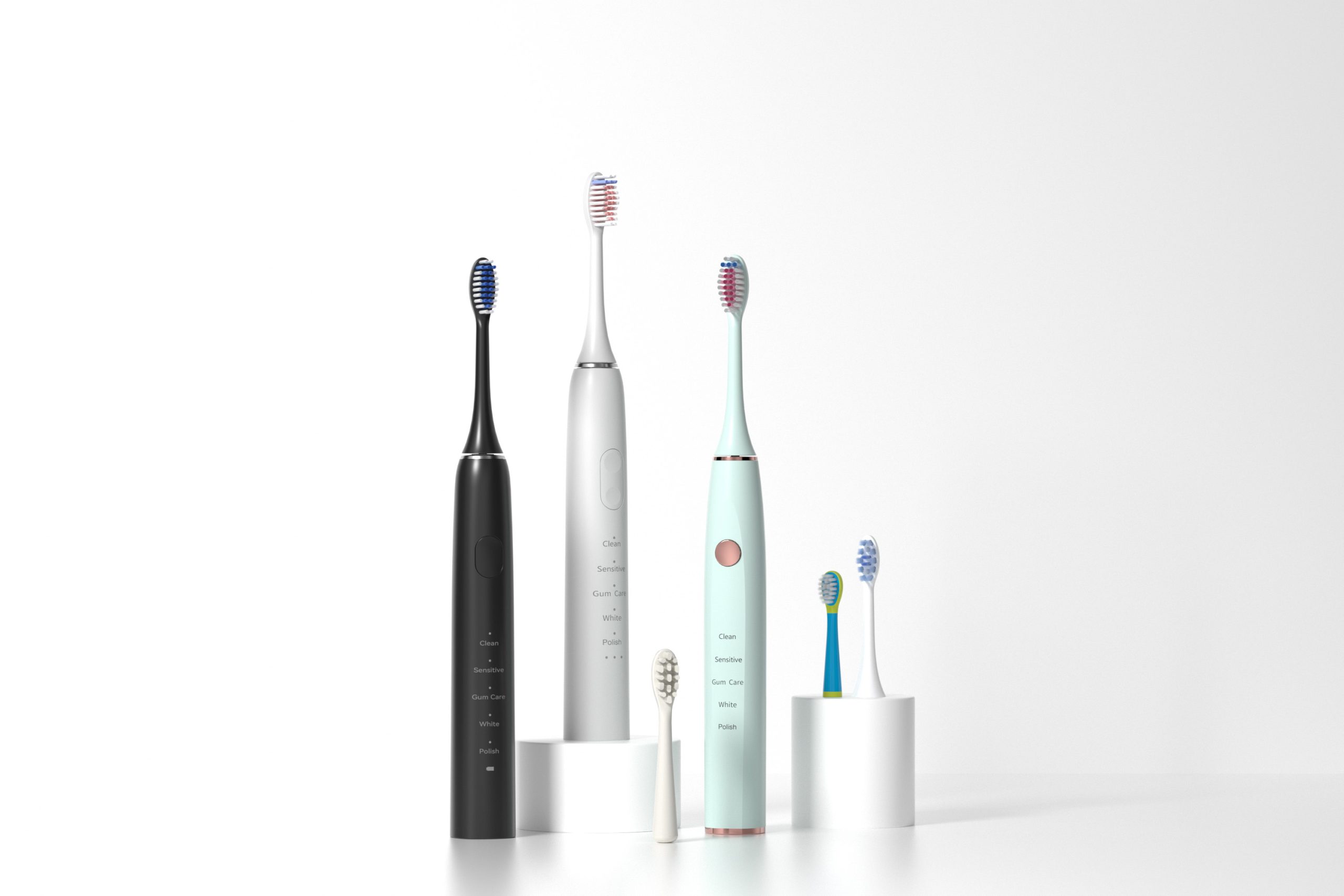
When developing a successful electric toothbrush, one critical consideration for oral care brands and manufacturers is the electric toothbrush charging system. The type of charging method used can significantly impact user experience, product lifespan, and ultimately, brand reputation. This article explores various charging technologies — including wireless charging, contact charging, and USB-C charging — and evaluates their pros, cons, and charging failure rate to help brands make informed choices. Contact Charging: Proven but Sensitive to Wear Contact charging is one of the most widely used methods in electric toothbrushes. It involves direct metal-to-metal contact between the brush and the charging base. Pros: Cost-effective and easy to integrate into existing product designs Fast charging with relatively simple electronics Cons: Charging reliability may degrade over time due to corrosion or dirt buildup on the contact points Higher charging failure rate in humid environments or after prolonged use This method is suitable for entry-level or cost-sensitive product lines, but brands seeking long-term durability may prefer alternatives. Wireless Charging: Sleek and Sealed Wireless charging (inductive charging) eliminates metal contacts, using electromagnetic fields to transfer energy through the plastic housing. This technology is becoming increasingly popular in premium models. Pros: Enhanced waterproofing and aesthetic appeal Fewer moving parts and better longevity Lower…
.jpg)
In recent years, reports of gel crystallization coinciding with gingival discoloration in cosmetic oral devices have raised concerns among both manufacturers and end-users. Could crystallized whitening gels be contributing to visible gum color changes? More importantly, is this merely a cosmetic issue, or does it indicate a deeper formulation or process flaw? This article addresses why this combination should not be ignored in modern teeth whitening product design. Understanding Gel Crystallization in Teeth Whitening Products Gel crystallization occurs when whitening agents (such as carbamide peroxide or hydrogen peroxide) solidify into crystalline structures within the gel matrix. This usually results from: Improper temperature control during storage. Incorrect formulation ratios. Inadequate sealing or packaging integrity. Crystallized gels no longer provide consistent spreadability and may deposit uneven concentrations of active ingredients on teeth and soft tissues. Gingival Discoloration: A Consequence or Coincidence? Gingival discoloration is typically observed as darkened or patchy areas on the gum tissue after repeated whitening treatments. Potential causes include: Overexposure to concentrated peroxide from crystallized gels. Irritant-induced capillary constriction. Inflammatory response to accumulated gel residues. When gel crystallization alters the intended application, active agents can pool at the gingival margins, leading to tissue stress and discoloration over time. Company…
Light decay is an often-overlooked problem in oral care devices that incorporate LED or laser-based whitening systems. But could it be responsible for triggering allergic dermatitis in end-users? Growing reports from clinical feedback suggest a potential correlation. This raises an urgent question for manufacturers: is the interaction between degrading light components and skin irritation actually a toxic threat? What is Light Decay in Oral Care Devices? Light decay refers to the gradual reduction in output intensity and spectral stability of light-emitting components: LED diodes Laser modules Optical lenses This degradation is caused by: Prolonged heat exposure Internal material breakdown UV damage to protective coatings The consequence? Shifted wavelengths and unwanted heat emissions during operation. Company web: https://www.powsmart.com/product/electric-toothbrush/ Allergic Dermatitis: A Hidden End-User Risk? Allergic dermatitis manifests as skin redness, itching, or inflammation after exposure to certain allergens or irritants. In oral whitening systems, it may result from: Overheating of device surface areas Leakage of degraded materials Unstable light wavelengths causing phototoxic reactions When light decay destabilizes emission properties, photobiological safety can no longer be assured, potentially leading to skin irritation even in previously unaffected users. Could Light Decay Create a Toxic Risk? Unlike typical device wear, light decay can alter…
Biofilm regrowth is a persistent issue in oral care devices such as water flossers and whitening systems. What manufacturers often overlook is its direct impact on pH imbalance within the user’s oral environment. Could this be a vicious cycle compromising both hygiene and device longevity? Let’s explore in detail. Understanding Biofilm Regrowth in Oral Care Devices Biofilm forms when bacteria adhere to internal fluid pathways and surfaces within oral devices, especially: Water reservoirs Nozzle interiors Fluid channels Even post-sterilization, residual bacteria can repopulate surfaces, triggering biofilm regrowth. Factors like stagnant water, suboptimal mold venting, and poor surface finish accelerate this process. pH Imbalance: The Hidden Risk from Biofilms When biofilm regrowth occurs, acidic by-products of bacterial metabolism accumulate inside devices. This microbial activity gradually alters: Output water pH Oral cavity acidity after device usage A persistent pH imbalance leads to enamel erosion, promotes oral discomfort, and disrupts natural saliva buffering mechanisms. Company web: https://www.powsmart.com/product/electric-toothbrush/ How Biofilm Regrowth and pH Imbalance Reinforce Each Other Worryingly, pH shifts favor further biofilm regrowth: Lower pH environments support aciduric bacteria proliferation. Acidic residues inside devices create ideal conditions for microbial colonization. Thus, a self-reinforcing cycle emerges, where biofilm exacerbates pH imbalance, which in turn…
In oral care device systems, particularly water flossers and advanced toothbrushes, swivel blockage may seem like a minor mechanical issue. However, this malfunction can directly contribute to saliva depletion, causing user discomfort and long-term oral health risks. Is this problem preventable? Let’s explore how. What is Swivel Blockage? Swivel mechanisms enable dynamic adjustment and flexible movement of nozzle heads or brush handles. When blockage occurs: Nozzle orientation becomes fixed or restricted. Water or gel flow channels misalign. Mechanical stress builds up within internal components. This not only degrades product functionality but also disrupts the intended liquid delivery sequence, increasing strain on users’ oral environment. How Does Swivel Blockage Cause Saliva Depletion? At first glance, swivel blockage and saliva depletion may seem unrelated. However, improper nozzle movement leads to: Concentrated jet streams or inconsistent irrigation. Reduced stimulation of salivary glands during cleaning. Overexposure of sensitive areas to dry air or chemicals. Over time, these factors contribute to reduced natural saliva production, exacerbating dry mouth symptoms during and after device usage. Core Causes Behind Swivel Blockage Manufacturers typically face swivel blockages due to: Poor material selection (low-grade plastics prone to warping). Incomplete lubrication or seal degradation. Mold flash or debris accumulation in…

In the competitive oral care industry, building a trusted brand is not only about innovative designs or sleek packaging—it’s also about reliability. However, many companies overlook a critical factor that can significantly erode their bottom line and brand equity: high after-sales costs. For an oral care brand, after-sales costs such as warranty claims, product returns, and repairs—especially for electronic items like electric toothbrushes—can quickly escalate. In this blog, we’ll explore the impact of high warranty claims, analyze how electric toothbrush repair costs can add up, and offer strategies for reducing oral product returns while boosting customer retention. The Real Cost of After-Sales: Beyond Warranty Claims Oral care brand after-sales costs include far more than just processing product returns. These hidden expenses can involve:\n\n- Customer service manpower and infrastructure\n- Logistics and return shipping fees\n- Replacements and refund processing\n- Repair costs (especially for high-value electric toothbrushes and oral irrigators)\n\nWhen these costs are not under control, they eat into profit margins and force brands to cut budgets elsewhere—like marketing, R&D, or product innovation. The Impact of High Warranty Claims on Profitability Frequent product failures result in an increased number of warranty claims. These not only lead to direct financial losses but also undermine consumer trust. The…
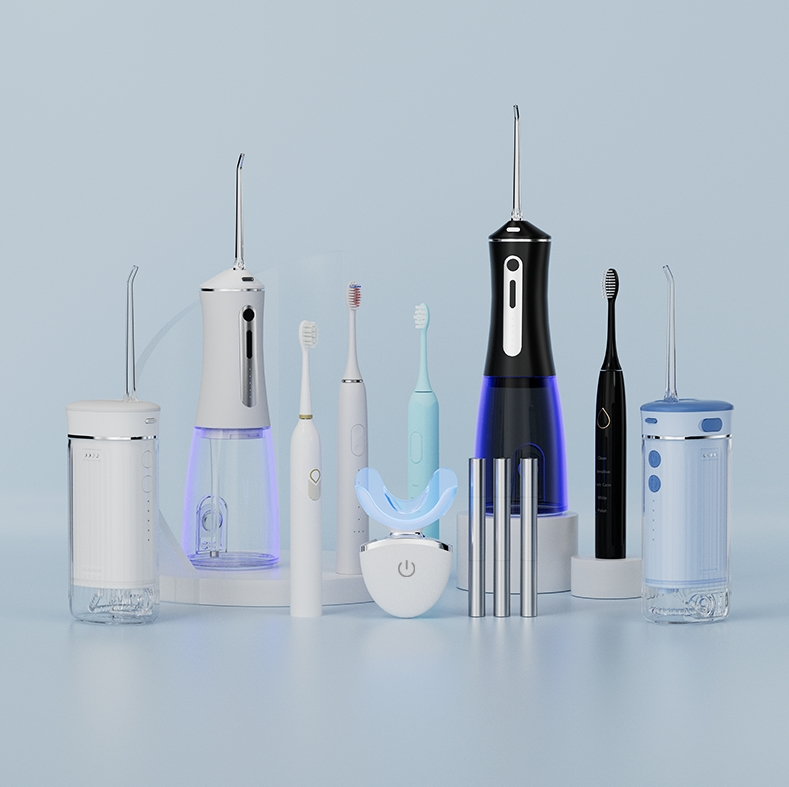
In today’s highly competitive oral care market, many brands are drawn to the promise of low-cost electric toothbrushes and custom water flossers from budget-focused OEM factories. While the upfront price may be attractive, these choices often come with hidden risks that can harm product quality, brand reputation, and long-term growth. This article uncovers five key hidden risks for brands that seek to launch or expand their product lines with budget OEMs, and why quality, not just cost, should be the priority when sourcing OEM oral care products. Quality Control Issues: What You Save Now Could Cost You Later One of the most common and damaging issues with low-cost electric toothbrushes & water flossers is inconsistent or poor quality control. Budget manufacturers often cut corners on materials, components, and assembly processes to meet low pricing expectations. Product failures (e.g., weak battery life, malfunctioning motors, leaks) Non-compliance with regional safety certifications (CE, FDA, etc.) High return rates that damage profit margins and brand image For any brand, sacrificing quality control to save costs can lead to long-term customer distrust and loss of credibility. Limited R&D and Outdated Technology Innovative features like Bluetooth connectivity, smart sensors, or adaptive pressure control are now standard in mid-to-high-end oral care devices.…
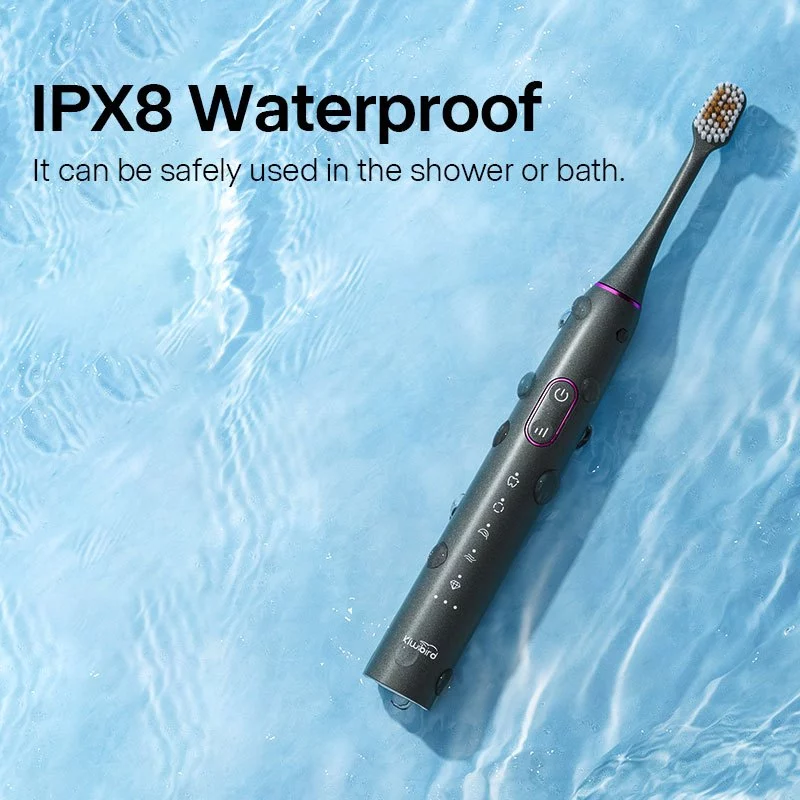
In today’s competitive oral care market, electric toothbrushes come in a wide range—from simple budget models to premium smart designs. For oral care brands seeking to source reliable manufacturers, understanding the core electric toothbrush differences is crucial for developing a product portfolio that aligns with consumer expectations and pricing strategies. This blog offers a toothbrush comparison between cheap electric toothbrushes and high-end electric toothbrushes, highlighting 5 key differences to guide your sourcing and product development decisions. Motor Technology & Performance One of the most fundamental differences lies in the motor system. Cheap electric toothbrushes typically use basic vibration motors with lower RPMs (around 6,000–12,000 strokes/min). These models provide basic plaque removal but limited deep-cleaning capabilities. High-end electric toothbrushes, on the other hand, feature high-frequency sonic or oscillating-rotating motors that can reach up to 40,000 strokes/min. These deliver superior plaque removal and gum stimulation. ? When selecting a manufacturing partner, assess their capability in producing motors with variable frequency or sonic technology—key aspects of oral care technology today. Battery & Charging Options Battery quality directly impacts product usability and consumer satisfaction. Budget models often use AA batteries or low-cost rechargeable cells with short lifespan and limited usage per charge. Premium models typically include long-lasting lithium-ion batteries, fast-charging…
.jpg)
In recent years, the oral care market has undergone a significant transformation. Consumers are no longer satisfied with generic products—they seek personalized, innovative, and wellness-oriented solutions. This growing demand has given rise to a new generation of oral care brand startups that focus on differentiation, user experience, and design-driven products. But launching a new brand comes with manufacturing challenges, especially when minimum order quantities (MOQs) are high. That’s where low MOQ orders and small-batch customization options can make all the difference. Why Small-Batch Customization Matters Small-batch customization allows new oral care brands to develop unique, custom-designed products such as custom electric toothbrushes or OEM dental care products—without the financial burden of large-scale inventory. Key advantages include: Market testing: Launch limited-edition designs or test formulations before committing to mass production. Cash flow control: Lower initial investment for production helps startups preserve capital for marketing, branding, or R&D. Product flexibility: Rapid iteration of product features, packaging, and design based on customer feedback. By offering low MOQ orders, manufacturers empower emerging brands to enter the market more confidently and creatively. Custom Electric Toothbrush: A Case for Small Runs Developing a custom electric toothbrush is one of the most popular routes for new oral care brands. Thanks to advancements…
In modern teeth whitening systems, unexpected sync disruption coupled with tray deformation may signal deeper technology failures rather than isolated mechanical errors. As oral care device manufacturers, understanding these linked issues is essential to prevent compromised treatment outcomes and product recalls. What Is Sync Disruption in Whitening Devices? Sync disruption typically refers to the loss of synchronization between: LED light pulses and whitening gel activation cycles. Temperature control systems and timer sequences. Bluetooth or app connectivity for controlled whitening sessions. This breakdown in coordinated functions leads to inconsistent energy delivery and uneven whitening results, causing both user frustration and product inefficiency. Why Does Tray Deformation Matter? Tray deformation involves the distortion of the whitening tray’s shape, often due to: Excessive heating from embedded electronics. Poor material resilience during prolonged sessions. Flawed mold design or improper curing during manufacturing. Deformed trays disrupt gel distribution across teeth surfaces and compromise physical fit, directly impacting whitening performance. Are Sync Disruption and Tray Deformation Linked? Yes. Tray deformation can indirectly trigger sync disruption: Warped trays misalign sensors and heating elements, skewing data feedback loops. Distorted trays hinder optical coupling, interfering with LED pulse detection. Electronic components under mechanical strain may fail, breaking sync cycles.…
.jpg)
With rising income levels, urbanization, and growing health awareness, the oral care market in Southeast Asia is witnessing rapid growth. For brand owners looking to expand internationally, this region presents enormous potential. However, to succeed, it’s crucial to understand regional dynamics and craft a strong strategy of entering oral care market for brand owners that aligns with local realities, from dental hygiene trends to ASEAN consumer behavior and effective oral care distribution channels. This blog outlines six essential points to consider when entering the Southeast Asian oral care market. Understand Regional Diversity in ASEAN Consumer Behavior The Association of Southeast Asian Nations (ASEAN) comprises 10 countries, each with distinct cultures, economic structures, and consumer behaviors. In Thailand and Vietnam, younger consumers are highly influenced by social media and are eager to adopt premium dental care routines. In Indonesia and the Philippines, affordability remains a key factor, while awareness of basic dental hygiene is still developing in rural areas. Understanding ASEAN consumer behavior is essential for tailoring product design, pricing, and marketing strategies that resonate with local preferences. Align with Emerging Dental Hygiene Trends Across the region, awareness of oral health is on the rise, driven by government campaigns, increasing dental clinic visits, and a growing middle…
Water spray scattering causing whitening rebound might seem like an unrelated phenomenon, yet for oral care manufacturers, it can reveal a critical design flaw. Modern whitening devices often integrate water spray mechanisms for debris removal and surface hydration, but uncontrolled spray patterns can compromise whitening performance and long-term results. Understanding Water Spray Scattering in Whitening Devices In whitening systems using water sprays or misting functions, water spray scattering refers to the uncontrolled dispersion of water streams outside intended target zones: Poor nozzle geometry or inconsistent pump pressure often leads to wide, unfocused spray patterns. Scattered sprays fail to adequately hydrate target surfaces or flush away whitening residues. Resulting micro-debris retention can reduce the effectiveness of the whitening agent. Recognizing this issue is key for manufacturers seeking efficient, controlled delivery in their devices. The Link Between Scattering and Whitening Rebound Whitening rebound—the gradual return of teeth to a darker shade after initial whitening—can be exacerbated by inefficient residue management: Scattered water fails to rinse oxidized proteins and residual whitening gel effectively. Residue buildup encourages extrinsic stains and plaque accumulation. Rebound occurs more rapidly due to surface contamination and inadequate maintenance of optical clarity. Hence, scattered sprays, while seemingly minor, directly compromise…
.jpg)
The oral care market in Southeast Asia is experiencing rapid growth, fueled by economic development, increased health awareness, and rising consumer spending. As one of the most dynamic emerging markets for oral care, Southeast Asia presents compelling opportunities for global brands looking to expand their footprint or establish regional manufacturing operations. This blog explores the trends, demand shifts, and manufacturing opportunities in Asia that oral care product companies should pay attention to. Rising Demand for Oral Hygiene Products Across ASEAN nations, awareness of dental health is climbing steadily due to educational campaigns, urbanization, and improving access to healthcare. Countries like Indonesia, Vietnam, Thailand, and the Philippines are seeing significant growth in the consumption of oral hygiene products, such as electric toothbrushes, toothpaste, floss, and mouthwash. Key drivers include: A growing middle class with disposable income Increased consumer preference for premium personal care products Government-backed oral health programs in schools and rural areas This shift in behavior signals a long-term growth trajectory for the oral care market in Southeast Asia. Key Southeast Asia Dental Trends Brands Should Know To succeed in this region, it's crucial to understand the evolving Southeast Asia dental trends. Some notable patterns include: Natural & Herbal Ingredients: Consumers…
.jpg)
KiwiBird Launches Bulk Personalized Toothbrush Customization Service, Redefining Oral Care [China, 07/21/2025] — KiwiBird, an innovative oral care brand, today announced the launch of its bulk personalized toothbrush customization service, offering businesses, hotels, medical institutions, and the gifting market high-quality, tailor-made toothbrush solutions to meet diverse oral health needs. Custom Designs for a Unique Oral Care Experience KiwiBird’s bulk customization service allows clients to personalize bristle firmness, handle colors, logo printing, and packaging design, and even engrave names or messages, transforming each toothbrush into a one-of-a-kind health gift or branding tool. Whether for corporate gifts, membership perks, or hotel amenities, KiwiBird combines eco-friendly materials with ergonomic designs to convey brand warmth. Professional Quality, Health Guaranteed Upholding its "technology + wellness" philosophy, KiwiBird’s customized toothbrushes feature food-grade silicone handles and DuPont antibacterial bristles, balancing comfort and cleaning efficiency. All products are ISO-certified for safety. Bulk orders can also include value-added options like antibacterial packaging and travel cases for an enhanced user experience. KiwiBird Spokesperson Commented: “Our goal is to make professional and creative oral care accessible through personalized bulk orders. Whether for corporate partners or individual users, a KiwiBird toothbrush is more than just a tool—it’s a statement of health and care.”
China Adult Electric Toothbrush Factory – Powsmart 1. Introduction Powsmart is a leading China adult electric toothbrush factory, specializing in the design, manufacturing, and export of high-quality electric toothbrushes for global markets. With advanced production technology, strict quality control, and competitive pricing, we provide OEM/ODM services to brands worldwide. 2. Product Overview Our factory produces a wide range of adult electric toothbrushes, including: Sonic electric toothbrushes (30,000-40,000 vibrations per minute) Rotating electric toothbrushes (3D oscillation technology) Smart toothbrushes (Bluetooth connectivity & app integration) Travel-friendly models (USB charging & compact designs) Key Features: ✔ Multiple brushing modes (Clean, Whitening, Sensitive, Gum Care) ✔ Long battery life (up to 30 days on a single charge) ✔ IPX7 waterproof rating ✔ Replaceable brush heads & eco-friendly materials 3. Why Choose Powsmart? ✅ Professional OEM/ODM Services – Custom designs, logos, and packaging ✅ High-Quality Materials – FDA, CE, RoHS certified ✅ Competitive Pricing – Direct factory prices with no middlemen ✅ Fast Production & Delivery – MOQ as low as 500 pieces, 15-25 days lead time ✅ Strict Quality Control – 100% testing before shipment 4. Manufacturing Capabilities In-house R&D team for innovative designs Automated production lines for efficiency Compliance with international standards (ISO 13485, FDA, CE) Custom packaging options (retail boxes, eco-friendly materials) 5. Target Markets We supply adult electric toothbrushes to: Wholesalers & Distributors E-commerce Sellers…
Pulp inflammation occurring alongside periodontal pocket deepening raises urgent concerns for both clinicians and oral care product manufacturers. While periodontal deterioration is often viewed as a long-term risk, the potential for pulp tissue inflammation transforms it into a possible emergency, especially when left undetected. Understanding this interrelationship is vital for manufacturers aiming to deliver truly protective oral care devices. What is Periodontal Pocket Deepening? Periodontal pocket deepening refers to the progressive increase in the space between the tooth and gum, typically caused by plaque buildup, bacterial infection, and poor oral hygiene. As pockets deepen: Food debris and biofilm become harder to remove. Inflammation spreads from gums to underlying periodontal structures. Critical barriers protecting the tooth’s pulp chamber are compromised. For device manufacturers, recognizing how their products affect periodontal health is the first step toward effective prevention. Why Does Pulp Inflammation Follow? With periodontal pocket deepening, bacteria and inflammatory mediators penetrate deeper into supporting tissues, sometimes breaching the apical foramen: This triggers pulp inflammation, leading to sensitivity, discomfort, and potential necrosis. The direct communication between periodontal and pulp tissues means periodontal infection can rapidly evolve into endodontic complications. Once the pulp is compromised, the tooth’s structural and functional integrity is at…
Tooth demineralization and enamel microfractures may seem like minor issues during initial detection, but in the world of oral care technology, they signal a silent yet dangerous crisis. As leading oral care product manufacturers, understanding the interplay between these two conditions is critical to preventing long-term dental damage and protecting end-user health. What Is Tooth Demineralization? Tooth demineralization refers to the loss of essential minerals, such as calcium and phosphate, from the tooth surface, leading to enamel weakening. In daily oral care: Acidic environments (from diet or bacterial plaque) accelerate mineral loss. Poorly optimized toothpaste dispensers or overly abrasive brush heads exacerbate the problem. Insufficient fluoride exposure prevents remineralization cycles. Manufacturers must recognize this as a progressive condition that undermines enamel integrity at a microscopic level. The Hidden Threat of Enamel Microfractures Simultaneously, enamel microfractures develop from mechanical stresses: Hard bristle splaying. Excessive vibration frequencies in sonic toothbrushes. Improper brush head angling due to non-ergonomic handle design. While microscopic, these fractures compromise the enamel’s protective role, providing entry points for acids and bacteria. Company web: https://www.powsmart.com/product/electric-toothbrush/ Are Tooth Demineralization and Enamel Microfractures Linked? Absolutely. Tooth demineralization weakens the enamel structure, making it more susceptible to microfracture formation. Conversely, enamel microfractures…
In modern oral care product design, gingival recession and cervical hypersensitivity are increasingly reported issues. While cervical hypersensitivity typically presents as sharp pain along the gum line, it may also be an early sign of progressive gingival recession. This raises a critical question for oral device manufacturers: is the damage reversible, or are design flaws compounding these conditions? What Is Gingival Recession? Gingival recession refers to the gradual withdrawal of gum tissue from the tooth surface, exposing the roots and increasing the risk of infection. Key contributing factors include: Aggressive brushing techniques. Poor-quality bristles or abrasive brush heads. Excessive mechanical pressure from powered toothbrushes. Inadequate software controls in electric devices leading to over-brushing cycles. Once gingival tissue recedes, full restoration is often difficult without surgical intervention. Understanding Cervical Hypersensitivity Cervical hypersensitivity arises when dentin near the gum line becomes exposed. Consumers report sudden sharp pain triggered by: Temperature changes. Acidic or sweet foods. Mechanical stimulation from oral care devices. Inadequate pressure sensing and overpowered motors can unintentionally aggravate this sensitivity during daily brushing routines. Company web:https://www.powsmart.com/product/electric-toothbrush/ Are Gingival Recession and Cervical Hypersensitivity Linked? Yes. Cervical hypersensitivity can act as an early warning for impending gingival recession. When hypersensitivity pain causes…
In the daily performance of oral care devices, battery depletion and pressure fluctuation are two customer complaints manufacturers cannot ignore. But are these seemingly separate issues connected? For brands committed to product reliability, understanding the link between pressure fluctuation and battery depletion is critical for optimizing energy efficiency and overall user satisfaction. What Causes Battery Depletion in Oral Care Devices? Battery depletion is typically caused by: Inadequate battery capacity selection during design. High energy consumption due to inefficient motor control. Power drain from leakage currents or standby electronics. Repeated deep discharge cycles damaging battery life. When left unaddressed, premature battery exhaustion directly affects product convenience and lifespan. Understanding Pressure Fluctuation in Fluid-Based Devices Pressure fluctuation refers to inconsistent fluid output in devices like water flossers. This issue often arises from: Inaccurate pump control or degraded motor performance. Air leakage or internal blockages in water flow paths. Poor valve design leading to backflow or pulsing instability. These fluctuations not only reduce cleaning efficiency but also place extra load on motor components. Company web:https://www.powsmart.com/product/electric-toothbrush/ How Pressure Instability Accelerates Battery Depletion So, how are pressure fluctuation and battery depletion linked? The answer lies in motor workload: Inconsistent pressure causes the motor to overcompensate.…
.jpg)
The global dental care market is expanding rapidly, driven by rising health awareness, digital innovation, and changing consumer habits. As more entrepreneurs and investors enter the space, launching a successful dental care brand is no longer just about sleek packaging or online presence — it requires deep industry knowledge, solid partnerships, and strategic execution. In this blog, we explore key elements behind oral care business success, including dental industry trends, smart branding in dentistry, and identifying the essential dental care brand business strategies that set leading brands apart. Understanding the Landscape: Dental Industry Trends You Can’t Ignore Before building a dental care brand, it’s critical to understand current and emerging dental industry trends: Natural & sustainable products: Consumers increasingly prefer eco-friendly toothbrushes, fluoride-free toothpaste, and refillable oral care devices. Smart technology: The rise of smart electric toothbrushes, app-connected flossers, and personalized data analytics. Subscription and DTC models: Successful brands are cutting out retail and going direct-to-consumer with convenience-focused oral care kits. Aesthetic-focused care: Whitening, breath-freshening, and cosmetic dental accessories are gaining popularity beyond traditional hygiene products. Monitoring these trends gives new brands a competitive edge when planning product development and marketing strategies. Essential Business Strategies for Building a Dental Care Brand Every…


.jpg)
.jpg)
.jpg)
.jpg)
.jpg)






.jpg)
.jpg)
