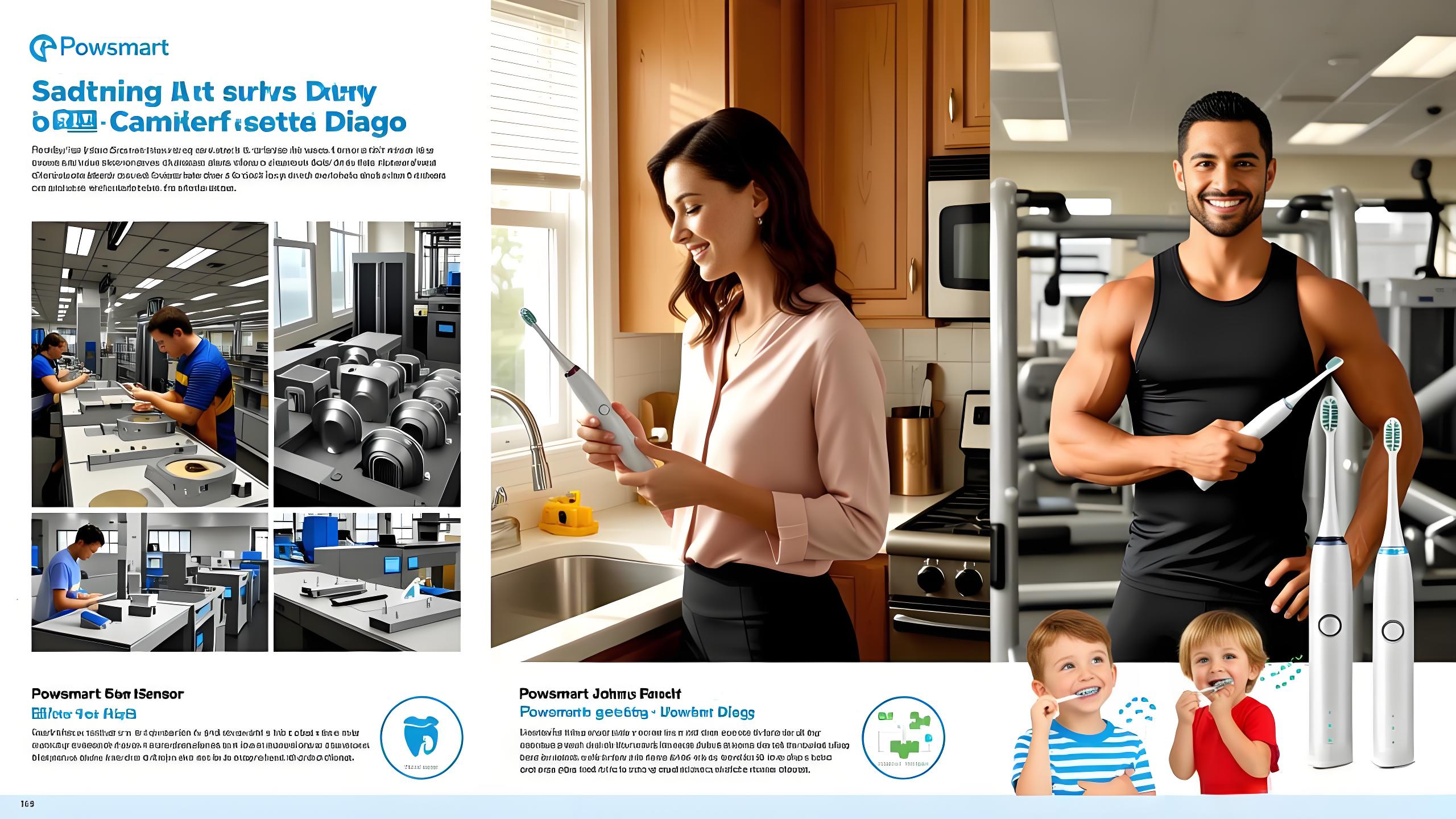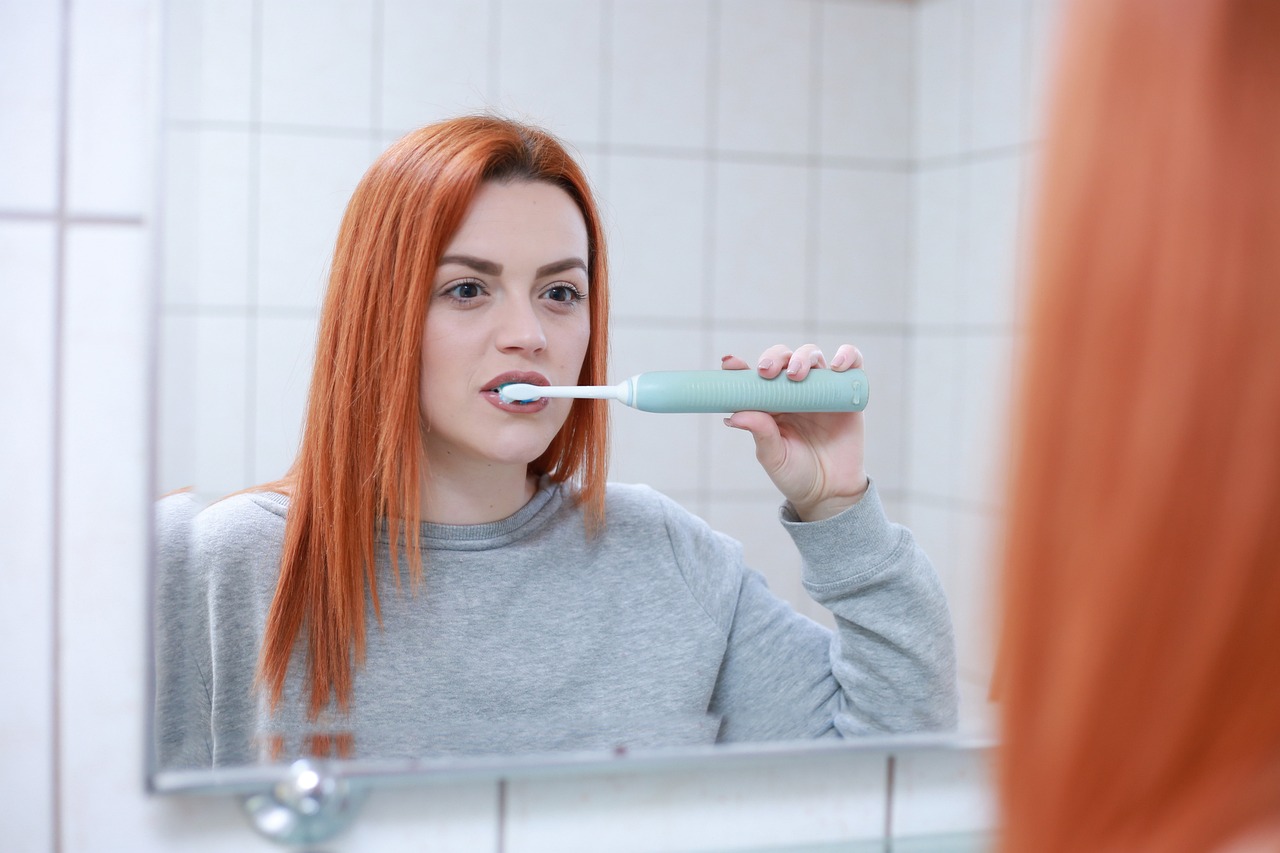
Electric toothbrushes have revolutionized oral care, offering a level of cleaning efficiency that manual brushes simply cannot match. As a leading manufacturer in the dental care industry, we have conducted extensive research and analysis to understand the advantages of electric toothbrushes and their growing role in modern oral hygiene. In this blog, we’ll explore why electric toothbrushes have become an essential part of your daily routine. And how they outperform traditional brushing methods. 1. Superior Cleaning efficiency: Clean Teeth and Gums Effectively One of the advantages of electric toothbrushes is their ability to clean teeth and gums more effectively than manual brushes. Presently Studies have shown that electric toothbrushes can remove up to 100% more plaque compared to manual brushing. This is due to bristle movements operate at thousands of revolutions per minute, ensuring a thorough clean even in hard-to-reach areas. So the oscillating, rotating, or sonic technology used in electric toothbrushes disrupts and removes plaque buildup, reducing the risk of cavities and gum disease. 2. Enhanced Plaque Removal Plaque is a sticky film of bacteria that forms on teeth and gums, leading to oral health issues if not properly removed. Electric toothbrushes are specifically designed to tackle plaque more cleaning efficiency. Their high-speed movements and…
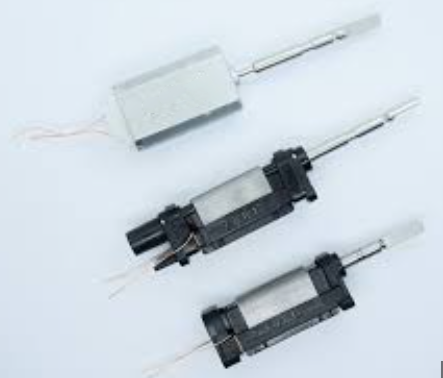
With increasing awareness of oral health, electric toothbrushes have become a preferred choice for consumers worldwide. At the heart of every electric toothbrush lies its motor, determining performance, efficiency, and user experience. The competitiveness of electric toothbrush motors is a crucial factor in differentiating products in a competitive market. Types of Electric Toothbrush Motors Understanding the types of electric toothbrush motors is essential for manufacturers aiming to enhance product quality and efficiency. The two primary types include: Brushed DC Motors: Traditional and cost-effective, but they produce more friction, resulting in shorter lifespan and higher noise levels. Brushless DC Motors (BLDC) and High-Performance Sonic Motors: These offer superior energy efficiency, lower noise, and greater durability, making them the preferred choice for premium electric toothbrushes. All of Powsmart's products are using Dual-axis motors, which is more stronger, stable, quiter and efficient compared with the single shaft motor. High-Performance Sonic Motors: A Key Differentiator High-performance sonic motors bring significant advantages to electric toothbrushes, including: Higher vibration frequencies (30,000–50,000 strokes per minute) for superior plaque removal. More consistent and powerful torque output, ensuring deep cleaning while protecting gums. Greater energy efficiency, allowing for longer battery life and sustainable usage. Low noise operation, improving user experience and comfort. Motor…
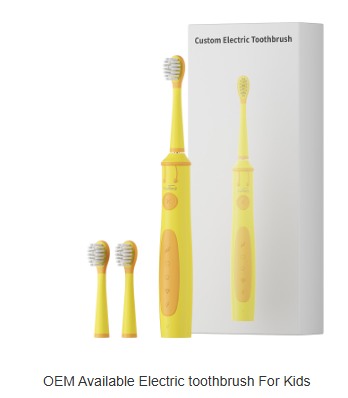
Early oral care is vital for long-term dental health. Baby teeth may be temporary, but they set the foundation for healthy adult teeth. That’s why choosing the right Electric Toothbrush for Baby Teeth Protection is essential—especially for brands looking to offer parents reliable, gentle, and effective solutions. As demand for child-friendly designs and safe brushing for toddlers increases, oral care brands must turn to trusted OEM partners to produce high-quality products. In this article, we explore how OEM services can support the development of a top-tier baby teeth electric toothbrush, from design to manufacturing. Understanding the Unique Needs of Baby Teeth Unlike adult teeth, baby teeth have thinner enamel and are more susceptible to damage from aggressive brushing. Therefore, any toothbrush intended for toddlers must prioritize: Soft bristles to avoid enamel erosion Gentle vibration or sonic motion for non-invasive cleaning Ergonomic, child-friendly designs that are easy for small hands to grip Visually engaging elements (colors, characters) to make brushing fun OEM services with experience in pediatric oral care understand these requirements and can develop custom solutions tailored to baby users. What Makes a Good Baby Teeth Electric Toothbrush? An effective baby teeth electric toothbrush must combine safety, comfort, and usability. The key features brands should prioritize…
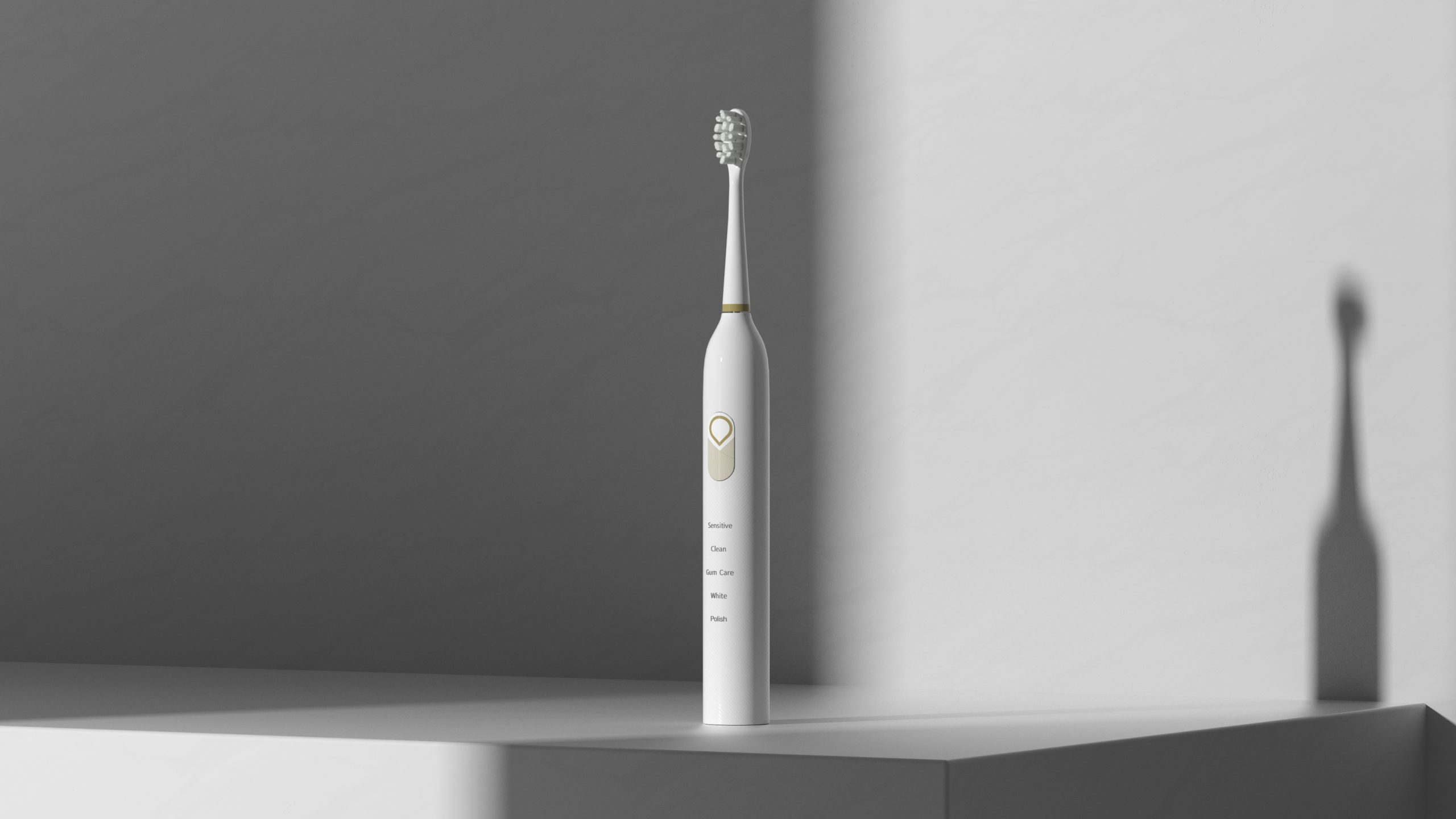
With the rising demand for effective oral care solutions during orthodontic treatment, the braces electric toothbrush has emerged as a specialized product category. A key innovation in this field is the orthodontic V-brush, specifically engineered to navigate the complexities of braces. But how does this brush head truly clean behind wires and brackets—areas notoriously difficult to reach? Understanding the Orthodontic Cleaning Challenge Traditional toothbrushes often fail to clean around orthodontic hardware, leaving behind plaque that can lead to demineralization, gum irritation, or even white spot lesions. These hard-to-reach zones behind wires and between brackets require precise angling and targeted bristle motion that standard brush heads cannot provide. What Makes the Orthodontic V-Brush Unique? The orthodontic V-brush features a V-shaped bristle design, allowing it to straddle wires while making direct contact with both tooth surfaces and bracket edges. This structure is engineered to: Channel bristles underneath the archwire Simultaneously clean the top and bottom of brackets Maintain gentle contact pressure to avoid gum trauma Its compatibility with a braces electric toothbrush allows this design to work synergistically with high-frequency vibrations or oscillations, drastically improving plaque removal efficiency. V-Brush and Sonic Technology: A Dual Advantage When paired with sonic cleaning modes, the…
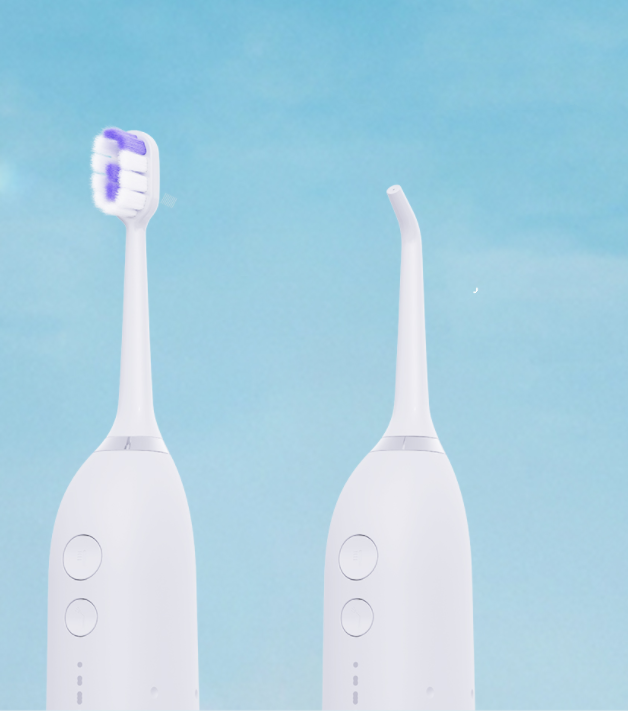
For individuals undergoing orthodontic treatment, maintaining oral hygiene is both crucial and challenging. Traditional toothbrushes often fail to reach the areas around brackets and wires, leading to plaque buildup and gum inflammation. An Orthodontic Electric Toothbrush with a Deep Cleaning Bristle Design offers a tailored solution for users with braces. This blog outlines the core benefits and design considerations that oral care brands should look for when sourcing from an orthodontic toothbrush OEM. Why an Electric Toothbrush for Braces Requires a Specialized Design Unlike standard models, an Electric Toothbrush for Braces must be designed with orthodontic hardware in mind. The toothbrush needs to navigate around brackets and wires without causing damage or discomfort. Important features include: Compact brush heads for precision cleaning Soft, yet durable bristles to prevent enamel and gum damage Angled bristle arrangement for better reach around orthodontic appliances The effectiveness of such a product largely depends on how well the brush head design supports interdental cleaning and plaque removal. The Role of Deep Cleaning Bristle Design in Orthodontic Toothbrushes The core differentiator in a high-performing Orthodontic Electric Toothbrush is its Deep Cleaning Bristle Design. For users with braces, this means: Multi-level bristles that penetrate between teeth and around brackets Polishing cups or central tufted bristles to remove plaque…
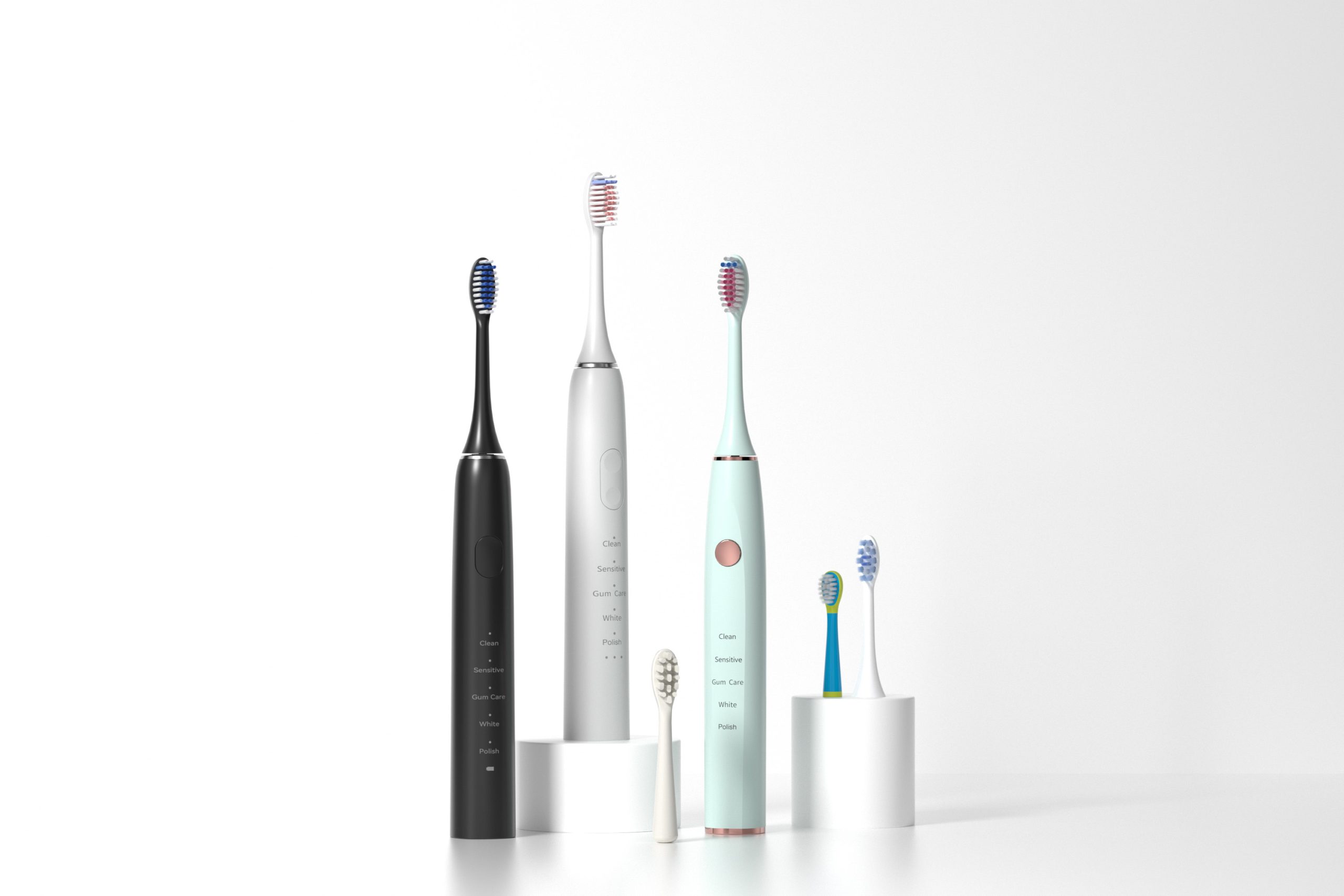
As oral health awareness grows, consumers with gum recession and sensitivity are actively seeking more tailored solutions. A Sonic Toothbrush for Receding Gums has become a popular product category, offering gentle yet effective cleaning for users with delicate oral conditions. For oral care brands, developing and sourcing the right receding gums toothbrush is crucial in capturing this specialized segment. In this article, we’ll explore what makes a toothbrush suitable for this use case—and how private-label manufacturing can help bring such products to market efficiently. Why Receding Gums Need Gentle Yet Thorough Cleaning Receding gums expose the tooth roots, making them vulnerable to decay, sensitivity, and further gum damage. A standard toothbrush can often be too harsh for such conditions, which is why a sensitive teeth electric brush is recommended. Key cleaning needs for users with receding gums include: Low-abrasion bristle technology Pressure control to avoid gum damage Gentle vibration with effective plaque removal Gum-massage modes to stimulate circulation without irritation Sonic technology addresses these needs by using high-frequency vibrations that gently clean along the gumline without aggressive scrubbing, making the Sonic Toothbrush for Receding Gums an ideal product for sensitive users. Features of an Ideal Receding Gums Toothbrush To deliver value to users with sensitive teeth and…

Established in 2004. Powsmart Technology Co., Ltd is a comprehensive enterprise integrating R&D, production and sales of electric toothbrush, teeth whitening device and water flosser. At the same time, we provide customized services of toothbrushes, teeth whitening products and oral irrigators, Our company covers an area of 5000 square meters and has more than 100 R & D and production personnel. All of products have passed many international quality inspection Certifications and we have won the national high-tech enterprise honor and owned hundreds of product patents. The company has passed ISO9001/ISO13485 system certification and FDA certification registration; Our main products include Sonic electric toothbrush, Sonic wave electric toothbrush, teeth whitening kit and water flosser, etc. All products have obtained FCC, CE, FDA, ROHS, SGS,MSDS certificates can provide customers with high-quality and detailed products and services. We mainly export to the United States, Europe, Southeast Asia countries and other places. What can be customized for electric toothbrush or Water Flosser? The appearance, structure and electronic parts design of the customer-supplied products. Powsmart Technology Co., Ltd. is responsible for the whole manufacturing process, such as product mold design, mold production, plastic injection molding, electronic parts procurement, incoming material detection, assembly, testing, packaging and other production tasks. Prerequisites for cooperation in ODM service of electric toothbrush Or Water flosser…

What is the Electric Toothbrush Market Forecast? When we think about oral hygiene, the first thing that comes to mind is brushing our teeth. Brushing your teeth twice a day is essential for maintaining good oral health. It not only makes your teeth clean but also eliminates harmful bacteria and plaque from your mouth. With technological advancements, manual toothbrushes are now being replaced with electric toothbrushes that provide better cleaning and convenience. The electric toothbrush market has witnessed significant growth in recent years, and this trend is expected to continue in the coming years.In this article, we will provide an overview of the electric toothbrush market, factors driving its growth, market trends and innovations, market segmentation by type, price range, and distribution channel, market size and revenue projections, regional analysis, competitive landscape, and key market players.We will also discuss the challenges and opportunities in the electric toothbrush market.Powsmart custom electric toothbrush and private label electric toothbrush with our expertise and dedication to quality, we offer a wide range of options to meet the unique needs of our customers. Overview of the Electric Toothbrush Market The electric toothbrush market is a rapidly growing market that is witnessing significant growth. Electric toothbrushes…
We all know how important it is to maintain good oral hygiene.Brushing our teeth twice a day is a crucial part of our daily routine, and one of the essential tools we use for this task is the toothbrush. But have you ever wondered how much it costs to manufacture a toothbrush? In this blog post, we will take a deep dive into the world of toothbrush manufacturing and explore the different factors that affect its cost.Many factors, from the materials used to the manufacturing process, contribute to the final cost of a toothbrush for the electric toothbrush manufacturer.Understanding the manufacturing process and the factors that affect the cost will give us a better appreciation of the value of this simple yet essential tool.So, let's get started and uncover the fascinating world of toothbrush manufacturing. Materials Used in Toothbrush Manufacturing The materials used in toothbrush manufacturing play a significant role in determining the final cost. The most common materials used for toothbrush bristles are nylon and polyester. Nylon bristles are more expensive than polyester bristles, but they are also more durable. This means that toothbrushes with nylon bristles last longer, which can be a selling point for some consumers.The handles of toothbrushes…
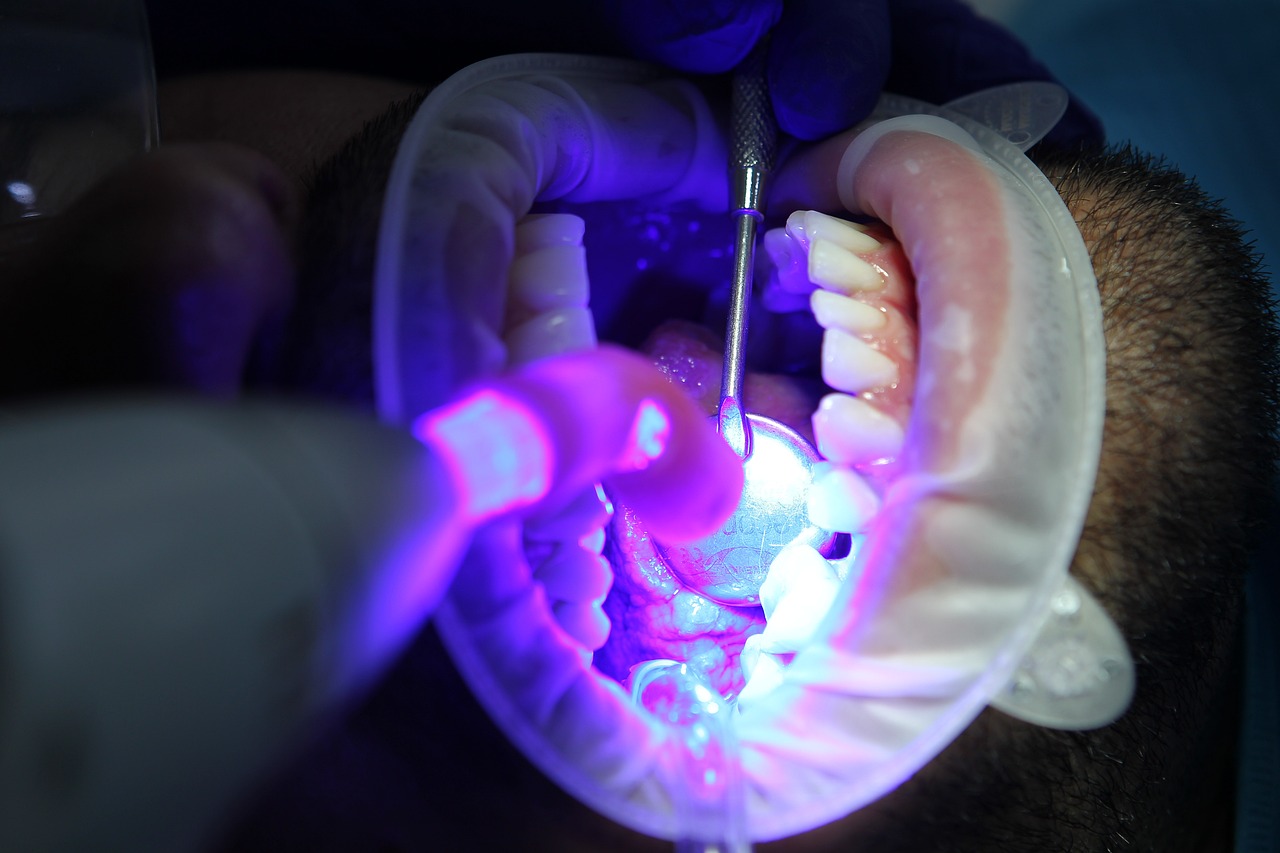
Imagine walking into a room full of people with bright, dazzling smiles. Their teeth gleam with a radiance that commands attention and exudes confidence. You can't help but wonder how they achieved such pearly whites. Well, the secret is out – they have visited a teeth whitening professional. If you have a passion for helping people achieve beautiful smiles and want to start a teeth whitening business, you're in the right place.In this guide, we will walk you through the essential steps to launch your own teeth whitening business. From understanding the market and legal requirements to setting up your workspace and attracting clients, we've got you covered. So, get ready to embark on a journey that will transform not only your clients' smiles but also your entrepreneurial dreams.Let's dive in! Research and Market Analysis Before diving headfirst into any business venture, it's crucial to conduct thorough research and analyze the market to ensure you're on the right track. Starting a teeth whitening business is no exception. By understanding the current market trends, target audience, and competition, you can position your business for success.Begin by researching the demand for teeth whitening services in your area. Look for statistics and trends that indicate the…
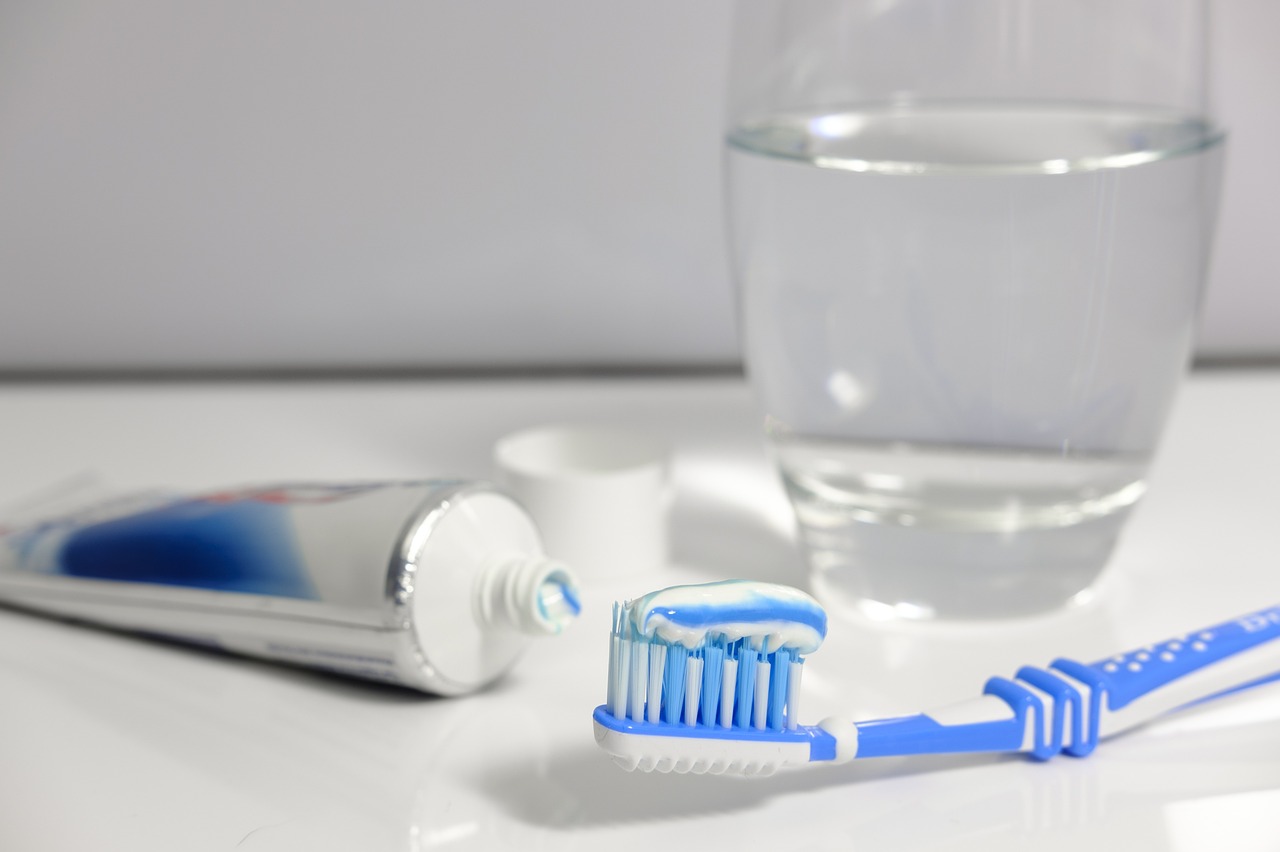
Have you ever wondered if you could create your own electric toothbrush? Well, wonder no more! In this guide, we will walk you through the step-by-step process of making your very own electric toothbrush from scratch. With just a few materials and a little bit of time, you'll have a personalized toothbrush that will leave your teeth feeling clean and fresh. So, let's get started!As a leading electric toothbrush manufacturer, we offer wholesale options for those looking to stock up on this essential oral care product. Materials needed Before we dive into the process, let's gather all the materials you'll need to make your own electric toothbrush:A toothbrush handleA small electric motorA battery packYou can find these materials at your local hardware store or online. Once you have everything ready, we can move on to the next step!Our electric toothbrush factory, the perfect solution for dental hygiene enthusiasts. Gather the necessary components The first step in making your own electric toothbrush is to gather all the necessary components. Start by finding a toothbrush handle that you like. You can choose a regular toothbrush handle or get creative with a unique design. Next, locate a small electric motor that will fit inside the handle.…
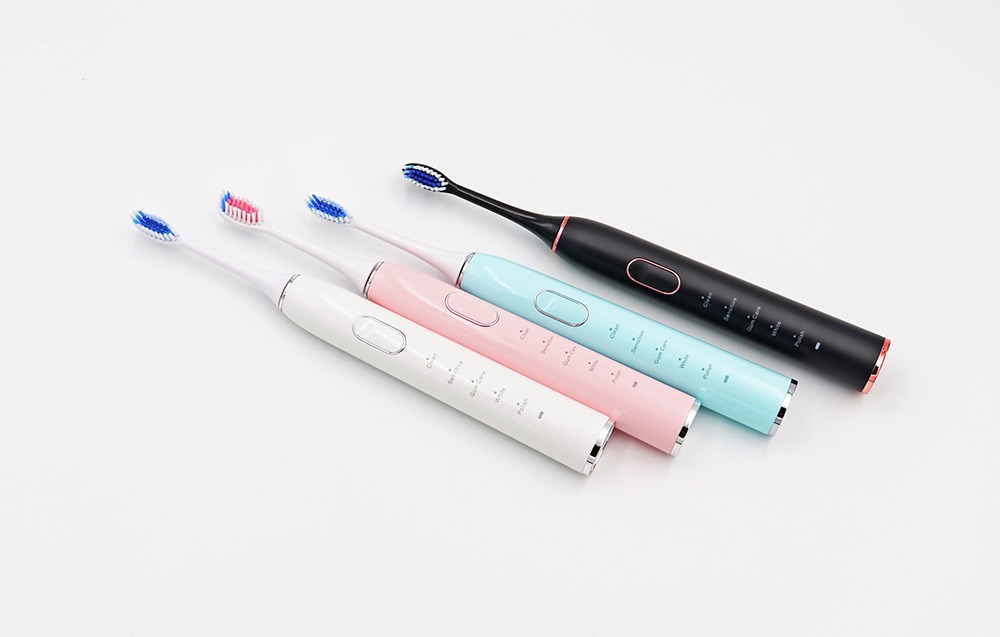
Oral health has become a major concern in modern society. As technology continues to evolve, the change from manual to electric toothbrushes is gradually changing our daily oral care habits. This article will explore this revolutionary change and the important role of sonic toothbrushes in it. 1.The shift from manual to electric Over the past few decades, manual toothbrushes have been the main tool in people's daily oral care routine. However, with the development of technology, electric toothbrushes have gradually become the choice of more and more people. Compared with manual toothbrushes, electric toothbrushes offer higher cleaning efficiency and a more convenient experience. Especially the sonic toothbrush, which generates a stream of water through high-frequency vibration to flush the teeth, can more deeply clean the surface of the teeth and the crevices of the teeth, and effectively prevent the formation of dental plaque and dental calculus. 2. the advantages of sonic toothbrush (1)Deep cleaning: the high-frequency vibration of the sonic toothbrush can produce a powerful water impact, can deeply clean the tooth surface and tooth gap, effectively remove plaque and food debris. (2)Protect gums: Compared with the rotating brush head of traditional electric toothbrushes, the bristles of sonic toothbrushes are…
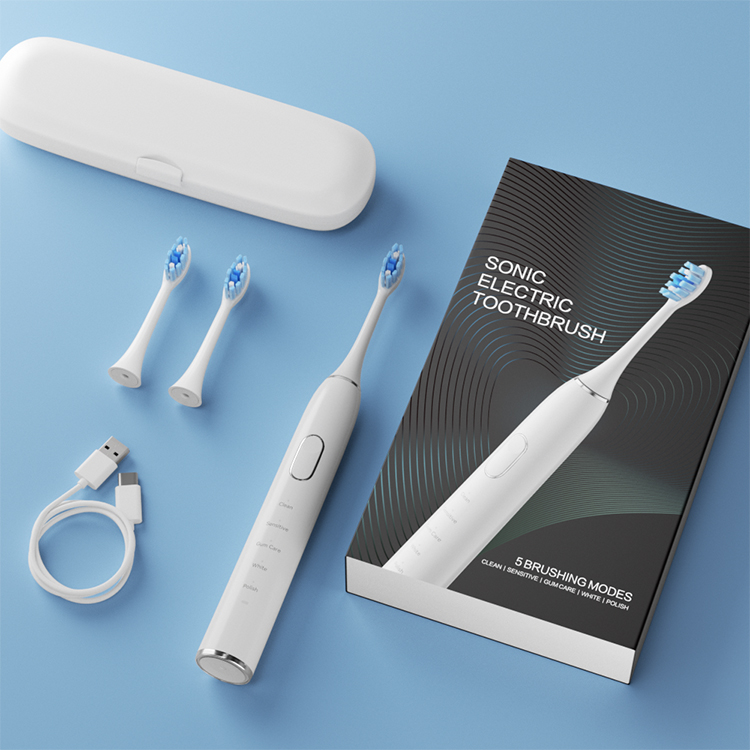
Many consumers wonder whether it’s possible to replace a new battery in an electric toothbrush by themselves. After all, when the battery stops holding a charge, the brush may still look perfectly fine. However, the short answer is: not easily. Most modern toothbrushes use a sealed battery system for safety and waterproofing, which makes self-replacement difficult — and often not recommended. Why Electric Toothbrush Batteries Are Sealed The sealed battery design is intentional. It prevents water and toothpaste from entering the internal chamber, ensuring both hygiene and safety. However, this protective feature also makes the toothbrush non-serviceable for the average user. Opening the casing can damage the waterproof seal or even the motor assembly. From a product design perspective, manufacturers choose sealed designs to meet waterproofing standards like IPX7, which guarantees durability even in wet environments. The Role of OEM Battery Design For oral care brands, the decision to use a sealed battery is not just about safety — it’s also about brand reputation and long-term product reliability. This is where OEM battery design comes into play.Professional OEM manufacturers can help brands customize battery specifications, charging circuits, and energy efficiency according to the desired product lifespan and performance level. A…
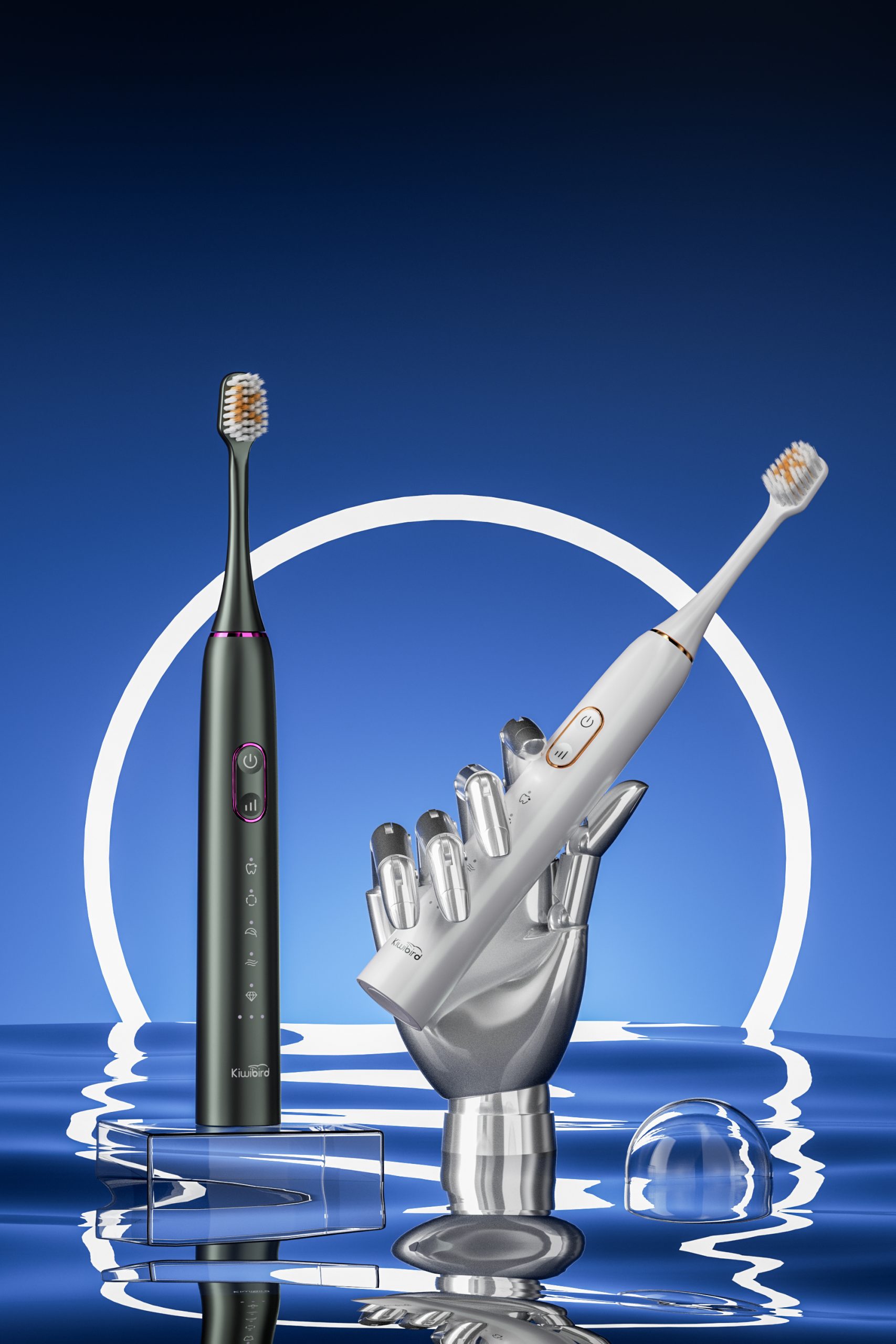
In today’s competitive oral care market, end-users are increasingly seeking low-noise dental care experiences that align with comfort, discretion, and advanced technology. As a result, brands are turning toward Ultra-Quiet Sonic Toothbrush solutions, particularly those operating below 60dB. For private labelers and oral care brands, partnering with a reliable quiet sonic electric toothbrush manufacturer is now a strategic necessity for premium product differentiation. This blog explores how cutting-edge noise-reduction technology is shaping toothbrush development and what to look for when selecting a gentle and quiet cleaning OEM partner. What Is Considered Ultra-Quiet in Sonic Toothbrushes? For comparison, a normal conversation is around 60 dB, and a typical electric toothbrush often operates between 65–75 dB. However, modern silent brushing tech aims to bring that number down to below 60 dB—offering an almost whisper-quiet experience. Features of an ultra-quiet sonic toothbrush include: Noise level ≤ 60 dB during operation Advanced motor suspension systems Precision gear control to minimize vibration transfer Enhanced user comfort without compromising brushing efficiency Key Benefits of Low-Noise Dental Care Products Why should brands and OEM partners focus on noise reduction? User Comfort & Acceptance: Quiet devices reduce sensory discomfort, especially for children, elderly users, and those with noise sensitivity. Premium Brand Perception: A quieter…
.jpg)
In modern ultrasonic scaling and electric polishing devices, the vibration frequency impact directly influences post-treatment sensitivity. Frequencies that are too high or inconsistent can over-open dentin tubules and intensify gum and dentin irritation, compromising patient comfort and satisfaction. Therefore, understanding how vibration frequency relates to sensitivity is crucial for B2B device design and clinical protocols. Why Vibration Frequency Matters Vibration frequency determines how many oscillations your scaler or polisher delivers per second: Low Frequency (20–40 kHz): Ideal for initial loosening of soft deposits and light calculus removal. Mid Frequency (40–60 kHz): Commonly used for thorough tartar removal and surface smoothing. High Frequency (≥ 60 kHz): Enhances polishing efficacy but risks excessive mechanical stress. Finding the right band prevents unnecessary jarring while still achieving effective cleaning. Dentin Tubule Response to Vibration Post-treatment sensitivity stems from fluid movement within dentin tubules: Excessive Vibration: Provokes rapid fluid shifts that trigger hydrodynamic pain responses. Tubule Widening: High frequencies may enlarge tubule diameters, allowing thermal and chemical stimuli to penetrate more easily. Micro-Fatigue: Prolonged high-frequency vibration can induce microscopic cracks in dentin, heightening sensitivity perception. Therefore, precise frequency control is key to protecting dentin integrity. Clinical Findings on Post-Treatment Sensitivity Clinical studies demonstrate the relationship…
As the demand for high-performance electric toothbrushes grows, manufacturers must ensure that their products meet the highest standards of reliability testing and align with the principles of sustainable development. Long-lasting performance, durability, and eco-conscious production are key to staying competitive in today’s market. In this blog, we will explore how rigorous reliability testing enhances product longevity and how manufacturers can adopt sustainable development strategies to minimize environmental impact while maintaining superior quality. Why Reliability Testing is Essential for Electric Toothbrushes A high-quality electric toothbrush must endure daily use while maintaining efficiency and safety. Reliability testing is crucial for ensuring: Durability – The toothbrush withstands thousands of brushing cycles without losing performance. Motor Efficiency – The internal motor maintains consistent power output over long-term usage. Battery Longevity – The rechargeable battery supports extended usage and retains charging capacity. Water Resistance – The device remains fully functional after exposure to moisture and immersion. Bristle Endurance – The brush head maintains its integrity even after months of use. By implementing stringent reliability testing protocols, manufacturers guarantee that their electric toothbrushes meet industry standards and consumer expectations. Key Reliability Tests for Electric Toothbrushes To ensure long-term performance, electric toothbrushes undergo a series of specialized…
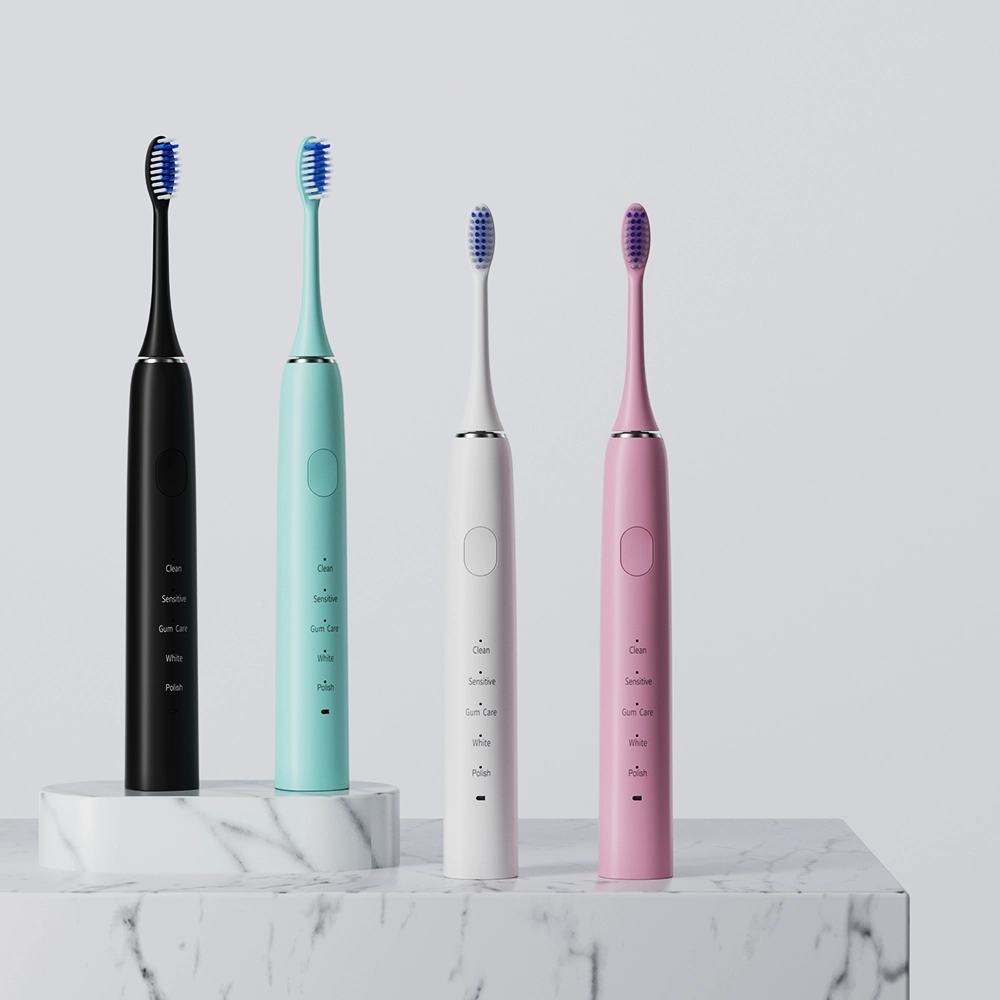
With the development of technology, electric toothbrushes are gradually becoming an essential tool for modern people's daily oral care. From the earliest basic functions to today's smart technology, the functions of electric toothbrushes are constantly upgraded, bringing a more efficient and comfortable cleaning experience. In this article, we will explore the evolution of electric toothbrushes in terms of functionality and show how we are leading this trend. 1. Optimization of basic cleaning functions The earliest electric toothbrushes relied on a simple vibration function, which helped remove dirt from the surface of the teeth by vibrating the bristles at high speed. Although the technology was relatively basic at the time, it showed obvious advantages over manual toothbrushes, and Powsmart, as an experienced electric toothbrush manufacturer, has not only done good research and development in the level of sonic electric toothbrushes, but also developed the latest sweeping vibration toothbrushes, which has made our products even more competitive. On this basis, we have continuously optimized the vibration frequency and bristle design to ensure that users can feel more efficient cleaning effect in daily use. 2. Introduction of Multi-mode Cleaning Technology As the market demand changes, a single vibration mode can no longer meet…
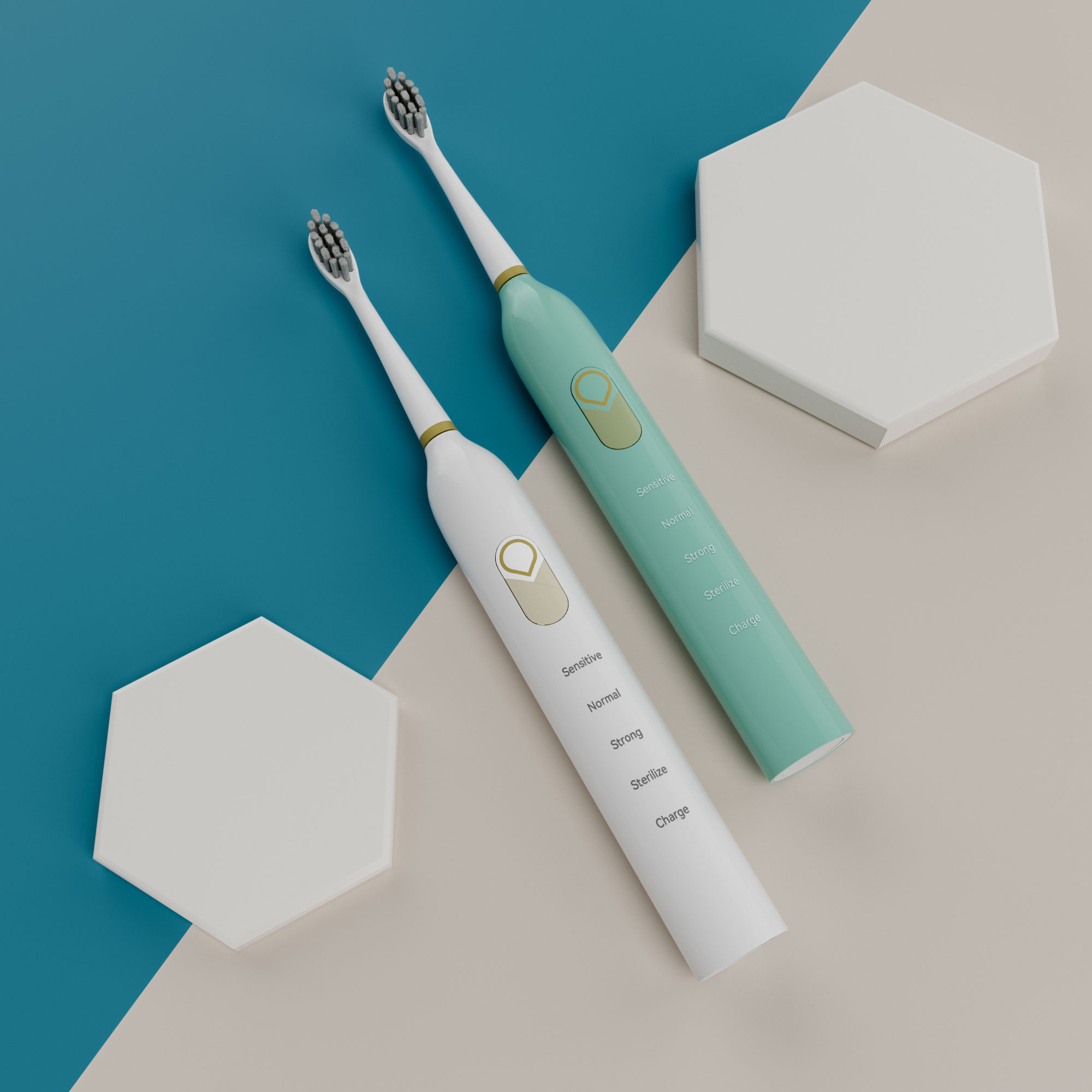
With rising consumer expectations and an increasingly competitive market, brands need more than just high-quality products—they need innovative Customized Packaging solutions that enhance customer experience and reinforce brand identity. For sonic electric toothbrush manufacturers and suppliers, efficient packaging not only ensures product safety but also plays a crucial role in global supply chain optimization. In this blog, we will explore how customized packaging solutions for sonic electric toothbrushes can elevate brand positioning, improve logistics, and meet international market demands. The Importance of Customized Packaging for Sonic Electric Toothbrushes Packaging is more than just protection—it’s the first impression of a product. For sonic electric toothbrush brands, customized packaging delivers multiple benefits: Brand Recognition – Unique packaging designs enhance brand identity and improve market differentiation. Enhanced User Experience – Intuitive, user-friendly packaging improves customer satisfaction. Product Protection – Secure, durable packaging prevents damage during transportation and storage. Regulatory Compliance – Packaging that meets international standards ensures smooth market entry. By investing in customized packaging, brands can optimize their global supply strategy and enhance product value. Key Features of Customized Packaging for Sonic Electric Toothbrushes To meet the diverse needs of global markets, sonic electric toothbrush packaging must incorporate: Sustainable Materials – Eco-friendly…

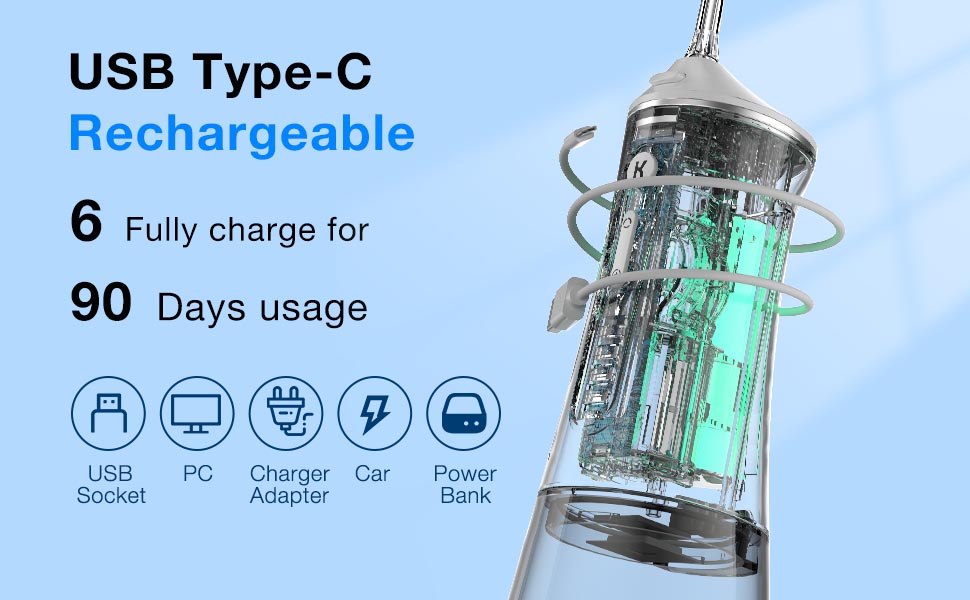
Young people today are more aware of their dental health than ever before. Social media, an emphasis on self-care, and increased access to advanced dental products have brought oral care into the spotlight. This shift is driving new trends in oral care, opening opportunities for oral care product manufacturers to innovate and adapt to changing consumer preferences. The Rise of At-Home Dental Cleaning Solutions A major trend in oral care is the growing popularity of at-home dental cleaning products. From water flossers to sonic toothbrushes, consumers are seeking tools that deliver professional-level cleaning at home. This surge in dental cleaning trends has prompted oral care product manufacturers to design devices with user-friendly technology and enhanced functionality, making dental hygiene both effective and convenient. Powsmart is not only supplying 90-day battery life electric toothbrushes, but also producing UVC portable & middle size water flosser for customization. A Surge in Teeth Whitening Products The desire for a brighter smile is fueling teeth whitening trends. Young people are turning to home whitening kits, whitening toothpastes, and LED whitening devices to achieve professional results without visiting a dentist. Manufacturers are responding with customizable whitening solutions tailored to individual needs, such as products with natural ingredients or reduced sensitivity…
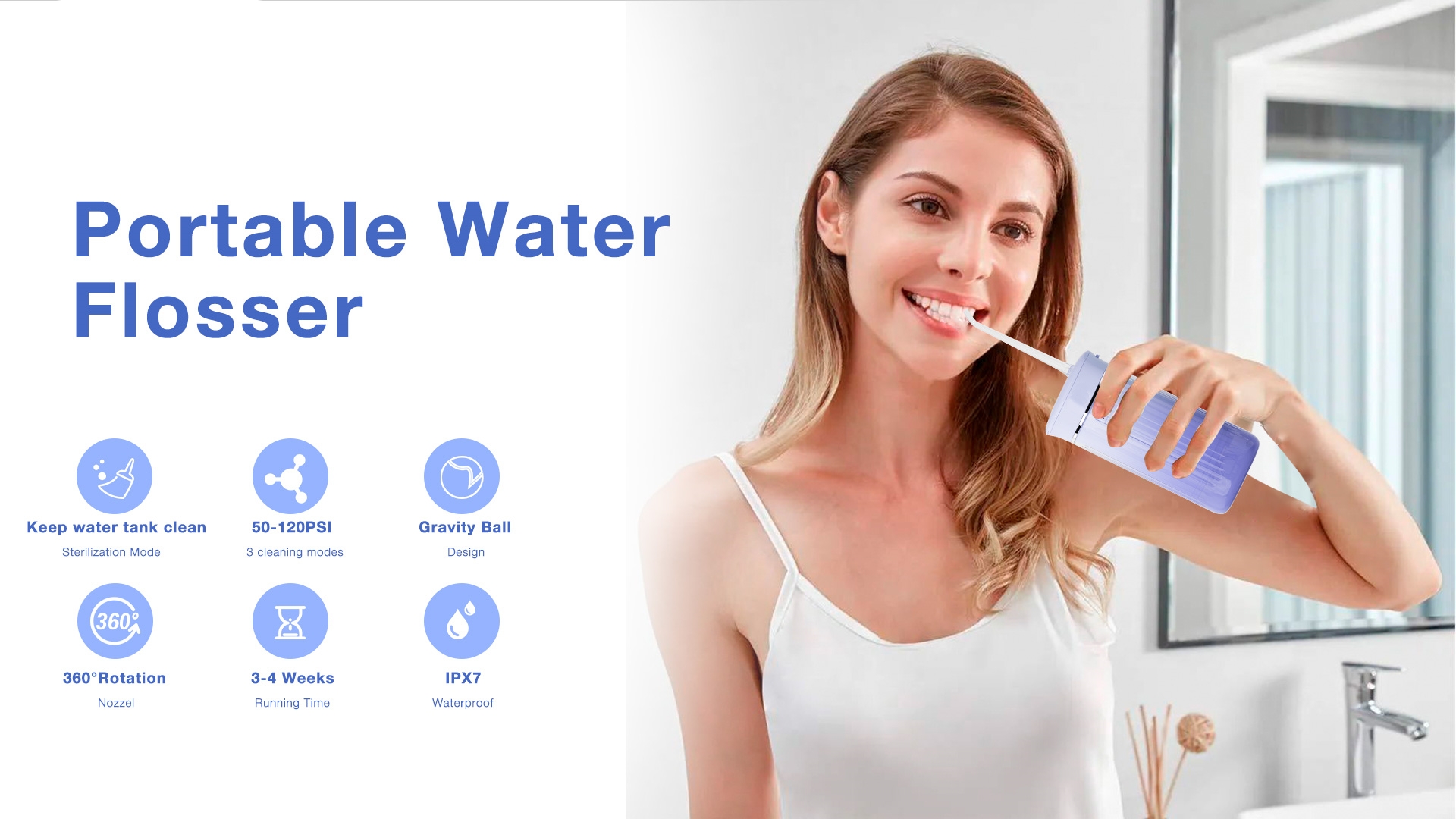
The oral irrigator industry has experienced significant growth in recent years, driven by increasing consumer awareness of oral health and technological advancements in dental care devices. While this rapid expansion presents both opportunities and challenges, many businesses are questioning whether it’s still viable to enter the oral irrigator industry. This blog explores the current state of the market, emerging trends, and the potential for new entrants to carve out their niche. The Growth of the Oral Irrigator Market The global oral irrigator market has been growing at a compound annual growth rate (CAGR) of 6-8%, with no signs of slowing down. Factors such as rising dental issues, the popularity of at-home dental care solutions, and innovations in portable and user-friendly devices have contributed to this growth. Customizable options, such as Customizable Water Flossers, have further fueled consumer interest by meeting diverse preferences and needs. This expansion underscores that there’s still room for creative and unique offerings in this thriving industry. Opportunities for New Entrants Despite the competitive landscape, there remain ample opportunities for businesses to enter the oral irrigator industry. Niche markets, such as eco-friendly or travel-sized devices, and the growing demand for Customizable Water Flossers present excellent entry points.Below is…


.jpg)
.jpg)
.jpg)
.jpg)
.jpg)



.jpg)
.jpg)
.jpg)