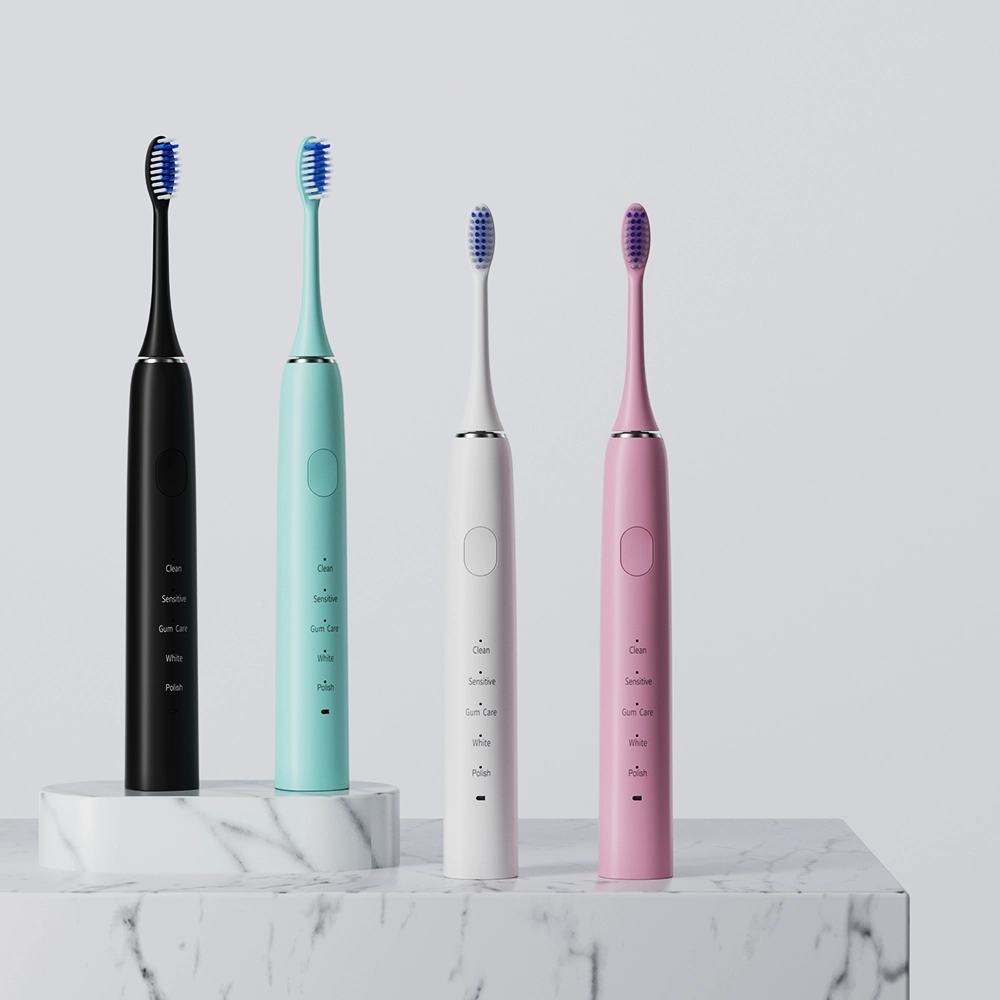
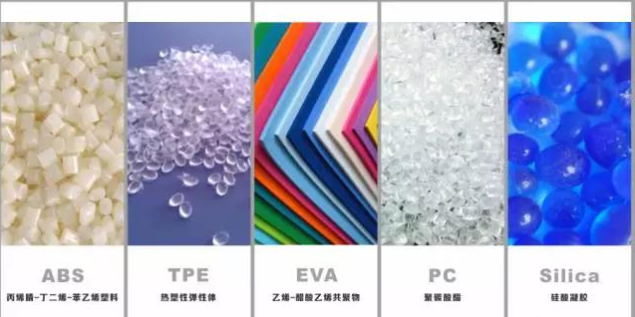
This blog explores the materials and processes of electric toothbrush handle shell used in production, providing insights into how factories maintain high standards. In an electric toothbrush factory, the handle shell plays a vital role in ensuring the product’s durability, aesthetics, and functionality. As an experienced electric toothbrush manufacturer, Powsmart is focusing on innovative materials and efficient production processes to meet market needs. Common Materials for Electric Toothbrush Shells The handle shell of an electric toothbrush must be robust, lightweight, and resistant to moisture. Factories commonly use the following materials: ABS Plastic: A widely used material, ABS plastic provides excellent strength and impact resistance. Its lightweight nature makes it ideal for comfortable handling. Polycarbonate (PC): Known for its transparency and toughness, PC is often for premium models where aesthetics are prioritized. Silicone Coating: Applied over plastic shells, silicone enhances grip and provides a soft-touch finish, increasing user comfort. Generally, material selection often depends on the product’s target market and desired features. For instance, premium designs may incorporate recycled plastics to align with sustainability goals. Powsmart focuses on producing high-end Key Manufacturing Processes The materials and processes of electric toothbrush handle shell are closely linked to ensure a seamless production cycle. Common processes include: Injection…
Electric toothbrushes have become an essential tool in modern oral care, offering various options tailored to different user needs. Among the most popular choices are the dry battery toothbrush, sonic electric toothbrush, and rotary toothbrush. This blog explores their differences, key features, and suitability for different users, helping businesses and consumers make informed decisions. Dry Battery Toothbrush: Simple and Affordable Key Features:The dry battery toothbrush is a basic electric toothbrush powered by replaceable batteries, typically AA or AAA. Its simple design and affordability make it a popular choice for budget-conscious users. Advantages: Portability and ease of use, especially during travel. Low initial investment, appealing to first-time electric toothbrush users. Minimal maintenance cost, as only batteries need replacement. Limitations:However, dry battery toothbrushes generally have less power and fewer advanced features, making them less effective in thorough cleaning compared to their sonic or rotary counterparts. Sonic Electric Toothbrush: Advanced and Effective Key Features:The sonic electric toothbrush operates using high-frequency vibrations (typically 30,000–40,000 strokes per minute). These vibrations create a dynamic cleaning action that pushes fluid between teeth and along the gumline. Advantages: Superior cleaning performance, suitable for sensitive gums and hard-to-reach areas. Often comes with additional features like timers, pressure sensors, and multiple brushing…
When it comes to manufacturing electric toothbrushes, the quality and performance of the motor play a pivotal role. Whether a factory has its own motor production line or relies on outsourced motors can significantly impact product quality, cost, and delivery timelines. In this article, as a sonic electric toothbrush manufacturer, we’ll explore the differences between these two approaches, focusing on how owning an electric toothbrush motor production line can be a game-changer for manufacturers. Quality Control and Customization A factory with its own motor production line has full control over the production process, allowing it to ensure consistent quality standards. These factories can implement rigorous testing protocols to meet specific performance requirements, resulting in higher reliability and longevity of the motors. On the other hand, factories relying on outsourced motors often face variability in quality due to limited oversight. Additionally, customization options for outsourced motors may be restricted, as the factory must work within the supplier’s capabilities and timelines. Cost Efficiency and Profit Margins While setting up an electric toothbrush motor production line requires a substantial upfront investment, it can lead to long-term cost savings. By producing motors in-house, factories can reduce reliance on third-party suppliers, lower production costs, and increase profit margins. Factories outsourcing motors,…
The proofing process is a crucial step in developing and manufacturing high-quality electric toothbrushes. It ensures that the product meets design specifications, functionality, and quality standards before mass production. Whether you are a brand owner or a retailer, understanding the proofing process of electric toothbrush can help ensure smooth collaboration with your electric toothbrush factory and the delivery of a product that satisfies market demands. Initial Design and Specification The proofing process begins with creating a detailed design. This stage involves determining the size, shape, materials, and key features of the electric toothbrush. For instance, manufacturers might decide on a sonic vibration motor, ergonomic grip, or waterproof technology. Clear communication of your requirements with the electric toothbrush factory at this stage is vital to ensure the prototype aligns with your brand’s vision and target market. Prototype Development Once finishing the design, the factory proceeds to develop the first prototype. This stage involves producing a working model that incorporates all the agreed-upon specifications. The electric toothbrush proofing prototype undergoes initial testing to evaluate its performance, durability, and aesthetic appeal. For example, factors such as motor efficiency, battery life, and bristle softness are thoroughly examined. Testing and Adjustments After finishing the prototype, rigorous testing is conducted…
Brushing your teeth efficiently is essential for maintaining good oral hygiene, especially in today’s fast-paced lifestyle. With the help of an electric toothbrush, it’s possible to clean your teeth thoroughly in less time. In this blog, as an experienced sonic electric toothbrush manufacturer, Powsmart is going to share expert usage tips of electric toothbrushes to help you master the art of brushing your teeth quickly and cleanly. Choose the Right Electric Toothbrush The first step to effective brushing is selecting an electric toothbrush that meets your needs. Look for models with features like built-in timers, pressure sensors, and multiple brushing modes. These can help ensure that you brush efficiently without compromising on thoroughness. Sonic models, for example, are highly effective in removing plaque while being gentle on gums. Powsmart’s E series electric toothbrushes not only have 5 brushing modes, but also can offer three different power levels for options. Use the Two-Minute Timer Most electric toothbrushes come equipped with a timer to guide you through the recommended two-minute brushing routine. Divide your mouth into four quadrants and spend 30 seconds on each. This is one of the simplest ways to ensure you're brushing your teeth quickly and cleanly while covering all surfaces. 2 Mins brushing…
When selecting an electric toothbrush, many consumers assume that the power for an electric toothbrush directly determines its effectiveness. But is a stronger power always better? In this blog, as a direct factory of electric toothbrush, we’ll explore how Electric toothbrush power impacts performance, what factors to consider, and why balance is key to achieving optimal oral care. Understanding Electric Toothbrush Power The power is typically measured by its motor speed or oscillations per minute. While high-powered brushes can deliver faster cleaning motions, the effectiveness depends not only on speed but also on the design of the brush head, the angle of bristles, and the brushing technique. Overemphasizing Electric toothbrush power without considering these aspects might not lead to better results. Powsmart’s sonic motor designed, developed and produced by ourselves, which gives excellent cleaning ability, quite brushing and durability. Is Stronger Power Better? While higher power can help remove plaque more efficiently, excessive force or speed can harm sensitive gums and enamel. Studies show that ultra-powerful brushes without adjustable settings can cause gum recession or enamel wear over time, especially for individuals with sensitive teeth. Thus, the power for an electric toothbrush should be strong enough for effective cleaning but gentle enough to maintain oral…
Electric toothbrushes plan an important role in modern oral care, but occasional issues like the electric toothbrush automatically starts up can be both puzzling and inconvenient. Understanding the root cause of this problem is essential, whether it stems from user error or an electric toothbrush quality problem. We'll explore practical solutions, the importance of quality manufacturing, and how working with a reliable electric toothbrush factory can prevent such issues. Common Causes of Automatic Start-Up An electric toothbrush automatically starting up can arise from several factors: Battery Malfunction: A faulty or overcharged battery may cause random activation. Defective Circuit Board: Internal circuitry errors are a leading cause of unintended start-ups. Water Damage: Inadequate waterproofing can allow moisture to seep into the device, disrupting its functionality. By identifying these root causes, users can better determine whether the issue is due to usage or an electric toothbrush quality problem. Immediate Solutions to Fix the Problem When faced with an electric toothbrush that automatically starts up, try these steps: Reset the Device: Hold down the power button for a few seconds to reset the internal programming. Inspect the Charging Port: Ensure no foreign objects or moisture are present. Dry and Clean: Thoroughly dry the toothbrush,…
The Rise of Sustainability in Electric Toothbrush Manufacturing As environmental awareness grows, the demand for products made with sustainable materials has become a priority across industries, including oral care. More and more electric toothbrush factories are exploring eco-friendly materials and processes to reduce environmental impact. The shift is especially notable in the production of sonic toothbrushes, where the combination of effective performance and environmental responsibility is key. Why Sustainable Materials Matter in Electric Toothbrush Manufacturing For an electric toothbrush factory, using sustainable materials in manufacturing not only aligns with environmental goals but also meets customer demand for greener products. Conventional toothbrushes and electric toothbrushes contribute to plastic waste, as most parts are made from non-biodegradable materials. By incorporating recyclable and renewable resources, manufacturers can significantly reduce waste and carbon emissions, contributing to global sustainability goals. Additionally, sustainable material choices support a brand's image and appeal to consumers who prioritize eco-friendly options. Challenges and Innovations in Sourcing Sustainable Materials Using sustainable material in toothbrush manufacturing, however, presents some unique challenges. Factories must ensure these materials maintain the high quality, durability, and safety expected of oral care products. For example, bioplastics, recycled materials, and even bamboo composites are alternatives to replace traditional plastics. While these alternatives can…
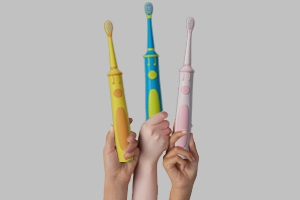
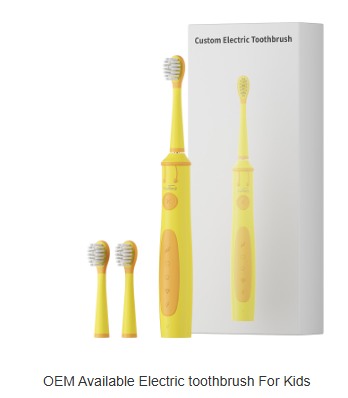
The demand for children electric toothbrushes is on the rise. Because more parents recognize the importance of oral hygiene from a young age. This growing awareness, combined with advancements in technology, is driving the market prospect of children’s electric toothbrush to new heights. In this blog, as an electric toothbrush factory, we will explore the current market landscape, the competitiveness of electric toothbrushes for kids, and how this sector presents promising opportunities. Rising Demand and Market Potential The children electric toothbrush market has shown steady growth over recent years. As oral health awareness continues to increase among parents, they seek efficient and engaging solutions to encourage kids to brush their teeth regularly. Many companies report a yearly growth rate in the sector, with some estimates predicting a compound annual growth rate (CAGR) of over 5% for children's electric toothbrushes in the coming years. This rise reflects a strong market prospect of children’s electric toothbrush products, particularly as they become more accessible globally. Competitiveness of Electric Toothbrushes for Kids One of the primary factors driving the success of children electric toothbrushes is their competitiveness. Unlike manual brushes, electric toothbrushes offer superior plaque removal and effective cleaning through advanced features. This competitiveness of electric…

In the electric toothbrush market, the electric toothbrush cost difference vary significantly from different factories, and there are many complex factors behind this. Understanding the difference in the cost of electric toothbrushes and the factors that affect them can help brands make more informed decisions when choosing suppliers. Raw material cost The raw material cost of electric toothbrushes is an important factor affecting the overall production cost. The price of high-quality batteries, motors, plastic casings and other materials will directly affect the cost of electric toothbrushes. 1)Battery cost difference Common battery types are: alkaline batteries, nickel metal hydride batteries (NiMH) and lithium-ion batteries. Alkaline batteries Alkaline batteries are non-rechargeable batteries, but they have extremely low self-discharge rates and costs. NiMH batteries or lithium-ion batteries are rechargeable batteries. NiMH batteries cost less than lithium-ion batteries. Electric toothbrushes using lithium-ion batteries usually have higher raw material costs than products using nickel metal hydride batteries. Not only that, the design of portable devices like electric toothbrushes depends largely on the performance of the battery. The key indicator of the battery is of course the battery life. A good electric toothbrush does not need to replace the battery frequently, nor does it need to…
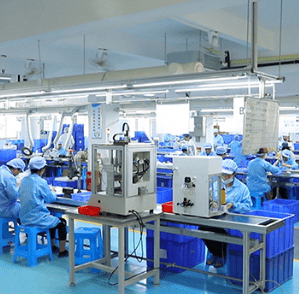
Electric toothbrush in the small home appliances market has been rising popularity. It has become an essential daily oral cleaning product in Europe and the United States. However, for buyers, the biggest difficulty in selecting products is how to choose electric toothbrushes at different price points. Why is the same electric toothbrush, factory price is so different? Let's take a closer look at this. Raw Material Cost Raw material costs is one of the direct factor. Different factory may use different materials, such as bristles, plastic casings, batteries, etc. The cost of these materials varies depending on the supply chain, quality, etc. Therefore, raw material costs are a key factor in determining plant price differences. Powsmart electric toothbrushes are all imported DuPont bristles and FDA certified. All the products of the shell is high precision mold molding, the mold line is almost invisible and the overall texture is much more better in this industry. All of models contain 18650 lithium battery for long life and low energy consumption. Production Processes and Technologies Another factor affecting plant prices is production processes and technologies. Some electric toothbrushes may employ advanced production processes and technologies, such as acoustic vibration or ultrasonic technology, as well as intelligent…


.jpg)
.jpg)
.jpg)
.jpg)
.jpg)



.jpg)