.jpg)
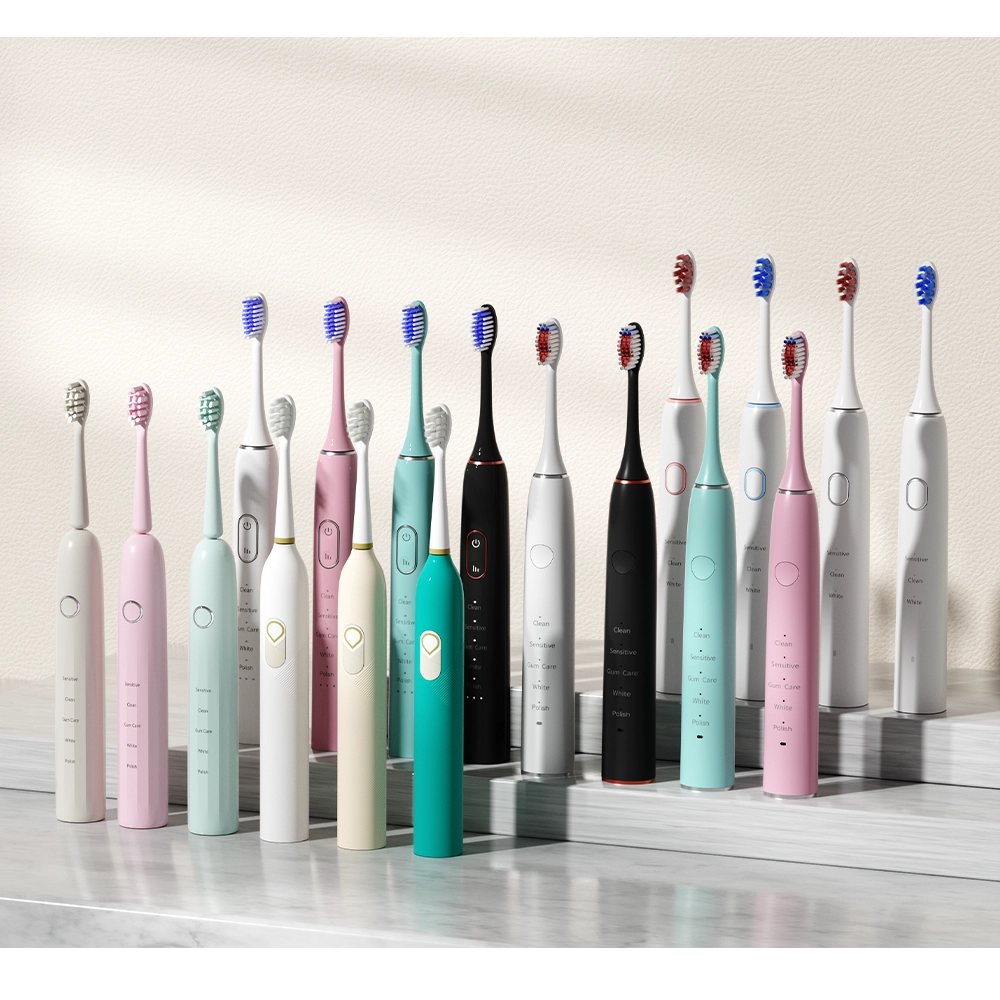
As consumer awareness of oral health continues to grow, the market for sensitive teeth toothbrushes has expanded rapidly. People with gum sensitivity require products that offer effective cleaning while minimizing irritation. In response to this demand, many brands are now seeking trusted partners for electric toothbrush production for sensitive teeth. For businesses aiming to meet this niche market, collaborating with experienced OEMs that specialize in gentle gum care technology is key to success. Understanding the Needs of Users with Sensitive Teeth Sensitive teeth and gums require special care. Aggressive brushing or hard bristles can cause pain, gum recession, or further enamel erosion. This is where the gum care electric brush plays a vital role. These brushes are engineered to deliver a gentle cleaning experience, using soft bristles and low-frequency vibration or sonic technology to protect gum tissue while removing plaque effectively. To meet user expectations, brands need to develop products with features such as: Ultra-soft bristles for minimal abrasion Pressure sensors to prevent over-brushing Multiple cleaning modes, especially “Gentle” or “Sensitive” modes Rounded brush heads for a soothing feel on gums Key Design Considerations for Gentle Cleaning OEM Solutions When selecting a manufacturer for a gentle cleaning OEM solution, it’s important to prioritize factories that…

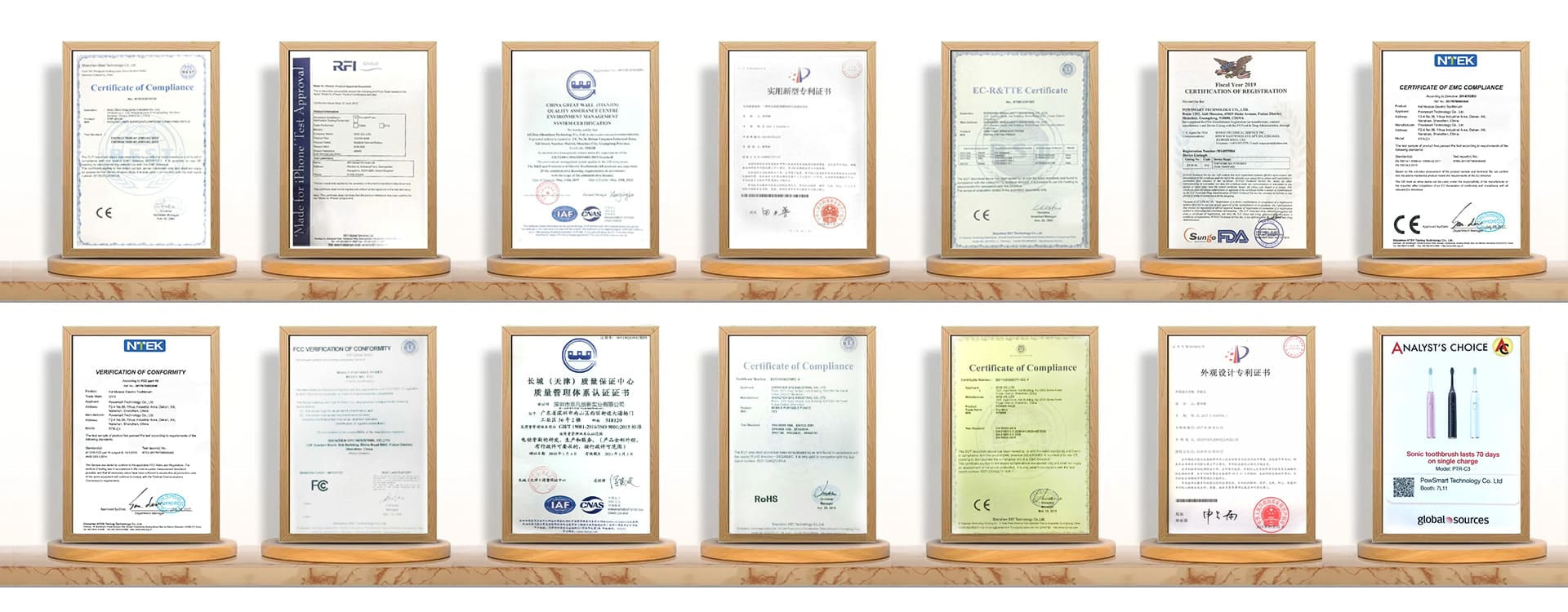
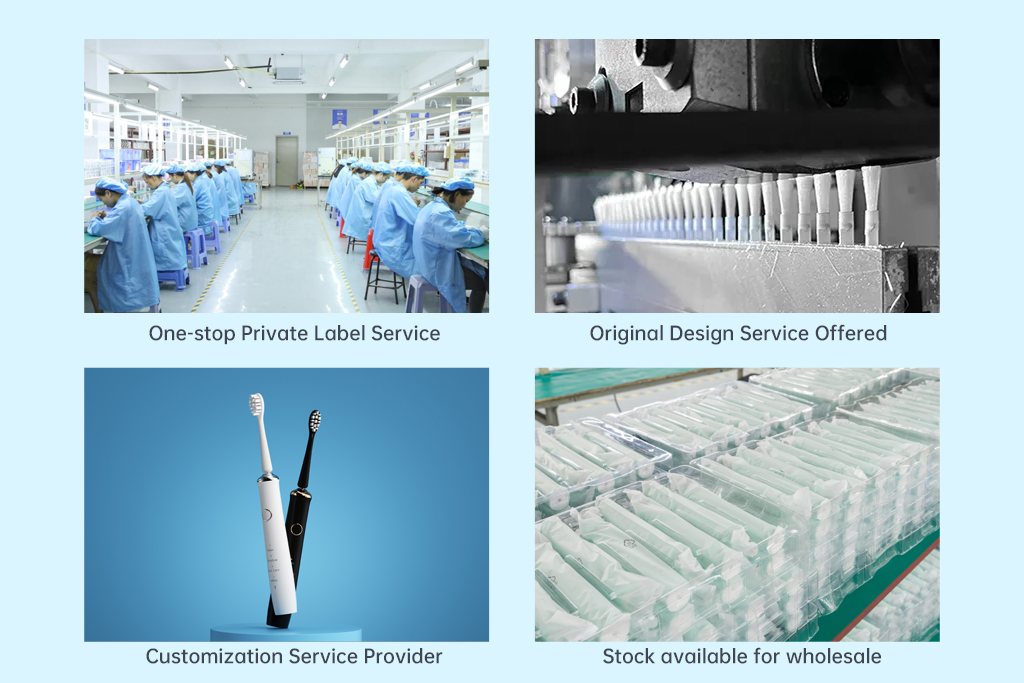
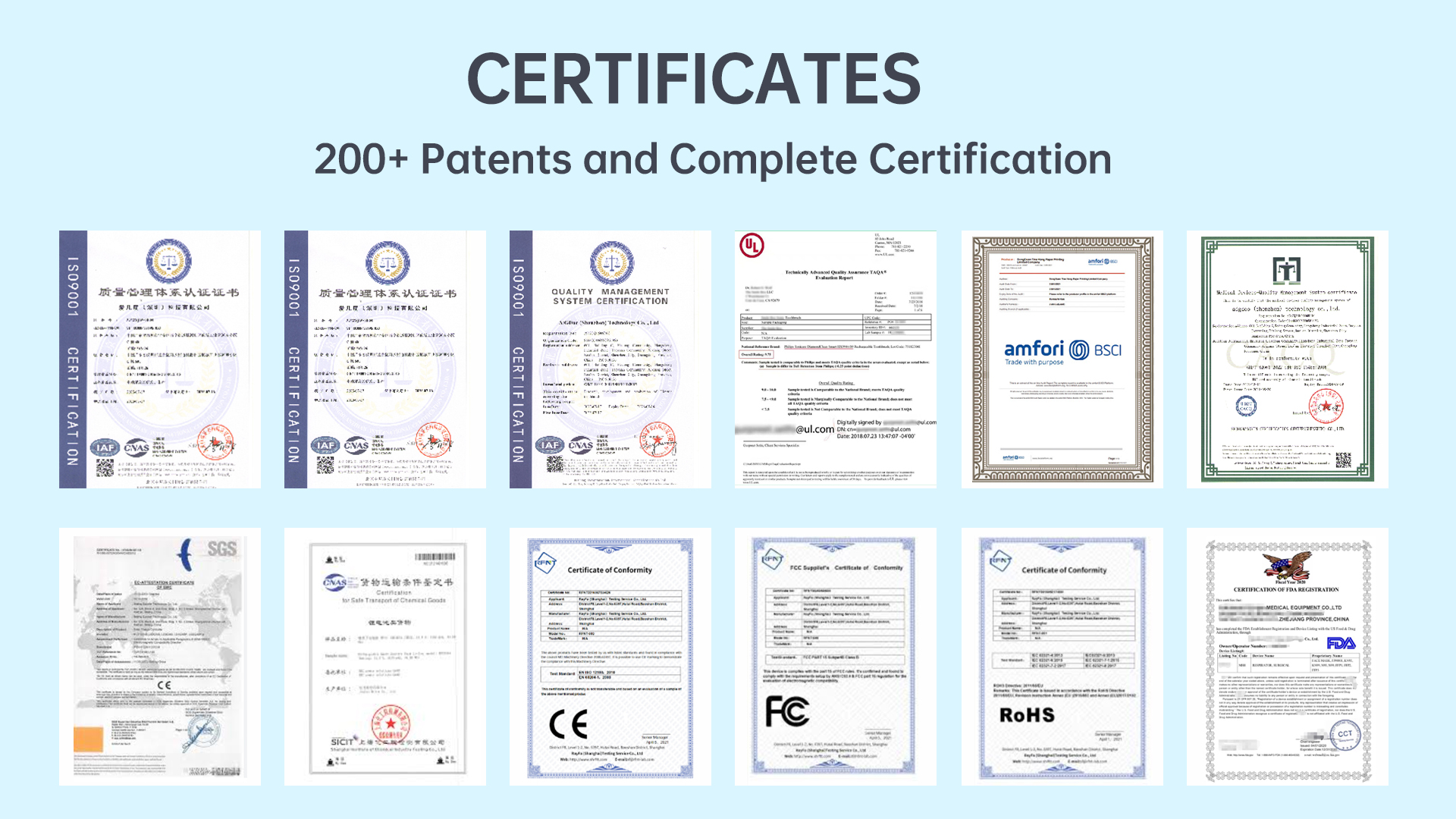
In the highly competitive oral care market, choosing a reliable electric toothbrush manufacturer & supplier is a critical step for brand success. Whether you're launching a new smart toothbrush line or scaling up your current product range, working with an experienced and innovation-driven supplier can make all the difference. This is where Powsmart, a trusted electric toothbrush factory based in China, stands out as a strategic partner for global oral care brands. About Powsmart: Professionalism in Every Detail As a leading dental OEM China supplier, Powsmart specializes in the design, development, and production of high-quality electric toothbrushes and related oral care products. With a focus on smart technology integration, our team combines engineering expertise, strong R&D capabilities, and modern manufacturing systems to deliver customized solutions that meet the highest international standards. Key highlights include: Over 20 years of electric toothbrush production experience Full-stack OEM/ODM services for global clients In-house R&D and industrial design team Certified quality management systems (ISO, CE, FDA compliance) Electric Toothbrush Quality Manufacturing: Our Commitment to Excellence At Powsmart, electric toothbrush quality manufacturing is not just a promise — it’s our foundation. We follow strict quality control protocols from raw material sourcing to final assembly, ensuring every brush meets our clients’ technical…
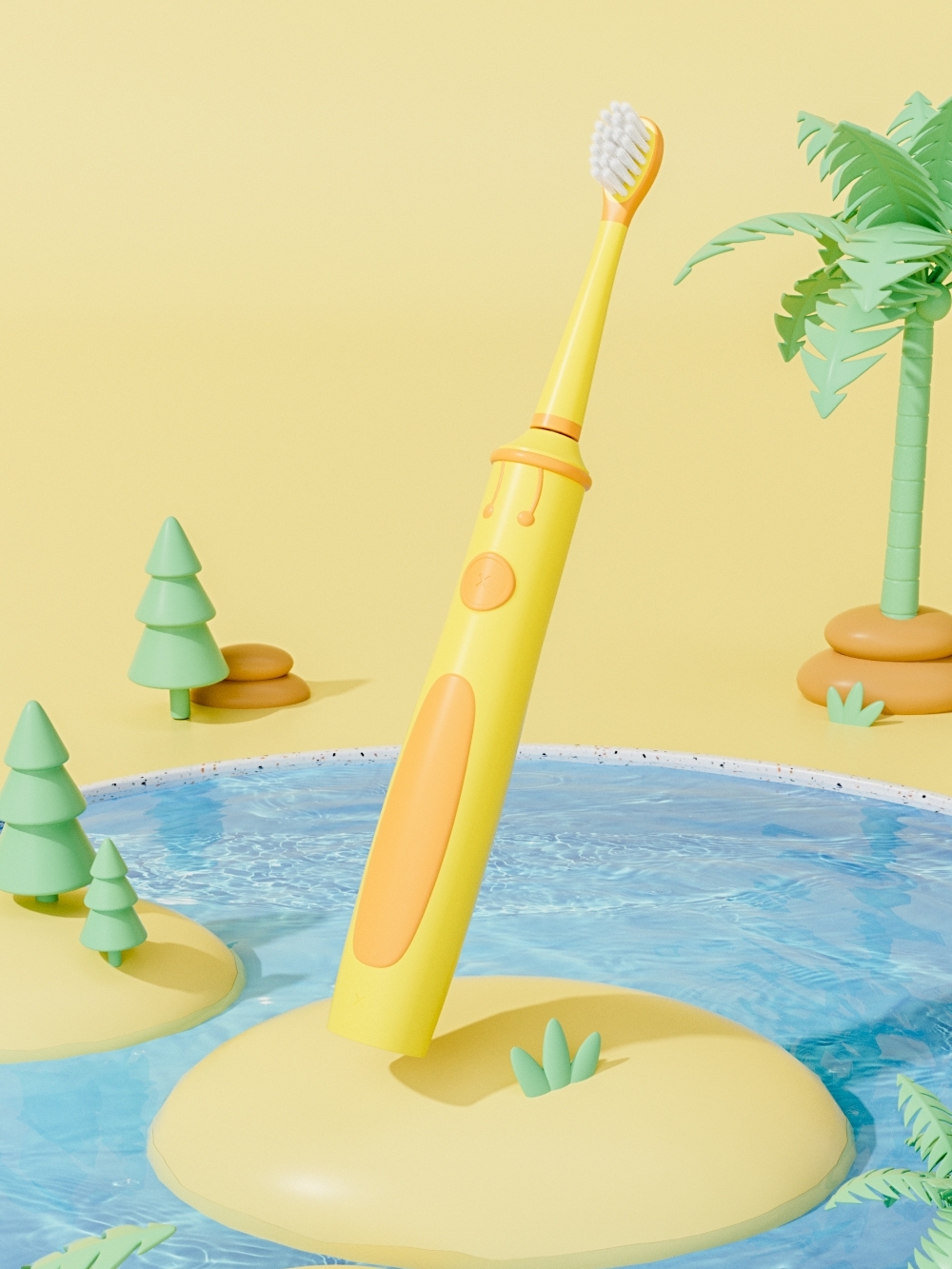
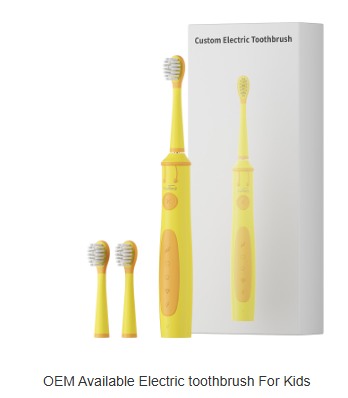
In today’s oral care market, children's hygiene routines are no longer just about function—they're about engagement, safety, and personalization. As demand rises for children’s smart toothbrush solutions that combine effective cleaning with interactive features, retailers and brand owners must explore how to offer custom kid-friendly smart toothbrushes. This blog explores the latest trends and manufacturing possibilities in Kids’ Smart Toothbrush Customization, offering insights for electric toothbrush retailers & distributors looking to partner with the right suppliers. Why Kids Need Smart Toothbrushes: Safety Meets Engagement Children require specialized brushing tools not just in size but in function and experience. A children’s smart toothbrush must balance three core needs: Gentle but effective cleaning for developing teeth and gums Fun, game-like experiences to encourage brushing routines Built-in safety features such as pressure sensors and timers Fun & Safe Brushing Solutions have become a critical selling point for parents, making product differentiation essential for brands. The Rise of Custom Kid-Friendly Smart Toothbrushes As smart technologies evolve, brands now have the opportunity to offer custom kid-friendly smart toothbrushes with tailored designs. Customization options include: App integration with brushing games or reward systems Animated LED displays, music playback, and storytelling modes Soft brush heads, ergonomic grips, and silicone-based safety coatings Brand-specific…
.jpg)
As awareness around oral health continues to grow, a large segment of consumers is shifting toward sensitive gums oral care solutions. People with gum irritation, bleeding, or post-treatment sensitivity are actively seeking gentler alternatives. For oral care brands, this presents a promising niche. But to capture this market, it’s essential to collaborate with a manufacturing partner that specializes in gentle oral care products manufacturing. This blog serves as a guide for brand owners looking to develop or expand their oral care products for sensitive gums portfolio. Understanding the Needs of Sensitive Gums Users Before launching a product line, it's crucial to understand the specific needs of users with sensitive gums. Key concerns include: Avoiding harsh bristles or aggressive brushing mechanisms Minimizing chemical irritants in toothpaste or rinse formulations Seeking soothing, anti-inflammatory ingredients (like aloe vera, chamomile, or allantoin) These users prioritize comfort, safety, and clinical efficacy, which should be reflected in your product design and ingredient choices. What Makes an Oral Care Product “Gentle”? When sourcing or developing gentle oral care products for sensitive gums, brands must consider: Soft or ultra-soft bristles in toothbrushes, especially sonic or electric types Low-abrasive toothpaste formulas without sodium lauryl sulfate (SLS) Water flossers with pressure control to avoid damaging…
.jpg)
The global oral care market is rapidly evolving, with smart technology becoming a key differentiator. Bluetooth-enabled electric toothbrushes are no longer niche—they’re a fast-growing category that blends health tech with everyday hygiene. For brands aiming to expand their product line or launch a new oral care venture, tapping into this trend through smart toothbrush customization and bulk manufacturing partnerships offers immense growth potential. This guide is designed to help brand owners and private label companies navigate the process of working with a B2B toothbrush supplier, including steps for customization, quality assurance, and how to secure the right oral care OEM factory for your needs. Understanding the Bluetooth-Enabled Electric Toothbrushes Market Opportunity Smart toothbrushes are transforming the oral care experience. Equipped with real-time feedback, brushing habit tracking, and app integration, Bluetooth-enabled models are especially attractive to tech-savvy consumers and parents alike. Key benefits driving market demand: Growing consumer interest in health-tech integration Subscription model opportunities via app platforms Competitive differentiation through smart features Now is the ideal time to explore Bluetooth-Enabled Electric Toothbrushes wholesale partnerships to stay ahead of market trends. Smart Toothbrush Customization: What Can Be Tailored? When partnering with a manufacturer, brands can go beyond just adding a logo. A capable oral care OEM can help…
-2-scaled.png)
In today’s competitive personal care market, small business oral care has emerged as a promising niche within the broader health & household products category. Consumers are increasingly aware of the importance of dental hygiene, driving demand for specialized, effective, and sustainable products. For small brands looking to enter or scale within this space, finding the right manufacturing partner is key to delivering the best oral care products to the market. This blog outlines the essential steps and strategies to help small oral care brands connect with capable manufacturers and offer high-quality, affordable oral care solutions. Understanding the Small Business Oral Care Landscape The oral care industry is evolving beyond basic toothbrushes and toothpaste. Today’s consumers expect more from health & household products, including features like sonic brushing, eco-friendly packaging, and multi-functional oral hygiene kits. For small businesses, this creates opportunities to innovate, differentiate, and fill market gaps not addressed by major brands. Whether you’re launching a new electric toothbrush line or a curated set of whitening and gum care kits, the market rewards those who focus on quality and targeted problem-solving. Identifying the Best Oral Care Products for Your Brand Before approaching manufacturers, it’s essential to define your product range. Consider including…
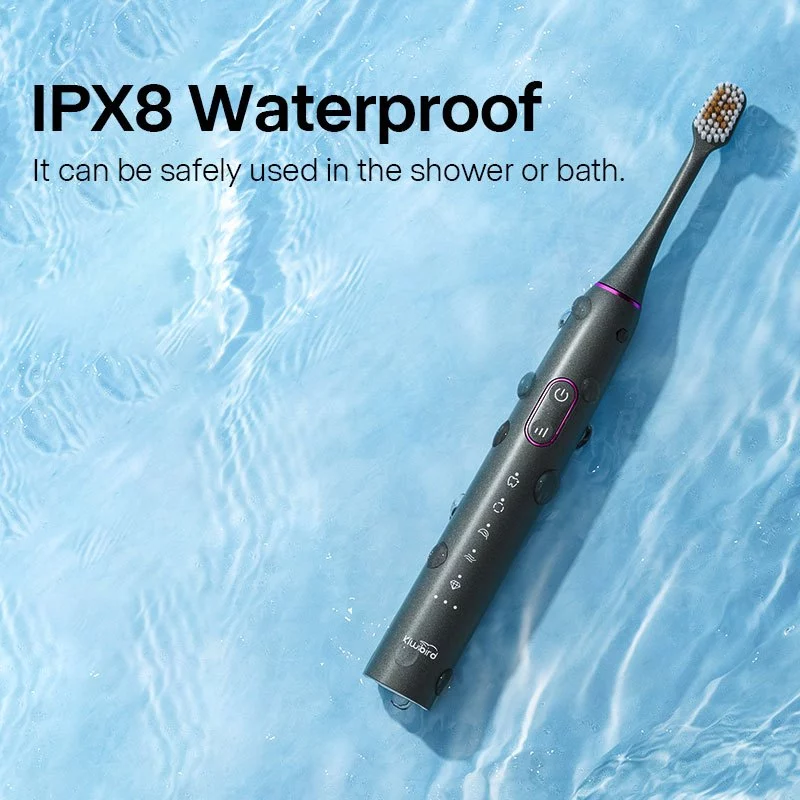
In today’s competitive oral care market, electric toothbrushes come in a wide range—from simple budget models to premium smart designs. For oral care brands seeking to source reliable manufacturers, understanding the core electric toothbrush differences is crucial for developing a product portfolio that aligns with consumer expectations and pricing strategies. This blog offers a toothbrush comparison between cheap electric toothbrushes and high-end electric toothbrushes, highlighting 5 key differences to guide your sourcing and product development decisions. Motor Technology & Performance One of the most fundamental differences lies in the motor system. Cheap electric toothbrushes typically use basic vibration motors with lower RPMs (around 6,000–12,000 strokes/min). These models provide basic plaque removal but limited deep-cleaning capabilities. High-end electric toothbrushes, on the other hand, feature high-frequency sonic or oscillating-rotating motors that can reach up to 40,000 strokes/min. These deliver superior plaque removal and gum stimulation. ? When selecting a manufacturing partner, assess their capability in producing motors with variable frequency or sonic technology—key aspects of oral care technology today. Battery & Charging Options Battery quality directly impacts product usability and consumer satisfaction. Budget models often use AA batteries or low-cost rechargeable cells with short lifespan and limited usage per charge. Premium models typically include long-lasting lithium-ion batteries, fast-charging…
With the competitive dental care market growing rapidly, competition among oral care brands is fiercer than ever. To stand out, brands must understand which competitive oral care products are currently in demand and what consumers are looking for in their oral hygiene routines. From dental care market trends to oral hygiene innovations, this blog provides manufacturers and brand owners with a clear roadmap to product development and strategic sourcing. Understanding Dental Care Market Trends To succeed in today’s oral care industry, it’s critical to align with current dental care market trends. Key developments include: Increased awareness of preventative care Consumer demand for personalized and tech-enabled products Rising preference for eco-friendly and sustainable options Growth in at-home oral care routines, especially post-pandemic These trends are shaping the future of what qualifies as high-demand dental products, forcing manufacturers and brands to evolve beyond traditional brushes and pastes. Characteristics of Competitive Oral Care Products What makes a product truly competitive in this saturated market? Here are key characteristics: Functionality & Innovation: Products that integrate new technology or design for better results—think sonic vibration, pressure sensors, and AI feedback apps. User-centric design: Sleek, ergonomic, and easy-to-use products win user loyalty. Scientific validation: Backed by dental professionals…
In the fast-growing oral care market, choosing the right electric toothbrush factory can be the difference between product success and failure. For brand owners and sourcing managers, understanding how to properly evaluate an electric toothbrush factory is essential to ensure product consistency, timely delivery, and long-term partnership success. This article outlines a six-part evaluation framework to help you assess a factory's comprehensive capabilities, including their OEM capabilities, manufacturing standards, and commitment to Electric Toothbrush Quality Manufacturing. Assessing the Factory’s Core Manufacturing Capabilities The first step in evaluating an electric toothbrush supplier is to investigate its core production competencies. A capable electric toothbrush factory should have: In-house facilities for plastic injection molding, PCB assembly, and motor integration. Experience with multiple product lines (oscillating, sonic, kids’ models). Scalable production capacity that aligns with your demand projections. This baseline assessment ensures the factory has the technical resources to meet your product specifications under various volumes. Reviewing OEM & ODM Capabilities Many oral care brands seek manufacturers that can provide OEM capabilities and even ODM (Original Design Manufacturing) services. During the evaluation, ask: Can the factory customize molds, packaging, and firmware? Do they offer product design support or only manufacturing? Are there R&D engineers on-site for product development or…
.jpg)
In today's competitive oral care market, cleaning performance is a key differentiator for any electric toothbrush brand. Whether you’re launching a new line or improving your current offering, choosing the right electric toothbrush factory can make or break product performance. Key factors such as sonic technology, brush head design, and quality OEM manufacturing standards all influence the outcome. This blog explores how different factories vary and what to consider when selecting the right partner. The Role of Sonic Technology in Deep Cleaning Toothbrushes One of the primary factors impacting cleaning efficiency is the type of motor technology used. Advanced sonic technology enables toothbrushes to deliver up to 40,000 strokes per minute, creating microbubbles that reach deep between teeth and along the gum line. However, not all electric toothbrush factories implement this technology equally. Top-tier factories invest in high-frequency, stable sonic motors. Lower-end suppliers may compromise on vibration strength and consistency. When selecting a supplier, always evaluate their motor sourcing and engineering capabilities to ensure your brand offers a true deep cleaning toothbrush experience. Brush Head Design: The Unsung Hero of Cleaning Performance Another critical but often overlooked component is the brush head design. Factors such as bristle material, tufting density, and head shape directly impact how…
In the rapidly growing oral care industry, the demand for electric toothbrushes is at an all-time high. For brands aiming to enter or expand in this competitive market, partnering with the right electric toothbrush factory is essential—not just for product quality, but also for ensuring long-term business success. But how do you evaluate factories and identify those that can deliver superior electric toothbrush cleaning power, innovation, and scalable production? This article outlines six critical factors to help you choose the ideal manufacturing partner for your OEM electric toothbrush project. Define Your Cleaning Performance Standards Before you begin the search, it’s important to clearly define what “superior electric toothbrush cleaning power” means for your target market. Do you want high-frequency sonic vibration? Do you need multiple cleaning modes or intelligent pressure sensors? Top-tier oral care manufacturing begins with clear technical specifications. Look for a factory that can meet or exceed industry standards for plaque removal, battery efficiency, motor durability, and ergonomic design. Ask for performance test reports or existing client case studies that demonstrate their product capabilities. Evaluate R&D and Innovation Capabilities A reliable electric toothbrush factory should have strong R&D capacity. Innovation is key in a market where user expectations evolve quickly. Investigate: How…
.jpg)
In today’s increasingly competitive personal care market, consumers' preferences of electric toothbrushes are becoming more discerning, not only about the features of the product but also the price point. For brands and suppliers aiming to remain competitive and relevant, it is essential to understand how consumers weigh functions and prices of electric toothbrushes in their purchasing decisions. This blog provides a strategic look at demand preference and analysis, helping brands align with the right electric toothbrush manufacturer who can meet evolving market expectations. Core Consumer Expectations: Smart, Efficient, and Affordable Modern consumers prioritize electric toothbrushes that are not just effective, but also intelligent and user-friendly. Based on recent consumer research, the most requested features include: Multiple brushing modes (sensitive, whitening, gum care) Smart timers and pressure sensors Long battery life and fast charging Quiet operation and compact design However, while many users desire advanced features, a large portion of consumers' preferences of electric toothbrushes remain price-sensitive. This is where the balance between functionality and affordability becomes crucial in product planning and sourcing. Demand Preference and Analysis: Features vs. Cost Demand preference and analysis reveal three major consumer segments: Premium Users: Willing to pay over $80 for AI-enabled brushes, Bluetooth connectivity, and ultra-sonic vibration technology. Mid-Market Consumers:…
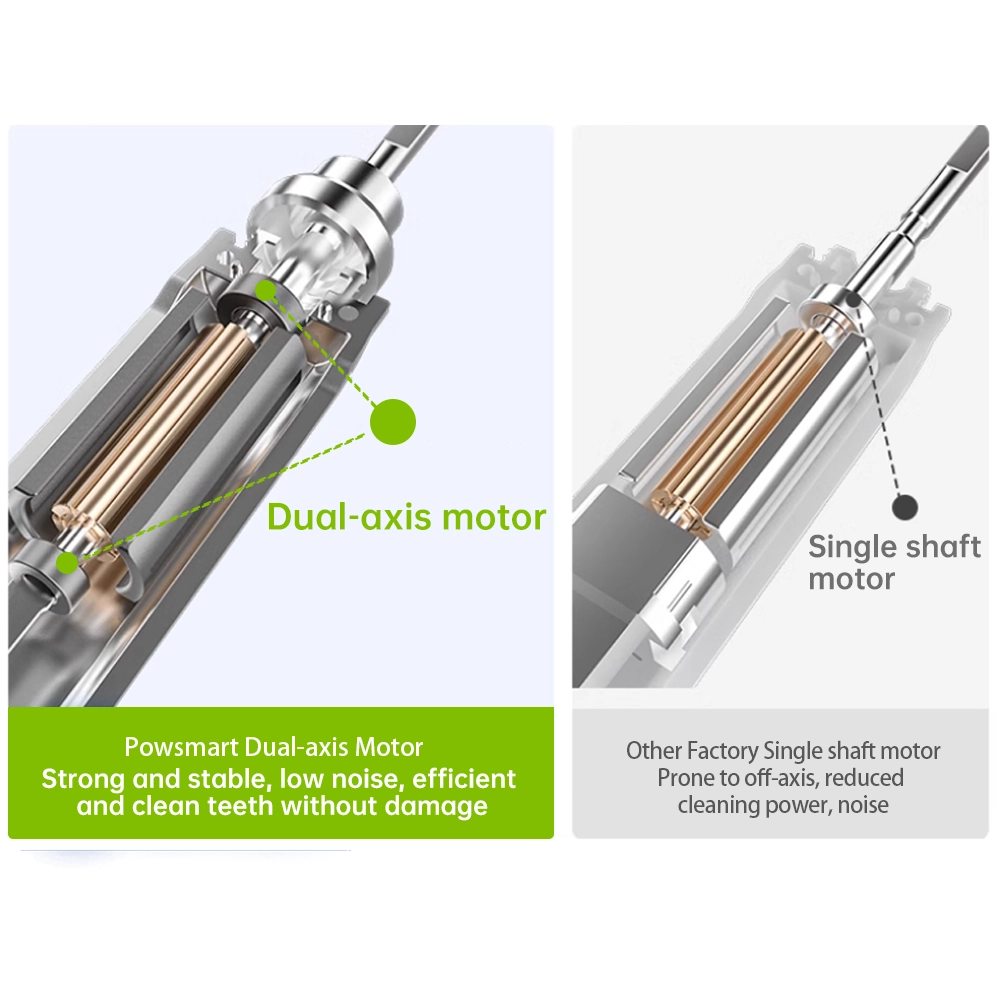
As the global demand for electric toothbrushes continues to grow, selecting the right technology for your brand’s product line is more critical than ever. Whether you are launching a new oral care brand or expanding your existing portfolio, understanding the differences between sonic vibration and rotary vibration technology is essential for aligning with both market trends and user expectations. This technology comparison will explore the performance, user experience, and manufacturing implications of both electric toothbrush vibration technologies, helping brand owners make informed sourcing decisions. https://www.powsmart.com/product/electric-toothbrush/ Overview of Electric Toothbrush Vibration Technologies In the electric toothbrush market, two main types of vibration mechanisms dominate: comparison of sonic vibration and rotary vibration technology. Sonic Vibration uses high-frequency side-to-side movements—usually at 20,000 to 40,000 strokes per minute. This technology relies on fluid dynamics to clean beyond direct contact, reaching between teeth and along the gumline. Rotary Vibration Technology involves oscillating or rotating brush heads, typically at a lower frequency (around 5,000 to 10,000 rotations per minute). These brushes often clean by direct mechanical action and are particularly effective at polishing tooth surfaces. Understanding these foundational differences is the first step in evaluating product strategy and manufacturing options. Cleaning Efficiency and User Experience From a consumer perspective, both technologies offer…
In the fast-evolving personal care market, standing out with a differentiated product is critical—especially in the electric oral care category. Whether you're launching a new brand or upgrading your existing product line, understanding what defines truly innovative electric toothbrush features is key to creating a product that resonates with today’s tech-savvy consumers. In this blog, we’ll explore six Electric Toothbrush Innovative Features that can make your electric toothbrush stand out, while helping you choose the right sonic toothbrush factory partner to bring your vision to life. Smart Brushing Tech for Personalized Oral Care Today’s users expect more than just vibration—they expect intelligence. Integrating smart brushing tech is one of the most effective ways to elevate your product’s value. Features such as: Pressure sensors to prevent overbrushing, AI-based brushing feedback via mobile apps, Real-time brushing coverage tracking,are not only technologically impressive but also reinforce oral hygiene habits. These features represent the new standard in oral care innovation, appealing to both health-conscious users and gadget lovers alike. Sonic Technology with Advanced Motion Control Partnering with a reliable sonic toothbrush factory ensures your product offers not just powerful but also precise cleaning. Advanced sonic motors deliver up to 40,000 vibrations per minute, but that’s only part of the…
In today’s highly competitive market, find the right electric toothbrush manufacturers is critical for oral care brands aiming to scale efficiently. Whether you are a startup entering the market or an established company seeking product diversification, partnering with a trustworthy oral care supplier is the foundation of quality, innovation, and long-term brand influence. This article offers a comprehensive roadmap for selecting a manufacturer that aligns with your business goals, supports OEM electric toothbrush production, and drives your oral care brand expansion strategy. Define Your Product and Brand Requirements First Before contacting any factory or supplier, clearly define your product specifications and brand positioning. Ask yourself: What type of branded toothbrush production do you require (e.g., sonic, oscillating, kids’ brushes)? Do you need full OEM electric toothbrush solutions or white-label production? What certifications (e.g., CE, FDA, ISO) must the products comply with? What are your expected order quantities, price range, and delivery timelines? Having a solid product brief helps you find suitable electric toothbrush manufacturers early and avoid costly mismatches. Where and How to Source Reliable Manufacturers Finding a reliable oral care supplier goes beyond a simple online search. Here are proven sourcing strategies: Trade shows: Events like IDS (Germany), Dental South China, and Cosmoprof Asia are great for…
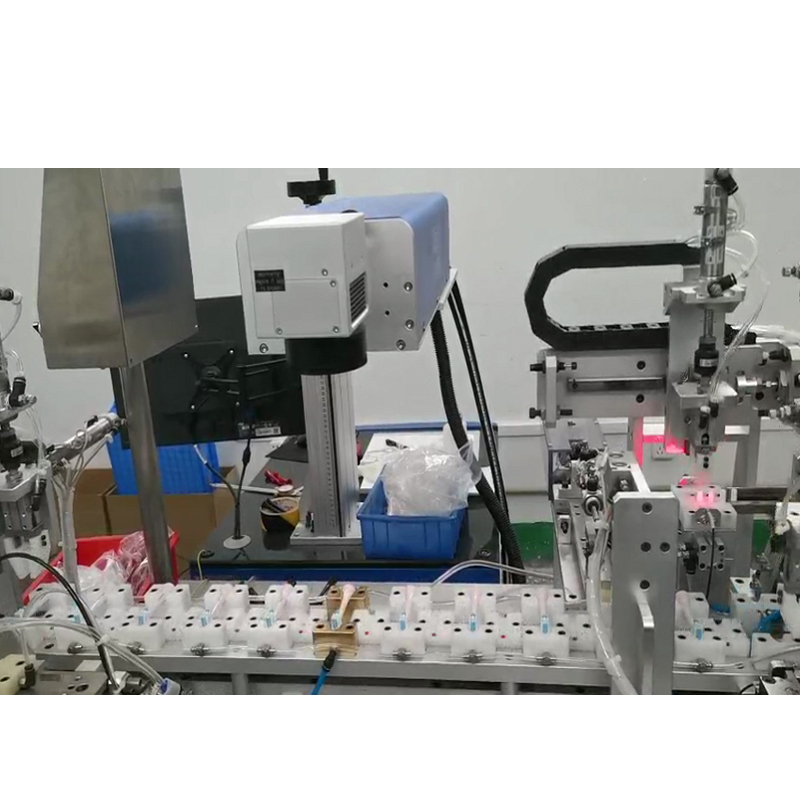
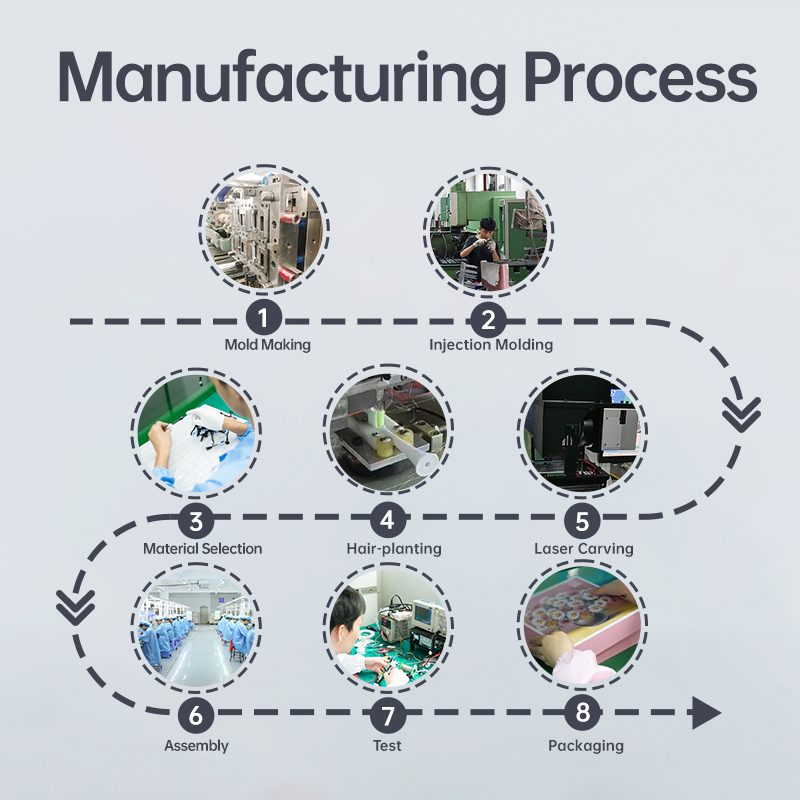
In today’s competitive oral care market, manufacturers must ensure that every electric toothbrush production process is standardized, efficient, and meets high-quality requirements. This article presents a full overview of the production process diagram, from injection molding to final assembly, highlighting injection molding process standards, assembly process specifications, and the key points for quality inspection necessary to guarantee superior product performance. Injection Molding – The Foundation of Precision The first critical step in the electric toothbrush production process is injection molding. High-quality shell and component manufacturing rely on strict injection molding process standards, including: Precise temperature and pressure control to prevent defects like shrinkage or warping Material selection (commonly medical-grade ABS, PP, or TPE) for durability and aesthetics Mold maintenance and polishing to ensure smooth finishes Adhering to consistent injection molding process standards is vital for ensuring a strong and attractive product base. Component Preparation – Quality Starts from Parts After molding, key components including motor units, battery packs, PCBs, and sealing gaskets. Every component must: Pass functional pre-tests (e.g., battery charging cycles, motor rotation tests) Be cleaned and anti-static protected before entering the assembly area Match design tolerances exactly to fit into the production line seamlessly Meticulous preparation at this stage helps maintain consistency throughout…
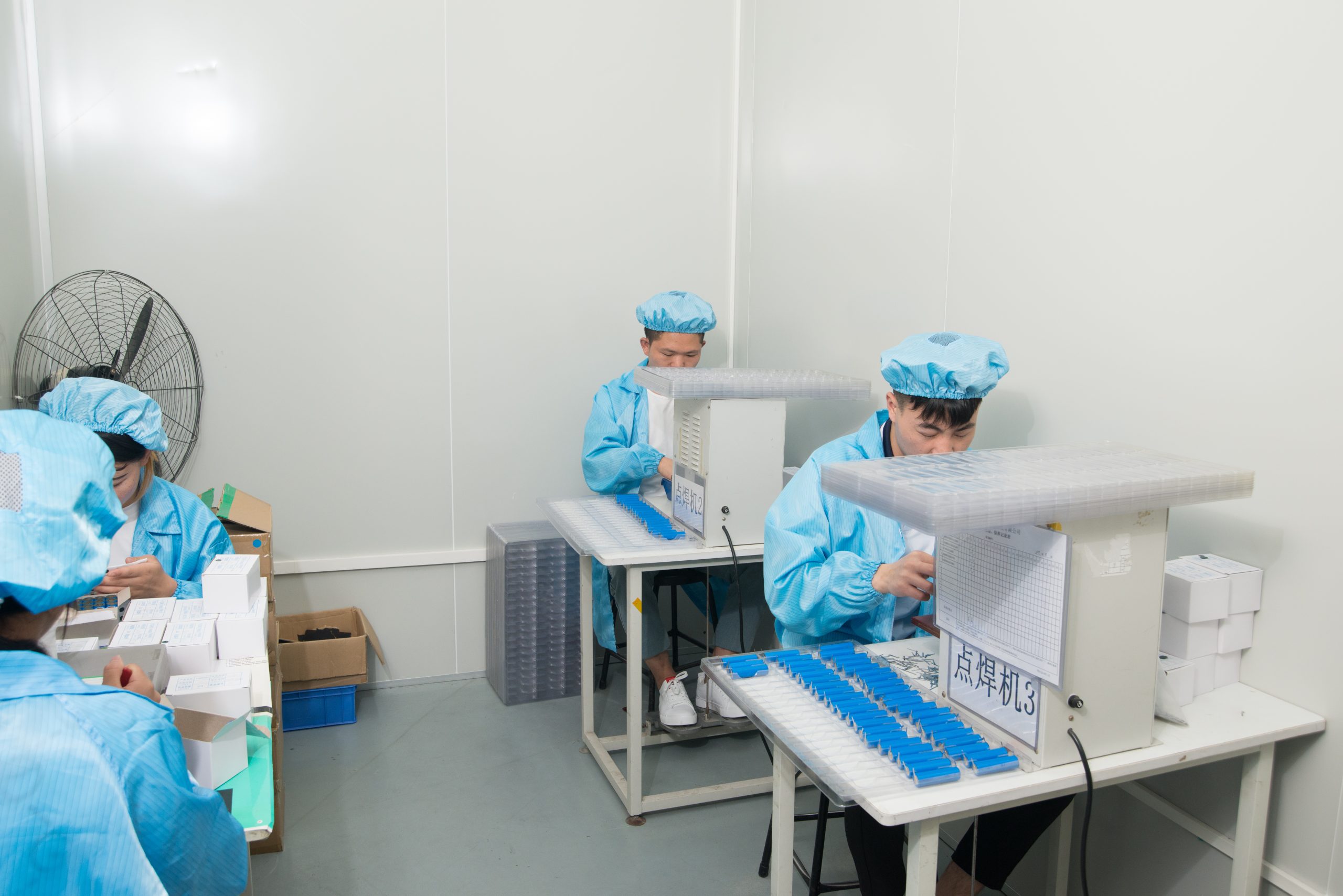
As the global demand for high-quality electric toothbrush continues to grow, brands and distributors are increasingly selective about the manufacturing partners they choose. The quality, reliability, and scalability of your supply chain begins with choosing the right factory. But what truly defines a trustworthy manufacturer in this space? In this blog, we outline the five essential characteristics of a high-quality electric toothbrush factory — the kind of partner that ensures product consistency, innovation, and long-term cooperation. Proven Manufacturing Experience – Over 20 Years in the Industry Experience matters, especially in precision manufacturing. A factory with over 20 years of manufacturing experience has: Refined production workflows Deep understanding of motor control and ultrasonic cleaning technology Proven ability to handle volume orders with consistent quality Such a factory is more than just a supplier — it is a strategic partner who understands market trends, end-user preferences, and regulatory challenges. Strict Quality Control Systems The production of high-quality electric toothbrushes depends on robust quality assurance procedures. Leading factories will have: QC checkpoints across every stage of production Automated testing equipment for vibration, battery life, and waterproofing Final product audits before packaging These practices ensure that every toothbrush delivered meets international standards and brand…
.jpg)
In today’s competitive oral care market, brand owners are constantly seeking ways to differentiate their products and enhance their market position. One of the most effective strategies is leveraging electric toothbrush customization services through OEM/ODM services. This approach not only allows for brand-specific product development but also offers numerous advantages. When it comes to choosing a service provider, there are a few key factors that you need to consider. These include things like reliability, affordability, and of course, quality. At Powsmart, we understand the importance of timeliness & effectiveness of communication with clients and delivering high quality products to our clients, which is why we have made it our top priority. Here are five key reasons why brand owners prefer OEM/ODM for electric toothbrushes. Cost-Effective Production Developing an electric toothbrush from scratch requires significant investment in research, development, and manufacturing. OEM/ODM services enable brand owners to leverage the expertise and existing infrastructure of experienced manufacturers. This minimizes costs related to equipment, workforce, and material procurement, making it a highly cost-effective solution. Faster Time to Market Speed is crucial in the fast-evolving consumer goods industry. By utilizing electric toothbrush customization services, brand owners can bring new products to market much faster compared to…
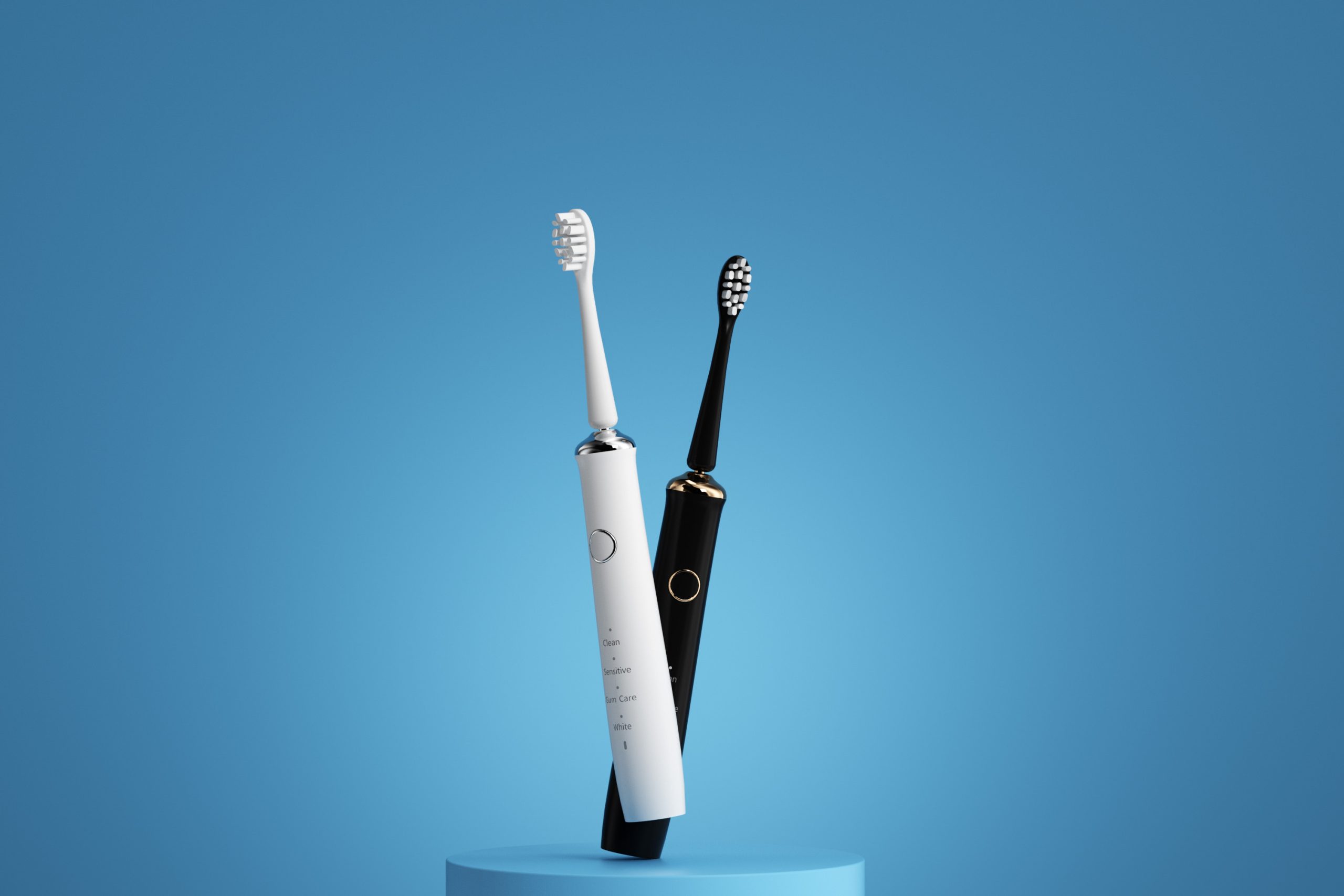
Sonic toothbrushes have become a significant part of the oral care market due to their superior cleaning technology and increasing consumer demand. For businesses considering entering this market, one critical question arises: Is manufacturing sonic toothbrush cost-effective? In this blog, Powsmart is gong to analyze key factors such as production costs, scalability, and competitive advantages, while integrating insights on electric toothbrush manufacturing cost and the role of an electric toothbrush factory. Key Cost Factors in Manufacturing Sonic Toothbrushes Manufacturing a sonic toothbrush involves several cost components: Material Costs: The primary materials include high-quality plastics, silicone for bristle heads, and advanced sonic motors. These materials can raise the electric toothbrush manufacturing cost, but sourcing in bulk or partnering with trusted suppliers can help reduce expenses. Technology and Design: The integration of sonic motor technology, battery efficiency, and ergonomic designs are key cost drivers. However, investing in superior technology is essential to remain competitive. Regulatory Compliance: Meeting international safety and quality standards requires rigorous testing, adding to the initial production cost. Role of an Electric Toothbrush Factory An electric toothbrush factory plays a pivotal role in determining the cost-effectiveness of manufacturing sonic toothbrushes. Efficient factories employ advanced machinery, automated production lines, and skilled labor to streamline…
The battery life of an electric toothbrush is a crucial factor for consumers, especially for those who travel frequently or use their toothbrush multiple times daily. With advancements in technology, the battery life of electric toothbrushes has significantly improved, but there are still notable differences across different electric toothbrush manufacturers. In this blog, we will explore the average battery life, factors that contribute to variations, and how to choose a toothbrush that best meets consumer needs. Average Battery Life of Electric Toothbrushes Most electric toothbrushes on the market offer a battery life ranging from 7 days to 6 weeks on a single charge, depending on the model and usage patterns. Basic models typically last around 7–14 days, while premium models with advanced features can last up to 9 weeks. Powsmart, as a high-end electric toothbrush factory with lithium-ion batteries built-in the electric toothbrush tend to perform better in terms of longevity compared to those using nickel-metal hydride (NiMH) batteries. Factors Influencing Battery Life Differences The electric toothbrush battery life difference can be attributed to several factors: Battery Type: Lithium-ion batteries, commonly used in modern toothbrushes, are lighter, more efficient, and last longer than NiMH batteries. Most of the time, the battery type is also a key factor…


.jpg)
.jpg)
.jpg)
.jpg)
.jpg)



.jpg)

.jpg)
.jpg)