
When building a successful oral care brand, product design decisions go far beyond aesthetics. One of the most critical choices is the type of power source your electric toothbrush will use. While battery-operated toothbrushes have been popular for years, more OEM brands are rethinking this approach as the market shifts toward sustainability, cost efficiency, and long-term performance. Below, we outline the Drawbacks of Battery-Operated Electric Toothbrushes and why exploring alternatives like rechargeable electric toothbrush manufacturing may better align with your brand strategy.
One of the most common battery toothbrush problems is inconsistent power output. As disposable batteries weaken, brushing performance declines—leaving consumers dissatisfied with cleaning results. Unlike rechargeable models, battery-powered brushes often fail to maintain consistent vibration or oscillation strength throughout their usage cycle. This performance gap can damage a brand’s reputation in a competitive market.
Although disposable brushes seem affordable at first glance, hidden costs quickly emerge. Consumers need to buy replacement batteries frequently, which adds up over time. From a branding perspective, this can create frustration and discourage repeat purchases. OEM partners looking for long-term brand loyalty should recognize these disposable electric brush cons and weigh them against the growing preference for rechargeable solutions.
Today’s consumers are increasingly eco-conscious. Unfortunately, battery-operated toothbrushes contribute to eco-unfriendly oral care due to constant disposal of used batteries and plastic casings. This raises red flags for environmentally minded buyers and can even damage a brand’s sustainability positioning. In contrast, rechargeable electric brushes are reusable, efficient, and more in line with global sustainability goals.
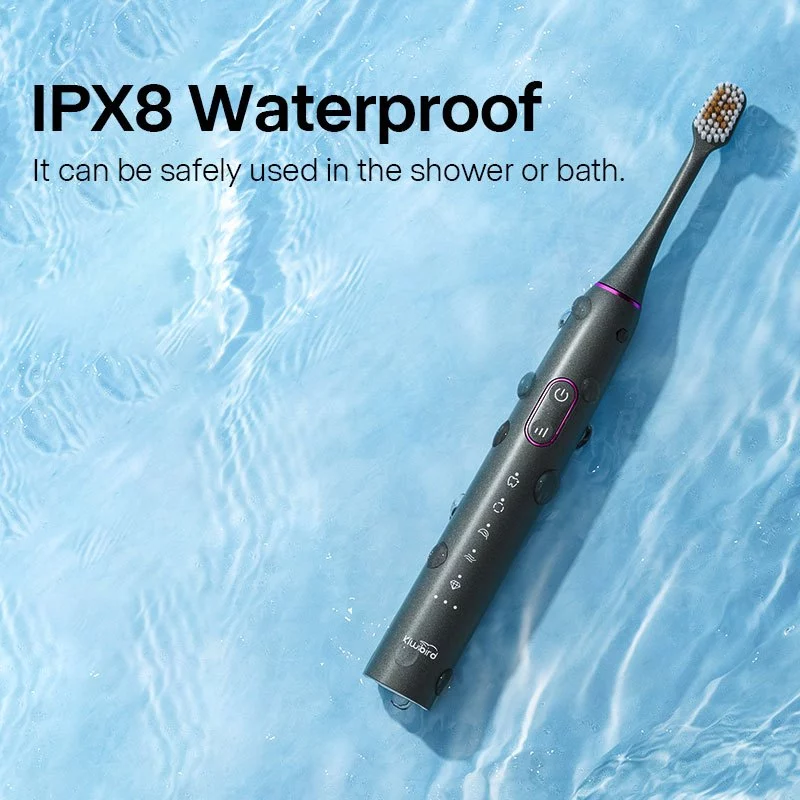
Battery-powered designs often restrict innovation. Smaller motor sizes and battery compartments limit performance and aesthetic customization for OEM brands. In contrast, rechargeable electric toothbrush manufacturing allows for more advanced features like inductive charging, waterproofing, smart sensors, and ergonomic designs—key factors that help brands differentiate in the premium market segment.
Governments worldwide are tightening regulations around single-use batteries and plastic-heavy consumer products. This means that Drawbacks of Battery-Operated Electric Toothbrushes go beyond performance—they also include compliance risks. OEM brands sticking to disposable battery models may find themselves lagging in markets where sustainability regulations become stricter.
Ultimately, while battery-powered toothbrushes may serve as an entry-level solution, they often limit brand growth potential. With rising demand for eco-friendly and tech-driven oral care, rechargeable options offer OEMs more sustainable, innovative, and future-proof opportunities. Partnering with the right manufacturer to develop rechargeable solutions can set your brand apart in an evolving global market.
The appeal of low-cost battery-operated toothbrushes is fading. From battery toothbrush problems to disposable electric brush cons and the growing concern over eco-unfriendly oral care, the market is clearly shifting. For OEM brands, investing in rechargeable electric toothbrush manufacturing is not just a design choice—it’s a long-term business strategy that aligns with consumer expectations, regulatory trends, and sustainability goals.
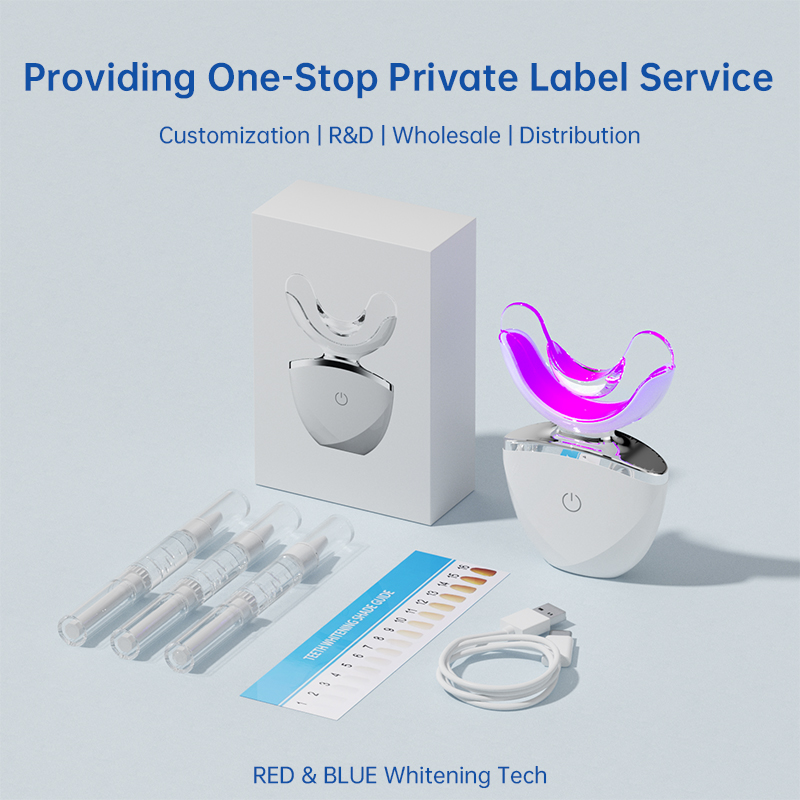
How to Find a Toothbrush Vendor for Toothbrush Travel Case Accessories?
.jpg)
Electric Toothbrush Handle Design Factory
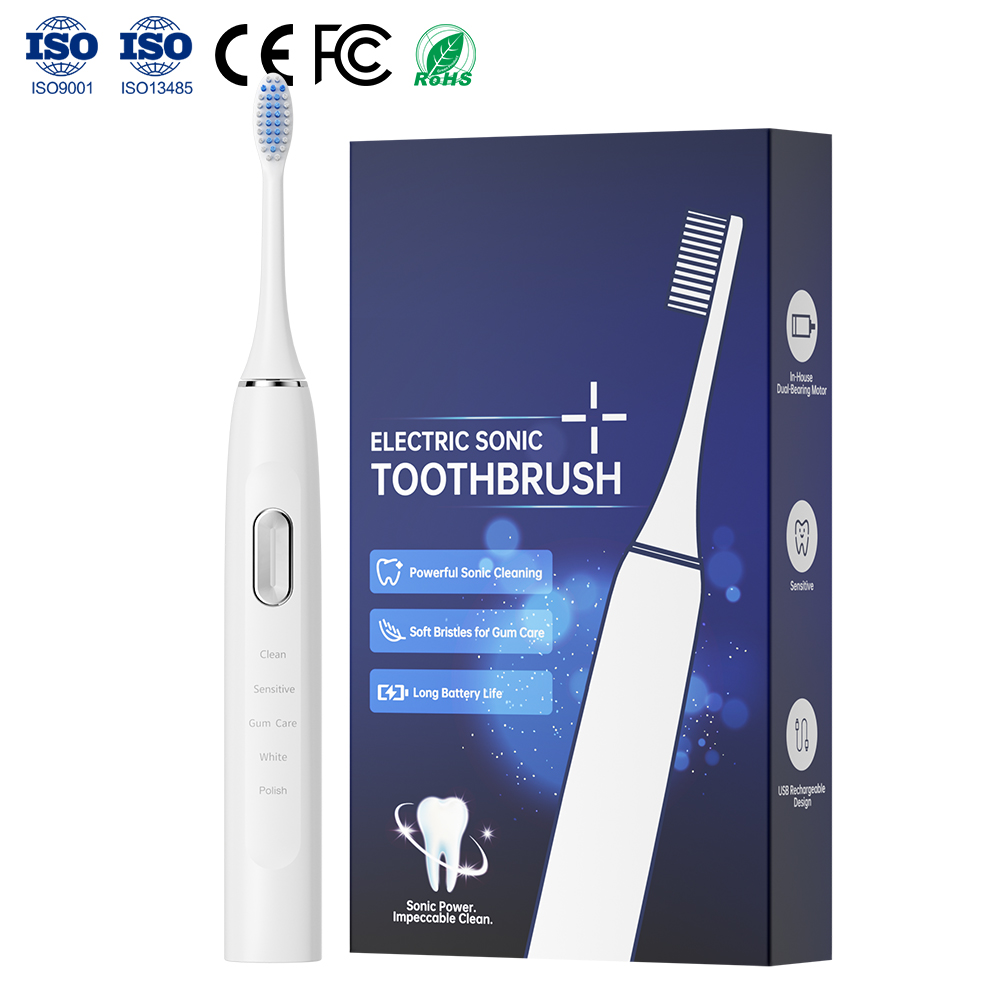
Why Include a Teeth Shade Guide with a Professional Salon Whitening Device?
“Sterilization Function Electric Toothbrush: Efficient Cleaning & Health Protection”
Hollow Motors Cause Compatibility Issues? Industry Secrets Exposed!
Custom Logo Whitening Kit Manufacturer
Smart Sensor Electric Toothbrush Supplier
Corporate Wellness Toothbrush Gifts Bulk Supplier
High Torque Electric Toothbrush Supplier

Does the Design of a Water Reservoir Cap Affect Its Fit in a Travel Flosser Case?
Electric Toothbrush with Long Battery Cycle Durability, Waterproof Design & Advanced PCB Technology
Electric Toothbrush Bulk Order Manufacturer
How to Ensure Teeth Whitening Products Deliver Results Without Sensitivity
How to Balance a High Plaque Removal Rate with Effective Gum Sensitivity Care?
Teeth Whitening Device Compliance in the EU Market: A Guide for OEM Buyers
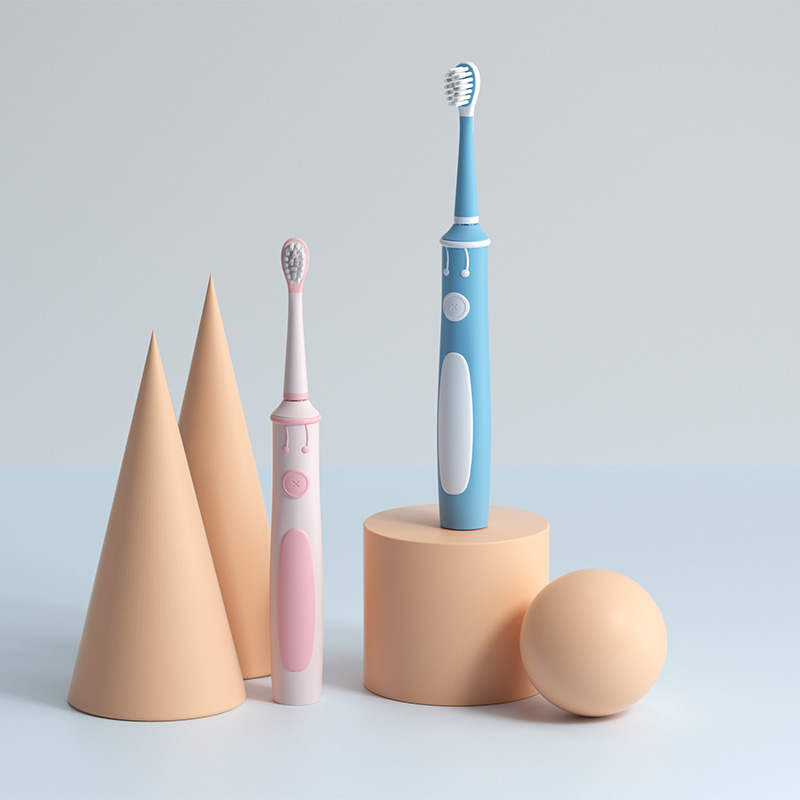
Design Considerations of OEM TSA-Friendly Travel Electric Toothbrushes


.jpg)
.jpg)
.jpg)
.jpg)
.jpg)



.jpg)