
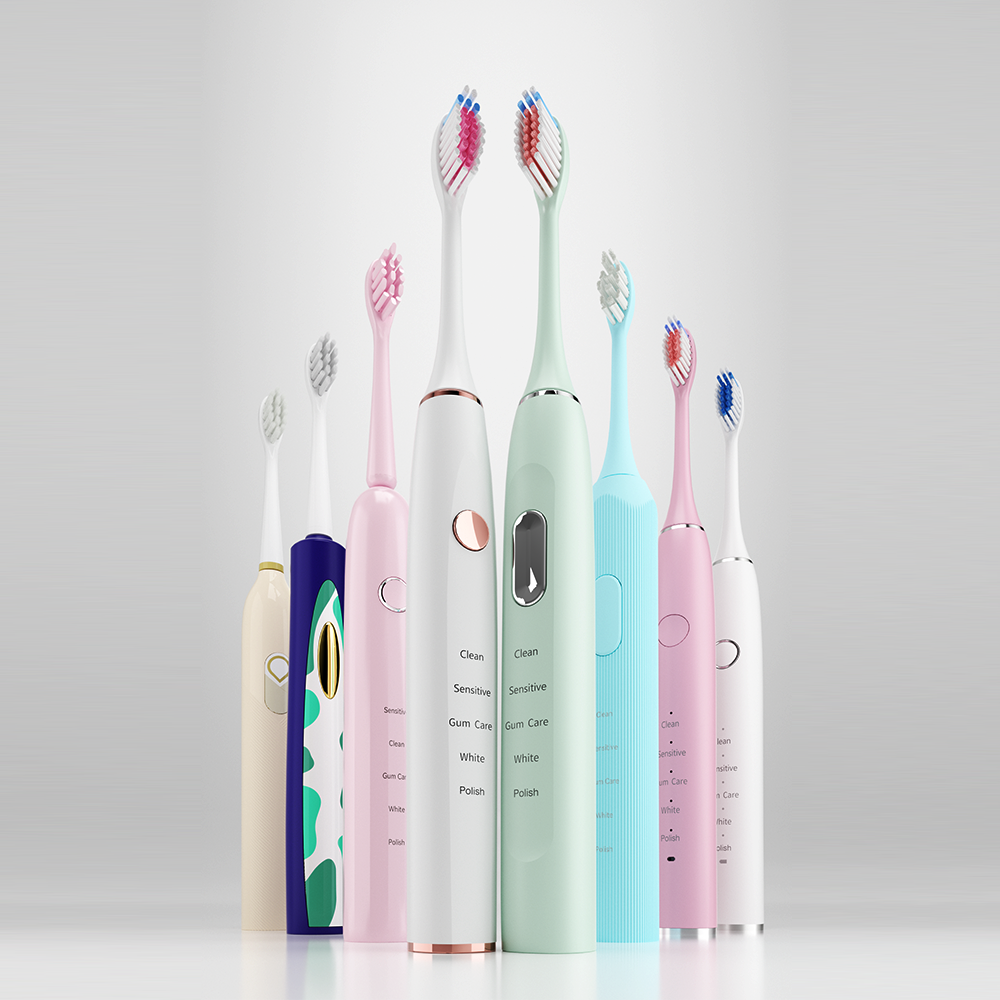
With the rapid development of technology, electric toothbrushes are more and more widely used in the field of oral care. As an electric toothbrush factory specializing in the production of electric toothbrushes, Powsmart continues to lead the industry in technological innovation with its 20 years of OEM/ODM experience. In this article, we will discuss the innovative technology, market demand and future development trend of electric toothbrushes. 1. Innovative Technology: Intelligent and Personalized Electric toothbrush factories are continuously improving product performance through innovative technologies. Modern electric toothbrushes are more than just electro-mechanical tools, and many products are beginning to integrate intelligent features. For example, Powsmart's electric toothbrushes use advanced smart sensors that can monitor the brushing force and time in real time. This technology can effectively help users improve their brushing habits and avoid gum damage caused by excessive force. In addition, personalized features are gradually becoming an important selling point for electric toothbrushes. Consumers can choose different brushing modes, such as cleaning, massage or whitening modes, according to their needs. This multi-functional design not only improves the user experience but also increases the market competitiveness of the product. As an ISO9001 and ISO13485 certified electric toothbrush factory, Powsmart always maintains…
In modern oral care, the popularity of electric toothbrushes is gradually changing people's brushing habits. As an electric toothbrush factory with 20 years of OEM/ODM experience, Powsmart understands the importance of electric toothbrushes in oral care. In this article, we will discuss the application effect of electric toothbrushes, comparison with traditional toothbrushes and the future development trend. 1. Application effect of electric toothbrush Electric toothbrushes can effectively clean teeth and gums through high-frequency vibration and rotation technology. Studies have shown that the use of electric toothbrushes can significantly reduce the formation of dental plaque, thus effectively preventing dental caries and periodontal disease. Compared to traditional manual toothbrushes, electric toothbrushes are more effective at cleaning. This is because electric toothbrush factories are designed with the trajectory of the bristles in mind, allowing them to penetrate deeper into the crevices of the teeth to remove hard-to-reach stains. At Powsmart, our electric toothbrushes are equipped with a variety of brushing modes, including cleaning, massaging and whitening, which can meet the needs of different users. Through intelligent design, users can choose the most appropriate brushing mode based on their oral condition. This personalized experience makes electric toothbrushes more and more popular in oral care.…
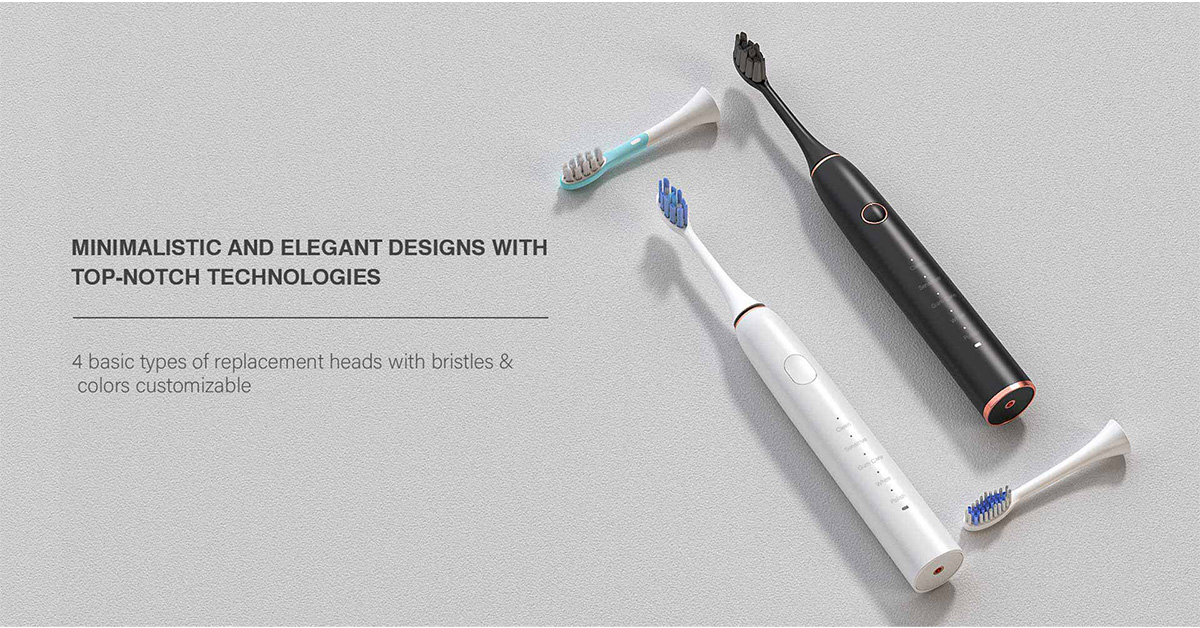
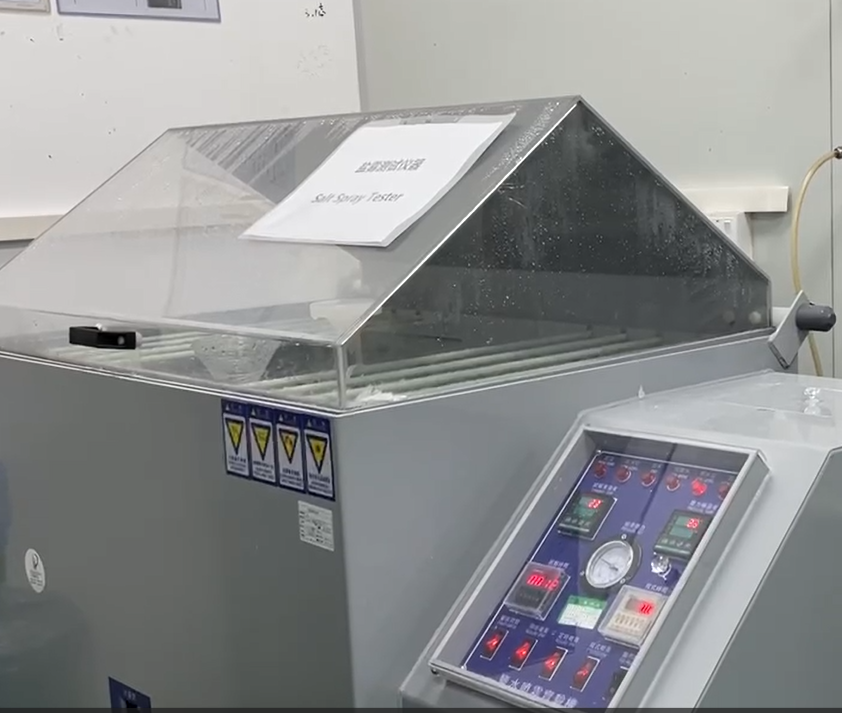
In today's competitive market, the production of electric toothbrushes requires not only efficient manufacturing processes but also strict quality control. As an electric toothbrush factory with 20 years of OEM/ODM experience, Powsmart ensures that every product meets customers' needs by continuously optimizing the manufacturing process and implementing stringent quality standards. In this article, we will discuss how electric toothbrush factories guarantee the superior quality of their products from three aspects: production process, quality control and industry standards. 1. Manufacturing process of electric toothbrushes The manufacturing process of electric toothbrushes is complex and involves precision operations in several stages. First of all, from the design to the R&D stage, electric toothbrush factories need to conduct in-depth analysis of market demand and customer requirements to develop products that meet users' needs. At Powsmart, we use advanced CAD design software to ensure that each product is both aesthetically pleasing and functional in its structure. Next comes mold making and injection molding, which is an important step in the factory production of electric toothbrushes. powsmart invests a great deal of resources in mold design to ensure the accuracy of each part. With high-quality injection molding equipment, we produce toothbrush housings that are not only…
With the improvement in living standards, consumers are increasingly concerned about oral health, and the market for electric toothbrushes is growing rapidly. As an electric toothbrush factory with 20 years of OEM/ODM experience, Powsmart deeply recognizes the importance of market trends and changes in consumer demand for product design and production. In this article, we will discuss the current situation and future development of electric toothbrushes from three aspects: market trends, consumer demand, and future outlook. 1. Market Trend: Intelligent and Diversified Electric toothbrush factories are in an era of intelligentization and diversification. With the progress of science and technology, intelligent electric toothbrushes have gradually become the mainstream of the market. Many products are integrated with advanced smart technologies, such as Bluetooth connectivity, APP control, and personalized care suggestions. These features allow users to not only monitor their brushing habits in real time but also make adjustments based on their personal oral health. At Powsmart, we have followed the market trend and launched a series of smart electric toothbrushes. These products not only offer efficient cleaning capabilities but are also able to provide personalized brushing regimens through apps to help users improve their oral health. The trend towards intelligence not…
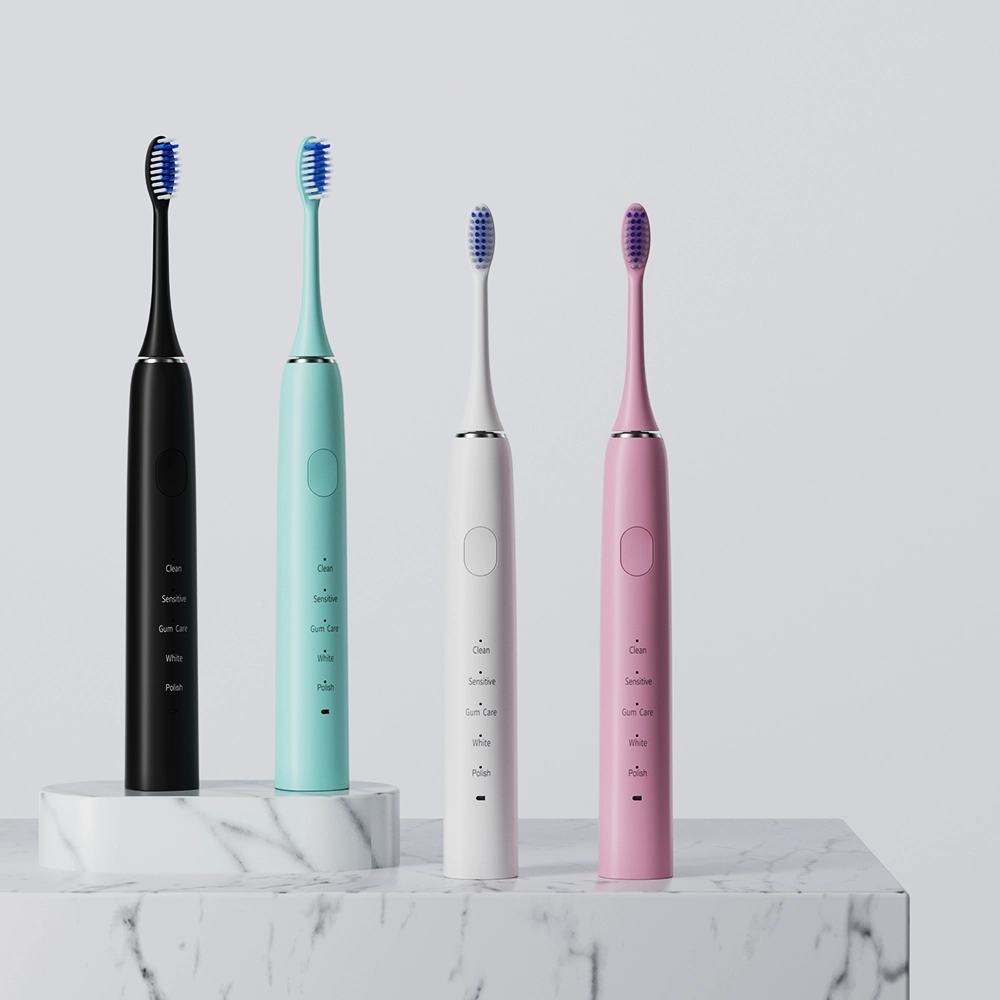
With the continuous development of the oral care product market, the design of electric toothbrushes does not only stop at the functional level but is more closely integrated with the user experience. As an electric toothbrush factory with 20 years of OEM/ODM experience, Powsmart has accumulated rich experience in product design and experience optimization through in-depth market research and user feedback. In this article, we will discuss how electric toothbrush design can improve user experience from five aspects. 1. Product Appearance Design and Brand Positioning The appearance design of electric toothbrushes should not only be beautiful and generous but also need to meet the positioning of the brand and the aesthetic needs of consumers. In electric toothbrush factories, the appearance design is often an important factor in attracting consumers, and Powsmart focuses on color matching, clean lines, and overall streamlined design to ensure that each product displays a simple but high-class texture. By combining the individual needs of different brands, we offer a diverse range of customized exterior designs that allow brands to stand out in the marketplace while allowing users to feel premium and professional with their electric toothbrushes. 2. Ergonomics and grip design Comfortable grip is the key…
With the increasing global awareness of environmental protection, all industries are striving to find solutions to reduce their impact on the environment, and the electric toothbrush industry is no exception. As an electric toothbrush factory with 20 years of OEM/ODM experience, Powsmart always takes environmental protection and sustainability as important considerations when manufacturing electric toothbrushes. In this article, we will discuss the electric toothbrush industry's efforts in environmental protection from five aspects: material selection, production process, energy-efficient design, waste disposal, and corporate social responsibility. 1. Selection of Environmentally Friendly Materials In the production of electric toothbrushes, the selection of materials is the first step towards environmentally friendly design. Traditional electric toothbrushes usually use plastic casings and brush heads, and these materials have a certain impact on the environment during production and disposal. To minimize the burden on the environment, Powsmart, as an experienced electric toothbrush factory, actively promotes the use of recyclable and biodegradable materials. We continue to develop and introduce environmentally friendly plastics and biodegradable brush head materials to ensure that our products can reduce environmental pollution at the end of their service life. We also use more durable materials in the design of our brush heads, which extends…
The popularity of electric toothbrushes has brought oral care into a smarter and more efficient era. As an electric toothbrush factory with 20 years of experience, Powsmart is not only committed to providing high-quality products, but also emphasizes on the experience and effect of customers during the use. In order to help you use your electric toothbrush better and prolong its service life, here are five tips and maintenance methods we have compiled to help you. 1. Correct brushing method When using an electric toothbrush, the correct way of brushing is key. Many people mistakenly believe that electric toothbrushes can be operated at will, but in reality they still need to master certain techniques. It is recommended that you gently rest the brush head against the surface of your teeth, making sure the bristles are in contact with the gum line, and slowly move the brush head at a 45 degree angle. Each tooth surface should be left for at least 2-3 seconds in order to achieve a thorough cleaning. powsmart, as a professional electric toothbrush factory, pays special attention to the design of the brush head and the vibration frequency when designing the products, in order to help users…
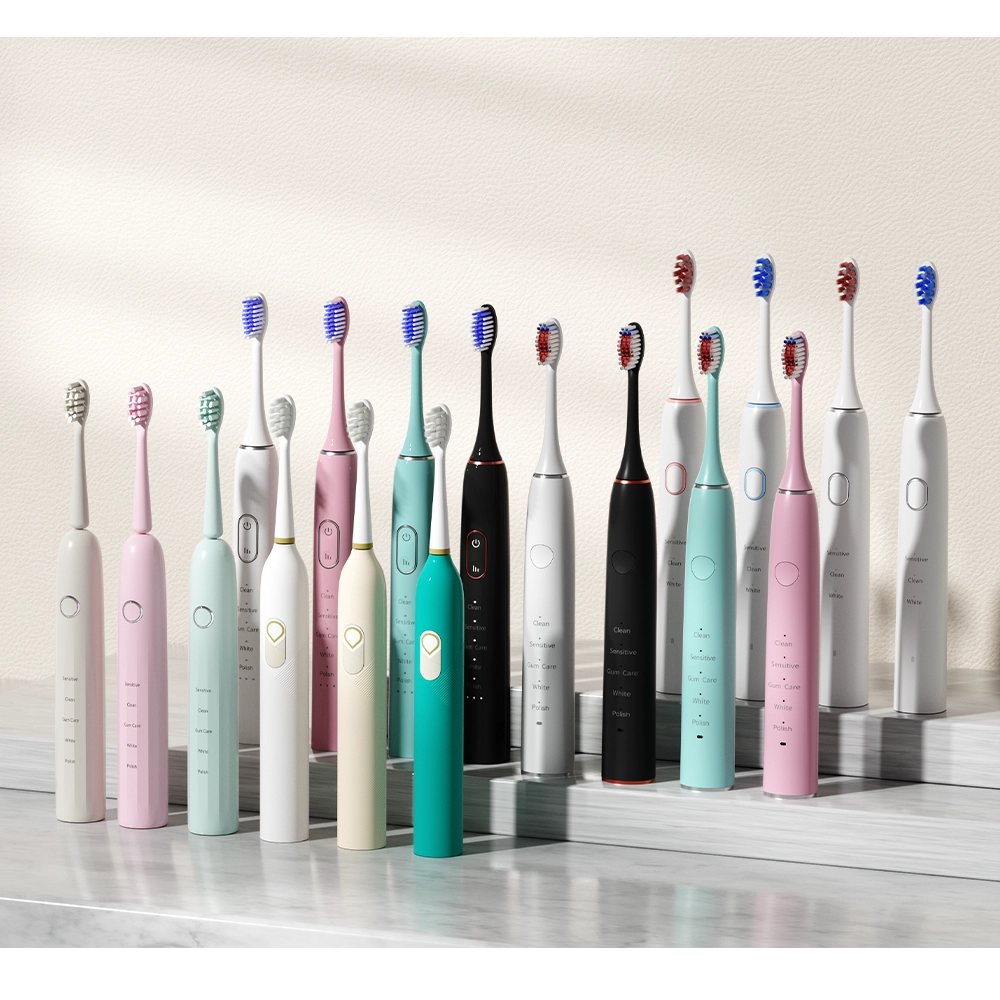
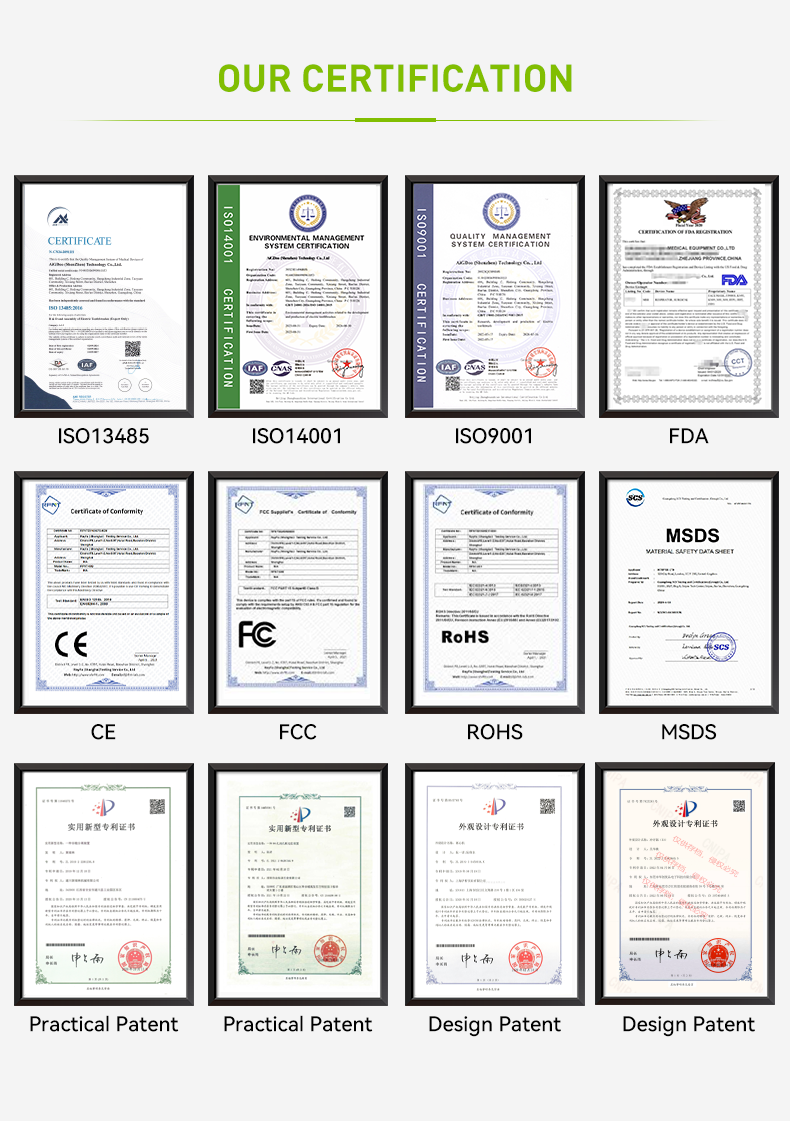
As an electric toothbrush factory with 20 years of industry experience, Powsmart has a strong reputation in the global oral care market. From our humble beginnings as a small factory, we have grown into a comprehensive supplier of R&D, manufacturing and sales, a journey that has not only witnessed our insistence on quality, but also demonstrated our continuous innovation in the market. In this article, we will take you through the story of Powsmart's growth during these 20 years and our vision for the future as a supplier of dental instruments. 1. Insisting on quality to win customers' trust From the very beginning, Powsmart has been committed to quality. We are ISO9001 and ISO13485 certified to ensure that each and every electric toothbrush and dental appliance undergoes stringent quality control before leaving the factory. This has not only helped us gain the trust of our customers in the global market, but also laid the foundation of our position as an electric toothbrush factory. Over the years, no matter how the market changes, we have always maintained the quality of our products to ensure that our customers can use every Powsmart product with peace of mind. 2. Technological Innovation, Driving the…
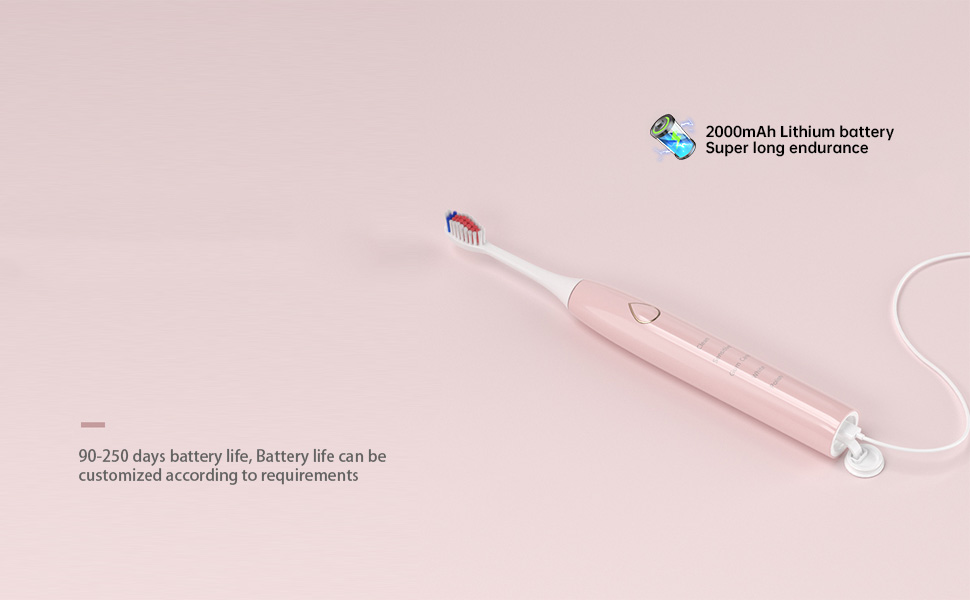
As technology continues to advance, products in the oral care industry are constantly being updated. As a new type of electric toothbrush, the Sweep Vibration Toothbrush is gradually favored by the market for its efficient cleaning ability and innovative design. As an electric toothbrush factory with 20 years of OEM/ODM experience, Powsmart has followed the industry trend and launched the Sweep Vibrating Toothbrush to help consumers realize a more efficient and convenient oral care experience. In this article, we will discuss the innovation and advantages of the Sweep Vibration toothbrush from five aspects. 1. Breakthrough inefficient cleaning technology While traditional electric toothbrushes mainly clean teeth through rotation or simple vibration, the Sweep Vibration toothbrush adopts a more advanced technology with a frequency of up to tens of thousands of vibrations per minute and a certain amplitude of oscillation, which is more compatible with the Pasteur method of brushing teeth. This innovative sweeping technology quickly removes dirt and plaque from the surface of the teeth and penetrates deep into hard-to-reach areas near the gum line and crevices of the teeth. Powsmart, as an electric toothbrush factory, has continued to innovate in the research and development of sweeping technology to bring users…
With the development of technology, electric toothbrushes are gradually becoming an essential tool for modern people's daily oral care. From the earliest basic functions to today's smart technology, the functions of electric toothbrushes are constantly upgraded, bringing a more efficient and comfortable cleaning experience. In this article, we will explore the evolution of electric toothbrushes in terms of functionality and show how we are leading this trend. 1. Optimization of basic cleaning functions The earliest electric toothbrushes relied on a simple vibration function, which helped remove dirt from the surface of the teeth by vibrating the bristles at high speed. Although the technology was relatively basic at the time, it showed obvious advantages over manual toothbrushes, and Powsmart, as an experienced electric toothbrush manufacturer, has not only done good research and development in the level of sonic electric toothbrushes, but also developed the latest sweeping vibration toothbrushes, which has made our products even more competitive. On this basis, we have continuously optimized the vibration frequency and bristle design to ensure that users can feel more efficient cleaning effect in daily use. 2. Introduction of Multi-mode Cleaning Technology As the market demand changes, a single vibration mode can no longer meet…
In the field of oral care, electric toothbrushes are gradually replacing traditional manual toothbrushes with their excellent cleaning effect and convenient use experience. As an electric toothbrush factory with 20 years of OEM/ODM experience, Powsmart is committed to providing consumers with efficient and comfortable oral care solutions through innovative technology. In this article, we will discuss the innovative technology of electric toothbrushes and their importance in daily cleaning from five aspects. 1. Efficient Cleaning Technology The high-frequency vibration and rotation technology used in electric toothbrushes enables them to effectively remove dirt and plaque from the surface of teeth. Compared with traditional manual toothbrushes, electric toothbrushes are able to clean the junction of teeth and gums more deeply and reduce blind spots, thus significantly improving oral health. Powsmart, as an electric toothbrush factory, continuously optimizes the cleaning technology of electric toothbrushes to ensure that each product provides users with excellent cleaning results and keeps their mouths healthy and fresh. 2. Multiple Cleaning Modes In order to meet the needs of different consumers, Powsmart Electric Toothbrush Factory has developed a variety of cleaning modes that users can freely choose according to their needs. For example, for users with sensitive teeth, we provide…
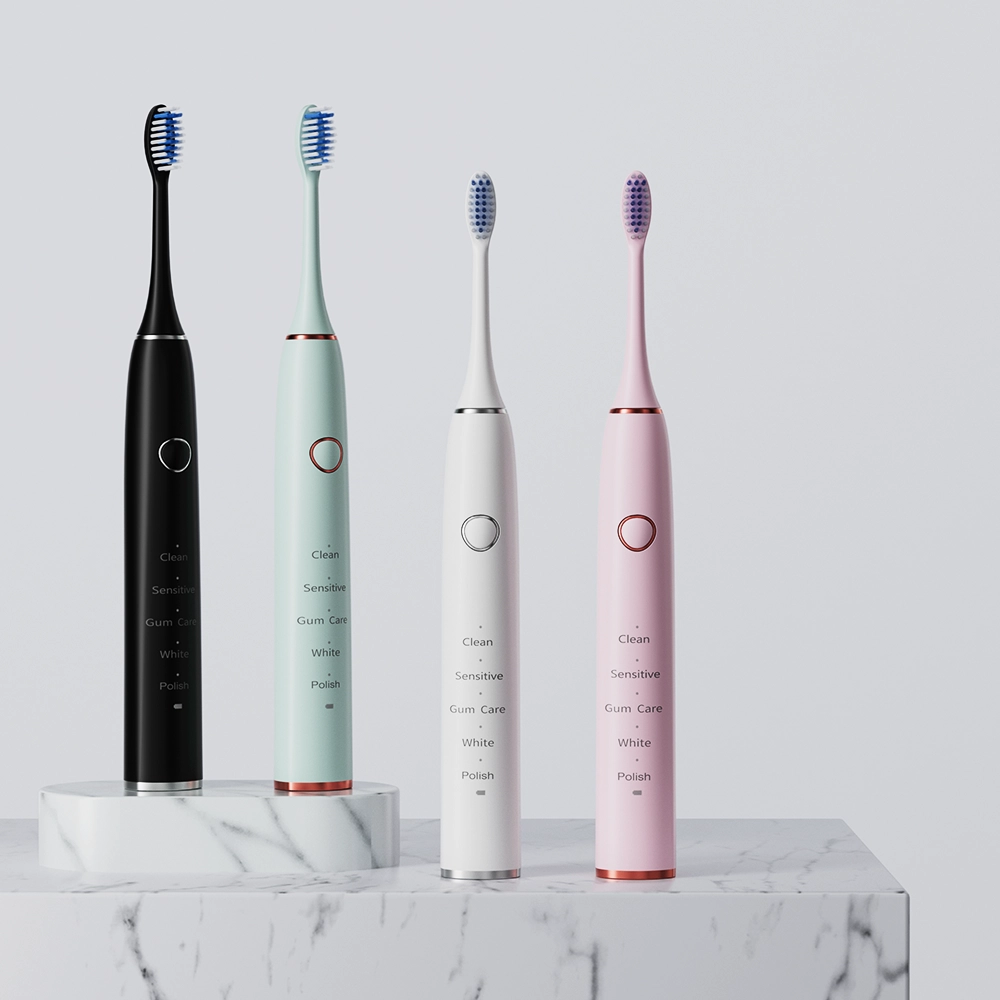
As people's attention to oral health gradually increases, electric toothbrushes, as an efficient and convenient oral care tool, are increasingly favored by consumers. Compared with traditional manual toothbrushes, electric toothbrushes have significant advantages in terms of cleaning effect and experience, and have become the new choice for professional oral care. As an electric toothbrush factory with 20 years of OEM/ODM experience, Powsmart is committed to providing innovative, high-quality electric toothbrush products for global users to help people's oral health. In this article, we will introduce the advantages of electric toothbrush and its status as a professional care tool in detail from four aspects. 1. Cleaning Advantages of Electric Toothbrush With its high-frequency vibration and rotation technology, electric toothbrushes are able to remove stains and plaque from the surface of teeth more effectively than manual toothbrushes. With thousands of vibrations per minute, electric toothbrushes allow the bristles to penetrate deeper into the crevices of the teeth and near the gum line, effectively reducing the blind spots in the mouth.Powsmart, as a professional electric toothbrush factory, develops products that not only significantly improve the cleaning effect, but also provide users with multiple brushing modes to get the ideal care for their teeth…
As modern consumers demand more and more oral care, personalized solutions have become a mainstream demand in the market. As a professional electric toothbrush factory, Powsmart is committed to providing different users with personalized electric toothbrush products that meet their needs. With 20 years of OEM/ODM experience and high standards certified by ISO9001 and ISO13485, our electric toothbrushes continue to innovate in technology, design, and functionality to provide customers with a more efficient and professional oral care experience. The following will explore five aspects of how electric toothbrushes are the best solution for personalized oral care. 1. Multi-mode design for different needs As a professional electric toothbrush manufacturer, Powsmart has designed its products with the diverse needs of users in mind, as everyone has different oral health conditions and different care needs. Our electric toothbrushes are equipped with multiple modes to choose from, such as Daily Cleaning Mode, Sensitive Teeth Mode, Deep Cleaning Mode, etc. so that users can choose the right mode according to their oral conditions. This personalized design can help different users effectively deal with different oral problems and improve the overall care effect. 2. Customized brush head design The design of the brush head of an…
In modern society, environmental protection and sustainable development have become hot topics of global concern, especially in the field of health and personal care. As an electric toothbrush factory with 20 years of OEM/ODM experience, Powsmart has always been committed to integrating environmental protection concepts into product design and production to meet consumers' needs for sustainable development. In this paper, we will discuss the importance of electric toothbrushes in environmental protection and sustainable oral care from three aspects, and Powsmart's efforts in this field. 1. Sustainable design and material selection of electric toothbrushes The environmental performance of electric toothbrushes is first and foremost reflected in their design and material selection. Traditional plastic toothbrushes need to be replaced every three months, which generates a large amount of non-degradable plastic waste in the long run. On the other hand, the brush head of the electric toothbrush can be replaced separately, which greatly reduces the amount of waste of the whole product. As an electric toothbrush factory, Powsmart further reduces the environmental impact of our products by choosing recycled and renewable materials. We use high-quality, recyclable plastic materials for our electric toothbrush housings, and we are constantly exploring more environmentally friendly material applications.…
In today's highly competitive market environment, electric toothbrush factories must make great efforts in technological innovation and cost control in order to stand out. As a Powsmart electric toothbrush factory with 20 years of OEM/ODM experience, we understand the importance of this. The following are our strategies in technological innovation and cost control. I. Technological innovation is the core competitiveness 1. Waterproof technology breakthrough Our electric toothbrushes are IPX8 waterproof, which is the leading level in the industry. Whether in a wet bathroom environment or accidental water immersion, it can be used normally, providing great convenience for users. The development of this technology requires a lot of time and effort, but it has also won more market share for our products. 2. Excellent noise control Noise control within 55 dB is another highlight of our products. While ensuring the cleaning effect, we minimize the noise as much as possible to bring users a more comfortable experience. By continuously optimizing the motor structure and adopting advanced noise reduction materials, we have successfully achieved this goal. Strict quality control system 1.Certified to guarantee quality Powsmart electric toothbrush factory has passed ISO9001, ISO13485 and other certifications, which means that the quality of our…
In today's era of pursuing quality and environmental protection, electric toothbrush factories shoulder a great responsibility. As a Powsmart electric toothbrush factory with 20 years of OEM/ODM experience, we have been committed to exploring and practicing material innovation and environmental protection production. Material innovation to improve product quality 1. Excellent waterproof performance Our electric toothbrushes are IPX8 waterproof, thanks to advanced material selection. The use of special sealing materials and waterproof coatings ensures that it can be used normally in a variety of complex environments, bringing great convenience to users. 2. Excellent noise control Noise control within 55dB is also one of our highlights. Through the selection of high-quality motor materials and shock-absorbing materials, the operating noise is effectively reduced, providing users with a quiet and comfortable experience. Second, the application of environmentally friendly materials 1. Sustainable development concept In the choice of materials, we uphold the concept of sustainable development and prioritize the use of environmentally friendly materials. For example, the use of biodegradable plastics instead of traditional plastics to reduce environmental pollution. At the same time, we actively explore the application of new environmentally friendly materials to contribute to the cause of environmental protection. 2. Non-toxic and harmless…
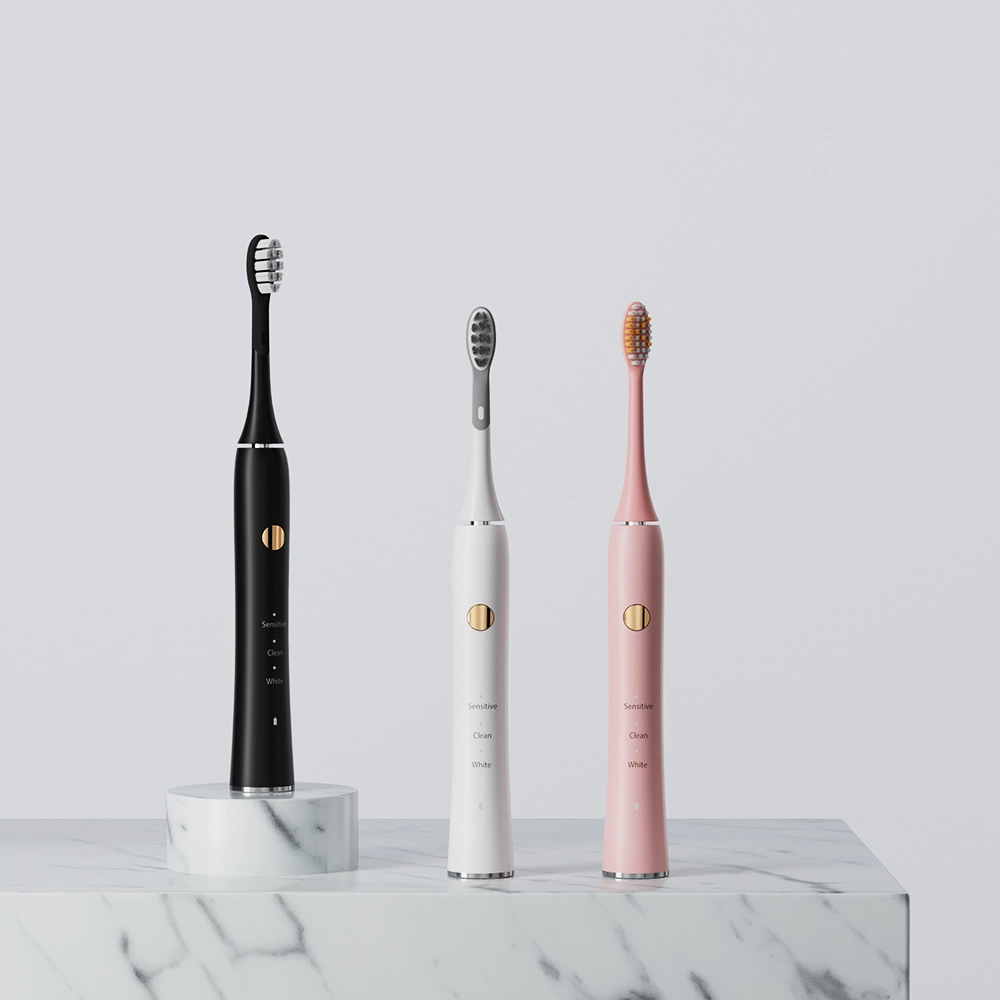
In the highly competitive electric toothbrush market, efficient supply chain management is crucial for the survival and development of electric toothbrush factories. As a Powsmart electric toothbrush factory with 20 years of OEM/ODM experience, we have been exploring and optimizing our supply chain management strategy to ensure that our products can remain competitive in the market. I. Strict Supplier Selection 1.Quality Priority We know that the quality of raw materials directly affects the quality of the final product. Therefore, when selecting suppliers, we always put quality in the first place. We conduct strict evaluation of potential suppliers, including their product quality, production capacity, quality management system and other aspects. Only suppliers who pass our strict audit can become our partners. 2.Long-term cooperation Establishing a long-term and stable cooperative relationship with high-quality suppliers can ensure a stable supply of raw materials and consistency of quality. We actively communicate with our suppliers to solve problems together and realize mutual benefit and win-win situation. Second, accurate demand forecast 1.Market Research We pay close attention to market dynamics and accurately forecast market demand through market research and data analysis. This helps us to rationally arrange the production plan and avoid the occurrence of inventory…
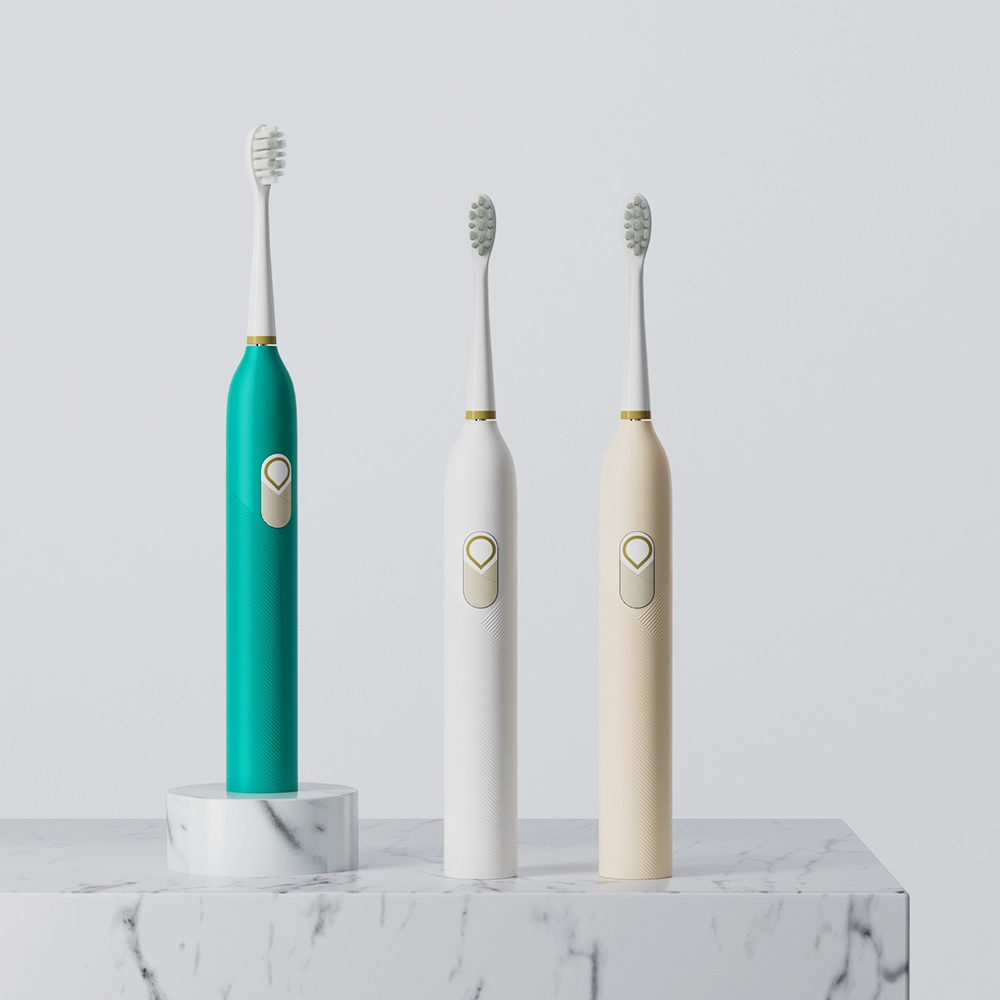
In the current context of rising global environmental awareness, energy saving and emission reduction has become a top priority for manufacturing companies. As an electric toothbrush factory with 20 years of OEM/ODM experience, Powsmart is not only committed to the production of high-quality products, but also actively implements energy-saving and emission reduction measures during the production process to achieve the goal of sustainable development. In this paper, we will discuss the energy saving and emission reduction measures adopted by Powsmart in the production of electric toothbrushes and their effectiveness. 1. Advanced equipment to improve production efficiency Powsmart adopts energy efficient automated equipment in the production of electric toothbrushes. These equipments not only enhance the production efficiency, but also significantly reduce the consumption of energy. By upgrading the automation of the production line, Powsmart is able to ensure the quality of its products while reducing power consumption and production costs. As a visionary electric toothbrush factory, Powsmart has maximized productivity and reduced energy waste through equipment upgrades, thereby effectively reducing carbon emissions. 2. Implementation of Green Production Concept Powsmart always adheres to the concept of green production in the manufacturing process. When we manufacture electric toothbrushes, we strictly control the energy…


.jpg)
.jpg)
.jpg)
.jpg)
.jpg)



.jpg)
.jpg)
.jpg)