.jpg)
Introduction: Material Safety in Focus for Children's Oral Care Devices When it comes to children’s products, especially oral care tools, material toxicity is a non-negotiable concern. Parents, distributors, and OEM partners are increasingly cautious about what comes into direct contact with young users. This is particularly true for products like the POWSMART Kids Electric Toothbrush, which combines technology and daily hygiene in one. The key question many B2B stakeholders are asking is: Does the POWSMART Kids Electric Toothbrush contain any material toxicity that may pose risks to young users? In this blog, we explore the material composition, compliance certifications, safety testing, and design intentions behind the POWSMART Kids series to clarify this important issue. Why Material Toxicity Matters in Kids’ Electric Toothbrushes Children’s oral tissues are more sensitive, their immune responses still developing, and their habits less predictable. This makes them especially vulnerable to the negative impacts of: Endocrine-disrupting chemicals (e.g., BPA) Unstable colorants or surface coatings Allergenic plastics or elastomers Low-grade metals in motor casings or brush necks For B2B manufacturers, the reputation risk of a material toxicity incident is significant—affecting both brand trust and regulatory exposure. Materials Used in the POWSMART Kids Electric Toothbrush The POWSMART Kids Electric…
.jpg)
The global oral care market is rapidly evolving, with smart technology becoming a key differentiator. Bluetooth-enabled electric toothbrushes are no longer niche—they’re a fast-growing category that blends health tech with everyday hygiene. For brands aiming to expand their product line or launch a new oral care venture, tapping into this trend through smart toothbrush customization and bulk manufacturing partnerships offers immense growth potential. This guide is designed to help brand owners and private label companies navigate the process of working with a B2B toothbrush supplier, including steps for customization, quality assurance, and how to secure the right oral care OEM factory for your needs. Understanding the Bluetooth-Enabled Electric Toothbrushes Market Opportunity Smart toothbrushes are transforming the oral care experience. Equipped with real-time feedback, brushing habit tracking, and app integration, Bluetooth-enabled models are especially attractive to tech-savvy consumers and parents alike. Key benefits driving market demand: Growing consumer interest in health-tech integration Subscription model opportunities via app platforms Competitive differentiation through smart features Now is the ideal time to explore Bluetooth-Enabled Electric Toothbrushes wholesale partnerships to stay ahead of market trends. Smart Toothbrush Customization: What Can Be Tailored? When partnering with a manufacturer, brands can go beyond just adding a logo. A capable oral care OEM can help…

As global demand for dental hygiene rises, stocking your retail or online store with competitive oral care items is more critical than ever. Retailers and private label brands looking to maximize profit margins and customer satisfaction should consider wholesale oral care products and bulk dental supplies as a strategic solution. This blog explores how to source high-quality oral care products in bulk, highlights the benefits of working with an OEM oral care supplier, and provides insights into building a long-term, cost-effective supply chain. Advantages of Buying Oral Care Products in Bulk Purchasing store oral care products in bulk offers multiple advantages for both small retailers and large distributors: Cost Efficiency: Lower unit prices and reduced packaging/shipping costs significantly improve your profit margins. Inventory Stability: Bulk orders help ensure stock availability, especially during high-demand periods like back-to-school, holidays, or promotional seasons. Brand Scalability: Working with reliable bulk suppliers makes it easier to expand your product range as your business grows. Whether you're sourcing electric toothbrushes, manual toothbrushes, or water flossers, bulk dental supplies allow you to streamline operations and reduce overhead. Choosing the Right OEM Oral Care Supplier If you're considering launching your own brand or customizing your product line, working with an experienced OEM oral…
The global oral care business is undergoing a rapid transformation. This is driven by heightened consumer awareness, innovation, and demand for personalized hygiene solutions. No longer limited to basic toothbrushes and toothpaste, today's market includes a wide variety of oral hygiene products. Like electric toothbrushes, oral irrigators, teeth whitening kits, and more. As competition intensifies, many oral care brands are now looking for strategic manufacturing partners to meet the rising demand for quality, innovation, and scalability. This blog explores key oral care market trends, emerging opportunities in oral care. And why now is the ideal time for brands to invest in strong partnerships with reliable OEM/ODM manufacturers. Oral Care Market Trends: What’s Driving Growth? The dental industry growth is fueled by several critical trends shaping consumer behavior and product development globally: Increased awareness of preventive care: More people are proactively investing in oral hygiene products to prevent dental issues before they arise. Technological innovation: Smart toothbrushes, water flossers with multiple pressure modes, and app-connected devices are redefining oral care routines. Sustainability and personalization: Consumers demand eco-friendly materials, recyclable packaging, and customizable care options tailored to specific dental needs. These oral care market trends are creating significant demand for high-quality, differentiated products—offering manufacturers the…
With the competitive dental care market growing rapidly, competition among oral care brands is fiercer than ever. To stand out, brands must understand which competitive oral care products are currently in demand and what consumers are looking for in their oral hygiene routines. From dental care market trends to oral hygiene innovations, this blog provides manufacturers and brand owners with a clear roadmap to product development and strategic sourcing. Understanding Dental Care Market Trends To succeed in today’s oral care industry, it’s critical to align with current dental care market trends. Key developments include: Increased awareness of preventative care Consumer demand for personalized and tech-enabled products Rising preference for eco-friendly and sustainable options Growth in at-home oral care routines, especially post-pandemic These trends are shaping the future of what qualifies as high-demand dental products, forcing manufacturers and brands to evolve beyond traditional brushes and pastes. Characteristics of Competitive Oral Care Products What makes a product truly competitive in this saturated market? Here are key characteristics: Functionality & Innovation: Products that integrate new technology or design for better results—think sonic vibration, pressure sensors, and AI feedback apps. User-centric design: Sleek, ergonomic, and easy-to-use products win user loyalty. Scientific validation: Backed by dental professionals…
The children's oral care market is growing rapidly, fueled by increasing parental awareness, pediatric dental recommendations, and evolving consumer preferences. For oral care brands, developing or sourcing children’s oral care products requires a delicate balance between safety, effectiveness, and child appeal. This article provides a structured guide for brands and procurement teams on what to prioritize—whether you're developing in-house or seeking a reliable manufacturing partner. Safety First: Materials and Formulation Children have more sensitive systems than adults, so the first priority is safety. Brands must ensure that all components in the product are 100% safe for young users. A safe kids toothbrush should be made of BPA-free, food-grade plastic and feature soft bristles that won’t harm developing gums or enamel. For toothpaste, opt for non-toxic toothpaste for children, free from fluoride (for younger age groups), SLS, artificial colors, and parabens. Always work with manufacturers that can provide full safety certifications and material compliance documentation. Regulatory Compliance and ADA Approval Manufacturers should be familiar with global and regional safety standards. When choosing suppliers, prioritize those experienced in producing ADA-approved children's dental care products. In the U.S., the American Dental Association (ADA) seal is a trusted symbol that confirms safety and efficacy. In Europe or…
In recent years, the kids oral care market has experienced a surge in demand, driven by rising parental awareness, global oral health campaigns, and growing disposable incomes. Meanwhile, Family Dental & Orthodontic Products are seeing increased adoption, not only among children but also among teens and adults seeking at-home care solutions. For oral care brands, this presents a compelling opportunity to diversify product lines and partner with specialized manufacturers. The Rise of Children’s Dental Products The need for tailored children’s dental products is more important than ever. Young users require safe, effective, and appealing solutions that encourage regular oral hygiene habits. Key product categories with high demand include: Electric toothbrushes designed for small mouths and gentle gums Fluoride-free toothpaste with child-safe flavors Fun, themed oral care sets that engage children through design Partnering with manufacturers who understand regulatory requirements (e.g., BPA-free, FDA-compliant materials) is essential to successfully tapping into this niche. For brands, this segment represents some of the most dynamic pediatric dental business opportunities. Addressing Family Orthodontic Solutions Modern families are increasingly seeking convenience and affordability in dental care. As such, Family Dental & Orthodontic Products — such as clear aligners, night guards, retainers, and orthodontic toothbrushes — are becoming household essentials. Brands…
.jpg)
For oral care brands, offering the right mix of kid-friendly oral care products is crucial to winning over families. Parents are seeking effective, safe, and engaging at-home dental care solutions to build lifelong dental hygiene habits for their children. From colorful toothbrushes to playful flossers, there's growing demand for fun oral care products for kids that combine function and enjoyment. In this blog, we explore 7 high-potential kids dental care products that can help your brand stand out in the market, and provide direction for sourcing the right children's dental hygiene manufacturers. Colorful Electric Toothbrushes with Built-in Timers Electric toothbrushes specifically designed for children—with smaller brush heads, soft bristles, and fun characters—make brushing more exciting. A built-in 2-minute timer helps kids brush long enough without supervision. These are ideal for brands looking to expand their at-home dental care range with smart, engaging technology.Manufacturing Tip: Look for suppliers offering customizable designs (cartoon characters, LED lights, music, etc.) with CE/FDA certifications. Fruit-Flavored Fluoride Toothpaste Traditional mint flavors don’t always appeal to kids. Toothpaste with fruity flavors like strawberry, watermelon, or bubblegum makes brushing less of a chore. The key is maintaining effective fluoride levels while using safe, kid-approved ingredients.Keyword Match: A strong contender among kid-friendly oral care essentials. Gentle Silicone Finger…
.jpg)
As parental awareness of dental health continues to grow, the kids' dental care market is undergoing rapid expansion. While toothbrushes for children have been a staple in this space, the spotlight is now shifting toward more advanced tools—especially the water flosser for children. The question facing many oral care brands today is: Is it time to expand into the children’s oral irrigator category?This blog explores the market signals, product development potential, and strategic value of investing in pediatric oral care solutions. Market Demand: Why Children's Oral Irrigator Demand Is Growing Modern parents are increasingly proactive about instilling good oral hygiene habits early. This has resulted in growing children’s oral irrigator demand as part of a more comprehensive pediatric oral care routine. Key drivers include: Higher rates of early orthodontic treatments (e.g. braces, spacers) Dentist recommendations for better plaque control in children Parental demand for gentle yet effective flossing alternatives This makes the category a viable growth opportunity in the broader kids' dental care market. Addressing Unmet Needs in Pediatric Oral Hygiene Traditional flossing is often ineffective or ignored by children due to discomfort or lack of dexterity. Pediatric oral hygiene products that are both fun and functional—like child-sized water flossers—can: Improve compliance in…
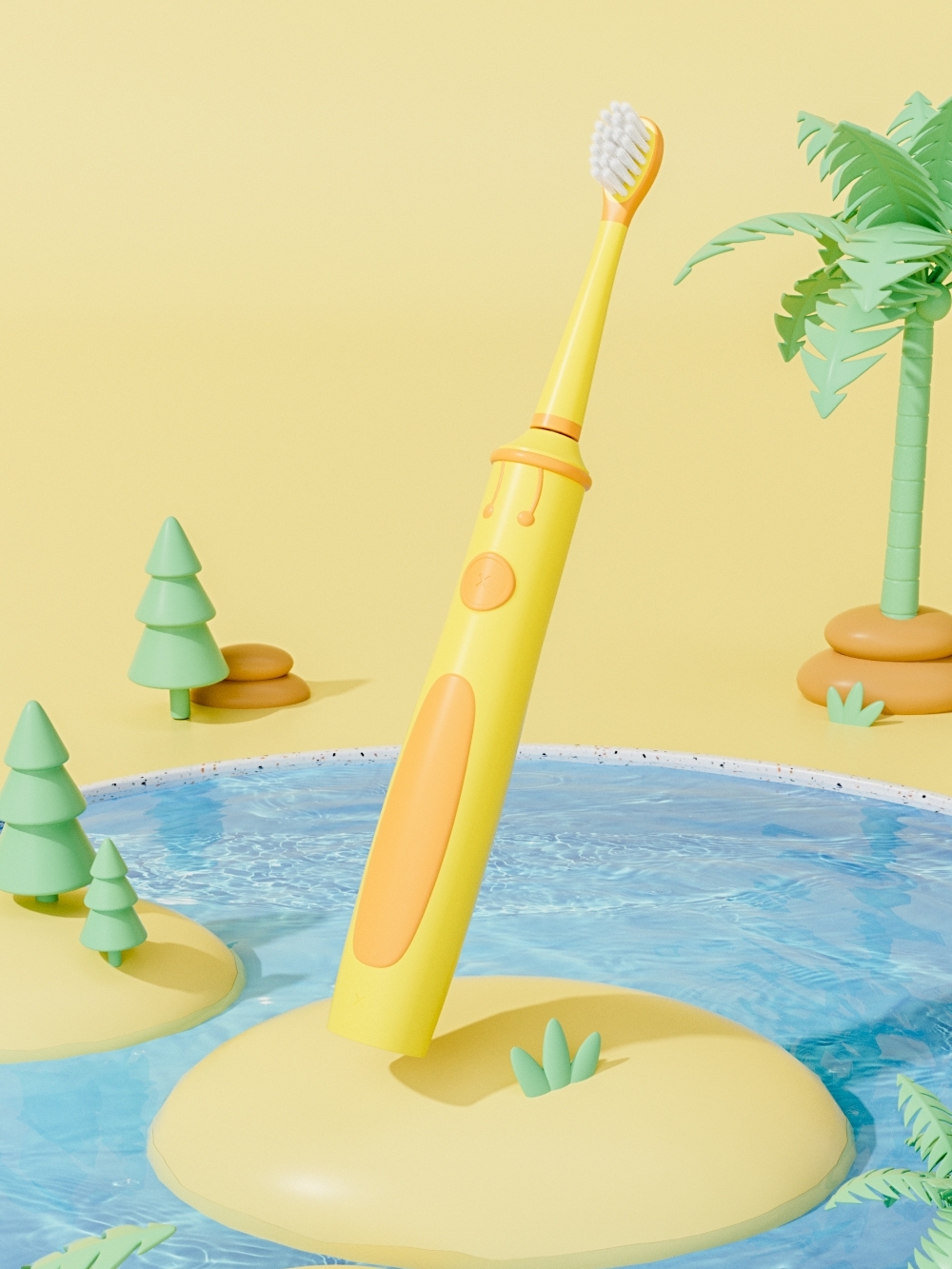
When sourcing kids oral care products, brands must prioritize safety, effectiveness, and child-friendly design. Whether you're a distributor, retailer, or dental clinic looking for reliable pediatric dental supplies, selecting the right B2B manufacturer is crucial. This guide will help you identify the best children's dental products while ensuring compliance with international safety standards. Why Safe & Engaging Kids Oral Care Products Matter Children have delicate gums and developing teeth, making safe toothbrushes for kids a top priority. Poor-quality products can cause irritation or fail to clean effectively, leading to long-term dental issues. Additionally, kids are more likely to embrace oral care if products feature fun designs, gentle bristles, and appealing flavors. When sourcing children's dental products, look for: Soft, rounded bristles to protect gums Non-toxic, BPA-free materials Ergonomic handles for small hands Attractive colors & characters to encourage brushing Key Features to Look for in a Supplier Not all manufacturers specialize in pediatric dental supplies, so vetting your supplier is essential. Consider these factors: Certifications – Ensure compliance with FDA, CE, or ISO standards.Customization Options – Can they offer branded designs or age-specific products?Safety Testing – Do they conduct rigorous quality checks?Innovative Technology – Some suppliers integrate cold light whitening technology in kid-safe whitening products. A trusted manufacturer should provide detailed product specifications and safety documentation. Must-Have…
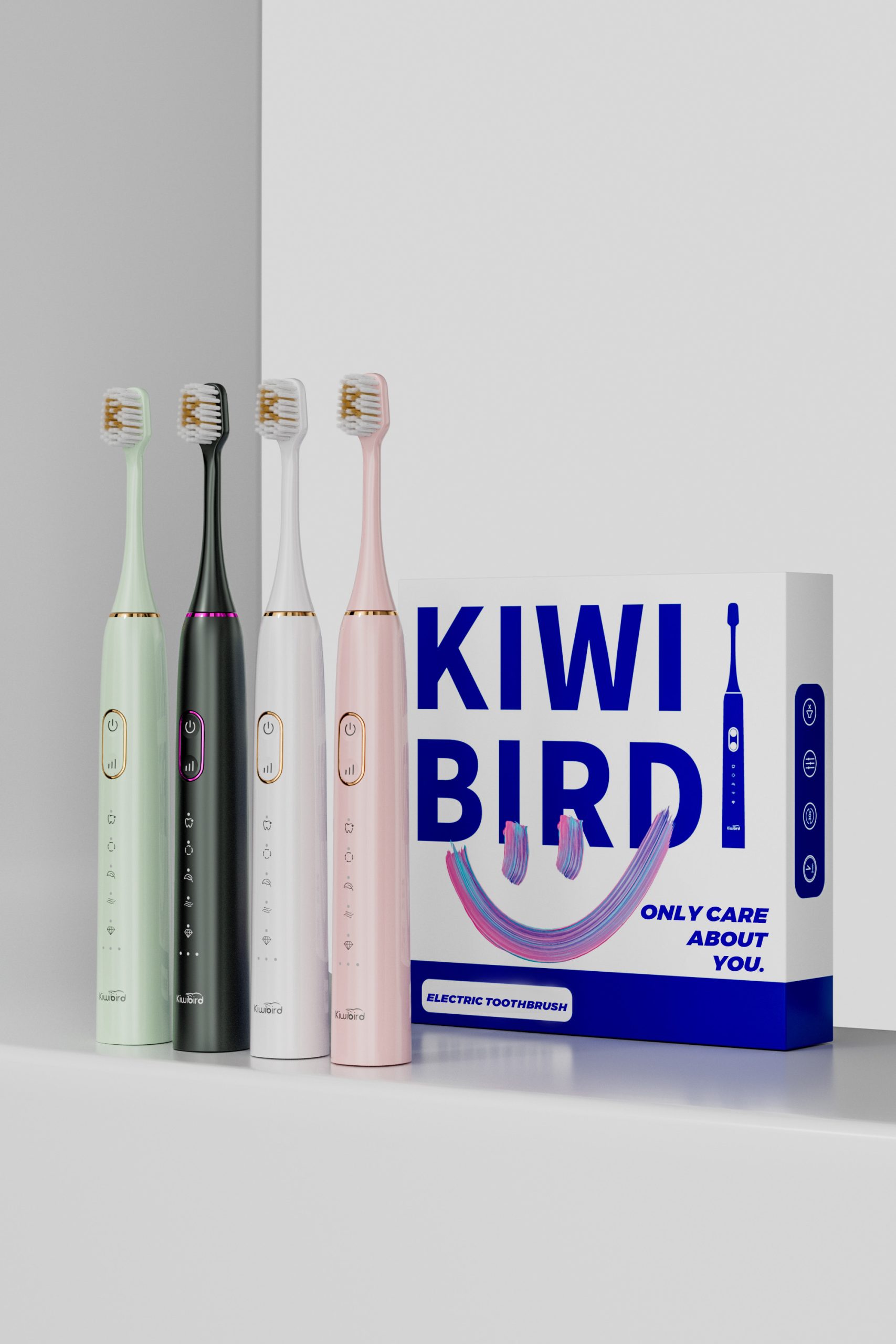
In recent years, consumers have become increasingly aware of the importance of oral hygiene—not just as a daily habit but also as a lifestyle priority. As a result, demand for dental gift ideas has grown significantly, especially around holidays, corporate wellness events, and back-to-school seasons. This presents an exciting opportunity for dental care brands and retailers to introduce unique dental presents that combine practicality with thoughtful care. Whether you're a brand looking to expand your product line or a retailer seeking seasonal bestsellers, this article offers insights into the most popular oral health gifts—and how partnering with a reliable dental care products manufacturing partner can help you deliver curated healthy oral care packages to your customers. Why Dental Gifts Are Gaining Popularity Traditionally, gifts related to health and hygiene were considered too “practical” for most occasions. Today, that’s changed. Consumers now seek thoughtful gifts for teeth and overall wellness—especially gifts that show care, promote good habits, and support long-term well-being. From personalized oral care gift boxes to high-end electric toothbrush kits, there’s a growing interest in turning everyday routines into elevated self-care experiences. This shift in consumer mindset makes oral health gifts a compelling niche for brands to explore. Top Dental Gift Ideas for Modern Consumers Here…
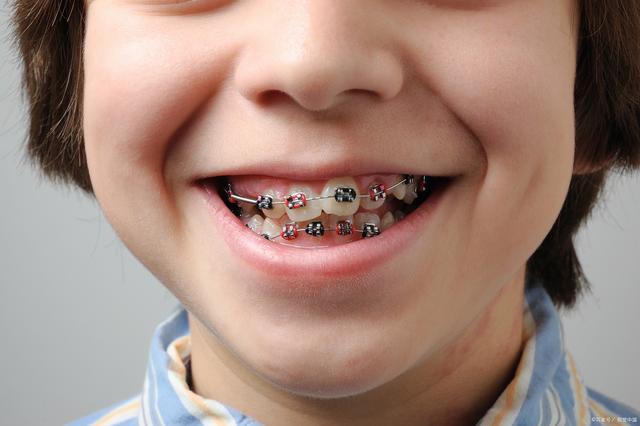
Electric toothbrushes have revolutionized modern oral hygiene. Among them, the rotating electric toothbrush stands out for its widespread use and affordability. However, behind its popularity lies a growing concern: the harm of rotating electric toothbrushes to the oral cavity. From an electric toothbrush factory’s perspective, understanding these risks is essential — not only for developing safer products but also for guiding oral care brands in selecting the right designs for their markets. This article explores the pros and cons of different types of electric toothbrushes, especially the rotating kind, and how brands can make more informed decisions. Understanding Rotating Electric Toothbrush Technology Rotating electric toothbrushes use a circular motion to mechanically remove plaque. Their mechanism is often simpler and more aggressive than sonic or ultrasonic alternatives. While they offer decent cleaning performance, they lack the finesse needed for sensitive gums and enamel. Common Characteristics: Bristle heads that rotate at a fixed speed Usually affordable and widely distributed Basic technology compared to high-frequency models While effective at plaque removal, they can be harsh on the oral cavity, especially when used improperly or for extended periods. The Harm of Rotating Electric Toothbrushes to the Oral Cavity Many dentists and dental researchers have raised…

In the fast-growing oral care market, choosing the right electric toothbrush factory can be the difference between product success and failure. For brand owners and sourcing managers, understanding how to properly evaluate an electric toothbrush factory is essential to ensure product consistency, timely delivery, and long-term partnership success. This article outlines a six-part evaluation framework to help you assess a factory's comprehensive capabilities, including their OEM capabilities, manufacturing standards, and commitment to Electric Toothbrush Quality Manufacturing. Assessing the Factory’s Core Manufacturing Capabilities The first step in evaluating an electric toothbrush supplier is to investigate its core production competencies. A capable electric toothbrush factory should have: In-house facilities for plastic injection molding, PCB assembly, and motor integration. Experience with multiple product lines (oscillating, sonic, kids’ models). Scalable production capacity that aligns with your demand projections. This baseline assessment ensures the factory has the technical resources to meet your product specifications under various volumes. Reviewing OEM & ODM Capabilities Many oral care brands seek manufacturers that can provide OEM capabilities and even ODM (Original Design Manufacturing) services. During the evaluation, ask: Can the factory customize molds, packaging, and firmware? Do they offer product design support or only manufacturing? Are there R&D engineers on-site for product development or…
.jpg)
In the world of electronic personal care devices such as electric toothbrushes and water flossers, two hidden yet severe risks often go unnoticed by end users—battery leakage and subsequent circuit corrosion. While each problem alone can compromise product performance, their combination poses a much greater threat to both device lifespan and user safety. Are these two failures merely coincidental, or are they intrinsically linked in a dangerous cycle that manufacturers cannot afford to ignore? What Is Battery Leakage and Why Does It Occur? Battery leakage occurs when the internal chemical contents of a battery escape from its sealed casing. This usually happens due to: Overcharging or improper charging practices; Use of low-quality or aged battery cells; Physical damage to the battery structure during assembly or usage; Extreme storage conditions such as high humidity or temperature fluctuations. When leakage happens, the corrosive electrolyte materials can spread inside the device, setting the stage for further internal damage. How Does Battery Leakage Lead to Circuit Corrosion? The leaked electrolyte is highly conductive and chemically aggressive. Upon contact with the device’s inner components, especially the circuitry, the following chain reaction occurs: Metal traces and solder points on the circuit board oxidize; Insulation barriers weaken,…
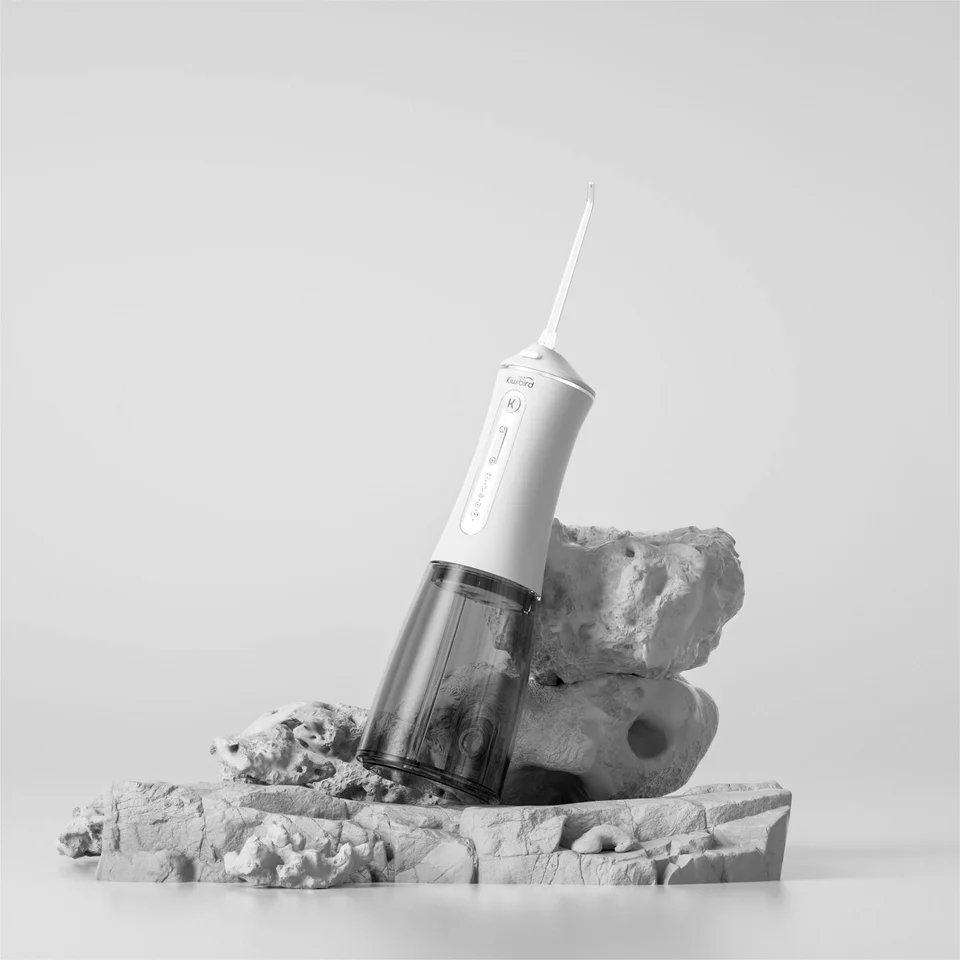
In today’s competitive oral care market, offering combinations of oral care products in well-thought-out sets has become a strategic tool for increasing brand visibility and boosting customer loyalty. Whether you're a DTC startup or a growing distributor, knowing how to structure effective bundles can be a game-changer. This article explores different sets of oral care products you can manufacture and package together, along with practical tips for promoting sales and growing your brand footprint. Why Product Combinations Drive Growth Consumers are increasingly drawn to comprehensive oral care routines. Rather than purchasing single items, they are looking for convenient, value-added sets. For brand owners, this offers a golden opportunity: Higher average order value (AOV) Increased perceived value Cross-selling and up-selling opportunities Enhanced customer retention By offering combinations of oral care products that meet diverse user needs (e.g., cleaning, whitening, gum health), brands can expand their product ecosystem and increase customer lifetime value. Popular Oral Care Product Sets to Consider Here are some proven different sets of oral care products that appeal to a broad range of consumers: A. Starter Kits Perfect for first-time buyers or gift packs. Usually include: Electric toothbrush x1 Travel toothpaste x1 Tongue cleaner x1 Optional: Mouthwash sachet x1 B. Whitening Focused Sets…
In today’s competitive market, oral care brands must constantly innovate to remain relevant. With increasing consumer demand for comprehensive dental solutions, oral care product expansion is no longer optional—it’s a strategic imperative. From electric toothbrushes to trending oral devices like water flossers, tongue scrapers, and whitening tools, diversification opens the door to new market segments, higher customer retention, and stronger brand positioning. This blog will explore how dental brands can expand product line strategically, supported by smart OEM/ODM collaboration, and align with current market trends for long-term growth. Analyze Market Trends and Consumer Needs Before introducing new products, brands must begin with thorough market trend analysis. The oral care market is shifting rapidly due to factors like: Growing awareness of preventive dental care Rising demand for smart and connected devices Interest in eco-friendly and travel-friendly oral hygiene products Tracking trending oral devices—such as ultrasonic toothbrushes, cordless oral irrigators, and UV sterilizers—can reveal untapped opportunities. Matching these trends with specific consumer pain points ensures your product development is need-driven rather than guesswork. Identify Strategic Gaps in Your Current Product Line Successful dental brand diversification requires more than simply adding more SKUs. Brands should evaluate their current offerings to identify: Missing categories (e.g., floss alternatives…
In today’s highly competitive market, find the right electric toothbrush manufacturers is critical for oral care brands aiming to scale efficiently. Whether you are a startup entering the market or an established company seeking product diversification, partnering with a trustworthy oral care supplier is the foundation of quality, innovation, and long-term brand influence. This article offers a comprehensive roadmap for selecting a manufacturer that aligns with your business goals, supports OEM electric toothbrush production, and drives your oral care brand expansion strategy. Define Your Product and Brand Requirements First Before contacting any factory or supplier, clearly define your product specifications and brand positioning. Ask yourself: What type of branded toothbrush production do you require (e.g., sonic, oscillating, kids’ brushes)? Do you need full OEM electric toothbrush solutions or white-label production? What certifications (e.g., CE, FDA, ISO) must the products comply with? What are your expected order quantities, price range, and delivery timelines? Having a solid product brief helps you find suitable electric toothbrush manufacturers early and avoid costly mismatches. Where and How to Source Reliable Manufacturers Finding a reliable oral care supplier goes beyond a simple online search. Here are proven sourcing strategies: Trade shows: Events like IDS (Germany), Dental South China, and Cosmoprof Asia are great for…
When it comes to child safety, the materials used in kids' electric toothbrushes play a critical role. With increasing concern around material toxicity, parents are more cautious than ever, and brands that manufacture or supply children's oral care products must meet rising standards. For B2B buyers—whether you're sourcing for retail, OEM, or private label—understanding the safety implications of materials is no longer optional, it's essential. Why Child-Specific Material Standards Matter Children’s oral tissues are more sensitive, and their immune systems less developed than adults'. A brush head made from substandard plastic or pigment may leach harmful chemicals into the mouth during brushing. This is especially risky for children who tend to chew on brush heads. That’s why child safety begins with choosing certified, non-toxic, BPA-free, and phthalate-free materials that are compliant with FDA, LFGB, or EU EN71 standards. Common Risks: What Does “Material Toxicity” Really Mean? The term material toxicity refers to the potential for a material to release harmful substances under normal or stressed use. In kids' toothbrushes, this can involve: Plasticizers like DEHP used in flexible components Heavy metals in colored plastics or paint Low-grade adhesives that release formaldehyde Flavored coatings that don’t meet food-grade standards These substances…
In today’s era of intelligent oral care, mere motor vibration or simple brush‑head replacement reminders are no longer sufficient. A truly “smart brush” must leverage Smart App Integration for seamless data exchange and employ Hygiene Monitoring to assess users’ oral health in real time. In the following six sections, we’ll explore how an electric toothbrush can be hardcore upgraded to meet B2B partners’ dual demands for “smarts” and “health.” Seamless Connectivity: Building Smart App Integration First, the way the brush handle connects to phones or tablets defines the user experience: Low‑Energy Bluetooth (BLE) Stability: Ensures a reliable link even in humid bathroom environments. Cross‑Platform Support: Provides SDKs for iOS, Android, and specialized devices, so you can tailor the experience to different markets. Bidirectional Data Exchange: Not only uploads brushing duration, frequency, and pressure data, but also receives firmware updates and personalized cleaning routines from the cloud. This is true Smart App Integration, turning your brush into an endpoint in the user’s overall oral‑health ecosystem. Real‑World Hygiene Monitoring Features Next, Hygiene Monitoring goes far beyond counting brushing sessions, using multi‑sensor analysis to deliver meaningful insights: Pressure Sensors detect overzealous brushing, preventing enamel erosion. Accelerometers track brush‑head motion patterns, alerting users to…
In children’s oral care, an excessive noise level can startle little ones, undermine brushing habits, and even pose risks to child safety by affecting delicate hearing. Therefore, as B2B manufacturers, we must understand noise sources, comply with pediatric hearing guidelines, and optimize designs to deliver brushes that are both quiet and safe. Why Noise Control Is Crucial for Kids High noise levels can lead to: Fear and Resistance: Harsh buzzing discourages children from brushing, disrupting healthy routines. Hearing Disturbance: Prolonged exposure to elevated decibels in close proximity may affect a child’s auditory development. Shortened Brushing Time: Kids rush through brushing to escape the noise, compromising cleaning effectiveness. Balancing quiet operation with effective cleaning is key to both user comfort and child safety. Pinpointing Noise Sources: Motor to Housing Major contributors to a noisy kids’ toothbrush include: Drive Motor: Rotor resonance and gear meshing generate mechanical noise. Gears & Bearings: Inexpensive plastic gears or unlubricated bearings amplify squeaks and grinding sounds. Brush Head Vibration: Bristle contact with teeth produces additional sound. Housing Resonance: A thin plastic or metal shell can amplify internal vibrations if not properly damped. Effective noise reduction must address each of these areas.Company web:https://www.powsmart.com/product/electric-toothbrush/ Measuring & Evaluating Decibel…


.jpg)
.jpg)
.jpg)
.jpg)
.jpg)






.jpg)
.jpg)