When it comes to child safety, the materials used in kids’ electric toothbrushes play a critical role. With increasing concern around material toxicity, parents are more cautious than ever, and brands that manufacture or supply children’s oral care products must meet rising standards. For B2B buyers—whether you’re sourcing for retail, OEM, or private label—understanding the safety implications of materials is no longer optional, it’s essential.
Children’s oral tissues are more sensitive, and their immune systems less developed than adults’. A brush head made from substandard plastic or pigment may leach harmful chemicals into the mouth during brushing. This is especially risky for children who tend to chew on brush heads. That’s why child safety begins with choosing certified, non-toxic, BPA-free, and phthalate-free materials that are compliant with FDA, LFGB, or EU EN71 standards.
The term material toxicity refers to the potential for a material to release harmful substances under normal or stressed use. In kids’ toothbrushes, this can involve:
These substances can cause allergic reactions, endocrine disruption, or long-term developmental harm if repeatedly ingested or absorbed through oral mucosa.
Manufacturers that prioritize safety typically choose materials such as:
It’s critical that suppliers validate these material claims with third-party certification and traceability down to the raw resin batch. Company web:https://www.powsmart.com/product/electric-toothbrush/
Even if the toothbrush itself is safe, the packaging and included accessories (charging bases, stickers, storage cases) may introduce risks. Soft-touch coatings, scented inserts, or ink-printed manuals could contain unregulated additives. Ensuring full product ecosystem safety is part of holistic child safety compliance.
B2B buyers should require suppliers to test entire product kits, not just brush units, to avoid recalls or regulatory pushback.
To ensure products are free from material toxicity, manufacturers should perform:
Factories that can consistently provide these test results signal high maturity and reliability.
For buyers and brand owners, reducing material risk starts with strategic sourcing. Key steps include:
A proactive safety-first approach will not only protect end users but also elevate brand reputation and reduce compliance costs long term.
In today’s highly regulated and consumer-conscious market, the safety of children’s electric toothbrush materials is under close scrutiny. Issues related to child safety and material toxicity are not just parental concerns—they’re B2B priorities. Choosing certified, proven materials is no longer a differentiator—it’s the baseline. Ensure your products meet these standards, and you’ll gain long-term trust from both retailers and end-users.

.jpg)
Overbrush Habit Causing Pulp Inflammation – Irreversible?
.jpg)
Wireless Charging Toothbrush Factory | Contactless Power for Modern Hygiene
.jpg)
Is Bluetooth Toothbrush APP Tracking Failure Causing User Adaptation Issues?
Electric Toothbrush with App Connectivity – Smart Oral Care for B2B Markets
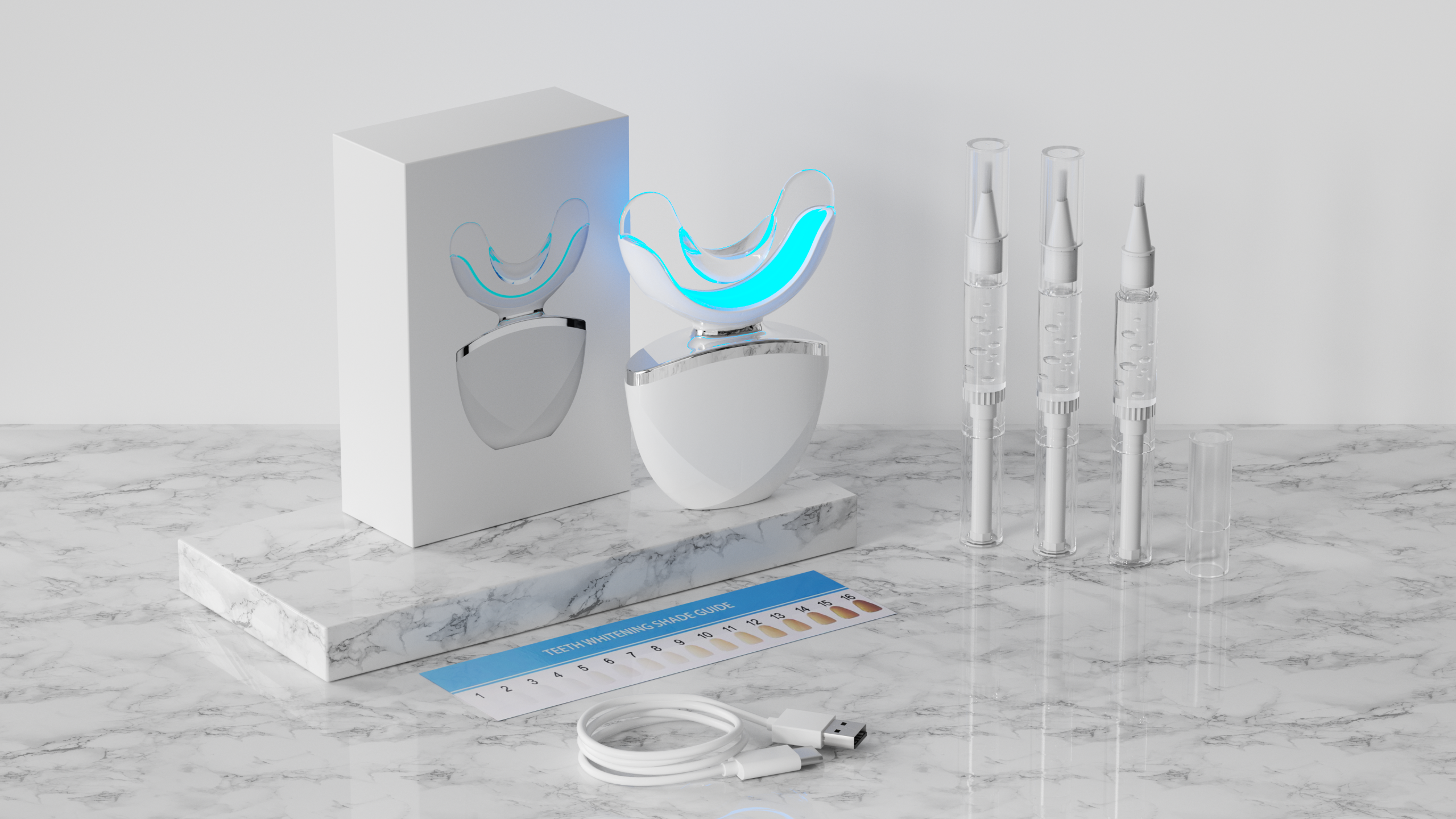
The Market Potential of Teeth Whitening: The Consumer Psychology Behind Annual Growth of Home Teeth Whitening Devices
.jpg)
Travel-Friendly Water Flosser: From Foldable Nozzles to Globally Voltage-Compatible Solutions
.jpg)
Bluetooth-Enabled Electric Toothbrushes: Customization & Bulk Order Guide
Small Batch Electric Toothbrush OEM Manufacturing for Emerging Brands
Multi-Speed Electric Toothbrush Supplier | Customizable Oral Care Innovation
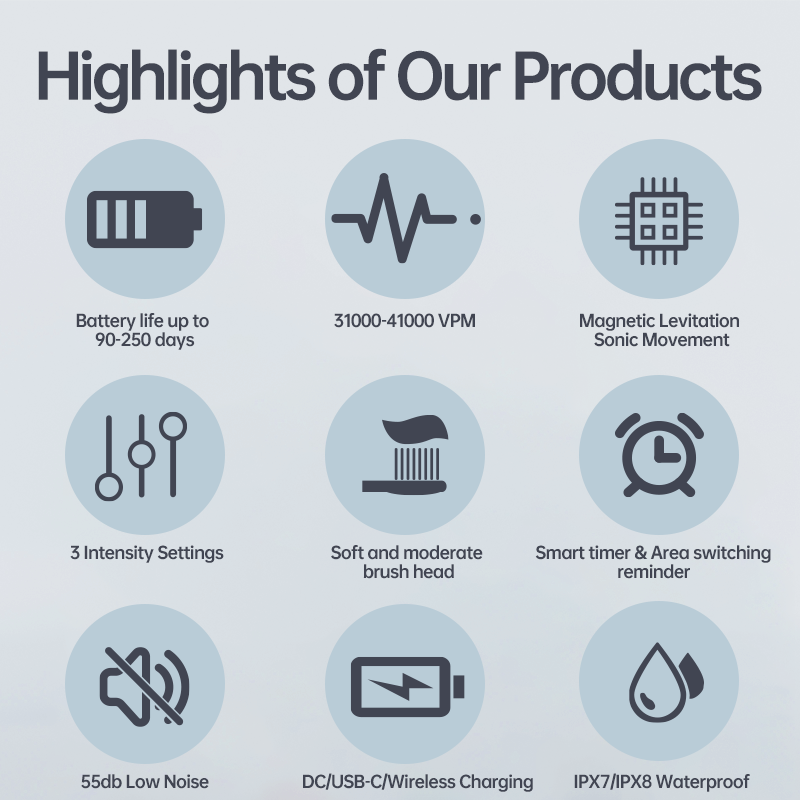
Can Travel Electric Toothbrush’s Waterproof Failure Cause Circuit Corrosion?
USB-C Travel Water Flosser – Compact Portable Irrigator

Oral Care and Personal Confidence Enhancement: A Dual Strategy from Whitening Effect to Product Appearance Level
.jpg)
Is Your POWSMART Smart Rechargeable Toothbrush Leaking Battery?
Why Does Waterproof Failure Cause Pressure Fluctuation in Water Flossers?
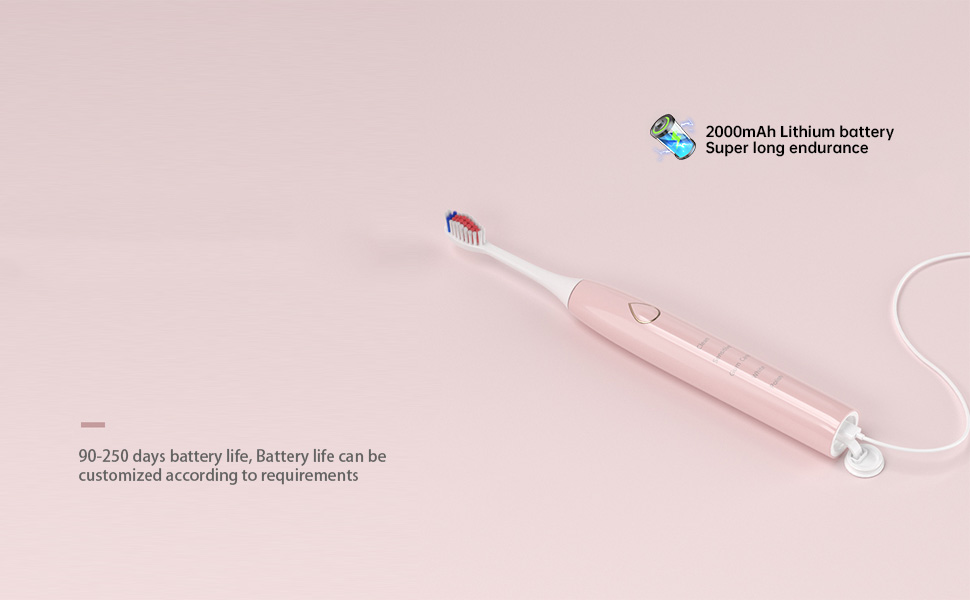
Development Guide for Long-Endurance Electric Toothbrushes: How Can Long Battery Life Become a Standard Feature in the High-End Market?
Can a Gingival Sulcus Cleaner integrate a Thermochromic Indicator for safety monitoring?


.jpg)
.jpg)
.jpg)
.jpg)
.jpg)