With the increasing demand for high-quality personal care products, electric toothbrushes have become an essential daily necessity. One of the most critical factors in their design is waterproofing, ensuring safe and reliable use in wet environments. The latest advancements in electric toothbrush waterproof technology have enabled manufacturers to achieve IPX7 and IPX8 level waterproof standards, significantly enhancing product durability and user experience. But how exactly is this high-level waterproofing achieved? Let's explore the key technological breakthroughs behind it. Understanding the IPX7 and IPX8 Waterproof Standards Before diving into the technology, it's crucial to understand what IPX7 and IPX8 level waterproof standards mean: IPX7: The device can withstand immersion in water up to 1 meter deep for 30 minutes without water ingress. IPX8: The device can endure continuous submersion in water beyond 1 meter depth, as specified by the manufacturer. These standards ensure that electric toothbrushes remain fully functional even after accidental drops into water or prolonged exposure to humidity. Advanced Sealing Technology One of the key breakthroughs in electric toothbrush waterproof technology is the use of high-precision sealing techniques. This includes: Ultrasonic welding: Fusing plastic parts together without adhesives, creating a seamless waterproof barrier. Silicone gaskets and O-rings: Preventing water ingress around buttons…
.jpg)
When it comes to consumer safety in oral care devices, waterproof failure isn't just a mechanical flaw—it could be a direct cause of material toxicity. Many assume that as long as a product functions electrically, it’s safe. However, water intrusion can trigger chemical degradation in materials not designed to withstand prolonged moisture exposure. For OEMs and B2B buyers, understanding the correlation between waterproof integrity and toxic material leaching is crucial to both compliance and brand reputation. Waterproofing: More Than Just Electronics Protection Traditionally, waterproofing is associated with protecting internal components like motors or batteries. However, in modern electric toothbrushes, water can infiltrate and compromise: Handle casing materials Silicone seals and adhesives Internal plastic housings When waterproof failure occurs—due to poor IP sealing, failed ultrasonic welding, or loose assembly—the materials not intended for water exposure may begin to degrade, leading to the release of harmful substances into contact areas like grip zones or brush necks. How Waterproof Failure Triggers Material Toxicity The connection between waterproof failure and material toxicity is chemical in nature. Prolonged moisture intrusion can: Accelerate plasticizer migration from low-grade plastics Reactivate residual solvents in adhesives Break down coatings and produce toxic residues Especially in high-temperature environments like bathrooms,…
In professional oral care manufacturing, preventing enamel scratching during device use is a critical design and quality concern. Increasing evidence shows that tooth porosity—whether natural or treatment-induced—can significantly elevate the risk of enamel abrasion when using mechanical cleaning devices like sonic toothbrushes or whitening applicators. But once enamel is scratched, is the damage truly irreversible? Understanding the interaction between tooth porosity and surface wear helps manufacturers design safer, more consumer-trusted products. Why Tooth Porosity Matters More Than You Think Tooth porosity refers to microscopic pores or structural irregularities in enamel, resulting from: Natural genetic conditions Acid erosion from diet or gastric reflux Overuse of abrasive whitening pastes Post-bleaching dehydration of enamel surface Porous enamel lacks the uniform hardness of healthy enamel. This makes it more prone to enamel scratching during mechanical brushing, especially with stiff bristles or aggressive polishing heads. How Enamel Scratching Occurs: The Microscopic Damage Process Scratching doesn’t mean deep cuts—it refers to microabrasions at the enamel surface level: Hard bristles or brush heads scrape against weakened enamel Abrasive particles trapped during brushing intensify localized surface wear Vibratory or rotational force amplifies contact pressure at pore edges Repeated cycles create visible dullness and microscopic surface cracks These scratches…
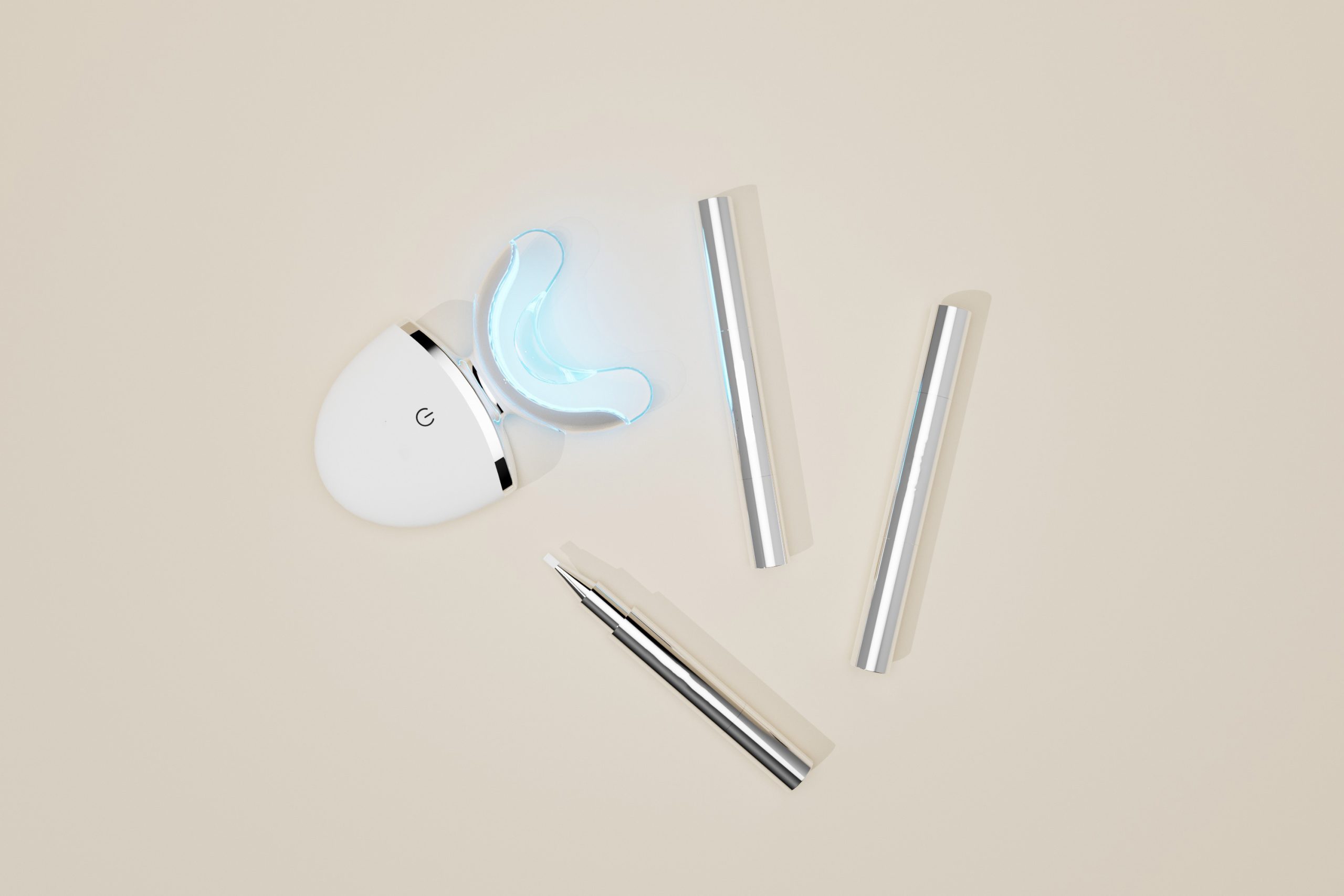
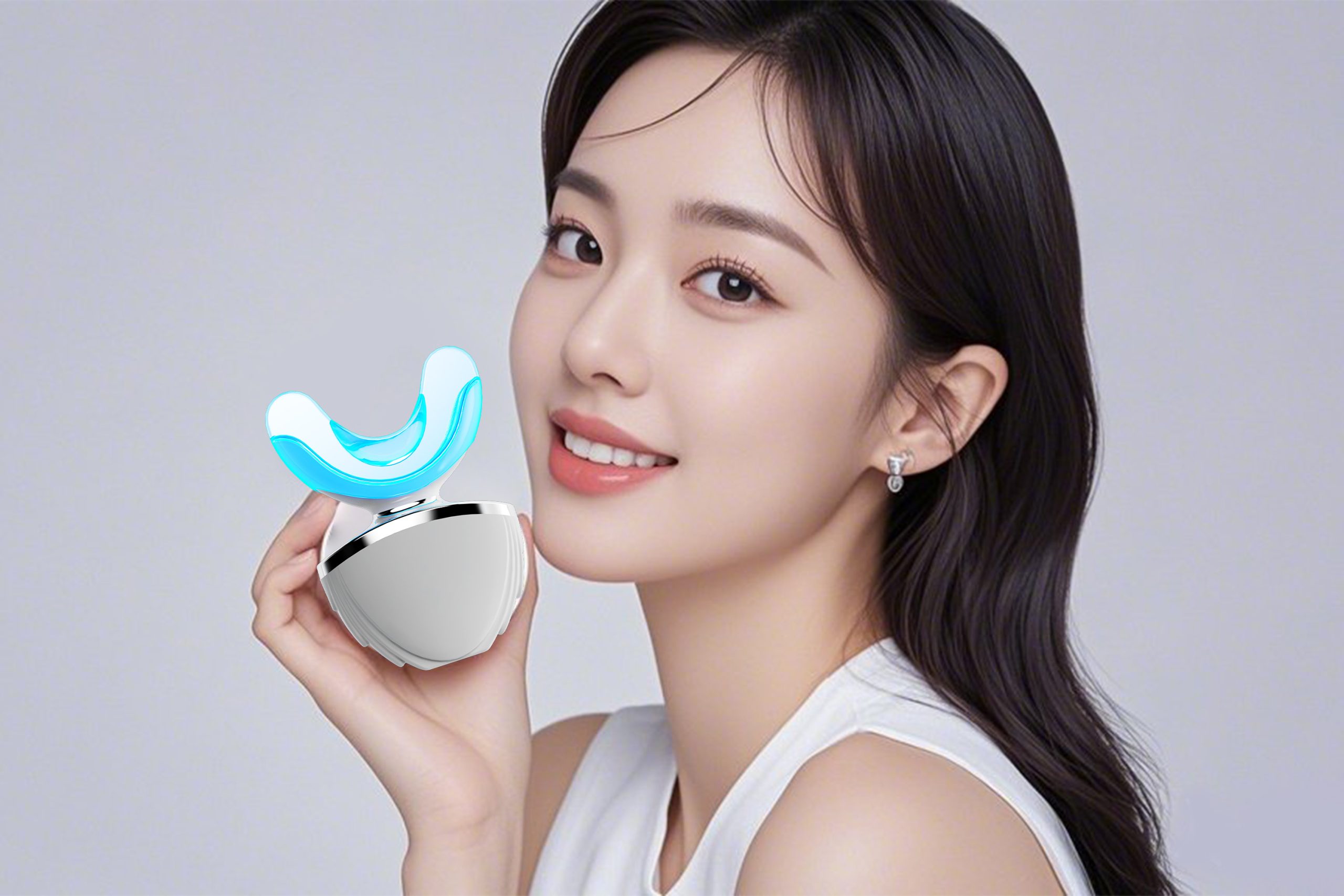
The teeth whitening industry continues to evolve with new innovations designed to help people achieve brighter, more radiant smiles. Among the most popular options are teeth whitening kits, which offer both convenience and effectiveness for consumers seeking professional-level results at home. In this blog, we’ll explore the latest advancements in teeth whitening kits and dive into the pros and cons of these products, while also uncovering the wonders of teeth whitening kit bring to the oral care market. Powsmart is an experienced oral care products manufacturer with over 20 years OEM/ODM service experience. We mainly produce electric toothbrush, water flosser and teeth whitening kit. The Latest Advancements in Teeth Whitening Kits Over the past few years, teeth whitening kits have become more sophisticated, incorporating cutting-edge technology to enhance results and make the process easier. From LED light-powered systems to more powerful whitening gels, the latest kits are designed to reduce sensitivity and improve overall whitening efficiency. Some of the most notable advancements include: LED Technology: Many modern whitening kits now use blue LED lights to accelerate the whitening process, providing results in as little as 10-20 minutes per session. Whitening Gel Formulas: Advances in whitening gel formulations have led to faster, more effective results,…
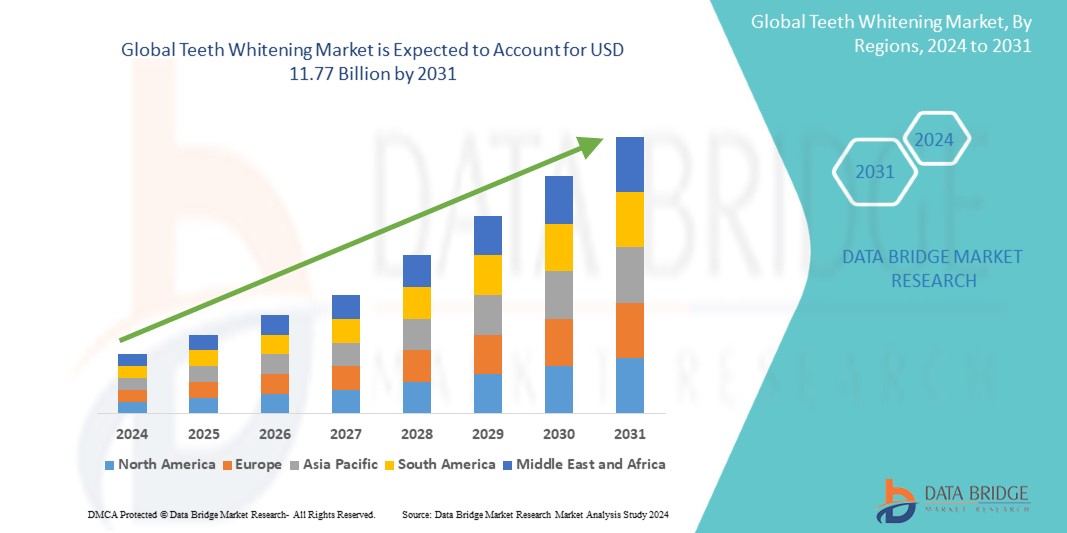
The global teeth whitening device market is experiencing unprecedented growth, fueled by increasing consumer awareness of dental aesthetics, technological advancements, and rising disposable incomes. As more individuals seek professional and at-home solutions for teeth whitening, manufacturers and OEM partners are witnessing a surge in demand for innovative and effective products. In this report, we explore the fastest-growing regions and key consumer groups shaping the industry. Fastest Growing Regions in the Dental Beauty Device Market North America: The Market Leader North America remains the dominant force in the global teeth whitening device market, driven by strong consumer purchasing power and a well-established dental care industry. The U.S. leads the charge, with an increasing preference for at-home teeth whitening kits and professional treatments. Asia-Pacific: The Emerging Powerhouse The Asia-Pacific region is experiencing exponential growth, particularly in China, South Korea, and Japan. Factors such as growing beauty consciousness, social media influence, and an expanding middle class contribute to the rising demand for advanced dental beauty devices. Europe: A Mature Yet Evolving Market Western Europe, particularly Germany, France, and the UK, continues to be a key market. European consumers prioritize quality and safety, driving demand for clinically tested and high-end teeth whitening devices. Consumer Group…
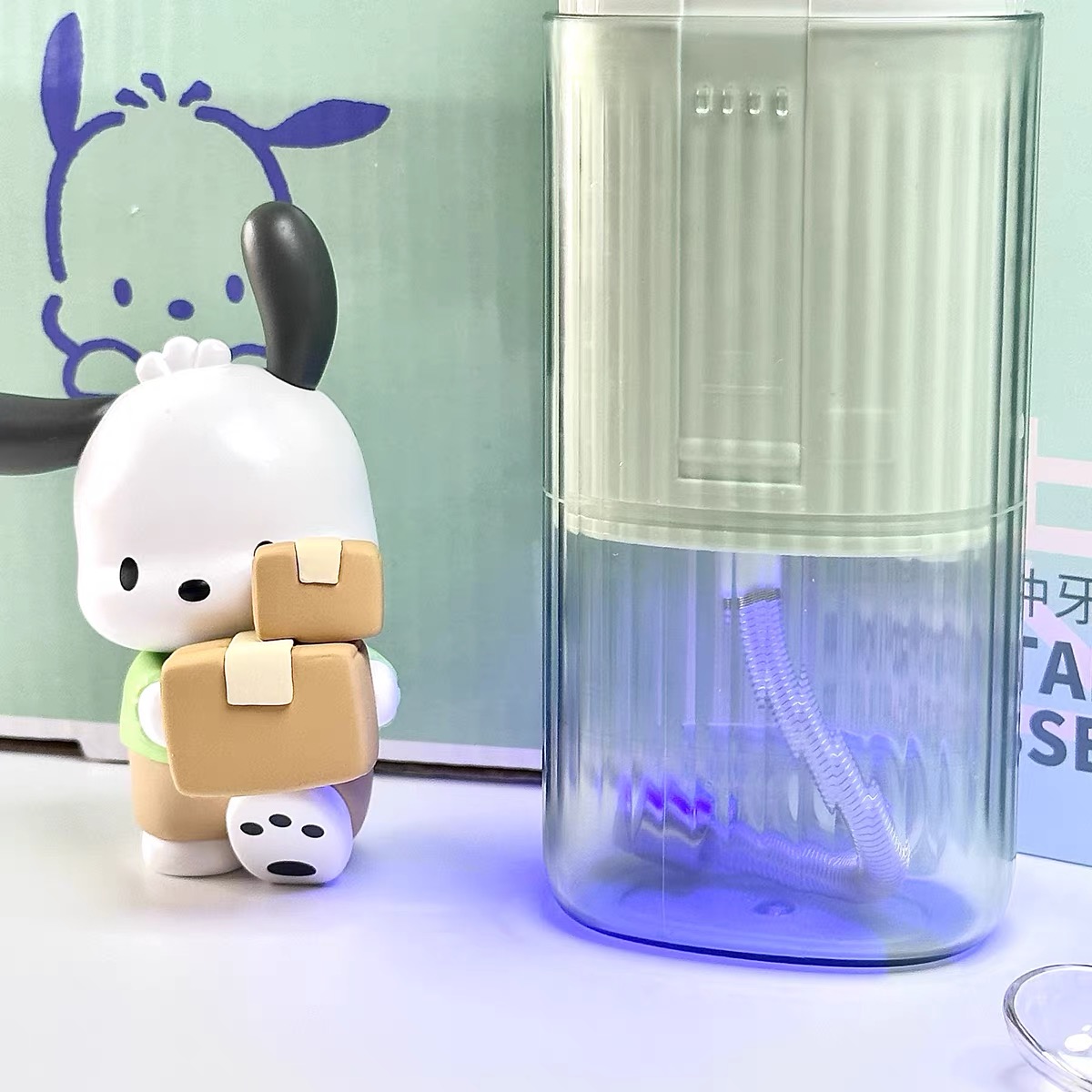
As global demand for dental hygiene rises, stocking your retail or online store with competitive oral care items is more critical than ever. Retailers and private label brands looking to maximize profit margins and customer satisfaction should consider wholesale oral care products and bulk dental supplies as a strategic solution. This blog explores how to source high-quality oral care products in bulk, highlights the benefits of working with an OEM oral care supplier, and provides insights into building a long-term, cost-effective supply chain. Advantages of Buying Oral Care Products in Bulk Purchasing store oral care products in bulk offers multiple advantages for both small retailers and large distributors: Cost Efficiency: Lower unit prices and reduced packaging/shipping costs significantly improve your profit margins. Inventory Stability: Bulk orders help ensure stock availability, especially during high-demand periods like back-to-school, holidays, or promotional seasons. Brand Scalability: Working with reliable bulk suppliers makes it easier to expand your product range as your business grows. Whether you're sourcing electric toothbrushes, manual toothbrushes, or water flossers, bulk dental supplies allow you to streamline operations and reduce overhead. Choosing the Right OEM Oral Care Supplier If you're considering launching your own brand or customizing your product line, working with an experienced OEM oral…
.jpg)
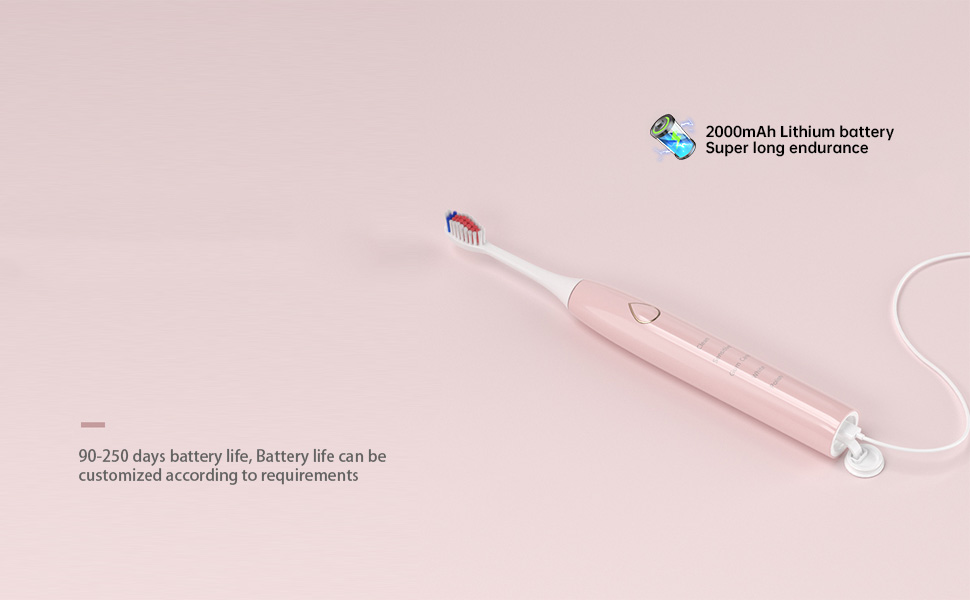
As global demand for smart personal care products rises, electric toothbrush distribution is becoming one of the most profitable segments in the oral hygiene market. For distributors and wholesalers, selecting the right product can significantly impact revenue, brand reputation, and customer retention. This guide is designed to help distributors identify high-profit electric toothbrush, evaluate wholesale purchasing strategies, and confidently enter or expand their electric toothbrush offerings. Understand the Market: Why Electric Toothbrushes Are Booming Electric toothbrushes are no longer a luxury item—they’re a daily essential for millions. According to market research, the global electric toothbrush market is expected to exceed USD 7 billion by 2027. The surge is driven by: Consumer awareness of oral health A rise in smart healthcare devices Growing demand in emerging markets For distributors, this trend presents a unique opportunity to capitalize on high-margin oral products that combine innovation with consumer demand. Key Features to Look For in a High-Profit Electric Toothbrush Not all electric toothbrushes are created equal. High-profit products typically include: Multi-mode functionality (clean, sensitive, gum care, etc.) Rechargeable lithium batteries for long-term use Smart features like timers, pressure sensors, or app connectivity Ergonomic and aesthetic design to attract end-users These features allow for premium pricing and improve your margin…
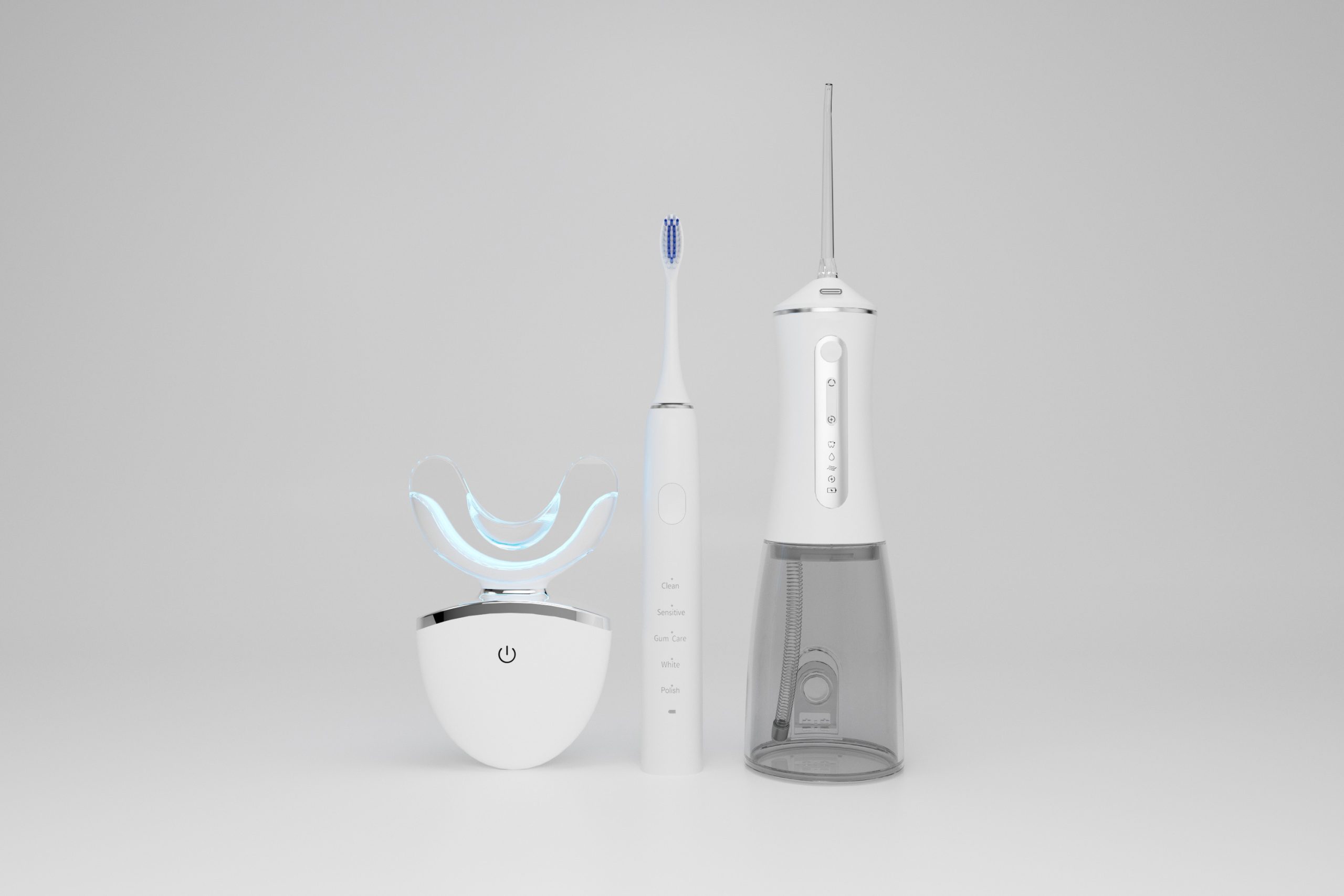
As the oral care industry evolves rapidly with consumer demand for smart, tech-driven products, brand owners are increasingly seeking efficient ways to scale production. Wholesale smart electric toothbrushes have become a key product category for businesses aiming to expand market share quickly. By purchasing bulk dental products from reliable manufacturers, B2B buyers can benefit from cost efficiency, consistent product quality, and faster go-to-market strategies.This blog outlines the key bulk order advantages, strategic insights for B2B oral care businesses, and how working with an oral care products OEM can support your brand’s long-term growth. The Growing Demand for Smart Electric Toothbrushes In today’s competitive oral hygiene market, consumers expect more than just clean teeth—they want a personalized, connected experience. This has led to explosive growth in smart electric toothbrushes, which often feature: Bluetooth app connectivity Pressure sensors Multiple brushing modes Charging docks or USB recharging For B2B buyers, keeping up with these tech trends is crucial. Wholesale purchasing allows brands to meet market demand while maintaining healthy profit margins. Key Advantages of Bulk Ordering for Brands Opting to purchase bulk dental products brings several advantages for oral care brands: a. Cost Savings at Scale Bulk pricing significantly reduces the per-unit cost of production and packaging. This…
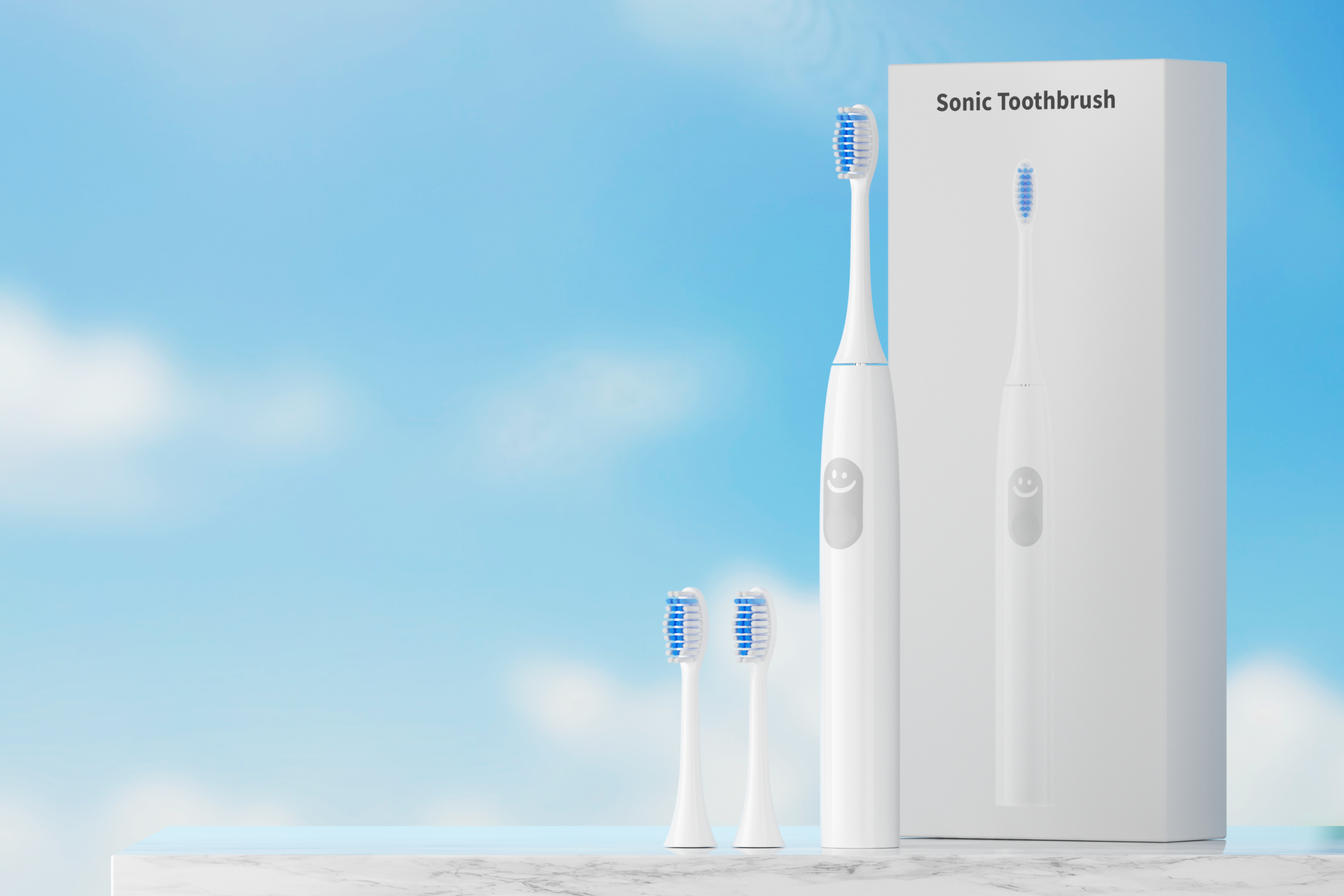
As consumers prioritize convenience and mobility, the demand for travel electric toothbrush OEM solutions has seen remarkable growth. For brands looking to expand their product line or enter the on-the-go oral care market, offering a foldable electric toothbrush with USB charging capabilities is an excellent opportunity. This blog outlines the key features of modern travel toothbrushes, and how private-label manufacturing can help brands deliver high-quality, differentiated products to their customers. Why Foldable Design Matters for Modern Travelers Compact and functional design is at the core of successful custom travel electric toothbrushes. The foldable electric toothbrush format meets consumer needs for: Portability: Easy to carry in pockets, handbags, or travel kits. Hygiene: Foldable casing protects the brush head from external contamination. Space-saving: Ideal for minimalist packaging and travel accessories. For brands, working with an OEM partner that specializes in ergonomic and innovative foldable designs gives your product a competitive edge in both retail and online markets. Powsmart is an oral care product manufacturer integrating R&D, production and sales. It has provided OEM customization services for brand owners for over 20 years.https://www.powsmart.com/about-powsmart/ USB Charging: A Standard for Portability and Sustainability Today's consumers expect USB compatibility. A portable USB electric toothbrush addresses both…
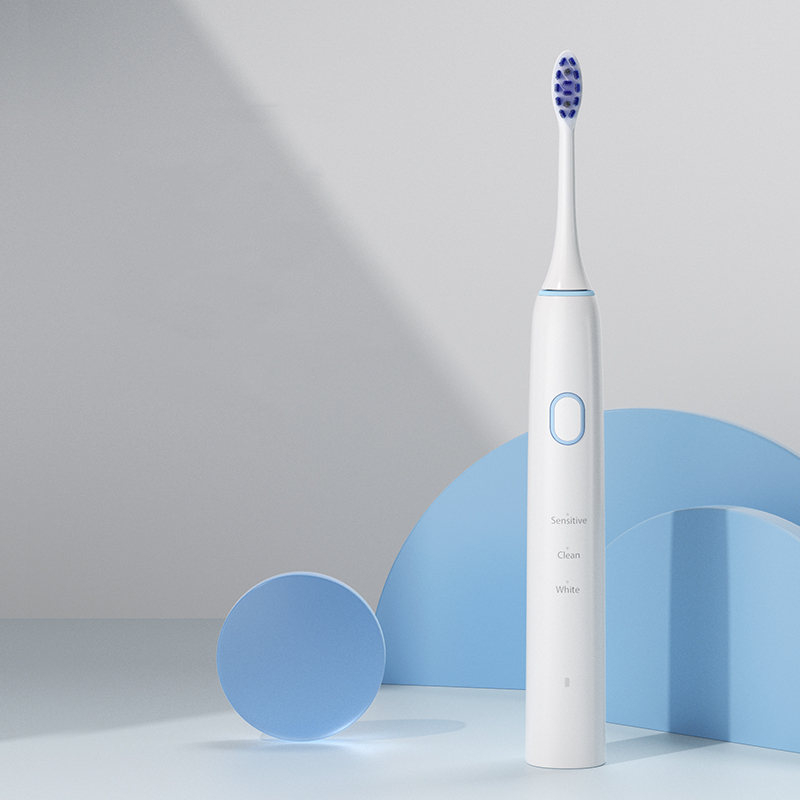
In today’s competitive oral care market, user comfort has become as important as performance. One of the biggest complaints among electric toothbrush users is noise. That’s where the demand for quiet electric toothbrush manufacturing is rapidly rising. Brands are now looking for manufacturers that can deliver high-quality, low noise sonic technology to offer their customers a superior, near-silent brushing experience. Whether you're an established oral care brand or launching a new product line, understanding the technical and manufacturing aspects of silent sonic brush development is key to success in this evolving category. The Rise of Low-Noise Oral Care Products Noise reduction in personal care devices is no longer a niche feature—it's a standard expectation. Consumers are gravitating toward electric toothbrushes that operate below 60 dB. This trend is driving brands to seek specialized quiet electric toothbrush manufacturing partners who understand the nuances of low db sonic technology and its impact on user experience and marketability. What Is Low Decibel Sonic Technology? Low noise sonic technology refers to the integration of precision motor systems, sound insulation components, and vibration damping structures in electric toothbrushes. Key innovations include: Brushless motors with minimal vibration Floating brush head suspension to absorb excess movement Internal acoustic insulation designs to reduce audible frequencies…
.jpg)
In today’s smart oral care market, Powsmart app connectivity is redefining user engagement by transforming real-time brushing data into personalized, actionable insights. For B2B buyers and OEM partners, understanding how this connectivity works is key to delivering added value in electric toothbrush products—and standing out in a competitive, tech-forward landscape. The Power of Real-Time Brushing Data Unlike basic timers or pressure sensors, real-time brushing data enables continuous tracking of multiple parameters, such as: Brushing duration and frequency Applied pressure Brush angle and coverage zones Missed areas and overbrushed zones This data is transmitted instantly via Powsmart app connectivity, creating an intelligent feedback loop between the device and the user. Seamless App Connectivity and Its Architecture The Powsmart app connectivity is powered by low-energy Bluetooth modules integrated into the brush handle. The architecture typically involves: A secure device-to-app communication channel Sync capabilities across multiple devices (phones, tablets) Real-time visual guides and brushing maps Cloud storage options for long-term data trends This connectivity layer ensures data is not just collected—but contextualized in a user-friendly format for both consumers and professionals. Company web: https://www.powsmart.com/product/electric-toothbrush/ Turning Raw Data into Actionable Insights Raw metrics are just the beginning. Through intelligent algorithms, real-time brushing data is…
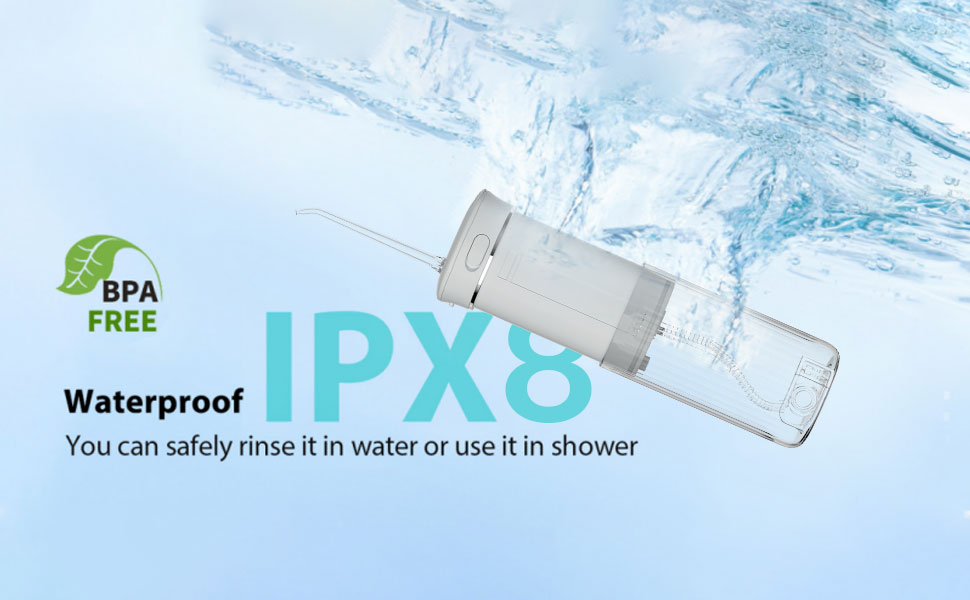
For frequent flyers and global travelers, a TSA friendly toothbrush paired with a well-designed portable toothbrush case promises convenience and compliance during airport security checks. But is the experience truly hassle-free—or are there hidden design flaws that B2B buyers and OEM manufacturers should address? What Makes a Toothbrush “TSA Friendly”? To qualify as a TSA friendly toothbrush, the product must meet several criteria enforced by airport security: Battery-operated or USB-rechargeable (not lithium-ion above certain limits) Easily identifiable on X-ray scans Compact enough to fit into carry-on toiletry pouches Not containing liquid or gel reservoirs (which trigger liquid screening policies) For electric toothbrushes, this often means minimalistic design and clear labeling. Combining these features with a portable toothbrush case helps streamline inspection while protecting the brush. The Role of a Portable Toothbrush Case in Travel Compliance A portable toothbrush case not only shields the toothbrush from contamination but also helps organize accessories like brush heads, charging cables, and adapters. From a B2B perspective, the case should be: TSA-transparent or semi-transparent for quick scanning Shock-resistant to protect internal components Ventilated to avoid bacterial buildup during storage Cases that are too bulky or opaque may raise red flags at checkpoints, defeating their travel-friendly…
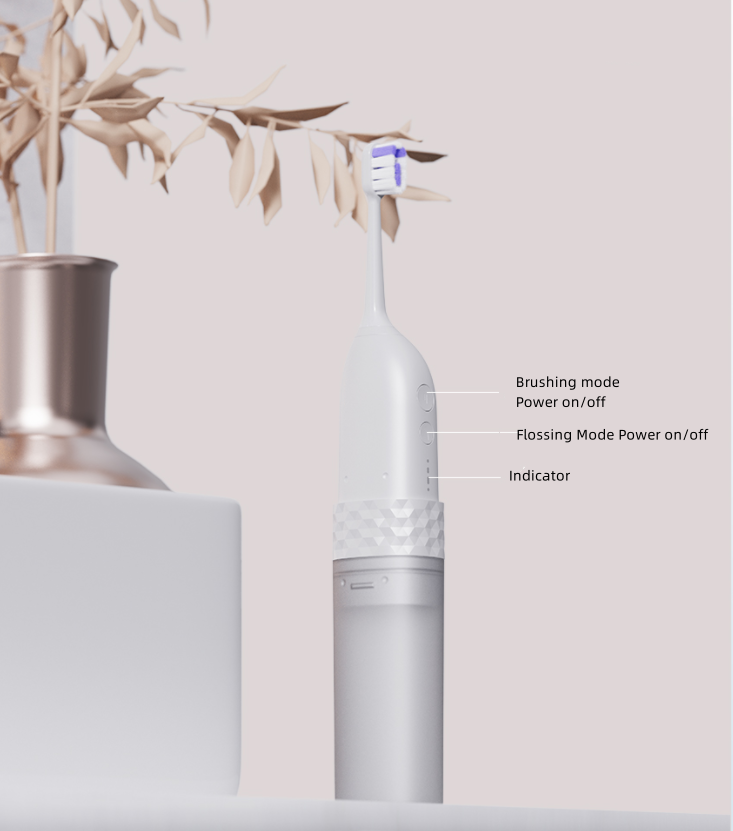
In recent years, dental clinics and oral care brands have increasingly recognized the value of offering customized, dentist-approved oral care solutions directly to patients. A key product in this trend is the electric toothbrush for Dentists & Clinics —specifically, electric toothbrushes designed for professional use or patient resale. As demand rises, so does the need for reliable professional electric toothbrush OEM solutions that support custom branding options tailored to each clinic or brand’s identity. Why Clinics Are Choosing Electric Toothbrushes for Patients Electric toothbrushes have proven to be more effective than manual brushes in reducing plaque and improving gum health. For dentists and hygienists, recommending or supplying an electric toothbrush ensures patients have access to tools that align with professional oral care standards. Key advantages include: Consistent brushing performance Built-in timers and pressure sensors Long-term plaque reduction benefits Higher patient compliance A dentist-approved brush not only improves outcomes but also builds trust between the clinic and patient. The Role of OEM in Professional Electric Toothbrush Supply As more clinics look to offer in-house products, professional electric toothbrush OEM services have become essential. OEM partnerships allow dental brands and clinics to: Customize product design and packaging Integrate clinic logos and brand colors Choose performance specifications (e.g.,…

With the rapid evolution of oral care technology, Bluetooth toothbrush tracking combined with an AI-driven smart dental coach is now capable of providing personalized feedback, behavior correction, and real-time brushing guidance. But can this high-tech duo truly replace traditional dentist visits—or is it just a supportive tool in the broader dental care ecosystem? For manufacturers and B2B buyers, the implications are worth exploring. What Is Bluetooth Toothbrush Tracking? At its core, Bluetooth toothbrush tracking refers to the integration of low-energy Bluetooth modules in toothbrushes to sync with a companion mobile app. This system tracks various brushing behaviors such as: Duration and frequency Coverage of brushing zones Applied pressure and brushing angles Missed or neglected areas This level of granularity allows both the user and supporting platforms to get a clear view of oral care performance over time. The Role of the Smart Dental Coach When combined with real-time data, a smart dental coach becomes a virtual guide, using AI algorithms to analyze brushing patterns and deliver corrective advice, including: Notifications about bad habits (e.g., “You consistently miss molars”) Visual brushing maps Custom routines based on user age, gum condition, or braces Weekly progress reports and improvement scores For OEMs, integrating…
.jpg)
Introduction: How Cartoon Toothbrush Support Better Kids BrushingEncouraging regular brushing habits in children has always been a struggle. However, integrating cartoon toothbrush designs can turn brushing into a joyful activity. Whether you’re developing a private label solution or working with trusted manufacturers like the Powsmart child toothbrush, choosing a playful yet functional design can boost both oral care engagement and brand success. Understanding Why Kids Resist Brushing Routines Many children dislike brushing due to discomfort, fear, or boredom. Without engaging tools like a cartoon toothbrush, young users often fail to develop consistent brushing habits. To improve kids brushing compliance, brands need toothbrushes designed with child psychology and play-based learning in mind. The Power of Cartoons in Children’s Toothbrush Design Cartoon visuals enhance emotional connection and excitement. A cartoon toothbrush with bright colors, familiar characters, and fun themes can transform a chore into a game. These playful dental care tools also help kids feel more confident and motivated. Some models even include lights, music, or interactive timers to reinforce the 2-minute brushing routine. Why Powsmart Child Toothbrushes Are Loved by Kids and Parents The Powsmart child toothbrush line combines child-friendly aesthetics with professional safety features. Using soft bristles and food-grade silicone…
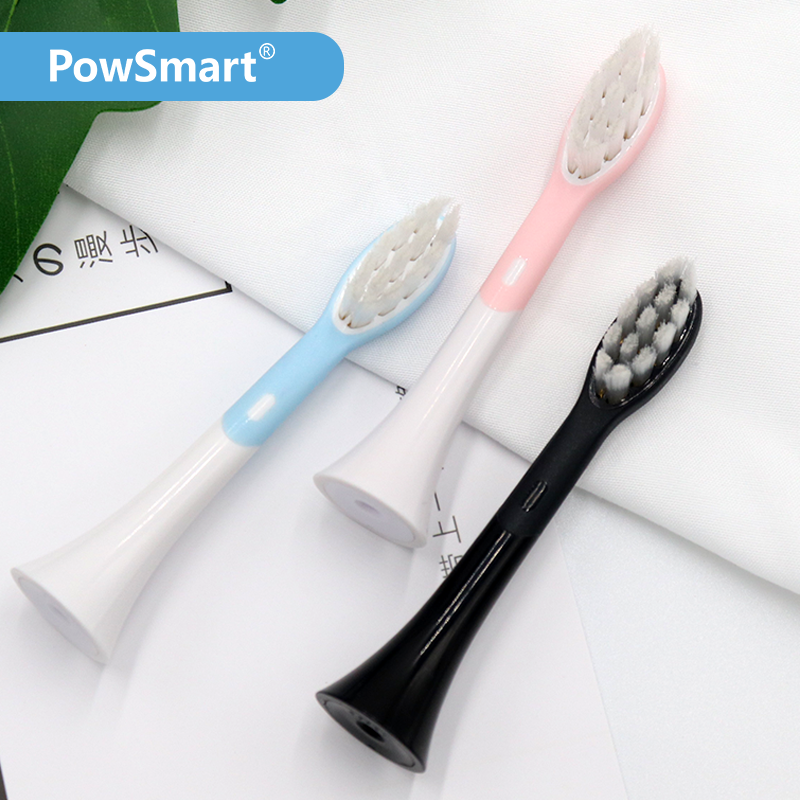
Maintaining oral hygiene with orthodontic appliances requires precision, patience, and the right tools. The clean braces technique—a structured approach to keeping teeth and gums healthy during orthodontic treatment—has gained popularity among dental professionals. At the center of this technique is the Powsmart ortho head, a brush head designed to solve the unique cleaning challenges faced by individuals with braces. The Hygiene Challenges of Orthodontic Braces Braces introduce a complex environment in the oral cavity: brackets, wires, ligatures, and limited space create ample opportunity for plaque buildup and food retention. Without proper tools, users often fail to reach behind wires and around brackets, leading to: Gingivitis and gum inflammation Decalcification and white spot lesions Bad breath and oral discomfort This is where the clean braces technique comes into play—with the Powsmart ortho head playing a vital role. What Sets the Powsmart Ortho Head Apart? The Powsmart ortho head is engineered with a V-shaped bristle pattern, specifically contoured to clean around orthodontic fixtures. Unlike flat or dome-shaped heads, it is tailored to: Reach both above and below the bracket with one pass Glide along the gum line without causing irritation Provide controlled contact to prevent enamel abrasion Its slim profile also improves…
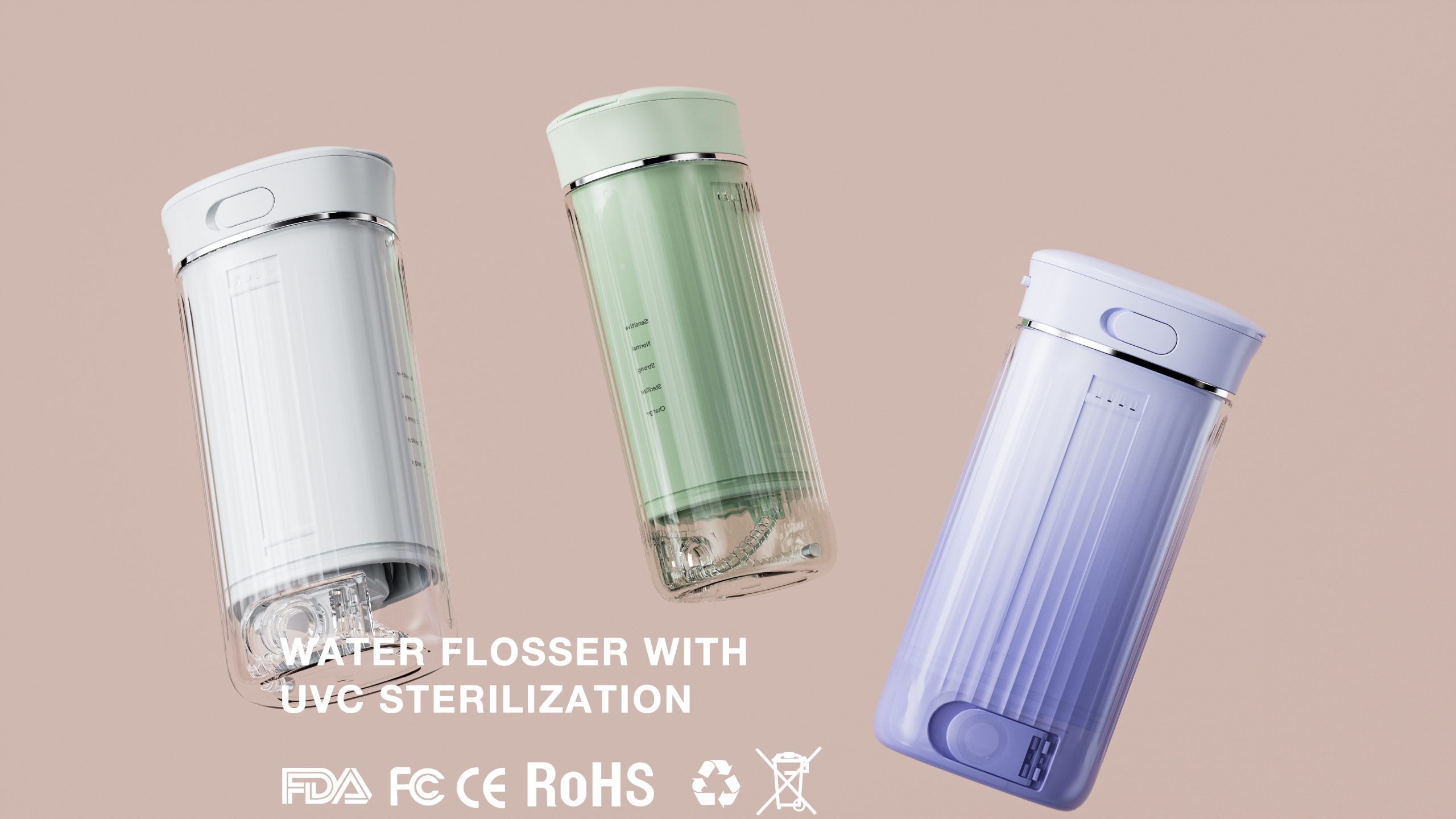
With the rise in demand for compact and portable hygiene tools, the idea of a travel electric toothbrush that fits in a wallet may sound futuristic—but it’s closer to reality than many think. Manufacturers and OEM brands are now exploring advanced folding toothbrush design solutions to maximize portability without compromising on brushing performance. Why Portability Matters in Travel Oral Care Business travelers, minimalists, and digital nomads are increasingly seeking ultra-compact personal care devices. Traditional electric toothbrushes are often bulky and require a dedicated case or bag space. A folding toothbrush design offers a revolutionary answer to this challenge by minimizing dimensions without eliminating core features. Key user demands include: Pocket-sized or wallet-friendly form factor Built-in hygienic bristle protection Lightweight construction without fragile mechanisms This presents an opportunity for B2B innovation in the travel hygiene category. Design Mechanics Behind Folding Toothbrush Technology To make a travel electric toothbrush truly compact, folding technology must go beyond aesthetics. It needs to incorporate: A collapsible handle without compromising grip strength Hinge materials that resist corrosion and wear from moisture Magnetic or secure lock systems to ensure stability during use Advanced prototypes have shown that bristle heads can be flipped into the handle, or that…
.jpg)
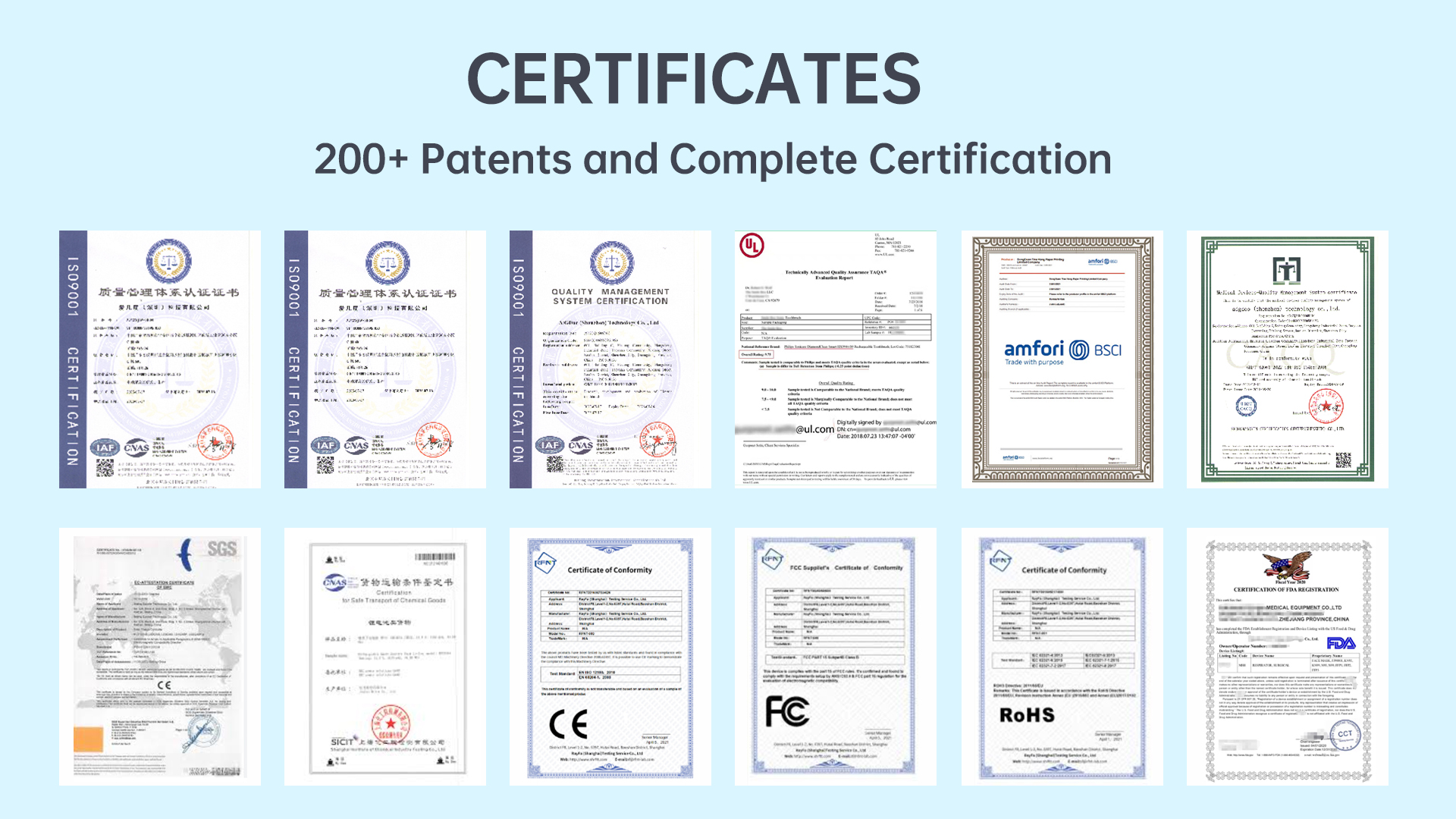
As we all know, the rise in conditions such as gingivitis, periodontitis, and, overall gum sensitivity has created strong demand for sensitive gums electric toothbrush products. In response, oral care brands are turning their attention to gum care electric toothbrush OEM opportunities to deliver targeted, effective solutions to their end users. In this blog, we explore the key manufacturing considerations, technology trends, and benefits of partnering with a factory that understands clinically proven oral care requirements for gum-focused electric toothbrushes. And, A periodontal toothbrush differs from standard models in both design and functionality. It’s engineered to deliver a gentle yet effective cleaning experience, ideal for users with inflamed, bleeding, or post-surgical gums. Soft, high-density bristles for less abrasion Low-frequency sonic vibrations to avoid irritation Pressure-sensitive sensors to prevent overbrushing Gum massage modes to stimulate blood circulation OEM manufacturers must be able to incorporate these features, while maintaining consistent quality and performance. What Makes a Gum Care Toothbrush Clinically Proven? To be labeled as a clinically proven oral care device, a gum care toothbrush must undergo rigorous testing. Brand owners looking to establish credibility in the market should prioritize manufacturers who offer: Access to independent clinical trials or in-house testing labs Compliance with international medical device standards (FDA, CE,…


.jpg)
.jpg)
.jpg)
.jpg)
.jpg)



.jpg)
.jpg)
.jpg)