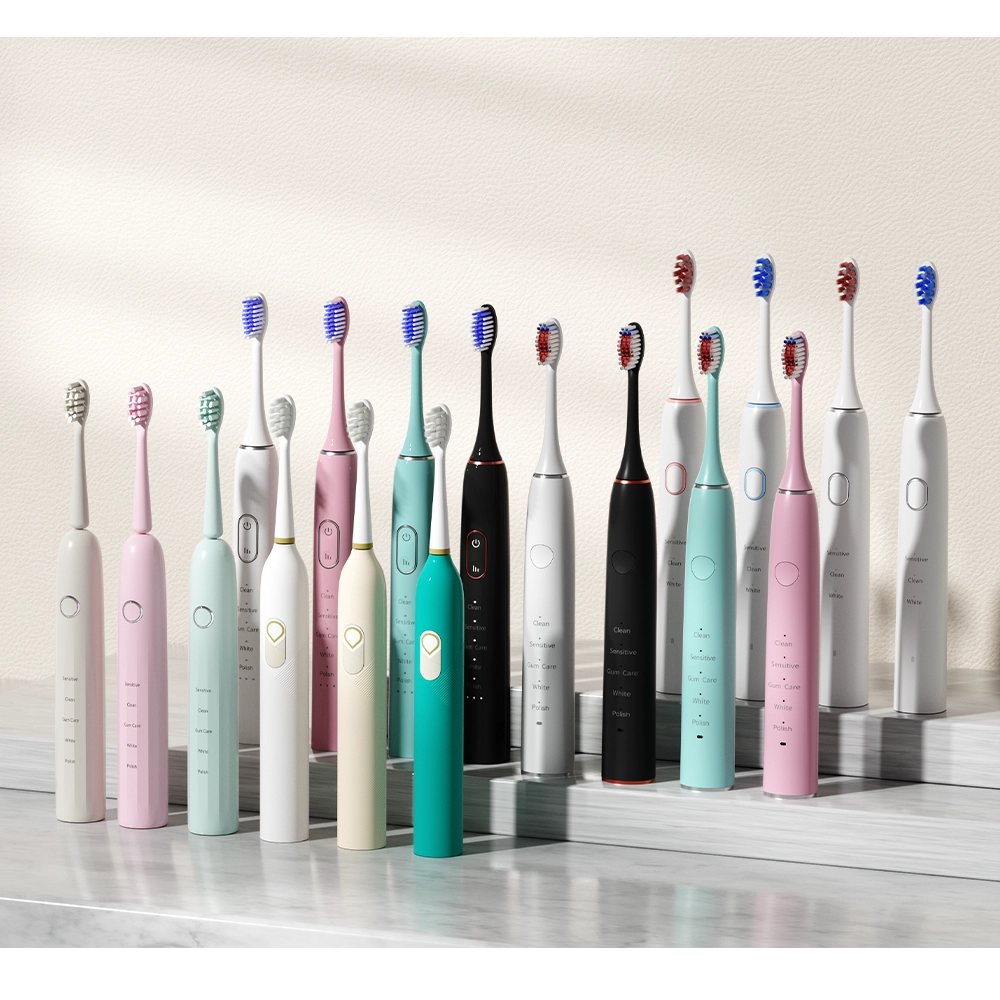
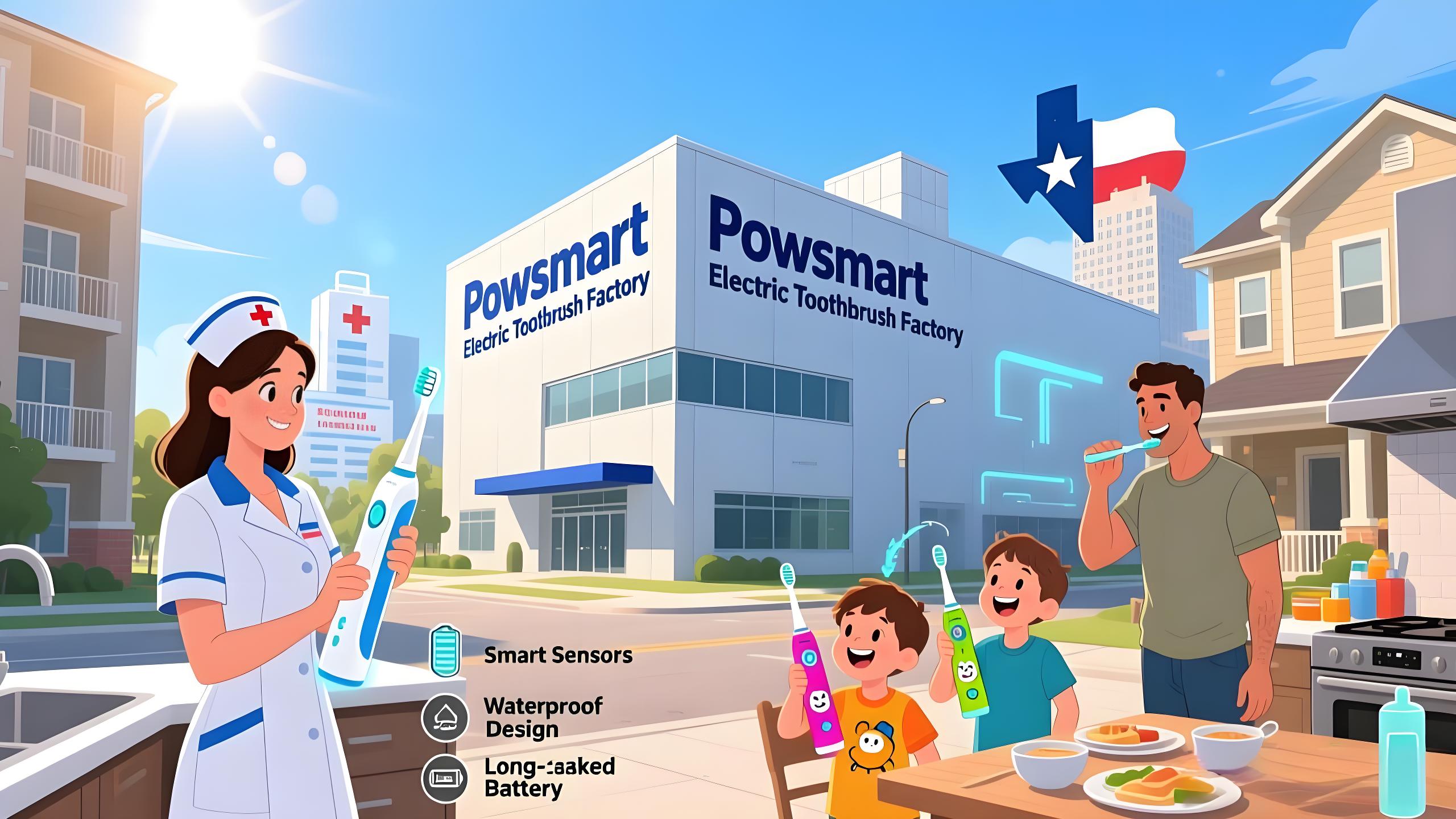
In modern society, environmental protection and innovation have become the core topics of every industry, especially in the field of electric toothbrushes, the factory's production methods and product design need to adapt to the market's demand for sustainable development. As an electric toothbrush factory with 20 years of OEM/ODM experience, Powsmart not only focuses on the high quality of its products during the production process, but is also committed to environmental protection and technological innovation. In this article, we will discuss how Powsmart achieves better products and production efficiency through innovative technology and environmental practices in the production of electric toothbrushes. 1. Innovative Technology for Product Upgrading Powsmart has always been at the forefront of technological innovation in electric toothbrushes. Our electric toothbrushes are not only waterproof with IPX8 level, but also can maintain low noise operation within 55dB, which means users can use the product in a more comfortable environment and avoid the noise from disturbing their daily life. At the same time, the low noise design also reflects our deep consideration of user experience. Innovation is not only limited to the enhancement of product functionality; the Powsmart electric toothbrush factory is constantly optimizing the automation and intelligence of…
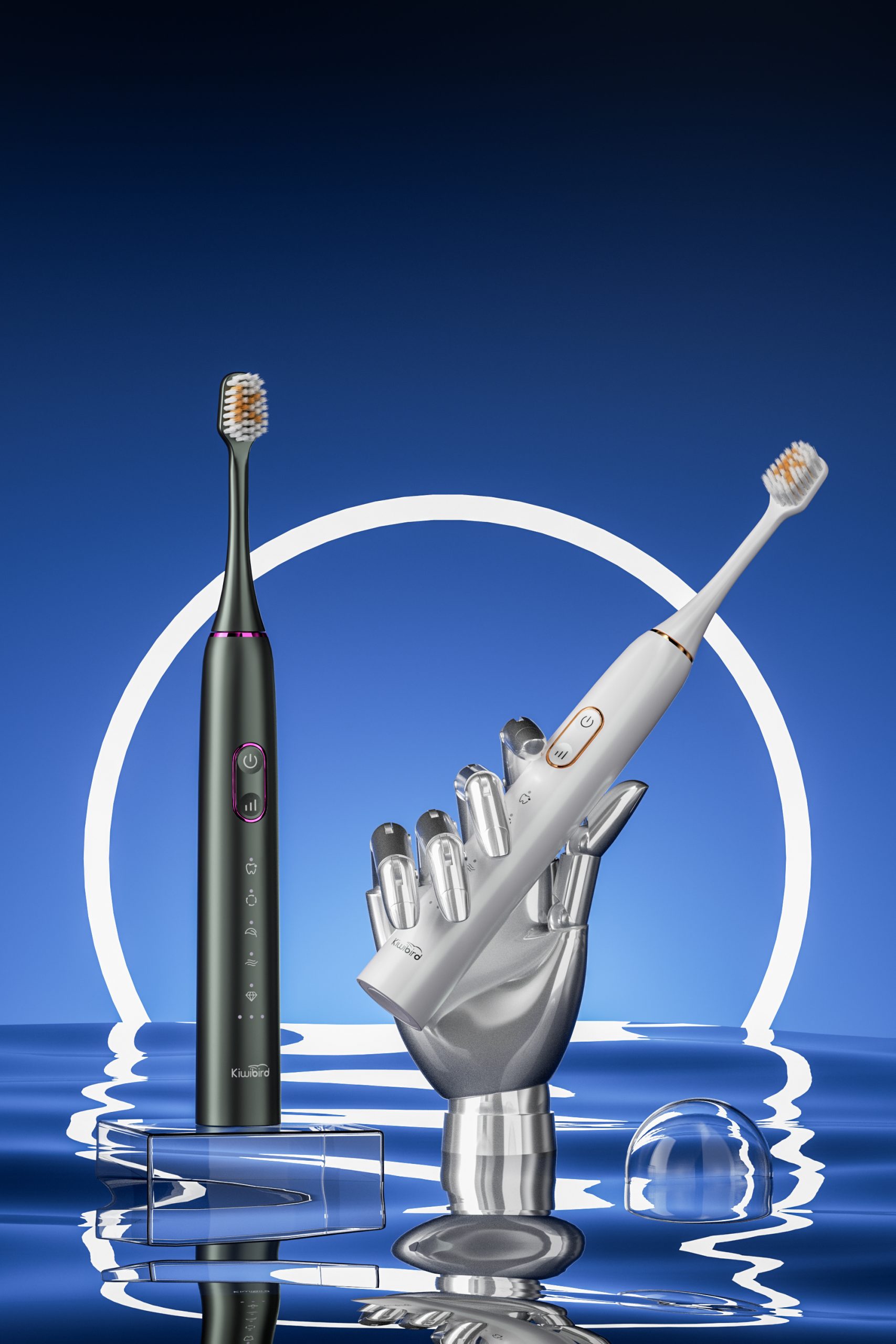
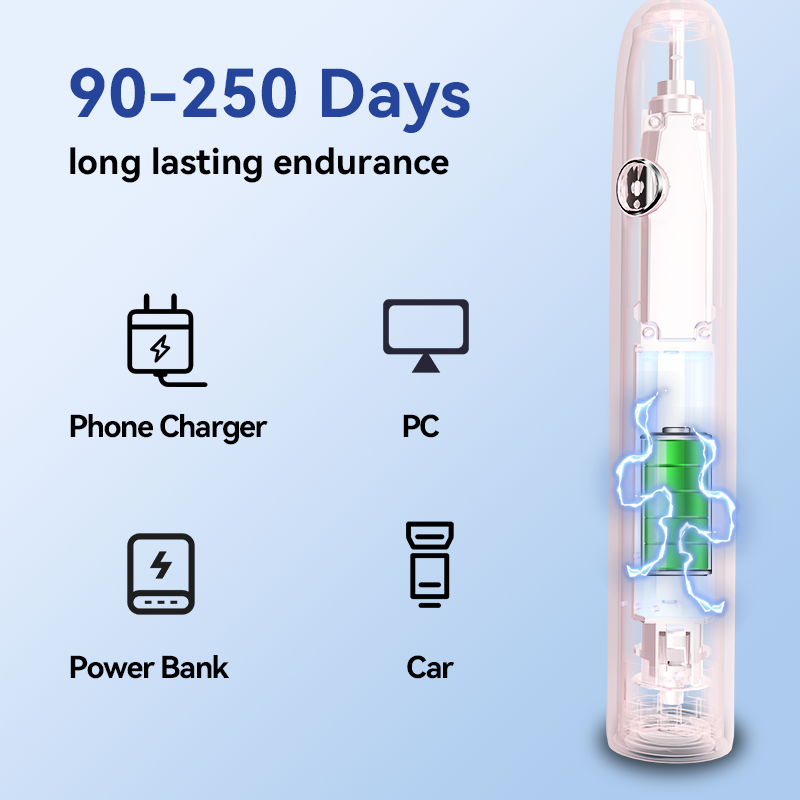
In the competitive oral care market, long-lasting smart toothbrushes are emerging as a key differentiator for brands. For private labels, distributors, and online sellers, finding the right manufacturer who can deliver ultra-long battery life toothbrushes options—from 90 to 250 days of use per charge—is critical. Longer battery life not only reduces consumer complaints but also adds real value to the product experience. This blog serves as a practical guide for businesses seeking high-quality, wholesale electric toothbrush solutions, emphasizing battery longevity as a core product feature. The Growing Demand for Long-Lasting Smart Toothbrushes Today’s consumers prioritize convenience and low maintenance. A toothbrush that lasts for months on a single charge directly addresses those needs. Market surveys show that smart toothbrush users want devices that are: Reliable during travel and daily use Easy to maintain without frequent charging Durable over long-term usage This has sparked a growing demand among retailers and bulk buyers for long-lasting smart toothbrushes, making battery performance a key selling point in OEM negotiations. 90–250 Days Battery Life: A Game-Changer for Bulk Buyers Battery performance varies by model and brush type, but premium models now offer 90–250 days of battery life on a single charge (based on brushing twice a day for…
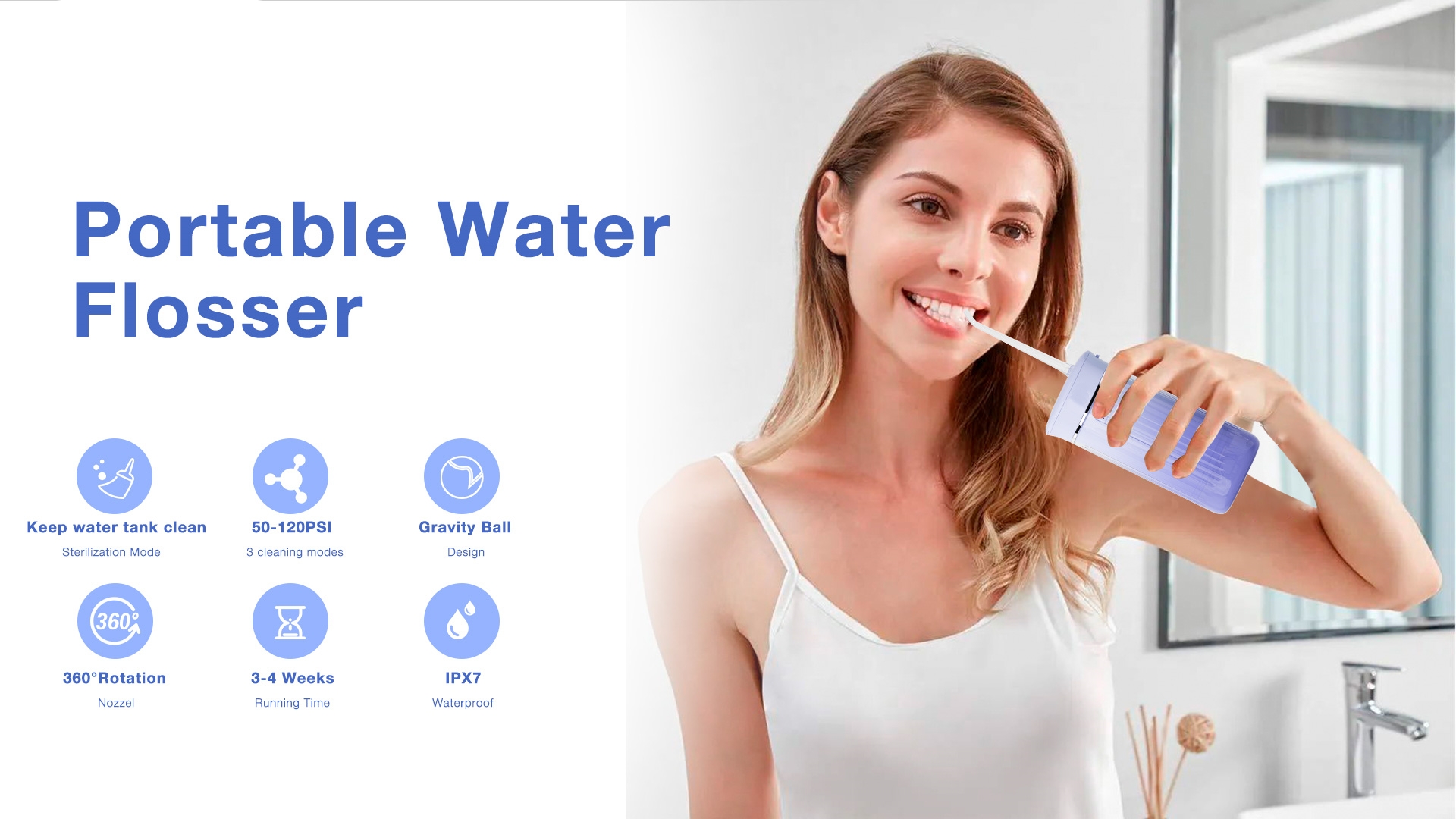
The oral irrigator industry has experienced significant growth in recent years, driven by increasing consumer awareness of oral health and technological advancements in dental care devices. While this rapid expansion presents both opportunities and challenges, many businesses are questioning whether it’s still viable to enter the oral irrigator industry. This blog explores the current state of the market, emerging trends, and the potential for new entrants to carve out their niche. The Growth of the Oral Irrigator Market The global oral irrigator market has been growing at a compound annual growth rate (CAGR) of 6-8%, with no signs of slowing down. Factors such as rising dental issues, the popularity of at-home dental care solutions, and innovations in portable and user-friendly devices have contributed to this growth. Customizable options, such as Customizable Water Flossers, have further fueled consumer interest by meeting diverse preferences and needs. This expansion underscores that there’s still room for creative and unique offerings in this thriving industry. Opportunities for New Entrants Despite the competitive landscape, there remain ample opportunities for businesses to enter the oral irrigator industry. Niche markets, such as eco-friendly or travel-sized devices, and the growing demand for Customizable Water Flossers present excellent entry points.Below is…

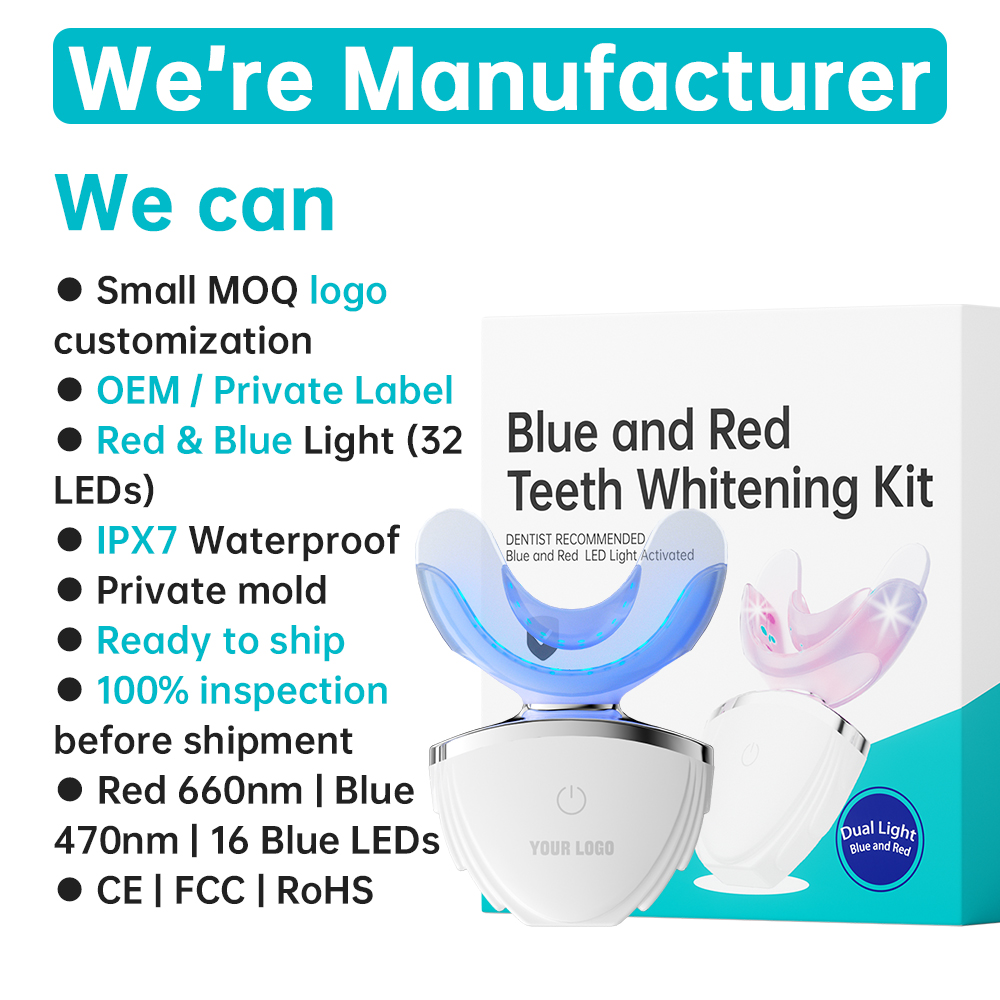
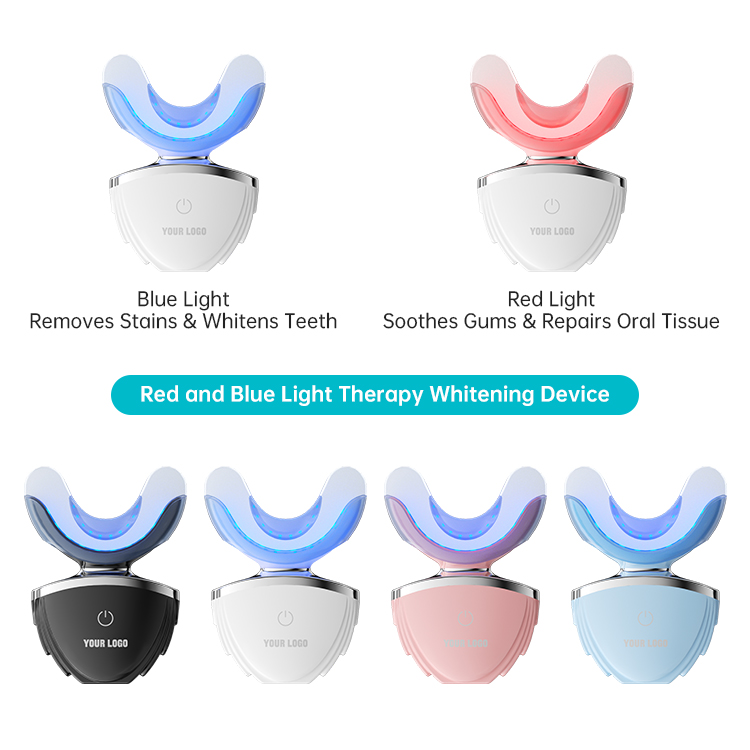
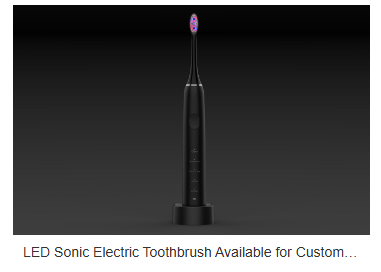
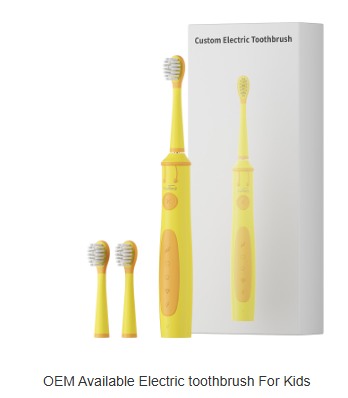
Young people today are more aware of their dental health than ever before. Social media, an emphasis on self-care, and increased access to advanced dental products have brought oral care into the spotlight. This shift is driving new trends in oral care, opening opportunities for oral care product manufacturers to innovate and adapt to changing consumer preferences. The Rise of At-Home Dental Cleaning Solutions A major trend in oral care is the growing popularity of at-home dental cleaning products. From water flossers to sonic toothbrushes, consumers are seeking tools that deliver professional-level cleaning at home. This surge in dental cleaning trends has prompted oral care product manufacturers to design devices with user-friendly technology and enhanced functionality, making dental hygiene both effective and convenient. Powsmart is not only supplying 90-day battery life electric toothbrushes, but also producing UVC portable & middle size water flosser for customization. A Surge in Teeth Whitening Products The desire for a brighter smile is fueling teeth whitening trends. Young people are turning to home whitening kits, whitening toothpastes, and LED whitening devices to achieve professional results without visiting a dentist. Manufacturers are responding with customizable whitening solutions tailored to individual needs, such as products with natural ingredients or reduced sensitivity…
.jpg)
In modern light-activated whitening devices, cold light wavelength not only determines the efficiency of bleach decomposition but also ties directly into the device’s power design—such as Type-C charging, which enables rapid top-ups to sustain high-intensity illumination modes. Below, we explore six key aspects of how wavelength influences photochemical bleaching and offer optimization strategies. Fundamentals of Wavelength and Absorption First, different LED wavelengths produce photons of varying energy, impacting bleaching activation: 400–420 nm (Blue Light): Higher-energy photons that effectively cleave peroxide’s O–O bonds. 420–450 nm (Visible Edge): Matches absorption peaks of many photosensitizers in bleaching gels. 450–480 nm (Deep Blue): Slightly lower photon energy but offers deeper penetration and more uniform scattering. Precisely selecting the cold light wavelength optimizes the initiation of photochemical reactions. Photochemical Mechanisms & Wavelength Dependence Next, peroxide-based or encapsulated bleaching agents require specific photon energies to decompose: Direct Bond Dissociation: 400 nm light most effectively photolyzes hydrogen peroxide. Photosensitizer Excitation: Dyes or catalysts in the gel absorb best around 420–430 nm. Radical Generation: Optimal wavelengths maximize hydroxyl radical (•OH) production, boosting stain breakdown. Thus, wavelength choice directly dictates the primary photochemical pathways of bleach decomposition. Company web:https://www.powsmart.com/product/electric-toothbrush/ Irradiation Strategies: Intensity & Pulsing Beyond wavelength, how you deliver…
As more consumers turn to at-home teeth whitening and oral care devices, reports of enamel transparency and unexpected taste loss are raising alarms among manufacturers. These issues not only affect product effectiveness but also pose serious concerns about long-term oral health. Is this damage permanent—or can B2B suppliers mitigate the risks before products reach the market? What Is Enamel Transparency and Why Does It Matter? Enamel transparency occurs when the protective enamel layer on teeth thins or demineralizes, making the underlying dentin more visible. This results in teeth that appear grayish, bluish, or translucent at the edges—an aesthetic flaw that consumers immediately notice. The causes of enamel transparency in whitening products may include: Excessive peroxide concentration; Prolonged exposure to whitening agents; Poor pH balance in gel formulations; Abrasive additives in toothpastes or strips. Left unaddressed, this condition weakens teeth, increasing sensitivity and making them prone to chipping or erosion.Company web:https://www.powsmart.com/product/electric-toothbrush/ How Taste Loss Is Linked to Oral Care Devices Taste loss is a less visible but equally damaging side effect. Users report diminished ability to sense sweet, salty, or sour flavors after using whitening kits or strong mouth rinses. This can result from: Overexposure of oral soft tissues to peroxide…

1. Pearl River Delta: The Heart of Global Electric Toothbrush Production As an important manufacturing base in China and even the world, the Pearl River Delta region gathers many Electric toothbrush factories and is one of the main production bases for high-quality electric toothbrushes. Cities such as Shenzhen, Dongguan, and Guangzhou not only have a complete supply chain, but also have advanced manufacturing technology and equipment, providing a steady supply of electric toothbrushes for domestic and foreign brands. The products produced here are widely exported to international markets such as Europe, America, Japan, and South Korea. In 2023, the export volume of electric toothbrushes in Shenzhen alone increased by 15%. Established in 2004, Powsmart Technology Co, Ltd. is a professional manufacturer which carries R&D, production of electric toothbrush, water flosser and teeth whitening device. We had launched various oral care products and stuck to top quality standards. All of our electric oral care products have CE, FCC, ROHS and FDA certification. Covering an area of 5000 ㎡, Powsmart https://www.powsmart.com/ have industry-leading automated equipment and standardized production process. Monthly production capacity reaches 300,000+ pcs. We can not only shorten the delivery time for brand owners but also provide off-the-shelf branded products…
In the oral care device industry, light decay is often overlooked—yet it may be a hidden factor in undesirable gingival discoloration, particularly in devices equipped with light-emitting modules such as LED whitening brushes or UV sanitizing components. As oral health professionals and OEM manufacturers seek to enhance product safety and performance, the potential correlation between these two phenomena warrants deeper examination. Recognizing the Symptoms: When Discoloration Appears Unexpectedly Users have reported mild to moderate discoloration of gingival tissue after repeated exposure to illuminated oral care tools. Although most designs use low-intensity LEDs, gingival discoloration—manifested as darkening, uneven tone, or localized pigment patches—raises red flags about photochemical interactions. The possibility that light decay over time leads to spectral shifts or uneven energy output must be considered. What Is Light Decay – And Why It Matters Gingival discoloration Light decay refers to the reduction in luminous flux and spectral integrity of LEDs or light sources over time due to: Thermal stress on chip or substrate Material oxidation within the lens or encapsulation Current fluctuations or overdriving Aging of phosphor layers in white LEDs This decay not only reduces device effectiveness but can distort the wavelength emission profile—potentially shifting the spectrum into biologically…
In the precision-driven world of oral care devices, user comfort is the ultimate benchmark. Yet, an increasing number of consumers report noise disturbance paired with sudden sensitivity spikes—a combination that transforms what should be a soothing hygiene ritual into an unbearable experience. While each issue alone is problematic, their overlap often points to deeper engineering flaws in sound insulation, vibration control, and motor stability. In this blog, we’ll examine how manufacturers can identify, prevent, and solve these twin pain points—before they impact end-user trust or B2B partner confidence. What Is Noise Disturbance in Oral Care Devices? Noise disturbance refers to the excessive or irregular sound output of devices such as sonic toothbrushes, water flossers, or whitening tools. Unlike steady operational hums, disturbance is usually: High-frequency buzzing Sudden pitch changes during usage Mechanical rattling from inside the casing Harmonics transmitted through brush heads or nozzles These sounds are often amplified when used in confined environments like bathrooms, especially during early mornings or late evenings, compounding the user’s perception of discomfort. Sensitivity Spikes: More Than Just a Minor Sting Sensitivity spikes refer to sudden, sharp discomfort felt on the teeth or gums—typically triggered by abrupt changes in device vibration, fluid pressure, or…
Many manufacturers of rechargeable devices are noticing a recurring issue during product usage: a gradual runtime shortening even when the battery is not yet at the end of its cycle life. One frequently suspected cause is battery memory — a phenomenon often misunderstood or overlooked. But are these two issues truly connected? This blog explores the relationship between runtime degradation and memory effect, and provides insights on how manufacturers can address this potential performance risk through informed design and quality control. Understanding the Concept of Runtime Shortening Runtime shortening refers to a device’s decreasing ability to maintain its intended performance duration after a full charge. In the context of electric toothbrushes, water flossers, or whitening systems, this means less cleaning time or lower motor efficiency—both of which can negatively impact the end-user experience. While aging batteries are a common culprit, devices with relatively new battery packs have also exhibited runtime drops, prompting further technical analysis. Company web: https://www.powsmart.com/product/electric-toothbrush/ What Is Battery Memory? Battery memory (also known as the memory effect) is a condition historically associated with nickel-cadmium (NiCd) batteries, wherein the battery “remembers” a shorter discharge cycle if it’s repeatedly recharged without full depletion. Over time, this partial charging habit can…
.jpg)
The oral care market in Southeast Asia is experiencing rapid growth, fueled by economic development, increased health awareness, and rising consumer spending. As one of the most dynamic emerging markets for oral care, Southeast Asia presents compelling opportunities for global brands looking to expand their footprint or establish regional manufacturing operations. This blog explores the trends, demand shifts, and manufacturing opportunities in Asia that oral care product companies should pay attention to. Rising Demand for Oral Hygiene Products Across ASEAN nations, awareness of dental health is climbing steadily due to educational campaigns, urbanization, and improving access to healthcare. Countries like Indonesia, Vietnam, Thailand, and the Philippines are seeing significant growth in the consumption of oral hygiene products, such as electric toothbrushes, toothpaste, floss, and mouthwash. Key drivers include: A growing middle class with disposable income Increased consumer preference for premium personal care products Government-backed oral health programs in schools and rural areas This shift in behavior signals a long-term growth trajectory for the oral care market in Southeast Asia. Key Southeast Asia Dental Trends Brands Should Know To succeed in this region, it's crucial to understand the evolving Southeast Asia dental trends. Some notable patterns include: Natural & Herbal Ingredients: Consumers…
In recent OEM and ODM product audits, gel leakage combined with unexpected enamel erosion has emerged as a significant quality concern in teeth whitening devices. At first glance, these two issues seem unrelated, but closer inspection reveals that gel containment failures may directly accelerate dental surface damage. Are your whitening products causing double damage to end-users? Let’s explore. Understanding Gel Leakage: Root Causes in Whitening Devices Gel leakage refers to uncontrolled seepage of whitening gel from the application tray, cartridge, or nozzle during usage or storage. Key contributing factors include: Poor mold sealing and assembly tolerances Substandard silicone gasket or o-ring design Weak tray fitment or misalignment Incorrect gel viscosity control Thermal expansion from inconsistent curing processes Gel leakage not only reduces whitening efficiency but also risks direct soft tissue exposure and uncontrolled spreading to teeth surfaces. The Science of Enamel Erosion in Whitening Contexts Enamel erosion is the chemical dissolution of tooth enamel, primarily caused by acids or prolonged exposure to reactive agents. In whitening devices, potential triggers are: Acidic gel formulations without pH neutralization Excess gel pooling due to leakage Lack of gel application control leading to overexposure Poor saliva interaction management, preventing agent dilution As enamel is…
When users report jaw fatigue shortly after experiencing taste alteration, is it merely a coincidence, or could it signal an underlying flaw in product design or material selection? For manufacturers supplying oral care devices or whitening systems, it is essential to explore this connection thoroughly to protect both consumer safety and brand reputation. Understanding Jaw Fatigue in Device Use Jaw fatigue refers to muscle soreness, stiffness, or tension felt in the jaw area during or after use of an oral care device. This can arise from: Excessive clamping or force required to keep a device (e.g., whitening tray or mouthpiece) in place Prolonged usage sessions beyond recommended durations Devices with poor ergonomic design, leading to unnatural jaw positioning In B2B manufacturing, minimizing ergonomic strain should always be a priority in product development. What Triggers Taste Alteration? Taste alteration is a common but often overlooked complaint linked to oral care products. Contributing factors include: Residual chemicals from gels or cleaning agents Material leaching from low-grade plastics or silicone components Microleakage from ill-fitting trays that allow solutions to reach taste buds Persistent taste changes can erode user confidence and generate negative reviews. Company web:https://www.powsmart.com/product/electric-toothbrush/ The Overlooked Connection: Are Jaw Fatigue and Taste…
In the rapidly evolving market of oral care devices, particularly electric toothbrushes and whitening applicators, cases of brush discoloration combined with hydrogen peroxide burns are becoming a concern for both users and manufacturers. While these issues may appear superficial at first glance, ignoring them could expose end-users to safety risks and damage the brand's reputation. But is this truly something manufacturers can afford to overlook? What Causes Brush Discoloration? Brush discoloration often results from repeated exposure to whitening gels containing hydrogen peroxide. Factors contributing to this include: High concentrations of peroxide that degrade bristle materials; Heat generated during device operation, accelerating chemical breakdown; Poor-quality bristle polymers that react easily with oxidizing agents. Over time, this leads to noticeable yellowing, fading, or spotting on the brush head—clear signs that chemical damage is taking place. How Hydrogen Peroxide Burns Occur In parallel, hydrogen peroxide burns can affect the user’s soft tissues—particularly gums and lips—when whitening agents leak or are improperly applied. Such burns typically arise from: Overfilled whitening trays or misaligned applicators; Gel seepage caused by poorly fitting devices; Excessive peroxide concentration without proper neutralizing agents. These burns manifest as irritation, whitening of the mucosa, or even pain—and in severe cases, tissue…
In the competitive world of oral care device manufacturing, even minor design or production flaws can trigger unexpected user complaints. Recently, customer feedback has highlighted a curious pairing: taste alteration following tray misalignment in teeth whitening kits. While it may seem like a coincidence, this phenomenon deserves closer inspection from both a design and safety perspective. Could this be an early warning sign of deeper product faults? What Is Tray Misalignment and How Does It Occur? Tray misalignment typically refers to a whitening tray failing to properly conform to the user’s dental arch. This issue can stem from: Poor mold design that doesn’t match universal dental shapes; Low-grade, inflexible materials that distort under pressure or heat; Inaccurate production tolerances during injection molding or thermoforming. A misaligned tray does not sit flush with the teeth, resulting in improper distribution of whitening gel across the enamel surface. Why Does Tray Misalignment Lead to Taste Alteration? When a whitening tray fits poorly, taste alteration becomes a likely side effect for several reasons: Gel leakage: Whitening gel may spill over onto the tongue or soft tissues, where peroxide-based agents create a bitter or metallic aftertaste; Uneven application: Certain areas receive more gel than others,…
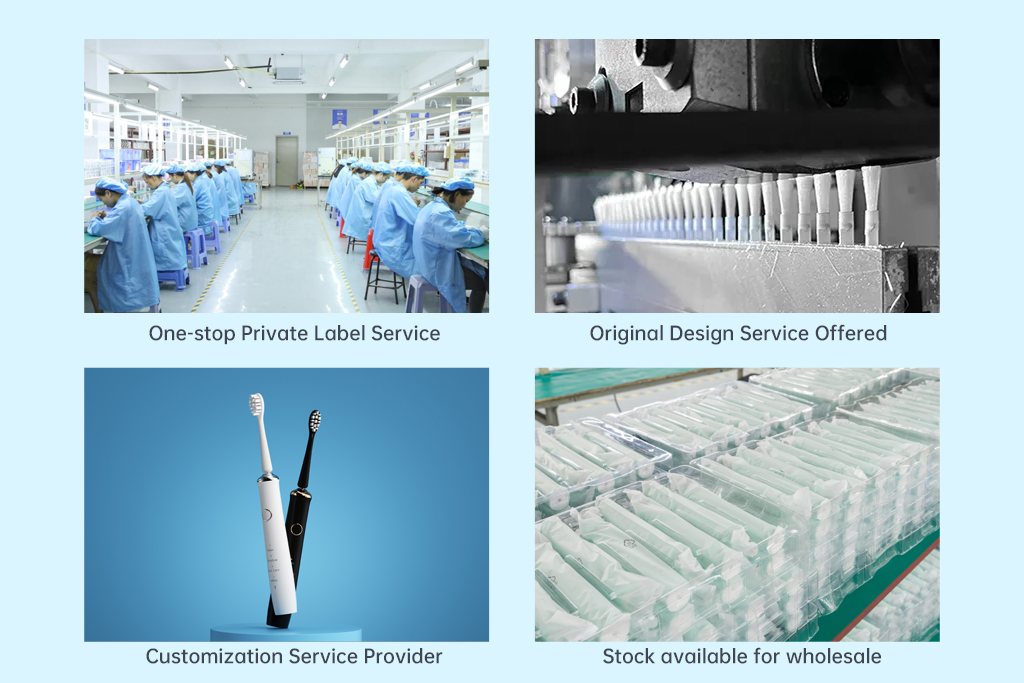
In today’s competitive market, oral care brands must constantly innovate to remain relevant. With increasing consumer demand for comprehensive dental solutions, oral care product expansion is no longer optional—it’s a strategic imperative. From electric toothbrushes to trending oral devices like water flossers, tongue scrapers, and whitening tools, diversification opens the door to new market segments, higher customer retention, and stronger brand positioning. This blog will explore how dental brands can expand product line strategically, supported by smart OEM/ODM collaboration, and align with current market trends for long-term growth. Analyze Market Trends and Consumer Needs Before introducing new products, brands must begin with thorough market trend analysis. The oral care market is shifting rapidly due to factors like: Growing awareness of preventive dental care Rising demand for smart and connected devices Interest in eco-friendly and travel-friendly oral hygiene products Tracking trending oral devices—such as ultrasonic toothbrushes, cordless oral irrigators, and UV sterilizers—can reveal untapped opportunities. Matching these trends with specific consumer pain points ensures your product development is need-driven rather than guesswork. Identify Strategic Gaps in Your Current Product Line Successful dental brand diversification requires more than simply adding more SKUs. Brands should evaluate their current offerings to identify: Missing categories (e.g., floss alternatives…
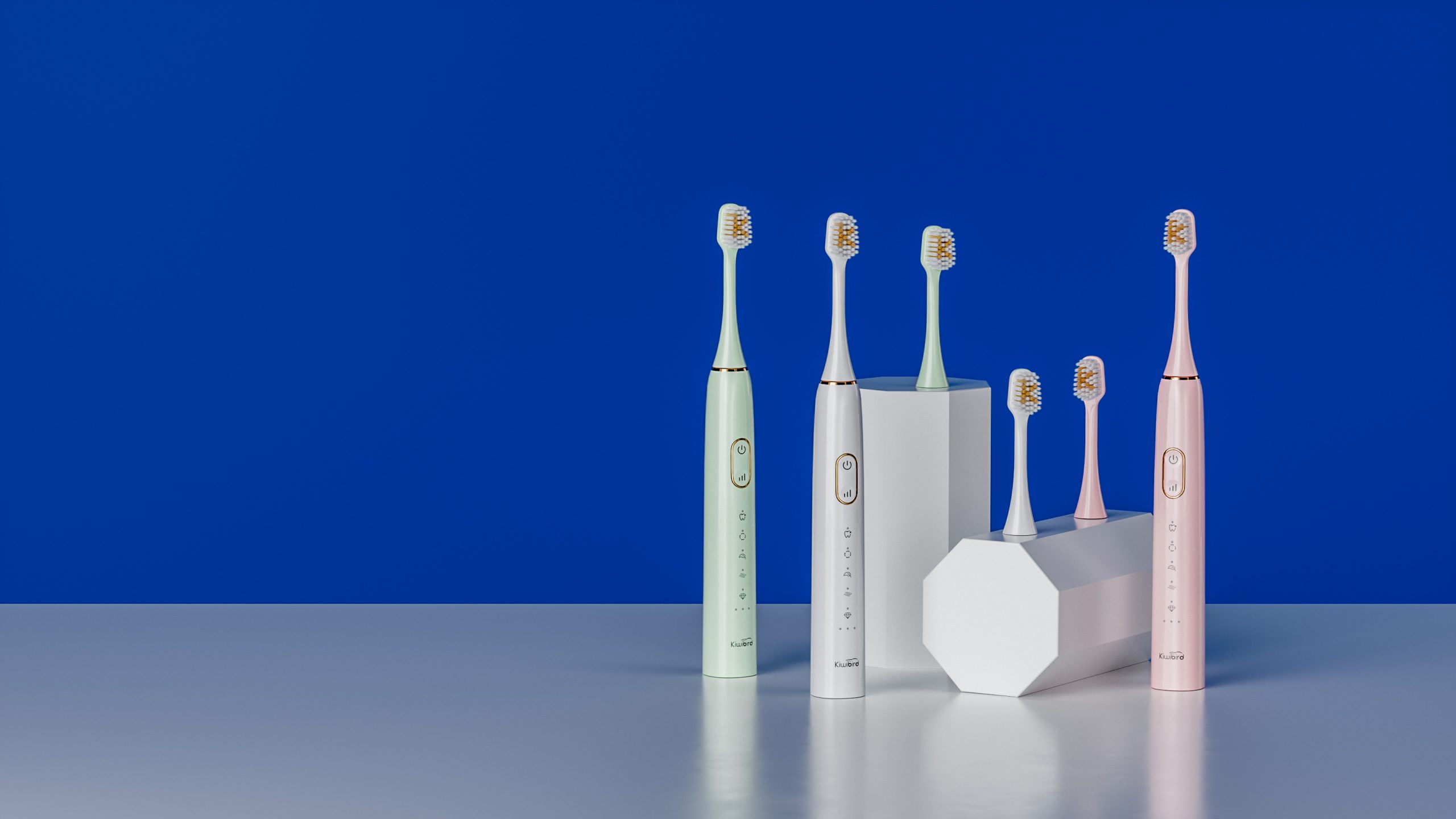
The global oral care market is experiencing rapid growth driven by rising health awareness, aesthetic demands, and the popularity of functional and personalized products. For oral care brands, product stagnation can quickly lead to a loss in market share. To stay relevant and profitable, continuous oral care product expansion is not just an option—it’s a strategic necessity. This blog explores why introducing new products regularly is vital for oral care brands expansion, how partnering with an oral care OEM can accelerate this process, and how innovation directly impacts sales and brand influence. Meeting Consumer Demand and Behavior Shifts Consumer expectations in oral care have moved far beyond basic hygiene. Today’s users are looking for: Whitening and sensitivity-targeted solutions Eco-friendly and natural ingredient formulations Smart and connected devices Compact, travel-friendly kits To keep up with these shifts, brands must proactively update their portfolios. Oral care product expansion—through both device and formulation innovation—is the key to capturing new customer segments and retaining existing users. Failure to innovate often results in loss of shelf space, declining customer loyalty, and reduced engagement. Boosting Brand Competitiveness Through Innovation Consistent innovation fuels brand relevance. Whether through advanced sonic technology in electric toothbrushes or water-saving systems in oral irrigators, innovation…
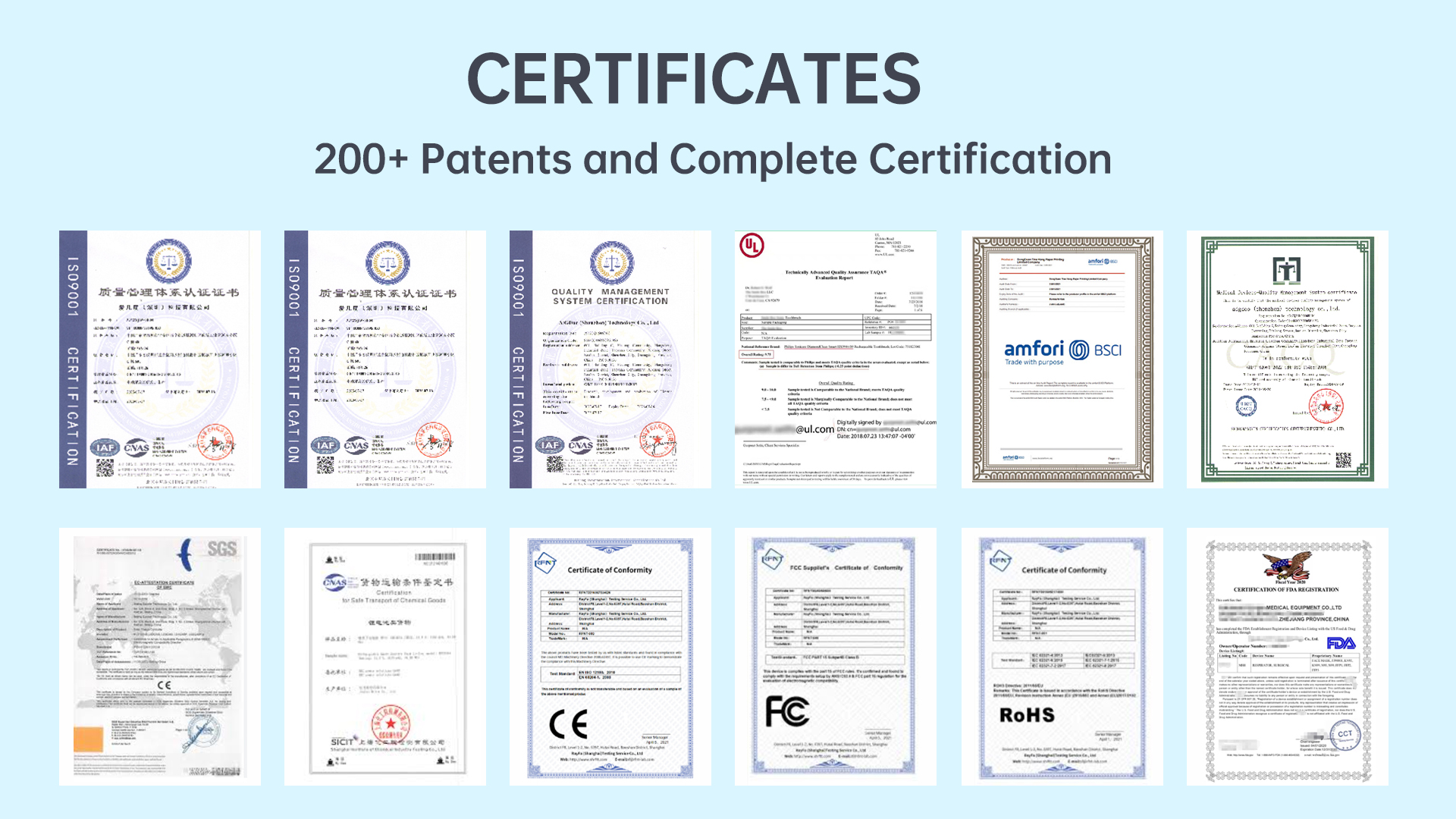
In the highly competitive oral care market, finding the right Oral Care Product Manufacturer is critical for any brand seeking to deliver safe, effective, and market-ready products. Whether you’re launching a new line of electric toothbrushes, oral irrigators, or whitening solutions, the choice of manufacturing partner can determine your product’s success—or failure. To streamline your decision-making process, we’ve created the ultimate checklist for evaluating a manufacturer, helping you identify quality dental suppliers who can act as your reliable OEM partner. Certification and Compliance: Look for an FDA-Certified Factory The first item on your checklist should be regulatory compliance. A reputable manufacturer should operate an FDA-certified factory and adhere to ISO standards relevant to medical or oral care devices (e.g., ISO 13485 for medical-grade production). What to check: FDA registration or certification documentation ISO certifications (especially ISO 13485 or ISO 9001) CE, RoHS, or other region-specific compliance (if targeting global markets) These certifications ensure that the manufacturer meets the legal and hygiene standards required to produce oral care products safely. Manufacturing Capabilities and Specialization Not every factory that makes beauty or healthcare products is optimized for oral care. You need a manufacturer that specializes in producing oral care devices such as electric toothbrushes or oral…


.jpg)
.jpg)
.jpg)
.jpg)
.jpg)



.jpg)
.jpg)