.jpg)
In the world of electronic personal care devices such as electric toothbrushes and water flossers, two hidden yet severe risks often go unnoticed by end users—battery leakage and subsequent circuit corrosion. While each problem alone can compromise product performance, their combination poses a much greater threat to both device lifespan and user safety. Are these two failures merely coincidental, or are they intrinsically linked in a dangerous cycle that manufacturers cannot afford to ignore? What Is Battery Leakage and Why Does It Occur? Battery leakage occurs when the internal chemical contents of a battery escape from its sealed casing. This usually happens due to: Overcharging or improper charging practices; Use of low-quality or aged battery cells; Physical damage to the battery structure during assembly or usage; Extreme storage conditions such as high humidity or temperature fluctuations. When leakage happens, the corrosive electrolyte materials can spread inside the device, setting the stage for further internal damage. How Does Battery Leakage Lead to Circuit Corrosion? The leaked electrolyte is highly conductive and chemically aggressive. Upon contact with the device’s inner components, especially the circuitry, the following chain reaction occurs: Metal traces and solder points on the circuit board oxidize; Insulation barriers weaken,…
In the rapidly growing oral care industry, the demand for electric toothbrushes is at an all-time high. For brands aiming to enter or expand in this competitive market, partnering with the right electric toothbrush factory is essential—not just for product quality, but also for ensuring long-term business success. But how do you evaluate factories and identify those that can deliver superior electric toothbrush cleaning power, innovation, and scalable production? This article outlines six critical factors to help you choose the ideal manufacturing partner for your OEM electric toothbrush project. Define Your Cleaning Performance Standards Before you begin the search, it’s important to clearly define what “superior electric toothbrush cleaning power” means for your target market. Do you want high-frequency sonic vibration? Do you need multiple cleaning modes or intelligent pressure sensors? Top-tier oral care manufacturing begins with clear technical specifications. Look for a factory that can meet or exceed industry standards for plaque removal, battery efficiency, motor durability, and ergonomic design. Ask for performance test reports or existing client case studies that demonstrate their product capabilities. Evaluate R&D and Innovation Capabilities A reliable electric toothbrush factory should have strong R&D capacity. Innovation is key in a market where user expectations evolve quickly. Investigate: How…
The oral care market is experiencing rapid transformation, fueled by consumer awareness of dental hygiene and increasing demand for effective, technology-driven products. Among these innovations, electric toothbrushes stand out for their proven effectiveness in plaque removal, improving gum health, and promoting long-term oral hygiene. For brands looking to gain a competitive edge, partnering with an expert in electric toothbrush quality manufacturing and oral care OEM solutions is no longer optional—it’s essential. This blog explores why investing in high-quality electric toothbrush manufacturing is a strategic move for oral care brands. Electric Toothbrush Benefits Are Scientifically Proven One of the key drivers behind the growing popularity of electric toothbrushes is their superior cleaning capability. Research has consistently shown that electric toothbrushes remove more plaque than manual toothbrushes, leading to: More effective plaque removal Better gum health Reduced risk of cavities and gingivitis These measurable electric toothbrush benefits translate into tangible value for the end user, strengthening brand credibility and consumer trust. Consumer Expectations Are Increasing Today’s consumers are more informed and expect high-performing, reliable oral care tools. They look for: Multiple brushing modes (sensitive, deep clean, whitening) Long battery life and USB charging Smart technology (timers, pressure sensors, app connectivity) Only through reliable electric toothbrush quality…
In daily use of personal care devices, especially water flossers and electric toothbrushes, users often encounter unexpected water splashing coupled with handle slippage. While these two issues may appear minor or unrelated at first glance, they frequently originate from deeper design shortcomings. For manufacturers aiming at premium user experience and reliable performance, could this combination indicate a critical design flaw that requires immediate attention? Why Does Water Splashing Occur in Personal Care Devices? Water splashing typically results from: Poor nozzle design or positioning, causing uncontrolled spray angles; Excessive water pressure that is not adequately regulated; Lack of flow control features, such as adjustable pressure settings; Inadequate sealing or assembly that allows water to leak around connection points. These design weaknesses lead to unexpected water ejection, often wetting unintended areas like the user’s face, clothes, or bathroom counter. What Causes Handle Slippage During Operation? On the other hand, handle slippage becomes a problem when: The device’s outer casing uses low-friction materials that become slippery when wet; The handle design lacks ergonomic texture or rubberized grips; Water splashes accumulate on the handle due to poor drainage, making the grip unstable; The size or shape of the handle is unsuitable for different hand…
.jpg)
Driven by increasing health awareness, technological advancement, and consumer demand for effective, at-home dental solutions. For brands already offering electric toothbrushes or traditional dental care items, expanding the product line to include water flossers represents a smart and timely product expansion strategy. Adding water flossers isn’t just about following a trend—it's about creating a more comprehensive oral care product expansion roadmap, catering to evolving consumer needs while standing out in a competitive market. Why Water Flossers Are a Natural Fit for Oral Care Brands Water flossers—also known as oral irrigators—have become a must-have in personal oral hygiene. They complement electric toothbrushes by providing deep interdental and subgingival cleaning, making them ideal for users with braces, implants, or sensitive gums. From a business perspective, this represents: A brand diversification opportunity with high consumer demand. An upsell option for customers already purchasing electric toothbrushes. A higher-margin product category with growing online and retail presence. By positioning water flossers as a value-added offering in your lineup, brands can reinforce customer loyalty and increase average order value. The Benefits of Partnering with a Water Flosser Factory One of the most important steps in successful expansion is finding the right water flosser factory or manufacturing partner. A reliable factory…
In the development and use of water flossers and similar oral care devices, two seemingly minor issues often arise—flow interruption and subsequent incomplete flushing. While these problems may appear individually harmless, when they occur together, they reveal potential design or manufacturing flaws that can undermine product effectiveness and user satisfaction. But is this merely coincidence, or does flow interruption directly lead to incomplete flushing? What Is Flow Interruption and Why Does It Happen? Flow interruption occurs when the continuous water or fluid stream in a device is unexpectedly paused or reduced. Common causes include: Blockage in the nozzle or internal tubing due to mineral buildup or debris; Malfunctioning pump systems failing to maintain constant pressure; Faulty valves or seals leading to inconsistent water delivery; Poor battery performance, affecting motor-driven pumping mechanisms. Flow interruption not only disturbs the cleaning process but also causes air bubbles and pressure loss within the system. How Does Flow Interruption Cause Incomplete Flushing? A direct consequence of flow interruption is incomplete flushing. Here's why: After flow is interrupted, air pockets remain trapped in the tubing, preventing full water passage; Pressure drops lead to uneven water distribution, leaving some areas uncleaned; Interrupted cycles may cause residual water…
In the development and quality control of electric personal care devices, such as sonic toothbrushes or water flossers, the simultaneous occurrence of pulse instability and unexpected noise spikes often signals a deeper issue within the motor system. These symptoms are not to be dismissed as minor annoyances—in fact, they may be early warnings that the motor is nearing the end of its functional lifespan. But is the motor really dying, or are these signs of something fixable? hat Is Pulse Instability and Why Does It Occur? Pulse instability refers to irregular fluctuations in the electrical pulses delivered to the motor, causing inconsistent performance. The causes include: Aging motor components such as brushes or bearings degrading over time; Poor circuit design that fails to regulate voltage or current properly; Faulty or loose electrical connections leading to intermittent power delivery; Environmental factors such as humidity or corrosion affecting internal contacts. When pulses become unstable, the motor's rotation speed or oscillation frequency changes unpredictably, affecting device performance and user experience. What Causes Noise Spikes in Motorized Devices? Noise spikes—sudden increases in operational sound levels—are often symptomatic of: Imbalanced rotating parts, such as worn or misaligned rotors; Friction buildup in the motor shaft or…
In the world of electronic appliances, especially those designed for personal care such as electric toothbrushes and oral irrigators, two critical risks demand serious attention: Short Circuit and Water Leakage. When these two issues occur simultaneously, the potential hazards multiply—not only threatening device performance but also putting user safety at considerable risk. Are manufacturers unknowingly playing with fire if they overlook this dangerous combination? Understanding the Relationship Between Short Circuit and Water Leakage Water and electricity are natural enemies. A Water Leakage—whether from a poorly sealed tank, damaged O-rings, or cracked casings—can directly result in moisture reaching sensitive electronic components. Once inside, this moisture can lead to a Short Circuit, where electrical pathways are unintentionally bridged. This not only causes the device to malfunction but also increases the chance of overheating or sparking. For OEM suppliers, ensuring IPX7 or higher waterproof standards during design and testing is the first step to prevent this chain reaction. Why the Double Risk Is More Dangerous Than It Seems While either Water Leakage or a Short Circuit is harmful on its own, their combination represents an amplified threat. A Short Circuit caused by internal moisture does not only lead to product failure—it can result…
In precision devices such as oral care appliances, high-performance sensors play a critical role in ensuring safe operation. But what happens when Sensor Failure occurs simultaneously with Overpressure Damage? This rare yet dangerous combination can lead to unpredictable product behavior, shortened lifespan, and even user safety concerns. Ignoring this “double trouble” is no longer an option for manufacturers focused on quality and reliability. Understanding Sensor Failure in the Context of Overpressure Sensors monitor crucial parameters—such as pressure, temperature, and vibration—in water flossers and electric toothbrushes. However, when Overpressure Damage occurs due to blocked nozzles, faulty pumps, or misuse, sensors can become overloaded or misread data. In this state of Sensor Failure, the device loses its ability to regulate performance or trigger safety shutdowns, compounding the original problem. For B2B OEM suppliers, robust sensor design and placement are key to prevent this vicious cycle from occurring. The Hidden Risks of Overpressure Damage When Overpressure Damage strikes—whether from pump malfunction, valve blockage, or tank defect—the internal system undergoes stress far beyond its design limits. Without functional sensors to detect and respond, the damage can escalate: Plastic or metal parts may crack; Internal seals may rupture; Motor components may overwork, leading to burnout.…
In the development and supply of dental whitening trays and orthodontic appliances, two critical concerns have surfaced repeatedly: tray misalignment and its contribution to jaw pain. These issues not only impact user comfort but can also compromise product performance and brand reputation. As manufacturers, understanding and addressing this correlation is vital to creating superior, market-leading products. What Is Tray Misalignment and Why Does It Occur? Tray misalignment refers to the improper fitting or positioning of dental trays on the user’s teeth. This can result from: Inaccurate molding during tray fabrication; Poor quality control during manufacturing; Deformation of trays during transport or storage; Design flaws that do not accommodate dental arch variations. When trays do not align correctly, they exert uneven pressure on teeth and surrounding jaw muscles, setting the stage for discomfort or more severe complications. The Link Between Tray Misalignment and Jaw Pain A direct outcome of tray misalignment is the onset or worsening of jaw pain. This happens because misaligned trays can: Cause uneven bite forces; Disrupt the natural position of the jaw; Strain the temporomandibular joint (TMJ). For users, this discomfort may manifest as stiffness, soreness, or even headaches. For brands, it results in dissatisfied customers, negative…
For whitening device manufacturers and OEM suppliers, product performance consistency is key to customer satisfaction. However, a hidden risk may be undermining all these efforts: Timer Malfunction resulting in Whitening Reversal. When devices fail to time treatment sessions correctly, the whitening process may not only become ineffective but may also reverse, wasting consumer effort and diminishing brand credibility. Could this flaw be costing your product line more than you think? What Is Timer Malfunction in Whitening Devices? A Timer Malfunction occurs when the embedded timing system of a whitening tray, pen, or lamp does not accurately regulate treatment duration. This can result from: Software glitches in programmable devices; Faulty circuit boards; Battery voltage fluctuations affecting timing accuracy. If treatment is cut short or extended beyond the optimal time frame, the bleaching agent may underperform—or worse, cause enamel stress leading to unwanted discoloration. How Timer Malfunction Causes Whitening Reversal Proper whitening requires precise exposure time. A Timer Malfunction disrupts this balance, causing: Under-treatment, where stains are not fully removed; Over-treatment, which can weaken enamel and allow stains to set in deeper layers; Enamel dehydration, temporarily causing teeth to appear duller. As a result, users may experience Whitening Reversal—where instead of improving,…
In the field of sonic toothbrush manufacturing, button malfunction and uneven bristles might seem like unrelated issues at first glance. However, increasing customer feedback indicates that these two flaws can interact, resulting in product failure, reduced brushing efficiency, and poor user experience. Is this truly an overlooked disaster in oral care design—or a preventable manufacturing defect? How Button Malfunction Triggers Bristle Deformation A button malfunction, such as a stuck or delayed power button, can unintentionally cause the motor to operate erratically. This leads to: Over-vibration during rest periods; Unplanned sudden start/stop cycles; Extended high-speed running without load. Such irregular operation strains the brush head, causing uneven bristles over time as the fibers wear at different rates due to inconsistent pressure and motion. The Role of Uneven Bristles in Brushing Inefficiency Uneven bristles are not merely a cosmetic problem—they seriously undermine brushing quality. They cause: Incomplete plaque removal in certain areas; Over-scrubbing of gum tissue, raising the risk of irritation or recession; Imbalanced motor load, increasing the chance of future button malfunction due to feedback strain on internal electronics. In B2B production, such flaws can damage the brand’s reputation and result in costly product returns. Company web: https://www.powsmart.com/product/electric-toothbrush/ Root Causes Behind Button…
In the world of electric toothbrush manufacturing, both performance stability and user safety are non-negotiable. However, two common issues—Brush Head Wobble and Battery Swelling—can jeopardize these fundamental qualities. Many users tolerate slight wobbling or reduced battery performance unknowingly, but when these two problems occur together, the consequences can be far more serious than expected. This article explains why manufacturers and suppliers should never overlook these seemingly minor defects, as they directly impact product durability, safety, and brand reputation. What Causes Brush Head Wobble? Brush Head Wobble refers to the unwanted lateral or vertical movement of the toothbrush head during operation. While a small degree of vibration is expected for cleaning purposes, excessive wobble results from: Imprecise Shaft Fitting: Poor manufacturing tolerance can cause misalignment between the drive shaft and brush head connector. Material Fatigue: Over time, plastic or metal parts may wear out, loosening the head's connection. Assembly Errors: Inconsistent torque control during automated assembly can result in loosely mounted brush heads. When the brush head wobbles, cleaning efficiency drops and users may experience gum discomfort or premature head failure. Worse yet, persistent wobble stresses the internal drive components, hastening device breakdown. The Hidden Dangers of Battery Swelling At first…
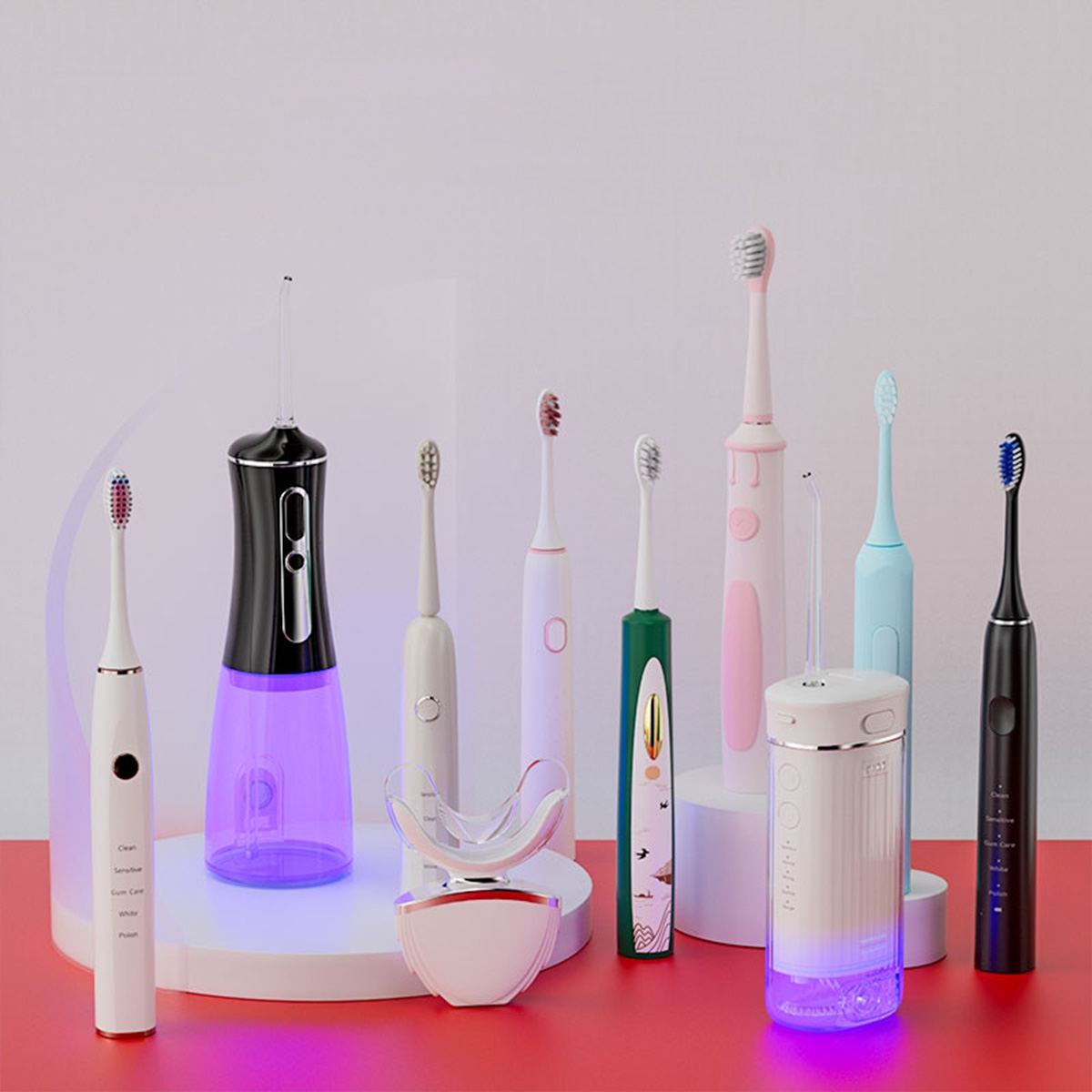
In today’s fast-evolving oral care market, consumers are no longer satisfied with single-function products. They’re seeking comprehensive, time-saving, and value-driven solutions. This shift in demand has given rise to bundled offerings, particularly the electric toothbrush and water flosser combination. For brand owners, this bundle is not just a consumer trend—it’s a powerful brand expansion strategy that can enhance competitiveness in an increasingly crowded marketplace. Why the Electric Toothbrush and Water Flosser Combination Appeals to Modern Consumers Consumers are becoming more informed and proactive about oral hygiene. Bundled oral care kits that include both an electric toothbrush and a water flosser offer multiple benefits: Comprehensive cleaning: Mechanical brushing combined with pressurized water stream provides a full-spectrum cleaning experience. Time efficiency: Bundles save time by offering everything consumers need in one package. Perceived value: Shoppers view bundles as cost-effective and premium in comparison to standalone items. For brands, tapping into this consumer demand through bundling is a smart move to enhance competitiveness through bundle strategy. Competitive Advantages for Brand Owners By offering an electric toothbrush and water flosser combination, brand owners can gain several strategic advantages: Product differentiation: Bundles stand out on shelves and e-commerce platforms, increasing product visibility. Higher average order value (AOV): Consumers…
For manufacturers and brands in the oral care industry, customer complaints about Gum Bleeding caused by Enamel Scratches are no longer rare. With the rise of sonic toothbrushes, water flossers, and dental devices, users are increasingly sensitive to oral discomfort and damage. But does this mean manufacturers or OEM/ODM suppliers need to panic? This article explores how Enamel Scratches occur, why they trigger Gum Bleeding, and what design or material flaws may be the root cause—especially in products intended for daily use. The Hidden Connection Between Enamel Scratches and Gum Bleeding While enamel and gum tissue are distinct, their health is closely interrelated. Enamel Scratches—even micro-level ones—can lead to sharp edges or rough surfaces on toothbrush bristles or flossing nozzles. When such compromised surfaces come in contact with sensitive gum tissue, Gum Bleeding can easily result. This risk becomes higher in products where bristle quality, nozzle coating, or polishing processes are insufficiently controlled. Moreover, once enamel is scratched, the underlying tooth structure may become more prone to bacterial retention, leading to localized gum inflammation—another indirect cause of Gum Bleeding. Key Product Design and Material Issues Leading to Enamel Scratches Several hidden design or material flaws in oral care products can…

The global oral care market is evolving rapidly, driven by rising consumer awareness and growing demand for advanced hygiene solutions. For brands looking to stay ahead, oral care product expansion is no longer optional—it's essential. Whether you're launching your first electric toothbrush line or expanding into water flossers, a strong manufacturing foundation is critical. This guide provides a roadmap for oral care brands looking to scale smartly through factory partnerships and strategic product development. Assessing Readiness for Brand Upgrade and Expansion Before jumping into production or new product categories, it's important to evaluate your brand’s current market position. Ask yourself: Is your product portfolio meeting modern oral hygiene trends? Do you have the infrastructure to manage supply chain and logistics on a larger scale? Are your current manufacturing partners able to support scale, speed, and quality? A successful brand upgrade and expansion guide starts with clear objectives, market differentiation, and an aligned vision with production partners. Finding the Right Electric Toothbrush Factory The electric toothbrush segment is a cornerstone of innovation in oral care. Selecting the right electric toothbrush factory can make or break your product success. When evaluating factories, consider: R&D capabilities: Can they develop unique brush heads, smart features, or app…
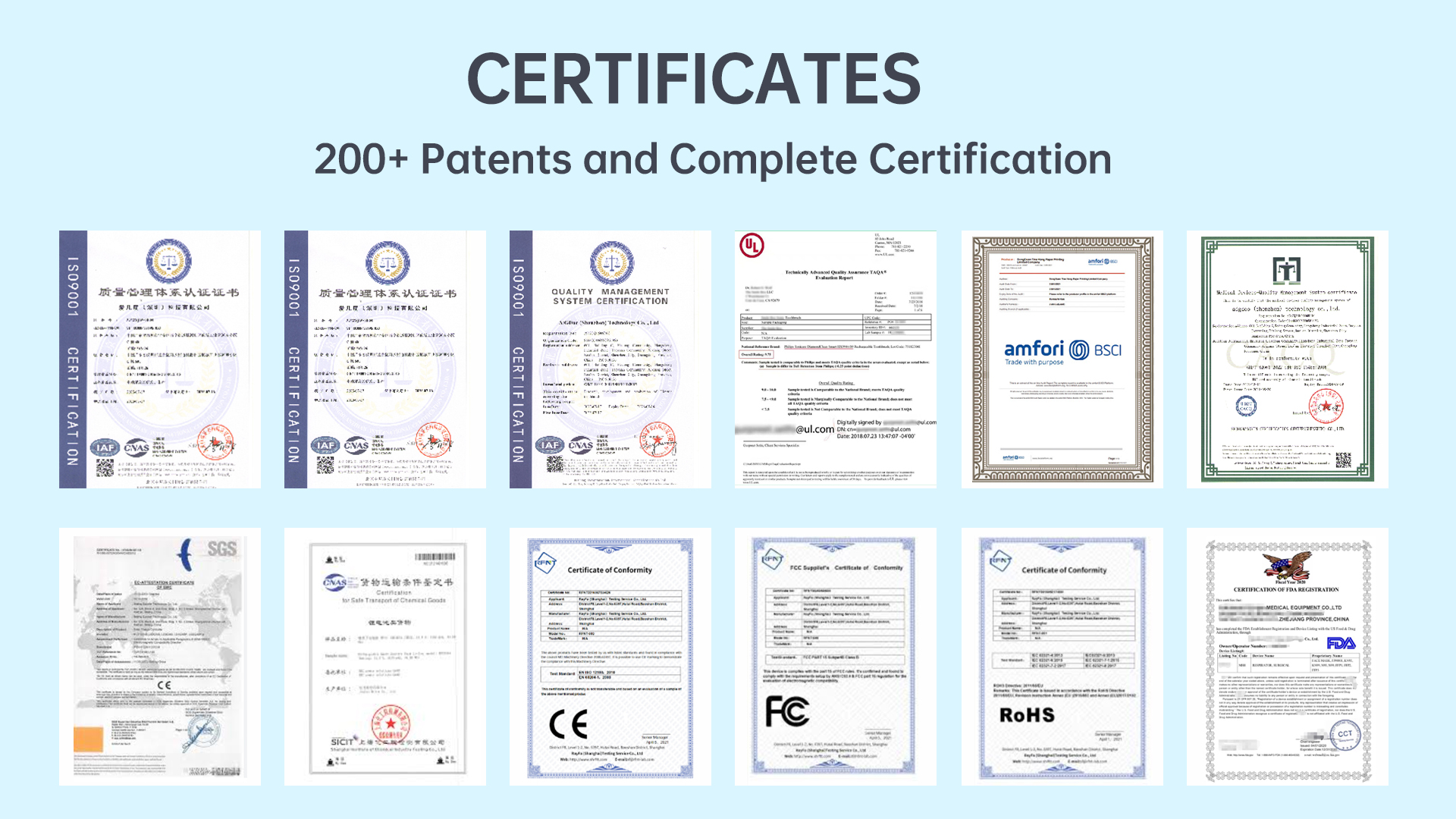
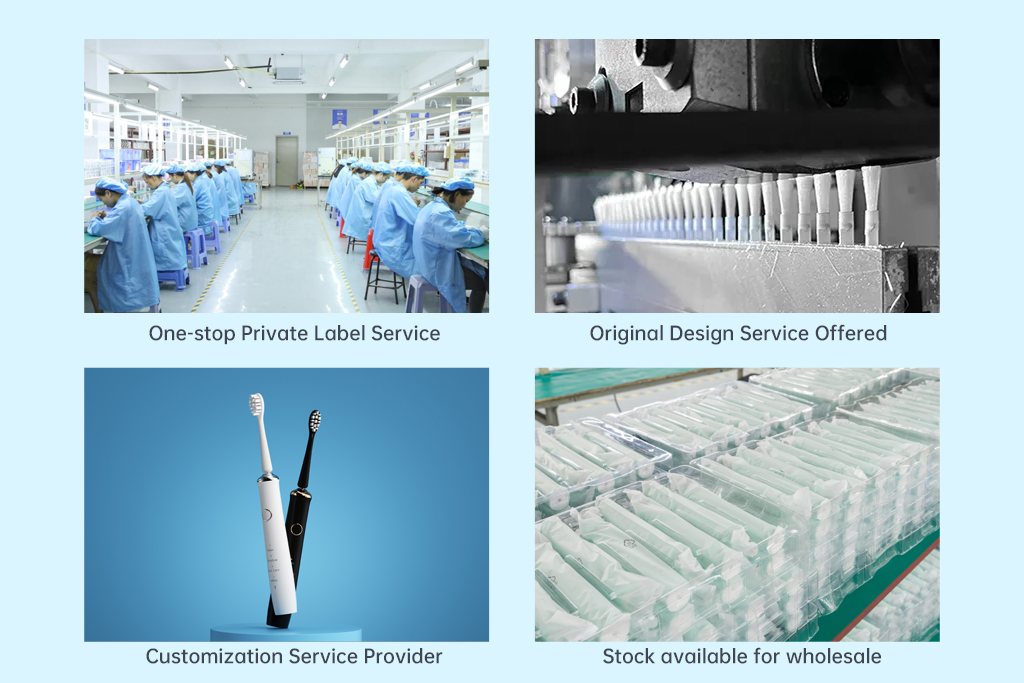
For oral care brands seeking long-term growth and product credibility, finding the right electric toothbrush factory is critical. In today’s competitive market, quality, consistency, and regulatory compliance are essential. This blog serves as a practical guide for brand owners to conduct a structured electric toothbrush factory evaluation, covering the key factors that ensure your product meets both market expectations and global toothbrush production standards. Below are 5 must-read criteria to help you identify a reliable manufacturing partner. Manufacturing Capabilities & Facility Infrastructure When evaluating a potential partner in oral care manufacturing, begin by examining their production scale and technical infrastructure. Key areas to consider include: In-house mold development for brush heads and motor components Automated production lines to ensure precision and consistency Capacity to handle large OEM/ODM orders without quality compromise A high-quality electric toothbrush factory will be able to demonstrate robust capabilities across all production stages, from injection molding to final assembly and packaging. Compliance with Toothbrush Production Standards Global markets demand strict adherence to safety and quality regulations. A factory’s ability to comply with international toothbrush production standards is a non-negotiable factor. Look for compliance with: ISO 13485 (for medical-grade manufacturing) CE, FCC, FDA certifications depending on target markets RoHS and REACH environmental…
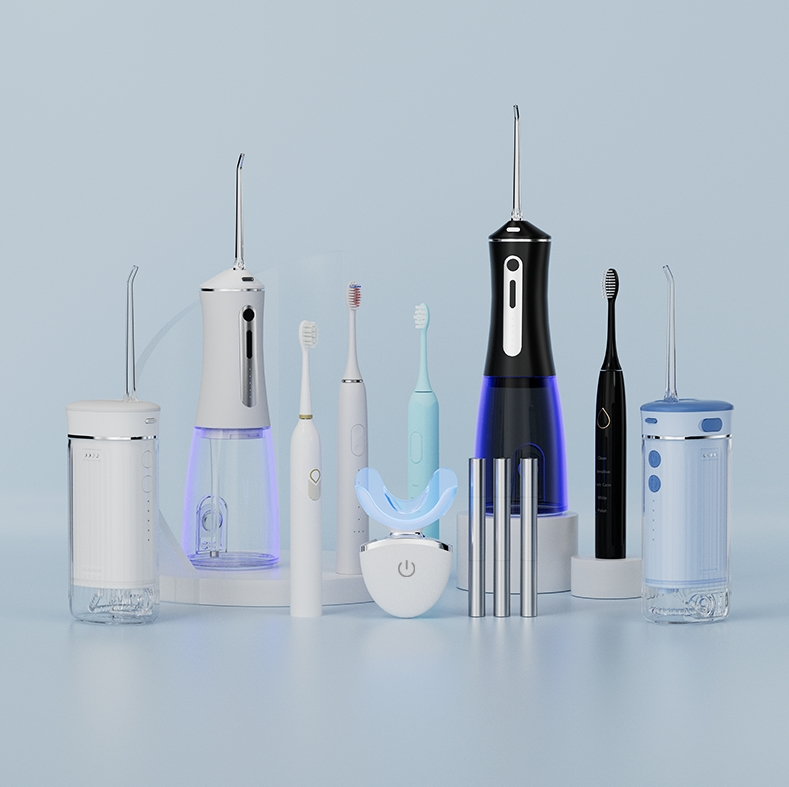
In today’s competitive oral care market, user confidence is a decisive factor in brand loyalty and long-term growth. With consumers becoming increasingly educated and selective about health and hygiene products, oral care brands must go beyond basic offerings. Strategic brand Product Upgrades and Expansion, well-planned oral care products combinations, and strong manufacturing partnerships are key to delivering quality and innovation that build trust. This article explores how oral care brands can enhance consumer confidence by leveraging OEM cooperation, innovating product portfolios, and cooperating with reliable factories for sustainable growth. Upgrade to Compete: Why Brand Product Upgrades Matter A stagnant product lineup can erode consumer interest. Modern users look for innovation—be it smarter electric toothbrushes, more efficient oral irrigators, or integrated care solutions. Regular brand Product Upgrades and Expansion signal that the brand is evolving with user needs. Smart features like pressure sensors or Bluetooth connectivity add value. Aesthetic improvements such as minimalist design or sustainable packaging can influence perception. Functionality upgrades like quieter motors or improved battery life directly impact user experience. By consistently improving performance and design, brands can significantly enhance user confidence and distinguish themselves in a saturated market. Expand Strategically: Combining Oral Care Products for Complete Solutions Consumers no longer want isolated products;…


.jpg)
.jpg)
.jpg)
.jpg)
.jpg)



.jpg)
.jpg)