
.jpg)
In the realm of personal care device design, especially in products like sonic toothbrushes and water flossers, vestibular stimulation and head positioning are rarely discussed together. Yet, users occasionally report dizziness, vertigo, or disorientation after prolonged device use. Could vestibular stimulation caused by device vibrations or water jets, coupled with specific head positioning, be a hidden cause of user discomfort? This blog delves deep into this overlooked topic to clarify its impact on user experience and product safety. What Is Vestibular Stimulation and Why Does It Matter? Vestibular stimulation refers to any mechanical input—vibrations, water pulses, or sonic waves—that interacts with the inner ear’s balance system. In oral care devices: High-frequency vibrations from sonic motors. Directional water jet pulses from flossers. These stimuli, though intended for cleaning efficiency, may inadvertently affect the vestibular apparatus, especially in sensitive users. How Head Positioning Affects Vestibular Sensitivity Head positioning plays a crucial role in vestibular response: Tilting the head backward during brushing or flossing may expose inner ear structures more directly to vibratory or pulse-induced energy. Certain angles increase stimulation transmission from oral cavity to cranial regions. Prolonged improper positioning exacerbates sensations of imbalance or dizziness. Understanding head angles during use is thus…
In modern oral care device design, both mechanical action and user technique influence plaque removal outcomes. Surprisingly, one overlooked factor is the angle technique during brushing. Whether using manual brushes, sonic toothbrushes,or professional cleaning tools, incorrect angle positioning can significantly reduce cleaning efficiency, compromising oral hygiene. But how exactly does angle control influence plaque removal, and what can manufacturers do to address this problem at the design stage? Understanding Angle Technique in Oral Hygiene Angle technique refers to the angle at which a brush head contacts the tooth surface and gum line during cleaning. Dental professionals recommend a 45° angle for optimal plaque removal, ensuring bristles reach into the gingival margin where plaque typically accumulates. However: Most consumers apply brushes at incorrect angles. Automatic brushing devices often lack intelligent angle guidance. Manufacturers that fail to address angle control in their design may inadvertently limit plaque removal efficiency. How Angle Technique Directly Impacts Plaque Removal Efficiency Improper angle technique leads to: Missed plaque along gum lines. Insufficient cleaning between teeth. Uneven force distribution across tooth surfaces. This means even a high-performance sonic motor or advanced brush head may fail to deliver expected plaque removal if bristle orientation isn’t optimized. Company web:https://www.powsmart.com/product/electric-toothbrush/…
In precision oral care devices, especially water flossers, motor burnout and nozzle clogging are often viewed as separate failures. However, are they connected? Could motor degradation indirectly trigger nozzle blockages, reducing device performance? Understanding this hidden link is critical for manufacturers aiming to enhance product reliability. Understanding Motor Burnout in Water Flossers At the core of every water flosser lies a high-speed motor, responsible for generating consistent water pulses. Motor burnout typically results from: Continuous high-load operation. Insufficient heat dissipation. Poor-quality bearings or shaft misalignment. When burnout occurs, torque and rotation speed drop, leading to reduced pumping capacity—a precursor to potential nozzle issues. How Reduced Flow from Motor Burnout Contributes to Nozzle Clogging As motor output weakens, water flow becomes inconsistent or insufficient to flush out micro-debris. This stagnant water in the system creates ideal conditions for: Mineral buildup from hard water. Microbial biofilm accumulation. Residue from dental solutions or mouthwash. Consequently, the nozzle clogging problem worsens progressively if the motor’s declining performance goes unnoticed. Company web: https://www.powsmart.com/product/electric-toothbrush/ Engineering Insights: Identifying Design Vulnerabilities From a technical perspective, several design flaws can exacerbate this failure chain: Non-self-cleaning nozzle designs. Lack of pressure feedback control in the system. Use of low-tolerance motor…
In recent years, enamel wear caused by improper brushing techniques, especially the overbrushing habit, has become a concern not only for consumers but also for oral care manufacturers. While many users believe aggressive brushing leads to cleaner teeth, excessive force combined with improper product design may result in irreversible damage to enamel. Can this type of enamel wear be reversed? More importantly, how can manufacturers address this issue through smarter design? What Is Enamel Wear and Why Is It Critical? Enamel wear refers to the gradual loss of the protective outer layer of teeth. Once enamel is eroded, the underlying dentin is exposed, leading to: Tooth sensitivity. Increased risk of cavities. Visible discoloration. In B2B product design, enamel preservation must be a key priority. Devices that fail to protect enamel risk damaging both brand reputation and consumer trust. The Role of Overbrushing Habit in Accelerating Damage The overbrushing habit involves: Using excessive brushing force. Brushing longer than recommended. Using hard bristle brushes or overly abrasive brushing modes. Products that do not actively discourage this habit — for instance, by lacking pressure sensors or feedback mechanisms — may unintentionally contribute to enamel wear. Company web:https://www.powsmart.com/product/electric-toothbrush/ Is Enamel Wear Reversible for End…
In the production and operation of electric oral care devices, seal degradation and circuit shorting are two common yet often underestimated risks. But what happens when these two issues occur together? Could their combination pose a serious safety risk? Understanding this correlation is essential for manufacturers prioritizing device reliability and user safety. What Causes Seal Degradation in Oral Care Devices? Seal degradation typically results from: Long-term material fatigue due to repetitive mechanical stress. Exposure to harsh cleaning agents or high humidity. Improper installation during assembly. Once degraded, seals can no longer prevent moisture ingress, leaving internal electronics vulnerable to water exposure. How Seal Degradation Leads to Circuit Shorting When seals fail, moisture gradually infiltrates the device housing. Water droplets or vapor can settle on circuit boards, resulting in: Electrical leakage paths. Direct circuit shorting as conductive contaminants bridge electronic traces. In many cases, the short circuit does not trigger immediate device failure but causes intermittent malfunctions, which increase the risk of overheating or battery-related incidents. Safety Hazards Arising from Combined Failures The combination of seal degradation and circuit shorting elevates device safety risks significantly: Shorted circuits may lead to uncontrolled current surges. Battery overheating or ignition in severe cases. External…
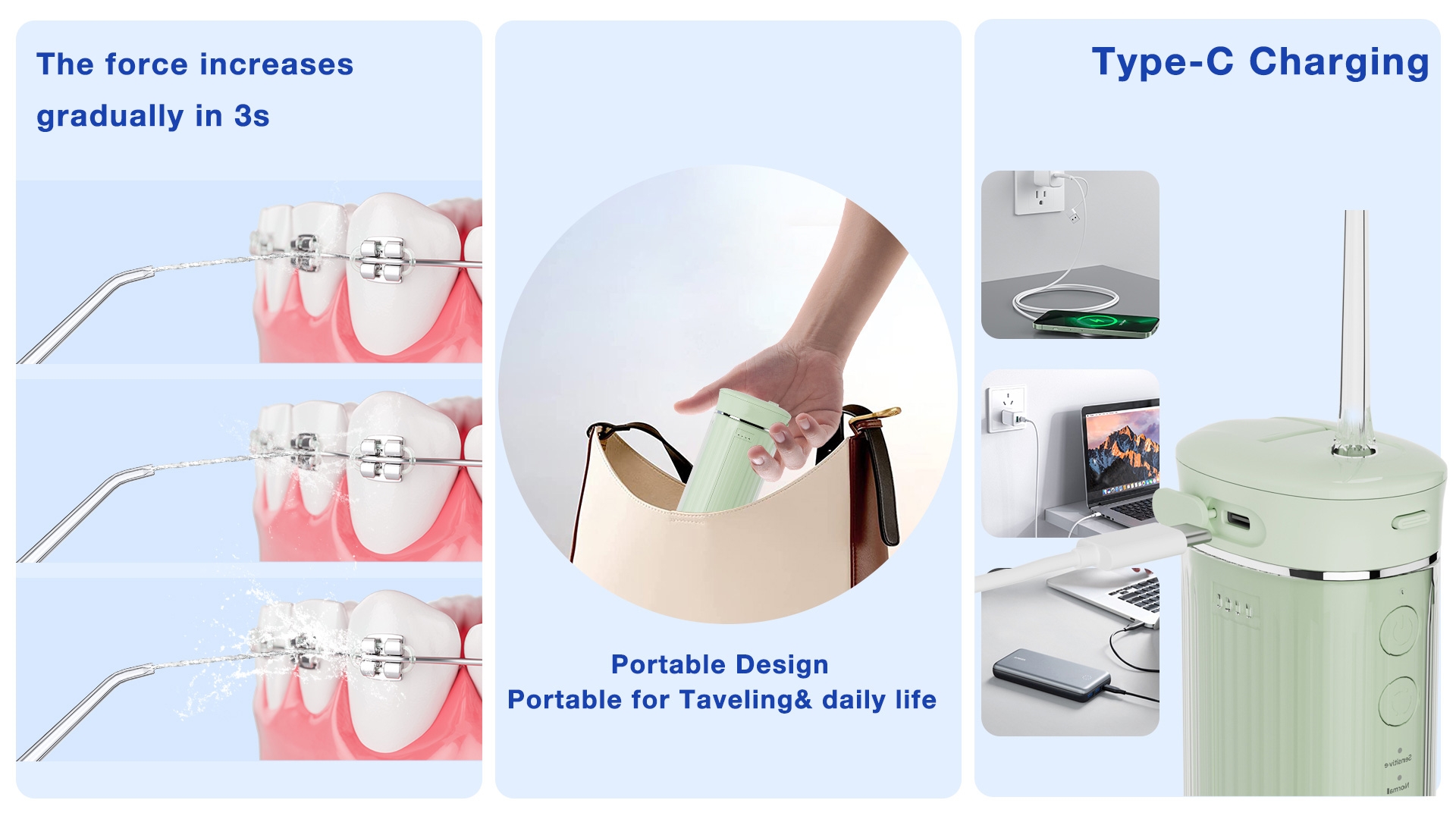
In today’s highly mobile lifestyle, consumers are prioritizing travel dental hygiene more than ever. Whether it's business trips, vacations, or daily commuting, oral care on the go has become an essential part of personal hygiene routines. For oral care product brands, this presents a significant opportunity to expand into the growing portable oral care segment. In this blog, we’ll explore five smart solutions that help travelers maintain fresh breath, clean teeth, and healthy gums — anytime, anywhere. These insights can guide your brand’s next product development strategy or help you identify the right oral care manufacturers for your travel line. Compact, Travel-Friendly Toothbrush: The Essential First Step A travel-friendly toothbrush is the cornerstone of any on-the-go oral hygiene kit. Key features consumers are looking for include: Foldable or cap-covered brush heads USB rechargeable or long battery life Lightweight and minimal design for easy packing From a product development standpoint, offering compact electric toothbrushes with replaceable heads or dual-voltage charging options is a growing trend. Brands looking for OEM solutions should prioritize compact, IPX7-rated designs and manufacturers with experience in ergonomic miniaturization. Mini Water Flosser: Small Size, Deep Clean Bringing a full-sized oral irrigator on a trip is unrealistic. That's where the mini water flosser becomes a…

As consumer awareness of dental sensitivity and gum irritation grows, brands are under pressure to offer products that promote oral hygiene without irritation. Whether customers suffer from sensitive teeth or inflamed gums, the demand for non-irritating dental routines is rising. For oral care product brands, this is not just a consumer trend—it’s a clear innovation direction that requires strategic manufacturing partnerships focused on gentle yet effective design. Understanding the Causes of Oral Irritation Before designing or sourcing products, it’s important to understand the root causes of oral irritation, such as: Overly hard bristles or aggressive brushing Harsh ingredients in toothpaste or mouthwash Incompatible brushing motions for sensitive users Poor water pressure settings in oral irrigators By addressing these causes, manufacturers can help brands deliver solutions tailored to sensitive teeth care and gum health. Gentle Oral Care Tips: Key Design Features to Consider To support gentle oral care tips in your product offerings, work with factories that specialize in the following features: Soft brushing techniques: Electric toothbrushes with ultra-soft bristles and pressure sensors to avoid aggressive brushing Adjustable modes: Devices that allow users to choose between gentle, normal, and deep-cleaning modes Silicone brush heads: For added gentleness on gum tissue Water flosser customization: Oral…
In the daily performance of oral care devices, battery depletion and pressure fluctuation are two customer complaints manufacturers cannot ignore. But are these seemingly separate issues connected? For brands committed to product reliability, understanding the link between pressure fluctuation and battery depletion is critical for optimizing energy efficiency and overall user satisfaction. What Causes Battery Depletion in Oral Care Devices? Battery depletion is typically caused by: Inadequate battery capacity selection during design. High energy consumption due to inefficient motor control. Power drain from leakage currents or standby electronics. Repeated deep discharge cycles damaging battery life. When left unaddressed, premature battery exhaustion directly affects product convenience and lifespan. Understanding Pressure Fluctuation in Fluid-Based Devices Pressure fluctuation refers to inconsistent fluid output in devices like water flossers. This issue often arises from: Inaccurate pump control or degraded motor performance. Air leakage or internal blockages in water flow paths. Poor valve design leading to backflow or pulsing instability. These fluctuations not only reduce cleaning efficiency but also place extra load on motor components. Company web:https://www.powsmart.com/product/electric-toothbrush/ How Pressure Instability Accelerates Battery Depletion So, how are pressure fluctuation and battery depletion linked? The answer lies in motor workload: Inconsistent pressure causes the motor to overcompensate.…
In modern oral care product design, gingival recession and cervical hypersensitivity are increasingly reported issues. While cervical hypersensitivity typically presents as sharp pain along the gum line, it may also be an early sign of progressive gingival recession. This raises a critical question for oral device manufacturers: is the damage reversible, or are design flaws compounding these conditions? What Is Gingival Recession? Gingival recession refers to the gradual withdrawal of gum tissue from the tooth surface, exposing the roots and increasing the risk of infection. Key contributing factors include: Aggressive brushing techniques. Poor-quality bristles or abrasive brush heads. Excessive mechanical pressure from powered toothbrushes. Inadequate software controls in electric devices leading to over-brushing cycles. Once gingival tissue recedes, full restoration is often difficult without surgical intervention. Understanding Cervical Hypersensitivity Cervical hypersensitivity arises when dentin near the gum line becomes exposed. Consumers report sudden sharp pain triggered by: Temperature changes. Acidic or sweet foods. Mechanical stimulation from oral care devices. Inadequate pressure sensing and overpowered motors can unintentionally aggravate this sensitivity during daily brushing routines. Company web:https://www.powsmart.com/product/electric-toothbrush/ Are Gingival Recession and Cervical Hypersensitivity Linked? Yes. Cervical hypersensitivity can act as an early warning for impending gingival recession. When hypersensitivity pain causes…
Tooth demineralization and enamel microfractures may seem like minor issues during initial detection, but in the world of oral care technology, they signal a silent yet dangerous crisis. As leading oral care product manufacturers, understanding the interplay between these two conditions is critical to preventing long-term dental damage and protecting end-user health. What Is Tooth Demineralization? Tooth demineralization refers to the loss of essential minerals, such as calcium and phosphate, from the tooth surface, leading to enamel weakening. In daily oral care: Acidic environments (from diet or bacterial plaque) accelerate mineral loss. Poorly optimized toothpaste dispensers or overly abrasive brush heads exacerbate the problem. Insufficient fluoride exposure prevents remineralization cycles. Manufacturers must recognize this as a progressive condition that undermines enamel integrity at a microscopic level. The Hidden Threat of Enamel Microfractures Simultaneously, enamel microfractures develop from mechanical stresses: Hard bristle splaying. Excessive vibration frequencies in sonic toothbrushes. Improper brush head angling due to non-ergonomic handle design. While microscopic, these fractures compromise the enamel’s protective role, providing entry points for acids and bacteria. Company web: https://www.powsmart.com/product/electric-toothbrush/ Are Tooth Demineralization and Enamel Microfractures Linked? Absolutely. Tooth demineralization weakens the enamel structure, making it more susceptible to microfracture formation. Conversely, enamel microfractures…
Pulp inflammation occurring alongside periodontal pocket deepening raises urgent concerns for both clinicians and oral care product manufacturers. While periodontal deterioration is often viewed as a long-term risk, the potential for pulp tissue inflammation transforms it into a possible emergency, especially when left undetected. Understanding this interrelationship is vital for manufacturers aiming to deliver truly protective oral care devices. What is Periodontal Pocket Deepening? Periodontal pocket deepening refers to the progressive increase in the space between the tooth and gum, typically caused by plaque buildup, bacterial infection, and poor oral hygiene. As pockets deepen: Food debris and biofilm become harder to remove. Inflammation spreads from gums to underlying periodontal structures. Critical barriers protecting the tooth’s pulp chamber are compromised. For device manufacturers, recognizing how their products affect periodontal health is the first step toward effective prevention. Why Does Pulp Inflammation Follow? With periodontal pocket deepening, bacteria and inflammatory mediators penetrate deeper into supporting tissues, sometimes breaching the apical foramen: This triggers pulp inflammation, leading to sensitivity, discomfort, and potential necrosis. The direct communication between periodontal and pulp tissues means periodontal infection can rapidly evolve into endodontic complications. Once the pulp is compromised, the tooth’s structural and functional integrity is at…
In modern oral care device usage, reports of occlusal discomfort combined with unexpected salivary alteration are becoming more frequent. While seemingly unrelated, these two symptoms may indicate a serious underlying design flaw in oral care systems. From water flossers to electric toothbrushes, understanding whether this combination is an isolated irritation or an alarming trend is essential for manufacturers seeking to uphold product safety and comfort. What Is Occlusal Discomfort in Device Usage? Occlusal discomfort refers to pain or pressure sensations in the bite zone (occlusal surfaces) following device use. In oral care products, this can result from: Overaggressive vibration transmission to molars during brushing Excessive water pressure from flossers directed at interdental spaces Poorly calibrated pulsed jets impacting occlusal surfaces directly Misalignment of device output relative to tooth surface While often mistaken for user error, device design directly contributes to discomfort during repeated use. Understanding Salivary Alteration: Subtle but Concerning Salivary alteration describes changes in: Saliva viscosity (becoming too thick or too watery) Taste perception within saliva Saliva production rates (either dryness or excessive flow) Such changes can stem from: Chemical residue introduced by device cleaning agents Thermal effects from LED or heating elements Mechanical overstimulation of salivary glands by…
In oral care device manufacturing, bristle splay is often dismissed as a natural sign of toothbrush wear. However, uncontrolled bristle splaying could directly contribute to gum recession, leading to long-term oral health complications. Is ignoring premature bristle deformation a form of manufacturer negligence? Let’s explore how poor brush head design exacerbates gum damage and what solutions can prevent it. What Is Bristle Splay and Why Does It Matter? Bristle splay occurs when toothbrush filaments bend outward or lose their alignment after repeated use. While all bristles deteriorate over time, rapid splaying results from: Inferior filament material lacking fatigue resistance Poor bristle end-rounding, increasing localized stress Improper tufting angles or filament length mismatches Excessive brush head pressure or inadequate stiffness control When splayed, bristles no longer clean effectively. Worse, their sharp or angled tips can abrade gum tissue, triggering damage. Understanding Gum Recession: The Hidden Risk Gum recession is the progressive exposure of tooth roots due to gum tissue erosion. It can be accelerated by: Mechanical abrasion from aggressive brushing or misaligned bristles Chronic inflammation aggravated by residual plaque due to ineffective cleaning Overstimulation of gingival tissues from filament microtrauma Splayed bristles not only fail to remove plaque effectively but also…
In recent user feedback reports, unexpected adapter overheating and subsequent sinus discomfort have been observed, particularly in compact oral care devices like water flossers and electric toothbrushes. While at first glance these issues appear unrelated, closer technical analysis suggests potential connections between heat management failures and user health complaints. This raises a critical question for manufacturers: Is adapter overheating indirectly causing sinus discomfort? What Is Adapter Overheating and Why Does It Occur? Adapter overheating refers to excessive temperature buildup within the power adapter or charging module during device operation or charging. Contributing factors include: Undersized power supply units unable to handle prolonged current loads Poor heat dissipation design or lack of thermal cutoffs Low-quality internal wiring or contact resistance buildup Absence of temperature monitoring or over-temperature protection Prolonged adapter overheating can elevate the surface temperature of oral care devices, which may pose user safety concerns. Understanding Sinus Discomfort in Oral Device Users Sinus discomfort in users often manifests as: A sensation of facial pressure or congestion Dryness or irritation in the nasal passages Headaches triggered post-use Possible causes include: Warm airflow or device-generated heat reaching the nasal area Thermal irritation exacerbating existing sinus sensitivity Off-gassing from overheated plastics contributing to…
In today’s oral care market, consumers are increasingly seeking gentle oral hygiene solutions that do not compromise comfort. A large segment of users experiences sensitivity—whether from gum recession, dental treatments, or chronic oral conditions—making them ideal candidates for Sensitive Oral Cavity products. For oral care brands, this growing demand represents a valuable niche with strong market potential. But to serve this segment successfully, brands must focus on developing and sourcing the right products that maintaining hygiene without discomfort. This article explores product features, materials, and manufacturing considerations that brand owners should understand when looking for reliable OEM/ODM suppliers of gentle oral care products. Understanding the Needs of Users with Sensitive Oral Cavities Consumers with sensitive oral tissues require extra care in their hygiene routine. Traditional oral care tools can often cause irritation, micro-abrasions, or discomfort. The ideal Sensitive Oral Cavity products must meet several key criteria: Ultra-soft materials to avoid tissue damage Non-abrasive designs for daily use Gentle, yet effective cleaning performance Hypoallergenic and non-irritating formulations in toothpaste or mouthwash Understanding these user pain points is the first step toward developing product lines that meet genuine, unmet needs in the market. The Importance of the Soft Bristle Toothbrush One of the cornerstone products in…
In professional and consumer whitening devices alike, whitening rebound—the rapid re-staining of teeth after treatment—remains a frustrating concern. Increasingly, technical analysis reveals a link between light decay in LED systems and premature loss of whitening results. Is whitening rebound after light decay inevitable, or can manufacturers mitigate this hidden flaw? Let’s examine the critical factors. Understanding Whitening Rebound: Why Results Fade Too Fast Whitening rebound refers to the gradual reversal of tooth whitening, often within weeks of treatment. Common causes include: Incomplete oxidation of chromogens during whitening Inconsistent energy delivery during treatment Re-mineralization surface irregularities re-attracting stains Inadequate gel activation, leading to superficial results For brands, whitening rebound undermines product promises and reduces customer satisfaction. Light Decay: Hidden Weakness in Whitening Systems Light decay in LED-based whitening devices refers to: Gradual reduction in emitted light intensity over repeated usage cycles Degradation of LED lens clarity due to thermal damage or residue buildup Internal circuit wear reducing current stability, weakening photon output As whitening relies heavily on photo-activation, light decay directly reduces gel activation efficiency—making even high-quality gels less effective. Company web:https://www.powsmart.com/product/electric-toothbrush/ The Direct Link: How Light Decay Triggers Whitening Rebound Light decay and whitening rebound are closely linked via: Suboptimal…
In recent production defect analyses, gel crystallization combined with pH imbalance has raised concerns among oral care manufacturers. Not only does this combination affect whitening performance, but it also triggers questions about possible toxicological risks. Could such defects compromise product safety? This blog explores the answer from a manufacturing and formulation perspective. What is Gel Crystallization in Oral Care Products? Gel crystallization refers to the unintended solidification or crystal formation within gel-based formulations, especially whitening gels. This typically results from: Improper storage temperatures Inaccurate formulation blending Presence of ionic contaminants Incorrect polymer cross-linking ratios Crystallized gels lose uniform texture, reducing application consistency and risking uneven contact with enamel surfaces. Understanding pH Imbalance: A Silent Quality Concern pH imbalance arises when the gel's acidity or alkalinity drifts outside the intended safe range, usually between pH 5.5 and 7.5 for oral contact products. Causes include: Inaccurate acid-base component mixing during production Migration of ingredients during storage Reaction between active agents and packaging materials pH imbalance exacerbates enamel sensitivity and could damage soft oral tissues during use. Company web:https://www.powsmart.com/product/electric-toothbrush/ How Gel Crystallization and pH Imbalance Are Interconnected Interestingly, gel crystallization and pH imbalance often occur simultaneously: Crystallization can cause localized pH shifts as…
In the manufacturing of oral care appliances, seal degradation has increasingly been identified as a hidden yet critical factor leading to biofilm regrowth inside devices. When sealing components lose integrity, moisture retention and microleakage create conditions ideal for bacterial colonization. Is this risk unavoidable? Or can manufacturers take strategic steps to prevent it? This blog analyzes root causes and technical solutions. Why Seal Degradation Matters in Oral Care Devices In water flossers, electric toothbrushes, and similar appliances, seal degradation typically involves: Cracking or hardening of rubber or silicone seals Loss of elasticity due to chemical exposure Material fatigue from thermal cycling or mechanical stress Incomplete sealing from poor mold precision Once seals degrade, devices lose their waterproof barriers, allowing microleaks that compromise hygiene and performance. How Seal Degradation Leads to Biofilm Regrowth Biofilm regrowth refers to the resurgence of bacterial colonies adhering to inner surfaces of oral appliances. Seal degradation accelerates this process by: Allowing water ingress into dead spaces Creating moist, oxygen-poor environments ideal for anaerobic bacteria Trapping residual fluids that become nutrient sources for microbes Enabling bacteria to bypass cleaning cycles, forming persistent biofilms This not only affects product hygiene but also risks user health through repeated bacterial…


.jpg)
.jpg)
.jpg)
.jpg)
.jpg)



.jpg)

.jpg)
.jpg)