.jpg)
For many oral care device manufacturers, button decay has quietly emerged as an underestimated contributor to unexpected sensitivity spikes in end users. While it is tempting to assume that incorrect operation is to blame, in reality, deteriorating button components often trigger irregular performance that no amount of user diligence can prevent. In this article, we explore how these failures arise, why they create unexpected discomfort, and what manufacturers can do to eliminate the risk at the design level. What Is Button Decay? Button decay refers to the gradual degradation of mechanical or capacitive switch components. Over time, exposure to moisture, toothpaste residue, and repeated pressure can lead to: Internal corrosion of conductive layers Loss of tactile responsiveness Intermittent contact triggering random signals When buttons decay, they may fail to engage properly or, worse, generate unintended commands that activate higher-intensity settings without the user realizing it. How Sensitivity Spikes Develop Sensitivity spikes are sudden, pronounced sensations of discomfort during brushing or treatment cycles. They typically stem from: Unexpected mode changes to high-power or massage functions Prolonged exposure to intense vibrations or pressure Interrupted cycles that restart at full strength As button decay progresses, these random shifts in intensity become more frequent,…
In the growing landscape of dental aesthetics, few concerns are more alarming to users than taste loss following mucosal burns. As whitening products become increasingly potent, manufacturers and distributors face the delicate challenge of balancing efficacy with safety. Is diminished taste just a short-lived inconvenience—or is it an unacceptable price for a brighter smile? What Are Mucosal Burns and How Do They Occur? Mucosal burns refer to chemical or thermal injuries affecting the soft tissues lining the mouth, such as the gums, cheeks, and tongue. In whitening treatments, these burns typically arise from: Overexposure to peroxide-based gels Improper tray fitment causing leakage Excessive concentration of active ingredients Insufficient post-treatment neutralization When these factors combine, they can erode the protective mucosal barrier, triggering inflammation and damage. The Link Between Mucosal Burns and Taste Loss Taste loss—the partial or complete reduction in taste perception—can be a direct result of mucosal injury. This happens because: The taste buds on the tongue are highly sensitive and easily damaged by chemical burns. Inflammation disrupts nerve signals that transmit taste sensations to the brain. Severe burns can lead to scarring, permanently altering taste bud function. In B2B settings, frequent user complaints about impaired taste perception may…
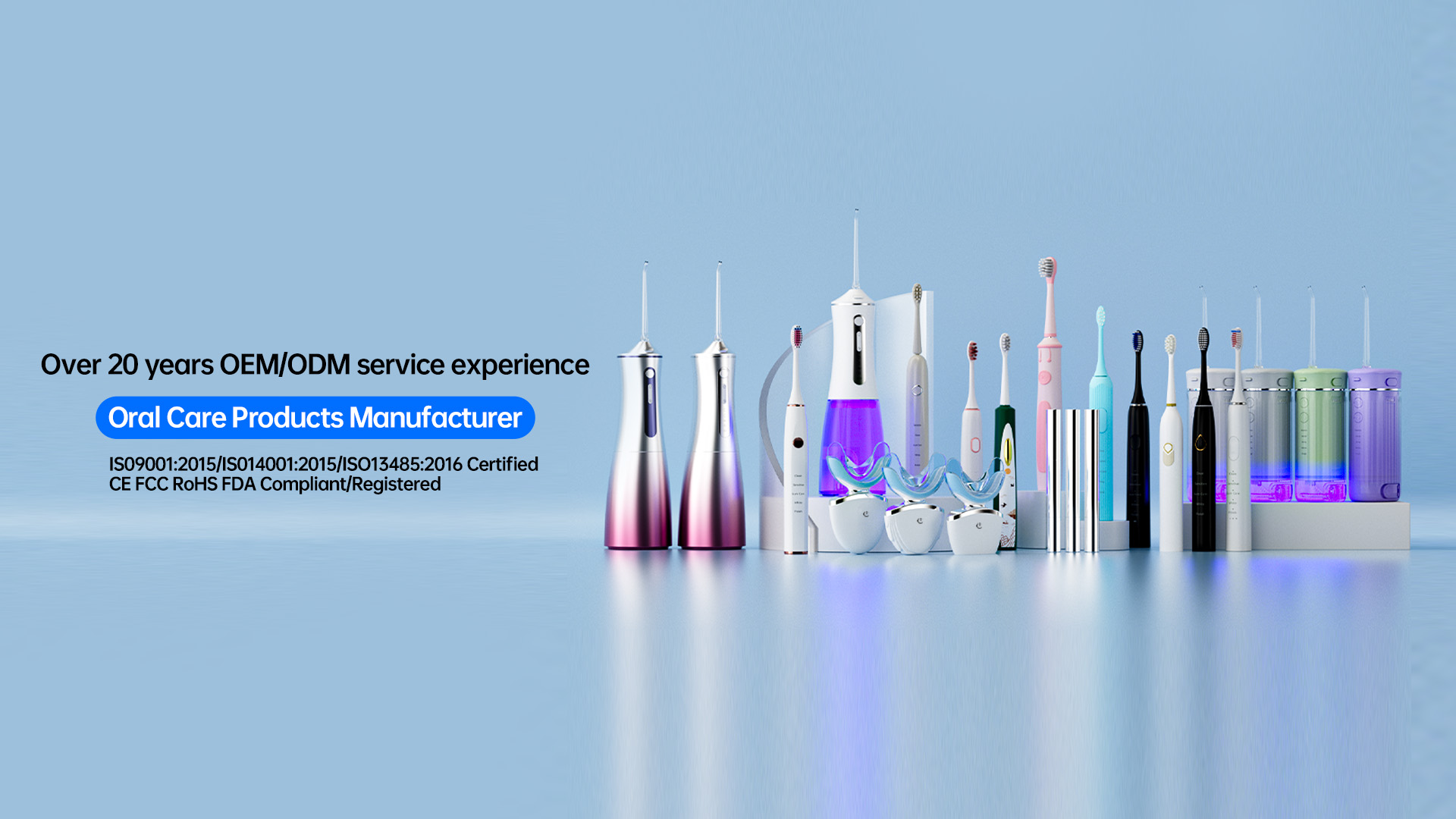
In recent years, building winniing oral care brands have become increasingly saturated with new entrants and global giants alike. Whether you're launching a DTC (direct-to-consumer) oral care startup or expanding your current product line, creating a strong, sustainable brand is more critical than ever. This article offers tips for oral care product brand owners to navigate this environment successfully, focusing on brand strategy, market positioning, and identifying your competitive advantage. Define a Clear Brand Strategy from Day One A strong brand strategy sets the foundation for everything—from packaging and pricing to marketing and manufacturing. For oral care brands, this means defining your brand’s mission, tone, and target customer base. Key questions to ask: What pain point are you solving for consumers? Is your product premium, clinical, sustainable, or technology-driven? How do you want consumers to feel about your brand? Your answers should guide all strategic decisions moving forward—including which manufacturing partner to choose. Look for a factory that aligns with your values, whether that's eco-friendly production, cutting-edge technology, or small-batch flexibility. Know Your Market Positioning: Stand Out or Get Left Behind In competitive dental care markets, vague branding won't cut it. You need sharp, differentiated market positioning that sets you apart from traditional toothbrush…
When consumers invest in premium oral devices, wire fraying and tooth graying are often overlooked—until the damage becomes impossible to ignore. While seemingly unrelated, these two issues can quietly undermine both product performance and end-user health. Could this combination be the silent threat eroding customer trust in your brand? What Causes Wire Fraying? Wire fraying typically develops over time as internal or external wires in toothbrushes or whitening devices degrade. Common causes include: Repeated bending or twisting during daily use Exposure to moisture compromising insulation layers Manufacturing defects in wire braiding or coating Prolonged vibration cycles that fatigue the conductor strands Unchecked, frayed wires not only jeopardize electrical stability but also pose a risk of micro-shocks and device malfunction. How Tooth Graying Develops In parallel, tooth graying can result from chemical exposure or suboptimal cleaning performance. Specifically: Leaching of metal ions from frayed wires or worn internal components Residual debris accumulating due to weakened brush motion Prolonged contact with oxidizing agents leaking from compromised enclosures This discoloration is more than a cosmetic inconvenience; it signals deeper issues in product integrity. Company web: https://www.powsmart.com/product/electric-toothbrush/ The Hidden Connection Between Wire Fraying and Tooth Graying While the two symptoms can occur independently, they often…
At first glance, circuit shorting and nerve inflammation might seem like unrelated problems. However, when they appear together in oral care devices, they can create a potentially serious emergency for end users and expose manufacturers to significant liability. From unexpected electrical discharges to severe oral discomfort, the consequences can escalate quickly. So how do these issues arise—and what proactive steps can B2B suppliers take to prevent them? What Exactly Is Circuit Shorting? Circuit shorting occurs when an unintended electrical path forms inside the device, bypassing the designed circuitry. Causes include: Moisture intrusion due to inadequate sealing or worn gaskets Degraded insulation around wires or battery contacts Conductive debris accumulating near sensitive components Overheating that compromises circuit board integrity Short circuits can produce unexpected current surges, heat, or even sparks—transforming a safe oral care tool into a hazard. Understanding Nerve Inflammation in Oral Use Meanwhile, nerve inflammation is an inflammatory response within oral tissues, often triggered by: Localized overheating from prolonged exposure to electrical faults Chemical leaks from compromised battery cells Mechanical trauma amplified by vibrations and pressure imbalances Repeated micro-shocks that overstimulate sensitive nerves Symptoms can include burning sensations, persistent numbness, tingling, or sharp pain along the gums and teeth.…
When seal degradation is left unchecked in oral care and hygiene devices, the result can be more than just cosmetic wear. A compromised seal allows moisture and organic debris to accumulate internally, creating the perfect environment for bacterial regrowth. Over time, this invisible contamination can undermine product safety, degrade user experience, and expose manufacturers to significant liability. So is this problem preventable? With proactive design and production measures, the answer is a resounding yes. What Causes Seal Degradation? Seal degradation is the process by which gaskets, O-rings, or adhesive barriers lose their integrity. This can occur for several reasons: Material fatigue from repeated compression cycles Chemical attack from aggressive cleaning agents or peroxide-based solutions Thermal expansion and contraction causing micro-cracks Poor-quality elastomers that dry out or become brittle over time Once these seals fail, pathways open for moisture infiltration and microbial contamination. Why Bacterial Regrowth Happens After Seal Failure Bacterial colonies thrive in warm, damp spaces. When a degraded seal allows saliva, cleaning fluid, or even tap water to seep into the device: Residual moisture remains trapped inside hidden chambers Biofilm develops, adhering stubbornly to internal surfaces Periodic reactivation of bacteria occurs every time the device heats up during operation…
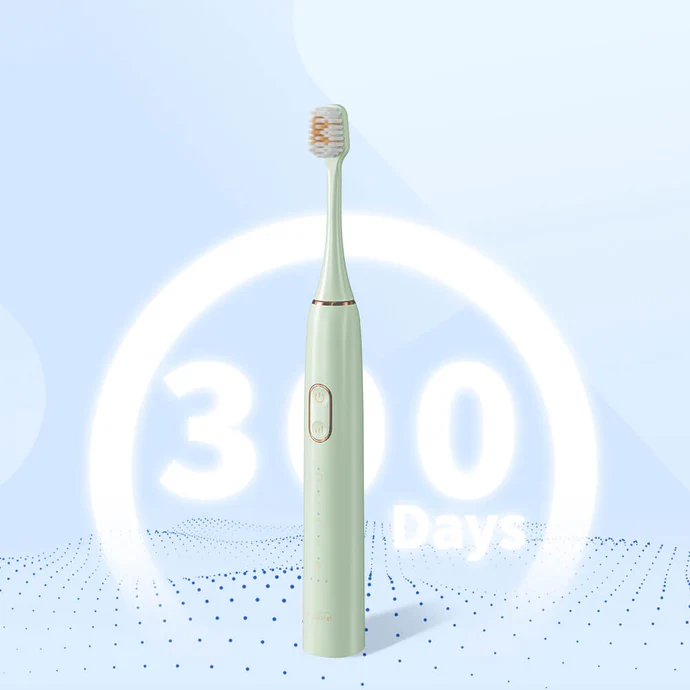
As demand for smart, high-performance oral care devices continues to grow, electric toothbrush brands are investing more in design, marketing, and features. Yet, one often-overlooked issue continues to affect customer satisfaction and warranty rates—electric toothbrush charging issues. Have you ever received customer complaints that their electric toothbrush burned out during charging? It's more common than you think—and often stems from poor charging design, incorrect usage instructions, or manufacturing flaws. In this blog, we’ll explore the root causes, share expert toothbrush charging cautions, and offer suggestions from factory insights to help your brand deliver reliable, long-lasting products. Common Reasons Why Electric Toothbrushes Burn Out Understanding the causes of toothbrush burnout helps both brands and OEM partners design safer, longer-lasting devices. Below are the main culprits: Over-voltage or incompatible charging adapters: Using a high-wattage phone charger or non-approved adapter can overload the circuit. Lack of overcharge protection: If the toothbrush’s PCB or battery lacks protective components, continuous charging can overheat and damage internal parts. Exposure to moisture during charging: Improper sealing design allows water ingress into the charging port or base, short-circuiting the internal system. Poor-quality components: Low-grade batteries or control boards, often used by unqualified manufacturers, can cause premature failure. Each of these reflects…
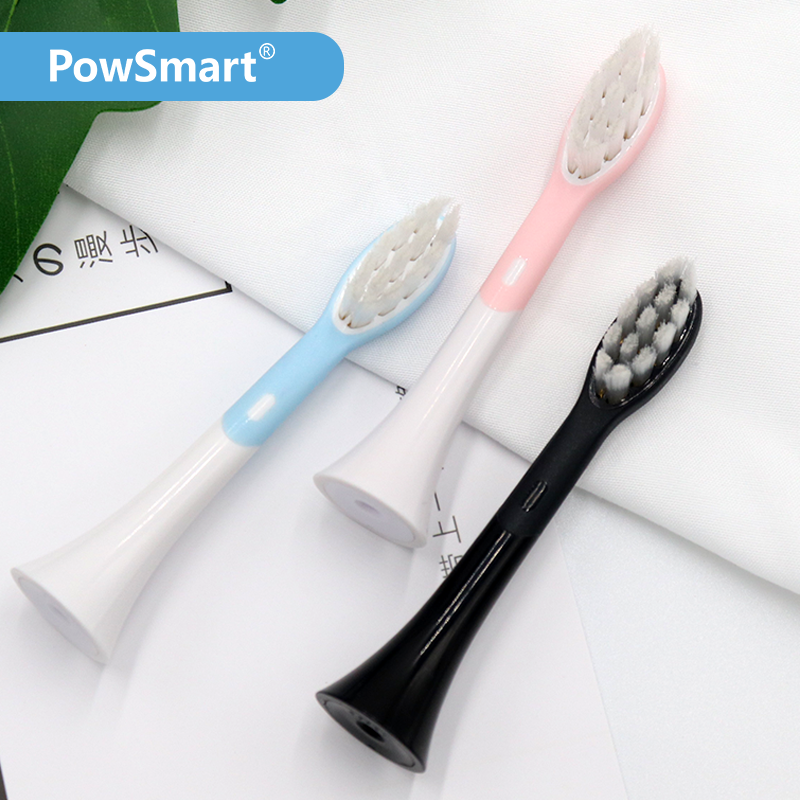
Why This Happens — And How Brands Can Prevent It Through Better Manufacturing One of the most frequent complaints from end-users of electric toothbrushes is: “The brush head was shedding bristles while brushing my teeth.” This seemingly small issue is a red flag for both consumers and oral care brands. Not only does it affect customer satisfaction, but it can also damage brand reputation and reduce repeat purchases. In this article, we’ll explore the real causes of shedding bristles, including poor brush head manufacturing, improper usage like brushing with too much force, and what oral care brands can do when sourcing the right electric toothbrush manufacturing partner. Shedding Bristles: What’s Really Happening? When users experience bristles falling out during brushing, it typically points to one of two issues: Manufacturing Defect: Low-quality filament anchoring, weak glue, or poor assembly in the brush head. User Error: Aggressive brushing technique or using the brush head far beyond its recommended replacement period. Regardless of the cause, it creates a negative perception of product quality. This is why both user education and manufacturing quality are critical. Poor Brush Head Manufacturing: The Root of the Problem From a manufacturing standpoint, poor brush head manufacturing is often the core issue…
Charging corrosion is a silent but serious threat in many powered oral care devices. Over time, moisture, chemical residues, and electrical stress can degrade charging contacts, setting the stage for voltage instability and eventual motor burnout. But how exactly are these two failures connected—and can they be prevented? Let’s unpack why corrosion at the charging point can quickly escalate into total motor failure. What Is Charging Corrosion? Charging corrosion develops when: Moisture seeps into the charging port or cradle Saliva or cleaning fluids linger on contact pins Metallic surfaces oxidize, reducing conductivity This corrosion gradually forms a resistive layer that disrupts the flow of current during charging cycles. How Corrosion Leads to Motor Burnout At first glance, it might seem surprising that charging corrosion could trigger motor burnout, but the link is more direct than it appears: Corrosion increases electrical resistance, requiring the battery to work harder Inconsistent voltage during charge cycles weakens the battery cells The motor receives fluctuating power when operating Over time, these power surges overheat the motor windings, causing insulation breakdown Eventually, the motor can burn out entirely—even if the device appears normal during short operation. Company web:https://www.powsmart.com/product/electric-toothbrush/ Early Indicators You Shouldn’t Ignore For B2B distributors…
Seal degradation and battery swelling are two failures that can silently develop in powered oral care devices, often going unnoticed until the damage becomes severe. But when both occur simultaneously, the consequences are more than cosmetic—they pose a tangible safety risk to end users and can trigger extensive warranty claims for manufacturers. Let’s explore why these issues are closely connected, and what proactive measures B2B suppliers should consider. What Is Seal Degradation? Seal degradation occurs when the protective gaskets or enclosures inside the product begin to: Crack or lose elasticity due to aging plastics or repeated temperature fluctuations Warp under mechanical stress or repeated disassembly Break down from chemical exposure, such as harsh cleaning agents Once these seals fail, moisture and contaminants can infiltrate the internal compartments. How Battery Swelling Begins When seals degrade, the risk of battery swelling increases dramatically: Moisture ingress can compromise the battery’s protective casing Short circuits can occur if conductive residues reach battery contacts Internal gas generation from chemical reactions causes the battery to expand This swelling not only distorts the device housing but can eventually rupture the casing. Company web:https://www.powsmart.com/product/electric-toothbrush/ Why This Combination Is Dangerous While seal degradation and battery swelling are problematic on…
It’s no secret that vibration decay and timer malfunction are two of the most frustrating performance issues users face with modern oral care devices. While each problem can compromise brushing effectiveness on its own, together they often signal that your product may be nearing the end of its usable life—or worse, that it was never engineered for consistent reliability in the first place. In this article, we’ll break down what causes these issues, why they frequently occur in tandem, and how manufacturers can tackle them before customers decide it’s time to retire their devices. What Is Vibration Decay? Vibration decay is the progressive weakening of the device’s motor output over time. Instead of maintaining a steady, high-frequency motion, the device begins to: Lose intensity during a single brushing session Produce uneven oscillations Take longer to reach peak speed after activation Common causes include motor fatigue, battery degradation, or internal friction due to component wear. Understanding Timer Malfunction The timer malfunction issue occurs when the device’s programmed cycle timer becomes unreliable. Symptoms often include: Premature shutdown before the full cycle completes Random resets during use Failure to signal intervals for quadrant changes Continuous operation without auto-stop Although this may seem minor…
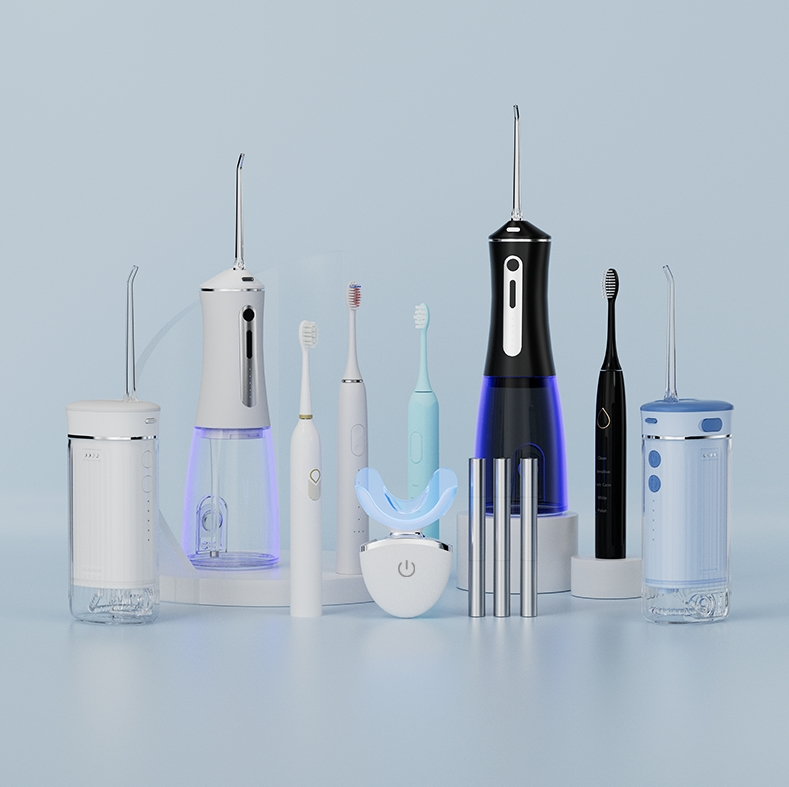
In the competitive landscape of oral hygiene, consumers are no longer satisfied with single-function products. Today’s market demands higher-value offerings that combine effectiveness, convenience, and premium appeal. This has led to a sharp increase in the popularity of oral care bundles, particularly Electric Toothbrush & Water Flosser Bundles. For oral care brands, understanding why these product sets outperform standalone items is critical when working with manufacturers to design competitive, scalable product lines. Meeting Consumer Expectations for Comprehensive Oral Care Modern consumers are increasingly informed and demand a more holistic approach to oral hygiene. A toothbrush alone doesn’t always satisfy the desire for a dentist-level clean at home. By bundling an electric toothbrush with a water flosser, brands offer a comprehensive oral care solution that addresses both tooth surface cleaning and interdental care. This bundling strategy directly meets consumer expectations, making it easier for them to commit to a complete routine. Higher Perceived Value = Better Sales Performance One of the main reasons Electric Toothbrush & Water Flosser Bundles sell better is their perceived value. When marketed as a premium package, the bundle appears to offer more for the money, even if the actual cost difference is small. This psychological advantage leads to:\n- Higher average order…
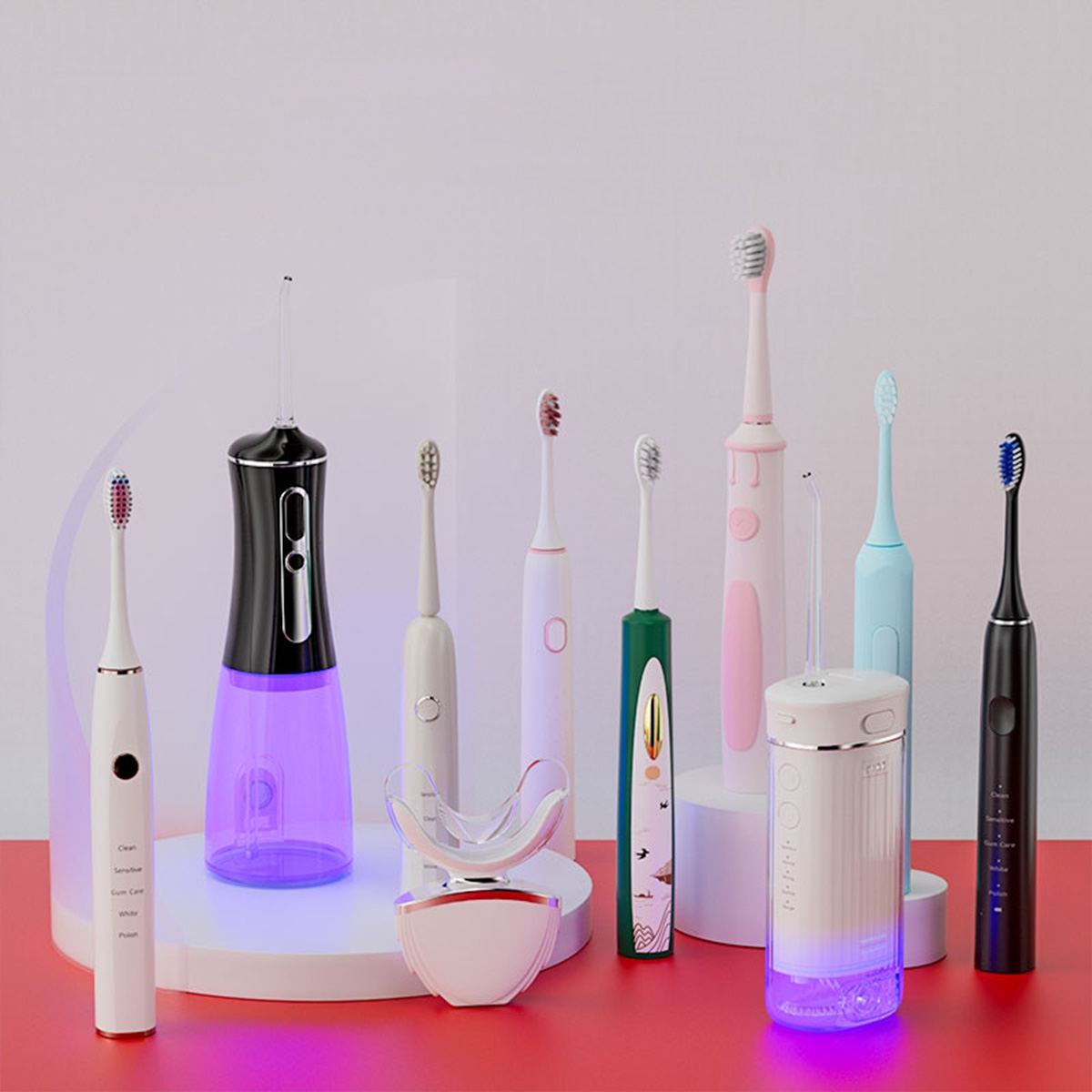
In the evolving oral hygiene industry, consumers are becoming more educated and health-conscious. Rather than seeking isolated solutions, they are now prioritizing Complete Oral Care routine products that deliver holistic, long-term benefits. For oral care brands, this shift presents an exciting opportunity to develop and promote comprehensive oral care systems that meet the full range of customer needs—while driving brand loyalty and increased profit margins. Consumer Demand for Comprehensive Solutions Today’s customers don’t want to guess which products work best together. Instead, they expect brands to deliver thoughtfully curated oral care combos—such as electric toothbrushes paired with oral irrigators or toothpaste matched with whitening kits—that provide clear, synergistic benefits. Offering complete sets reduces decision fatigue and builds trust by simplifying the path to improved oral health. Key benefits of responding to this demand include: Higher perceived value Easier upselling and cross-selling opportunities Enhanced user experience and satisfaction Building Stronger Brand Loyalty Through Oral Care Systems When brands sell oral care systems instead of standalone items, they position themselves as providers of expertise—not just products. This approach transforms a transactional purchase into a long-term relationship. Consumers are more likely to return to brands that offer full regimens they can depend on, especially when those…
When customers report persistent charge failure along with puzzling display glitches, manufacturers often dismiss these as isolated incidents. However, evidence shows these two issues are frequently interconnected symptoms of deeper product vulnerabilities. If left unaddressed, they can lead to premature failure, safety hazards, and costly warranty claims. In this article, we’ll examine why charge failure and display glitches oft How Charge Failure Manifests Charge failure refers to a device’s inability to replenish its battery properly. Typical signs include: Refusing to charge even when connected to a working adapter Random interruptions while charging Overheating during charging cycles Extremely slow charge rates that prevent regular use While end users often suspect a defective cable or adapter, the underlying causes are usually deeper. Recognizing Display Glitches Display glitches can take several frms, such as: Flickering icons or unreadable characters on the screen Inaccurate battery indicators Frozen status updates during operation Sudden backlight failure or dimming Even if the device still performs its core functions, these errors reduce usability and erode customer confidence. Company web: https://www.powsmart.com/product/electric-toothbrush/ Why Charge Failure and Display Glitches Are Linked Although these problems seem unrelated—power delivery versus user interface—they are frequently connected due to shared circuitry. Specifically: Voltage Fluctuations: When the…
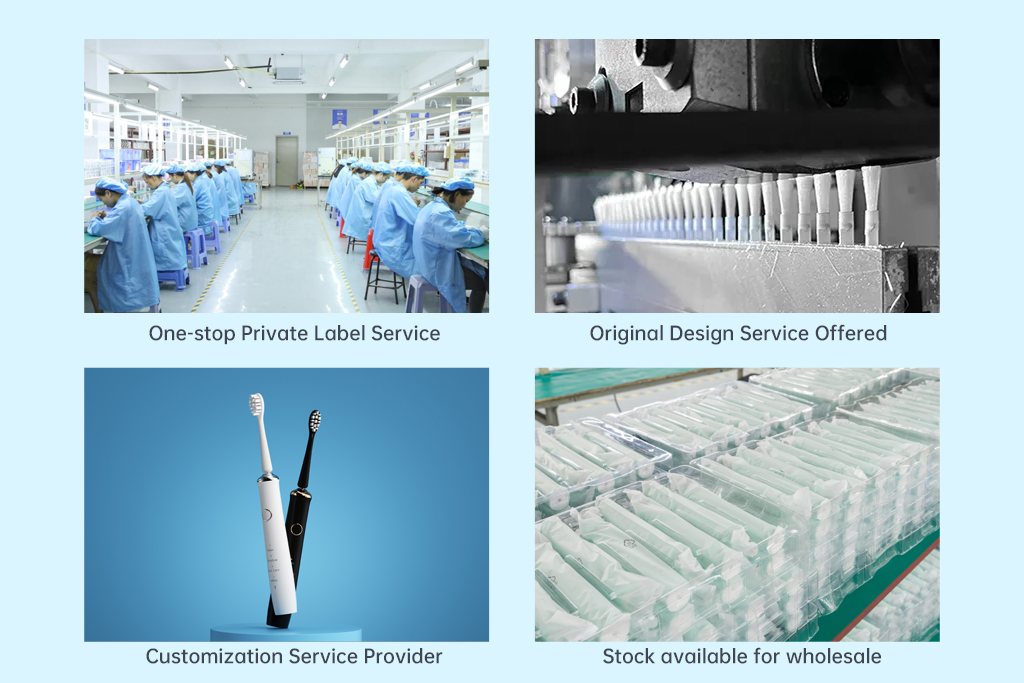
The global oral care market is growing rapidly, with new entrants and evolving consumer expectations shaping the landscape. For oral care brand owners, identifying and focusing on the right Critical Success Factors is key to building a sustainable business. Whether launching electric toothbrushes, water flossers, or complete oral hygiene kits, brands must prioritize market positioning, product differentiation, and operational scalability. This article outlines six core Oral Care Brands Success Factors that define long-term success and can help guide strategic partnerships — especially with manufacturers and OEM/ODM suppliers. Clear Market Positioning: Define Your Niche One of the most vital Critical Success Factors is clear and consistent market positioning. A brand that understands its audience — whether it's premium, value-driven, pediatric, or eco-conscious — can craft targeted messages, select the right channels, and tailor product offerings accordingly. Ask: Are you serving tech-savvy users looking for smart toothbrushes? Or wellness-focused users seeking natural materials and sustainability? Tip: Align your manufacturer’s capabilities with your brand’s identity from the outset. Keyword Used: market positioning, Oral Care Brands Success Factors Product Differentiation: Stand Out in a Saturated Market To capture consumer attention, brands must invest in product differentiation — either through features, design, technology, packaging, or values. In a market flooded…
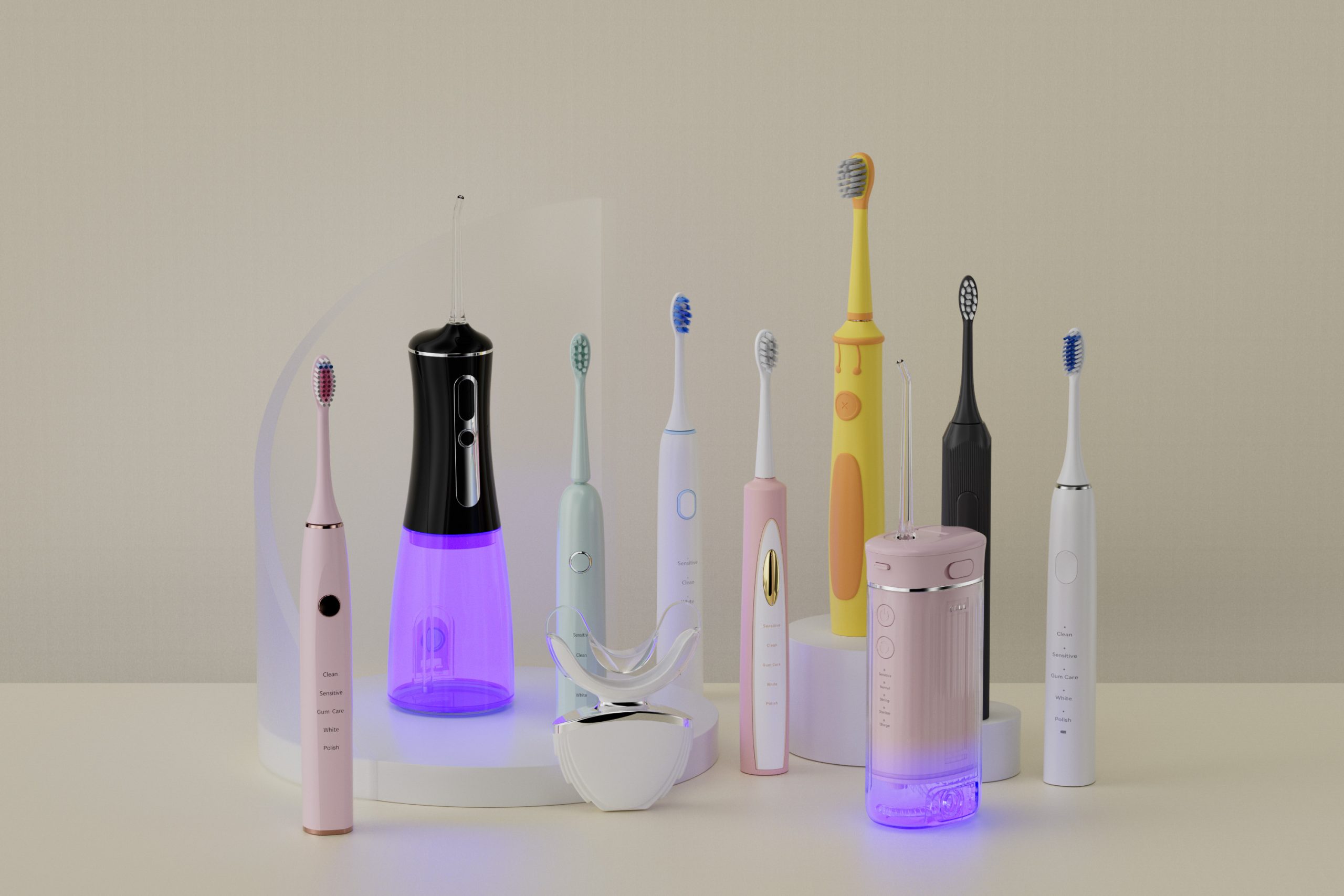
As global consumers become more health-conscious and sophisticated, the oral care sector is undergoing a major transformation. This Consumer Upgrade trend is pushing demand for advanced, effective, and aesthetically refined products. For brands and sourcing managers, understanding how to approach oral care Product Selection Strategies in this new context is essential. The shift toward oral care premiumization is not just about price; it's about delivering value through innovation, materials, user experience, and brand positioning. This blog outlines six key strategies for brands to successfully navigate the premiumization trend and find reliable manufacturers to meet evolving consumer expectations. Identify Emerging Market Trends and Functional Demands Successful product development begins with a deep understanding of market trends. In the era of consumer upgrade, buyers are looking for products that offer more than basic cleaning—features such as: Smart technology integration (e.g. AI-driven brushing feedback) Multi-functionality (e.g. brush + tongue cleaner or flosser combo) Enhanced aesthetic design and user comfort Health tracking and app synchronization Brands should partner with manufacturers who actively follow global oral care product Selection Strategies trends and are capable of agile product innovation based on shifting consumer needs. Define Premium Differentiation: Materials, Technology, and Experience In premium segments, differentiation is key. The upgraded consumer…
When customers complain about handle cracking on oral care devices and mention experiencing unexpected sinus pressure, it raises an important question: could these seemingly unrelated issues actually be linked? While at first glance the connection may seem improbable, a closer inspection reveals potential interactions between structural device failures and user comfort that manufacturers should not ignore This blog explores the hidden risks, technical causes, and how manufacturers can proactively address these concerns to protect both product integrity and user well-being. What Causes Handle Cracking? Handle cracking typically stems from: Material fatigue due to repeated stress and vibration Chemical degradation from exposure to cleaning agents or moisture Design flaws leading to weak points at joints or seams Manufacturing defects such as uneven molding or poor adhesion Once cracks form, they can compromise the water resistance and overall durability of the device, exposing internal components to damage. How Could Handle Cracking Contribute to Sinus Pressure? At first, sinus pressure may appear unrelated to device damage. However, subtle pathways exist: Air leakage or vibration changes: A cracked handle may alter the device’s vibration pattern, generating irregular pressure waves near the face. Moisture intrusion: Water ingress through cracks can foster microbial growth. Over time,…
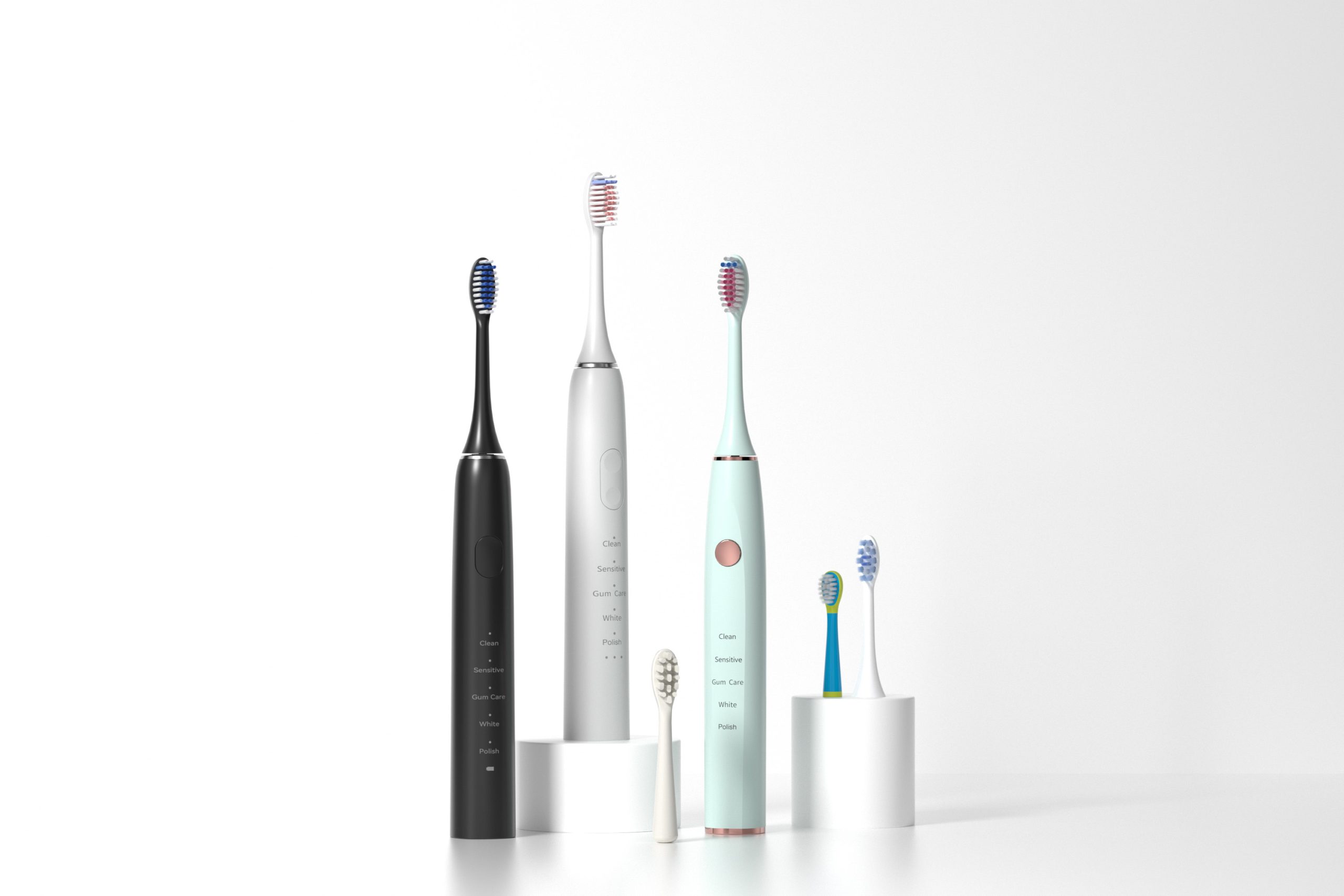
In the competitive oral care market, brand reputation and consumer trust hinge on the consistent quality of your products. For brands sourcing OEM or ODM services, particularly in the electric toothbrush sector, performing a manufacturing audit is not just best practice—it’s essential. Conducting a thorough factory assessment helps ensure that your manufacturing partner can meet product, compliance, and timeline expectations. This article outlines a structured approach to auditing factories and conducting effective supplier evaluations to guarantee Electric Toothbrush Manufacturer Quality. The Importance of a Manufacturing Audit A manufacturing audit is a comprehensive inspection of a potential or existing supplier’s operations, quality management systems, production capacity, and compliance. For electric toothbrush brands, a good audit will assess: Production consistency and capacity Process control from raw materials to final packaging Certifications such as ISO 9001, ISO 13485 (for medical-grade devices), or CE/FDA compliance Defect rates and internal quality control protocols A well-executed audit reduces your risk of delayed deliveries, product recalls, or brand damage due to subpar quality. Core Elements of a Factory Assessment An effective factory assessment typically includes the following components: Facility inspection: Evaluate cleanliness, workflow efficiency, and equipment conditions. Employee training and skill level: Skilled labor is critical in assembling high-precision devices like electric toothbrushes. Quality assurance systems: Check…


.jpg)
.jpg)
.jpg)
.jpg)
.jpg)



.jpg)