
.jpg)
Water spray scattering causing whitening rebound might seem like an unrelated phenomenon, yet for oral care manufacturers, it can reveal a critical design flaw. Modern whitening devices often integrate water spray mechanisms for debris removal and surface hydration, but uncontrolled spray patterns can compromise whitening performance and long-term results. Understanding Water Spray Scattering in Whitening Devices In whitening systems using water sprays or misting functions, water spray scattering refers to the uncontrolled dispersion of water streams outside intended target zones: Poor nozzle geometry or inconsistent pump pressure often leads to wide, unfocused spray patterns. Scattered sprays fail to adequately hydrate target surfaces or flush away whitening residues. Resulting micro-debris retention can reduce the effectiveness of the whitening agent. Recognizing this issue is key for manufacturers seeking efficient, controlled delivery in their devices. The Link Between Scattering and Whitening Rebound Whitening rebound—the gradual return of teeth to a darker shade after initial whitening—can be exacerbated by inefficient residue management: Scattered water fails to rinse oxidized proteins and residual whitening gel effectively. Residue buildup encourages extrinsic stains and plaque accumulation. Rebound occurs more rapidly due to surface contamination and inadequate maintenance of optical clarity. Hence, scattered sprays, while seemingly minor, directly compromise…
.jpg)
In recent years, the boundary between beauty and personal health has become increasingly blurred. Beauty equipment brand known for facial cleansing tools, anti-aging devices, and skin rejuvenation systems are beginning to explore new territories — particularly the high-growth field of oral care expansion. With rising awareness of aesthetic dentistry and smile appearance, dental beauty trends are evolving rapidly. But is it a logical next step for beauty brands? Let’s explore. Market Potential: Oral Care as a Natural Next Step The market potential for oral care is significant. According to recent industry data, the global oral care market is going to surpass $50 billion by 2030, driven by increasing demand for aesthetic and health-conscious solutions. Consumers are no longer satisfied with basic dental hygiene; they now seek whitening, plaque removal, gum massage, and even oral beauty devices that align with their overall self-care routines. This growing demand opens a strategic path for beauty equipment brands to leverage their expertise and move into the adjacent oral care space. Trends Driving Demand: Where Beauty Meets Dental Health The convergence of beauty and dental care is evident in several key dental beauty trends: At-home teeth whitening devices are now considered part of a beauty regimen, not just a dental…

In the age of TikTok and Instagram, it’s no surprise that teeth whitening trends are going viral faster than ever. From using household bleach to brushing with charcoal or baking soda, countless social media beauty myths claim to offer quick fixes for a whiter smile. But behind the aesthetics and likes, these DIY solutions often come with serious risks.As a brand in the oral care industry, it’s crucial to distinguish fact from fiction—and to align your product development with dentist-approved whitening solutions. In this article, we’ll explore the dangers of DIY methods, examine why viral hacks can harm your brand reputation, and introduce safe teeth whitening alternatives that are both effective and marketable. The Hidden Dangers of DIY Teeth Whitening Trends Many viral whitening hacks may seem harmless, but they often cause more damage than improvement. Here are some popular examples and why they should be avoided: Hydrogen peroxide rinses: High concentrations can erode enamel and irritate gums. Charcoal powders: While trendy, charcoal is abrasive and can wear down tooth enamel over time. Lemon juice and baking soda: The acidic reaction can damage enamel, increasing sensitivity and decay risk. These DIY teeth whitening dangers not only put users at risk but can also lead to…
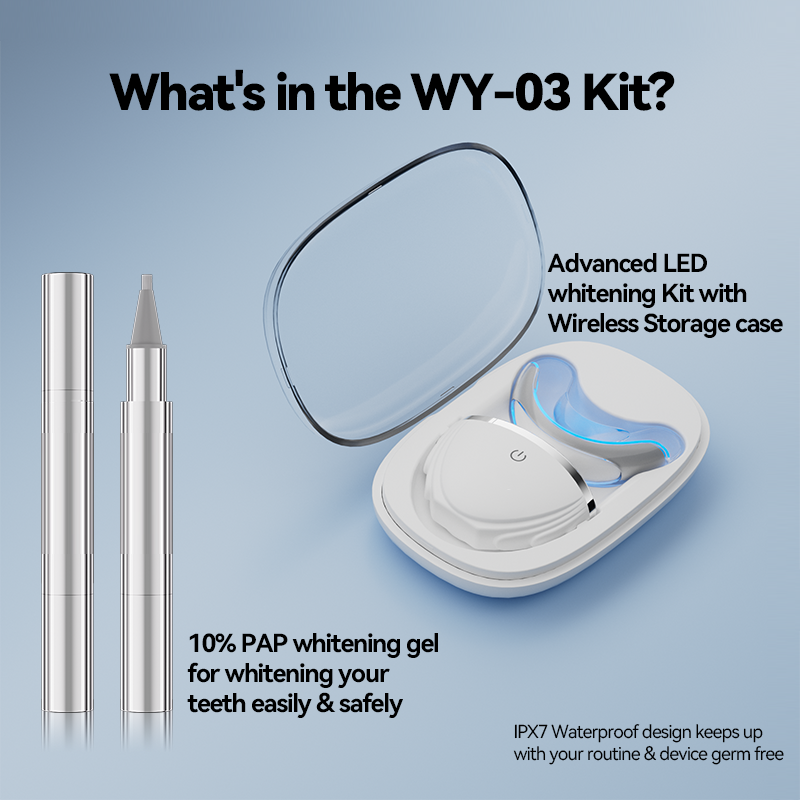
As the demand for aesthetic dental solutions grows globally, teeth whitening continues to be one of the most sought-after cosmetic procedures. For oral care brands and product developers, understanding not only the whitening agents but also the full care cycle — including teeth whitening precare and teeth whitening aftercare — is essential for product positioning, consumer education, and R&D planning. This blog outlines the best teeth whitening practices, helping brand owners create comprehensive oral care solutions that extend beyond the whitening gel or device itself. Whether you're launching a new whitening line or seeking a reliable oral care manufacturer, knowledge of pre- and post-whitening dental care can enhance your brand's credibility and customer satisfaction. How to Prepare for Teeth Whitening: Key Precare Guidelines Before any whitening treatment, a proper precare routine ensures better results and reduced sensitivity. Here are the core elements of how to prepare for teeth whitening: Professional dental cleaning: Encourage users to get a dental cleaning to remove surface stains and tartar before whitening. Desensitizing prep: Recommend the use of toothpaste with potassium nitrate or fluoride 1–2 weeks prior to reduce post-treatment sensitivity. Avoid staining foods: Cut down on coffee, tea, red wine, and tobacco before treatment for at least 48 hours.…
-3-scaled.png)
Teeth whitening has become one of the most sought-after cosmetic dental procedures worldwide. With rising demand for over-the-counter whitening products and professional kits, it's critical to focus not only on results but also on safety. Whether you are a dental care brand developing a new whitening line or a distributor seeking a teeth whitening manufacturer, understanding common teeth whitening mistakes is essential to ensure your products align with safety standards and user needs.This blog outlines key things that should be avoided during teeth whitening treatment, both for consumers and for brands aiming to produce safe and effective whitening solutions. Using Unapproved or Unregulated Whitening Agents One of the most common and dangerous teeth whitening mistakes is using unapproved or excessively concentrated whitening agents like hydrogen peroxide or carbamide peroxide. Products not tested or certified can lead to serious side effects such as gum burns, tooth sensitivity, and permanent enamel damage. Tip for Brands: When selecting a manufacturing partner, ensure they use clinically approved and ISO/GMP-certified ingredients. This ensures your product meets international safe teeth whitening treatment standards. Whitening Without a Professional Assessment Attempting whitening without a dentist’s assessment can be risky. Conditions like cavities, gum disease, or existing dental work (crowns, fillings) can complicate treatment…
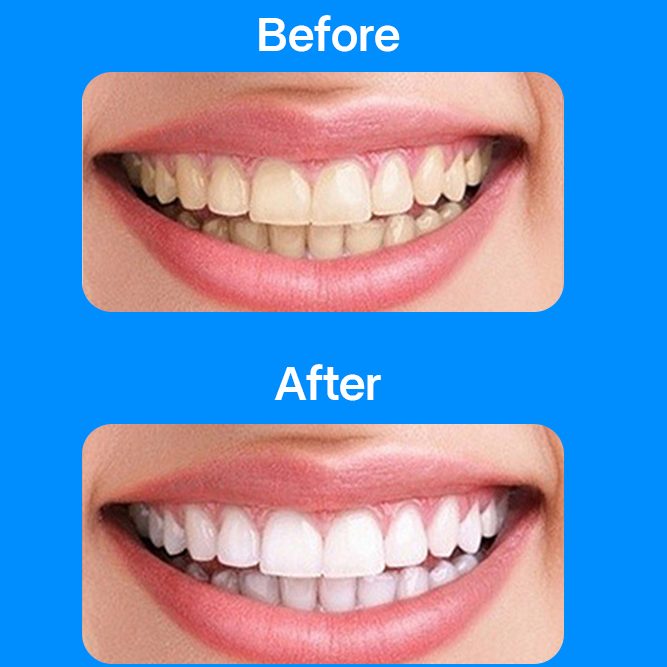
Portable teeth whitening devices have grown in popularity, especially as consumers seek convenient, at-home solutions for improving their smiles. However, there’s been growing skepticism in the market—are these compact devices truly effective, or are they just another trend with no real value? In this blog, we’ll conduct a factual analysis of teeth whitening device effectiveness, separating marketing myths from scientific truths. For oral care brands considering entering or expanding in the whitening segment, this is a critical topic to understand—both for product positioning and when choosing the right manufacturing partner. Understanding How Portable Teeth Whitening Devices Work Most portable teeth whitening devices are LED-based and designed to work in combination with a whitening gel (typically containing hydrogen peroxide or carbamide peroxide). The LED light helps accelerate the chemical reaction that breaks down stains on the enamel surface. There are several key components that determine teeth whitening devices effect: The active ingredient concentration Wavelength and intensity of the LED light Duration and frequency of use Product design and material quality Without proper calibration and formulation, any teeth whitening device—portable or not—will underperform. However, when designed and used correctly, portable devices can yield visible results within 1–2 weeks. What Do the Studies Say? Scientific…
-2-scaled.png)
As consumer interest in cosmetic oral care continues to rise, modern teeth whitening technologies have become a cornerstone of many oral care product portfolios. However, in an increasingly competitive and regulated market, it’s no longer enough for products to simply promise a brighter smile. For oral care brands seeking to establish credibility and market dominance, clinical proof of whitening efficacy is a non-negotiable standard. This blog outlines how various modern teeth whitening technologies compare, explores their clinical validation status, and provides guidance for brands looking to source reliable at-home whitening products manufacturing partners. Overview of Different Teeth Whitening Technologies There are different modern teeth whitening technologies available today, each with its own mechanism, benefits, and market suitability. The main types include: Hydrogen Peroxide-Based WhiteningThe gold standard for both in-office and at-home products. Offers predictable whitening efficacy, especially when combined with LED light systems. Carbamide Peroxide FormulasA slower-acting agent more commonly used in at-home treatments. It converts to hydrogen peroxide over time, providing gradual whitening. LED-Enhanced Whitening SystemsThese systems combine peroxide-based gels with light activation, claiming faster results. Emerging studies support improved efficacy but require more robust clinical proof for long-term impact. Non-Peroxide Alternatives (e.g., PAP, activated charcoal, or blue covarine)Often used in natural or sensitive-teeth products. Clinical…
In the world of whitening treatments, gel leakage has emerged as a critical factor threatening enamel integrity and user confidence. Many B2B customers report a growing incidence of enamel translucency—the gradual thinning and see-through appearance of tooth enamel—following gel leakage incidents during whitening sessions. But is this just a cosmetic setback, or could it signify permanent structural damage? Let’s examine why this problem happens, how serious it is, and what manufacturers can do to safeguard both product quality and consumer trust. What Exactly Is Gel Leakage? Gel leakage occurs when whitening agents, typically peroxide-based gels, escape from their trays or reservoirs due to: Poor tray fit Overfilled reservoirs Material degradation or tearing User mishandling Once the gel seeps beyond intended areas, it contacts unprotected soft tissue and enamel surfaces, prolonging exposure far beyond safe thresholds. Enamel Translucency – A Cosmetic or Structural Threat? Enamel translucency is characterized by a glassy, almost grey appearance of the teeth. This can be more than an aesthetic concern: Repeated overexposure to peroxide accelerates mineral depletion, weakening enamel. Translucent enamel is often more porous, making teeth prone to sensitivity and decay. In severe cases, translucency is irreversible without restorative procedures like bonding or veneers. Thus,…
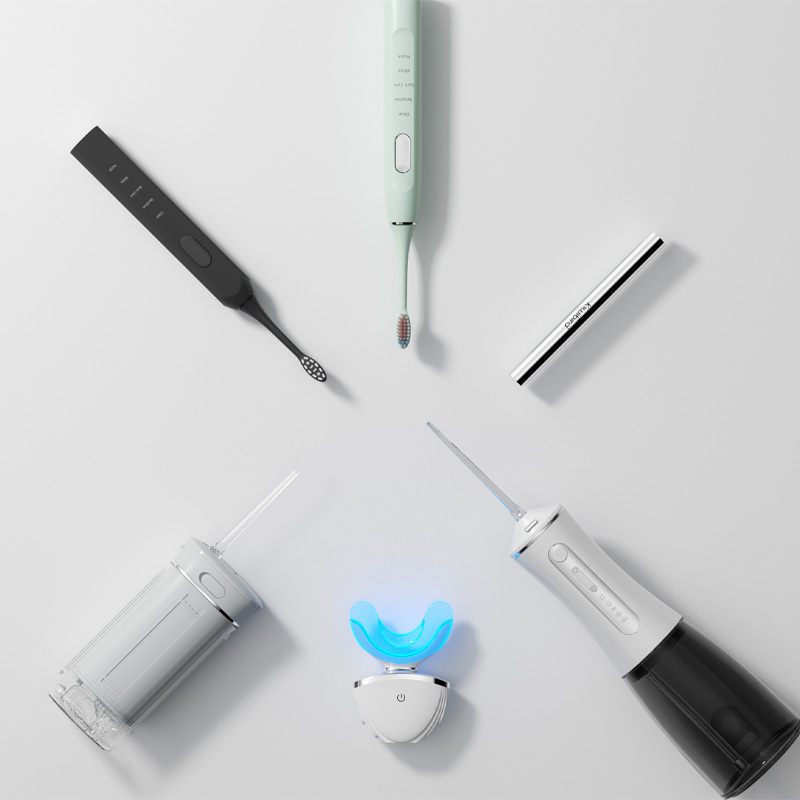
In today’s competitive personal care market, consumer interest is shifting from single-function devices to comprehensive solutions. The rise of Electric Toothbrush & Whitening Device Combos is a direct response to this trend, offering both daily dental hygiene and cosmetic enhancement in one convenient package. For oral care brands, exploring this category presents a lucrative opportunity to stand out in a crowded space. This blog will explore the market potential of combo products, highlight the advantages of cross-selling, and provide tips for growing consumer demand, with a focus on how brand owners can leverage strategic manufacturing partnerships to bring these oral care kits to market effectively. Why Combo Products Are Gaining Momentum The modern consumer seeks value, efficiency, and results—and bundled oral care kits deliver just that. A package that includes an electric toothbrush and a teeth whitening device fulfills two essential functions: Daily cleaning (via electric toothbrush) Aesthetic enhancement (via whitening system) This dual-purpose value proposition is resonating with health- and beauty-conscious consumers, especially among millennials and Gen Z. Brands that offer oral care kits can tap into both the hygiene and beauty markets simultaneously, dramatically expanding their customer base. Market Potential of Electric Toothbrush & Whitening Device Combos According to recent market analysis, global…
-3-scaled.png)
The global demand for teeth whitening devices continues to surge. It's driven by consumer desire for at-home cosmetic treatments that are both effective and convenient. As competition intensifies, brands are seeking differentiators that elevate their products to premium status. One such innovation is wireless charging—a feature that not only enhances the user experience but also serves as a strong marker of quality and modern design. In this blog, we’ll explore how wireless charging is shaping the future of wireless charging teeth whitening device. And why this feature is a game-changer in the search for quality manufacturing partnerships. Wireless Charging: A Premium Feature That Signals Innovation Today’s consumers associate wireless charging with innovation, luxury, and convenience. Once a rare high-tech feature, it’s now becoming a standard in premium categories—from smartphones to personal care products. For teeth whitening devices, this feature offers multiple advantages: A sleek, button-free design that improves aesthetic appeal Waterproof sealing, as no charging port is required Enhanced portability and ease-of-use for consumersIncorporating wireless charging sets your product apart, positioning it in the premium segment of whitening devices—a strategic move in competitive retail and DTC markets. Consumer Demand for Cordless and Hassle-Free Solutions Today’s users want simplicity. The shift toward cordless teeth whitening devices is…
When customers report tooth chipping paired with root darkening, it signals a deeper problem than simple cosmetic damage. These two conditions often indicate structural compromise and internal deterioration, which can be difficult—or impossible—to reverse without invasive treatment. In this blog, we’ll explore why this combination occurs, what it means for product safety and performance, and how manufacturers can proactively prevent it. Understanding Tooth Chipping in Modern Oral Devices Tooth chipping frequently happens when excessive mechanical forces act on enamel during cleaning or whitening. Poorly calibrated motors, abrasive brush heads, or overly rigid trays can: Create microfractures in already weakened enamel. Accelerate wear, especially along incisal edges. Lead to cumulative chipping over repeated use. While minor chips might seem harmless, they often compromise the tooth’s ability to resist bacterial infiltration and chemical exposure. How Root Darkening Develops Root darkening is a more insidious process, usually caused by: Pulp necrosis following repeated trauma. Microleakage from poorly sealed whitening trays. Oxidative damage when high-concentration gels penetrate dentin. Unlike superficial discoloration, root darkening signals loss of vitality, making teeth more prone to fractures, sensitivity, and infection. Why Chipping and Darkening Often Occur Together Although these issues can appear separately, their coexistence usually points to:…
1-scaled.jpg)
Over the past few years, consumer interest in cosmetic oral care has surged, with at-home teeth whitening leading the trend. Fueled by social media, lifestyle aesthetics, and accessible technology, Growing Demand for at-home teeth whitening products presents a significant opportunity for oral care brands seeking to expand their product lines. This blog explores the key drivers of this demand, and how brands can respond effectively — especially by finding the right whitening factory or OEM/ODM manufacturing partner. Market Dynamics: Understanding the Teeth Whitening Boom The global teeth whitening market is expected to grow steadily, driven by: The rising influence of appearance-driven consumption. Greater consumer confidence in at-home teeth whitening technologies. Increasing awareness of cosmetic oral care routines.According to industry data, the segment of home-use whitening kits is outpacing professional in-clinic treatments in both growth rate and accessibility, making it a must-have in any brand’s product portfolio. What Consumers Want: Efficacy, Convenience, and Aesthetic Appeal Today's users are looking for: Safe and effective whitening formulas with visible results. Easy-to-use devices (e.g., LED whitening trays, pens, strips). Products that match their lifestyle — minimal time, maximal results.These demands are reshaping how cosmetic oral care products are formulated, packaged, and marketed. Brands that can deliver a premium at-home whitening experience…

In recent years, the rising market potential of at-home teeth whitening device, driven by consumers’ increasing focus on appearance, dental aesthetics, and convenience. As professional cosmetic dentistry treatments remain expensive and time-consuming, a growing number of consumers are turning to home whitening kits as a more accessible solution. For oral care brands, this represents a significant opportunity to expand product lines and capture market share through innovative, affordable at-home solutions. Market Drivers: Why the At-Home Whitening Segment Is Booming Several factors are fueling the rapid expansion of this sector: Increased awareness of dental aesthetics, especially driven by social media and video conferencing culture. Affordability and convenience compared to in-clinic cosmetic procedures. Technological innovation in LED whitening devices and peroxide-free formulas. Wider consumer acceptance of do-it-yourself dental care. As a result, the rising market potential of home teeth whitening kit is projected to reach multi-billion-dollar figures globally in the next few years, with double-digit growth expected particularly in North America, Europe, and parts of Asia. Understanding the Product Landscape: Types of Home Whitening Kits Today's home whitening kits are more advanced than ever. The most popular product categories include: LED-powered whitening devices with blue light activation Whitening pens and strips Foaming toothpastes and gels Wireless smart devices connected to mobile…
As the demand for at-home cosmetic dental solutions continues to rise, the home teeth whitening device has become one of the most sought-after tools in oral care. For oral care product brand owners, ensuring consumer satisfaction doesn't stop at manufacturing quality — it also depends heavily on how well end-users understand proper use. Therefore, communicating the correct precautions during use and guidance on how to maximize the effectiveness of the home teeth whitening device becomes a vital brand responsibility. This article provides a strategic overview for brand managers looking to ensure customer satisfaction and product performance through proper usage education. Understand the Core Mechanism Before Use Before consumers begin whitening treatments, it's essential they understand how the device works — whether it uses LED light activation, peroxide gel, or blue light technology. Without this knowledge, incorrect handling may reduce the effectiveness of the home teeth whitening device. Brand owners should work closely with manufacturers to include simple, multilingual instructions and intuitive visuals. Key Precaution: Avoid using the device without reading the product manual in full. Misuse can lead to tooth sensitivity, gum irritation, or unsatisfactory results. Timing and Frequency: Follow Guidelines Strictly Many users mistakenly assume that longer or more frequent use leads…
In the competitive market of teeth whitening products, balancing aesthetic effectiveness with oral health safety is crucial. But manufacturers and brands must ask: is the promise of dazzling white teeth worth the potential overbleaching risk and the threat of gum recession? As OEM and ODM suppliers, recognizing the fine line between performance and user safety is vital to product design and long-term market success. What Is Overbleaching and Why Is It a Risk? Overbleaching risk refers to the excessive use or strength of whitening agents—typically hydrogen peroxide or carbamide peroxide—that penetrate beyond the enamel surface. While this may yield rapid whitening results, it can also: Cause enamel thinning; Increase tooth sensitivity; Lead to long-term structural damage. The risk becomes greater with poorly formulated gels, incorrect user guidance, or malfunctioning application devices, such as overactive LED trays or poorly timed delivery systems. How Overbleaching Contributes to Gum Recession More alarming is the connection between overbleaching risk and gum recession. Aggressive whitening agents can: Irritate gingival tissues if gel leaks onto the gums; Trigger inflammation that weakens gum attachment; Lead to gradual shrinkage of the gum line, exposing the tooth root. This not only results in discomfort and sensitivity but also opens…
-2-scaled.png)
As consumer interest in at-home beauty and health solutions rises, the whitening device market potential is rapidly expanding. More people are seeking convenient, effective, and affordable ways to improve their smiles—making teeth whitening devices a highly lucrative category. For oral care brands, partnering with a teeth whitening device factory is more than just a supply chain move—it's a strategic decision to boost brand value and stay ahead in a competitive market. Understanding the Whitening Device Market Potential The global market for teeth whitening products is projected to grow steadily over the next decade, driven by: Rising aesthetic awareness Growth of e-commerce and influencer marketing Demand for safe, non-invasive cosmetic procedures This upward trend presents an ideal opportunity for brands to enter or expand within the teeth whitening segment. However, to truly capitalize on this potential, brands must align with a reliable teeth whitening device factory that can offer scalable production and technological innovation. How a Factory Partnership Helps Boost Brand Value Working with a professional teeth whitening device factory enables brands to elevate their market position in several critical ways: Consistent Product Quality: High-precision manufacturing ensures reliable device performance and builds long-term consumer trust. Custom Branding Options: A factory can provide OEM/ODM services that allow…
In today's image-driven society, oral care is no longer just about hygiene—it's about personal confidence enhancement. A bright, healthy smile improves not only dental health but also how we carry ourselves in professional and social settings. From a factory perspective, oral care product manufacturers must understand that users are now seeking both functional effectiveness and emotional satisfaction—especially in home teeth whitening devices and everyday oral tools. The Psychological Power of a Bright Smile A radiant smile often serves as an instant confidence booster. The teeth whitening effect is not just cosmetic—it supports the idea of being your best self. In fact, many consumers embrace whitening as part of a broader lifestyle trend tied to the idea of being kind to oneself. Offering reliable whitening results can significantly enhance product value and brand reputation. For brands, choosing a manufacturer that specializes in effective whitening technology—whether through LED-based devices, safe peroxide formulas, or sonic-powered toothbrushes—can make or break product success. High-Level Appearance Design as a Strategic Differentiator Today’s consumers judge a product first by its look and feel. High-level appearance design is no longer a luxury—it's a necessity. The design of oral care products, from sleek electric toothbrush handles to premium packaging for whitening kits,…
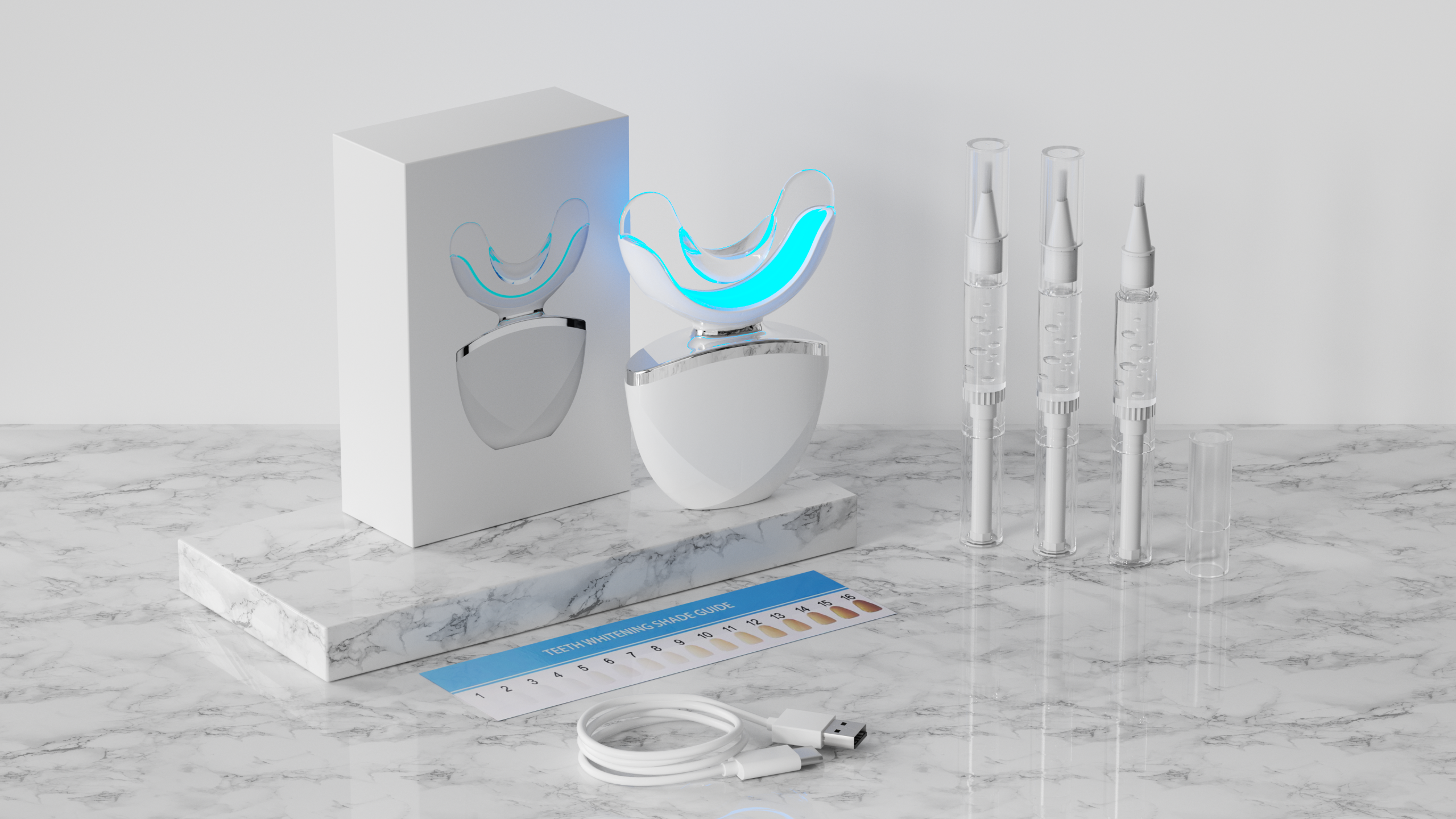
In recent years, the oral care segment has seen a surge in demand for home teeth whitening devices, driven by the consumer’s growing attention to aesthetics, health, and self-image. The market potential and growth of home teeth whitening continues to expand as consumers increasingly prefer at-home solutions that are both cost-effective and convenient. For oral care product brands, understanding what drives this trend — particularly the consumer psychology behind it — is essential. From a strategic oral care products factory perspective, aligning with these consumer needs opens up new avenues for product development, innovation, and market penetration. Understanding the Consumer Psychology: More Than Just White Teeth Personal confidence enhancement: A whiter smile is strongly associated with attractiveness, youthfulness, and professional appeal. Consumers believe that improving their teeth color can boost their self-confidence and social presence. Social media influence: In the age of selfies and video calls, visible appearance — especially smiles — has become a focus area for consumers of all ages. Health association: Many consumers equate white teeth with good health, even if that perception is largely aesthetic. These emotional motivators play a critical role in purchase decisions. Brands that tap into this mindset can better position their products for long-term success.…
Many consumers report oral ulcers, heightened teeth sensitivity, or even allergy reactions after using over-the-counter whitening kits. While whitening agents aim to brighten smiles, their chemical action and delivery methods can inadvertently damage oral tissues. Below, we explore six critical factors manufacturers should address to minimize ulcer risk and ensure partner confidence in your whitening solutions. Chemical Irritants and Tissue Breakdown Firstly, the active bleaching agents—typically hydrogen peroxide or carbamide peroxide—can irritate mucosal cells: pH Imbalance: Highly acidic or alkaline gels disrupt the oral mucosa’s protective barrier, leading to microabrasions. Free Radical Damage: Overproduction of oxidative species can injure epithelial cells, initiating oral ulcers. Prolonged Exposure: Leaving gel in contact beyond recommended 15–20 minutes exacerbates tissue breakdown. Recommendation: Formulate gels at neutral pH and include antioxidants to buffer free radicals. Delivery Method and Mechanical Trauma Next, the way whitening gel is applied influences ulcer risk: Custom Trays vs. Strips: Poorly fitting trays can press gel against non-tooth surfaces, causing friction sores. Razor-Thin Strips: Thin film may migrate under the lip or between teeth, irritating soft tissue. Brush-On Pens: Misapplied droplets on gingival margins can burn delicate mucosa. Recommendation: Develop anatomically contoured trays with soft-edge seals and clear application markers to…
When performing cold-light whitening treatments, many manufacturers focus solely on stain removal efficiency, overlooking the hidden cold-light risks: high-energy blue light combined with peroxide can accelerate enamel wear, especially if pregnancy contraindications are ignored. Below, we examine six dimensions of how cold-light treatments impact enamel and outline safety strategies. Cold-Light Mechanism and Risk Factors First, it’s essential to understand how cold-light whitening works and where the risks lie: Blue-Light Activation: Devices emit 420–450 nm light to activate peroxide’s free radicals. Pigment Breakdown: Free radicals oxidize and lighten tooth stains. Micro-Crack Formation: Excessive intensity or duration can induce tiny surface cracks—one of the primary cold-light risks. Thus, precisely controlling light intensity and exposure time is the first line of defense against enamel damage. Bleach Concentration and Chemical Erosion Next, peroxide concentration interacts synergistically with blue light: High-Strength Gels: Faster whitening comes at the cost of greater chemical erosion of the enamel surface. Structural Fatigue: Repeated oxidation causes micro-expansion and contraction, weakening the enamel matrix. Decalcification Spots: Over-aggressive formulas can leave white spot lesions or sensitivity. Balancing bleaching efficacy with enamel preservation is critical during formula development. Company web: https://www.powsmart.com/product/electric-toothbrush/ Exposure Patterns and Thermal Stress Moreover, the light delivery pattern greatly affects fatigue…


.jpg)
.jpg)
.jpg)
.jpg)
.jpg)








.jpg)
.jpg)