
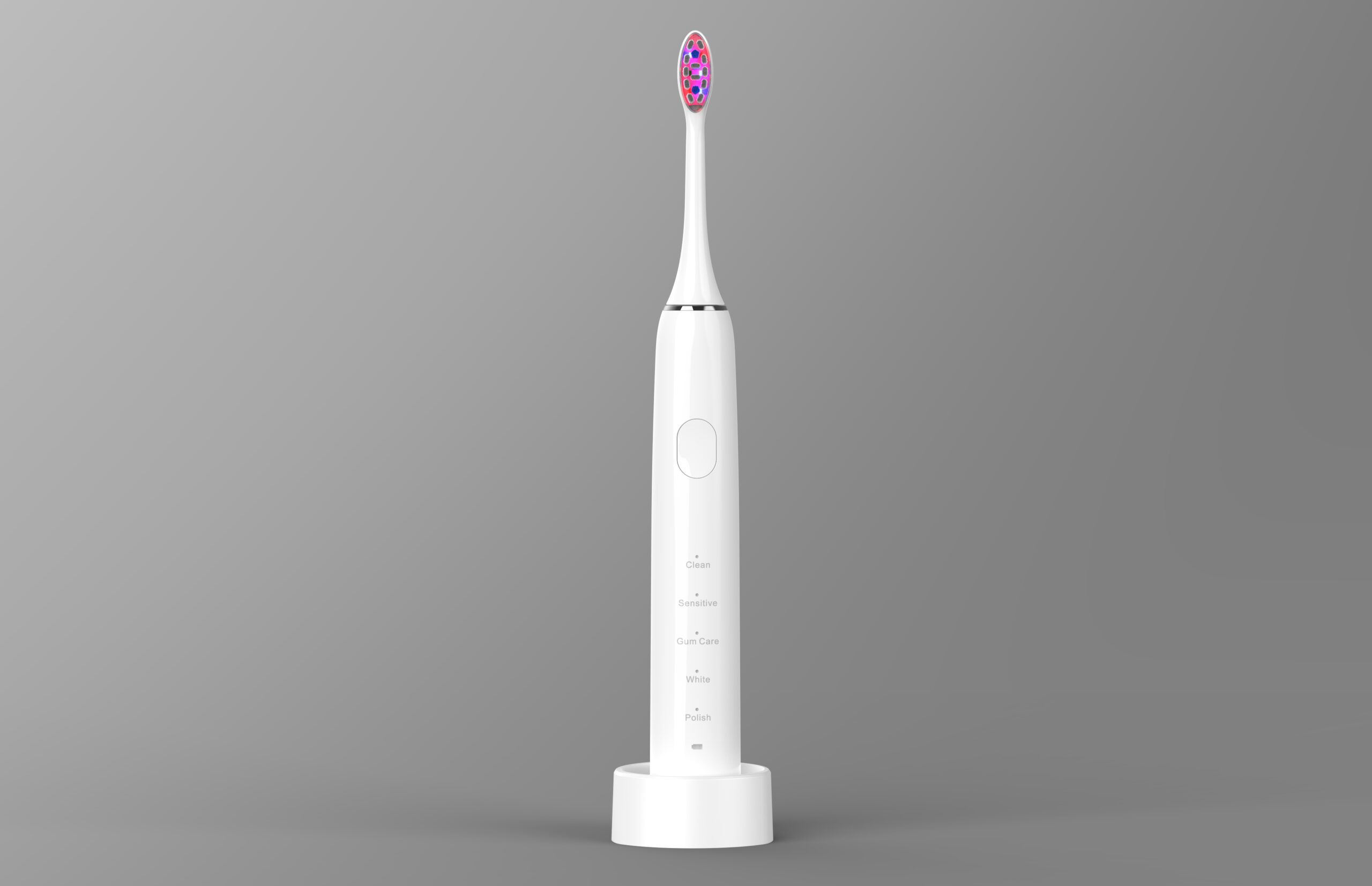
In a research lab in Dongguan, China, the hum of testing equipment was the only sound late one night in 2019. A team of engineers at PowSmart was facing a familiar challenge: how to make the charging of an electric toothbrush not just wireless, but effortlessly intuitive and reliable for daily life. The goal was to move beyond simple conductive charging pads. The breakthrough came with the integration of precision magnetic alignment. By embedding carefully calibrated magnets in both the toothbrush handle and its charging base, they solved a critical user pain point—the annoying fumble to achieve perfect contact. The brush would now "snap" into place on its dock every single time, ensuring consistent charging without the wear and tear of physical ports, a common point of failure in bathroom environments. This was more than a convenience feature; it was a durability revolution. By eliminating the charging port, the design achieved a seamless, waterproof seal. This foundational innovation, protected by utility model patents, became the core of PowSmart's flagship product line and set the standard for the OEM/ODM manufacturing services we provide to global brands. Engineering the Unseen Advantage: Core Technologies That Define PowSmart PowSmart's philosophy is that superior oral care is built on…
Electric toothbrushes have become essential in modern oral-care routines, but brands still face complaints related to moisture intrusion—especially when an electric toothbrush gets wet and turns on automatically. While this seems like a small inconvenience, it can signal deeper design flaws that pose safety risks and brand-damaging reliability issues. For oral-care brands developing their next-generation device, partnering with an experienced OEM factory is critical. Below, we explore the underlying causes of moisture-triggered auto-activation and the OEM solutions that ensure durable, safe, and consistent products. Why Electric Toothbrushes Turn On When Wet Consumers often notice their electric toothbrush gets wet and turns on automatically after a shower or rinsing.This issue usually stems from: Incomplete waterproof sealing of the power button Capillary water ingress near the charging port Low-quality PCB design with insufficient humidity protection Poor silicone keypad structure that temporarily bridges contacts when wet Although the toothbrush may continue functioning, the early signs of water intrusion should never be ignored. Hidden Safety Risks Behind Automatic Activation An automatic turn-on event may look harmless, but the underlying safety risk is significant: Short circuits caused by high moisture levels Battery swelling or overheating in extreme cases Uncontrolled vibration that may cause the device…
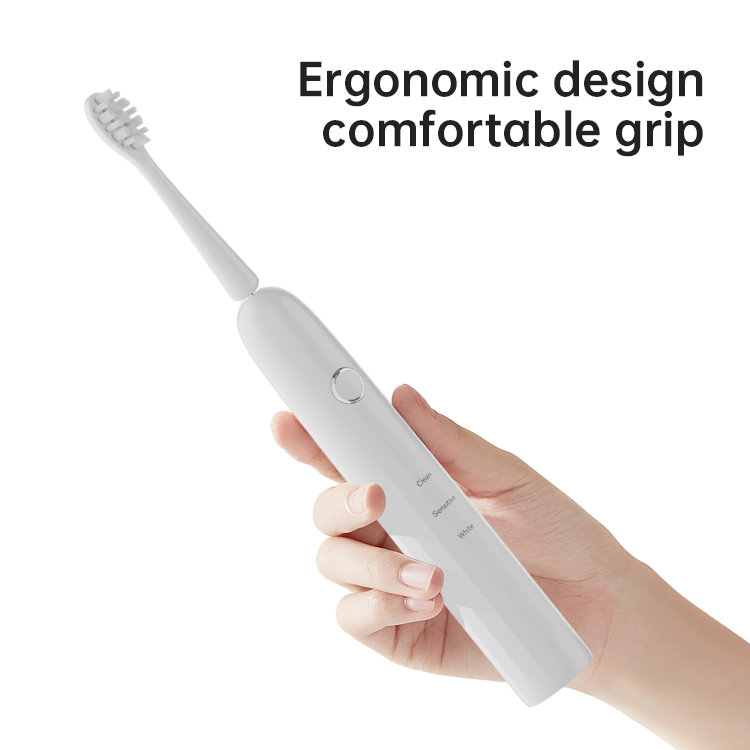
When oral-care brands develop new powered toothbrush lines, one recurring challenge is ensuring the power button and mode keys remain secure and durable throughout the product’s life cycle. A loose or detached button not only harms user experience—it can trigger warranty claims and undermine brand trust. This blog outlines OEM engineering solutions that help prevent buttons coming off electric toothbrushes. By integrating button sealing technology, durable design concepts, and manufacturing best practices, brands can significantly improve product reliability. Understand the Root Causes of Button Detachment Before implementing improvements, OEM engineers analyze why electric toothbrush buttons fail. Common causes include: Insufficient structural support in the shell housing Weak or aging silicone material Repeated stress from waterproofing deformation Poor bonding or gap inconsistencies around the button Damage during ultrasonic welding or assembly Understanding these factors helps brands and OEM manufacturers design more robust solutions from the start. Choose High-Performance Button Materials Material selection directly impacts the button’s lifetime durability. OEM engineers commonly recommend: High-elasticity silicone for longer deformation cycles TPU blends for a stiffer, more supportive tactile feel UV-resistant and anti-aging additives to prevent material breakdown Precision-molded inserts that match the internal frame perfectly Premium materials ensure the button maintains shape, resists…
.jpg)
Finding a reliable IPX7 toothbrush supplier is essential for global importers who focus on product safety, long-term performance, and competitive pricing in the oral-care market. International buyers increasingly require electric toothbrushes that can withstand immersion, maintain sealing integrity, and deliver stable vibration performance. Therefore, selecting a factory with proven waterproof engineering capability becomes a key factor in B2B procurement. Waterproof Engineering Capabilities of an IPX7-Compliant Supplier(IPX7 features) When sourcing from China, buyers often evaluate whether the supplier has complete waterproof testing systems. In professional manufacturing facilities, toothbrush handles undergo ultrasonic welding, sealing-ring compression, and vacuum water-ingress tests. These processes ensure stable performance even after extended use in wet environments. Furthermore, advanced suppliers typically operate automated sealing lines to maintain consistent assembly quality. Importers can review more IPX7-ready models on our internal product page:https://powsmart.com/electric-toothbrush-series Material Selection and PCB Protection(waterproof components) Another critical factor in waterproof design is material composition. High-density ABS shells, food-grade sealing rings, and anti-corrosion connectors help maintain long-term durability. Additionally, conformal-coating technology enhances PCB resistance against moisture and accidental splashes. Although these components slightly increase production cost, they significantly reduce after-sales risk for distributors. Importers often prefer factories that provide waterproof-performance reports, drop-test records, and motor lifespan data.…
As electronic oral care devices — such as electric toothbrushes, oral irrigators, and tongue cleaners — become more advanced, waterproof performance has become one of the most important factors determining both product quality and user safety. For brands working with OEM/ODM manufacturers, ensuring excellent waterproof design and assembly is key to achieving durability, reliability, and compliance with international standards. Below, we outline six essential aspects to ensure that your electronic oral care devices meet high waterproofing standards and maintain long-term performance. Understand the Importance of Waterproof Performance Electronic oral care devices operate in environments full of moisture, foam, and temperature changes. Without proper sealing, water can easily enter the device housing, causing short circuits, corrosion, and even electric shock hazards. Ensuring strong waterproof performance not only extends product lifespan but also enhances the brand’s credibility and reduces after-sales maintenance costs. Aim for IPX7 Certification Standards When evaluating waterproof quality, IPX7 certification is a globally recognized benchmark. It means the device can withstand immersion in water up to 1 meter for 30 minutes without damage. For oral care devices used in wet bathroom environments, IPX7-level protection is generally considered the minimum requirement. Brands should confirm with their manufacturing partners that the final product has passed IPX7…
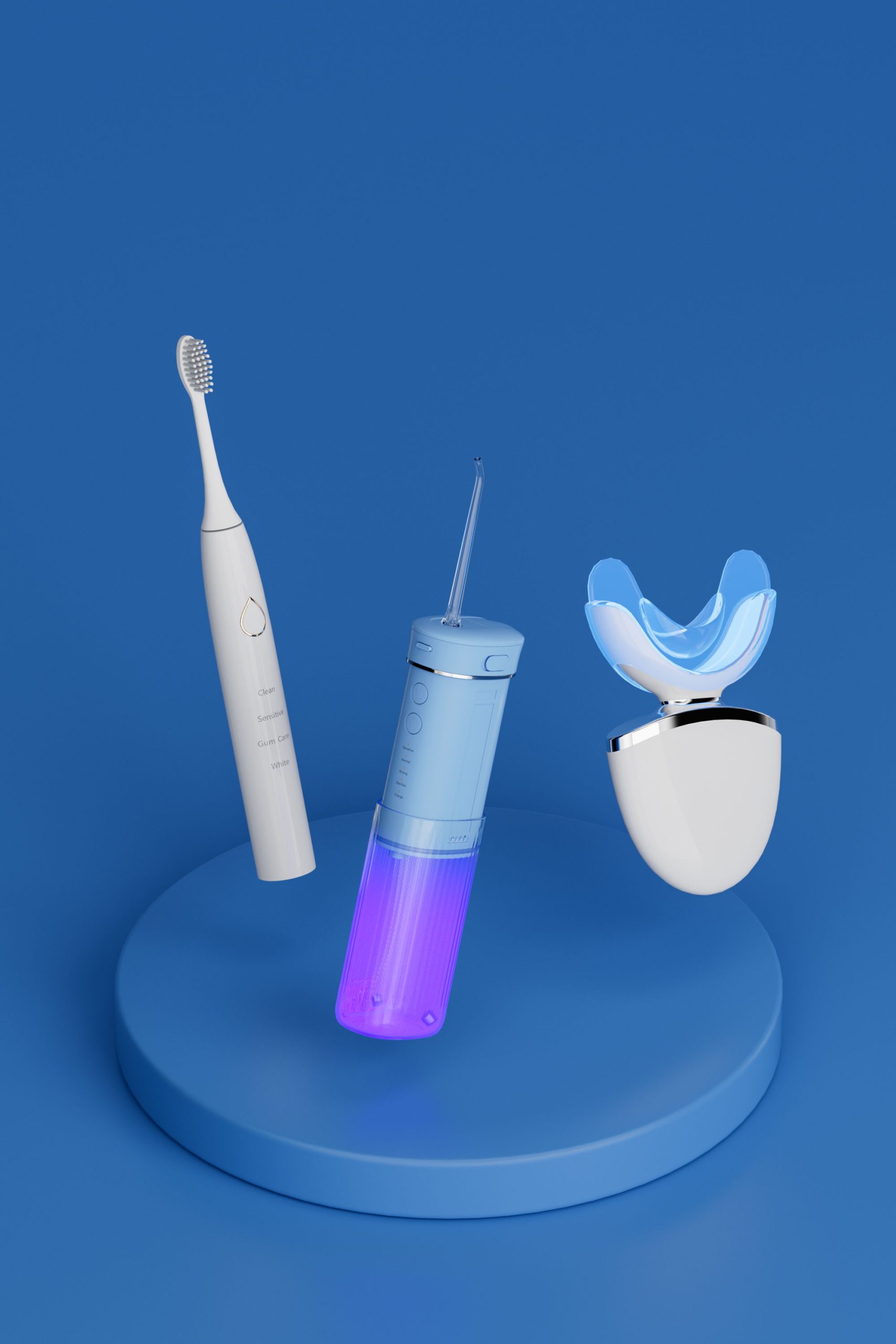
Launching a private label electric toothbrush is exciting — but for a brand, quality assurance is everything. Buyers expect reliable cleaning performance, safe batteries, robust waterproofing, and a pleasant user experience. Below I walk through how a professional toothbrush OEM factory guarantees quality for electric toothbrush projects, step by step, and highlight six core measures every brand should expect. At a glance — 6 core quality measures Rigorous supplier qualification & incoming material control Design verification & pilot (first-article) validation Precision manufacturing and process controls (PCBA, molding, assembly) Comprehensive functional, electrical and durability testing Regulatory compliance, certifications and third-party verification Traceability, after-sales support and continuous improvement Each of the six points above is expanded below with practical examples relevant to electric toothbrushes. Rigorous supplier qualification & incoming material control First and foremost, a trustworthy toothbrush OEM factory treats incoming materials as the first line of defense. For an electric toothbrush that means: Pre-qualifying suppliers for motors, batteries, PCBA components, bristle filaments and elastomers. Requiring material certifications (e.g., RoHS/REACH declarations for plastics and metals, food-contact statements for parts touching the mouth). Conducting incoming inspections (IQC): dimensional checks on injection-molded housings, chemical tests for toxic substances, and random sampling of batteries and…
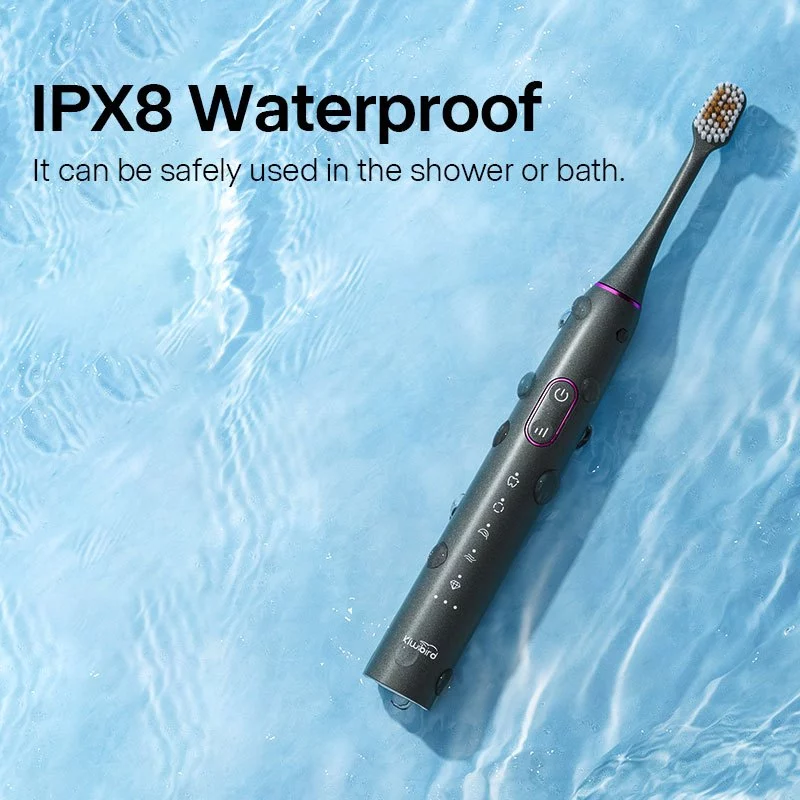
For electric-toothbrush OEMs and brand teams, “shower-friendly” is a meaningful product differentiator. An IPX7 Waterproof handle lets end users rinse and even briefly submerge a product with confidence — and so it supports clear marketing for Safe Shower Use. However, turning that certification into a reliable, low-warranty, consumer-safe experience requires system-level design, test protocols and careful user messaging. Below are six practical manufacturer-focused dimensions to get right. What IPX7 actually means — capabilities and limits First, be precise: IPX7 (IEC 60529 convention) indicates protection against immersion in water up to 1 meter for 30 minutes. Consequently, a product claiming IPX7 is expected to survive accidental submersion and routine rinsing. However, IPX7 does not guarantee resistance to: high-pressure water jets (that’s IPX5/6), continuous immersion beyond the rated depth/time, hot steam, or chemical attack from soaps, shampoos and pool chemicals. Therefore, marketing “IPX7 Waterproof” is useful — but it must be accompanied by usage limits describing what “Safe Shower Use” actually entails. Mechanical design & sealing strategy — make the rating robust in field conditions Moreover, engineering the handle and head coupling for repeatable IPX7 performance is a mechanical exercise: Eliminate open ports: prefer inductive or magnetic charging rather than exposed USB…
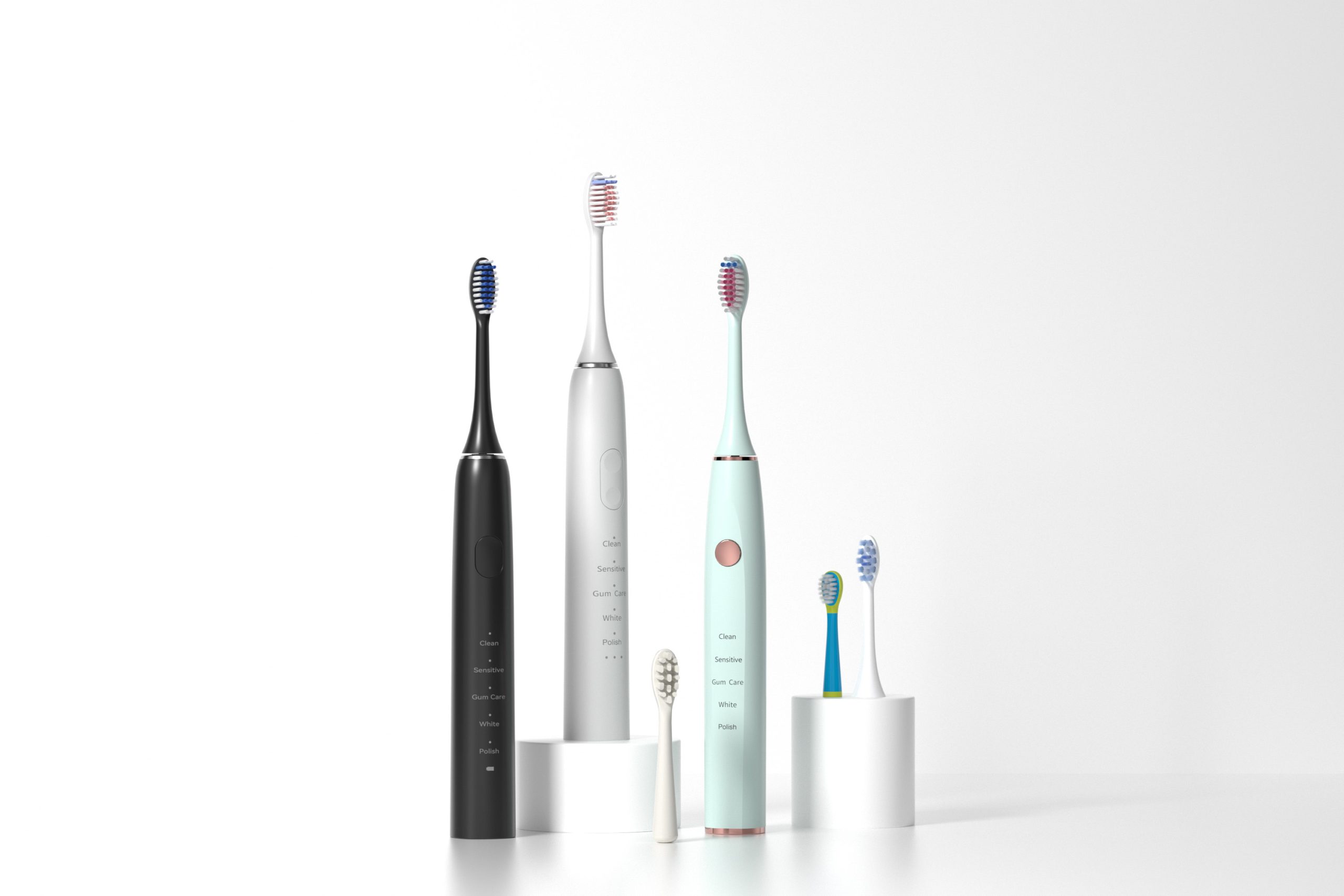
In today’s competitive oral care market, brands are constantly looking for ways to differentiate their products. One growing segment is military-grade durable OEM electric toothbrush designs — built for extreme environments, long-term reliability, and rugged use. For consumers who travel frequently, camp outdoors, or work in challenging conditions, these products also fulfill the promise of travel-proof dental care. If you are a brand owner, finding the right electric toothbrush suppliers that can meet these durability requirements is crucial. Understanding Military-Grade Standards in Oral Care Products Military-grade in consumer products refers to materials, testing, and manufacturing standards that ensure performance under extreme conditions such as shock, vibration, high/low temperatures, and water immersion. In the context of electric toothbrushes, it means: Reinforced casing for impact resistance High IP-rated waterproofing for use in wet or outdoor environments Long battery life and robust charging systems Corrosion-resistant components for longevity These attributes not only appeal to military and tactical users but also to travelers and outdoor enthusiasts who need travel-proof dental care. Benefits of Partnering with Durable OEM Electric Toothbrush Suppliers When you work with experienced durable OEM electric toothbrush manufacturers, you gain advantages such as: Custom engineering to meet your brand’s durability and aesthetic requirements Flexible production capacities to scale with your market…
When it comes to children’s oral care products, safety is a top priority. One feature that parents look for in kids electric toothbrushes is the IPX7 waterproof rating—but are these brushes really waterproof? Whether you’re sourcing from an OEM safety brush manufacturer or looking to develop your own private label, it’s essential to understand what IPX7 truly means and how it affects both safety and durability, especially in family toothbrush systems. What Does IPX7 Really Mean? IPX7 waterproof is a standard rating used to describe a product’s ability to withstand immersion in water for up to 30 minutes at a depth of 1 meter. For kids electric toothbrushes, this rating ensures that the brush can survive accidental submersion, like when a child drops it into the sink or bath. However, it’s crucial to note that while this rating suggests the toothbrush is waterproof, it doesn’t imply it’s fully protected against other forms of water exposure (like high-pressure jets). Why Waterproofing Matters for Kids Electric Toothbrushes For kids electric toothbrushes, waterproofing is not just a matter of durability—it’s about safety. Children often drop their toothbrushes in the water, making it essential that the brush remains functional after these accidents. An IPX7…
.jpg)
Introduction: Battery Leakage in POWSMART Smart Toothbrush – A Real Concern? As the demand for high-performance oral care devices increases, the POWSMART Smart Rechargeable Toothbrush has emerged as a top-tier solution, offering advanced features like smart timers, adaptive brushing modes, and wireless charging. However, recent user feedback and technical audits suggest a less visible but significant issue—battery leakage. While often overlooked, this issue can compromise not just the functionality of the device but also user safety and brand integrity. For B2B manufacturers and OEM partners, recognizing and resolving this risk early is critical to quality assurance and customer retention. Battery Leakage: What Is It and Why It Matters Battery leakage occurs when a rechargeable cell begins to break down chemically, releasing corrosive fluids or gases. In the case of the POWSMART Smart Rechargeable Toothbrush, such leakage may be subtle but destructive over time, potentially affecting: Internal circuitry Charging efficiency Waterproof sealing User safety (e.g., skin or mucosal irritation) When left unaddressed, battery leakage becomes a silent failure mode that erodes consumer trust and leads to costly warranty claims. Common Causes Behind Battery Leakage in Smart Toothbrushes Understanding the root causes is essential to prevent recurrence. Key contributors include: Overcharging due…
When it comes to electronic personal care devices, especially electric toothbrushes and water flossers, two terms frequently appear in quality failure analysis: seal degradation and circuit corrosion. While they might seem like isolated issues, are they actually interconnected, forming a hidden failure chain? In this blog, we explore how deteriorating seals can directly lead to internal circuit corrosion, threatening product reliability and safety. What Is Seal Degradation? Why Does It Matter? Seal degradation refers to the loss of integrity in sealing components, such as: Silicone or rubber gaskets Ultrasonic weld joints Adhesive or thermal bonds Over time, exposure to heat, humidity, chemical residues, and mechanical stress can cause these seals to harden, crack, or shrink. As a result, once-waterproof enclosures allow moisture ingress—an early sign of potential circuit corrosion. Understanding Circuit Corrosion in Moist Environments Once moisture penetrates the housing, circuit corrosion risk increases: Water vapor condenses inside the device. Metal traces and contact points oxidize or rust. Ionic contaminants accelerate electrochemical reactions. Signal disruptions or electrical shorts eventually occur. Subtle at first, corrosion silently spreads until it triggers performance failures or total breakdown. The Direct Link Between Seal Degradation Seal degradation acts as the gateway event for circuit corrosion:…
In the realm of electric oral care devices and personal grooming tools, waterproof failure is more than a surface-level issue—it can directly result in circuit corrosion, often leading to total device failure. This hidden yet critical risk not only affects product durability but also damages brand credibility and increases after-sales costs. For OEM/ODM manufacturers, understanding how waterproof breaches evolve into irreversible electrical corrosion is vital for ensuring both product safety and long-term customer satisfaction. How Waterproof Failure Happens: The First Breach A device's waterproof design is meant to isolate sensitive internal components—particularly PCBAs, batteries, and motor drives—from moisture exposure. However, waterproof failure can stem from: Improper ultrasonic welding of the housing Defective sealing rings or poorly applied gaskets Microcracks due to drop impacts or thermal stress Assembly misalignment between structural parts Even a minor leak over time can allow vapor or condensation to enter the device’s interior—setting the stage for circuit corrosion. What Is Circuit Corrosion and Why Is It Fatal? Circuit corrosion refers to the gradual oxidation and chemical degradation of PCB traces, solder joints, and metallic components due to moisture, ions, or pH imbalance. Common signs include: Greenish or white buildup on circuit pads Erratic button or sensor…
As electric toothbrushes become a standard in modern oral hygiene routines, quality control and product reliability have never been more critical. For oral care OEM partners, and especially for brands seeking factories, understanding common failure points and how to solve them is key to building strong, trustworthy products.This article offers a practical guide for brands & factories to troubleshooting electric toothbrush problems, helping improve production quality, reduce returns, and strengthen long-term customer satisfaction. Battery Life Issues: Why They Occur and How to Prevent Them One of the most frequent complaints in user feedback is related to battery life issues. Whether the toothbrush runs out of power too quickly or fails to hold a charge over time, battery reliability is critical for user retention. Key considerations for brands and factories: Use high-quality lithium-ion batteries from certified suppliers. Optimize PCB design for energy efficiency. Implement smart charging indicators and auto shutoff features to extend battery lifespan. Ensure your oral care OEM partner offers battery cycle testing during quality control. Waterproofing Standards: IP Rating is Not Optional Given the daily exposure to water and moisture, inadequate waterproofing can lead to product failures, electrical shorts, or even safety risks. Adherence to waterproofing standards—especially IPX7 or higher—is essential.…
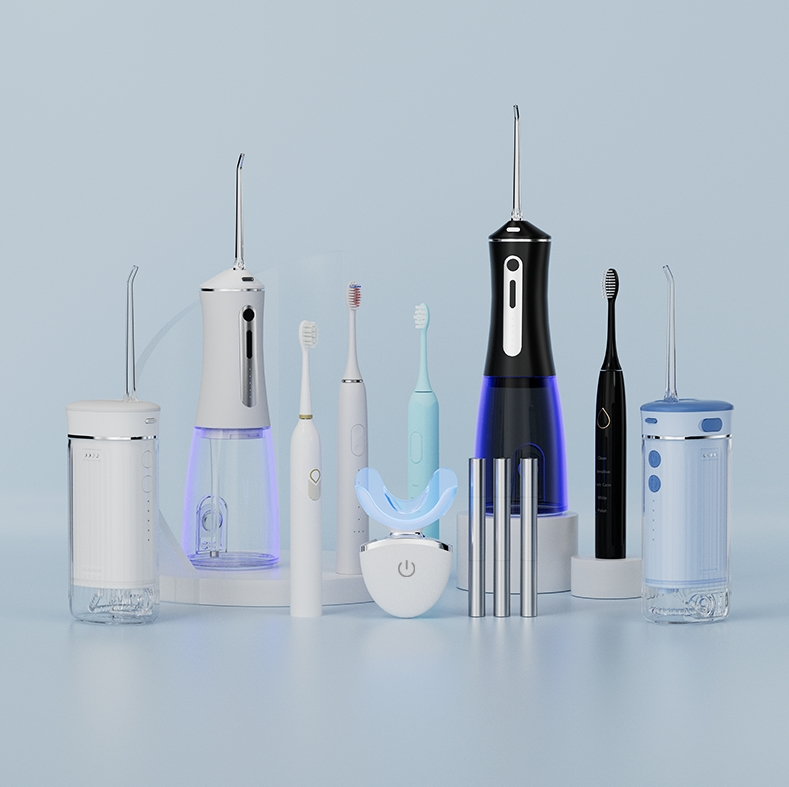
As the demand for smart and effective oral care devices grows, electric toothbrushes continue to dominate both consumer and professional markets. However, many brands face challenges due to recurring common electric toothbrush issues, often traced back to poor manufacturing practices. To build a trustworthy product line, it's essential for oral care brands to work with factories that understand common issues — and have systems in place to prevent them.This blog provides a detailed breakdown of the most frequent product issues and how top-tier manufacturers address them, ensuring long-term reliability and user satisfaction. Brush Head Durability: The First Line of Defense One of the most common complaints from users is premature wear or breakage of the brush head. Brush head durability is critical for performance and safety. Factory solution: Use of high-quality, FDA-compliant bristle materials. Precision injection molding to ensure consistent density and alignment. Rigorous fatigue testing to simulate real-world use cycles. By optimizing brush head design and materials, factories help brands deliver a more resilient and comfortable brushing experience. Motor Failure: Silent Killer of Product Lifespan Another frequent issue in electric toothbrushes is motor failure. Overheating, vibration inconsistencies, or complete breakdowns can severely impact a brand’s reputation. Factory solution: Partner with…
When it comes to consumer safety in oral care devices, waterproof failure isn't just a mechanical flaw—it could be a direct cause of material toxicity. Many assume that as long as a product functions electrically, it’s safe. However, water intrusion can trigger chemical degradation in materials not designed to withstand prolonged moisture exposure. For OEMs and B2B buyers, understanding the correlation between waterproof integrity and toxic material leaching is crucial to both compliance and brand reputation. Waterproofing: More Than Just Electronics Protection Traditionally, waterproofing is associated with protecting internal components like motors or batteries. However, in modern electric toothbrushes, water can infiltrate and compromise: Handle casing materials Silicone seals and adhesives Internal plastic housings When waterproof failure occurs—due to poor IP sealing, failed ultrasonic welding, or loose assembly—the materials not intended for water exposure may begin to degrade, leading to the release of harmful substances into contact areas like grip zones or brush necks. How Waterproof Failure Triggers Material Toxicity The connection between waterproof failure and material toxicity is chemical in nature. Prolonged moisture intrusion can: Accelerate plasticizer migration from low-grade plastics Reactivate residual solvents in adhesives Break down coatings and produce toxic residues Especially in high-temperature environments like bathrooms,…
When developing and marketing advanced whitening devices, it’s vital not only to validate waterproof performance through IP rating tests but also to warn users about gum inflammation risks related to post-whitening diets. After bleaching, gum tissues enter a sensitive “high-risk” period—any oversight in diet can trigger inflammation, undermining whitening results and oral health. The “High-Sensitivity Window” After Bleaching First, bleaching agents mildly demineralize enamel and open dentinal tubules, causing gum micro-vascular dilation: Increased Permeability: Gums are more sensitive to acid or alkaline stimuli for 24–48 hours post-treatment. Inflammatory Mediator Release: Residual peroxide may provoke a local immune response, leading to slight swelling. Weakened Barrier: Salivary and mucosal defenses are still recovering, making tissues more susceptible. Hence, every rinse and meal in post-whitening diets must consider the gums’ fragile state. Acidic and Pigmented Foods Heighten Inflammation Risk Next, dietary acids and chromogens are primary culprits for post-bleach inflammation: High-Acid Foods: Citrus or vinegar further lower local pH and accelerate epithelial damage. Dark-Pigment Beverages: Coffee or red wine adhere to micro-etched enamel and irritate gums through friction. Spicy or Alcoholic Drinks: Disrupt blood flow and extend healing times. Avoiding highly acidic or deeply colored items in post-whitening diets is crucial to protect…
In modern oral-care and consumer devices, waterproof performance is a top user priority—but achieving high ingress protection can introduce temperature sensitivity challenges. In other words, as manufacturers raise water-resistance ratings, they must also ensure reliable operation across temperature extremes. Balancing these opposing requirements is a critical design challenge for B2B partners. The Need to Balance Waterproofing and Thermal Management First, sealing a device tightly to achieve a high IP rating can impede internal heat dissipation: Sealed Enclosures improve waterproofing but restrict airflow and convection cooling. Heat Build-Up inside can accelerate component aging and reduce reliability. Low-Temperature Effects cause elastomeric seals to harden or crack, compromising long-term waterproof integrity. Thus, balancing waterproof performance with temperature sensitivity is essential from the outset. Waterproofing Standards and Test Protocols Next, rigorous testing must validate performance under thermal stress: IPX Ratings: Select an appropriate IPX level (IPX4–IPX8) based on use cases. Thermal Cycling: Subject devices to repeated hot/cold water immersion and drying cycles to detect seal failures. Damp Heat Tests: Run 85 °C/85 % RH for 96 hours to verify that seals and components remain watertight under high-humidity heat. Aligning to IEC, ISO, and industry norms ensures waterproof reliability across temperatures.Company web:https://www.powsmart.com/product/electric-toothbrush/ Mechanisms of Temperature…
On outdoor expeditions or frequent business trips, users care not only about a toothbrush’s cleaning power but also its Waterproof Rating—to withstand rain, sweat, or brief immersion—and its Travel Portability, fitting easily into any pack. A truly adventure‑ready electric toothbrush must excel in waterproofing, compactness, durability, battery life, and smart features to remain a reliable companion on the go. Weatherproofing for Wet and Humid Conditions Outdoor environments can be unpredictable, so your toothbrush should meet at least an IPX8 Waterproof Rating: Short‑Term Submersion: Survives 30 minutes under 1 m of water, protecting against stream crossings or sudden downpours. High‑Pressure Spray Resistance: Stands up to wash‑down or tent‑shower situations without leaking. Dust and Sweat Protection: Ideally IP6X‑rated to keep debris and moisture out of the handle and electronics. Rigorous waterproof testing ensures reliable operation in any damp or rainy setting. Travel Portability Essentials When you’re light‑packing, Travel Portability is key: Lightweight Form Factor: Under 80 g and no more than 20 cm long, so it slips easily into backpacks, carry‑ons, or small toiletry kits. Compact Charger Base: A USB‑C travel dock that plugs into power banks or laptops, eliminating bulky adapters. Protective Carrying Case: A shock‑absorbent, crush‑resistant case with foam inserts shields brush heads…
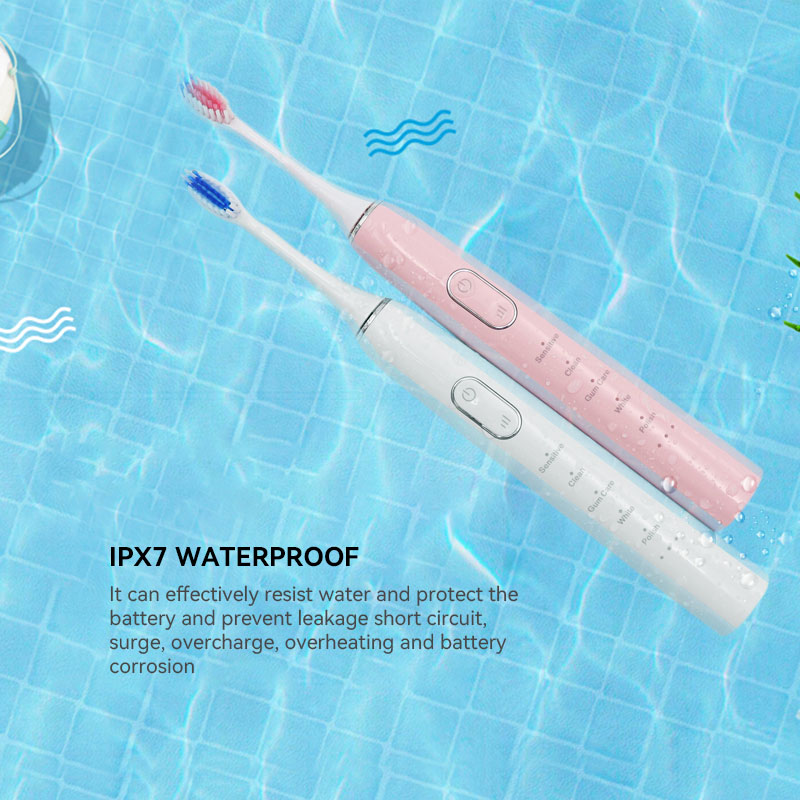
As a professional manufacturer of electric toothbrushes, we understand that waterproof performance isn't just a feature - it's a fundamental requirement. Here's why rigorous waterproof testing should be non-negotiable in your production standards. 1. Why 100% TEST Matters for Every Unit Unlike sample testing, implementing 100% TEST waterproof verification ensures no defective unit reaches consumers. Our production line automatically subjects each toothbrush to full immersion testing, catching even the slightest seal imperfections that could lead to water damage. This commitment to comprehensive testing has reduced our warranty claims by 37% year-over-year. 2. The IPX7 Standard: Minimum Requirement for Safety IPX7 certification (30 minutes at 1 meter depth) represents the baseline for quality electric toothbrushes. We go beyond this standard with our proprietary 72-hour accelerated water resistance test that simulates years of bathroom conditions. Products that pass this extreme evaluation maintain perfect functionality even after prolonged real-world use. 3. Before Inspection: Building Waterproofing Into Design True waterproofing begins before inspection at the design phase. Our engineering team uses: Ultrasonic welding for seamless housing Dual-layer silicone gaskets at all entry points Nano-coating on internal circuitsThis proactive approach ensures our products are born waterproof, not just tested to be so. 4. The Hidden Costs of Water Damage A…
With the growing demand for durable and high-performance electric toothbrushes, We are continuously improving the electric toothbrush waterproofing technology. A breakthrough in waterproofing technology ensures longer product lifespan, enhanced user safety, and better overall functionality. From the perspective of an electric toothbrush manufacturer, Powsmart provides a detailed explanation of waterproof technology, explores different waterproof levels, and discusses comprehensive waterproof solutions for electric toothbrushes in this blog. Why Waterproofing is Critical for Electric Toothbrushes Electric toothbrushes operate in humid environments and are frequently exposed to water. Without proper waterproofing, issues such as motor damage, battery failure, and short circuits can arise. Key benefits of advanced waterproofing technology include: Enhanced durability: Protection against water ingress ensures long-lasting performance. User safety: Prevents electrical hazards caused by water exposure. Improved product reliability: Reduces maintenance costs and increases customer satisfaction. Detailed Explanation of Waterproof Technology Achieving full waterproofing in electric toothbrushes requires multiple layers of protection. The core waterproof technology methods include: a. Seamless Housing Design A fully sealed casing with minimal gaps prevents water penetration. Ultrasonic welding and precision molding are commonly used to achieve a seamless structure. b. Advanced Sealing Materials The use of high-quality rubber gaskets and silicone seals around critical areas, such as the battery…


.jpg)
.jpg)
.jpg)
.jpg)
.jpg)






.jpg)
.jpg)
.jpg)