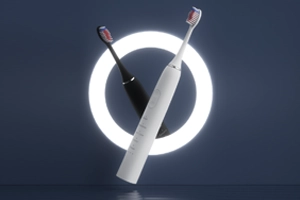
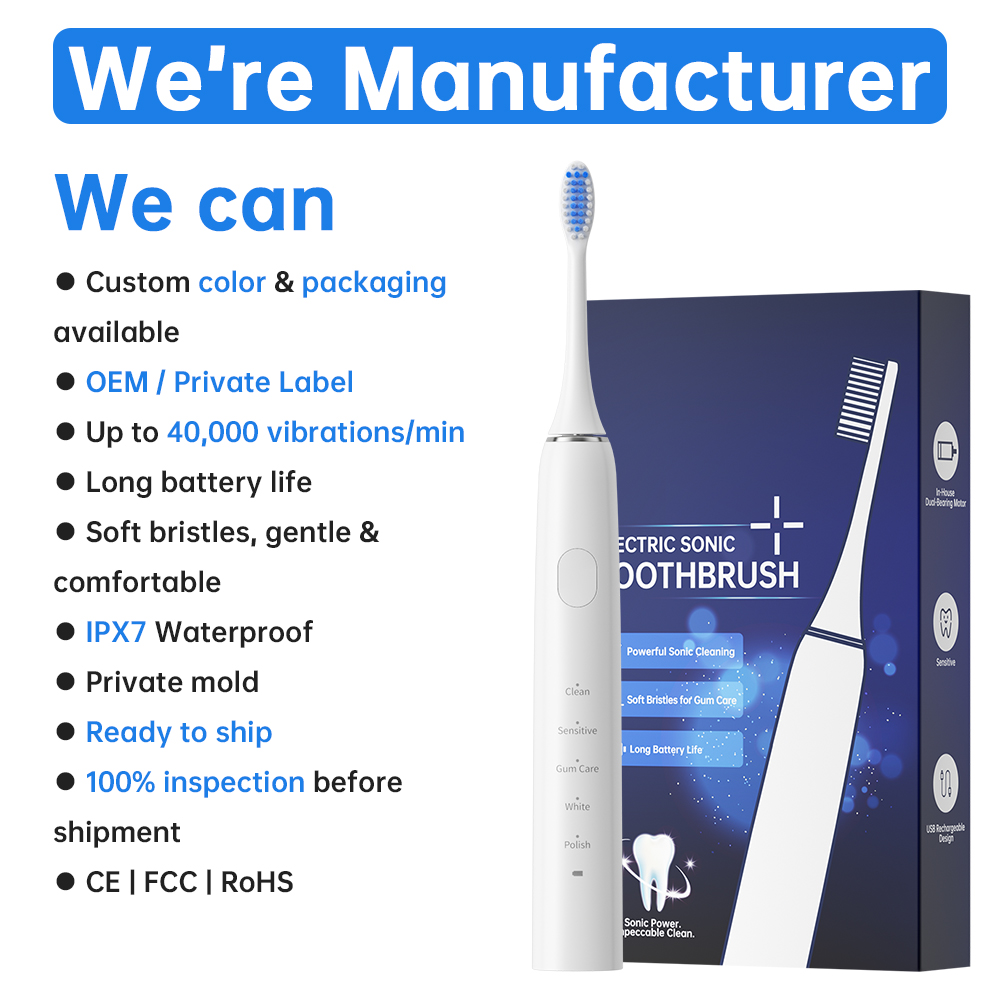
For electric-toothbrush OEMs and brand teams, “shower-friendly” is a meaningful product differentiator. An IPX7 Waterproof handle lets end users rinse and even briefly submerge a product with confidence — and so it supports clear marketing for Safe Shower Use. However, turning that certification into a reliable, low-warranty, consumer-safe experience requires system-level design, test protocols and careful user messaging. Below are six practical manufacturer-focused dimensions to get right.
First, be precise: IPX7 (IEC 60529 convention) indicates protection against immersion in water up to 1 meter for 30 minutes. Consequently, a product claiming IPX7 is expected to survive accidental submersion and routine rinsing. However, IPX7 does not guarantee resistance to: high-pressure water jets (that’s IPX5/6), continuous immersion beyond the rated depth/time, hot steam, or chemical attack from soaps, shampoos and pool chemicals. Therefore, marketing “IPX7 Waterproof” is useful — but it must be accompanied by usage limits describing what “Safe Shower Use” actually entails.
Moreover, engineering the handle and head coupling for repeatable IPX7 performance is a mechanical exercise:
Furthermore, waterproofing must coexist with battery safety:
In addition to the baseline IPX7 immersion, create a product-grade test plan that simulates shower life:
Therefore, label and instruct clearly:
Finally, operationalize the IPX7 advantage:
Conclusion:
Yes — an IPX7 Waterproof electric toothbrush can enable worry-free Safe Shower Use for most consumer scenarios, but only when the product is designed, tested and messaged as an integrated system. In practice, add redundant seals, conservative battery management, extended environmental tests, and explicit user guidance so the shower becomes a convenience rather than a replacement-rate driver. Want a two-page engineering checklist (materials, test specs, and label copy) to hand to your design and QA teams? I can prepare that next. Contact us
.jpg)
electric toothbrush factory evaluation standards- 5 Must-Read Criteria for Brand Owners

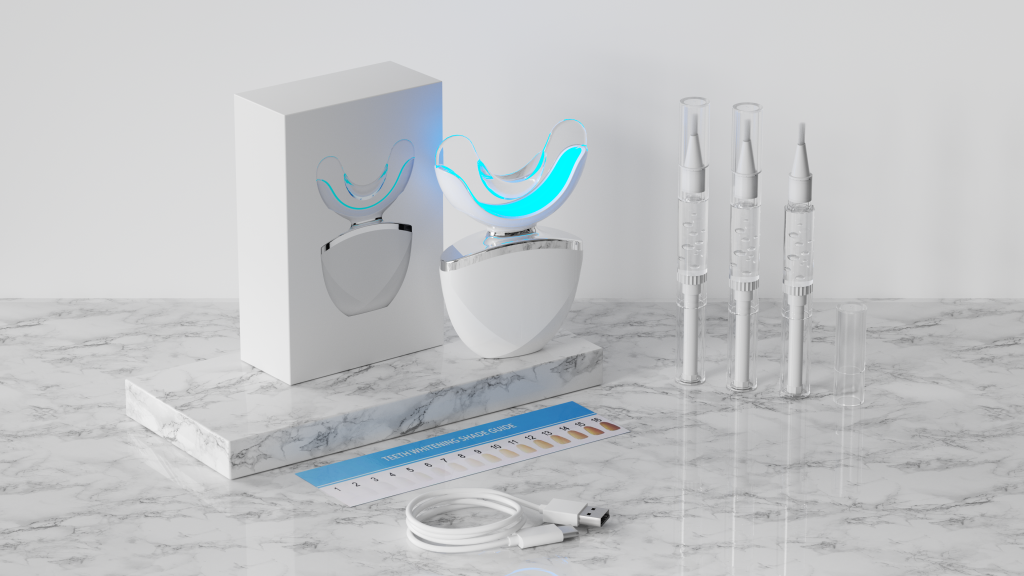
Why Offer a Portable Teeth Whitening Kit with a Whitening Kit Customization Service for B2B Clients?
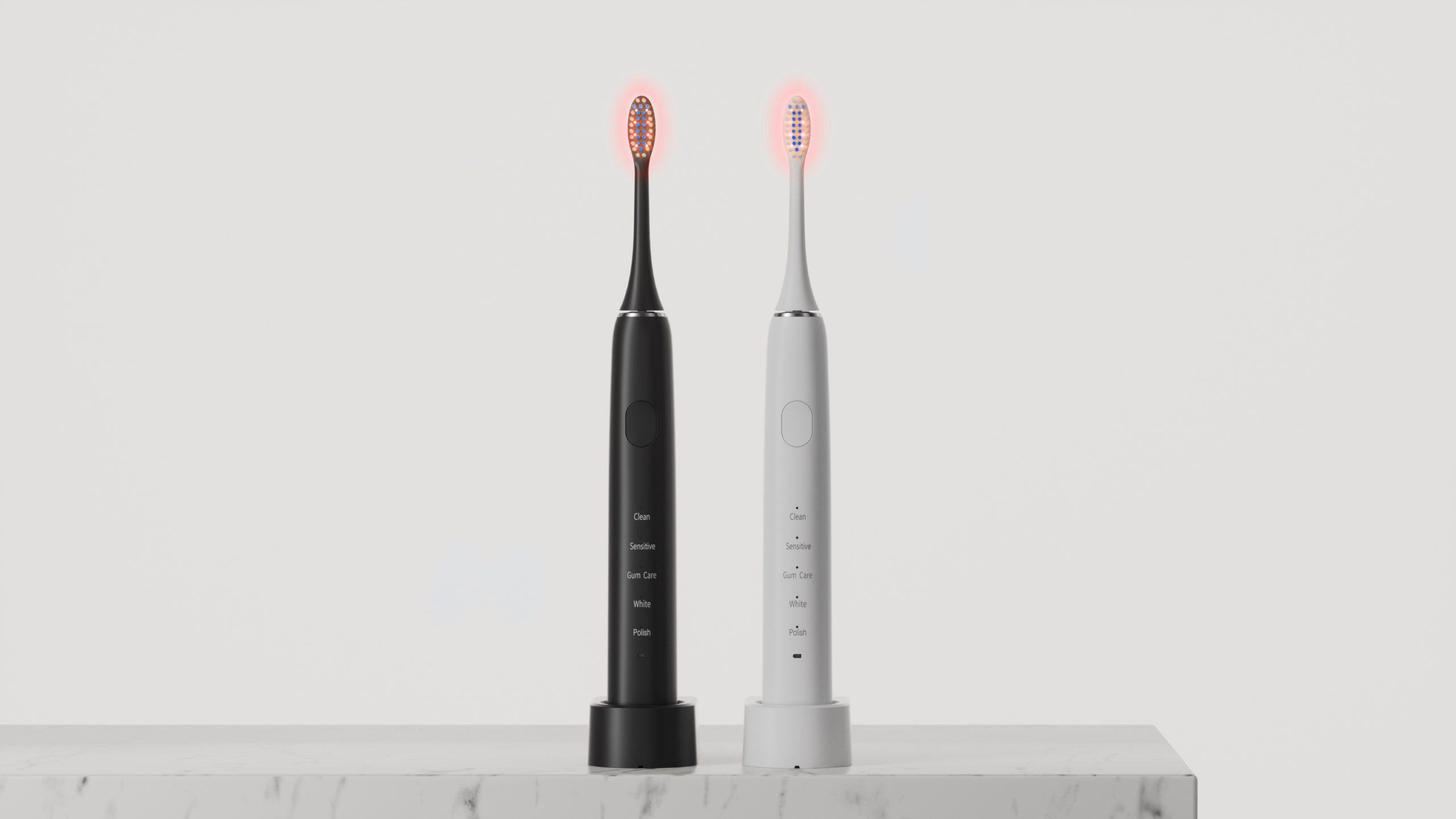
Custom Whitening Toothbrush OEM: Advanced Stain Removal Technology
Placing a Periodontal Care Bulk Order? Don’t Forget the Jet Nozzle Multi-Packs?
Custom Texas Lone Star Electric Toothbrush Private Label Manufacturing
.jpg)
Dad Teeth Whitening Guide | Pre-Father’s Day Smile Prep
Do You Supply Cosmetic Teeth Whitening Equipment for Salon Whitening Kit Supplier Businesses?
electric toothbrush odor cleaning fix: eliminate bad smells
Travel Nurse Oral Care Kit | Portable Electric Brush
Electric Toothbrush Design OEM
Dual Clean Electric Toothbrush OEM | 2-Action Cleaning Toothbrush Manufacturer
Enamel Scratching from Gum Irritation – Reversible?
Why is Quality Certification Support integral to a successful Contract Manufacturing agreement?
Electric Toothbrush Bristle Implantation Technology: How to Choose the Most Suitable Bristles?
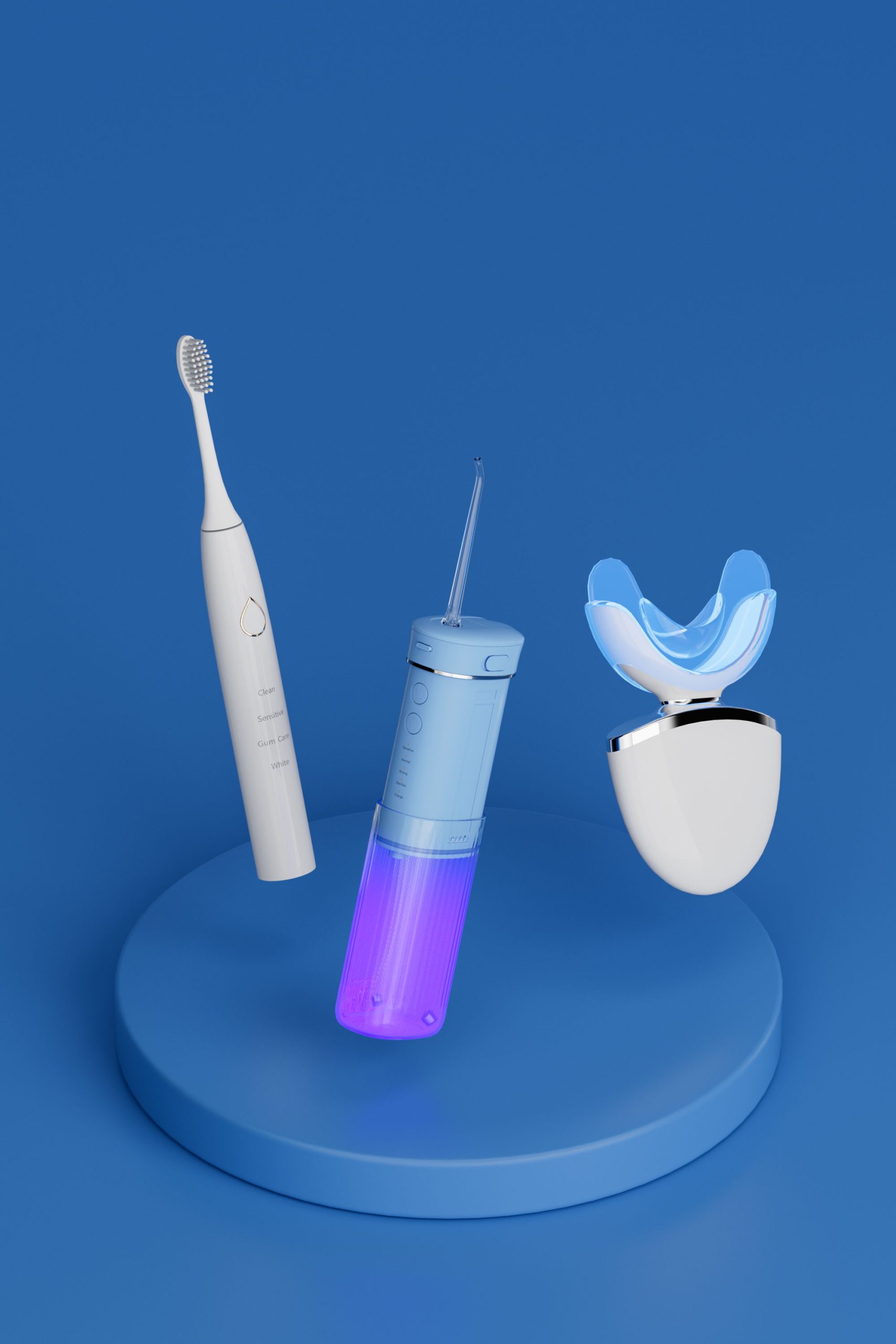
Can an ADA Accepted Water Flosser Be Compactly Designed by a Travel Water Flosser Manufacturer?
Charging Port Damage Triggering Bristle Shedding – Related?


.jpg)
.jpg)
.jpg)
.jpg)
.jpg)







.jpg)