Introduction — The Search for Affordable Electric Toothbrushes If you’re looking for affordable electric toothbrushes in Los Angeles, the market offers many options. However, finding a product that is both affordable and high-quality, especially for private label or OEM customization, can be tricky. Los Angeles has a diverse market, and understanding local needs is key. In this article, we’ll guide you on how to find the best deal, from product specs to reliable suppliers. Understanding Demand for Affordable Electric Toothbrushes First, it’s important to recognize who your customers are. Many Los Angeles consumers seek affordable options without sacrificing quality. Families, young professionals, and health-conscious buyers are all looking for value. So, when sourcing products, focus on affordability without cutting corners on functionality. OEM partnerships can help you tailor products for this market efficiently. Key Features to Consider for Los Angeles Buyers When sourcing electric toothbrushes, consider the following features: Simple modes: A basic on/off switch or a two-speed mode is often enough. Long battery life: A toothbrush that lasts longer on a single charge is a big selling point. Compact design: Small, lightweight handles and space-saving charging bases are ideal. By partnering with the right OEM, you can customize these…
.jpg)
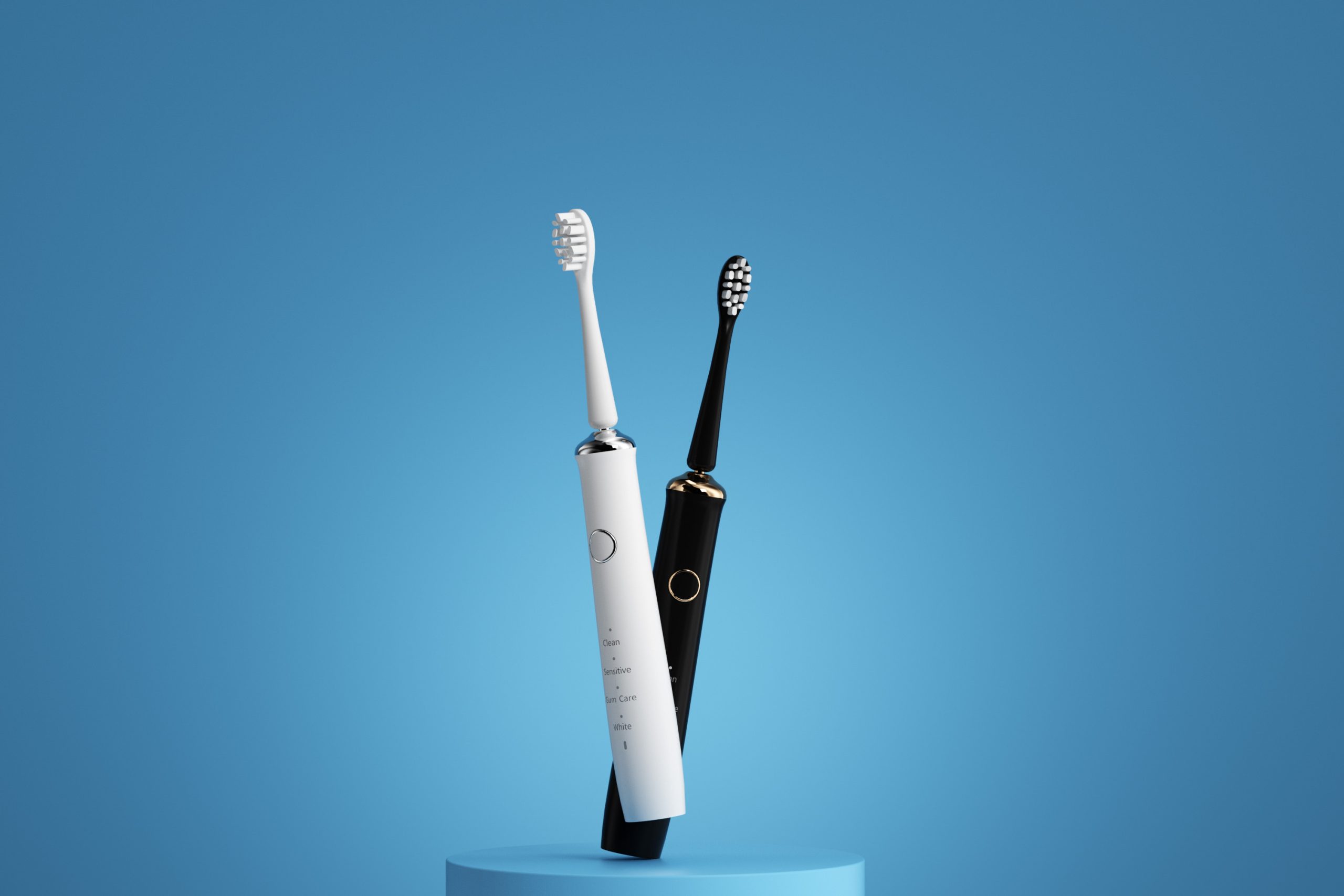
Introduction — What “Best” Means in California If your goal is to launch the best electric toothbrush for California shoppers, you need more than a high-spec device; you need an OEM partner who can tailor performance, compliance, and sustainability for this market. Consequently, winning here requires precise feature choices, clear regulatory readiness, and a supply chain that scales—without sacrificing user comfort or design. Define “Best” by California User Profiles Firstly, segment your target users and translate needs into specs: Urban apartments: prioritize low noise, compact charging bases, and reliable two-minute timers. Outdoor and travel users: emphasize long battery life, USB-C convenience, and durable, water-safe designs. Wellness/beauty shoppers: add polishing heads, gentle modes, and pressure-control cues for enamel and gum comfort. Accordingly, ask the OEM to map each persona to modes, brush-head options, and accessory bundles. Compliance & Documentation: Start Early Secondly, California retail often requests rigorous documentation. Therefore, assemble a compliance pack with your OEM that includes: Battery & charging safety: cell specs, UN test reports, charger safety files, and thermal safeguards. Material transparency: declarations for plastics and elastomers; clear labeling where applicable. Wireless/app features (if used): device IDs, encryption notes, and app privacy statements. By front-loading evidence, you accelerate…
.jpg)
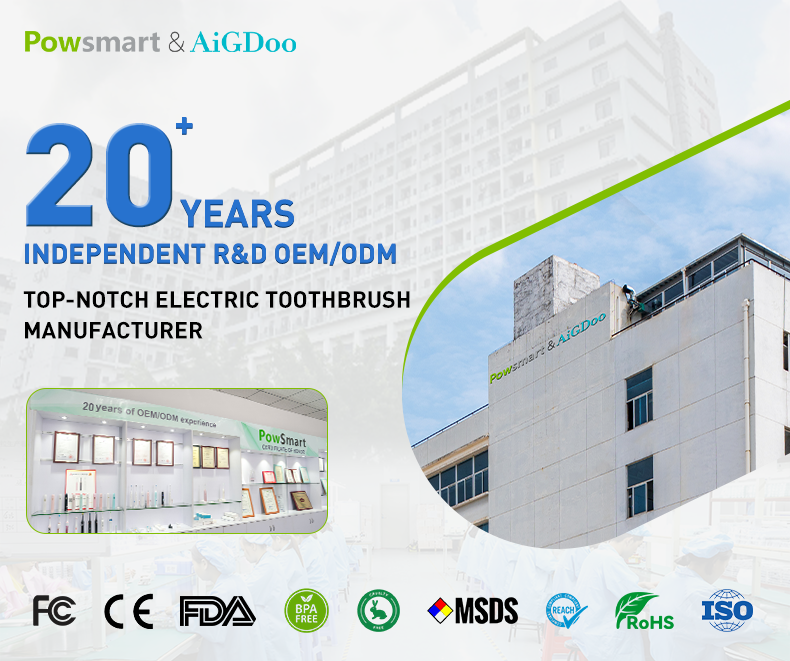
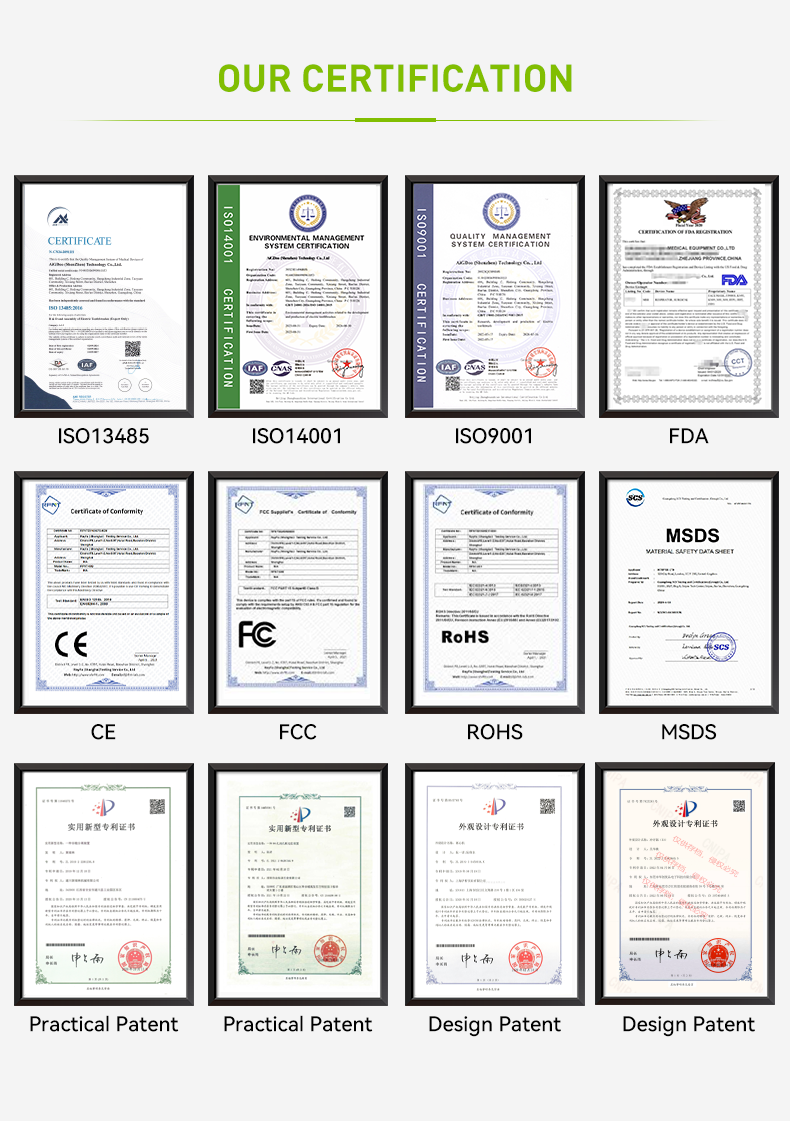
Houston Pressure Sensor Toothbrush: Protect Your Gums and Smile Brushing too hard can damage your gums and enamel. The Powsmart Houston pressure sensor toothbrush is designed to alert you when you're applying excessive force, helping you maintain healthy gums and teeth. This technology ensures you can enjoy a thorough cleaning without compromising your oral health. Why Powsmart is the Trusted Brand for Oral Care Since 2004, Powsmart has been a leading manufacturer of electric toothbrushes. Our factory in Shenzhen is equipped with the latest technology, and we’ve been trusted by global companies like Apple, Xiaomi, and Midea. With over 200 patents and rigorous quality testing, our products meet the highest standards of durability and performance. Key Features of the Pressure Sensor Toothbrush Pressure Sensor Technology: Alerts you when brushing too hard to prevent gum damage. Ergonomic Design: Comfortable handle ideal for everyday use. Long Battery Life: Ideal for busy individuals, requiring minimal recharging. How It Works: Gentle Yet Effective Cleaning The Powsmart pressure sensor toothbrush combines gentle cleaning with advanced technology. The built-in sensor adjusts the brushing intensity to ensure you don’t damage your gums while removing plaque effectively. For expert gum care advice, visit the American Dental Association. ConclusionThe…
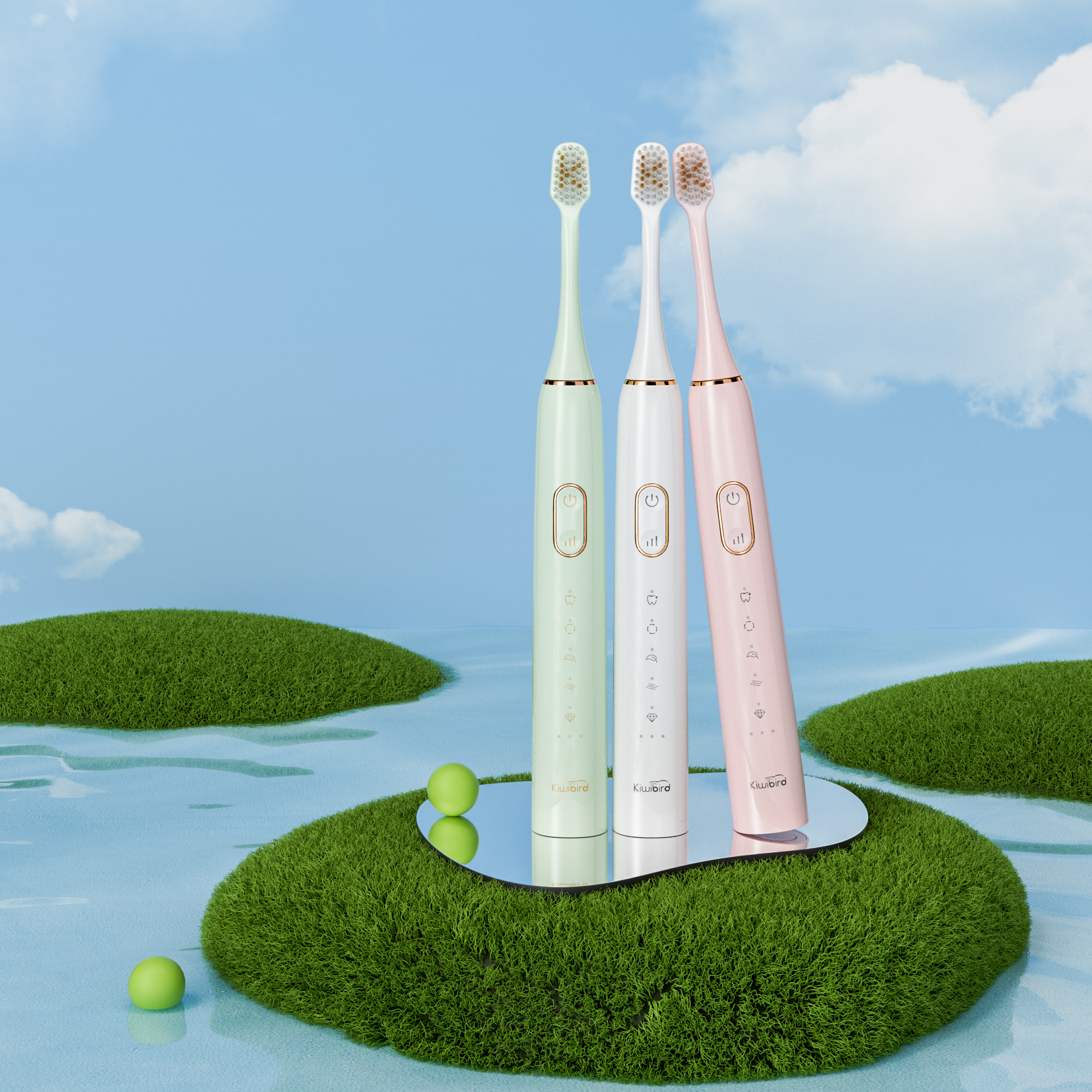
When it comes to gum care mode, many consumers are curious about its actual benefits. The idea behind this feature is to provide a special setting that helps with the sensitive care of gums, especially for users dealing with gum irritation or early signs of gingivitis. But the big question is: Does gum care mode really work? For brand owners, understanding the clinical effectiveness of this mode and how it can be integrated into an OEM electric toothbrush is essential when selecting the right manufacturer.In this article, we’ll explore whether gum care mode truly delivers on its promise and why incorporating clinically proven technology is key to offering high-quality gentle brushing solutions to customers. What Is Gum Care Mode? Gum care mode is a specialized brushing setting found in many modern electric toothbrushes. It is designed to reduce the intensity of brushing to avoid harsh impacts on the gums, providing a gentle brushing experience. Often, this mode features lower vibration speeds and a softer pulsating action, making it suitable for people with sensitive gums or those recovering from gum-related conditions. For OEM manufacturers, understanding how to implement gum care mode effectively is crucial to meet the demands of consumers who…
.jpg)
When it comes to caring for sensitive gums, choosing the right electric toothbrush is not just helpful—it’s essential. Many consumers suffer from gum discomfort, bleeding, or inflammation due to harsh bristles or poor brushing techniques. Therefore, brands seeking to expand their oral care lines must consider offering a Gentlest Brush solution with advanced features like pressure sensors. As a private label toothbrush manufacturer, your product needs to balance cleaning power with softness and safety. Why Sensitive Gums Need Special Attention First and foremost, gums are delicate tissues. Unlike teeth, they don't regenerate easily. Overbrushing or using stiff bristles can worsen gum issues. Consequently, consumers with gum sensitivity tend to look for toothbrushes that prioritize comfort without compromising on cleanliness. Here, gentle brushing becomes a crucial value proposition that brand owners must communicate clearly. How Pressure Sensors Help Prevent Damage To address this need, pressure sensors play a vital role. Instead of allowing users to press too hard, these sensors actively monitor brushing force and alert users when they exceed safe limits. As a result, brushing becomes more consistent and less harmful to sensitive gums. From a manufacturing perspective, integrating pressure-sensing technology adds not just functionality but market appeal—especially for health-conscious buyers.Company…
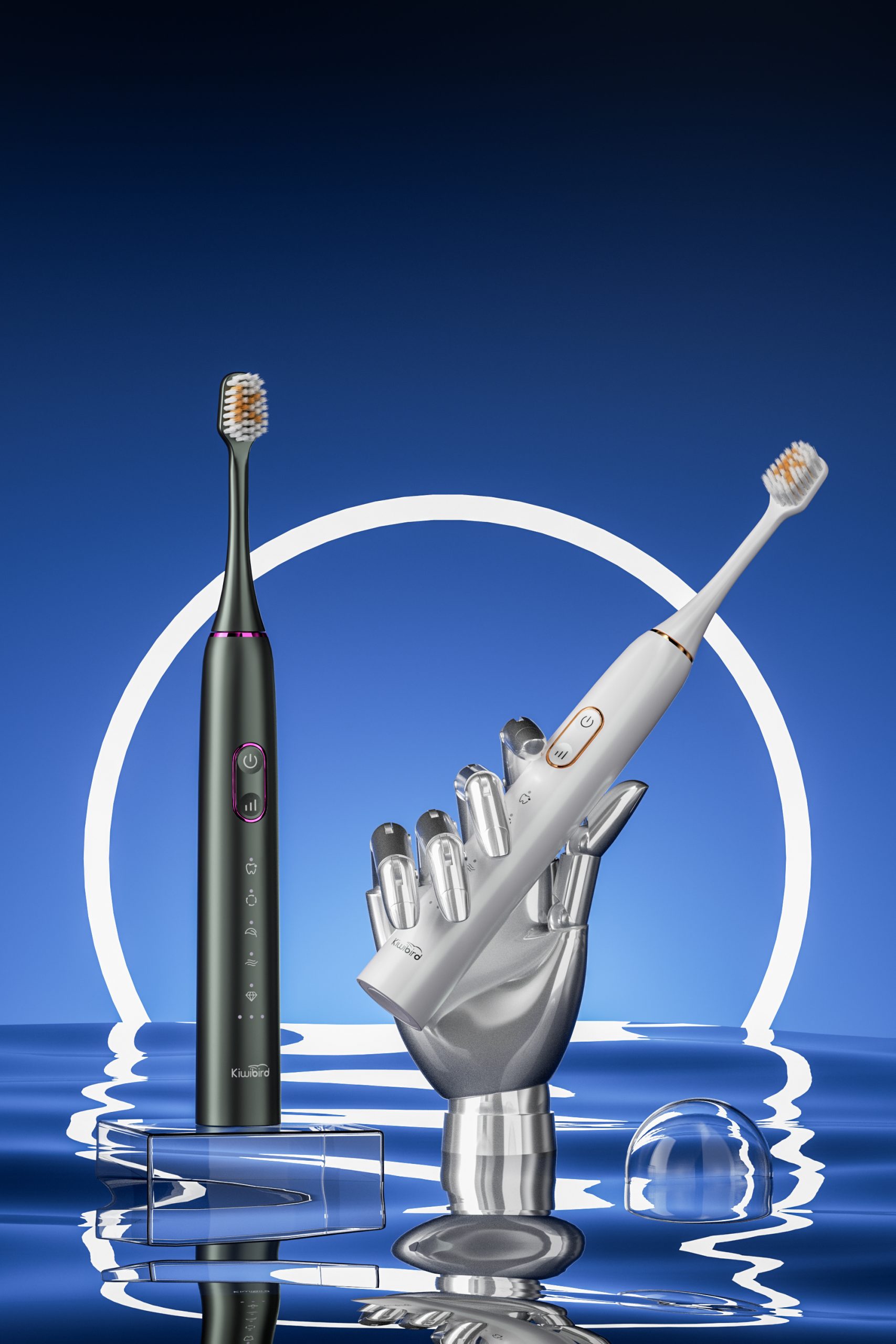
In the competitive oral care market, long-lasting smart toothbrushes are emerging as a key differentiator for brands. For private labels, distributors, and online sellers, finding the right manufacturer who can deliver ultra-long battery life toothbrushes options—from 90 to 250 days of use per charge—is critical. Longer battery life not only reduces consumer complaints but also adds real value to the product experience. This blog serves as a practical guide for businesses seeking high-quality, wholesale electric toothbrush solutions, emphasizing battery longevity as a core product feature. The Growing Demand for Long-Lasting Smart Toothbrushes Today’s consumers prioritize convenience and low maintenance. A toothbrush that lasts for months on a single charge directly addresses those needs. Market surveys show that smart toothbrush users want devices that are: Reliable during travel and daily use Easy to maintain without frequent charging Durable over long-term usage This has sparked a growing demand among retailers and bulk buyers for long-lasting smart toothbrushes, making battery performance a key selling point in OEM negotiations. 90–250 Days Battery Life: A Game-Changer for Bulk Buyers Battery performance varies by model and brush type, but premium models now offer 90–250 days of battery life on a single charge (based on brushing twice a day for…
Many electric‐toothbrush makers have adopted hollow motors to reduce weight and cost—but this shortcut often introduces hidden compatibility issues across mechanical, electrical, and sealing interfaces. In this exposé, we reveal six critical dimensions where hollow‐shaft designs can trip up even experienced B2B manufacturers, and offer practical remedies to safeguard product performance and reliability. Understanding Hollow Motor Architecture First, let’s define hollow motors: Core Concept: A hollow rotor or stator reduces copper and steel mass, saving material costs. Intended Benefits: Lower inertia for quicker spin‐up, a slimmer form factor, and lighter assemblies. Unintended Trade-Offs: The missing central material changes mechanical stiffness and magnetic flux pathways. By grasping this basic architecture, you can anticipate where compatibility issues may arise. Mechanical Resonance and Vibration Hazards Moreover, hollow motors alter vibrational characteristics: Natural Frequency Shift: Thinner walls resonate at different frequencies, clashing with brush‐head dynamics. Amplified Vibration: Without sufficient damping, the assembly may chatter, loosening connections or O-rings. Seal Fatigue: Repeated micro‐oscillations accelerate wear on waterproofing seals, risking ingress and corrosion. Understanding these resonance profiles is key to selecting appropriate dampers and mountings. Company web:https://www.powsmart.com/product/electric-toothbrush/ Electrical Driver Mismatches Furthermore, hollow motors often present variable electrical loads: Inductance Variability: Reduced copper windings change the motor’s…
When users experience a loose brush head, they often overlook its downstream impact—specifically how unstable connections can diminish low filament roundness, undermining both cleaning performance and user safety. For B2B manufacturers, recognizing and addressing this hidden quality trap is critical to delivering reliable electric toothbrushes. How Head Play Leads to Filament Deformation First, any micro-movement at the head-handle junction forces bristles to bend unevenly: Increased Shear Stress: Frayed attachments transmit asymmetric loads, causing permanent kinks at the filament base. Amplitude Skew: Lateral wobble distorts the ideal oscillation path, flattening bristle tips and reducing roundness. Accelerated Fatigue: Constant flexing weakens polymer chains, leading to early splitting or breakage. Consequently, head stability is the foundation for maintaining filament shape. The Cleaning Risks of Poor Filament Roundness Moreover, bristles that lose their circular cross-section create multiple issues: Uneven Contact: Flattened bristles fail to reach interdental crevices, leaving plaque behind. Localized Abrasion: Harder edges focus force on small enamel areas, increasing risk of gingival irritation. User Overcompensation: Perceiving reduced effectiveness, consumers press harder, compounding wear. Therefore, preserving filament geometry is essential for both efficacy and comfort.Company web:https://www.powsmart.com/product/electric-toothbrush/ Coordinated Design: Reinforcing Head and Bristle Materials To eliminate this dual failure mode, manufacturers should optimize both…
Many users already struggling with tetracycline stains worsening complain that increased teeth sensitivity after whitening treatments only compounds the problem—leading to uneven results and heightened discomfort. In this article, we examine six key considerations so B2B manufacturers can help channel partners navigate these side effects and deliver safer, more effective whitening solutions. How Tetracycline Stains Respond Differently First, understand why tetracycline-discolored enamel reacts uniquely: Deep-Set Pigments: Tetracycline binds within the dentin, making surface-only bleaches less effective and requiring stronger oxidizers. Porous Enamel: Years of embedded staining create micro-porosities that allow peroxide to penetrate unevenly, leaving streaks. Sensitivity Trigger: The same open tubules that harbor stains also transmit stimuli, amplifying teeth sensitivity during and after treatment. Recognizing these properties guides both formula strength and application protocols. Balancing Concentration & Contact Time Next, striking the right chemical balance is critical: High-Concentration Peroxide: While stronger gels can lighten deep stains, they also demineralize enamel faster, exacerbating sensitivity. Short-Burst Protocols: Brief, repeated sessions (e.g., 10 minutes twice daily) reduce enamel overexposure compared to one long session. Post-Treat Remineralization: Incorporating calcium or fluoride boosters immediately after each cycle minimizes structural weakening. By calibrating concentration and timing, you mitigate side effects without sacrificing whitening power. Company…
Many users report unexpected gum discoloration after at-home procedures—often a consequence of bleaching allergy rather than the whitening gel itself. In this post, we dive into six critical facets of this overlooked risk, so B2B manufacturers can equip their channel partners with safer device designs, clearer guidance, and stronger support. Understanding Bleaching Allergy Mechanisms First, it’s vital to recognize how bleaching allergies develop: Immune Overreaction: Some individuals’ mucosal tissues react to peroxide or flavoring agents, triggering histamine release and localized inflammation. Chemical Sensitizers: Additives like sodium lauryl sulfate or peppermint oil, intended to enhance user experience, can act as haptens that prime allergic responses. Cumulative Exposure: Repeated bleaching cycles lower the mucosal threshold, so a previously tolerated formulation suddenly elicits irritation. Thus, even mild formulations can provoke allergy in susceptible users over time. From Allergy to Gum Discoloration: The Pathway Moreover, the allergy-to-discoloration cascade unfolds through: Inflammatory Staining: Inflamed tissues produce excess blood flow and serum exudate, leaving a reddish‐brown hue on the gingiva. Hyperpigmentation: Chronic inflammation stimulates melanocytes, resulting in lasting darker patches. Plaque Retention: Swollen gum crevices trap pigmented foods and bacteria, accentuating uneven coloration. Consequently, allergy management is key to preventing cosmetic tissue changes.Company web:https://www.powsmart.com/product/electric-toothbrush/ Device Design…
When an electric toothbrush experiences a vibration malfunction, the handle can produce excessive or erratic amplitudes that not only compromise cleaning but, over time, may trigger gum recession. To help B2B manufacturers understand this critical risk, we analyze six key dimensions and provide actionable design and support strategies. How Vibration Malfunctions Damage Periodontal Tissue First, abnormal vibration patterns harm gums through: Excessive Instant Amplitude: Sudden high-amplitude jolts tear the fibers attaching the gum to the tooth neck. Frequency Instability: Rapid frequency shifts create micro-tears in the gingival tissue that accumulate into recession. Resonance Amplification: If the motor frequency resonates with the handle’s structure, localized motion spikes, worsening the impact. Understanding these mechanisms enables targeted improvements to vibration control. User Habits That Amplify the Risk Next, brushing behaviors can magnify the harm from malfunctions: Increased Brushing Force: Users often press harder to compensate for lost cleaning power, further stressing the gums. Prolonged Dwell Time: Lingering on one area subjects the same gum region to repeated impacts. Frequent Mode Switching: Repeatedly toggling modes can trigger more erratic vibrations, intensifying tissue damage. Guiding users on correct grip and brushing motion is therefore essential. Common Design Flaws Leading to Vibration Malfunction Furthermore, these design…
When customers experience motor overheating and unexpectedly shortened battery lifespan, they often turn to their warranty coverage for relief. However, many B2B partners find that without clear policy language and robust product design, warranty claims become a source of friction rather than trust. In this post, we’ll explore six key considerations to ensure your warranties align with product realities. Identifying the Root Causes of Motor Overheating First, it’s essential to understand why an electric toothbrush motor overheats: Excessive Load: Continuous high-speed or high-torque modes can push the motor beyond its thermal limits. Poor Heat Dissipation: Inadequate internal airflow or thermal interface materials trap heat around the winding. Battery Strain: A weakened cell forces the motor to draw higher current, compounding thermal stress and reducing overall battery lifespan. By diagnosing these failure modes, you can determine whether an overheating incident stems from user misuse, design gaps, or component defects—and thus whether it should be covered under warranty. The Impact of Overheating on Customer Satisfaction Next, consider how motor overheating affects end users: Unexpected Shutdowns: Thermal cut-outs may stop brushing mid-session, undermining cleaning efficacy. Handle Warmth: A hot grip can discourage proper brushing technique or cause discomfort. Perceived Quality: Frequent overheating erodes…
With the rise of cold-light whitening systems, more end users report allergy reactions—including oral burning, redness, and ulcers. When investigating root causes, we must look beyond bleaching formulations to the cold-light risks embedded in the device, since light wavelength, power density, and exposure time can magnify chemical irritation. Interaction of Cold Light and Bleaching Agents Cold-light devices emit blue light in the 420–450 nm band to accelerate peroxide decomposition, enhancing whitening speed. However, over-activated free radicals can attack mucosal barriers, combining chemical and photonic stress that triggers allergy reactions. Allergens—Light Source vs. Ingredients Although peroxide and sensitizing flavorings are primary allergens, studies show: High-Intensity Blue Light can alter saliva pH and protein structures, increasing mucosal permeability to external chemicals. Photosensitivity in certain users leads to phototoxic reactions, such as oral mucosal erythema. Thus, cold light isn’t merely a harmless adjunct—its spectral profile demands careful evaluation. Cold-Light Risks in Device Design A closer look at hardware reveals potential hazards: Lack of Optical Filtration: Direct shortwave emission without diffusion optics concentrates energy. Power Overdrive: Oversized output for rapid results elevates mucosal temperature and chemical reactivity. Inadequate Cooling: Heat buildup in the cold-light module increases agent corrosiveness. Enhancing optical design and thermal management…
When slippery handle grip lead users to tighten their hold, their altered brushing force can trip sensitive pressure sensitivity circuits—exposing hidden compatibility issues between mechanics and electronics. In this article, we explore six areas where grip design and sensor calibration intersect, and provide actionable solutions for B2B manufacturers to ensure secure handling and reliable performance. Understanding the Grip–Sensor Feedback Loop First, recognize how a user’s grip affects sensor readings: Reduced Friction: Smooth finishes or worn coatings cause slippage, prompting users to apply uneven finger pressure. Sensor Overcompensation: Pressure sensors calibrated for moderate force interpret sudden grip changes as excessive brushing and trigger auto–slowdown. False Alarms: Repeated unintentional sensor trips frustrate users and mask true pressure‐controlled cleaning. Therefore, aligning grip ergonomics with sensor thresholds is the first step in resolving these compatibility issues. Material Selection for Enhanced Handle Grip Next, choosing the right materials can dramatically improve slip resistance: Multi‐durometer Overmolds: Combining firm core plastics with softer TPE zones under the fingers increases friction without bulk. Micro‐Textured Surfaces: Laser‐etched patterns channel moisture and create micro‐anchors for fingertips. Hydrophobic Coatings: Strategically placed coatings repel water where you don’t grip, keeping tactile zones dry. By specifying high‐traction materials only in critical areas, manufacturers…
When end users experience vibration discomfort, they may inadvertently apply more force or switch to a harder mode—actions that can contribute to tooth loosening, especially when paired with overly stiff brush hardness. In this article, we explore six key considerations for B2B manufacturers to ensure vibration remains therapeutic, not detrimental. Understanding Safe Vibration Amplitudes First, it’s crucial to recognize the thresholds where stimulation becomes excessive: Clinical studies suggest that vibration amplitudes above 0.5 mm at frequencies over 250 Hz can irritate periodontal ligaments. Beyond comfort, sustained high‐amplitude oscillation may fatigue connective tissues, setting the stage for mobility. Recommendation: Calibrate your motor-drive algorithms to limit peak amplitude and maintain a consistent, controlled stroke. By defining safe amplitude bands, you prevent users from unknowingly exceeding biological tolerance. Mechanisms Linking Vibration to Tooth Loosening Next, we examine how repeated micro-oscillations translate into structural stress: Ligament Microtrauma: Excessive vibration transmits force through the crown into the periodontal ligament, causing micro-tears. Bone Remodeling: Chronic micro-injury can trigger bone resorption cycles, weakening tooth support. Cumulative Fatigue: Even moderate vibrations, if unmodulated, accumulate over time, increasing the risk of tooth loosening. Understanding these pathways informs both hardware and usage‐pattern design to minimize risk.Company web: https://www.powsmart.com/product/electric-toothbrush/ Balancing Brush…
Maintaining oral hygiene can be challenging once you add metal or ceramic brackets—yet it’s more important than ever to braces clean thoroughly to prevent demineralization, staining, and gum inflammation. Below, we outline six key strategies to help your B2B partners educate end users on optimal cleaning protocols for orthodontic patients. Choose the Right Bristle Configuration First, selecting a toothbrush engineered for braces makes all the difference: V-shaped or notched bristles cradle each wire and bracket, ensuring you reach plaque build-up zones. Soft‐to‐medium filament mix balances gentle gum care with effective debris removal around edges. Electric toothbrush models with small, rounded heads can further improve access to tight spaces. Transitioning to these specialized bristles elevates overall cleaning performance. Incorporate Interdental Brushes & Picks Next, interdental tools are essential for cleaning under wires: Angled interdental brushes fit between brackets and wires, dislodging trapped food particles. Soft-tip picks offer precision around gum lines without traumatizing sensitive tissue. Silicone-coated options reduce risk of scratching bracket bases or enamel. By integrating these devices, braces clean becomes a comprehensive, four-step routine rather than just brushing. Leverage Water Flossers for Dynamic Cleaning Moreover, water flossers bring dynamic water jets to your regimen: High‐pressure pulsed streams flush out…
If you’re considering how to switch electric toothbrush offerings in your product lineup, here’s a compelling reason: electric models deliver consistent, clinically-proven superior plaque removal compared to manual brushes. For B2B partners—whether distributors, dental clinics, or retail chains—promoting electric toothbrushes not only elevates oral-care outcomes but also drives recurring revenue through replaceable brush-head sales. Clinically Validated Cleaning Performance First and foremost, electric toothbrushes outperform manual brushing in independent studies: Up to 21% More Plaque Removal: Sonic and oscillating-rotating heads effectively disrupt biofilm in hard-to-reach interdental zones. Consistent Stroke Count: Built-in timers and pressure sensors ensure every quadrant receives the recommended 30 seconds of attention. Enhanced Gum Health: Gentle pulsations massage gingival tissue, reducing inflammation and bleeding over time. These clinical benefits make electric brushes a clear upsell for dental-professional partners. Boosted User Compliance & Satisfaction Moreover, electric toothbrushes drive higher usage adherence: Smart Alerts: Audible beeps and handle vibrations discourage over-brushing and remind users to move on. Intuitive Modes: “Daily Clean,” “Sensitive,” and “Whitening” presets guide end users to their ideal routine without guesswork. Built-in Timers: Automatic 2-minute shutoff ensures patients brush the ADA-recommended duration every session. Greater compliance means fewer customer complaints and more positive word-of-mouth for your brand.Company…
Our patented structural design underpins every aspect of our electric toothbrushes—from sealing integrity to ergonomic form—delivering unmatched reliability and performance. By rethinking internal frameworks, component interfaces, and assembly methods, we’ve unlocked a range of advantages that translate directly into cost savings, differentiation, and end-user satisfaction for our B2B partners. Superior Water Resistance and Durability First, our patented multi-layer sealing architecture eliminates water ingress at critical joints: Triple O-Ring Barriers around the motor shaft prevent moisture penetration even under IPX7 wash-down tests. Overmolded Bond Lines fuse handle and head interfaces into a single seamless unit, reducing stress points. Corrosion-Proof Internal Frame made from stainless and polymer composites resists long-term electrolyte exposure. These measures extend device lifespan and slash warranty claims. Precision Motion Transfer for Cleaner Results Next, the patented drive coupling ensures nearly loss-free power delivery to the brush head: Helical Gear Alignment maintains perfect meshing under load, translating motor torque into consistent oscillation amplitude. Floating Shaft Bearings self-adjust to brush-head tolerances, preventing wobble and ensuring full bristle engagement. Optimized Kinematic Linkages deliver the exact stroke length specified in clinical studies for maximum plaque removal. The result is a uniform, high-efficiency clean every time. Ergonomic Form Factor and User Comfort Moreover,…
In modern oral-care devices, achieving reliable crown compatibility goes hand in hand with advanced pressure sensors tech. When crowns of varying materials—zirconia, porcelain-fused-to-metal, or composite—meet a pressure‐sensitive brush or irrigator, the system must adapt force feedback to protect both restoration integrity and surrounding tissues. Below, we explore six key facets of designing devices that deliver safe, effective care across any prosthetic surface. Understanding Crown Material Variability First, crowns differ widely in hardness, surface texture, and thermal expansion: Zirconia Crowns are extremely hard (Mohs ~8), requiring gentler brushing pressures to avoid micro-abrasions in adjacent enamel. PFM (Porcelain-Fused-to-Metal) combines a tough metal substructure with a slightly softer porcelain layer, demanding adaptive pressure thresholds. Composite or Resin Crowns present more compliant surfaces but risk early wear under excess force. Recognizing these differences is the foundation for any device claiming robust crown compatibility. Role of Pressure Sensors Tech in Gentle Restoration Care Moreover, pressure sensors tech provides real-time feedback on applied force, enabling: Dynamic Force Limiting: Devices can automatically throttle motor torque or water jet pressure when brushing near a crown margin. User Alerts: Haptic or visual warnings guide users to lighten their grip or reduce tip intensity, preventing overloading of delicate prosthetic interfaces.…
In modern oral-care and consumer devices, waterproof performance is a top user priority—but achieving high ingress protection can introduce temperature sensitivity challenges. In other words, as manufacturers raise water-resistance ratings, they must also ensure reliable operation across temperature extremes. Balancing these opposing requirements is a critical design challenge for B2B partners. The Need to Balance Waterproofing and Thermal Management First, sealing a device tightly to achieve a high IP rating can impede internal heat dissipation: Sealed Enclosures improve waterproofing but restrict airflow and convection cooling. Heat Build-Up inside can accelerate component aging and reduce reliability. Low-Temperature Effects cause elastomeric seals to harden or crack, compromising long-term waterproof integrity. Thus, balancing waterproof performance with temperature sensitivity is essential from the outset. Waterproofing Standards and Test Protocols Next, rigorous testing must validate performance under thermal stress: IPX Ratings: Select an appropriate IPX level (IPX4–IPX8) based on use cases. Thermal Cycling: Subject devices to repeated hot/cold water immersion and drying cycles to detect seal failures. Damp Heat Tests: Run 85 °C/85 % RH for 96 hours to verify that seals and components remain watertight under high-humidity heat. Aligning to IEC, ISO, and industry norms ensures waterproof reliability across temperatures.Company web:https://www.powsmart.com/product/electric-toothbrush/ Mechanisms of Temperature…


.jpg)
.jpg)
.jpg)
.jpg)
.jpg)




.jpg)