
If your goal is to launch the best electric toothbrush for California shoppers, you need more than a high-spec device; you need an OEM partner who can tailor performance, compliance, and sustainability for this market. Consequently, winning here requires precise feature choices, clear regulatory readiness, and a supply chain that scales—without sacrificing user comfort or design.
Firstly, segment your target users and translate needs into specs:
Urban apartments: prioritize low noise, compact charging bases, and reliable two-minute timers.
Outdoor and travel users: emphasize long battery life, USB-C convenience, and durable, water-safe designs.
Wellness/beauty shoppers: add polishing heads, gentle modes, and pressure-control cues for enamel and gum comfort.
Accordingly, ask the OEM to map each persona to modes, brush-head options, and accessory bundles.
Secondly, California retail often requests rigorous documentation. Therefore, assemble a compliance pack with your OEM that includes:
Battery & charging safety: cell specs, UN test reports, charger safety files, and thermal safeguards.
Material transparency: declarations for plastics and elastomers; clear labeling where applicable.
By front-loading evidence, you accelerate retail onboarding and reduce costly relabeling later.
Company web:http://powsmart.com
Thirdly, specify features that California shoppers notice immediately:
Pressure guidance: visual or haptic alerts that help users brush gently and protect gums.
Smart timing: quadrant pacing that nudges complete coverage, not just elapsed minutes.
Quiet operation: motor and gearbox tuning to lower perceived noise in small living spaces.
Moreover, sustainability influences purchase decisions. Thus, brief your OEM to deliver:
Replaceable heads with minimal-plastic blisters or paper trays.
PCR or bio-based materials where feasible, balanced against durability.
To choose the right factory, insist on a transparent, test-driven process:
Engineering proofs: current draw per mode, noise (dB at 1 m), ingress test logs, drop tests.
Quality systems: incoming QC for cells and motors, in-line torque/bristle checks, and end-of-line functional tests.
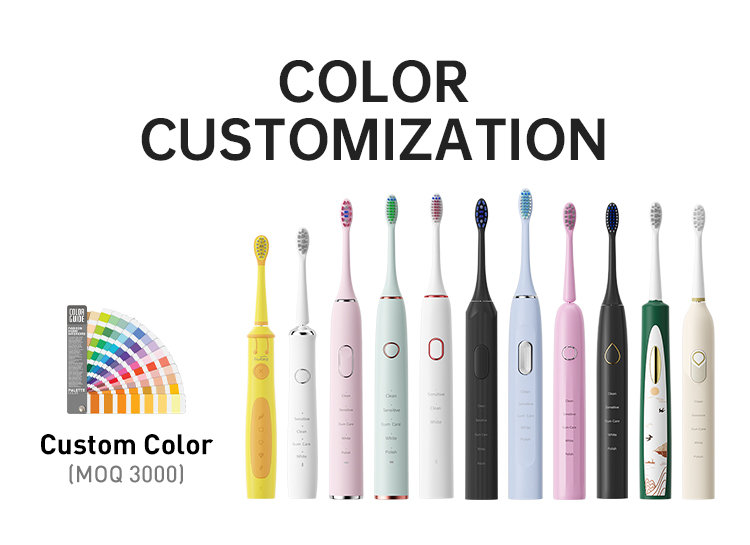
Customization depth: head shapes (standard, polishing, orthodontic), handle colors, UI icons, and app skins.
Finally, convert engineering into sell-through:
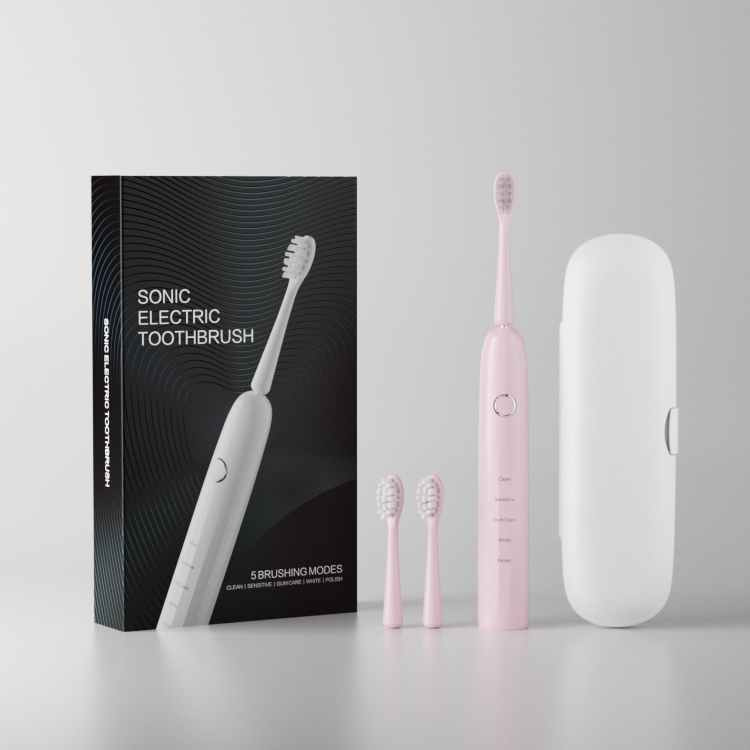
Launch bundles: handle + 3–6 heads + travel case + compact charger to raise AOV and retention.
Refill cadence: subscription-ready head packs aligned to 3-month replacement guidance.
In short, the best electric toothbrush for California blends thoughtful feature tuning, sustainability cues, and bulletproof documentation—delivered through a capable OEM that prototypes quickly and proves performance with data. Therefore, start with user-first specs, lock compliance early, and bundle intelligently; you’ll meet California expectations and scale profitably.
-300x300.jpg)
.jpg)
How Does Water Flosser Cordless Design Impact Battery Life Optimization?
Solving Electric Toothbrush Mold: How OEM Design Prevents This Common Problem
Why Does My Electric Toothbrush Randomly Turn On? Manufacturers Explain the Causes
Power vs Portability: OEM Manufacturing for Both Desktop & Portable Water Flossers
.jpg)
Electric Toothbrush Kit for Dental Offices | Professional Oral Care Supply
Orlando Travel Toothbrush – Powsmart Travel Design with USB-C Charging
-3-scaled-1.jpg)
Teeth Whitening Tech: Is LED Scientifically Superior to UV for OEM Applications?
Why is Whitening Kit Ingredients Custom Vital for Producing SGS Tested Whitening Kit?
Balancing Efficacy & Safety: Hydrogen Peroxide Whitening Timelines for OEM Products
How to Ensure Teeth Whitening Products Deliver Results Without Sensitivity
Sustainable Electric Toothbrush Wholesale | Eco-Friendly B2B Supplier
Is Tampa charger replacement sold at Tampa store toothbrush shops? — A B2B guide
.jpg)
Want Toothbrush Custom Packaging OEM for Toothbrush Branded Merchandise Campaigns?
Concerned About High Toothbrush Minimum Order Quantity?
What is the Average Lifespan of an Electric Toothbrush? Manufacturer’s Insight
Portable LED Teeth Whitening Device Supplier


.jpg)
.jpg)
.jpg)
.jpg)
.jpg)



-2-scaled.png)