
Environmental regulations are becoming increasingly important in global markets. The keyword electric toothbrush RoHS compliance factory highlights the need for restricting hazardous substances in electronic products.
For OEM buyers targeting Europe and other regulated markets, RoHS compliance is mandatory. Therefore, selecting a factory with strong compliance capabilities is essential.
RoHS (Restriction of Hazardous Substances) limits the use of specific harmful materials in electronic products. These include:
As a result, manufacturers must carefully control material sourcing.
Electric toothbrushes contain multiple electronic components. Therefore:
Consequently, compliance affects the entire supply chain.
RoHS compliance starts with material selection:
In addition, traceability systems ensure consistency.
RoHS testing typically includes:
Moreover, regular audits ensure ongoing compliance.
A qualified factory should:
Therefore, buyers should verify factory capabilities before cooperation.
Potential risks include:
However, these risks can be minimized through strict management.
RoHS compliance is required in:
As a result, it has become a global standard.
To meet RoHS requirements:
Check compliant product solutions:
https://www.powsmart.com/electric-toothbrush/
RoHS directive details:
https://ec.europa.eu/environment/waste/rohs_eee/index_en.htm
RoHS-compliant products offer:
Therefore, compliance enhances long-term competitiveness.
In conclusion, electric toothbrush RoHS compliance factory is essential for global market entry. By ensuring material safety and regulatory compliance, OEM buyers can build sustainable and competitive products.
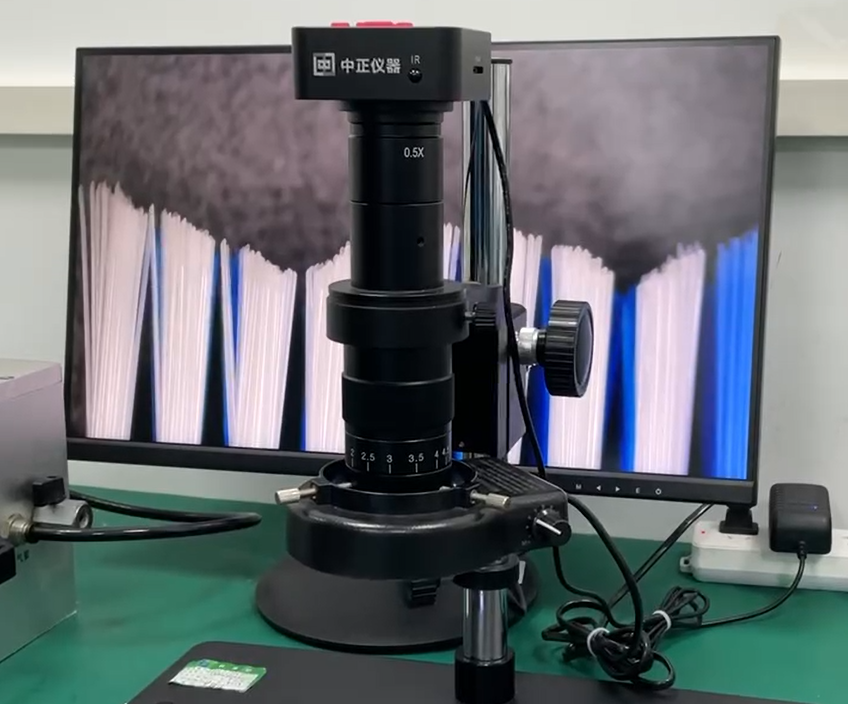
Electric Toothbrush Bristle Implantation Technology: How to Choose the Most Suitable Bristles?
.jpg)
Professional IPX7 Toothbrush Supplier for Global Importers
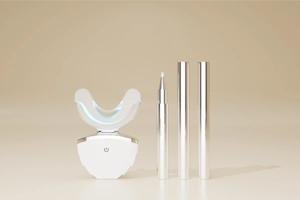
Dentistry Instrument Factory Market Trends and Customized Production Solutions
Electric Toothbrush Export Supplier
Red Blue Light Oral Care Device B2B Solutions for Global Brands
Soft Bristle Sonic Toothbrush Factory
High-Performance Electric Toothbrush for Braces – Bulk Supply for Dental Clinics
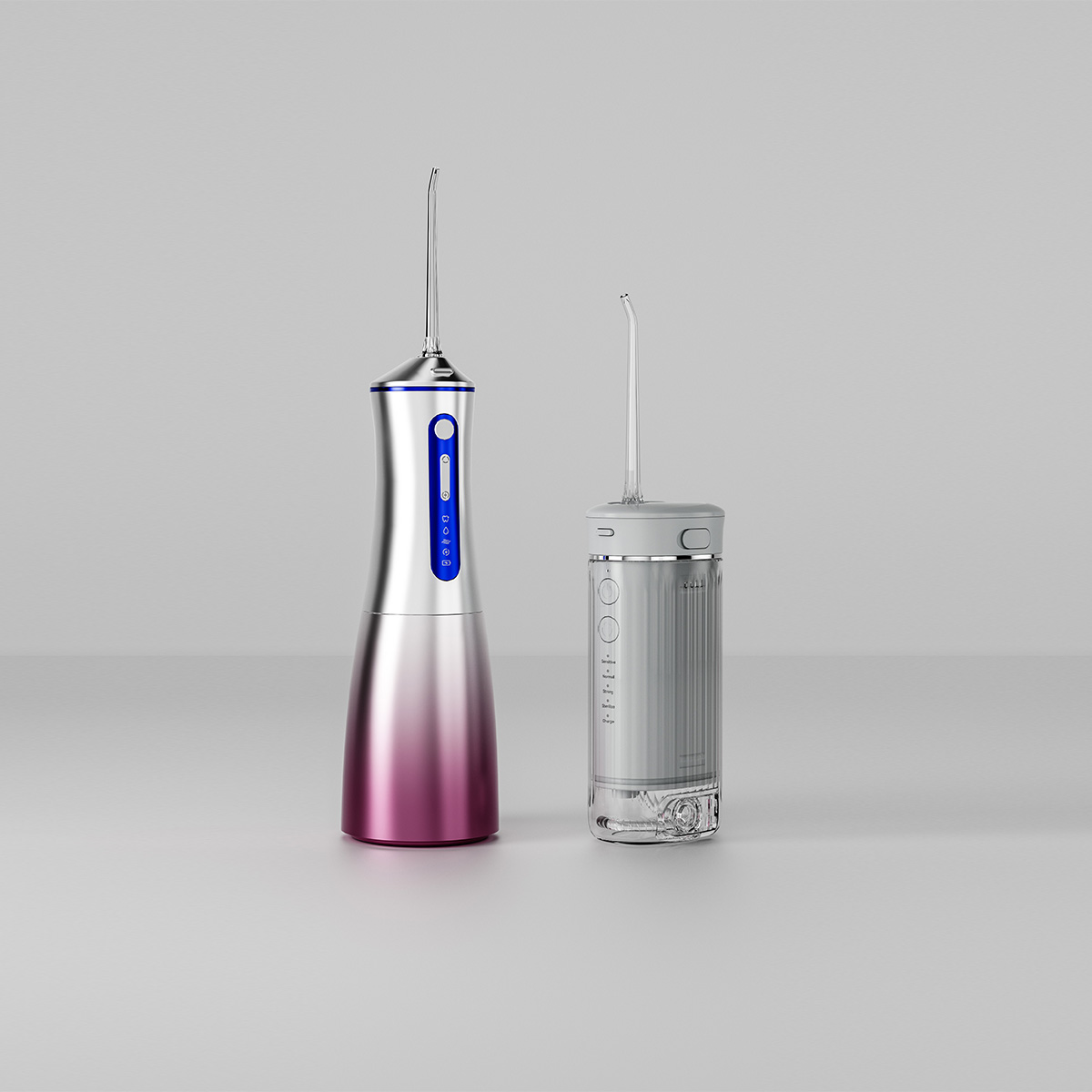
Compact Electric Toothbrush Design: Key Features for Travel & Minimalist OEMs
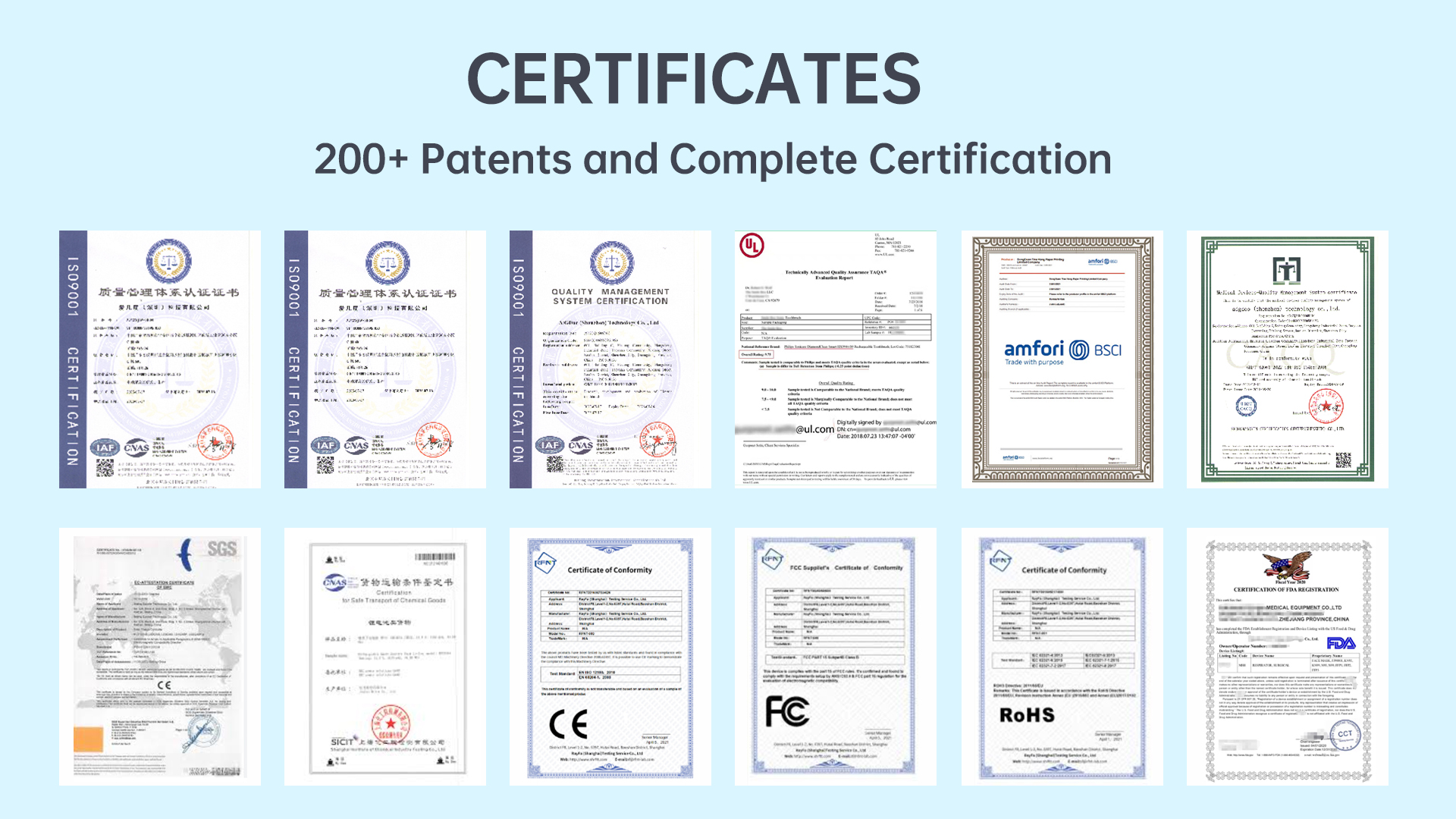
What Are the Advantages of Cooperating with FDA certificated factories?
High Frequency Sonic Toothbrush Technology Overview

Does Your Dental Hygienist Recommendation Program Include a Patient Education Materials Package?
post-whitening toothbrush guide: gentle care
How can the sonic whitening mode safely and effectively remove surface stains?
Can Contact Oxidation Lead to Weak Pressure?
Electric Toothbrush OEM Quotation Guide
Water Flosser for Interproximal Cavities


.jpg)
.jpg)
.jpg)
.jpg)
.jpg)






.jpg)