In next-generation whitening formulations, integrating a Thermochromic Indicator with an Oral Mucosa Barrier creates a dual-layer protection system designed to enhance both safety and treatment control. As whitening gels become more potent and user expectations increase, manufacturers are seeking smarter, responsive ingredients that ensure proper gel temperature, prevent soft-tissue irritation, and elevate the overall safety profile of whitening products.
Professional and home-use whitening gels rely heavily on peroxide-based chemistries that must remain stable and safe when applied intraorally. Without proper safeguards, issues such as overheating, mucosal irritation, and gel displacement can occur. This is why new gel formulations increasingly incorporate visual and functional safety modules.
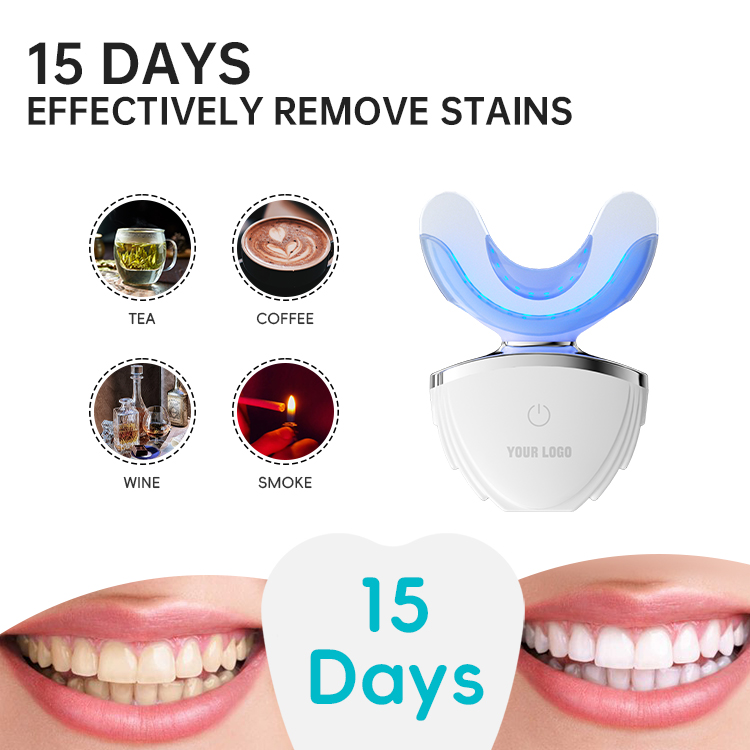
A Thermochromic Indicator responds to temperature changes by shifting color, offering an instant visual cue when the gel becomes too warm during chemical activation. This is especially valuable in LED-activated whitening systems, where heat buildup can accelerate peroxide breakdown. The indicator thus provides real-time feedback to both users and practitioners, ensuring the gel stays within safe operating temperatures.
The Oral Mucosa Barrier is a protective layer—typically a viscous polymer or bio-adhesive gel—designed to shield the gums, cheeks, and lips from direct contact with high-strength whitening agents. It acts as a physical and chemical buffer, reducing irritation, maintaining comfort, and ensuring peroxide remains limited to the targeted tooth surface.
When combined, the Thermochromic Indicator alerts users to temperature risks while the Oral Mucosa Barrier minimizes exposure-related sensitivity. This dual system prevents accidental overheating of peroxide gel and prevents soft-tissue contact, significantly raising the safety standard of whitening kits. Manufacturers can position such synergy as a premium safety upgrade in their product portfolio.
By giving both visual temperature feedback and reliable mucosal protection, whitening kits become safer and easier to use. For professionals, the indicator assists in monitoring activation levels, while the mucosa barrier ensures patient comfort. For end consumers, this creates a more reassuring and predictable experience, helping brands strengthen trust and reduce complaints related to sensitivity.
Manufacturers working in the B2B whitening industry can customize the color-change threshold of the Thermochromic Indicator or tailor the viscosity and adhesion strength of the Oral Mucosa Barrier to meet brand-specific product goals. These features can be co-developed to align with different whitening gel strengths, LED devices, or treatment protocols, offering clear differentiation in a competitive market.
Integrating a Thermochromic Indicator with an Oral Mucosa Barrier provides a powerful safety framework for modern whitening gels. This combination enhances temperature control, protects soft tissues, and improves user confidence—making it a valuable innovation for brands seeking to elevate their whitening solutions through OEM or ODM partnerships. Contact us
Things You Should Know About Charcoal Brush Head
.jpg)
UV toothbrush sanitizer effectiveness
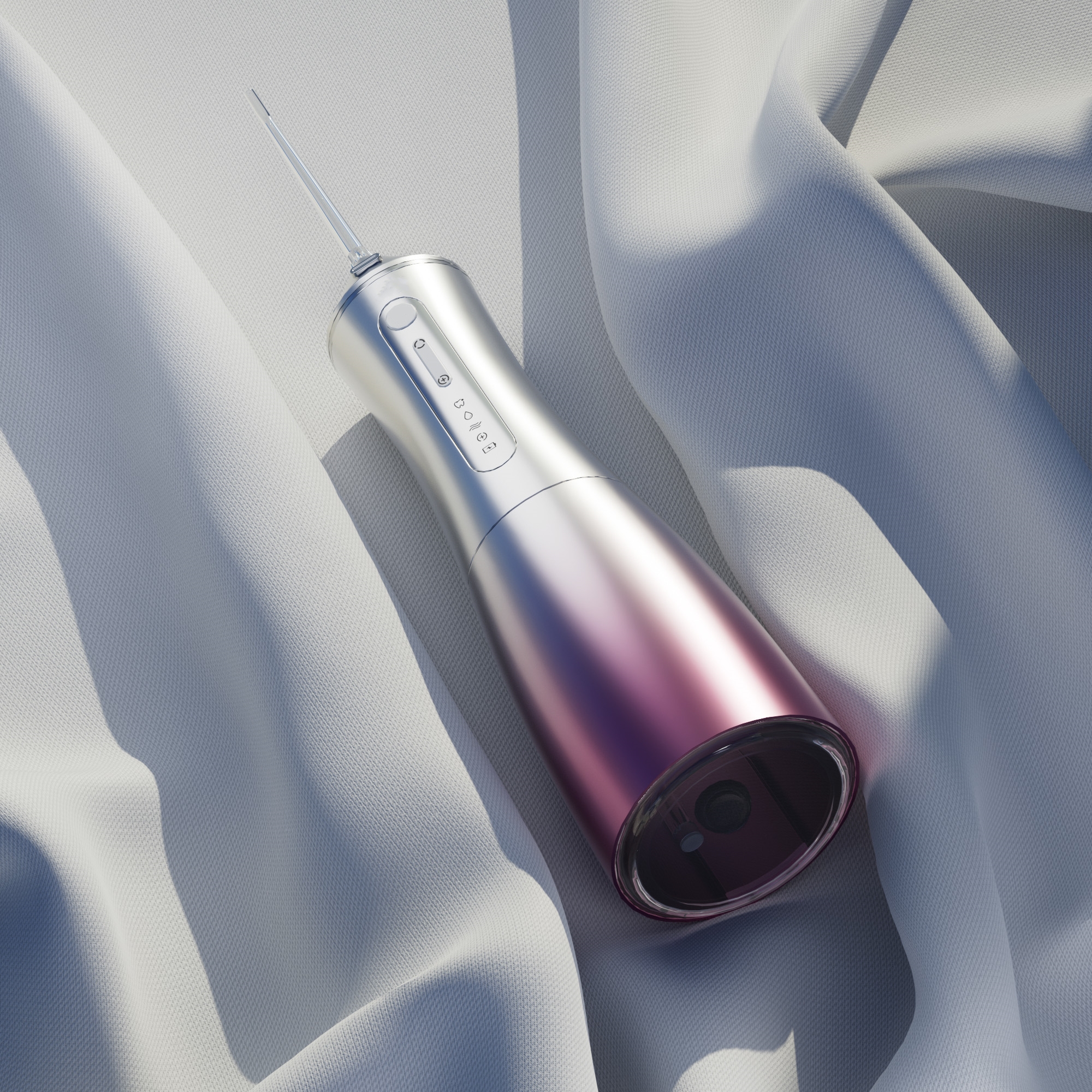
What Makes a High-Quality Water Flosser? Material Choices for Durability and Performance
Blue Light Electric Toothbrush OEM Manufacturing Solutions
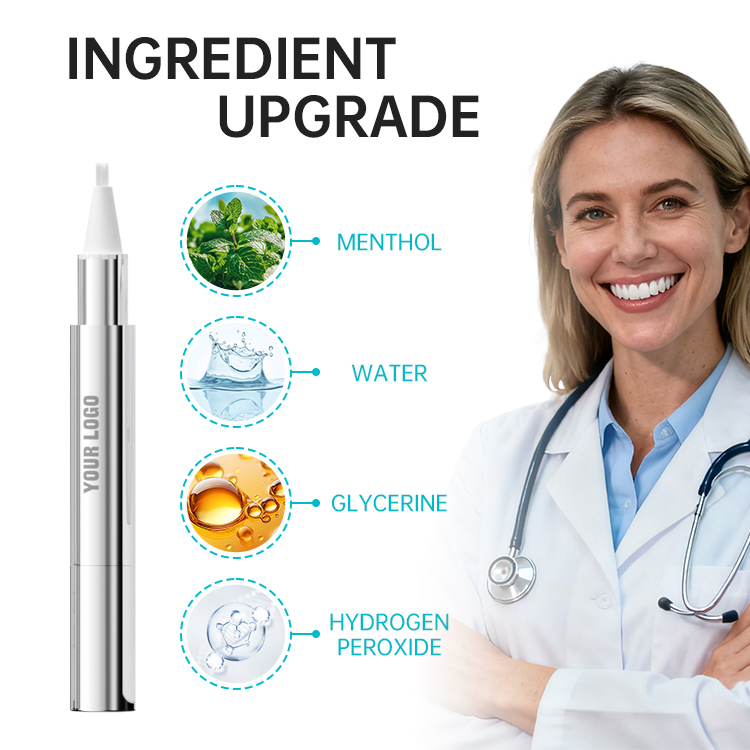
7 Dentist-Approved Tips to Safely Whiten Your Teeth — and How They Can Help You Create Your Own Teeth Whitening Brand
.jpg)
What Should Be Noted When Developing or Selecting Children’s Oral Care Products?
Red Light Gum Care Toothbrush OEM Factory
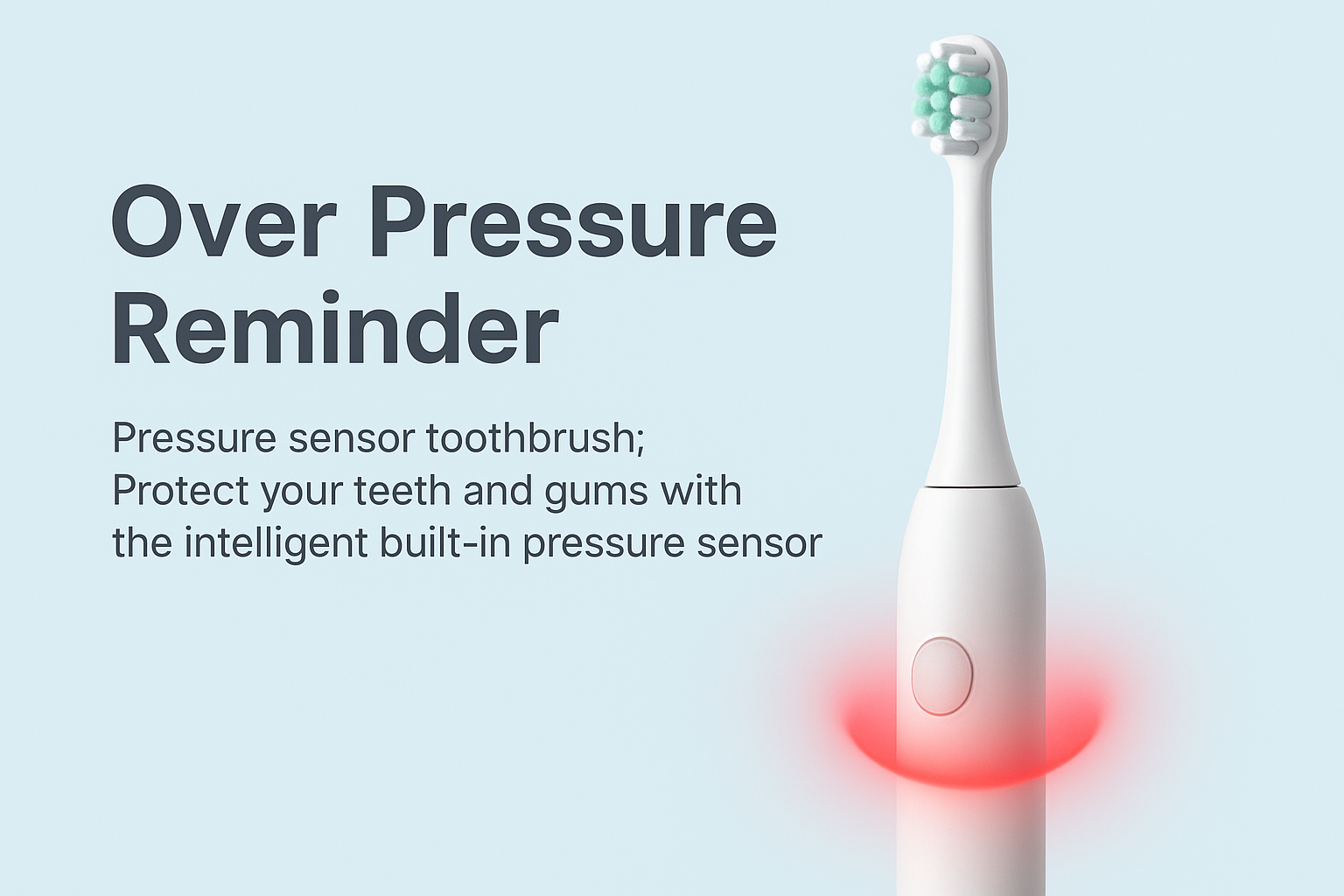
Are the Integrated Invisible Buttons of the Electric Toothbrush Good or Bad?
Pulse Lag Plus Incomplete Flushing—Frustration for Users and Manufacturers?
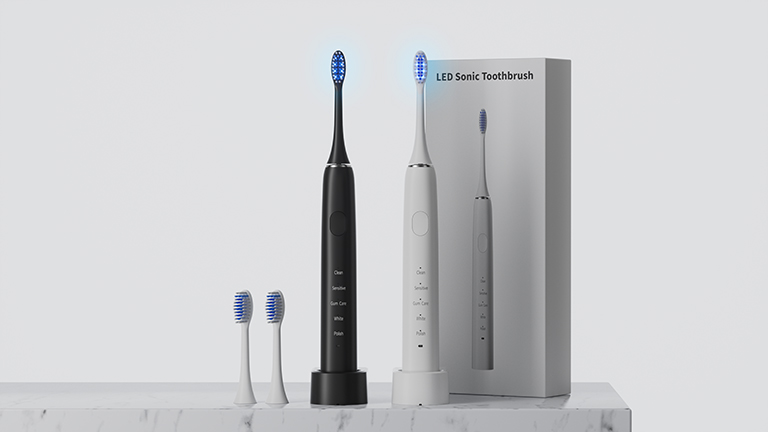
Could LED Toothbrushes Be a Game-Changer in the Oral Care Field?
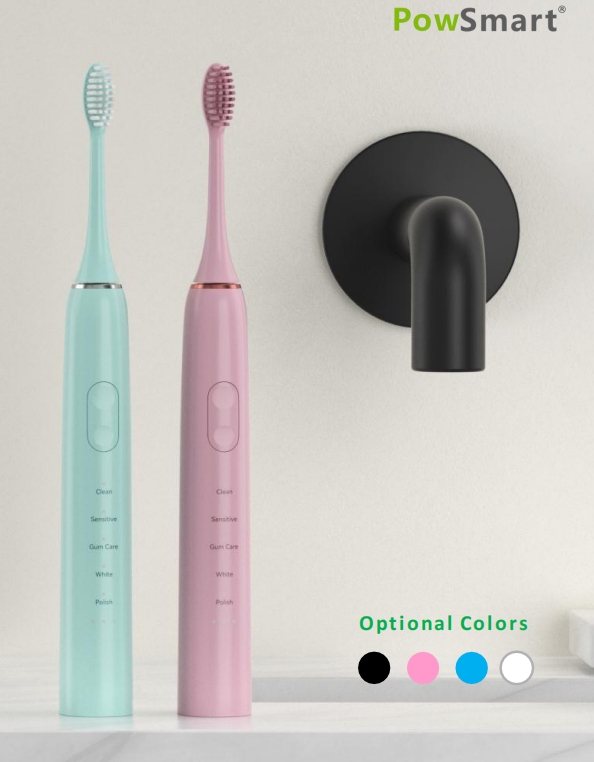
Is Long Battery Life Reliable?
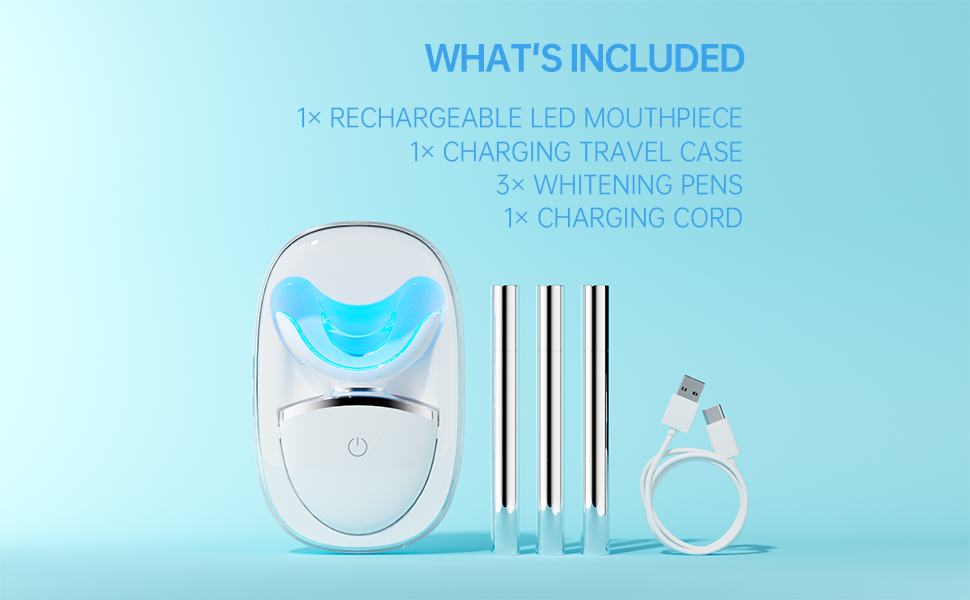
LED Teeth Whitening Kits: Maximizing Value with the Right OEM Partner
Innovation Opportunities in Electric Toothbrush Technology
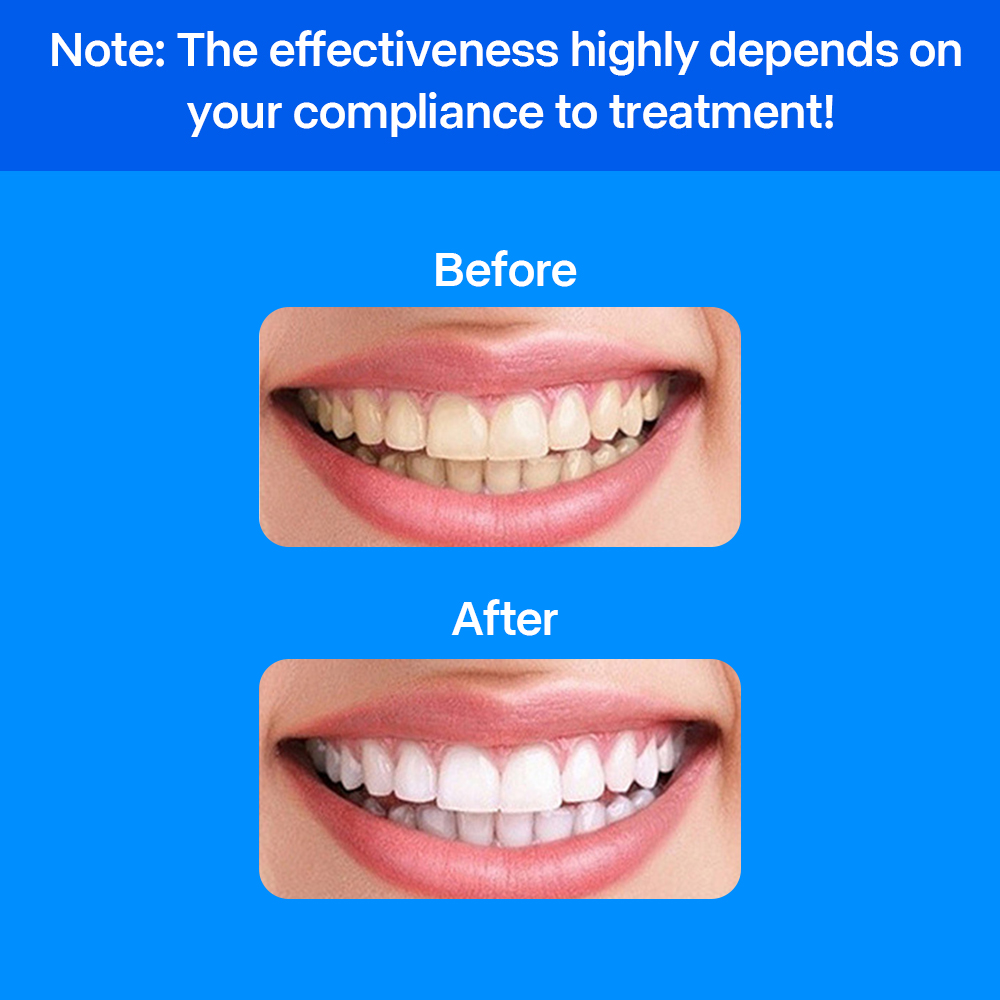
Precautions for using LED Teeth Whitening Kit
Tank Mold with Bacterial Regrowth – Health Crisis?
Water Splashing plus Handle Slippage – Design Flaw?


.jpg)
.jpg)
.jpg)
.jpg)
.jpg)