Info Center
Home » powsmart Electric Toothbrush blog » Tetracycline Stains Whitening Guide: Best Methods for Stubborn Discoloration

Tetracycline Stains Whitening Guide: Best Methods for Stubborn Discoloration

Date:2026-03-13
Old stains from antibiotics are stubborn, and this tetracycline stains whitening guide explains which whitening methods work best for this type of discoloration. Tetracycline stains are deep, gray or brown discoloration caused by antibiotic exposure during tooth development. They’re resistant to surface whitening, so the right method is critical. For enamel-safe whitening products, visit https://www.powsmart.com/.

Why Tetracycline Stains Are Hard to Whiten

First, tetracycline stains differ from surface stains in key ways:
  • They penetrate deep into the dentin layer of the tooth, not just the outer enamel.
  • They’re caused by a chemical reaction between the antibiotic and calcium in the teeth, making them permanent without treatment.
  • Surface whitening methods (like whitening toothpaste or strips) only lift surface stains, not deep tetracycline discoloration.

Best Whitening Methods for Tetracycline Stains

Furthermore, these methods are most effective for tetracycline stains:
  1. Professional in-office whitening: Dentists use high-concentration peroxide gel (35–40%) to penetrate deep into the dentin and lift tetracycline stains. Results are visible after 1–3 sessions, but may not fully remove the discoloration.
  2. Dental veneers: Thin porcelain shells cover the front of the teeth, completely hiding tetracycline stains. This is the most effective option for severe discoloration, delivering a natural, bright smile.
  3. Dental bonding: A tooth-colored resin is applied to the teeth to cover tetracycline stains. It’s a more affordable alternative to veneers, but may need to be replaced every 5–7 years.
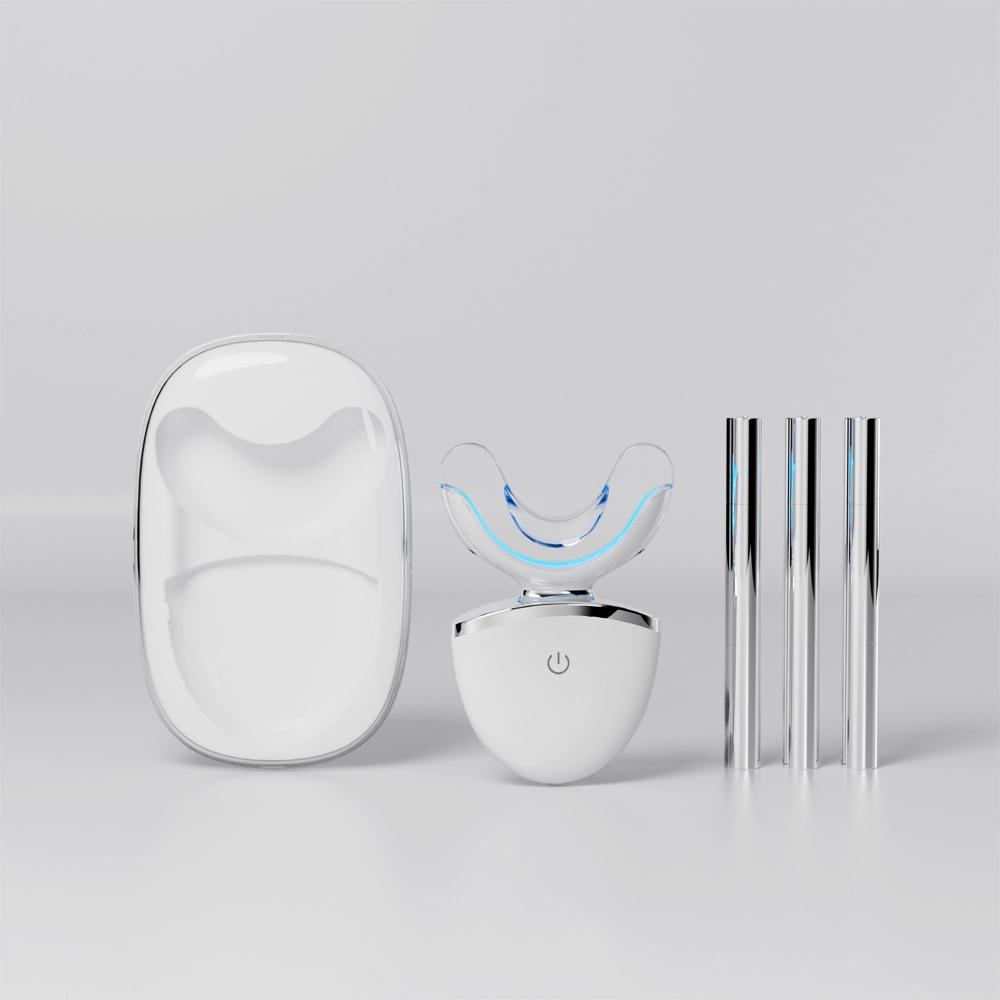
  4. At-home custom tray whitening: Dentists provide custom-fitted trays and low-concentration peroxide gel (10–16%) for at-home use. This method is slower than in-office whitening but can lift mild tetracycline stains over 4–6 weeks.

What to Avoid for Tetracycline Stains

In addition, these methods are ineffective or risky for tetracycline stains:
  • Whitening toothpaste or strips: Only lift surface stains, not deep tetracycline discoloration.
  • Natural whitening methods (oil pulling, baking soda): No effect on deep tetracycline stains and can damage enamel if overused.
  • Over-the-counter whitening kits: Low-concentration peroxide gel can’t penetrate deep enough to lift tetracycline stains.
In conclusion, this tetracycline stains whitening guide shows that professional whitening or restorative options are the best choice for stubborn antibiotic discoloration. Talk to your dentist to find the right method for your needs. For more whitening safety tips, visit https://www.webmd.com/oral-health/teeth-whitening-overview.