
With the growing demand for durable and high-performance electric toothbrushes, We are continuously improving the electric toothbrush waterproofing technology. A breakthrough in waterproofing technology ensures longer product lifespan, enhanced user safety, and better overall functionality. From the perspective of an electric toothbrush manufacturer, Powsmart provides a detailed explanation of waterproof technology, explores different waterproof levels, and discusses comprehensive waterproof solutions for electric toothbrushes in this blog.
Electric toothbrushes operate in humid environments and are frequently exposed to water. Without proper waterproofing, issues such as motor damage, battery failure, and short circuits can arise. Key benefits of advanced waterproofing technology include:
Enhanced durability: Protection against water ingress ensures long-lasting performance.
User safety: Prevents electrical hazards caused by water exposure.
Improved product reliability: Reduces maintenance costs and increases customer satisfaction.
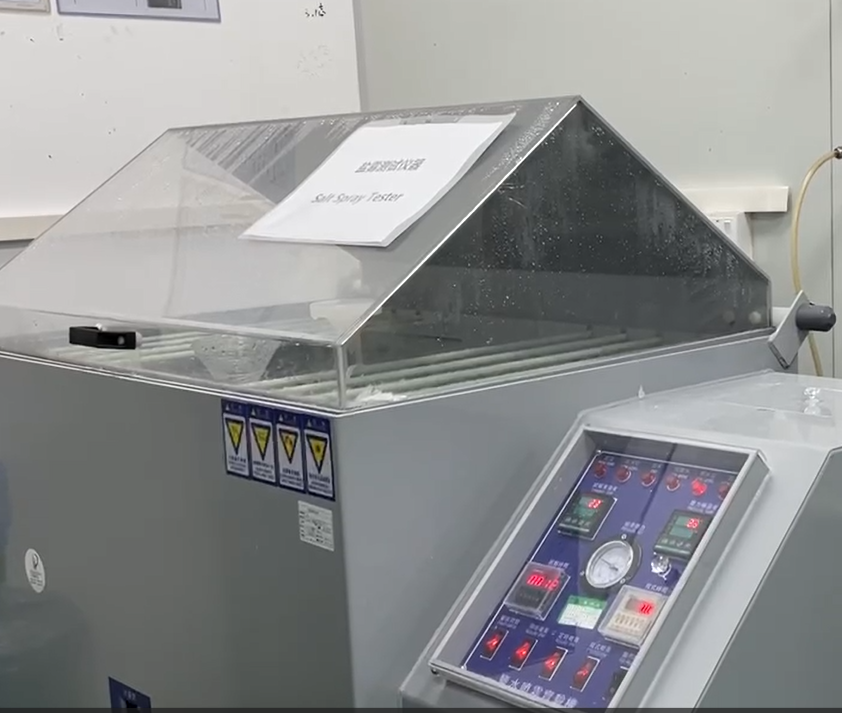
Achieving full waterproofing in electric toothbrushes requires multiple layers of protection. The core waterproof technology methods include:
A fully sealed casing with minimal gaps prevents water penetration. Ultrasonic welding and precision molding are commonly used to achieve a seamless structure.
The use of high-quality rubber gaskets and silicone seals around critical areas, such as the battery compartment and charging port, significantly enhances waterproofing.
Applying hydrophobic nano-coating to internal electronic components provides an additional layer of protection against moisture and condensation.
Eliminating charging ports with wireless charging solutions reduces potential water entry points, improving overall waterproof efficiency.
Different electric toothbrush models come with varying waterproof ratings, categorized using the IP (Ingress Protection) standard. Below is a waterproof level comparison:
| Waterproof Rating | Protection Level | Application in Electric Toothbrushes |
| IPX4 | Splash-resistant | Basic protection, not suitable for full immersion |
| IPX6 | Water jet-resistant | Can withstand strong water sprays but not submersion |
| IPX7 | Immersion-resistant | Can be submerged in water up to 1 meter for 30 minutes |
| IPX8 | Fully waterproof | Suitable for continuous underwater use |
For premium electric toothbrushes, IPX7 or higher is recommended to ensure complete waterproof protection.
To achieve comprehensive waterproof solutions, manufacturers can implement the following best practices:
Enhanced Material Selection: Use high-quality, water-resistant materials for casings and internal components.
Precision Engineering: Design tightly sealed enclosures with minimal joints.
Quality Testing Procedures: Conduct rigorous waterproofing tests, including pressure testing, submersion trials, and humidity exposure assessments.
Despite recent breakthroughs, challenges in waterproofing technology still exist:
Ensuring waterproofing does not compromise sound vibration efficiency.
Balancing manufacturing costs with high-quality waterproof materials.
Innovations in self-healing coatings and smart waterproof membranes to further enhance protection.
Future advancements will likely integrate AI-powered leakage detection and smart material coatings for even more reliable waterproofing solutions.
The latest breakthrough in electric toothbrush waterproofing technology has significantly improved the durability and safety of electric toothbrushes. Through a detailed explanation of waterproof technology, a waterproof level comparison, and insights into comprehensive waterproof solutions, we can develop high-quality, fully waterproof electric toothbrushes. Investing in cutting-edge waterproofing methods ensures superior product performance and customer satisfaction in the competitive oral care market.
How Does an LED Whitening Lamp Activate a Specialized Whitening Gel Formulation for Fast Results?
.jpg)
Why is OEM Water Flosser Design Critical for Partnering with a Water Flosser Filter Supplier?
.jpg)
Water Splashing plus Handle Slippage – Design Flaw?
Bamboo Electric Toothbrush Handle OEM Manufacturer | Eco-friendly Design Solutions
Why Is a Long Endurance Electric Toothbrush a Selling Point?
Is a Dentist approved Mumbai seal valid for an antibacterial brush head?

Innovative Features That Make Your Electric Toothbrush Stand Out
.jpg)
How Does a Laminar Flow Nozzle Complement a Micro-perforated Brush Head for Deep Cleaning?
Water Flosser Energy Saving & Batch Tracking: Enhancing Efficiency and Quality Control
Whitening Rebound with Gel Crystallization – Preventable?
Does Deep Clean Toothbrush Mode Cause Timer Malfunction?
travel electric toothbrush wholesale | Portable Sonic Toothbrush Bulk Supply
Publish a Thought Leadership Article Series and Engage in Industry Report Co-authoring to Dominate Oral Care Conversations?
Smart Toothbrush App Supplier Seattle Tech | Innovation in Oral Care
Electric Toothbrush Quality Control Standards for OEM and ODM Manufacturing

electric toothbrush factory evaluation standards- 5 Must-Read Criteria for Brand Owners


.jpg)
.jpg)
.jpg)
.jpg)
.jpg)



.webp)
.jpg)
.jpg)