A private label electric toothbrush can help a beauty, wellness, dental, or personal-care brand enter the oral-care category without developing a product from zero. However, success depends on more than adding a logo to an existing model. The product, package, price, and selling story must fit the target market.
A toothbrush for young online shoppers may focus on appearance, portability, color, and easy video demonstration. A product for dental clinics may require a more professional look, softer brushing options, clear hygiene information, and reliable replacement-brush-head supply.
Start by defining the target user, channel, retail price, and brand position. These decisions guide every later choice, including motor type, cleaning modes, accessories, packaging, and MOQ.
More functions do not always create a better product. Consumers usually respond to benefits they can understand quickly: a two-minute timer, gentle cleaning, long battery life, travel convenience, pressure protection, and waterproof design.
For PowSmart projects, IPX8 waterproof performance is commonly used unless a specific model has a different confirmed specification. Any claim should be checked against the actual test report before printing.
A private-label product needs one clear reason to exist. Examples include:
The story should appear consistently in the product title, package front, images, listing copy, and short-form videos. Clear positioning makes it easier for customers to understand why the product is different.
Online sellers need packaging that survives shipping and looks strong in product photos. Retail stores need a box that communicates benefits within seconds. Clinics and salons may prefer a cleaner, more professional presentation.
Confirm box dimensions, inserts, manuals, barcode placement, warning labels, and language requirements early. Late packaging changes can delay production and create avoidable cost.
A sample should be used to evaluate the complete customer experience: handle weight, button feeling, noise, brush-head comfort, charging process, package opening, and instructions. Product photos alone cannot show these details.
Good brushing still depends on correct technique and consistent use. The U.S. Centers for Disease Control and Prevention emphasizes regular brushing with fluoride toothpaste and cleaning between teeth as part of daily oral care.
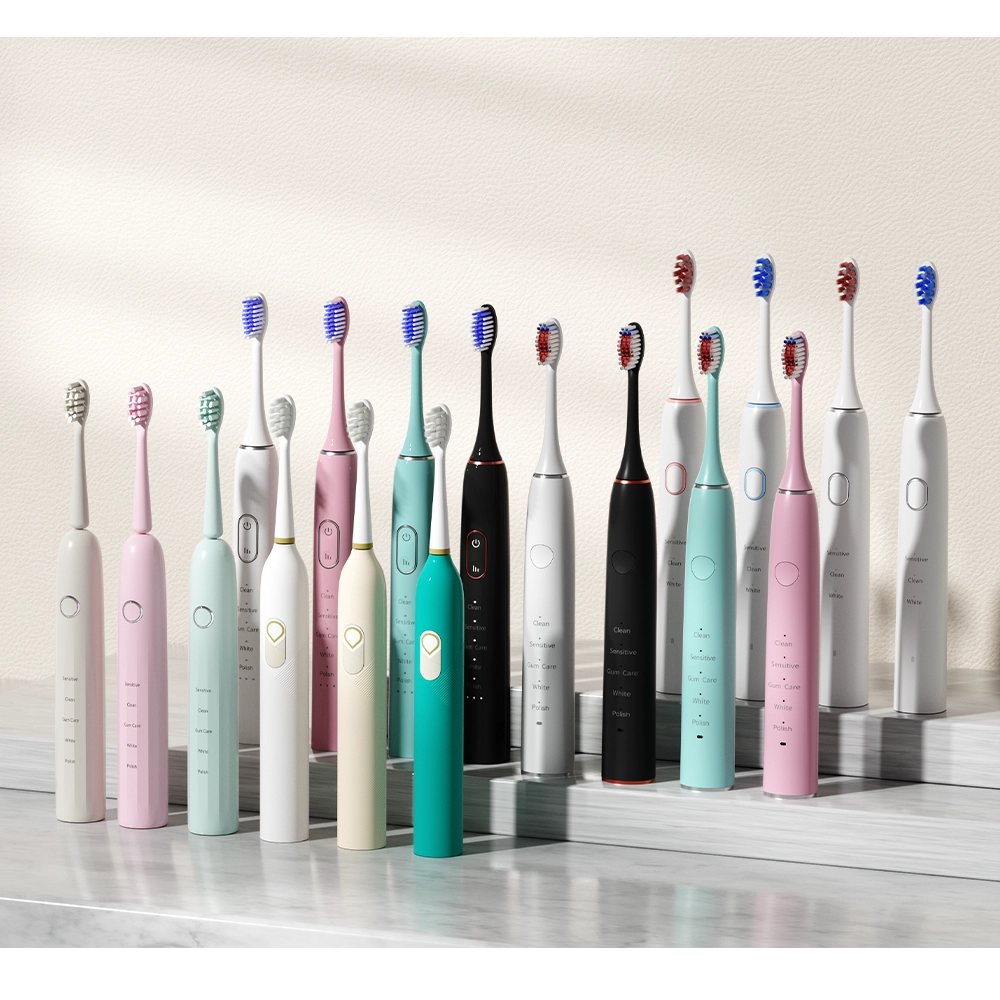
New buyers often order too many colors or models because they want a “complete range.” This increases inventory and makes marketing harder. A better first launch may use one hero model, two colors, one package design, and a small set of replacement brush heads.
The first order should answer three questions: Does the customer like the design? Does the product receive good reviews? Can the seller acquire customers at a workable cost?
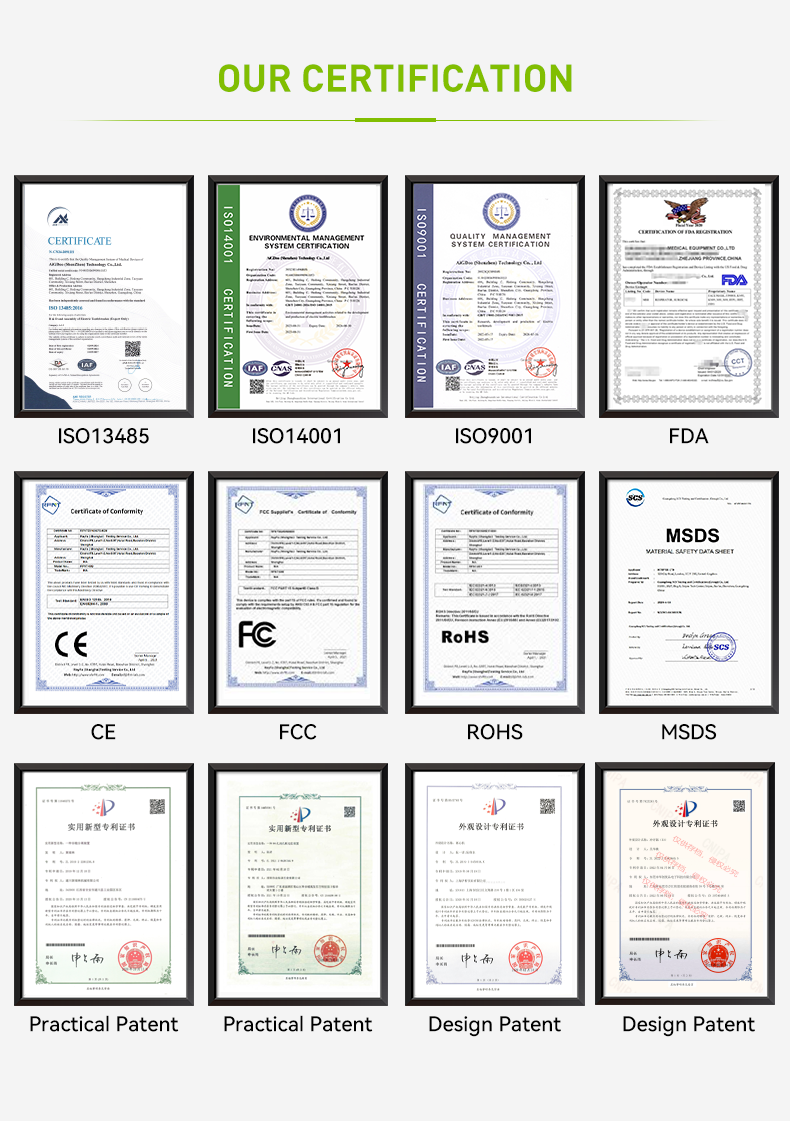
Before mass production, approve a written specification covering color, logo position, brush heads, charging cable, battery, modes, packaging, manuals, carton quantity, and testing requirements. Keep a signed golden sample or approved reference sample.
A successful private label electric toothbrush is a complete commercial package, not just a factory product with a logo. PowSmart helps buyers connect product selection, OEM customization, packaging, quality control, and market positioning so the first launch is easier to manage and safer to scale.
.jpg)
Porcelain Veneers Whitening Guide | Maintain Veneer Brightness
High Frequency Sonic Toothbrush Technology
-1-scaled.png)
Why Invest in Teeth Whitening Equipment from a Professional Whitening Kit Manufacturer?
Prospects of Dental Instruments in the Oral Care Industry
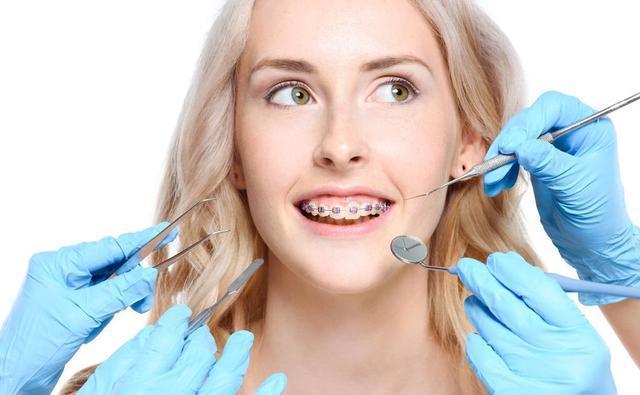
Orthodontic Electric Toothbrush Precautions – OEM Safety Features
Does Your Circular Design-as-a-Service Include Generating an Environmental Product Declaration?
low noise sonic toothbrush supplier | Quiet Sonic Toothbrush OEM Manufacturer
Waterproof Travel Electric Toothbrush OEM | Portable Oral Care
Night Grinding Water Flosser | Bruxism Relief
Household Water Flosser Wholesale for Global Brands | Stable Supply & OEM Support
Short Circuit Plus Water Leakage – Playing with Fire?
Toothbrush Molding Factory China for OEM & Private Label Projects
Electric Toothbrush Certification Guide (CE, RoHS, FCC)
Ultimate Guide to Whitening Electric Toothbrushes for Beginners
Micro-Motor Precision & Bristle Oscillation: Clean Smarter, Gentle Care
Anti-Slip Electric Toothbrush Handle


.jpg)
.jpg)
.jpg)
.jpg)
.jpg)






.jpg)