
As consumer demand for brighter smiles continues to grow, OEM brands in the oral-care sector face increasing opportunities to develop customized whitening solutions. However, choosing the right manufacturing direction requires understanding the fundamental differences at Home vs Dental Clinic. Each category has unique product features, regulatory requirements, and user expectations that influence how OEM brands design and source their whitening products. Below are the six key differences that every oral-care brand should consider before partnering with a manufacturer or launching a whitening line.
One of the biggest whitening product differences lies in the concentration of active ingredients.
Dental clinic whitening typically uses higher-strength peroxide formulas to deliver rapid and dramatic results, often within a single visit.
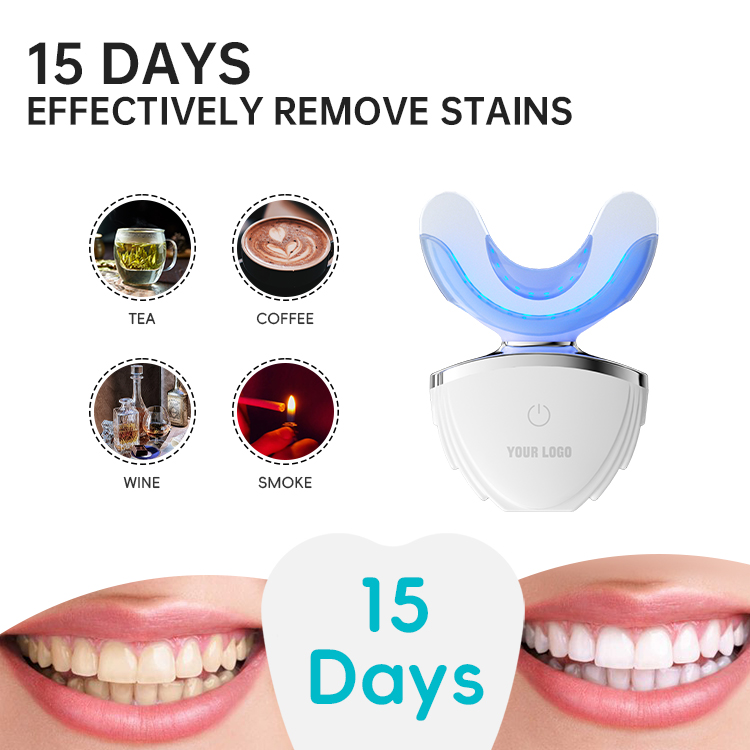
Teeth whitening at home products, on the other hand, rely on lower concentrations to ensure daily-use safety and regulatory compliance.
OEM brands must work with manufacturers who understand permissible ingredient thresholds for global markets and can tailor formulas accordingly.
Consumers choosing in-clinic treatment expect immediate visible outcomes, whereas home-use whitening kits are designed for gradual improvement over 1–2 weeks.
For OEM brands, this means deciding whether to prioritize fast-acting professional performance or steady, user-friendly whitening when developing new product lines.
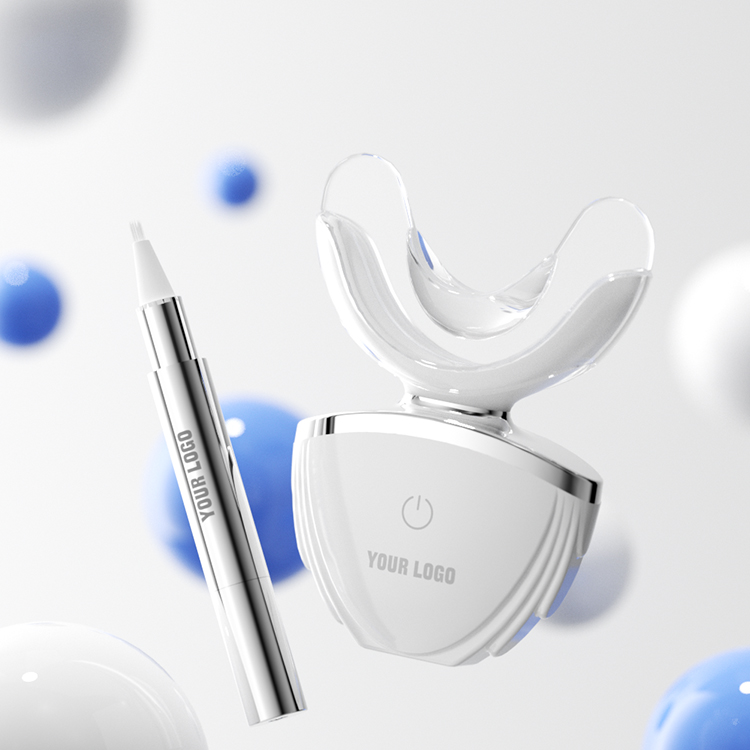
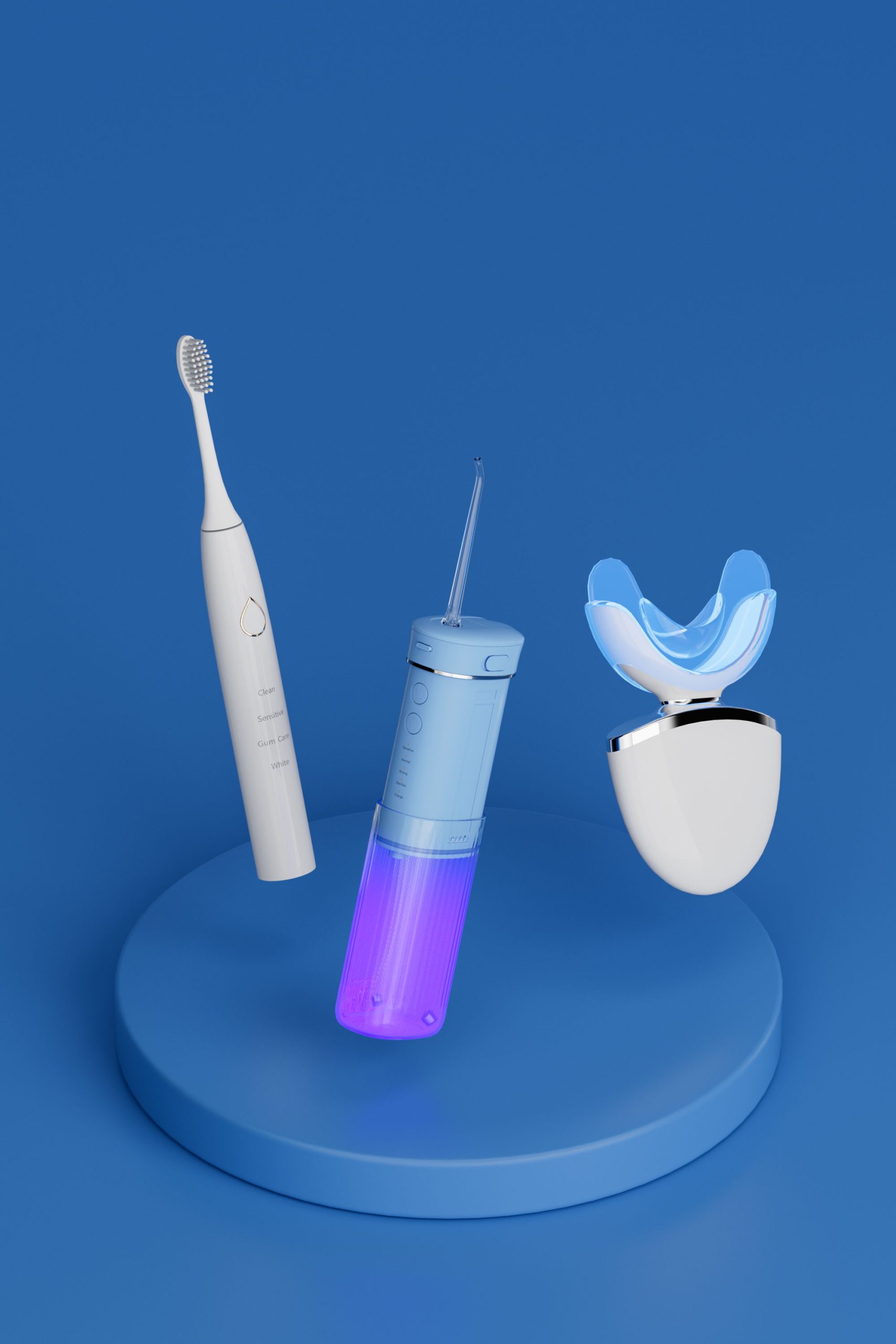
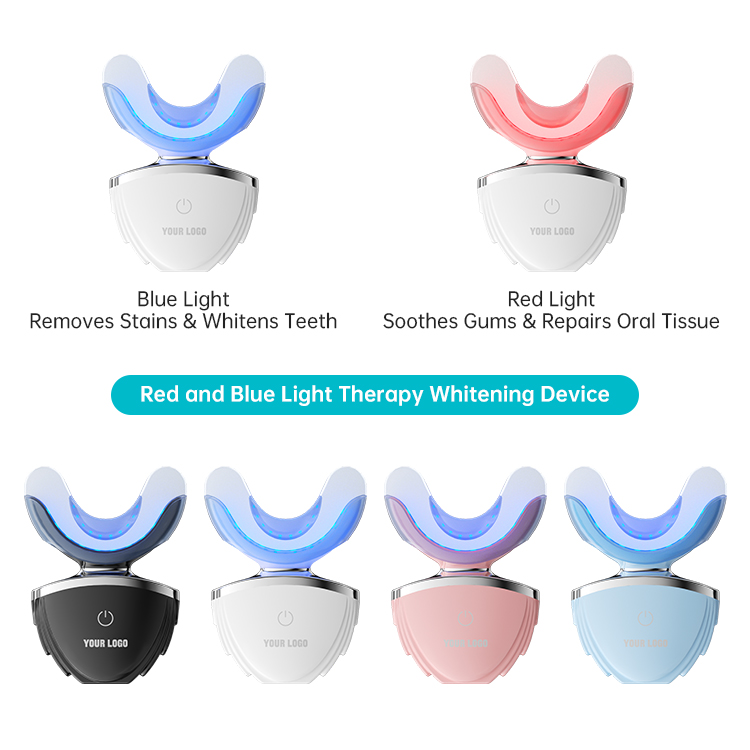
At-home whitening products offer greater diversity—strips, LED light devices, pens, foams, and trays—each requiring different manufacturing capabilities.
In contrast, dental clinic whitening focuses on specialized gel systems paired with professional equipment.
OEM brands should choose manufacturing partners who can support advanced tooling, private-label packaging, and consistent product aesthetics.
Because clinic whitening is performed under professional supervision, higher potency is allowed.
Home-use products must strictly comply with consumer safety regulations, making regulatory expertise essential for OEM partners.
Effective OEM manufacturers provide documentation, testing reports, and formula adjustments tailored to different regional compliance standards.
Teeth whitening at home products are ideal for e-commerce, retail shelves, and subscription-based models, offering broader market reach.
Clinic-only whitening solutions typically work through B2B channels and professional partnerships.
OEM brands need to align product development with intended sales channels to optimize packaging, pricing, and product positioning.
For home-use products, OEM brands often require variations in flavor, packaging, whitening strength, and sensory experience.
Clinic whitening systems, although more specialized, demand high formulation stability and precise consistency.
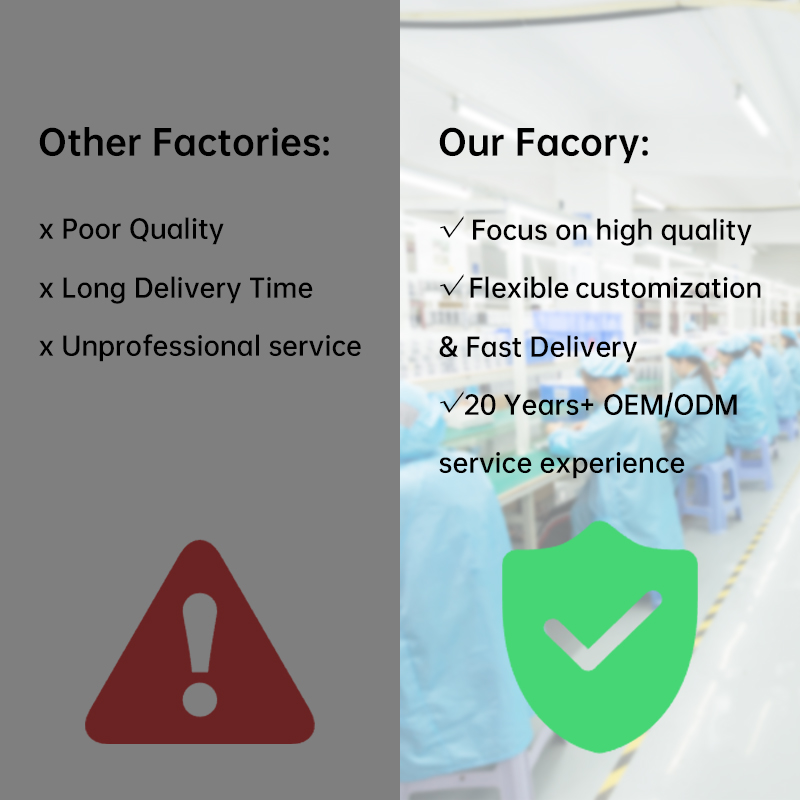
A reliable manufacturer should offer scalable production, formulation customization, and the ability to evolve alongside fast-changing market trends.
Understanding the distinctions at Home vs Dental Clinic is crucial for any OEM brand entering the whitening market. By evaluating the whitening product differences in ingredient levels, performance, application types, safety, distribution, and manufacturing flexibility, brands can better choose the right factory partner and develop products that meet consumer expectations.
The Safe Way To Whiten Teeth: Dentist-Approved OEM Whitening Products
.jpg)
Bulk Electric Toothbrush Pricing for Global Buyers
Portable LED Whitening Mouthpiece Wholesale | Flexible LED Oral Tray Supplier
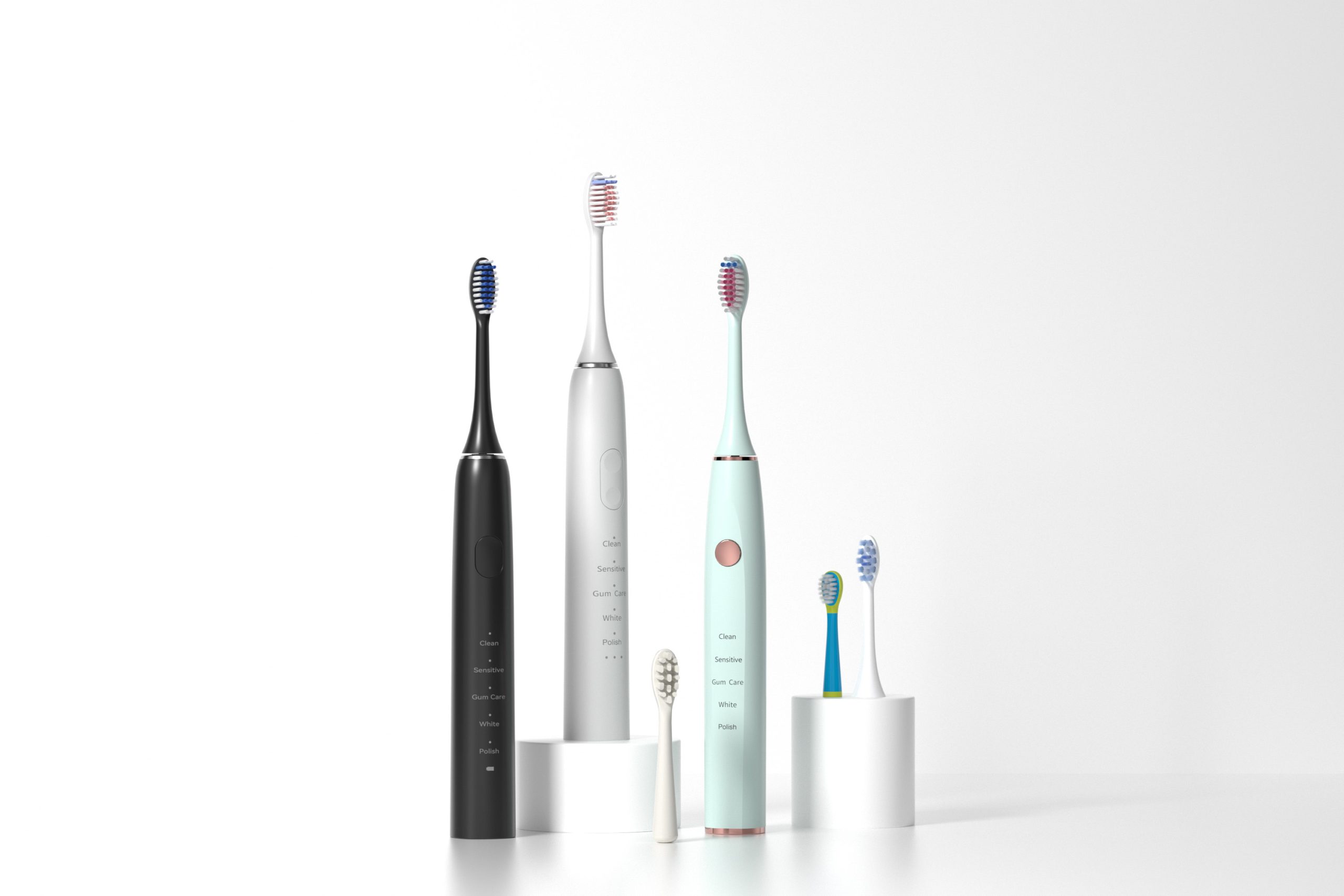
What Options Are Available for the Appearance and Shape of an Electric Toothbrush?

powsmart-Wide Frequency Range Electric Toothbrush Manufacturers
Partner with OEM Experts for Dentist-Recommended At-Home Teeth Whitening Products
No Designer? No Problem. The OEM Path to Your Successful Oral Care Brand

How do Hydro-dynamic Bearings Optimize Flow Channel Geometry in High-Performance Water Flossers?
Whitening Pen + LED Kit Supplier | Teeth Whitening Combo OEM
How Do Hydro-dynamic Bearings Optimize Flow Channel Geometry in Water Flossers?
What is the Least Damaging Way to Whiten Your Teeth with OEM Solutions?
.jpg)
Can Osmotic Pressure Regulation Enhance Jet Stream Collimation in Oral Irrigators?
Why Conduct a Pressure Decay Test on Units Featuring Vortex Chamber Technology?
Can an Orthodontic Jet Tip Be Adapted for Use as a Periodontal Pocket Irrigator in Clinical Settings?
Wireless Charging Toothbrush | OEM Manufacturer for Premium Oral-Care Brands
.jpg)
How Does a Hydro-mechanical Seal Improve the Reliability of Turbine Impeller Design in Water Flossers?


.jpg)
.jpg)
.jpg)
.jpg)
.jpg)







.jpg)