
As smart living becomes the global standard, Sonic Toothbrush Manufacturing is no longer limited to motor performance and ergonomic design. Today, successful product innovation requires seamless integration with App Connectivity Development, transforming traditional brushing devices into intelligent oral care ecosystems. For OEM/ODM manufacturers, combining hardware precision with digital connectivity creates measurable value for brands seeking differentiation in the smart healthcare market.
Modern Sonic Toothbrush Manufacturing must consider connectivity at the PCB and structural design stage. Bluetooth modules, data transmission chips, and sensor integration need to be embedded efficiently without compromising waterproof performance or vibration stability.
By aligning mechanical engineering with App Connectivity Development, manufacturers ensure:
Hardware readiness is the foundation of smart integration.
Smart toothbrushes rely on motion sensors, pressure sensors, and timers to track brushing behavior. Sonic Toothbrush Manufacturing integrates these components directly into the brush handle.
Through App Connectivity Development, collected data can be:
This real-time interaction enhances personalized oral care guidance.
Traditional sonic toothbrushes offer preset vibration modes. When Sonic Toothbrush Manufacturing integrates App Connectivity Development, users gain access to customizable brushing programs via smartphone apps.
This allows:
Digital control transforms a physical device into a dynamic care system.
Smart devices require synchronized firmware and app updates. Sonic Toothbrush Manufacturing must support OTA (over-the-air) firmware upgrades to remain compatible with evolving app features.
Effective App Connectivity Development ensures:
Seamless synchronization improves product lifespan and user trust.
Smart connectivity creates opportunities beyond brushing performance. Through App Connectivity Development, brands can offer:
Sonic Toothbrush Manufacturing integrated with digital ecosystems enhances customer retention and recurring revenue models.
True integration requires cross-disciplinary collaboration. Successful Sonic Toothbrush Manufacturing partners coordinate mechanical engineers, electronics specialists, and software developers during product development.
This unified approach to App Connectivity Development enables:
Collaboration ensures innovation without compromising manufacturing efficiency.
The future of smart oral care lies in the convergence of Sonic Toothbrush and App Connectivity Development. By embedding connectivity architecture, sensor systems, customizable brushing programs, and secure firmware integration, manufacturers can deliver intelligent, data-driven oral care solutions. Contact us
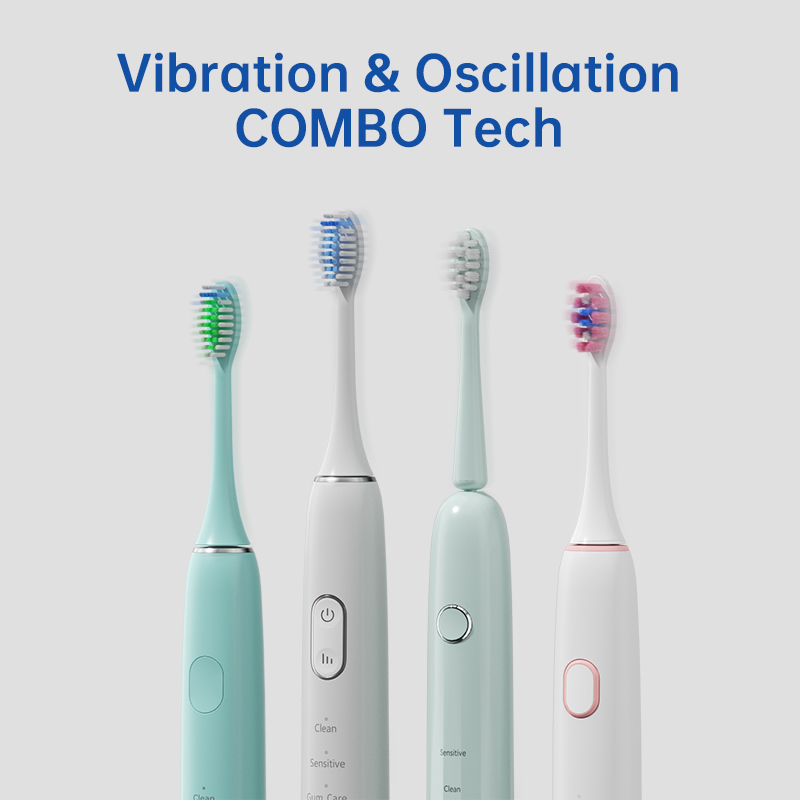
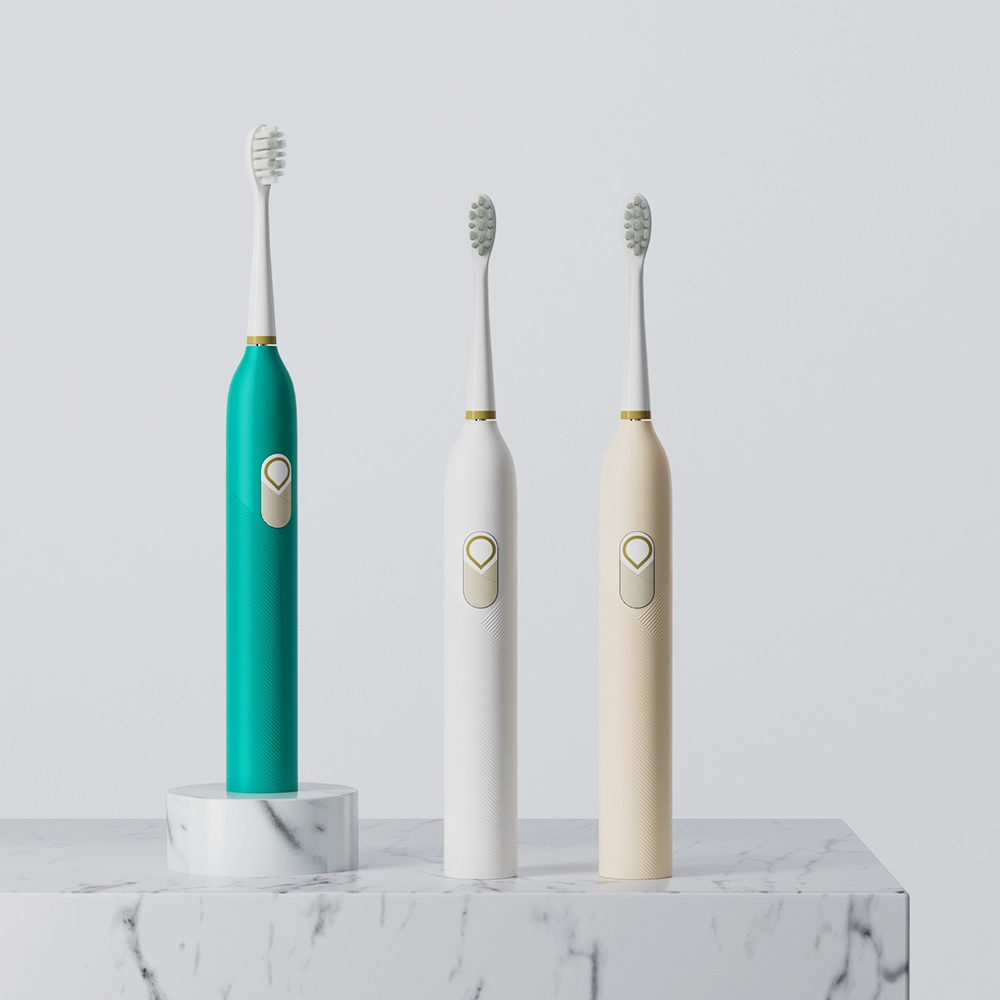
Eco-friendly design of the Powsmart electric toothbrush: better cleaning, less waste
Can a High Endurance Motor Deliver Long Battery Life for 90 Days?
Why Choose an OEM Electric Toothbrush with Custom Toothbrush Branding for Your B2B Strategy?
.jpg)
Seeking dental assistant roles? Certification programs near Tacoma
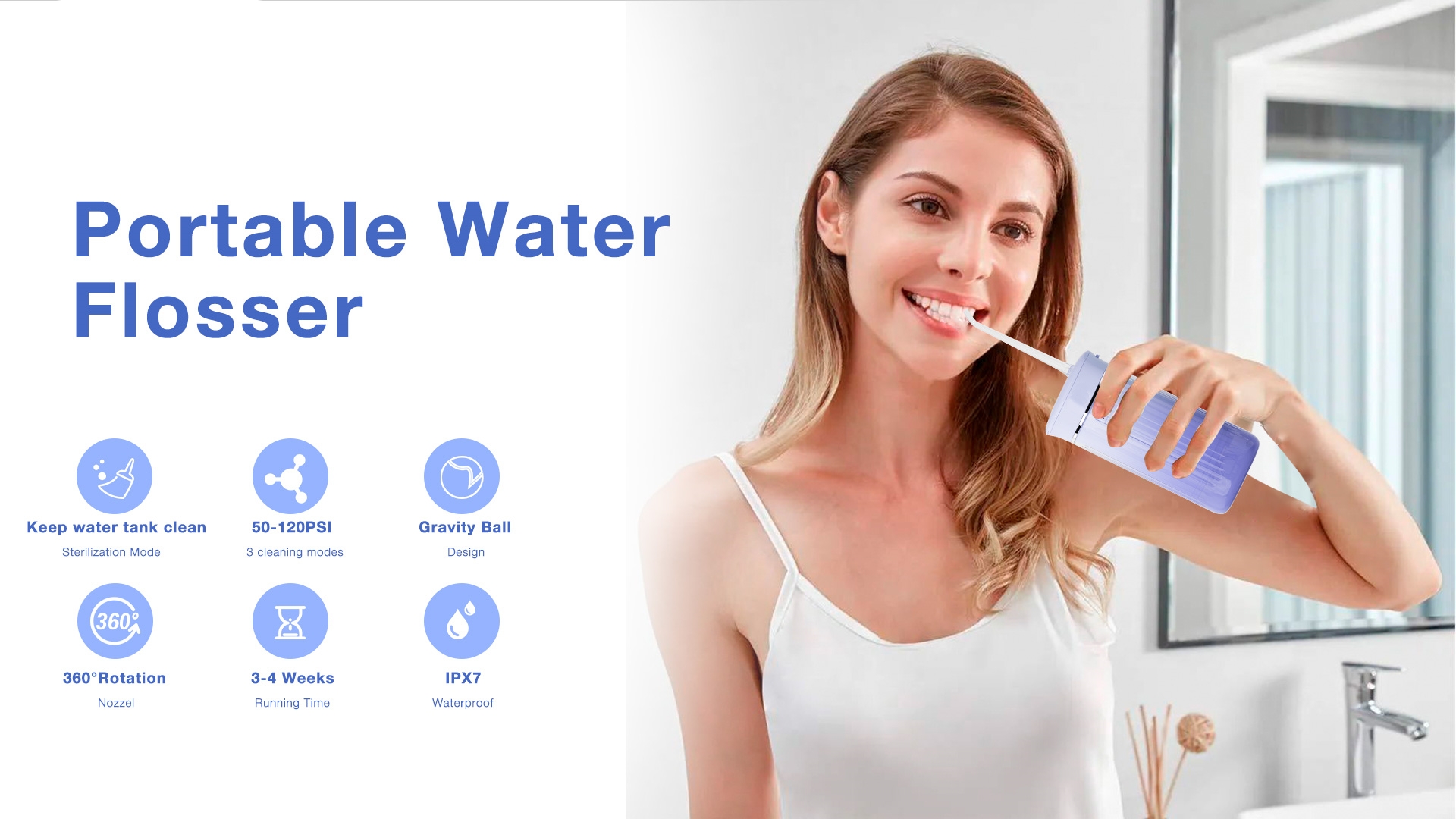
Is it Good for Teeth That the Power Level of a Water Flosser Is Too Strong?
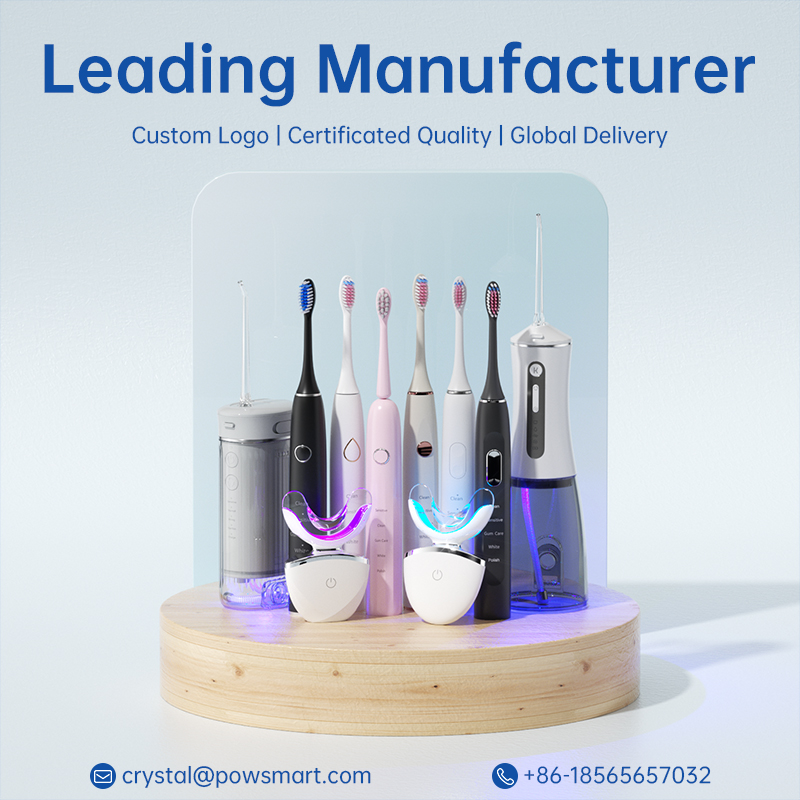
Do All Electric Toothbrushes Use the Same Charger? Strategic OEM Insights
.jpg)
Charge Failure Triggering Display Glitches – Connected?
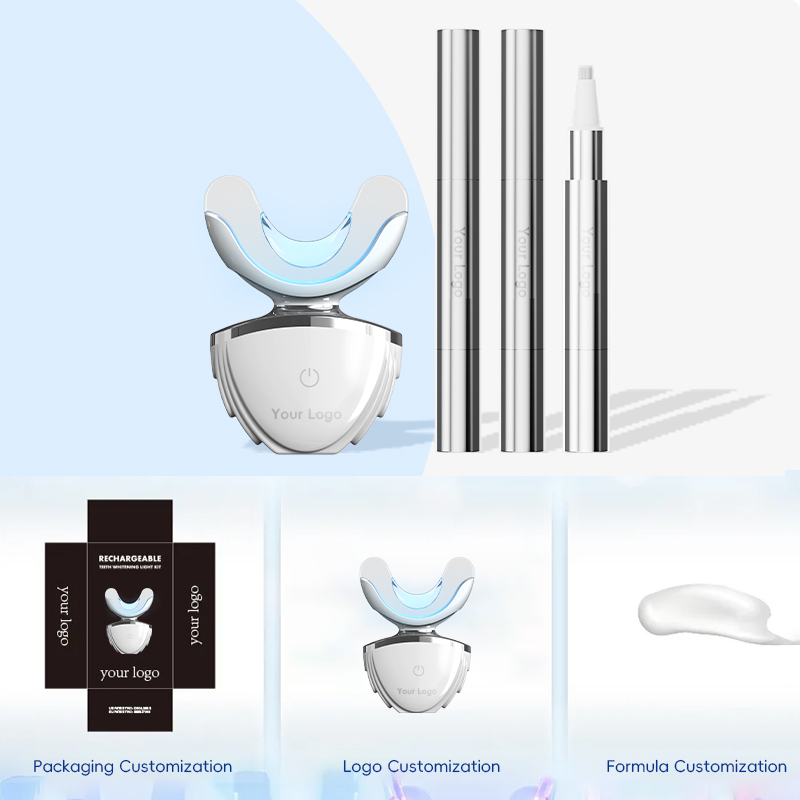
What is the Future Market Prospect of LED Teeth Whitening Products?
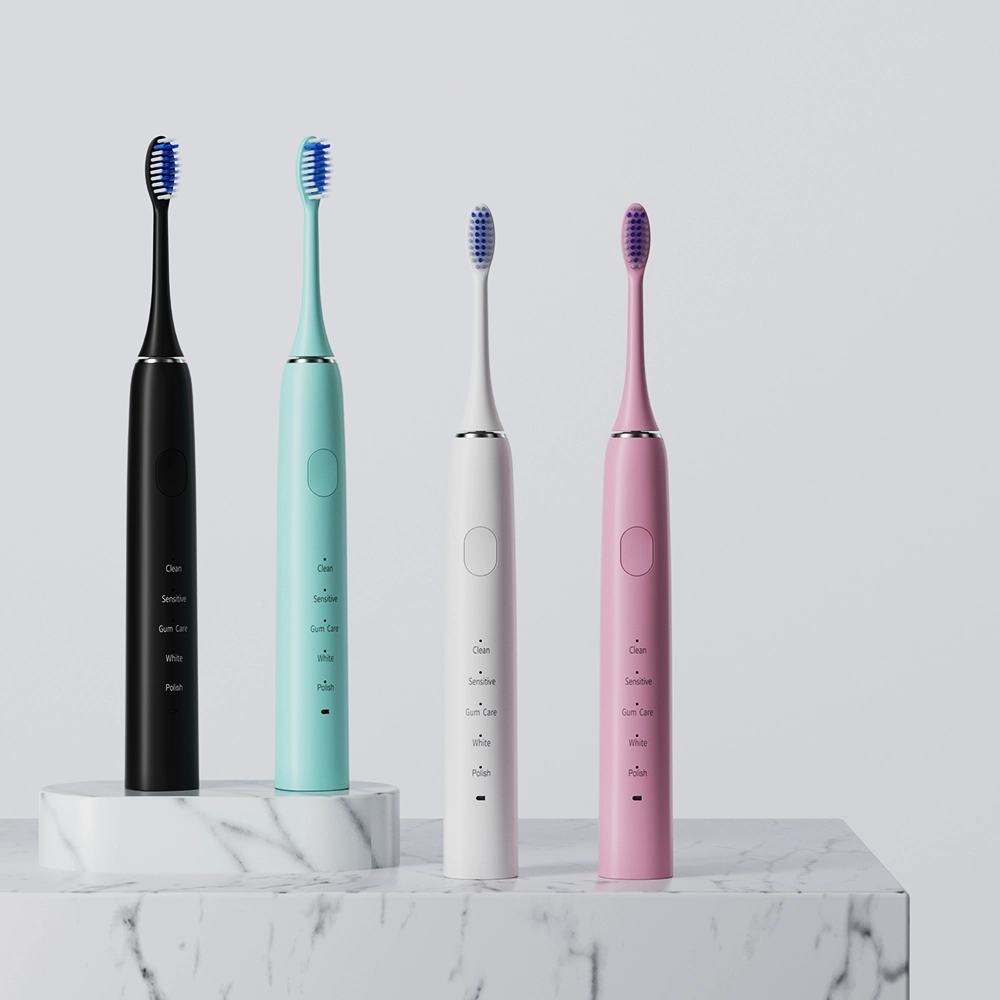
Environmental Protection and Sustainability of Electric Toothbrushes
Fort Worth Electric Toothbrush Wholesale
.jpg)
No-Mess Water Flosser Design: How Our Factory Solves Splashing for Your Brand
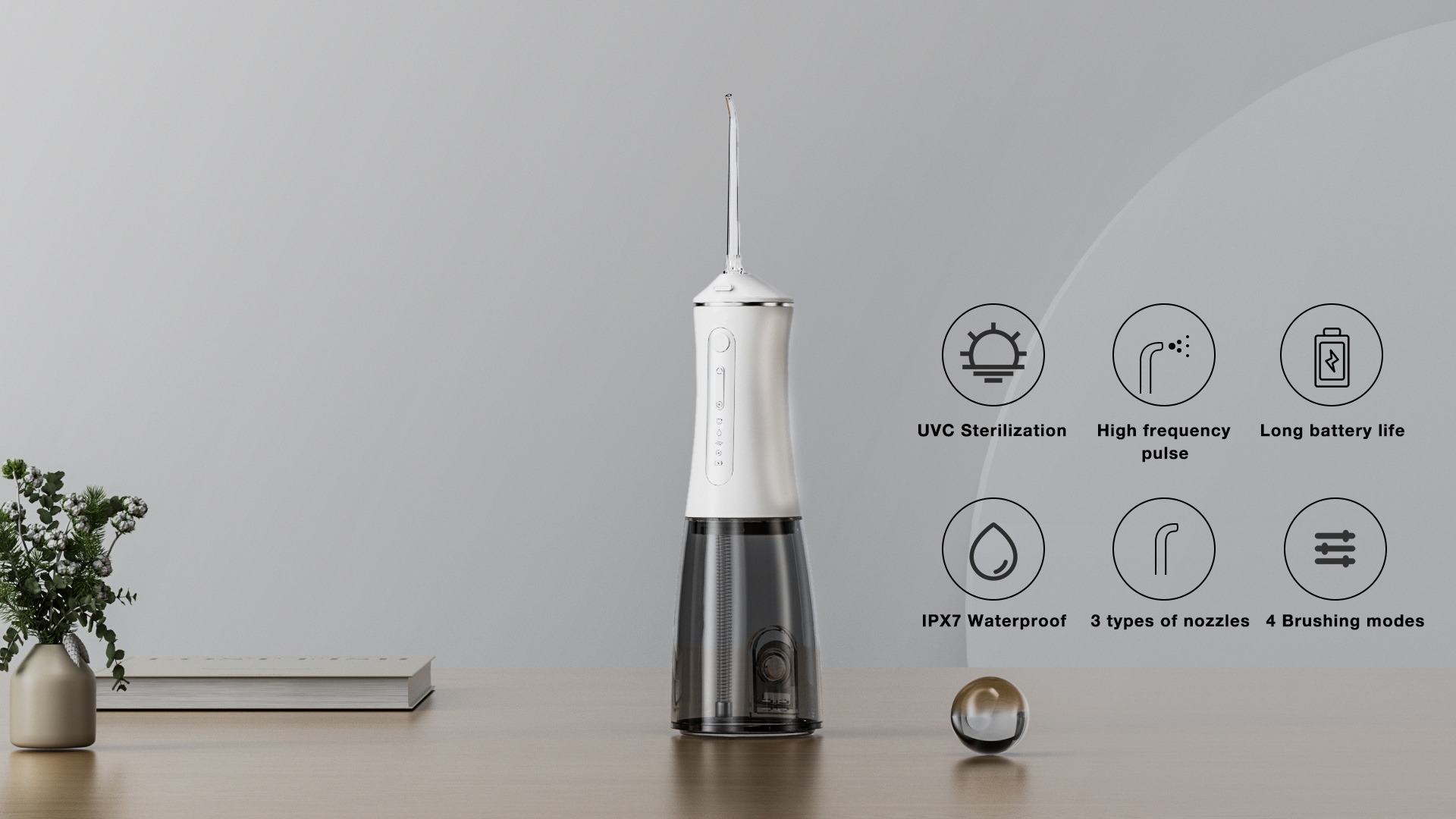
Why Do Dentists Recommend Dental Irrigators? Only by Cleaning Properly Can You Protect Your Mouth
Wholesale Electric Toothbrush Distributor USA | Reliable B2B Supply Partner
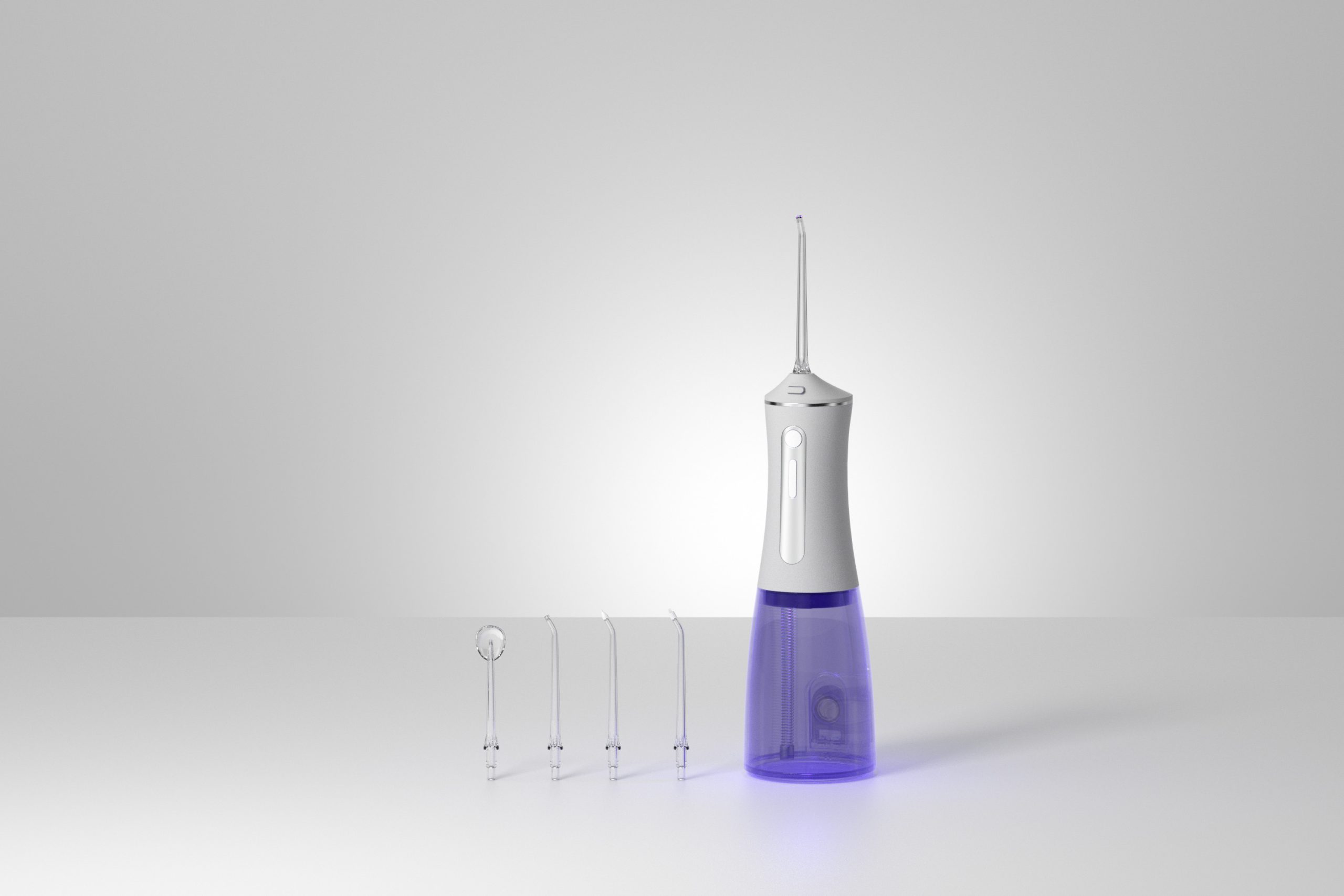
The Scope of OEM Customization of Water Flossers: How to Meet the Needs of Customers of Different Brands?
adult sonic toothbrush wholesale | High-Performance Sonic Toothbrush Bulk Supply
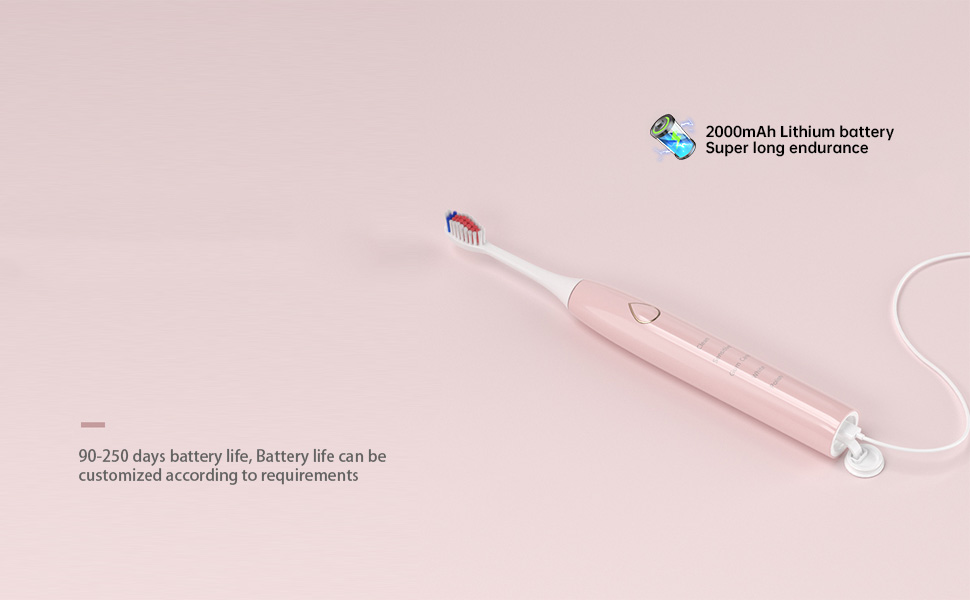
Why can’t the electric toothbrush be charged?


.jpg)
.jpg)
.jpg)
.jpg)
.jpg)






.webp)