
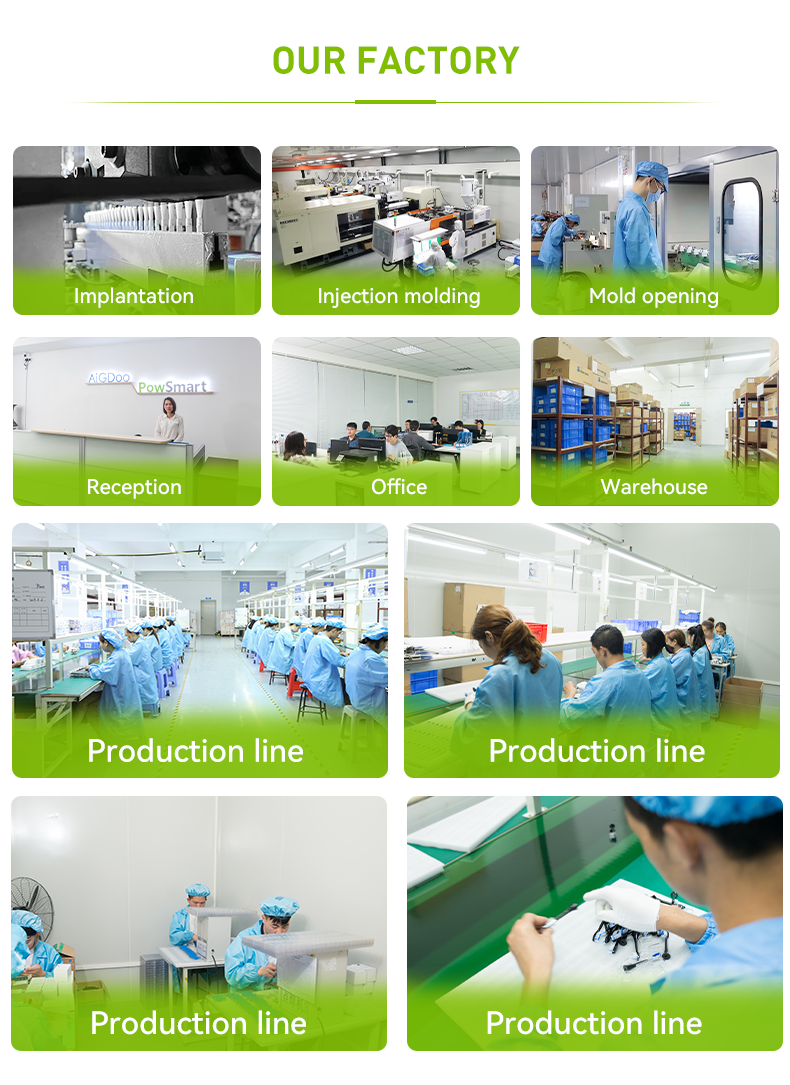
As the oral beauty device market continues to evolve, many brands—especially startups or those launching new product lines—prefer small batch trial production for whitening teeth devices before committing to large-scale investment. Trial runs allow businesses to validate market response, fine-tune design, and optimize pricing models. However, small batch production also introduces unique cost and risk factors. This blog explores how to analyze the trial production cost, manage risk, and implement a quick launch strategy through flexible solutions like low MOQ OEM for whitening teeth device.
Accurately calculating the trial production cost is the first step in budget planning. Costs typically include:
Mold/tooling fees (if custom design is involved)
Unit production cost, often higher per unit in low-volume runs
Packaging development
Certification and testing, especially for global markets (e.g. CE, FDA)
Logistics and warehousing
For small batches, the unit price may be elevated, but these investments serve to reduce risks before mass production. Transparent small batch trial production cost calculation helps businesses allocate resources wisely and avoid unexpected expenses.
One of the key risk control strategies is selecting a manufacturer that offers low MOQ OEM for whitening teeth devices. This approach allows:
Entry into the market with as few as 100–300 units
Brand testing without heavy upfront investment
Flexible iteration based on early customer feedback
A reliable OEM partner offering low MOQ ensures that even small brands can compete and test product-market fit efficiently.
For small or new brands, unsold inventory is a significant risk. A smart inventory pressure solution includes:
Just-in-time production: Reduce storage by aligning production with demand
Split shipments: Receive goods in smaller batches to ease cash flow
Modular packaging: Allow for universal packaging designs that work across multiple SKUs
By optimizing inventory strategy during trial production for whitening teeth devices, brands can significantly reduce operational burden and warehousing costs.
Time-to-market is critical. A solid quick launch strategy involves:
Partnering with manufacturers who offer pre-existing molds and designs
Using stock components with rapid customization options (e.g. logo printing, color matching)
Leveraging ready-to-use packaging templates
This fast-track approach helps brands enter the market in as little as 4–6 weeks, gather feedback, and iterate faster than competitors.
Trial production for whitening teeth devices is a strategic move—not just a budget compromise. When combined with:
Transparent trial production cost calculation
Flexible low MOQ OEM solutions
Intelligent inventory pressure solutions
A well-executed quick launch strategy
Brands can test the market confidently, minimize risks, and position themselves for long-term success in the competitive oral care device space.
Looking to explore small-batch production with flexible terms and expert support? Contact us today to discuss your whitening device project.
.jpg)
How Do Indicator Error and Seal Deterioration Mislead Users?

Application of Phototherapy Technology in Teeth Whitening and Oral Care
Why Is Enamel Vulnerability Linked to Staining Residuals?
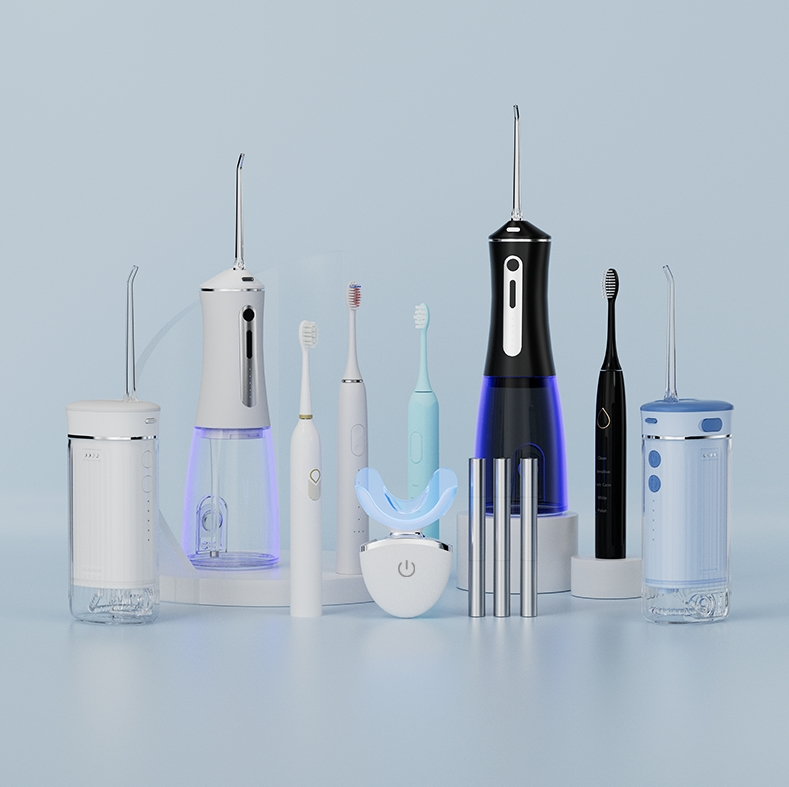
Smart Sonic Toothbrush Private Label: Complete OEM Services for Your Brand
Home Use Teeth Whitening Device OEM for Global Oral Care Brands

Can an Electric Toothbrush Help Relieve Tooth Sensitivity?
Rechargeable Whitening Device OEM for Global B2B Brands
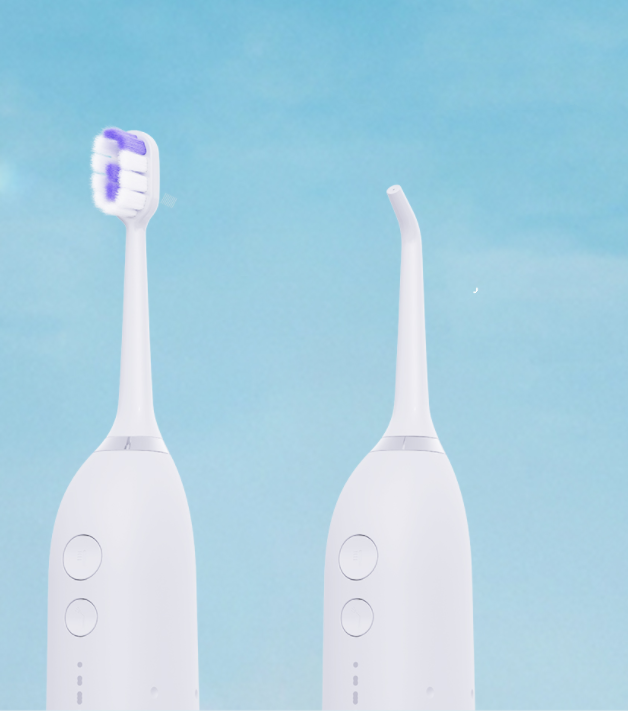
Deep Clean Interdental Electric Toothbrush Manufacturing Solutions
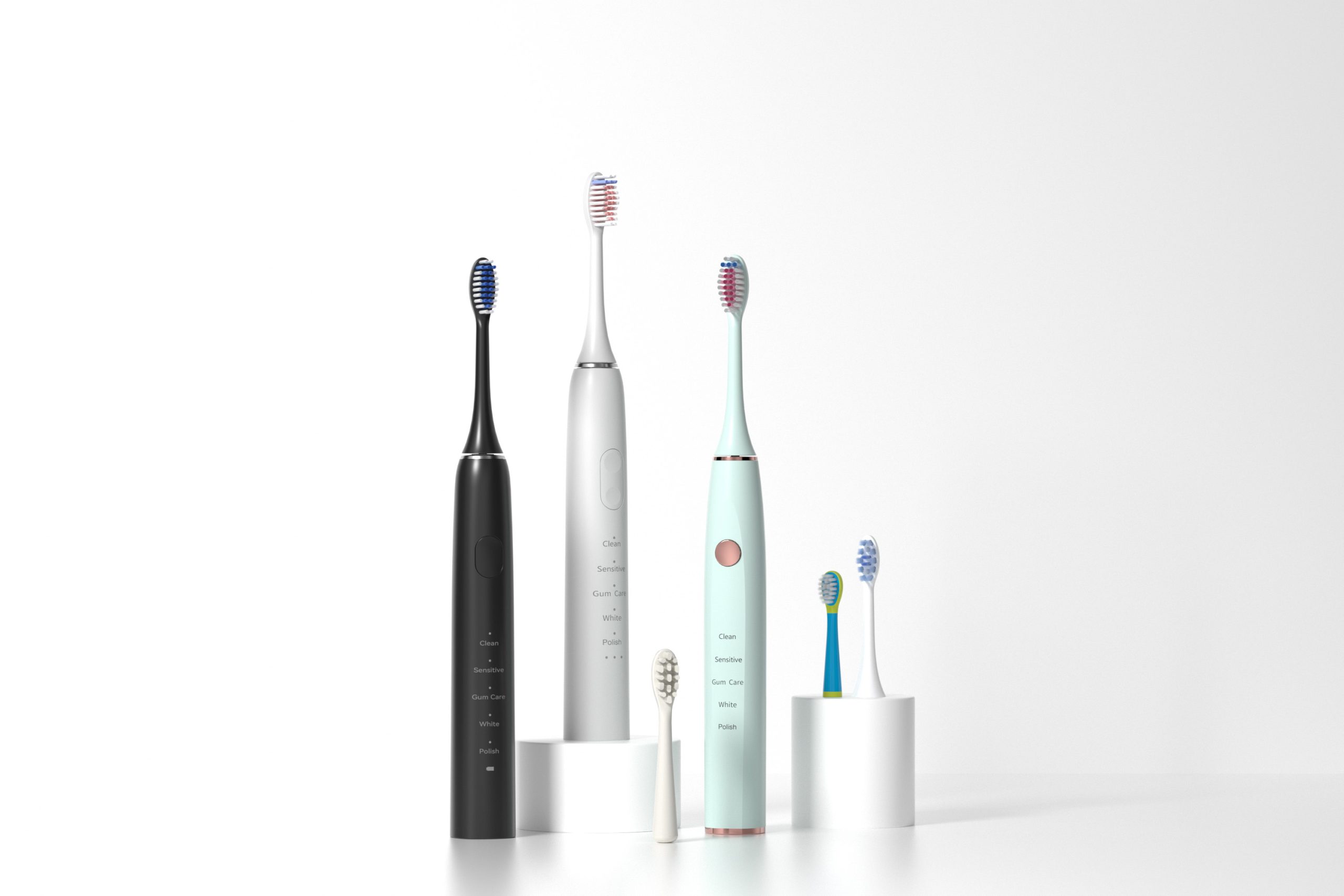
Does Gum Health Sonic Toothbrush Worsen Jaw Discomfort?
.jpg)
Research on Consumers’ Preferences for the Functions and Prices of Electric Toothbrushes – From the Perspective of Suppliers
Why Do Whitening Cycles Cause Efficacy Debates?
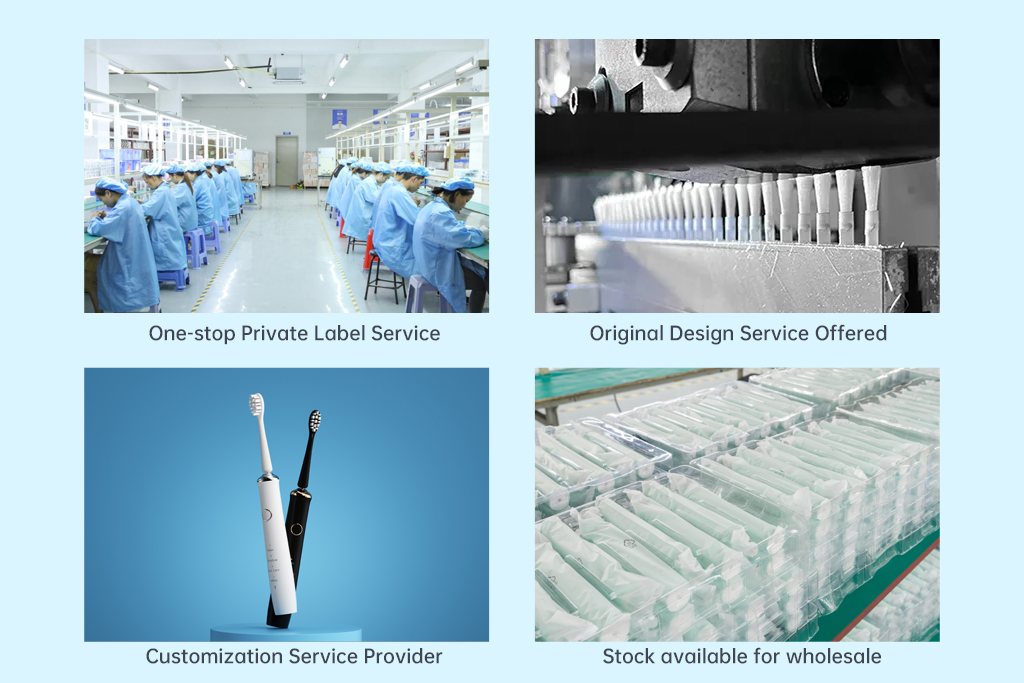
How Oral Care Brands Can Expand Product Line Strategically
Why is an LED Whitening Lamp Critical for Activating an Accelerated Whitening Solution?
How Does Cold Light Wavelength Affect Bleach Decomposition?
Do Bluetooth Disconnect and Stream Splitting Affect Device Precision Together?
.jpg)
Is POWSMART Rotating Oscillating Toothbrush’s Water Pressure Instability?


.jpg)
.jpg)
.jpg)
.jpg)
.jpg)






.jpg)
.jpg)