
In today’s competitive manufacturing landscape, companies are constantly seeking ways to improve efficiency while maintaining high-quality standards. Six Sigma Process Control has emerged as a leading methodology for reducing defects and optimizing production processes. But can Six Sigma also justify a transparent Cost-Plus Pricing Model? In this blog, we will explore the relationship between these two concepts and how Six Sigma’s focus on quality and process improvement aligns with cost-plus pricing to benefit both manufacturers and clients.
Six Sigma is a data-driven methodology that focuses on improving the quality of processes by identifying and removing defects, minimizing variation, and ensuring that products meet customer expectations. It utilizes various tools and techniques, including statistical process control (SPC), to measure and analyze performance, with the ultimate goal of achieving near-perfect results. A process is considered to be at Six Sigma quality when it produces fewer than 3.4 defects per million opportunities, ensuring that the product is reliable and of high quality.
By applying Six Sigma principles, manufacturers can streamline operations, improve product consistency, and significantly reduce waste, resulting in increased efficiency and lower operational costs.
The Cost-Plus Pricing Model is a pricing strategy where a manufacturer or service provider adds a markup to the cost of producing a product or service. The markup is typically calculated as a percentage of the total cost of production, which includes direct costs like raw materials and labor, as well as overhead costs.
This model offers a straightforward and transparent approach to pricing, allowing customers to understand the relationship between the cost of production and the final price. It’s particularly useful for industries with fluctuating costs, as the pricing structure allows manufacturers to account for variable expenses while still ensuring profitability.
Six Sigma Process Control plays a pivotal role in managing costs. By improving processes and reducing variability, Six Sigma helps manufacturers achieve more consistent output, reduce waste, and lower operational costs. This translates into greater cost predictability, which is a key benefit for both manufacturers and customers.
For example, Six Sigma can lead to:
These efficiency gains directly support the Cost-Plus Pricing Model by making it easier to predict the true cost of production.
A transparent Cost-Plus Pricing Model relies on accurately understanding and controlling the costs involved in manufacturing. Six Sigma provides manufacturers with the tools and insights needed to improve their processes and lower costs, which ultimately benefits customers through fairer pricing. Here’s why:
When manufacturers combine Six Sigma Process Control with a Cost-Plus Pricing Model, they benefit from enhanced cost efficiency. The main advantages include:
To successfully implement Six Sigma with a Cost-Plus Pricing Model, manufacturers should follow these steps:
Integrating Six Sigma Process Control with a Cost-Plus Pricing Model creates a solid foundation for improving operational efficiency. By adopting Six Sigma practices, manufacturers can reduce defects, lower costs, and better manage resources. This approach not only benefits the manufacturer by improving profitability. Contact us
How to Solve the Problem of Low Battery in Electric Toothbrushes?

Analyze the real profit you can make in teeth whitening

Electric toothbrushes vs. other oral care tools
Can a Leak-proof Valve Ensure the Simplicity of a Gravity Feed System?
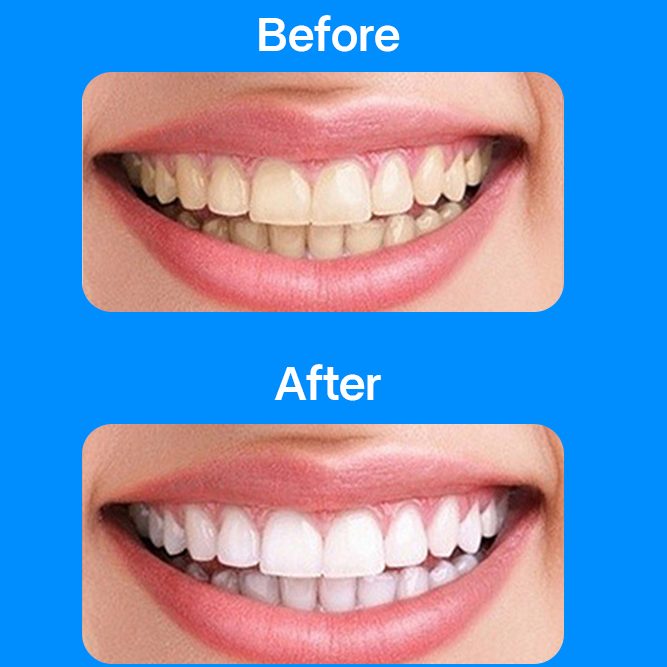
Is It True That Portable Teeth Whitening Devices Have No Effect at All?

Does a Water Flosser Require Regular Maintenance? How Should It Be Cleaned?

About the roundness of electric toothbrushes head
.jpg)
Teeth Whitening Pen OEM

The Market is Growing Rapidly: Is There Still an Opportunity to Enter the Oral Irrigator Industry?
New Year Resolution for Better Oral Health | Powsmart
.jpg)
Developing an Electric Toothbrush Sourcing Strategy?
How to Choose a Reliable Electric Toothbrush OEM Factory? Pit Avoidance Guide
How to Make Your Own Toothbrush Brand with OEM/ODM Solutions
Custom Toothbrush Handle Designs – Texas OEM Manufacturing Capabilities
Sleek Design Electric Toothbrush Manufacturer for Global Brands
.jpg)
What’s the Best Electric Toothbrush for Outdoor Enthusiasts in Colorado?


.jpg)
.jpg)
.jpg)
.jpg)
.jpg)







.webp)
.jpg)