When you’re planning promotions, the choice between broad SF toothbrush deals (online and regional digital discounts) and an on-the-ground San Francisco sale (local in-store events, pop-ups, and city-focused campaigns) matters for margin, logistics and brand perception. Each approach reaches different buyer intents and offers distinct operational trade-offs — so B2B buyers and OEM partners should evaluate both against KPIs like sell-through, new-account acquisition, return rates and lifetime value.
First, consider how customers find your product. SF toothbrush deals that run on marketplaces, retailer websites, and social ads capture both local buyers and tourists researching before arrival — often at a lower acquisition cost per click. In contrast, a San Francisco sale (mall pop-ups, neighborhood store promos, or tourism-area kiosks) targets immediate foot traffic and impulse purchases. Therefore:
Promotional depth affects both sales velocity and brand perception. Heavy, repeated SF toothbrush deals on third-party platforms typically compress margin but move large inventory quickly. A San Francisco sale can support gentler discounting (or value-add bundles) because customers expect event premiums for convenience and immediacy. Practically:
-300x300.jpg)
-300x300.jpg)
Operationally, online SF toothbrush deals require robust fulfillment: fast shipping, clear return policies, and capacity to handle spikes. Returns and RMAs can be higher when customers buy sight-unseen. Conversely, San Francisco sale events reduce online returns because customers inspect product in person, but they introduce pop-up logistics (temporary storage, local staffing, permits). For B2B partners:
An ongoing stream of SF toothbrush deals can drive repeat purchases (subscription upsell) if paired with CRM and retargeting. However, a memorable San Francisco sale—especially co-branded with local clinics, hotels, or tourist services—builds face-to-face trust and can open wholesale relationships with local retailers and hospitality chains. Use this playbook:
Don’t overlook regulatory and calendar factors. San Francisco permitting, sales tax collection, and health code requirements (for amenity kits sold to hotels) add friction to a San Francisco sale but can be managed with local partners. Similarly, for SF toothbrush deals plan around peak windows (holiday travel, trade shows, back-to-school) and ensure ad creatives and claims comply with advertising and health rules. Practical tips:
Decide success metrics before launch. Typical B2B KPIs include:
If your objective is volume and measurable digital growth, well-targeted SF toothbrush deals (with solid fulfillment and subscription hooks) will generally outperform a single local activation. However, if you need brand credibility, retail placements, or immediate in-market presence—especially in tourism-heavy neighborhoods—a carefully executed San Francisco sale can deliver higher-quality customers and lower returns. Best practice for B2B partners: blend both. Use digital deals to create awareness and capture demand; reinforce with periodic San Francisco on-ground events to convert, demo and build local retail relationships.
If you’d like, I can convert this into a one-page decision matrix (promo type vs. KPI) or draft a sample campaign calendar that sequences SF toothbrush deals and San Francisco sale activations for maximal ROI. Which would help your team most? Contact us
Is Blue Light Under 480nm Safe for Teeth Whitening Devices?
.jpg)
Sonic Toothbrush Factory for Brands | OEM & Private Label Production
multi-mode toothbrush manufacturer | Multi-Function Sonic Toothbrush OEM

Need Packaging Customization Service for Your Professional Salon Whitening Device?

Why Must Your Whitening Gel Formulation Adhere to Aesthetic Device Compliance Regulations?

At What Age Can a Child Use a kids Electric Toothbrush?
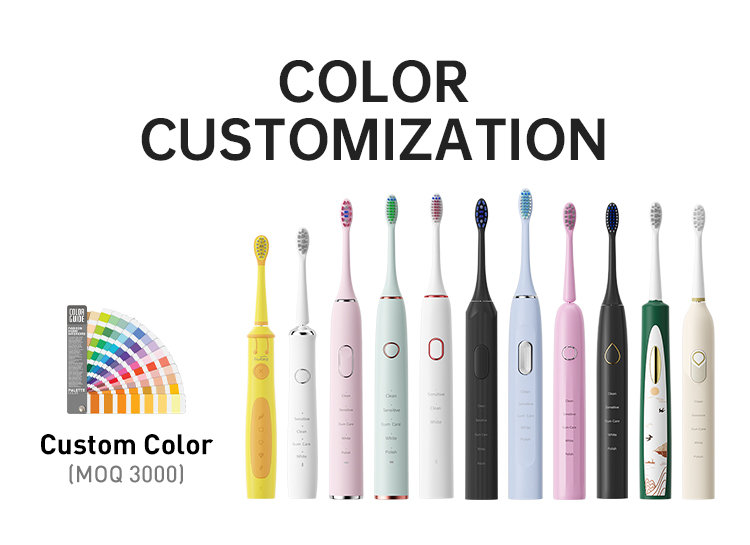
How Does an LED Whitening Lamp Activate a Specialized Whitening Gel Formulation for Fast Results?
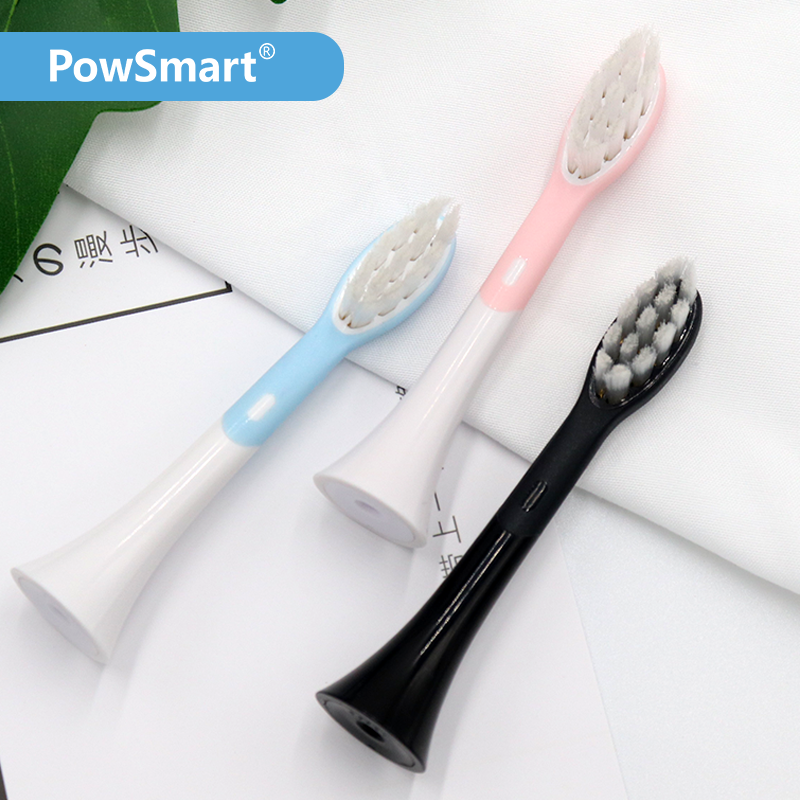
Does It Matter If You Buy an Electric Toothbrush Replacement Head That Is Not an Official One?
.jpg)
Overbrush Habit Causing Pulp Inflammation – Irreversible?
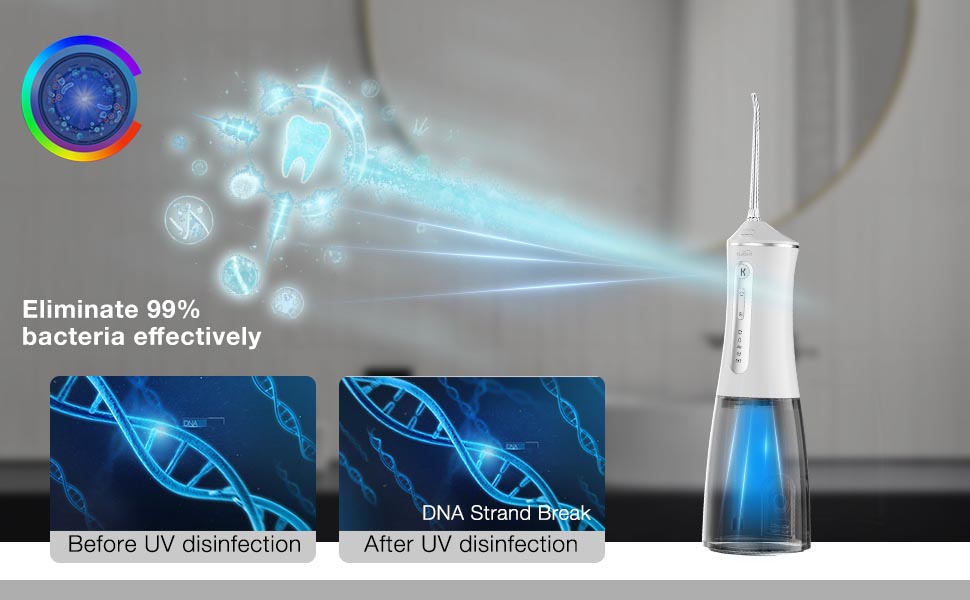
Enjoy Using a Water Flosser to Boost Oral Hygiene
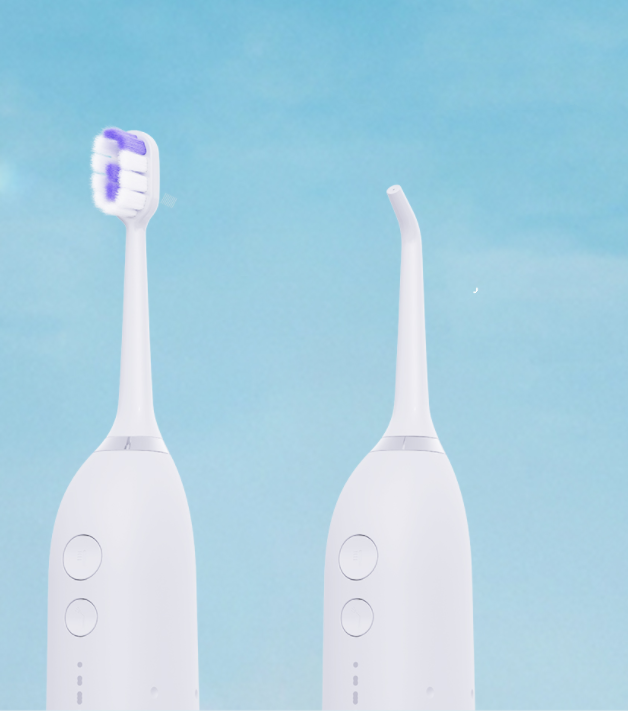
Deep Clean Interdental Electric Toothbrush Manufacturing Solutions

Does Jet Stream Precision Depend on Long-Term Hose Durability?
Long-Term Toothbrush Supplier Partnership for Sustainable Growth
Red Blue Light Teeth Whitening Device Technology
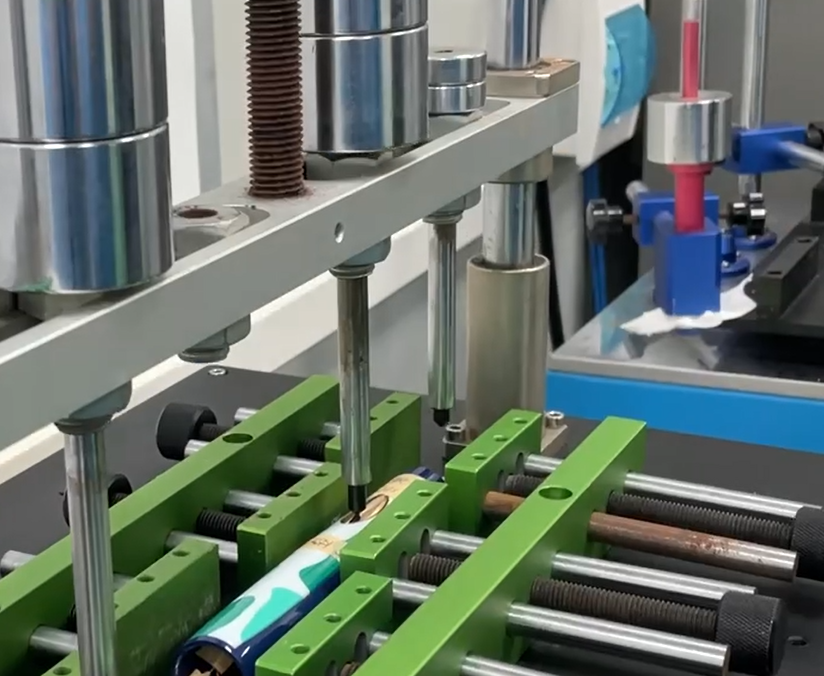
Comparison Between UV Spraying and PU Spraying for Electric Toothbrushes: Matte, Anti-Slip, and Environmental Protection Performance Analysis
Quiet Electric Toothbrush for Night Use – OEM Supply for Hotels & Wellness Brands


.jpg)
.jpg)
.jpg)
.jpg)
.jpg)






.jpg)