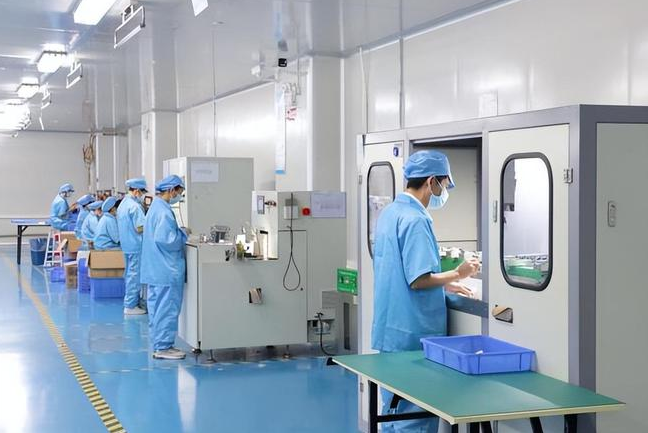
Seattle’s coffee culture is real — and with it comes demand for products that help consumers manage daily tooth staining. But can an electric Seattle coffee toothbrush legitimately address Seattle stain removal needs without compromising enamel or user safety? For B2B manufacturers and OEM/ODM partners the answer is: it can help reduce surface stains if engineered, validated, and commercialized correctly. Below are six practical dimensions—market, head & abrasive tech, drive/mode design, safety & compliance, validation & testing, and go-to-market—that turn the idea into a producible product line.
First, define the problem and the buyer. Seattle consumers expect gentle, effective stain care that fits their routines. For manufacturers, a successful Seattle coffee toothbrush should be positioned not as a clinical whitening device but as a daily-care accessory that targets surface staining caused by coffee, tea, and lifestyle factors. Practical positioning options:
Consequently, messaging should promise “visible surface stain reduction” backed by test data—not clinical whitening claims reserved for professionals.
Next, pick the right surface-contact architecture. True Seattle stain removal relies on mechanical and chemical synergy—controlled abrasion (micro-polishing) plus safe, dental-grade cleaning agents. Options to consider:
Design goal: enough mechanical action to lift surface stains but low enough abrasivity to protect enamel and dentin over repeated use. Company web: https://www.powsmart.com/product/electric-toothbrush/
.jpg)
.jpg)
Moreover, the motor and motion choices determine both efficacy and safety. Key engineering levers:
Thus, the handle + firmware must be designed as a system to protect the tooth while maximizing stain lift.
Crucially, stain-removal claims intersect with safety and compliance. Manufacturers must:
In short, balancing efficacy with enamel protection is non-negotiable for long-term brand trust.
Furthermore, robust validation is mandatory to back any promise of Seattle stain removal:
Validation converts a novelty into a responsibly marketed feature.
Finally, make it manufacturable and saleable:
By aligning manufacturing and commercial tactics, the Seattle coffee toothbrush can become a profitable product family rather than a one-off gimmick.
A well-engineered Seattle coffee toothbrush can meaningfully reduce extrinsic Seattle stain removal if the system—head, motor, consumable chemistry, firmware, and messaging—is designed holistically and validated rigorously. Actionable next steps for B2B teams:
If you’d like, I can draft a technical specification for a prototype (head geometry, motion profile, polishing pad materials, test protocol outline, and a pilot plan tailored to Seattle coffee drinkers). Want me to prepare that next?
.jpg)
OEM Sonic Toothbrush Supplier for Global Brand Manufacturing
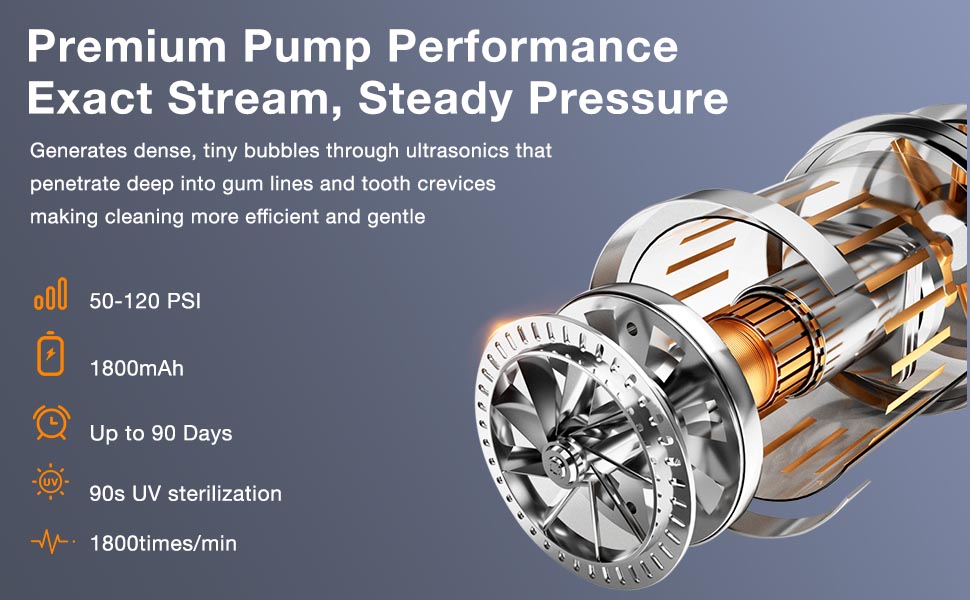
About the Core Accessories of an Oral Irrigator – Water Pump
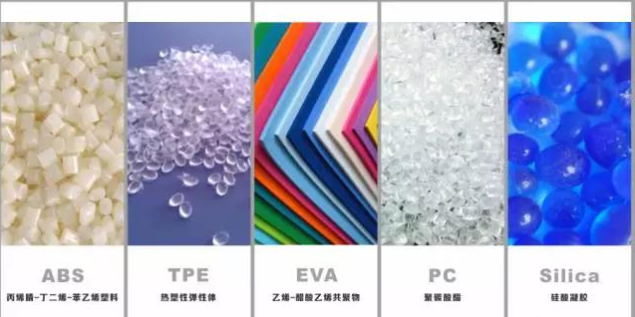
Oral Care Products CPSR Material List: Ensuring Safety and Compliance
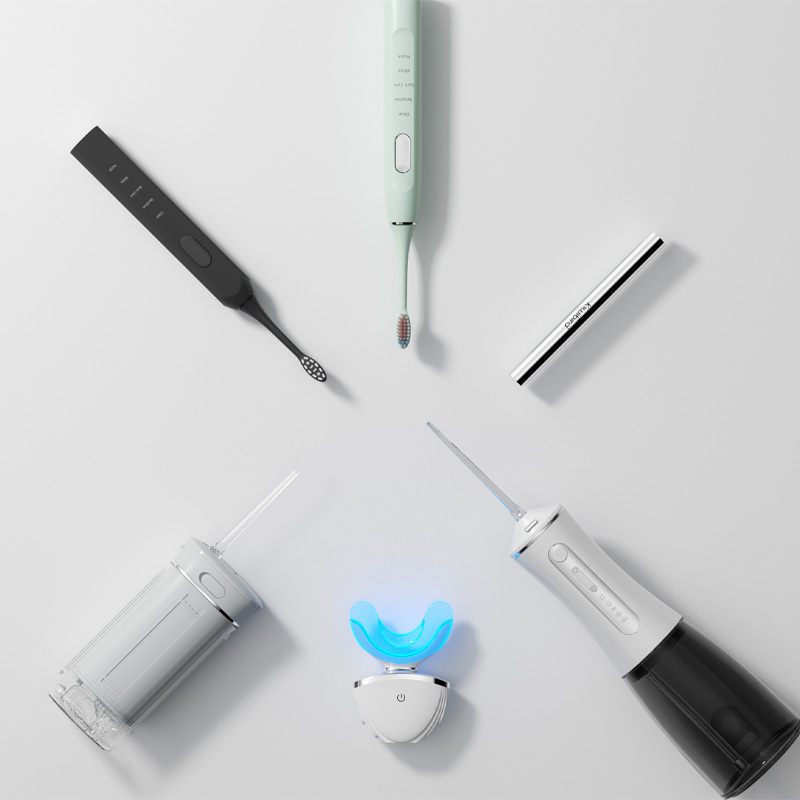
Market Potential of Electric Toothbrush & Whitening Device Combos

Are Electric Toothbrushes Harmful to Children? Analysis of the Three Major Hazards and Disadvantages
Electric Toothbrush Manufacturers Tell You the Truth About Charcoal Toothbrush Heads
Do LED teeth whitening device trays need to be removed and cleaned frequently?
Professional Electric Toothbrush OEM – Dental Practice Custom Solutions
3-Month Brush Head Replacement Reminder: Why It Matters for brand owners
.jpg)
Does It Include Comprehensive Toothbrush Design Services?
Christmas Gift Electric Toothbrush for Oil Worker in Houston
Wholesale Electric Toothbrush Suppliers in San Antonio
The Reasons and Solutions for the Electric Toothbrush Not Responding When Turned On
How Does Custom Electric Toothbrush Branding Streamline Bulk Electric Toothbrush Orders?
White Label Oral Care Products – Advantages for Retailers
Refining Your Toothbrush Sourcing Strategy?


.jpg)
.jpg)
.jpg)
.jpg)
.jpg)






.jpg)