When it comes to oral care, innovation and consumer demand often go hand-in-hand. Electric toothbrushes have gained immense popularity worldwide, reshaping how people perceive daily dental hygiene. From a manufacturing perspective, understanding both the opportunities and challenges behind these products is crucial for brands looking to enter or expand in this space. In this article, we will explore the pros and cons of using an electric toothbrush, highlighting the benefits of electric toothbrush technology, while also analyzing production and market considerations.
From an oral health comparison, studies often show that electric toothbrushes provide more consistent plaque removal and gum protection than manual brushes. For consumers, benefits include:
Built-in timers and pressure sensors for proper brushing technique
Convenience and efficiency for children, elderly, and orthodontic patients
Perception of premium oral care leading to stronger brand loyalty
These features not only drive demand but also create differentiation opportunities for oral care brands.
For manufacturers, electric toothbrushes open doors to:
Product diversification beyond manual brushes
Opportunities to integrate smart features such as Bluetooth connectivity or app tracking
Partnerships with dental professionals for endorsements and market credibility
This adds value for brands who want to position themselves as innovators in the oral care market.
However, manufacturing electric toothbrushes also comes with challenges:
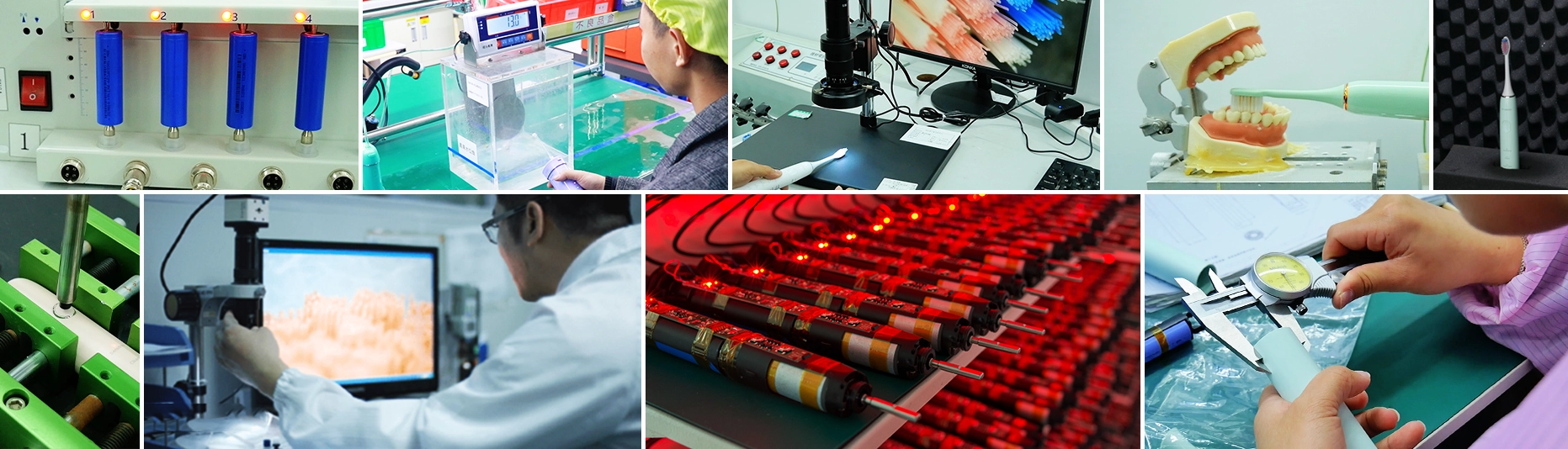
Higher production costs due to motors, batteries, and electronic components
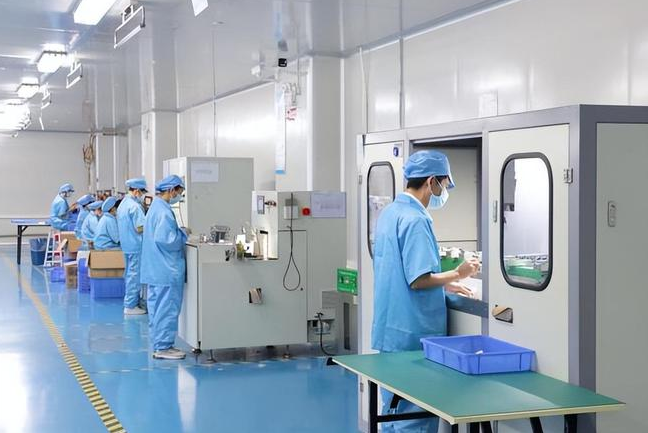
More complex supply chains with quality control requirements
Need for compliance with safety and health certifications in multiple regions
Brands must weigh these factors carefully when choosing a manufacturing partner.
From a manufacturing perspective, one of the cons of using an electric toothbrush is the need for consumer education. Many users are still attached to manual brushes due to affordability or habit. Manufacturers and brands must work together to highlight the benefits of electric toothbrush products through marketing, packaging, and dentist recommendations.
With rising consumer awareness about environmental impact, electric toothbrush manufacturers must also consider eco-friendly design:
Rechargeable batteries vs. disposable batteries
Recyclable brush heads and packaging
Reduced energy consumption during charging
A forward-thinking brand that partners with a manufacturer offering sustainable solutions can gain a strong competitive edge.
The pros and cons of using an electric toothbrush go beyond consumer experience—they directly influence brand strategy and manufacturing choices. While the benefits of electric toothbrush products can drive sales and customer satisfaction, the challenges in cost, compliance, and sustainability require careful planning.
For oral care brands, collaborating with an experienced manufacturer ensures high-quality production, compliance with international standards, and innovative design capabilities. Ultimately, success lies in finding a partner who can balance performance, cost-effectiveness, and innovation.
Does Your Contract Manufacturing Agreement Provide Quality Certification Support?
.jpg)
Charcoal Bristle Electric Toothbrush OEM Manufacturer | Private Label Solutions
IPX7 waterproof electric toothbrush bulk
Ergonomic Sonic Toothbrush Handle OEM
.jpg)
Can Arizona hard water damage your Arizona mineral toothbrush?
What is the Technical Core of an Electric Toothbrush?
Gentle Oral Care Products for Sensitive Gums: A Guide for Brands Seeking the Right Manufacturer

Cost Structure Analysis and Risk Avoidance of Small Batch Trial Production for Whitening Teeth Devices
.jpg)
American OEM electric toothbrush manufacturers
Short Circuit Plus Water Leakage – Playing with Fire?
Seal Degradation Causing Tissue Trauma?

Is Your Conformal Coating Service Validated by Thermal Cycling Endurance Test Data?
What is the general lifespan of electric toothbrush
How Does a Pressure Sensor Protect Gums?
What Is the Role of Blue Light LED Module in LED Mouthpiece Design for Teeth Whitening?
How Does a Simple Gravity Feed System Benefit from Precise Jet Stream Collimation?


.jpg)
.jpg)
.jpg)
.jpg)
.jpg)






.jpg)