
In the evolving landscape of oral care, sterilization plays a critical role in ensuring product safety, hygiene, and consumer trust. From toothbrush sanitizers to professional-grade oral care equipment, brands often rely on sterilization tech comparison to determine the most effective method before partnering with an OEM manufacturer. Two popular approaches—UVC sterilization and ozone sterilization—stand out, each with unique benefits and challenges. This article offers a clear pros & cons of ozone or UVC sterilization breakdown, tailored for oral care businesses exploring manufacturing partners.
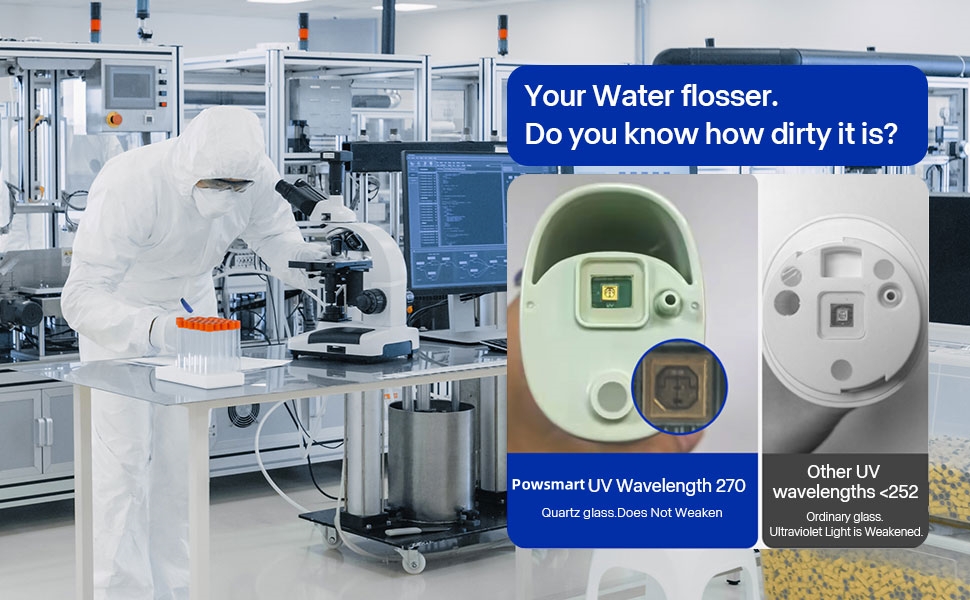
UVC sterilization uses short-wavelength ultraviolet light to inactivate microorganisms. It has been widely adopted across industries, including healthcare and oral care.
Pros:
Fast disinfection process.
Chemical-free sterilization.
Compact integration in oral care devices.
Cons:
UVC limitations include shallow penetration—only surfaces directly exposed to light are sterilized.
Bulb degradation reduces long-term efficiency.
Safety concerns if UVC light leaks outside its chamber.
For oral care product brands, UVC is excellent for surface sterilization (like toothbrush heads), but less effective for complex geometries.
Ozone sterilization relies on O₃ gas, which penetrates and oxidizes microbial cell walls. In sterilization in oral care, ozone is increasingly used for products that need deeper and more thorough disinfection.
Pros:
Strong penetration into hidden areas.
Can sterilize both surfaces and air.
Leaves minimal residue when safely managed.
Cons:
Requires strict handling because ozone safety OEM standards must be met.
May leave a temporary odor.
Longer sterilization cycles compared to UVC.
For brands seeking OEM factories, ensuring compliance with ozone safety standards is essential to protect both consumers and workers.
When conducting a sterilization tech comparison, brands should consider:
Application focus: UVC for quick, surface-level sterilization; ozone for deeper and more thorough coverage.
Product type: Toothbrush sanitizers may benefit from UVC, while larger oral care devices may lean toward ozone.
OEM feasibility: Some factories specialize in UVC module integration, while others have ozone chambers with strict safety protocols.
UVC: Simple, compact, cost-effective, but limited in penetration and requires careful design to prevent exposure risks.
Ozone: Highly effective for deep sterilization, but safety management and cycle time must be considered.
Both technologies can be adapted by OEM partners, but the choice depends on brand priorities—speed vs thoroughness, compactness vs penetration.
When searching for a manufacturing partner, oral care brands should evaluate:
Does the OEM specialize in ozone safety OEM protocols or UVC module design?
Can the factory provide certification and compliance testing for medical or consumer safety standards?
What is the balance between cost efficiency and long-term product performance?
Both UVC and ozone sterilization technologies have clear roles in oral care. By weighing the pros and cons of ozone or UVC sterilization, and understanding the UVC limitations versus the benefits of ozone safety OEM solutions, oral care brands can make informed decisions. Ultimately, the right OEM partner should not only offer the technology but also compliance expertise, ensuring safe, effective, and market-ready products.
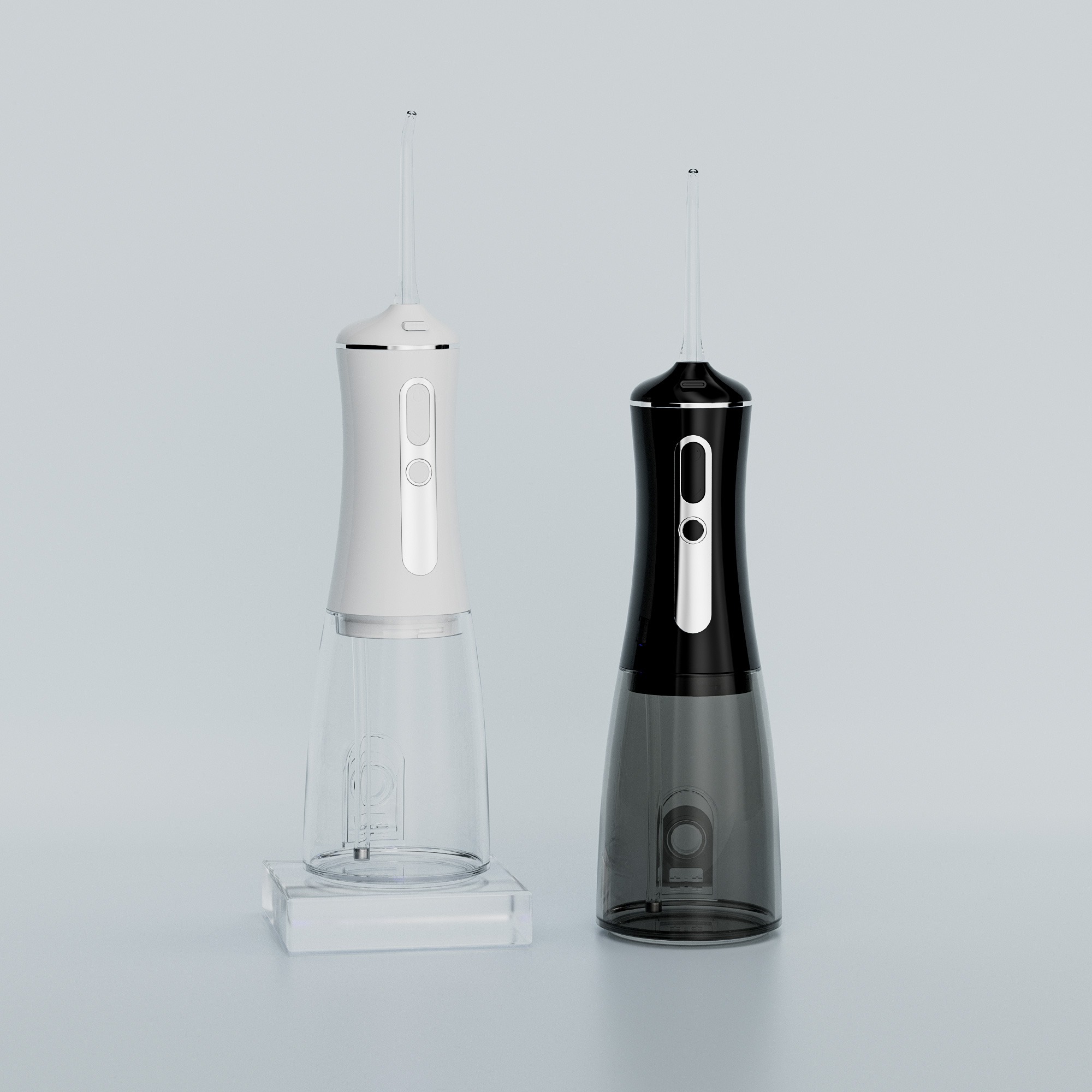
How to choose water flosser: Oral irrigator buying guide
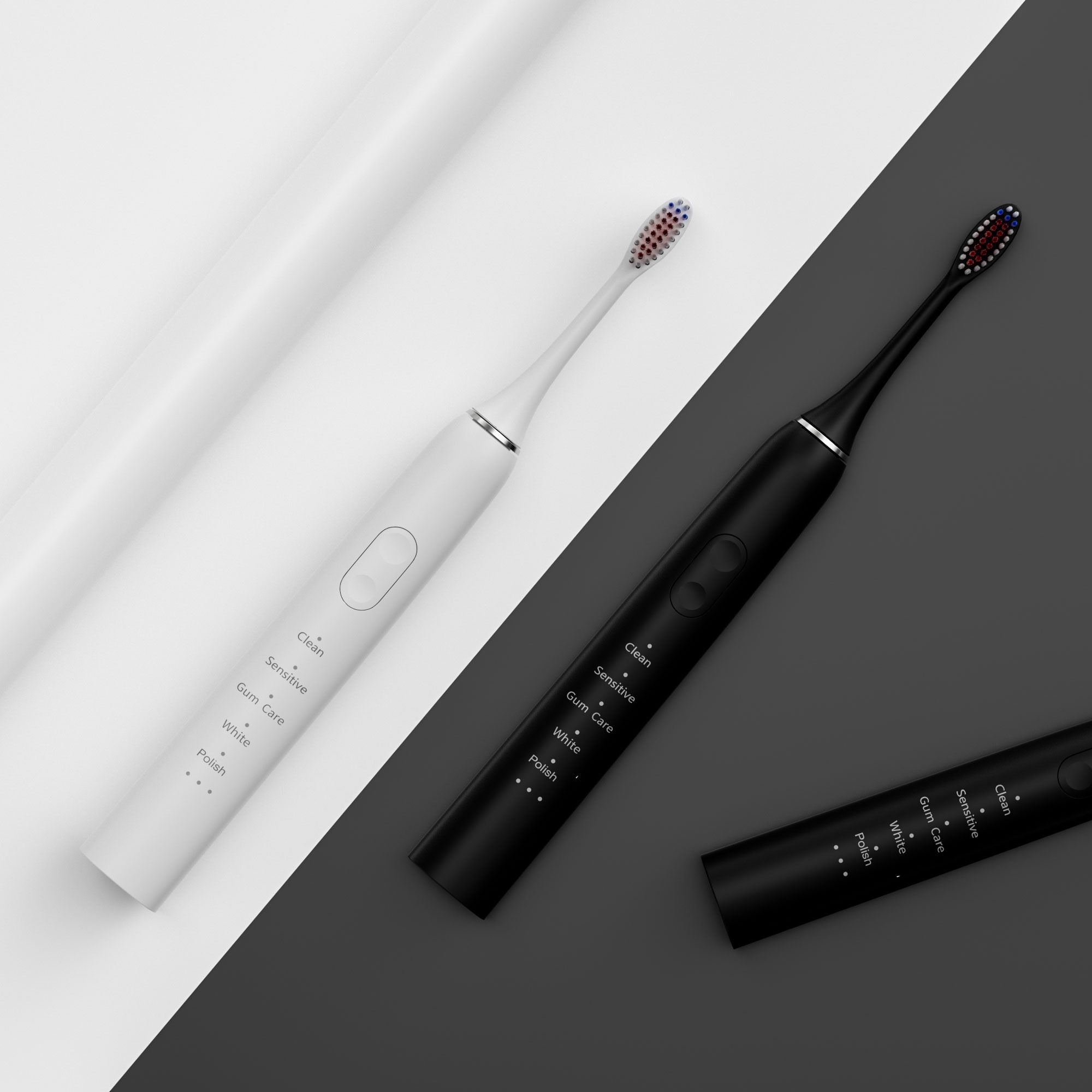
What types of batteries are currently available for electric toothbrushes?
.jpg)
Are Electric Toothbrushes Allowed in Carry-On Luggage? A Guide for Travel Brands
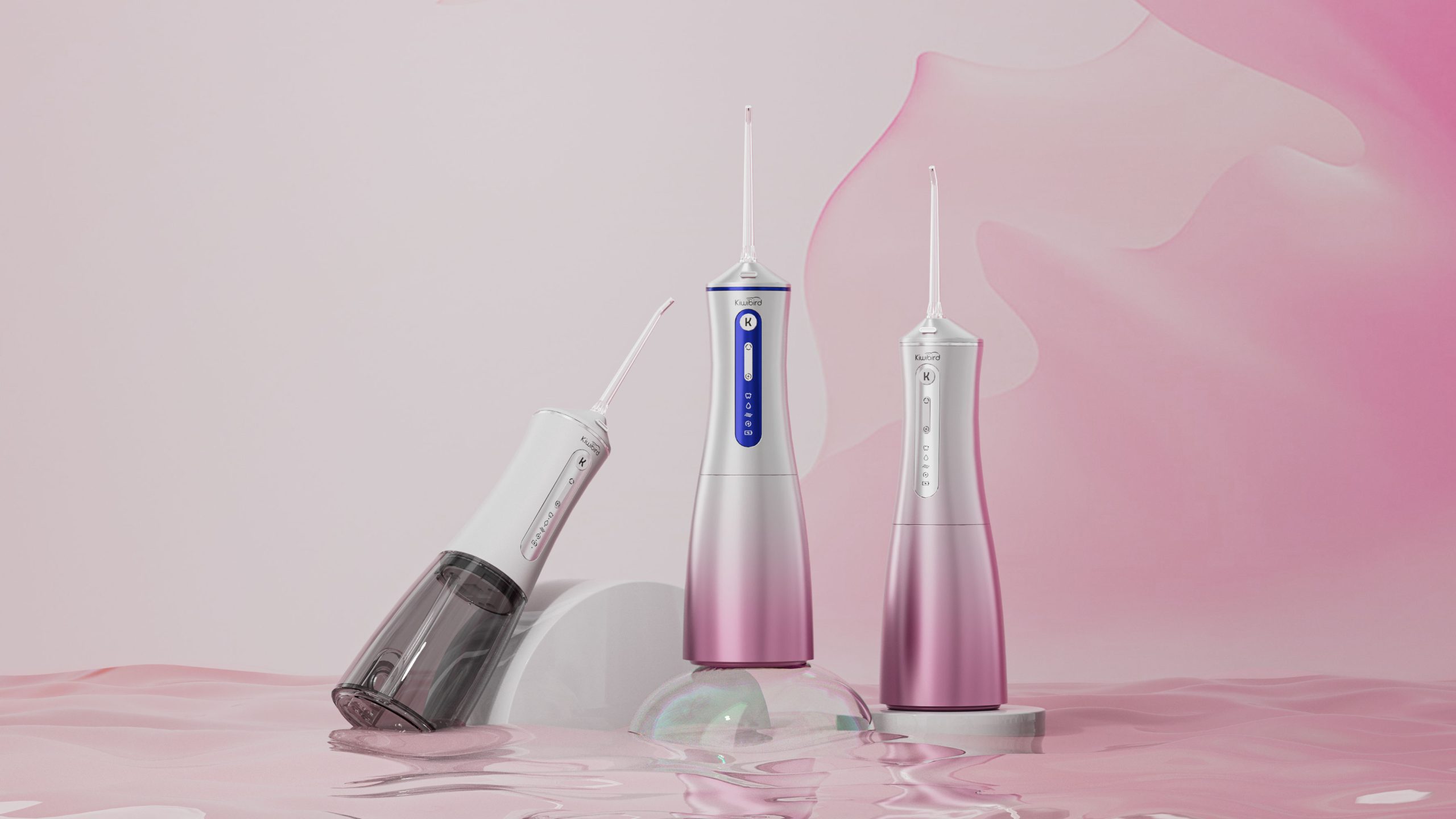
Will the Water Flosser Make the Gaps Between Teeth Bigger?
.jpg)
Electric Toothbrush Quality Control Process for OEM & Export Manufacturing
Father’s Day Gift Electric Toothbrush for Texas Dad
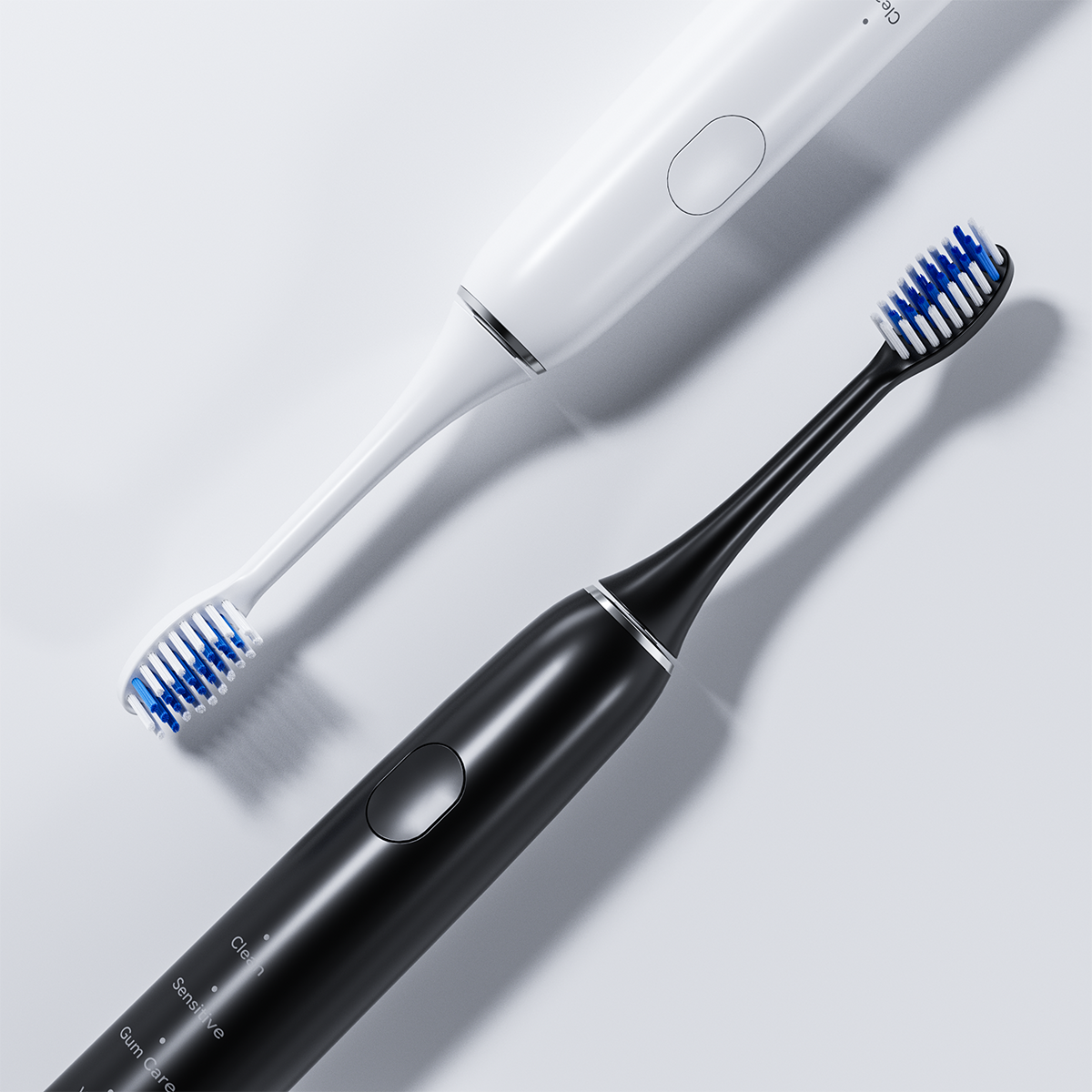
Do I Need to Consider the Appearance Design When Choosing an Electric Toothbrush?
red blue light whitening device supplier | Dual Light LED Whitening OEM
Overcoming Supply Chain Challenges in Oral Care OEM Manufacturing
Is an Under 50dB Brush Quiet Enough as an Apartment Living Toothbrush?
Rechargeable Electric Toothbrush OEM | Custom B2B Manufacturing
How does a high-performance Water Pump OEM partnership ensure the success of Precision Nozzle Manufacturing?
Stream Scattering and High Irritation Frustrating Users?
Eco-Friendly Electric Toothbrush Manufacturer | Sustainable Oral Care
Electric toothbrushes vs. other oral care tools
Water Flosser Pressure Settings Explained: Choose the Right Level for Your Gums


.jpg)
.jpg)
.jpg)
.jpg)
.jpg)





-1.jpg)