
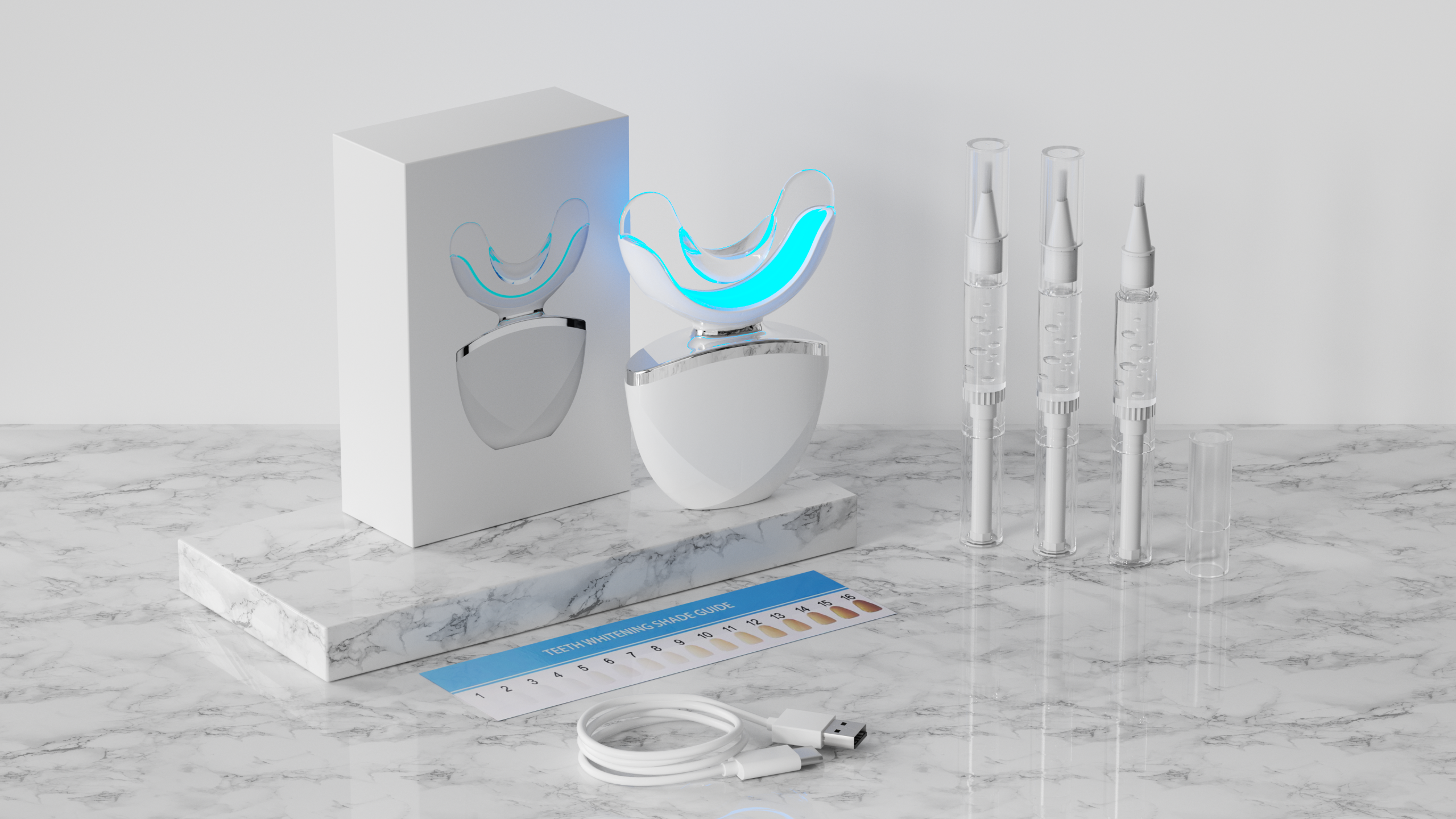
As demand grows for compact, on-the-go whitening solutions, ensuring Whitening Device Safety within a Portable Whitening Kit has become a top priority for manufacturers. For B2B suppliers and OEM partners, safety must be engineered into every layer of the product—from materials and electronics to user interaction and compliance—without compromising portability or performance.
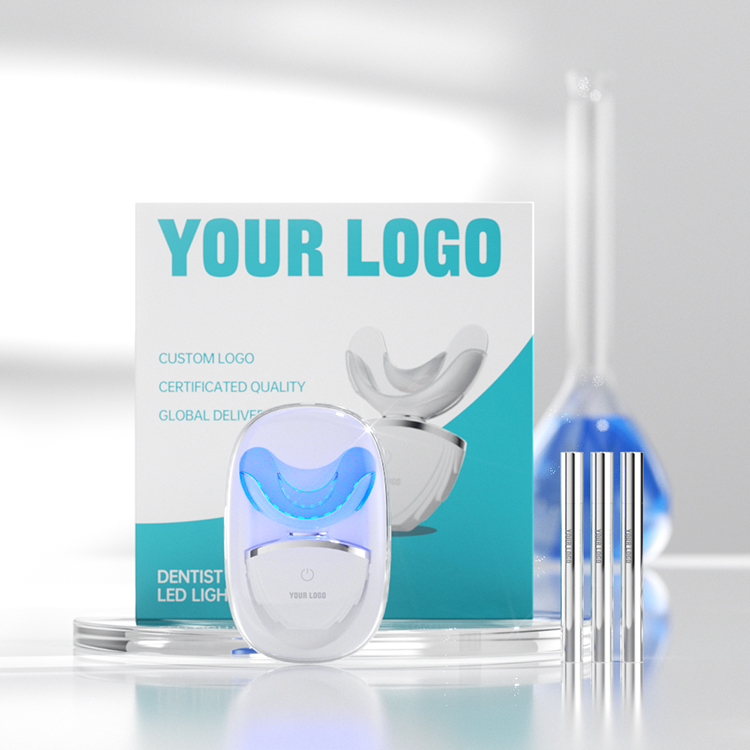
Portable devices often use LED-based activation. Safety-focused designs regulate light intensity and heat generation, ensuring the Portable Whitening Kit operates within safe thresholds while maintaining effective whitening performance.
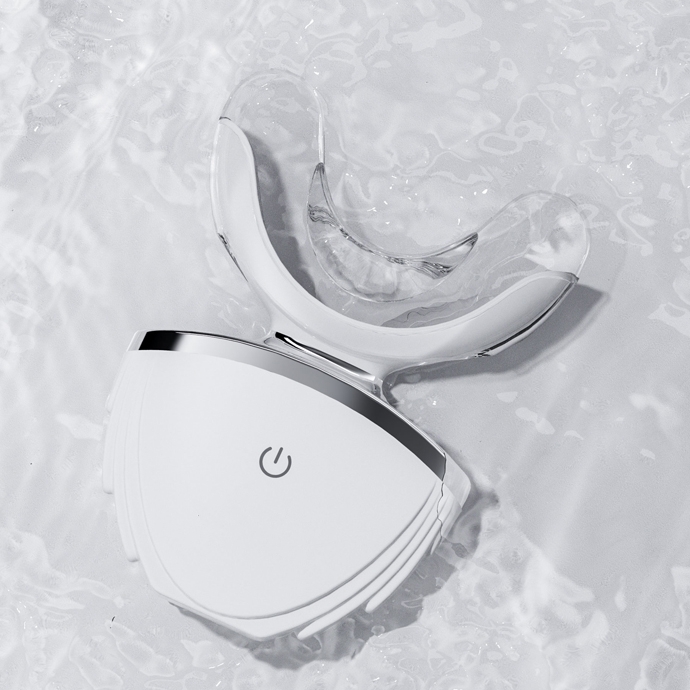
Whitening Device Safety begins with biocompatible materials. Mouth trays, housings, and gel-contact components in a Portable Whitening Kit are engineered using food- or medical-grade materials to prevent irritation and long-term exposure risks.
Built-in timers and automatic shutdown features prevent overuse. These safeguards ensure Whitening Device Safety by limiting treatment duration, especially important in Portable Whitening Kit designs intended for unsupervised home use.
Compact form factors rely on rechargeable batteries. Engineering safeguards such as overcharge protection, short-circuit prevention, and stable power regulation are essential to maintaining Whitening Device Safety in a Portable Whitening Kit.
Clear visual indicators, simple controls, and intuitive interfaces reduce misuse. By guiding correct operation, the Portable Whitening reinforces Whitening Device Safety even for first-time users.
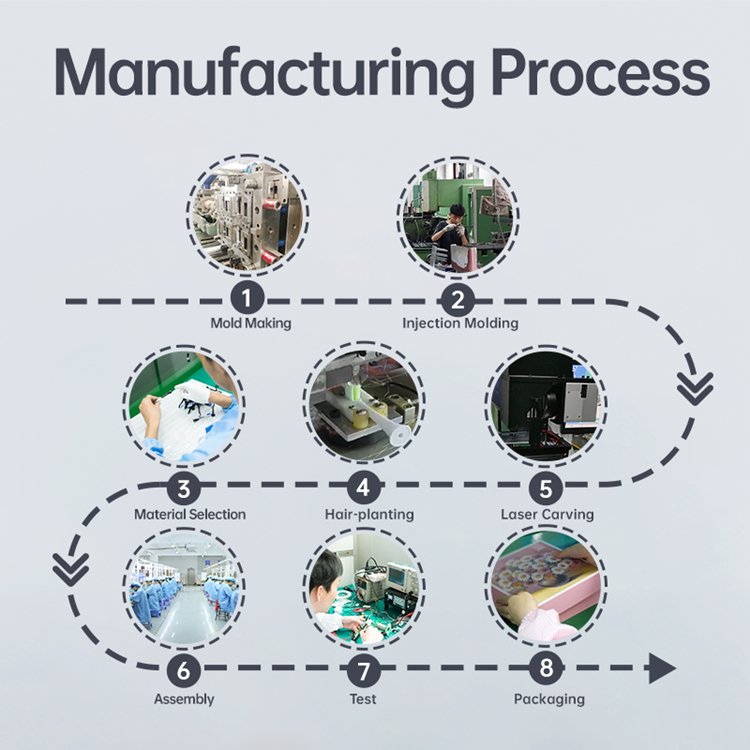
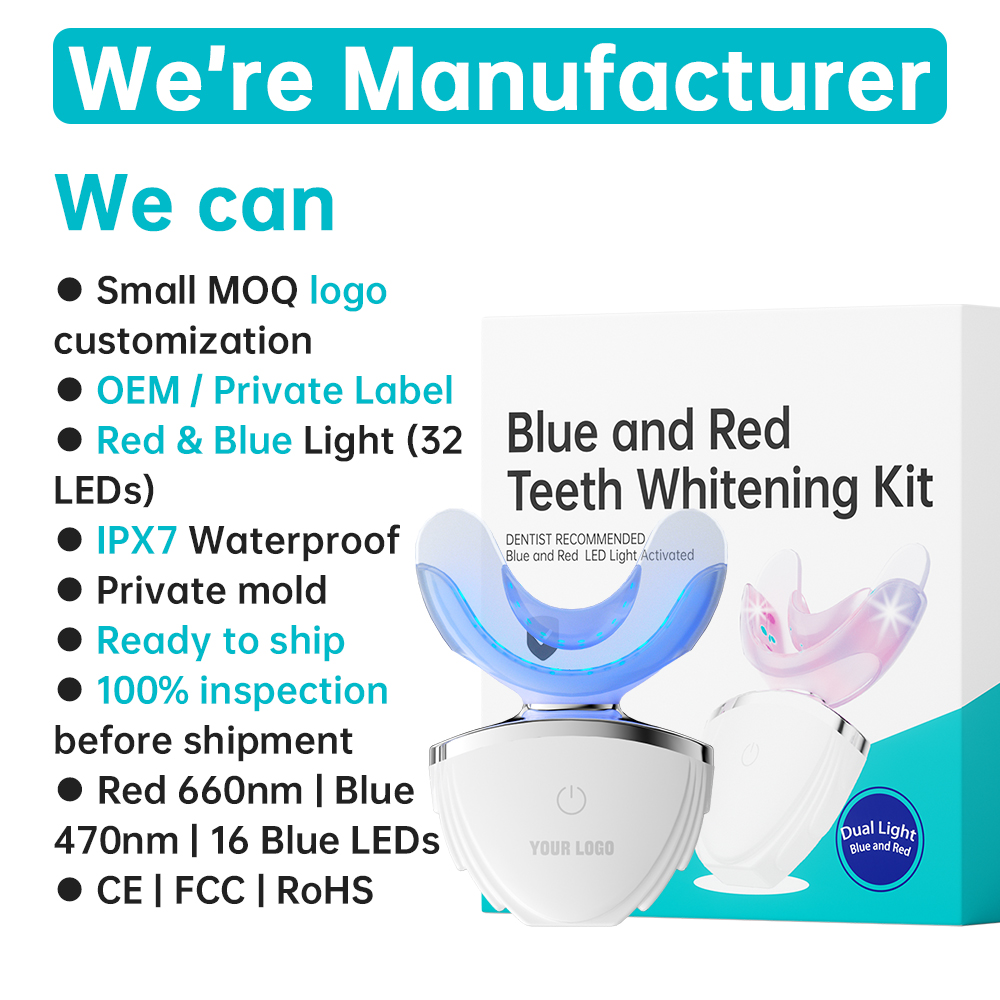
Before market release, Portable Whitening Kits undergo safety validation and certification testing. Documented proof of Whitening Device Safety supports regulatory approvals and builds confidence among B2B buyers and distributors.
Whitening Device Safety not an add-on—it engineered into the core of a Portable Whitening. Through controlled output, safe materials, smart electronics, and compliance-driven design, manufacturers can deliver portable whitening solutions that meet both performance expectations and global safety standards in competitive B2B markets. Contact us
Is Your Accelerated Whitening Solution Backed by Full Aesthetic Device Compliance?

Why Pair a Sonic Vibration Core with Food-grade Bristle Material for Safe Oral Care?
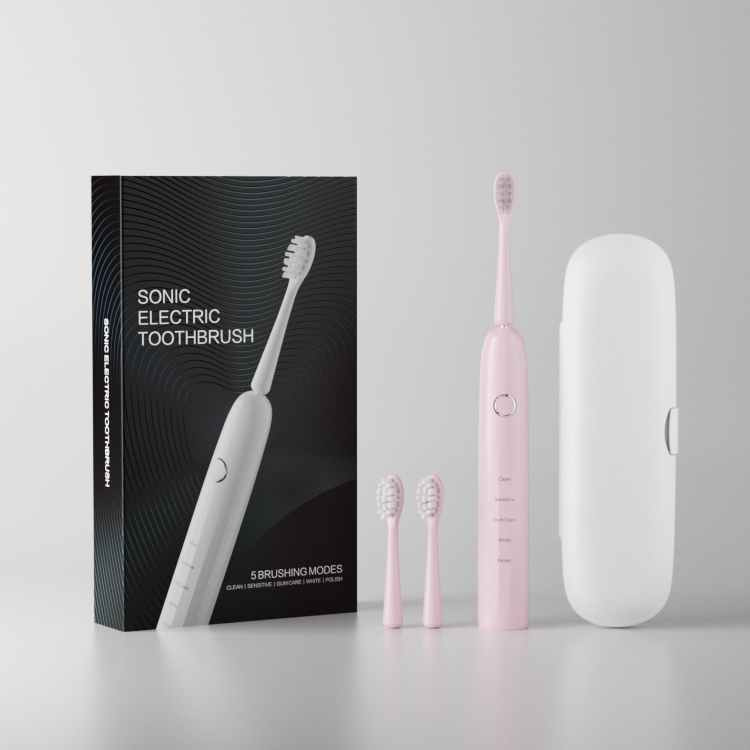
Why Work With an Electric Toothbrush Export Specialist as Your Global Toothbrush Supplier?
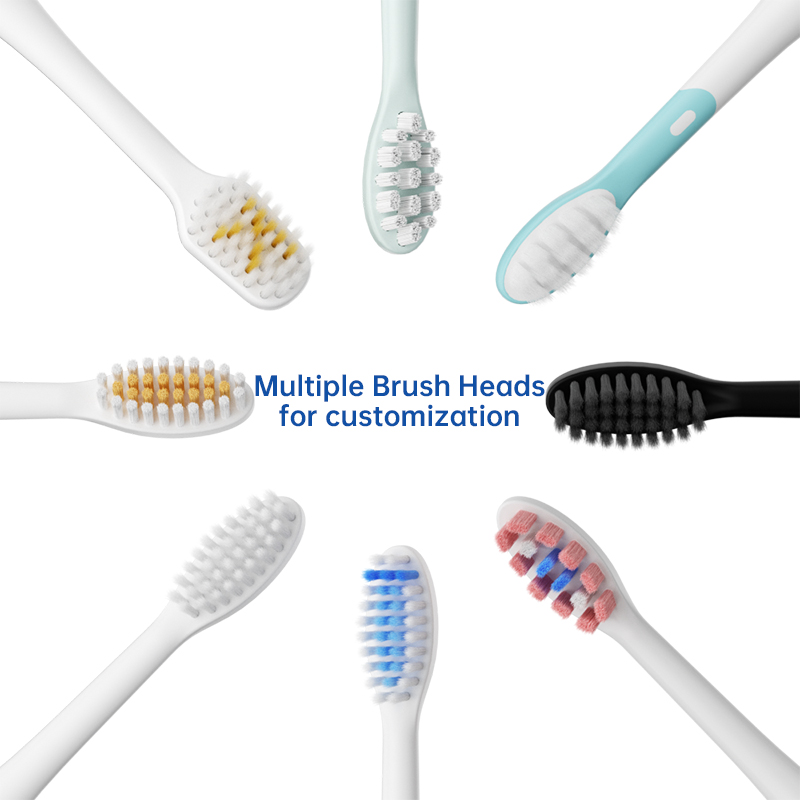
What Are Eco-Friendly Toothbrush Bristles Made Of? A Guide for OEM Brands

Can Sonic Wave Technology Benefit from a Motor Efficiency Upgrade?
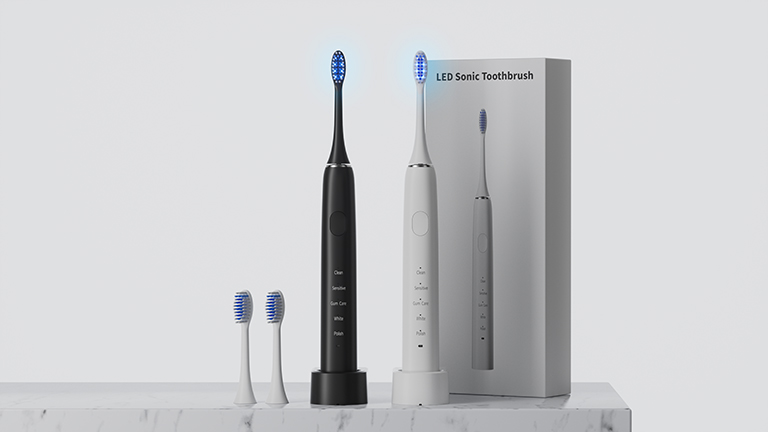
Why Is a Dependable Toothbrush Battery Supplier Crucial for a Long-Lasting Toothbrush?

Is a UV Free Whitening System Inherently More Enamel Safe?

Why Should an Anti-bacterial Hose Be Constructed from Medical-grade Material?
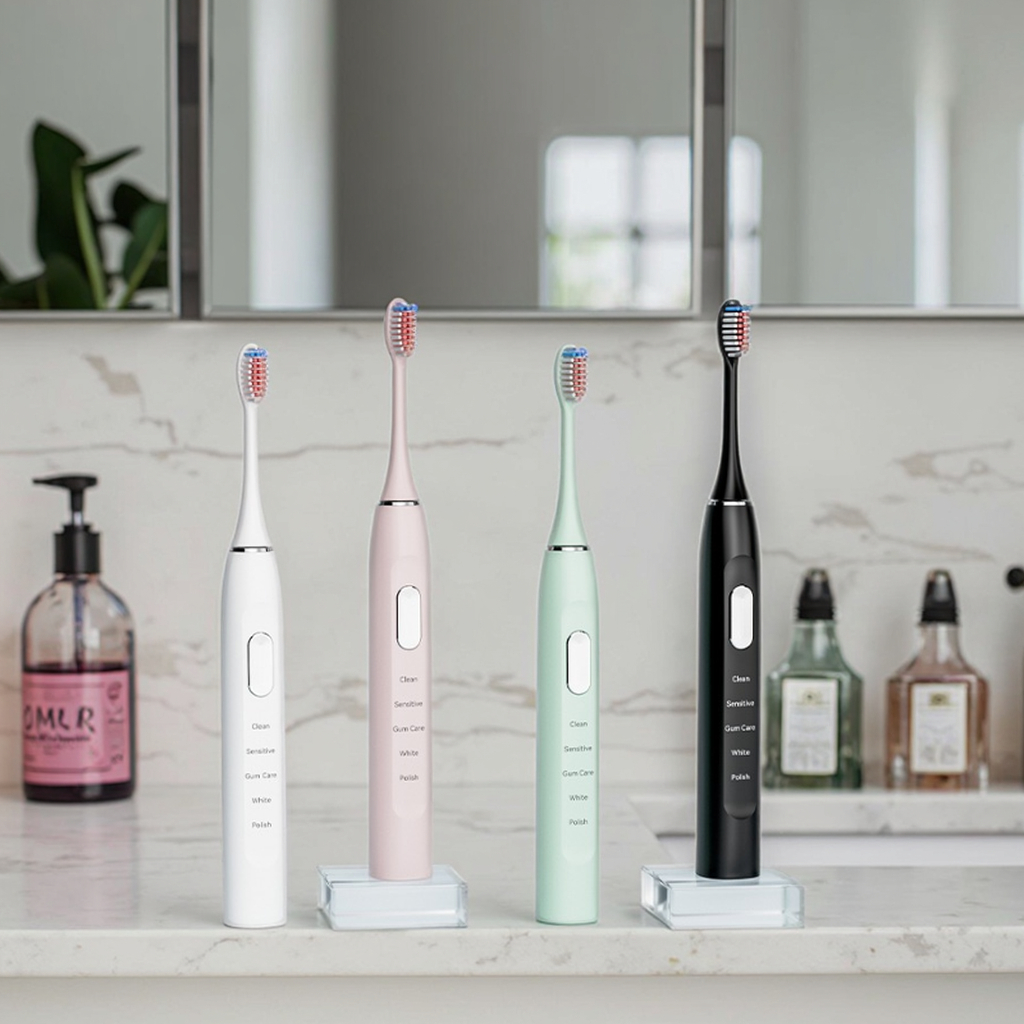
What Functions Are the Most Concerned by Electric Toothbrush Users?
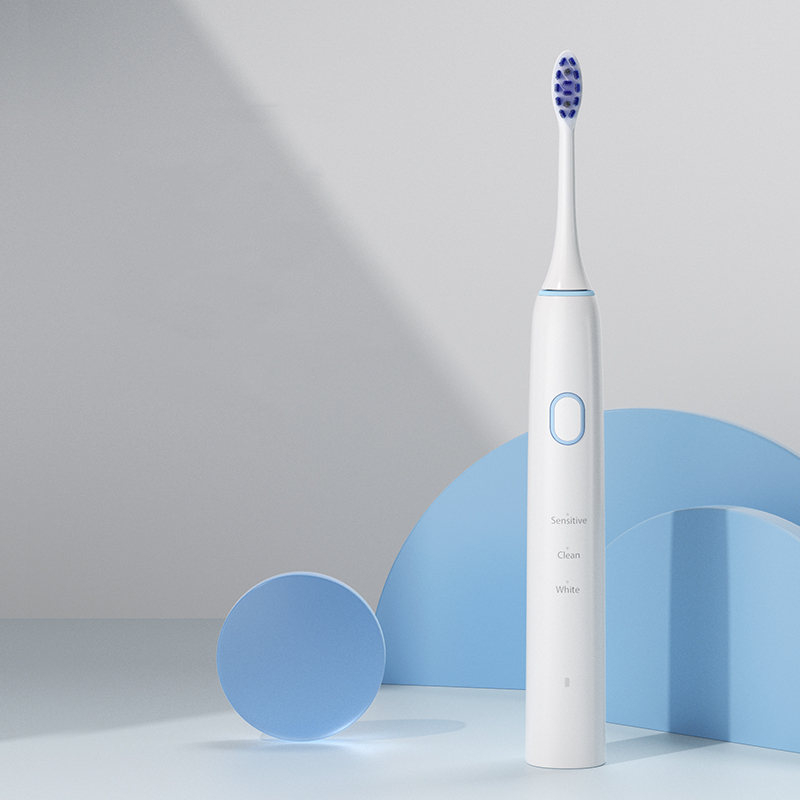
Houston electric toothbrush
.jpg)
Corporate gift sonic electric toothbrush suppliers Houston
.jpg)
sonic toothbrush with smart pressure sensor
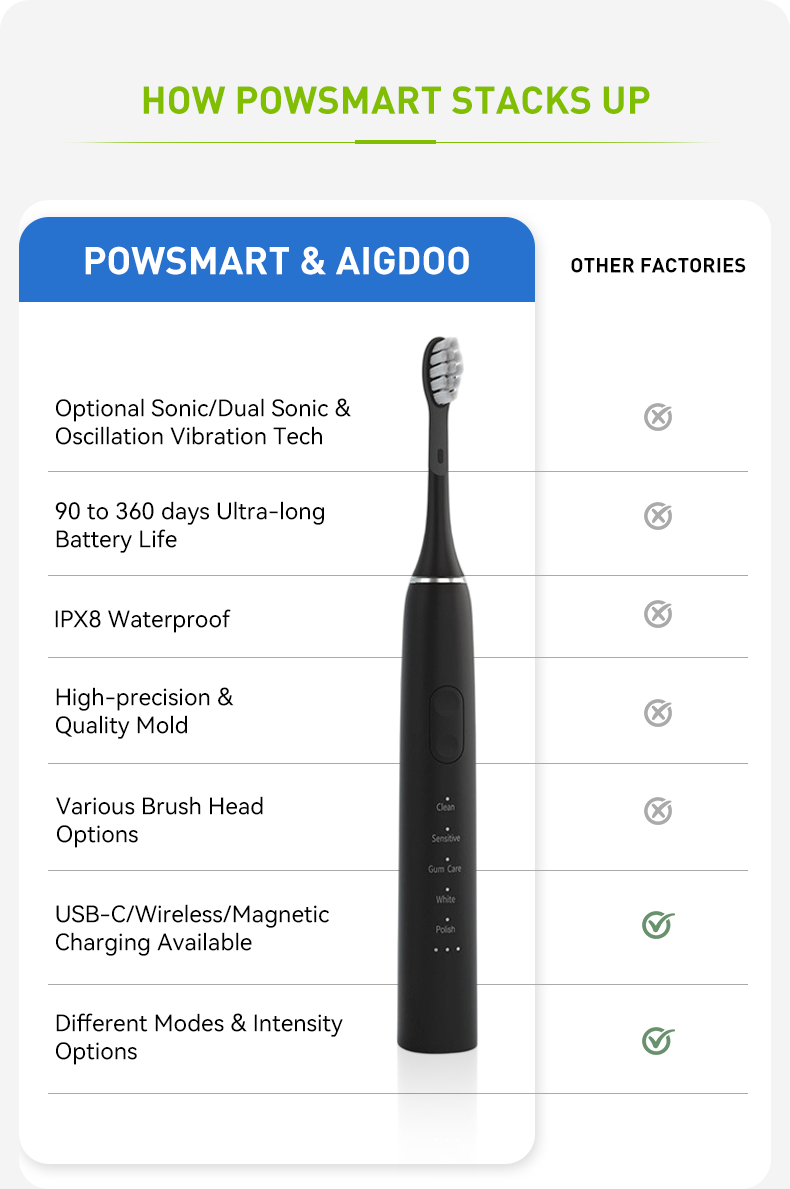
Why Is Universal Brush Head Compatibility a Challenge for Certification Compliance?
How Does a Teeth Whitening Supplier Ensure Whitening Kit Certification for Market Safety?
Sourcing Wireless Charging Coils? Need a Reliable Global Logistics Partner for Delivery?
How Does a Modern Touch Interface Design Integrate with an LED Display Module for User Feedback?


.jpg)
.jpg)
.jpg)
.jpg)
.jpg)





.jpg)
.jpg)