In next-generation whitening formulations, combining a Photobleaching Catalyst with an Optical Brightener enables manufacturers to achieve faster stain breakdown while enhancing immediate visual brightness. For B2B developers of professional and consumer whitening solutions, this dual-mechanism approach delivers both chemical efficacy and perceptual enhancement in a controlled, scientifically validated manner.
A Photobleaching Catalyst enhances the efficiency of light-activated reactions, accelerating the breakdown of chromogenic compounds. This allows whitening systems to achieve noticeable results at lower energy input or reduced treatment time.
Optical Brighteners absorb ultraviolet or high-energy visible light and re-emit it as blue light, creating an instant brightness effect. This complements chemical whitening by improving perceived whiteness even before full stain oxidation is complete.
By improving reaction efficiency and visual output, the combined system allows formulators to lower peroxide levels while maintaining performance. This supports safer formulations with reduced sensitivity risk.
While photobleaching removes stains, Optical Brighteners help balance hue and reduce yellow tones. Together, they create a more uniform and natural-looking whitening result across the tooth surface.
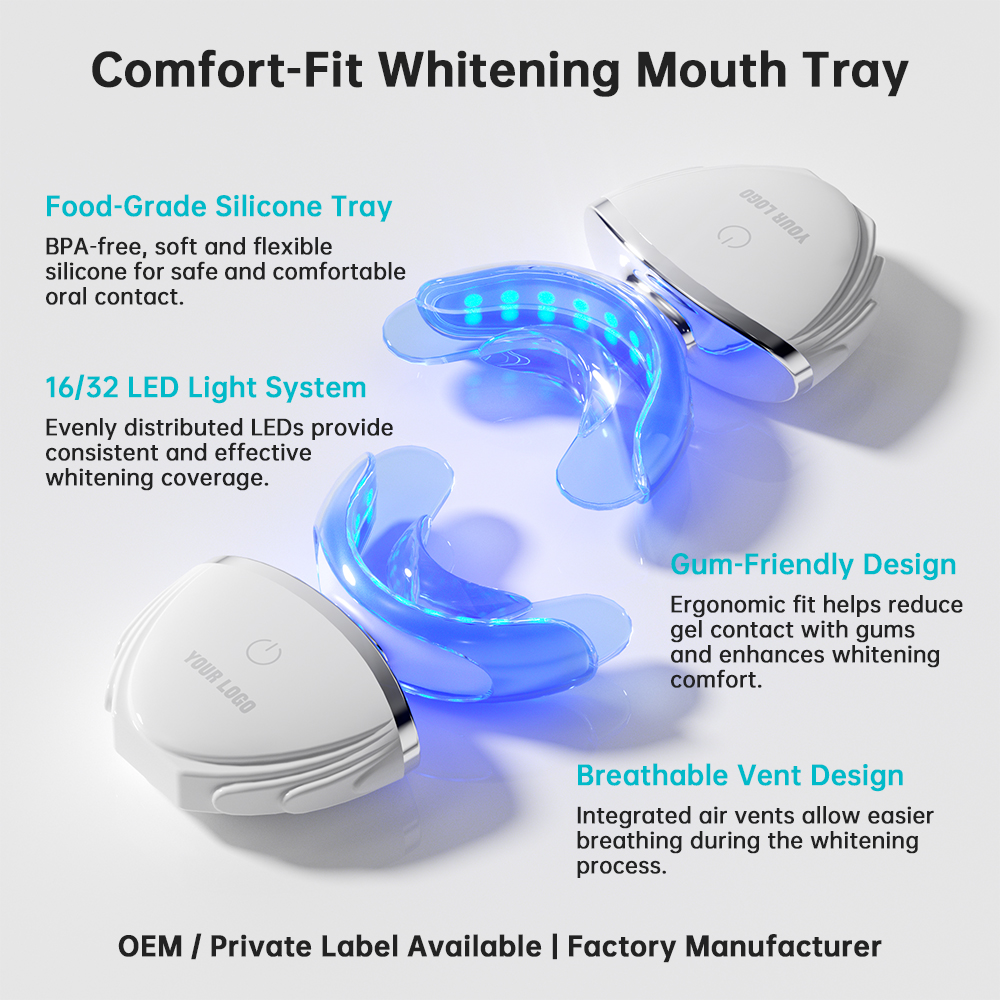
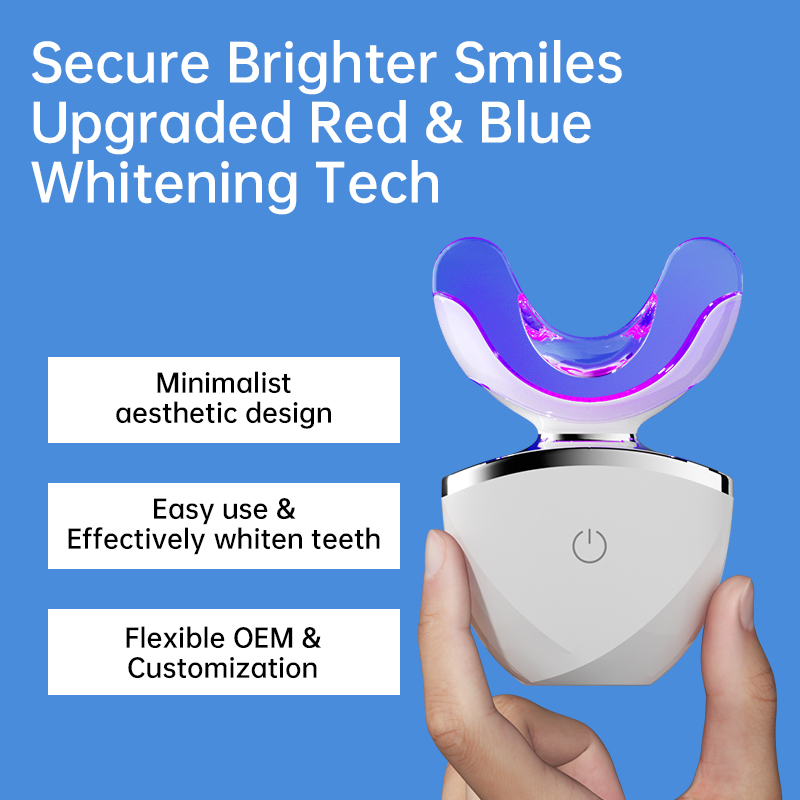
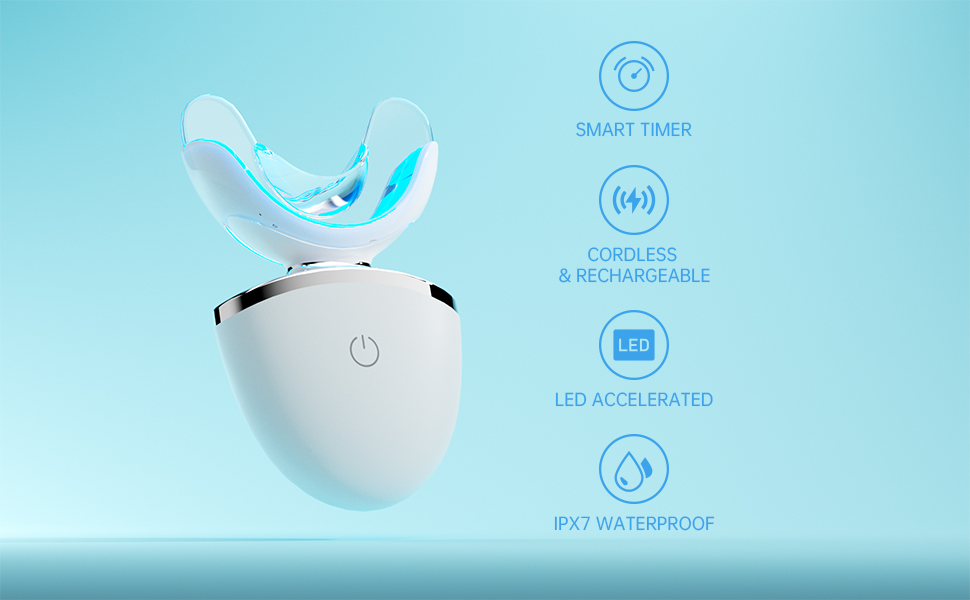
This formulation strategy aligns well with LED-based activation systems. The catalyst responds to targeted wavelengths, while the brightener enhances reflected light, maximizing the overall effect of the optical system.
Combining these technologies provides measurable advantages in both laboratory testing and clinical evaluations. Manufacturers can substantiate claims related to speed, brightness, and overall aesthetic improvement with clear performance data.
For B2B whitening manufacturers, integrating a Photobleaching Catalyst with an Optical Brightener represents a strategic advancement in formulation science. This synergistic approach delivers enhanced efficacy, improved safety, and stronger visual outcomes—key factors for competitive, next-generation whitening solutions.Contact us
.jpg)
.jpg)
Premium Electric Toothbrush OEM Manufacturer for Global Markets
Water Flosser Pressure Stability OEM | Consistent Performance Manufacturing

Are Electric Toothbrushes Harmful to Children? Analysis of the Three Major Hazards and Disadvantages
Electric Toothbrush Lifespan: When to Replace from an OEM Perspective
Night Brushing Electric Toothbrush Tips: Effective Night-Time Oral Care
Water Flosser Gum Disease Benefits: Manage Periodontal Health Effectively
Why Do Whitening Cycles Cause Efficacy Debates?
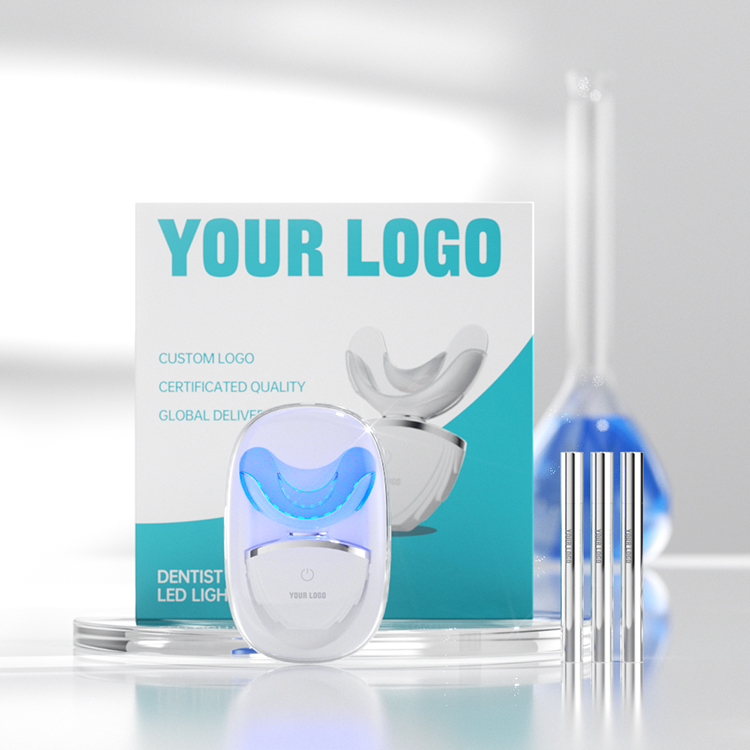
Why Should a Cosmetic Grade Whitening Gel Come with a Precision Gel Applicator?
How to Balance a High Plaque Removal Rate with Effective Gum Sensitivity Care?
How Long Is the Warranty on a Water Flosser? OEM Policy Guide
Corporate Holiday Toothbrush Gift Sets | Wellness Gifts for Employees
Can a Smart Timer Chip integrate with a Surface Reflectance Sensor to optimize brushing analytics?
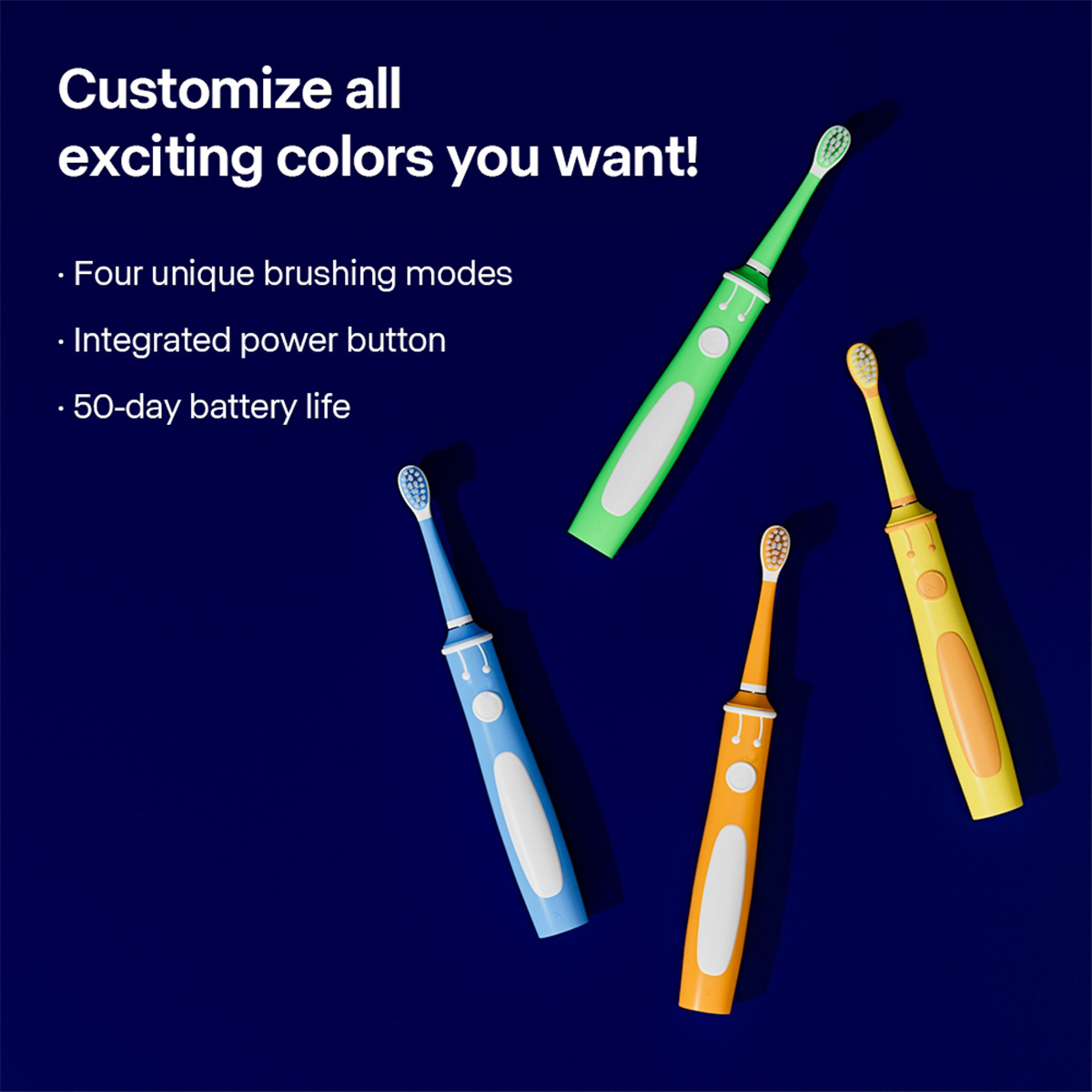
Battery Leakage, Shell Peeling Off… What Are the Familiar Problems with Unqualified Children Electric Toothbrushes?
What Safety Regulations in Local Laws Need to Be Met for the Sale of Teeth-Whitening Product Ingredients in the United States?
Electric Toothbrush OEM Manufacturing Guide

Can Blue Light Teeth Whitening Devices and Whitening Gels Be Used During Pregnancy?


.jpg)
.jpg)
.jpg)
.jpg)
.jpg)







.jpg)